Backstreet Cultural Museum things to do, attractions, restaurants, events info and trip planning
Basic Info
Backstreet Cultural Museum
1531 St Philip St, New Orleans, LA 70116
4.7(214)
Open until 12:00 AM

tickets
Save
spot
spot
Ratings & Description
Info
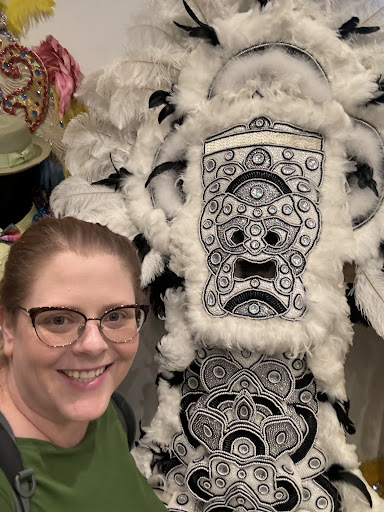
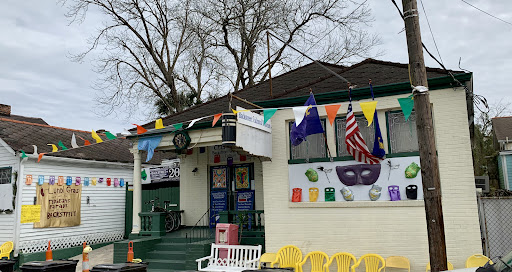
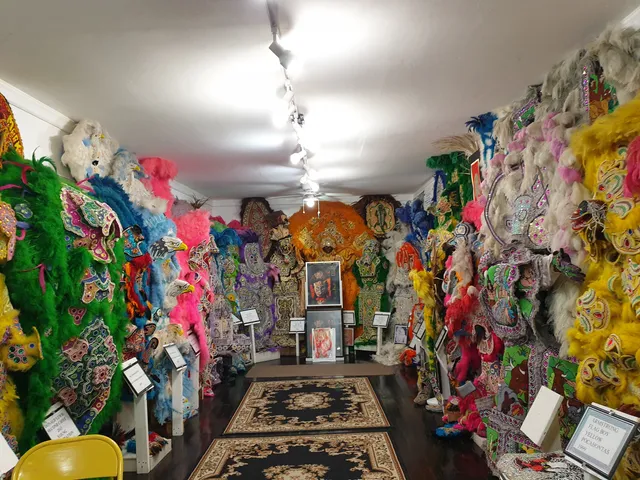
The Backstreet Cultural Museum is a museum in New Orleans, Louisiana's Tremé neighborhood, founded by Sylvester Francis.
Cultural
Family friendly
Accessibility
attractions: Hoodoo Central, LLC + House of the Divine Prince, Louis Armstrong Park, Treme's Petit Jazz Museum, Mahalia Jackson Theater for the Performing Arts, New Orleans African American Museum, Saint Augustine Catholic Church, Congo Square, St. Peter Claver Catholic Church, Bloody Mary's Haunted Museum & Voodoo Shop, The George and Joyce Wein Jazz & Heritage Center, restaurants: Treme Coffeehouse, Fatma's Cozy Corner, I-tal Garden, Li'l Dizzy's Cafe, Fritai, Love Orleans, Wing Snack Express III, Vieux Carre, Lost Coyote Restaurant, Bar Tonique, local businesses: Candlelight Lounge, 24/7 Armstrong Tire Shop & Auto Repair, Manchu Food Store, New Orleans Kayak Swamp Tours, St. Louis Cemetery No. 1 Official Tour, New Orleans Jazz & Heritage Festival and Foundation, Inc., WWL TV Channel 4, Shrimp Boil Cabaret, Seven Three Distilling Co., Style House
 Learn more insights from Wanderboat AI.
Phone
(504) 657-6700
Website
backstreetmuseum.org
Open hoursSee all hours
MonClosedOpen
Plan your stay

Pet-friendly Hotels in New Orleans
Find a cozy hotel nearby and make it a full experience.

Affordable Hotels in New Orleans
Find a cozy hotel nearby and make it a full experience.

The Coolest Hotels You Haven't Heard Of (Yet)
Find a cozy hotel nearby and make it a full experience.

Trending Stays Worth the Hype in New Orleans
Find a cozy hotel nearby and make it a full experience.
Reviews
Live events
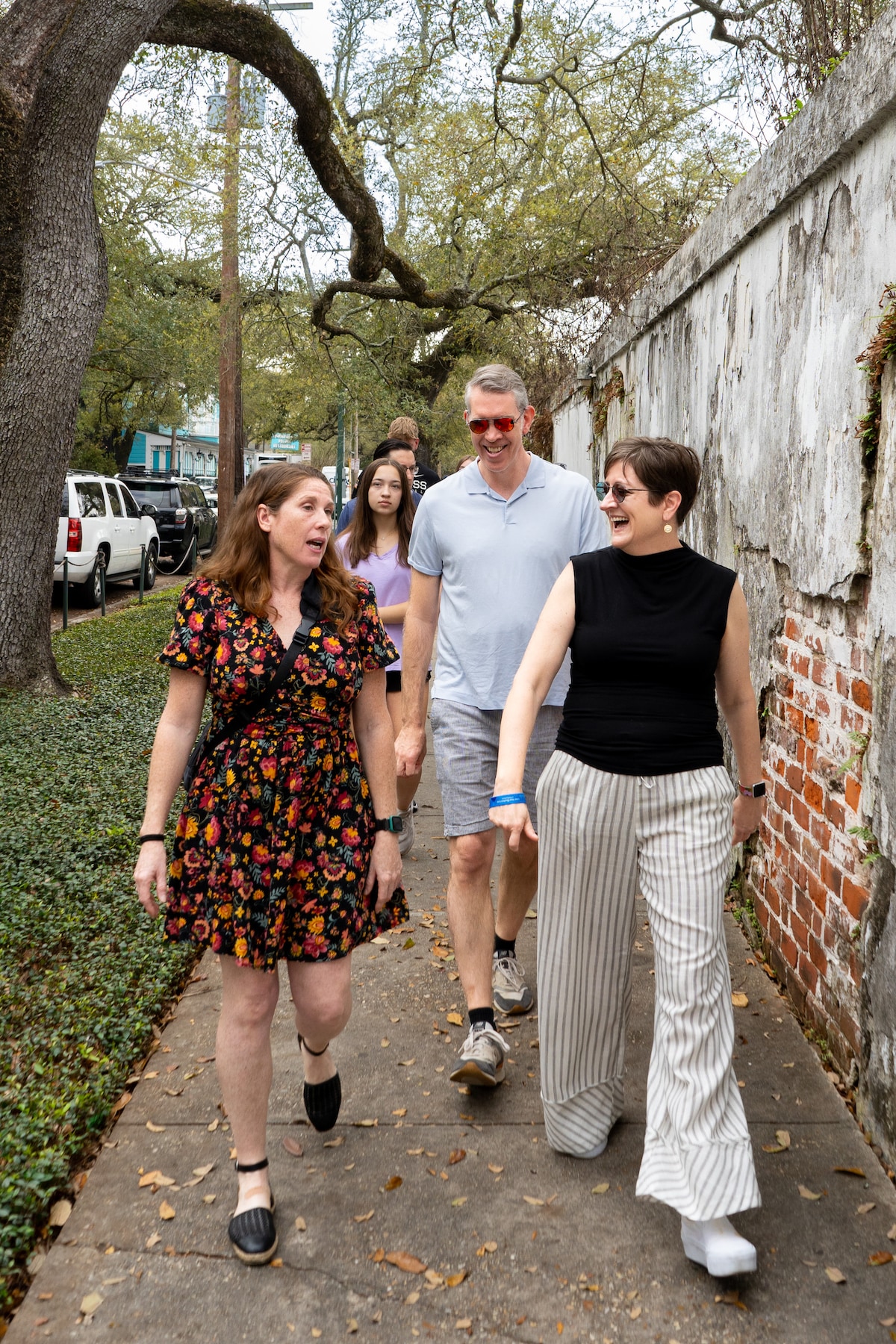
Like a Local - Garden District Food & History Tour
Tue, Jan 27 • 10:00 AM
New Orleans, Louisiana, 00000
View details

Singles Party
Tue, Jan 27 • 7:00 PM
Kenner, Kenner, LA 70065
View details
The Blackest Ghost Tour
Wed, Jan 28 • 8:00 PM
New Orleans, Louisiana, 70119
View details
Nearby attractions of Backstreet Cultural Museum
Hoodoo Central, LLC + House of the Divine Prince
Louis Armstrong Park
Treme's Petit Jazz Museum
Mahalia Jackson Theater for the Performing Arts
New Orleans African American Museum
Saint Augustine Catholic Church
Congo Square
St. Peter Claver Catholic Church
Bloody Mary's Haunted Museum & Voodoo Shop
The George and Joyce Wein Jazz & Heritage Center
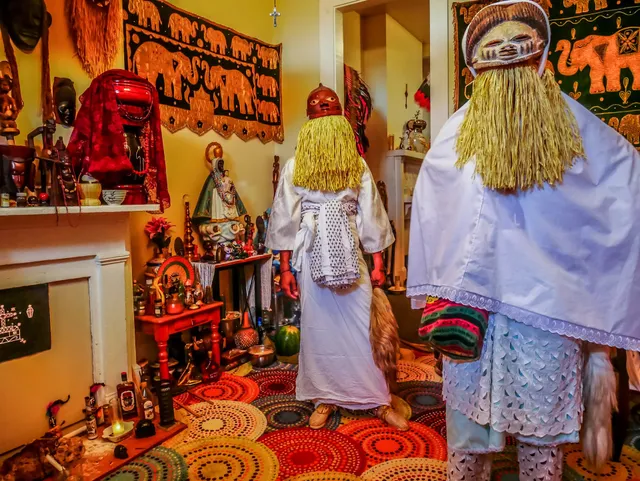
Hoodoo Central, LLC + House of the Divine Prince
4.9
(81)
Open until 12:00 AM
Click for details
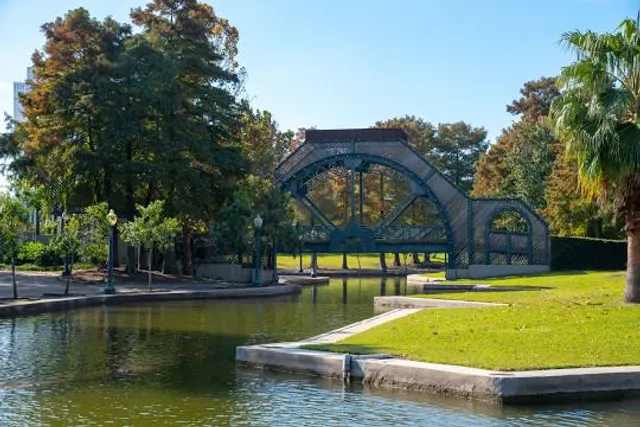
Louis Armstrong Park
4.5
(3.3K)
Open until 6:00 PM
Click for details
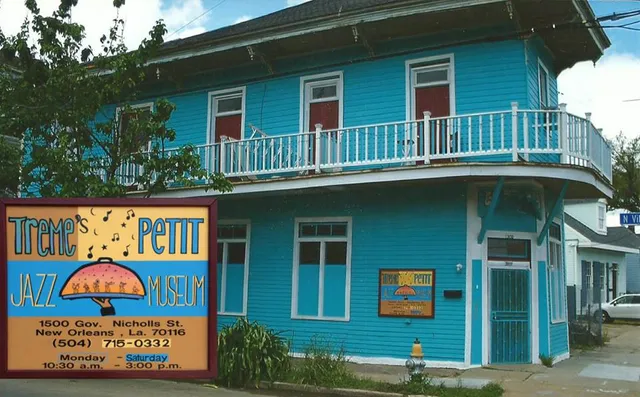
Treme's Petit Jazz Museum
4.9
(145)
Open until 12:00 AM
Click for details
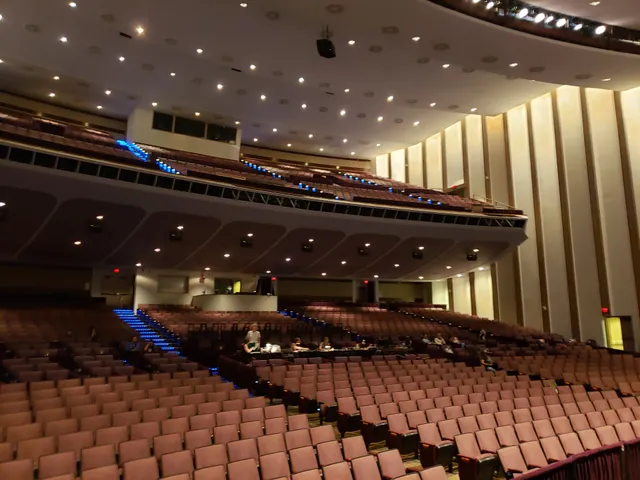
Mahalia Jackson Theater for the Performing Arts
4.4
(556)
Open 24 hours
Click for details
Nearby restaurants of Backstreet Cultural Museum
Treme Coffeehouse
Fatma's Cozy Corner
I-tal Garden
Li'l Dizzy's Cafe
Fritai
Love Orleans
Wing Snack Express III
Vieux Carre
Lost Coyote Restaurant
Bar Tonique
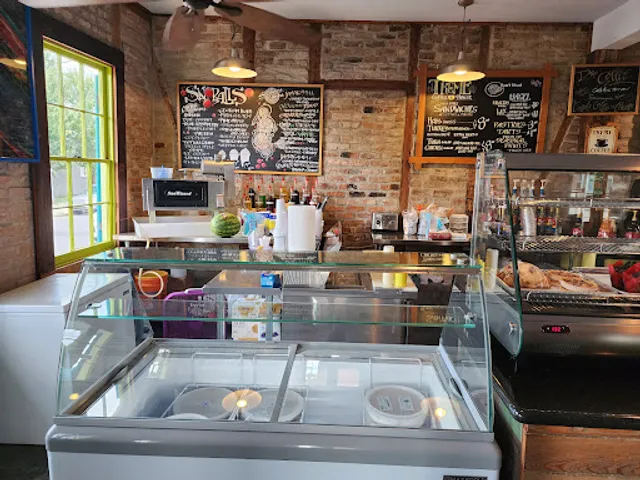
Treme Coffeehouse
4.7
(347)
$
Open until 12:00 AM
Click for details
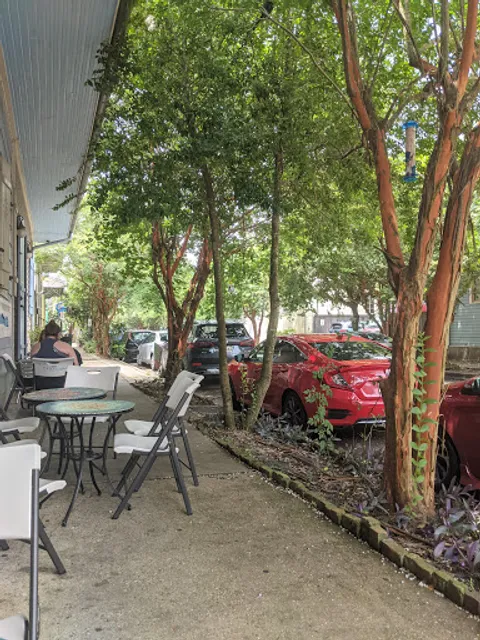
Fatma's Cozy Corner
4.8
(330)
$
Closed
Click for details
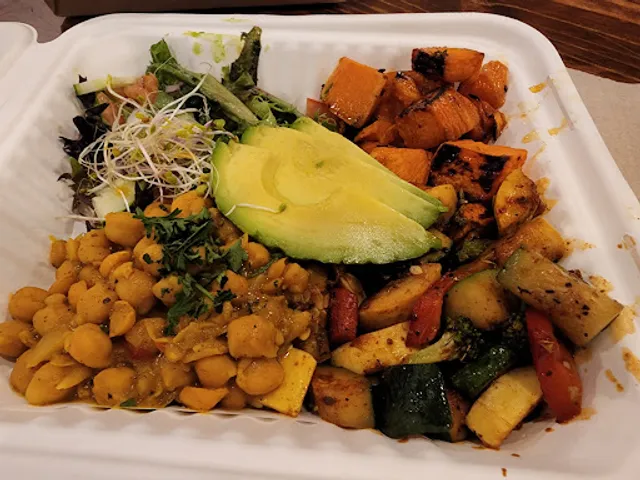
I-tal Garden
4.7
(377)
$
Open until 12:00 AM
Click for details
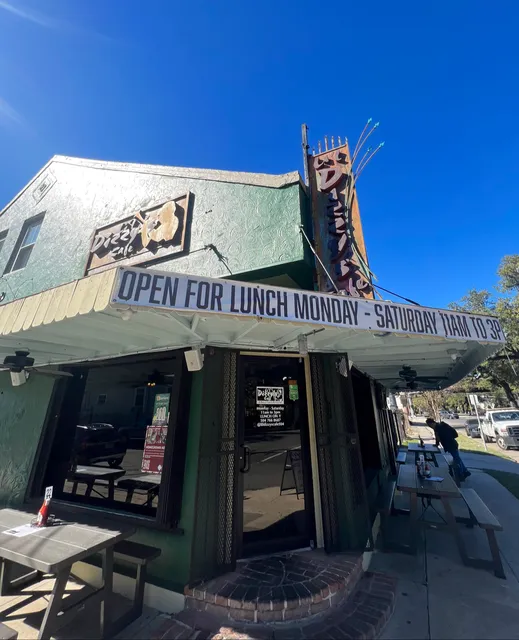
Li'l Dizzy's Cafe
4.6
(1.5K)
$
Open until 12:00 AM
Click for details
Nearby local services of Backstreet Cultural Museum
Candlelight Lounge
24/7 Armstrong Tire Shop & Auto Repair
Manchu Food Store
New Orleans Kayak Swamp Tours
St. Louis Cemetery No. 1 Official Tour
New Orleans Jazz & Heritage Festival and Foundation, Inc.
WWL TV Channel 4
Shrimp Boil Cabaret
Seven Three Distilling Co.
Style House
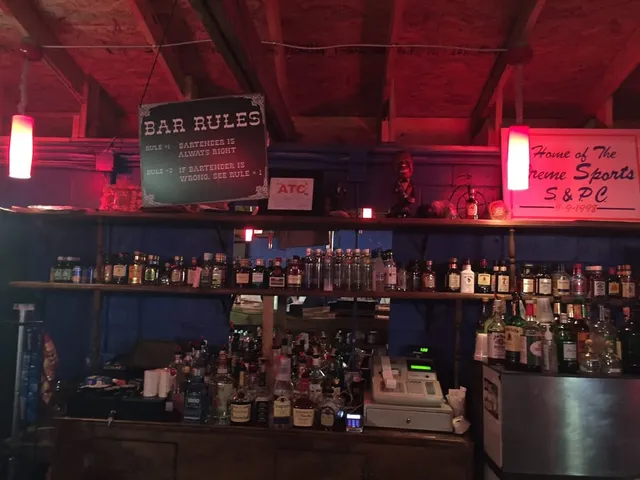
Candlelight Lounge
4.5
(139)
Click for details
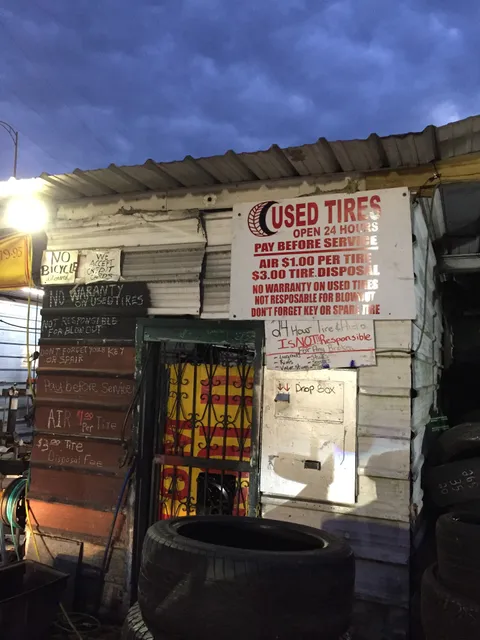
24/7 Armstrong Tire Shop & Auto Repair
4.7
(112)
Click for details
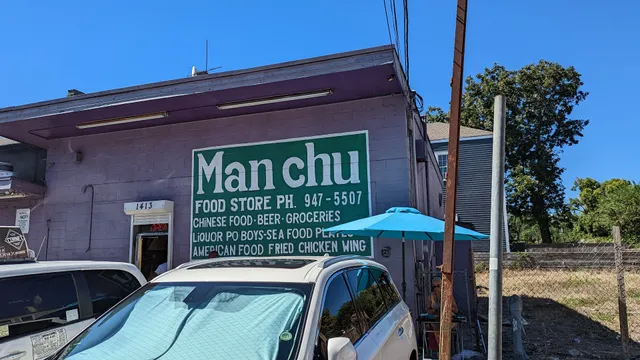
Manchu Food Store
4.2
(147)
Click for details
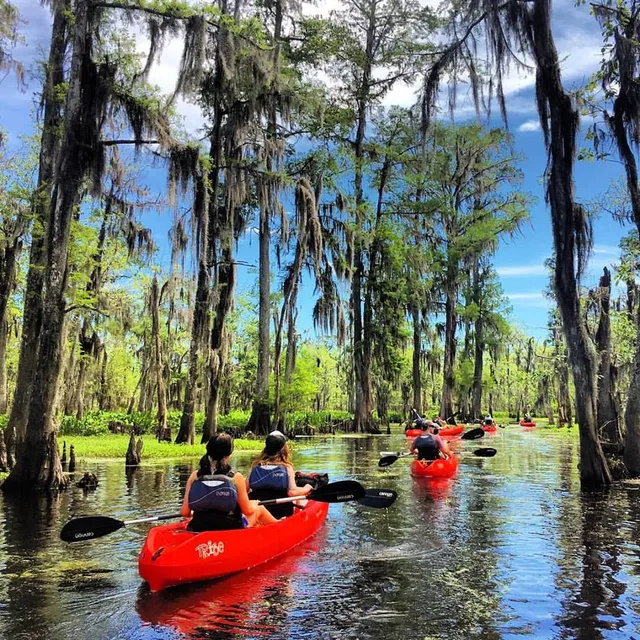
New Orleans Kayak Swamp Tours
4.9
(694)
Click for details


The hit list
Plan your trip with Wanderboat
Welcome to Wanderboat AI, your AI search for local Eats and Fun, designed to help you explore your city and the world with ease.
Powered by Wanderboat AI trip planner.