Fort Tryon things to do, attractions, restaurants, events info and trip planning
Basic Info
Fort Tryon
99 Margaret Corbin Dr #67, New York, NY 10040
4.8(195)
Open until 1:00 AM
Save
spot
spot
Ratings & Description
Info
Outdoor
Scenic
Family friendly
Pet friendly
attractions: Fort Tryon Park, Sir William's Dog Run, The Met Cloisters, Linden Terrace, Billings Lawn, Jacob Javits Playground, Anne Loftus Playground, Inspiration Point, Lt. William Tighe Triangle, Inwood Library, restaurants: The Bonnefont, Casa Tuya, Cañave, Republica Restaurant Rooftop & Lounge, The Trie Café, Locksmith Bar, Tryon Public House, Habibi Deli & Grocery, Casa Koko Restaurant, Wahizza Pizzeria & Restaurant ( Italian ), local businesses: Heather Garden, Heather Garden, Fort Tryon Park Trust, Dollar Tree, YM & YWHA of Washington Heights and Inwood, Golden Touch Spa, IMAGESFOTO, The Met Store, Paloma Beauty Salon Fashion, Tread Bike Shop
 Learn more insights from Wanderboat AI.
Website
forttryonparktrust.org
Open hoursSee all hours
Tue6 AM - 1 AMOpen
Plan your stay

Pet-friendly Hotels in New York
Find a cozy hotel nearby and make it a full experience.

Affordable Hotels in New York
Find a cozy hotel nearby and make it a full experience.

The Coolest Hotels You Haven't Heard Of (Yet)
Find a cozy hotel nearby and make it a full experience.

Trending Stays Worth the Hype in New York
Find a cozy hotel nearby and make it a full experience.
Reviews
Live events
ARTE MUSEUM: An Immersive Media Art Exhibition
Wed, Feb 11 • 10:00 AM
61 Chelsea Piers, New York, 10011
View details
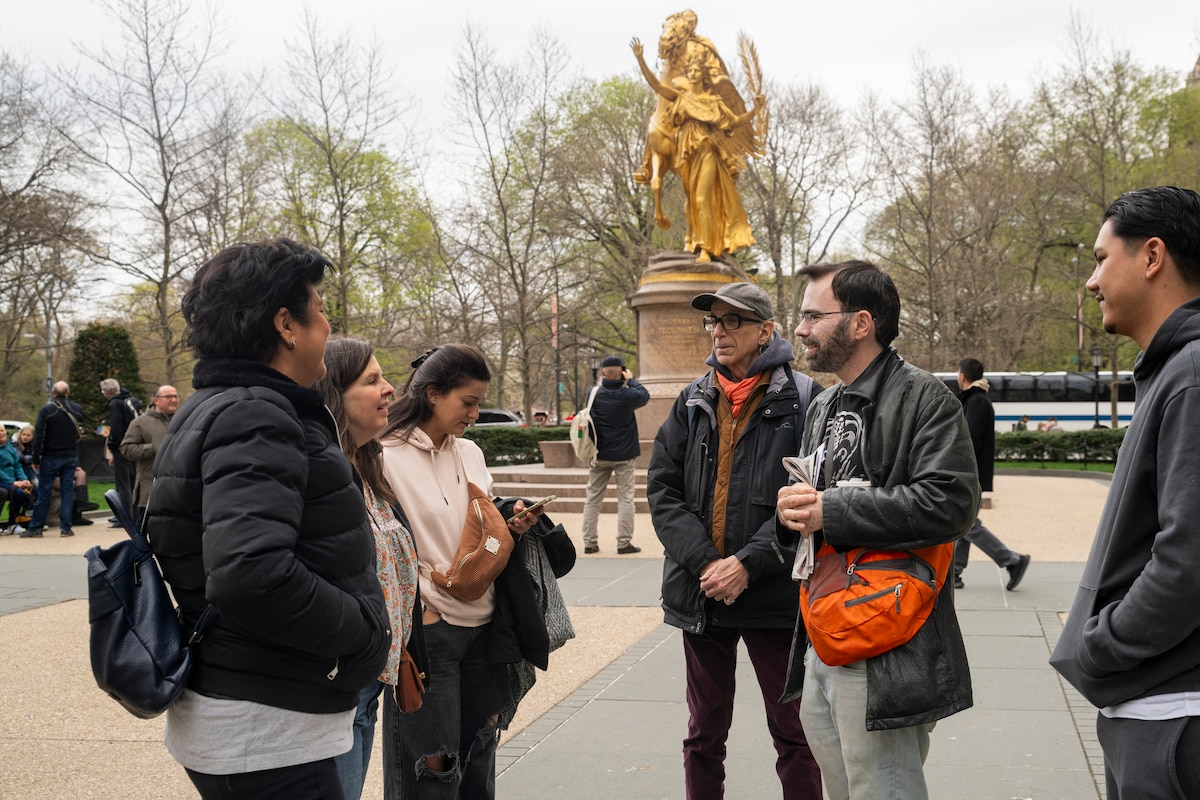
The Full-Day See It All NYC Tour
Wed, Feb 11 • 10:30 AM
New York, New York, 10019
View details
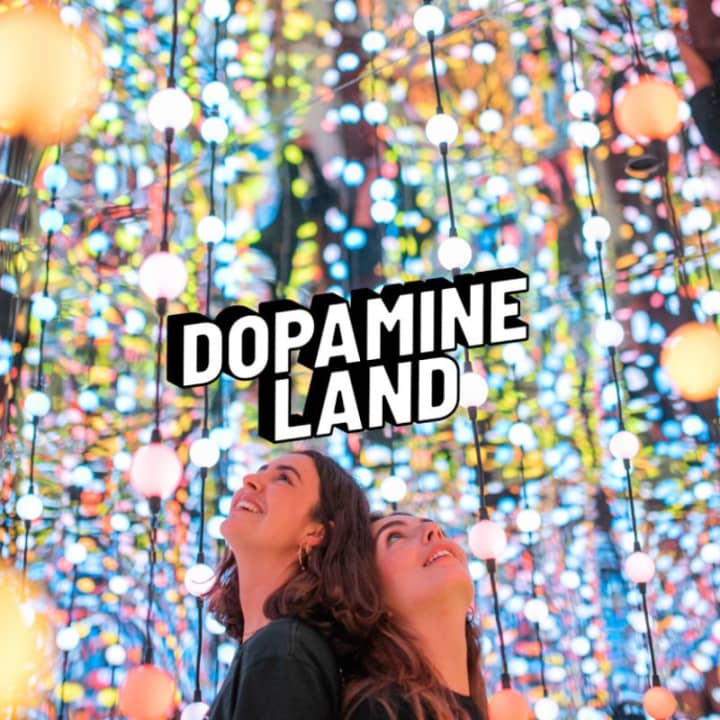
Dopamine Land: A Multisensory Experience
Wed, Feb 11 • 2:00 PM
One Garden State Plaza Pkwy, Paramus, 07652
View details
Nearby attractions of Fort Tryon
Fort Tryon Park
Sir William's Dog Run
The Met Cloisters
Linden Terrace
Billings Lawn
Jacob Javits Playground
Anne Loftus Playground
Inspiration Point
Lt. William Tighe Triangle
Inwood Library

Fort Tryon Park
4.7
(3.6K)
Open until 1:00 AM
Click for details
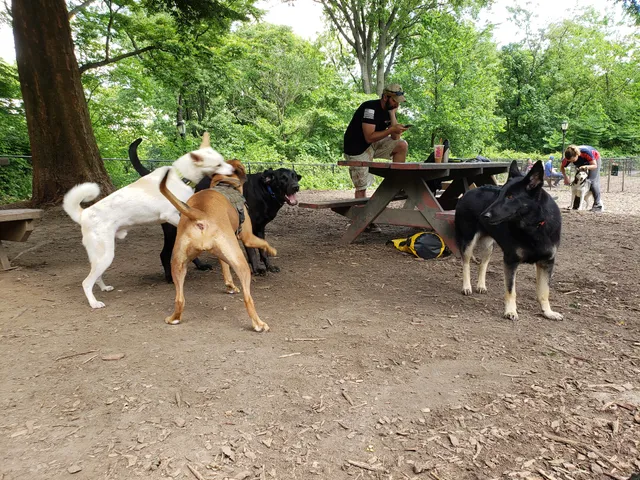
Sir William's Dog Run
4.6
(88)
Open until 1:00 AM
Click for details
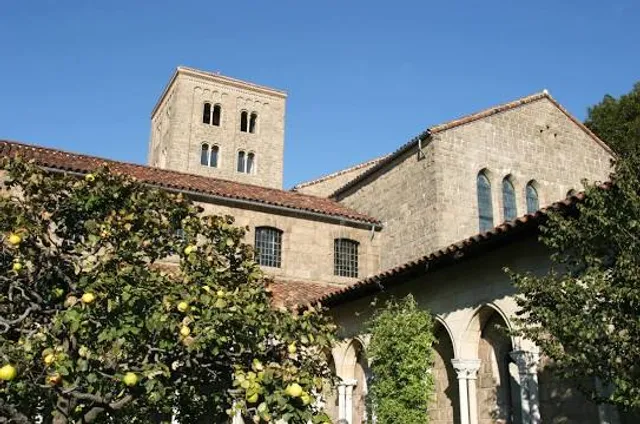
The Met Cloisters
4.8
(3.5K)
Closed
Click for details
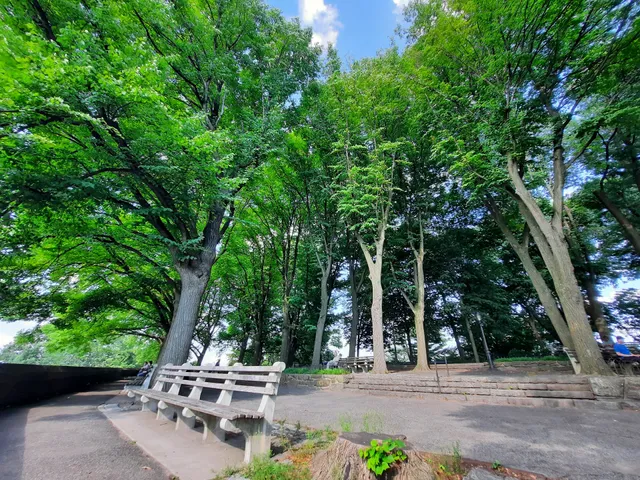
Linden Terrace
5.0
(9)
Open 24 hours
Click for details
Nearby restaurants of Fort Tryon
The Bonnefont
Casa Tuya
Cañave
Republica Restaurant Rooftop & Lounge
The Trie Café
Locksmith Bar
Tryon Public House
Habibi Deli & Grocery
Casa Koko Restaurant
Wahizza Pizzeria & Restaurant ( Italian )

The Bonnefont
4.2
(126)
$$$
Open until 12:00 AM
Click for details
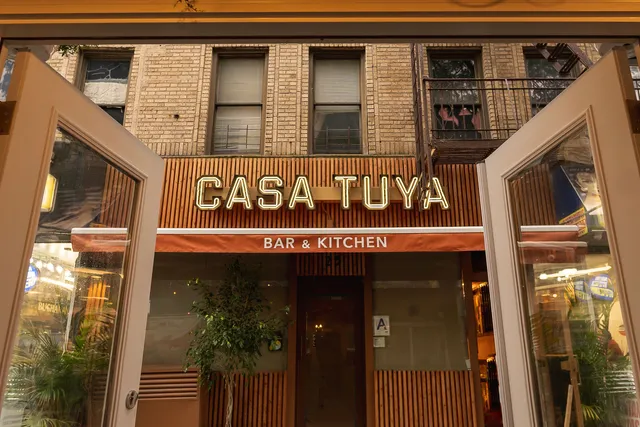
Casa Tuya
4.8
(400)
$$
Click for details
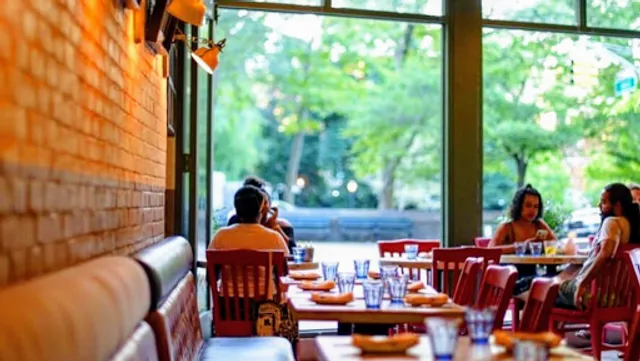
Cañave
4.5
(272)
$$
Closed
Click for details
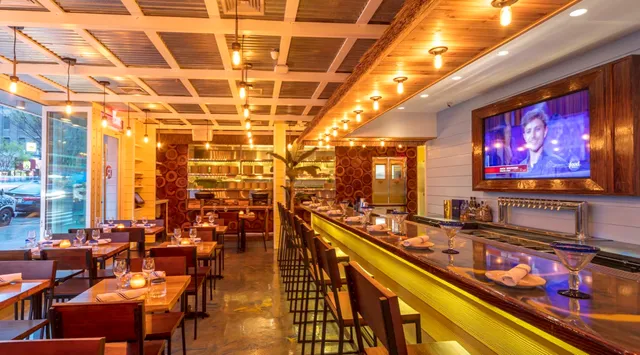
Republica Restaurant Rooftop & Lounge
4.5
(1.8K)
$$$$
Open until 12:00 AM
Click for details
Nearby local services of Fort Tryon
Heather Garden
Heather Garden
Fort Tryon Park Trust
Dollar Tree
YM & YWHA of Washington Heights and Inwood
Golden Touch Spa
IMAGESFOTO
The Met Store
Paloma Beauty Salon Fashion
Tread Bike Shop
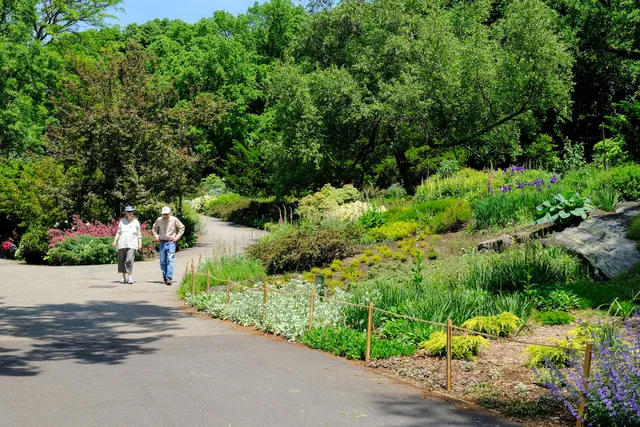
Heather Garden
4.8
(50)
Click for details
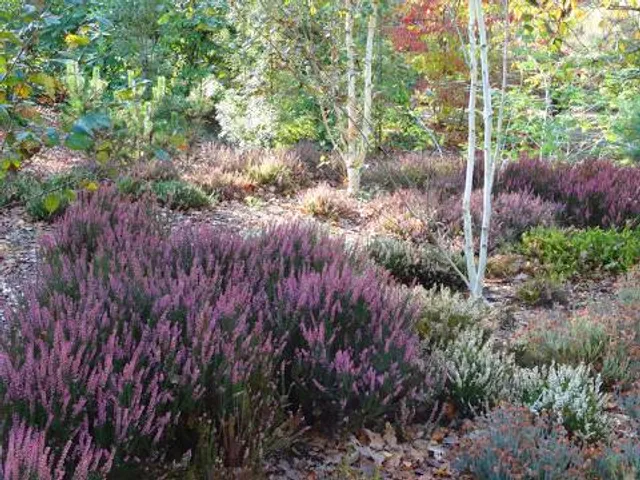
Heather Garden
4.8
(29)
Click for details
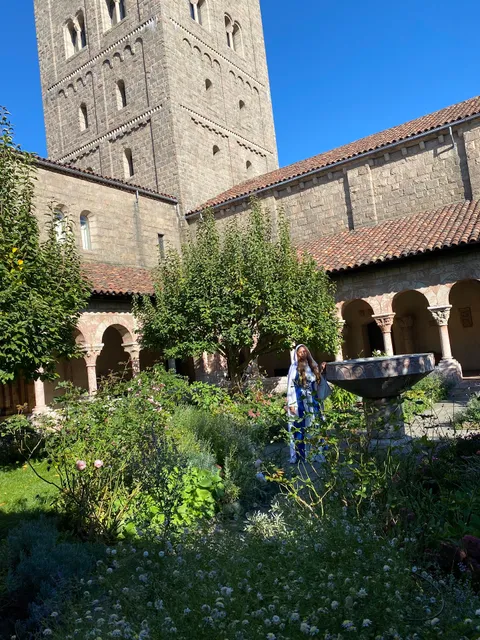
Fort Tryon Park Trust
4.8
(39)
Click for details
Dollar Tree
4.1
(524)
Click for details