Title: A Hidden Gem of History and Serenity - The Met Cloisters
Rating: ★★★★★
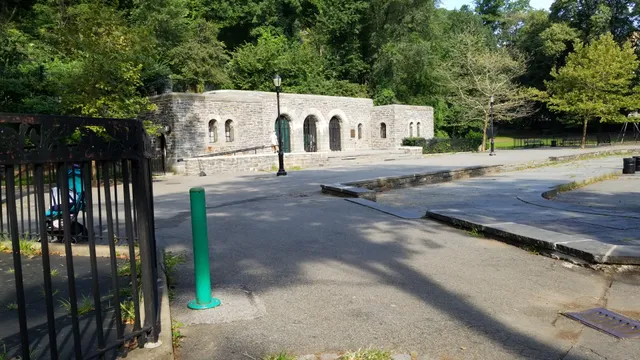
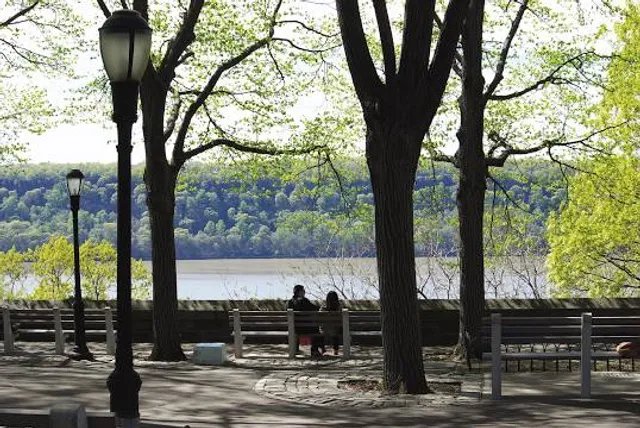
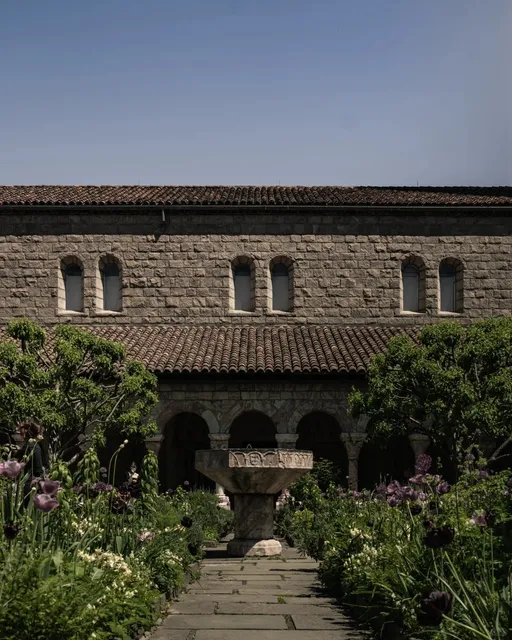
Yesterday, I was fortunate enough to visit The Met Cloisters, a veritable treasure trove nestled amidst the beauty of Fort Tryon Park in uptown Manhattan. The park is a scenic delight, with the journey to the museum serving as a charming prelude to the cultural immersion ahead. The ethereal views of the Hudson River and the surrounding landscape paint a captivating picture that holds you in its spell throughout the visit.
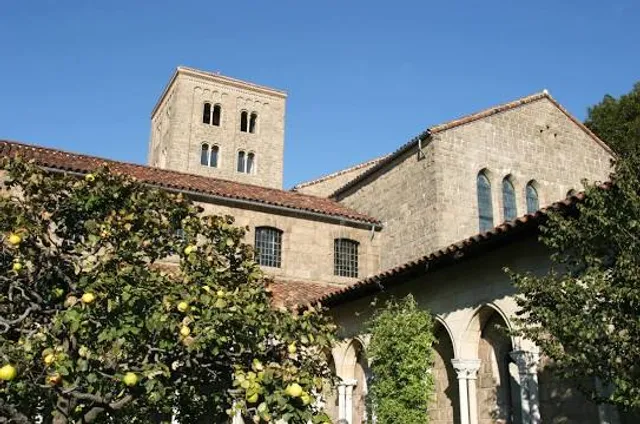
The Met Cloisters, a branch of the famed Metropolitan Museum of Art, is a testament to European medieval architecture and art, particularly the Romanesque and Gothic periods. An air of authenticity sweeps across the museum, thanks to John D. Rockefeller Jr.'s efforts, who founded the museum in 1931, with buildings procured from medieval Europe, painstakingly relocated and reconstructed at the site.
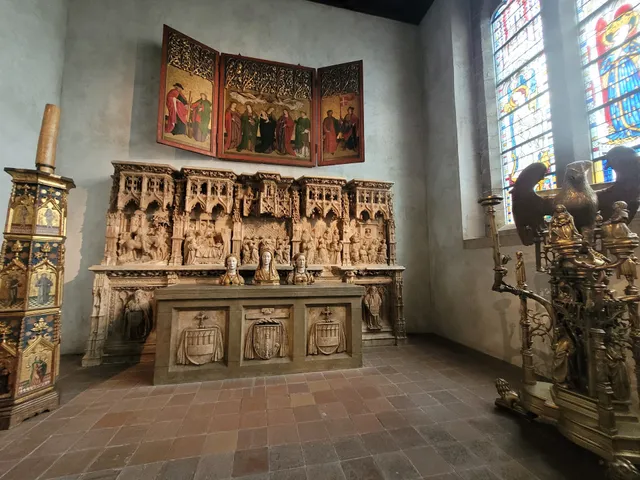
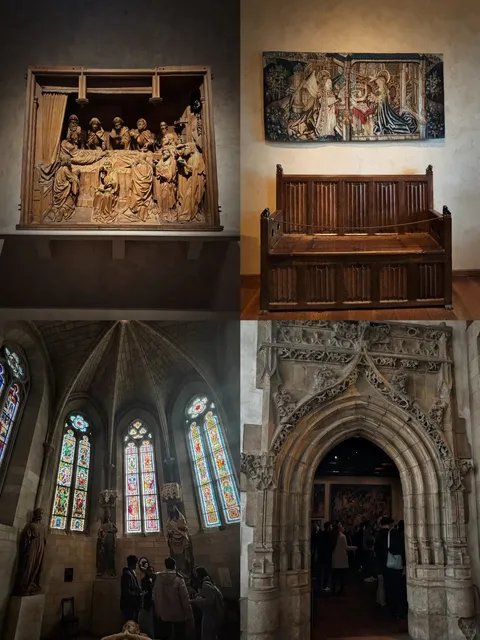
The museum houses an impressive array of artifacts, with many beautifully crafted tapestries, illuminated manuscripts, and metalwork. The curation is impeccable, seamlessly guiding you through history and allowing you to appreciate the nuanced evolution of art and culture in medieval times. The exhibits were intriguing, engaging, and far from overwhelming - a testament to the museum's commitment to an enriching visitor experience.
Despite being a Sunday, the museum didn't feel crowded. The staff were courteous, efficient, and eager to help. The crowds did not impede the experience but blended harmoniously with the environment, adding to the vibrant, intellectual atmosphere.
Taking a breather from the historical journey, the quaint cafe within the museum's gardens offers a serene respite. Coupled with a bite and a view, it's the perfect setting for contemplation and reflection on the museum's rich art and history.
The Met Cloisters also features two outdoor yards where you can unwind and soak in the awe-inspiring views of the Hudson River and surrounding areas. It is an amalgamation of history, art, and natural beauty, making it a haven for lovers of all three.
If you are a history buff, an art enthusiast, or someone looking for a tranquil escape from the city's hustle and bustle, I wholeheartedly recommend the Met Cloisters. Its slight remoteness from the heart of Manhattan only adds to its allure, making it an enchanting destination worth the journey. Be it the tranquil gardens, the meticulously curated exhibits, or the breathtaking views, the Met Cloisters presents a rewarding experience that resonates long after the visit.
To put it briefly, The Met Cloisters is an excellent fusion of history, culture, and natural beauty. This hidden gem is not just a museum; it's an experience that transports you back in time.
While a handful of Google reviewers might mention its size or perceived distance from Manhattan as downsides, I consider these factors contributing to The Met Cloisters' charm. Its smaller, intimate setting allows for a more personalized encounter with the exhibits, and the location merely sets the stage for an unforgettable adventure.
In conclusion, my visit to The Met Cloisters was an absolute delight, and I would recommend this extraordinary museum to anyone with an appreciation for history, art, and scenic beauty. The Met Cloisters is indeed a must-visit and earns a well-deserved...
Read moreThe Met Cloisters, aptly named for the '60s sitcom accounting the meeting of a cloying toaster and twin clawing oysters and sponsored by the Mets, lives up to its illustrious name. It calls to mind the stunning vistas of romanticized Medieval life, not only because its displays and infrastructure are donated from wealthy benefactors who happened upon these pieces in their European travails, but also because of the financial support of several people who I've been assured deserve every penny and whose names I forgot.
The space was crowded with an assortment of good folk pondering whether they were born in the wrong time, as accounted below:
More than eleven morose lovers counting (up or down, I could not foretell) their histories in the ancient texts on display.
Men with egos pacing just below the surface eyeing the solo cape in the basement display room as if in another life they could have pulled it off.
Hushed wanderers slipping between the three or four tombs and wondering whether that statue was of a dog or of a lamb or perhaps just a figment of the dearly departed's mother's imagination.
All measures of cameras and their hired holders navigating the temperate minutia of etiquette around a picturesque tree or a perfectly angled column.
As aggressively as the Titanic's dance scene impressed upon me that I am indeed lower class and more sadly lacking skills in poker despite the potential I might wield if I took advantage of my preternatural delusion, so did the Cloisters' seasonly exhibit - Rich Man, Poor Man: Art, Class, and Commerce in a Late Medieval Town (a tasteful exploration of the gilded glamor of light captured in windows, jewels, metals, and a platter depicting a wife spanking her husband, as well as the corresponding café menu) - impress upon me that I was lost and would not find it. This is not a judgment to my dear readers, only a warning and a cry for help if anyone is still here and would not mind rescuing me or perhaps ordering a pizza to my location.
I will leave further examination to the accompanying photographs, other than this last note of testimony teased from the retricular beak of a bird who insisted he was a gopher - and I believe him, even if you do not:
It is a fool's errand to know your place. Who are you to know where you are or to Guess as to where you ought to be, as if Some seat were set at the table for you, Singular and different from all the rest And clearly yours with the consequences Of a wrong move taken and mistaken Fortunes mismatched by their maker? Hence this Tale reads as tragedy though its main curse Is that there were ever plates to coerce.
Though he was suspiciously weighed down with stolen sandwiches...
Read moreThe Cloisters is a very special museum IF you enjoy medieval art. And let me please also stress that you do have to be someone who appreciates the “recreation” of historical spaces. For example, the way The Met has the Temple of Dendur, an Egyptian temple salvaged from the rising waters of the Nile, which made its way from Egypt and was reconstructed on 5th Avenue, The Cloisters has the apse of the San Martín de Fuentidueña church (among many other architectural and sculptural treasures), which traveled from Spain to be reconstructed to create a chapel-like gallery. They also have many artistic treasures, including an Annunciation Tryptic, which is now attributed to the Tournai workshop of Northern Renaissance Master Robert Campin. If you enjoy art history, it’s one of the many masterpieces residing in NYC. The Cloisters are serene on weekdays, and have great air conditioning for those sweltering NYC summer days! It’s a bit of a hike to get there since you basically have to take the A train to one of its furthest stops in Upper Manhattan, but it’s completely worth it. But I do want to stress that you do have to have appreciation for stained glass and medieval and gothic sculpture, as well as manuscripts and other Medieval tridimensional objects for you to enjoy the museum! There are not as many paintings. And I have seen many a tourist disappointed at not having too many ‘grammable moments! I attended a lecture once by the great Met Medieval Art Curator Dr. C. Griffith Mann (please do look up his lectures on YouTube on The Cloisters, especially the Unicorn Tapestries, if you decide to go, he is a fantastic resource!) and he read a great quote by John D. Rockefeller Jr. (who is responsible for The Cloisters being built in the first place). Dr. Mann was quoting Rockefeller’s address when the museum opened in 1938, and I keep it very close to my heart because I believe it embodies the spirit of visiting The Cloisters, and I quote: “… if those under the influence of this place go out and face life with new courage because of the peace, the calm, the loveliness they have found here; if the many who thirst for beauty are refreshed and gladdened as they drink deeply from this well of beauty, those who have builded here will not have...
Read more