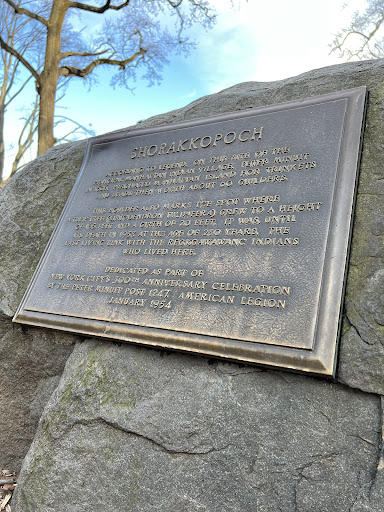
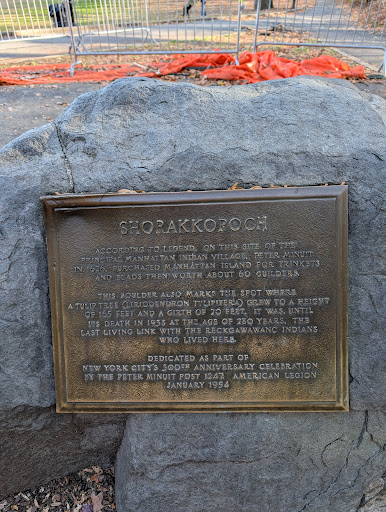
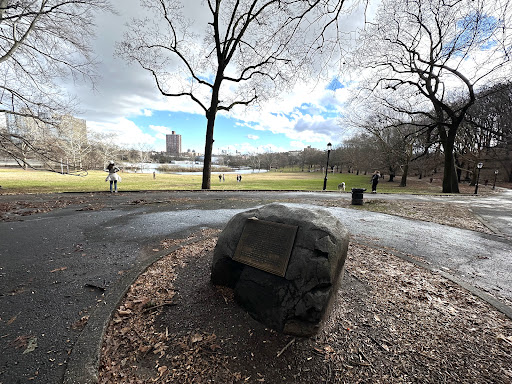
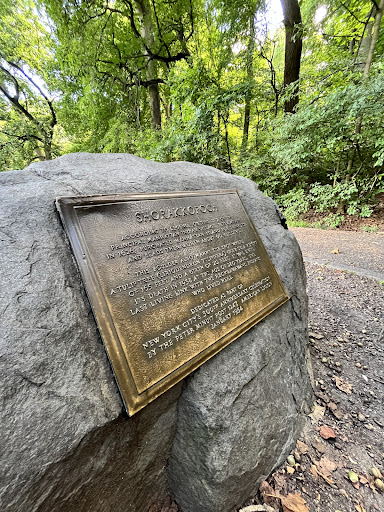
Shorakkopoch Rock things to do, attractions, restaurants, events info and trip planning
Basic Info
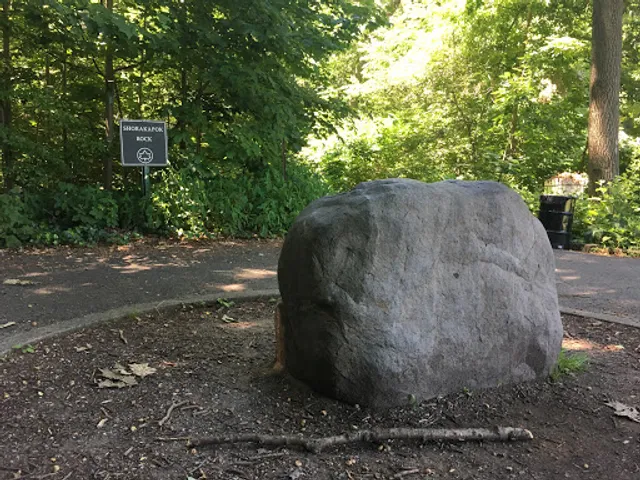
Shorakkopoch Rock
Inwood Hill Park, New York, NY 10034
4.5(30)
Open 24 hours
Save
spot
spot
Ratings & Description
Info
Cultural
Outdoor
Scenic
Family friendly
Off the beaten path
attractions: Inwood Hill Park, Indian Caves, Fort Cockhill, Inwood Hill Nature Center, Homer's Run, Indian Road Playground, Tree of Peace Garden, Overlook Meadow, Isham Park, Muscota Marsh, restaurants: The Inwood Farm, Inwood Bar & Grill, Shah's Halal Food Inwood, G's Coffee Shop, Guadalupe Restaurant, Inwood Bagels, Buunni Coffee - Inwood, Grandpa's Brick Oven Pizza, Capitol Diner, Tubby Hook Tavern, local businesses: Henry Hudson Bridge, Inwood Hill Park Tennis Courts, Inwood Greenmarket, The Shhtudio, PJ Wine, Inc., CTown Supermarkets, Maddy’s Home Furniture & More, Nail Ha'ven, PT of The City Physical Therapy, Little Daydreamers Early Learning Center
 Learn more insights from Wanderboat AI.
Website
nycgovparks.org
Plan your stay

Pet-friendly Hotels in New York
Find a cozy hotel nearby and make it a full experience.

Affordable Hotels in New York
Find a cozy hotel nearby and make it a full experience.

The Coolest Hotels You Haven't Heard Of (Yet)
Find a cozy hotel nearby and make it a full experience.

Trending Stays Worth the Hype in New York
Find a cozy hotel nearby and make it a full experience.
Reviews
Live events
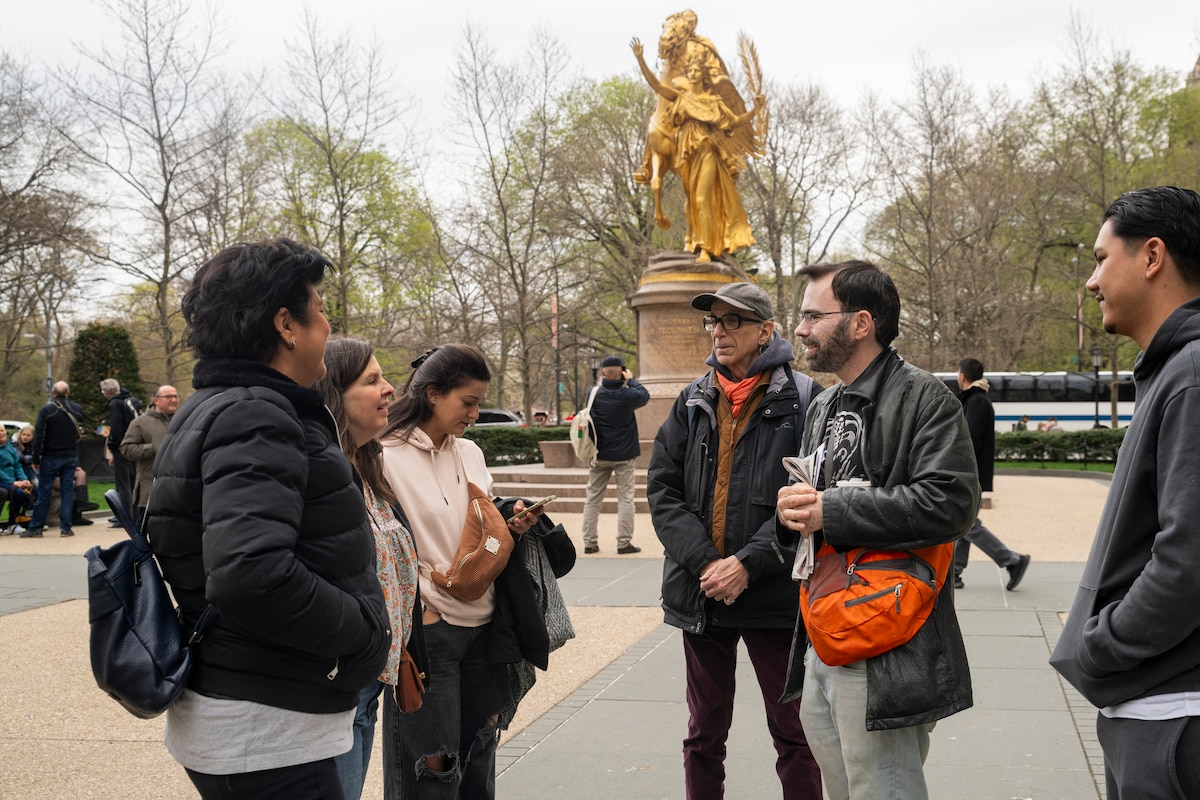
The Full-Day See It All NYC Tour
Sun, Feb 15 • 10:00 AM
New York, New York, 10019
View details

Valentines Dress to Kill Murder Mystery Dinner
Sun, Feb 15 • 6:00 PM
1020 Broad Street Newark, NJ 07102
View details
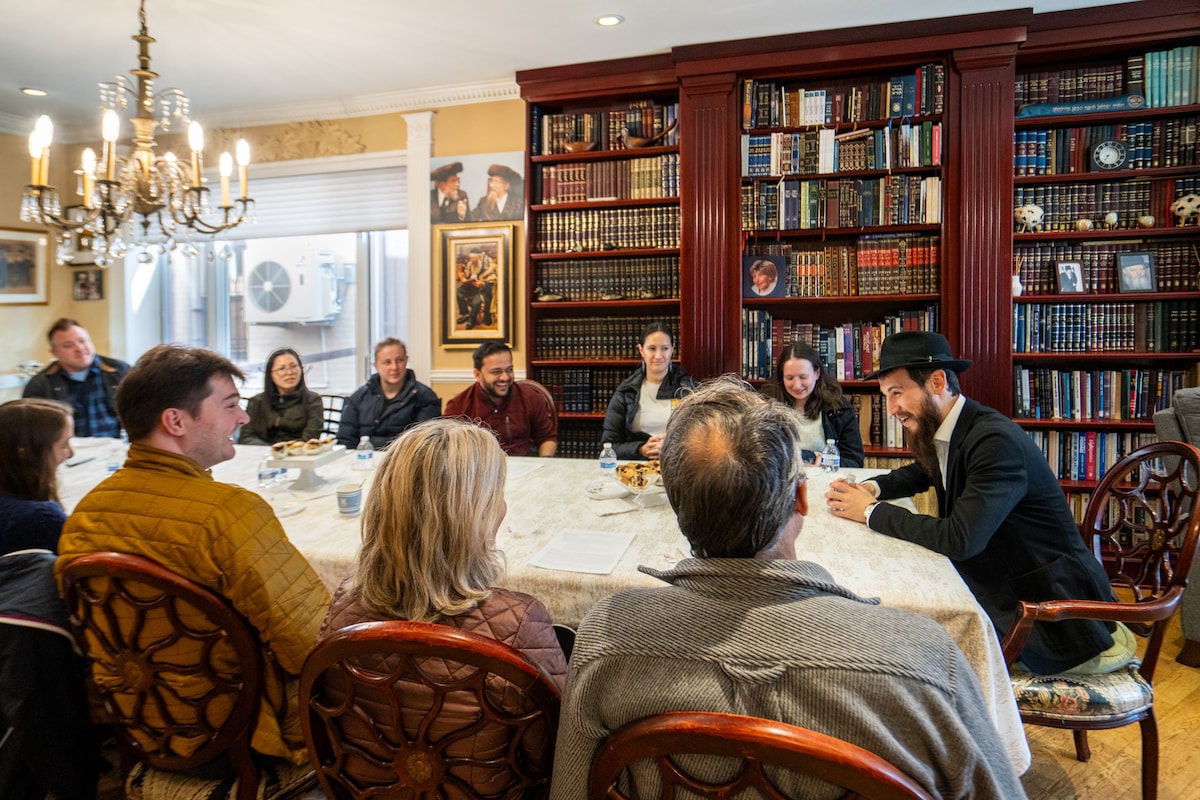
Explore Hasidic Brooklyn with a local Rabbi
Mon, Feb 16 • 11:00 AM
Brooklyn, New York, 11213
View details
Nearby attractions of Shorakkopoch Rock
Inwood Hill Park
Indian Caves
Fort Cockhill
Inwood Hill Nature Center
Homer's Run
Indian Road Playground
Tree of Peace Garden
Overlook Meadow
Isham Park
Muscota Marsh
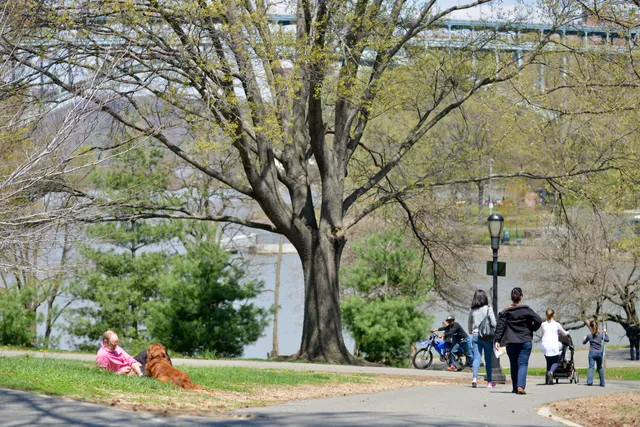
Inwood Hill Park
4.7
(1.6K)
Open until 1:00 AM
Click for details
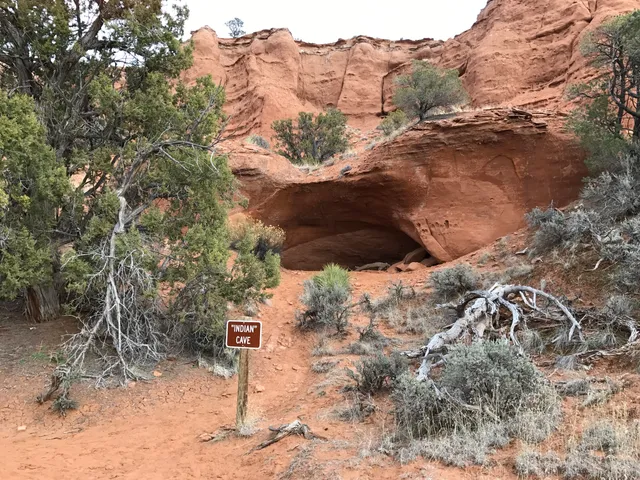
Indian Caves
4.1
(59)
Open 24 hours
Click for details
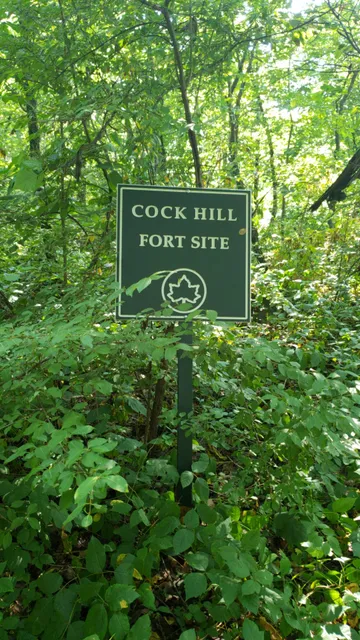
Fort Cockhill
4.1
(13)
Open until 1:00 AM
Click for details
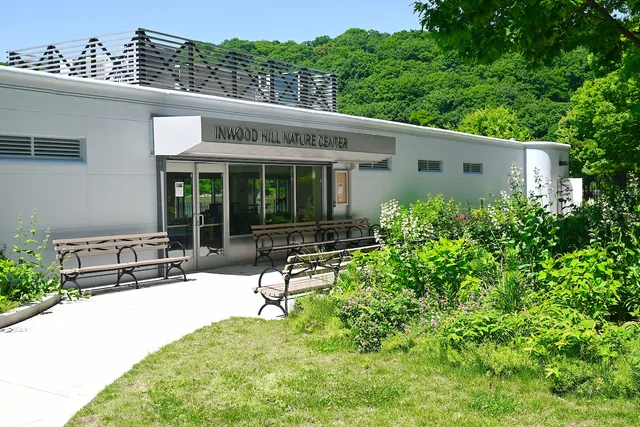
Inwood Hill Nature Center
4.6
(69)
Open until 12:00 AM
Click for details
Nearby restaurants of Shorakkopoch Rock
The Inwood Farm
Inwood Bar & Grill
Shah's Halal Food Inwood
G's Coffee Shop
Guadalupe Restaurant
Inwood Bagels
Buunni Coffee - Inwood
Grandpa's Brick Oven Pizza
Capitol Diner
Tubby Hook Tavern
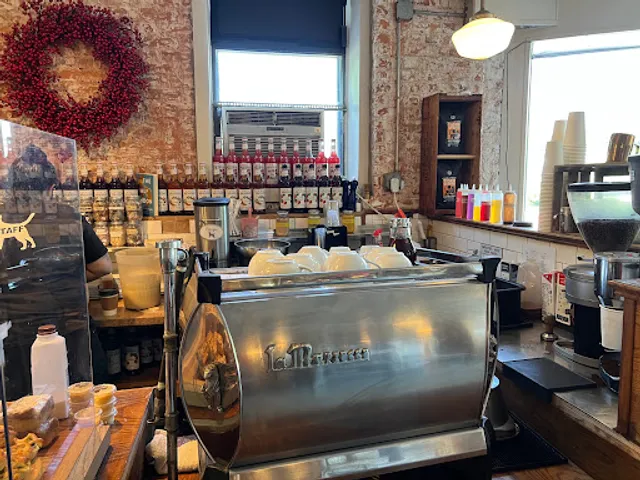
The Inwood Farm
4.4
(583)
$$
Open until 10:00 PM
Click for details
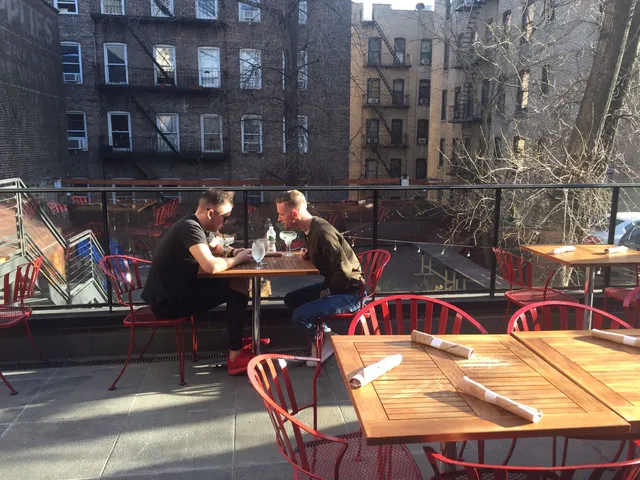
Inwood Bar & Grill
4.8
(5.5K)
$$
Closed
Click for details

Shah's Halal Food Inwood
4.9
(446)
$
Closed
Click for details
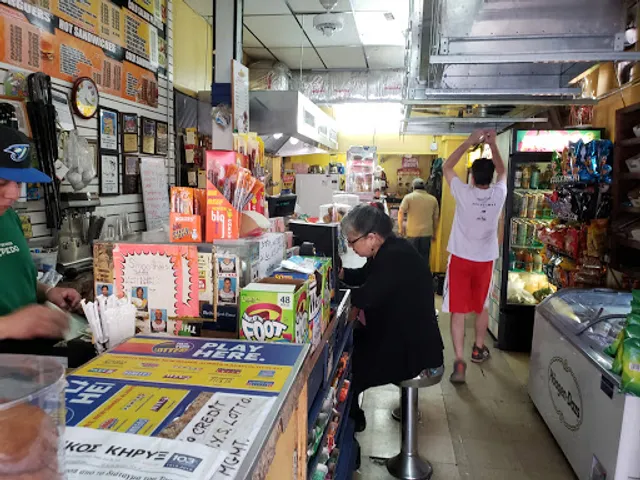
G's Coffee Shop
4.8
(140)
$
Closed
Click for details
Nearby local services of Shorakkopoch Rock
Henry Hudson Bridge
Inwood Hill Park Tennis Courts
Inwood Greenmarket
The Shhtudio
PJ Wine, Inc.
CTown Supermarkets
Maddy’s Home Furniture & More
Nail Ha'ven
PT of The City Physical Therapy
Little Daydreamers Early Learning Center

Henry Hudson Bridge
4.1
(59)
Click for details
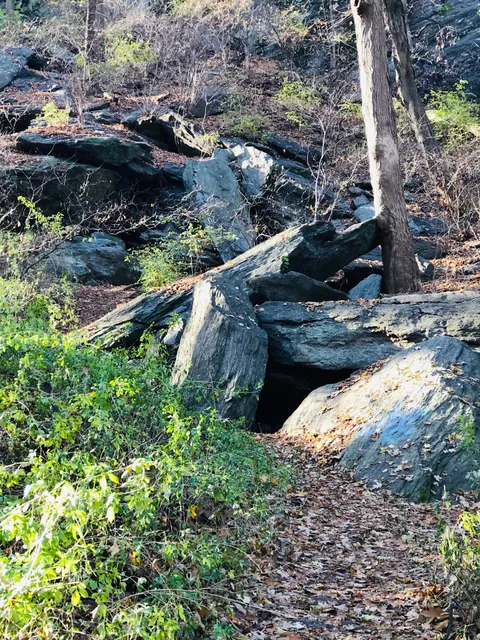
Inwood Hill Park Tennis Courts
4.2
(29)
Click for details
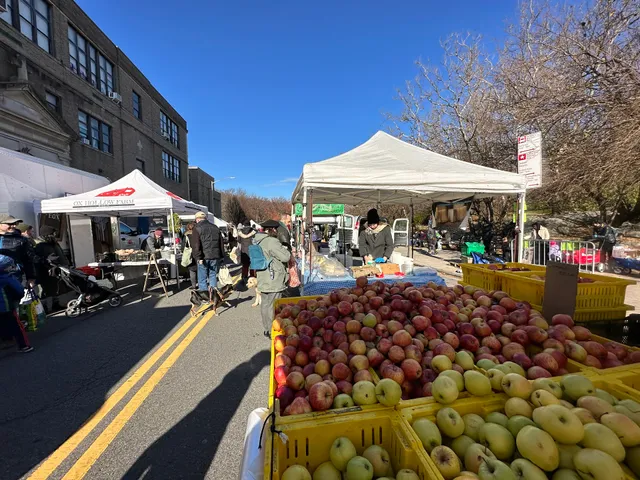
Inwood Greenmarket
4.7
(175)
Click for details

The Shhtudio
5.0
(46)
Click for details