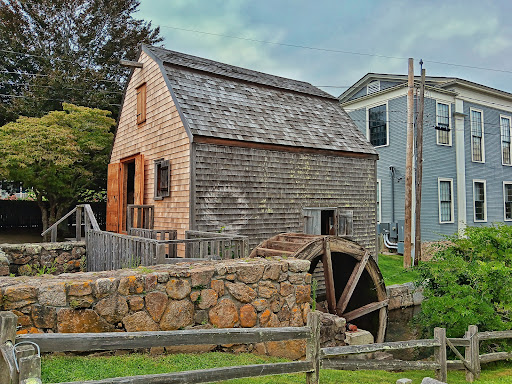
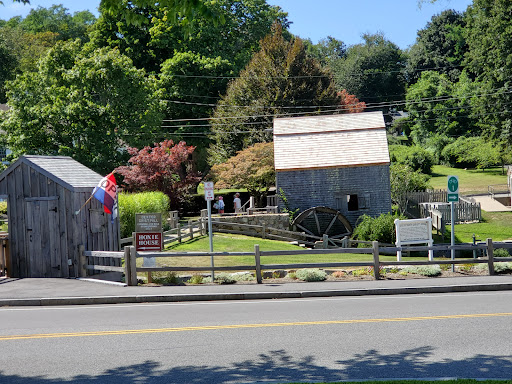
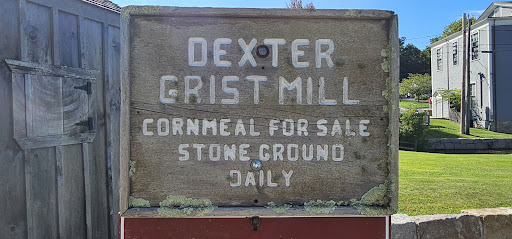
Dexter Grist Mill things to do, attractions, restaurants, events info and trip planning
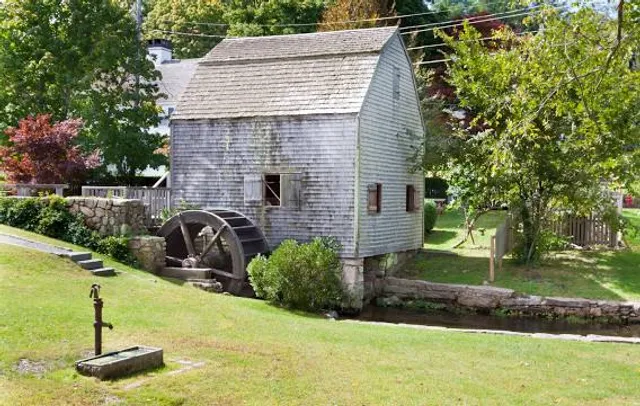
Basic Info
Dexter Grist Mill
2 Water St, Sandwich, MA 02563
4.6(85)
Closed
tickets
Save
spot
spot
Ratings & Description
Info
Cultural
Scenic
Family friendly
Accessibility
attractions: Sandwich Glass Museum, Sandwich Public Library, Hoxie House, Collections Gallery, restaurants: Dunbar House Tea Room & Wine Bar, The Seal, Beth's Bakery & Cafe, Marshland Restaurants & Bakeries, Belfry Bistro, Sandwich Pizza House, Sweet Tomatoes Pizza, Off the Grid, The Deli, Cape Cod Donuts, local businesses: The Brown Jug, The Weather Store, The Spotted Cod, Modern Vintage Bridal, Jarves & Main, Modern Vintage, Cerulean, St. John's Episcopal Church, Sandwich Antiques Center Gallery, Cape Cancer Thrift Shop
 Learn more insights from Wanderboat AI.
Phone
(508) 888-4361
Website
sandwichmass.org
Open hoursSee all hours
Wed11 AM - 4:30 PMClosed
Plan your stay

Pet-friendly Hotels in Sandwich
Find a cozy hotel nearby and make it a full experience.

Affordable Hotels in Sandwich
Find a cozy hotel nearby and make it a full experience.

The Coolest Hotels You Haven't Heard Of (Yet)
Find a cozy hotel nearby and make it a full experience.

Trending Stays Worth the Hype in Sandwich
Find a cozy hotel nearby and make it a full experience.
Reviews
Live events

A Special Valentine At The Coonamessett Inn - Dinner & Dueling Pianos
Sat, Feb 14 • 6:00 PM
311 Gifford Street Falmouth, MA 02540
View details

Wine Tasting & Paint Night!
Fri, Feb 13 • 6:00 PM
114 Water Street Plymouth, MA 02360
View details

Burlap Flower Welcome Wreath
Mon, Feb 16 • 6:00 PM
46 Main Street Plymouth, MA 02360
View details
Nearby attractions of Dexter Grist Mill
Sandwich Glass Museum
Sandwich Public Library
Hoxie House
Collections Gallery

Sandwich Glass Museum
4.6
(784)
Open 24 hours
Click for details
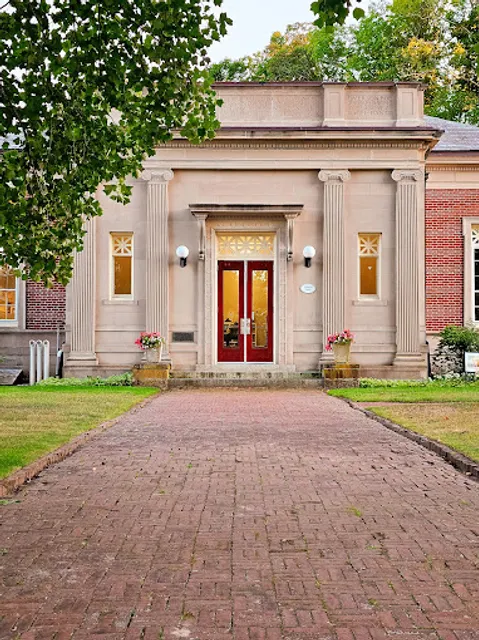
Sandwich Public Library
4.8
(24)
Open until 8:30 PM
Click for details
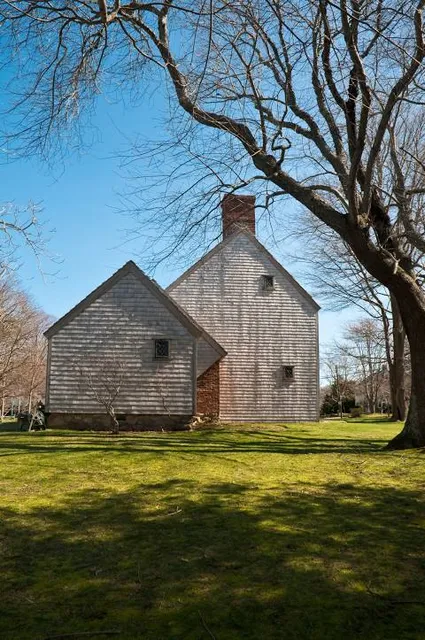
Hoxie House
4.5
(103)
Closed
Click for details
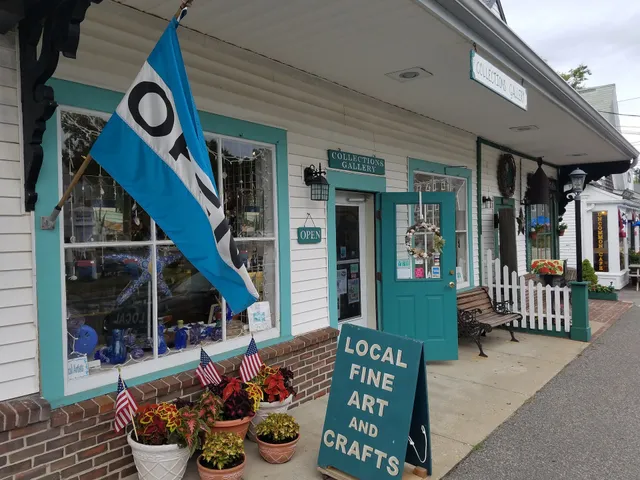
Collections Gallery
4.8
(10)
Open until 12:00 AM
Click for details
Nearby restaurants of Dexter Grist Mill
Dunbar House Tea Room & Wine Bar
The Seal
Beth's Bakery & Cafe
Marshland Restaurants & Bakeries
Belfry Bistro
Sandwich Pizza House
Sweet Tomatoes Pizza
Off the Grid
The Deli
Cape Cod Donuts
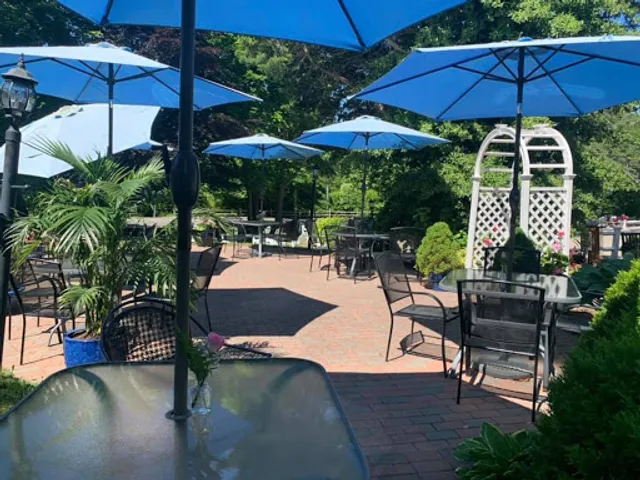
Dunbar House Tea Room & Wine Bar
4.5
(319)
$$
Open until 12:00 AM
Click for details
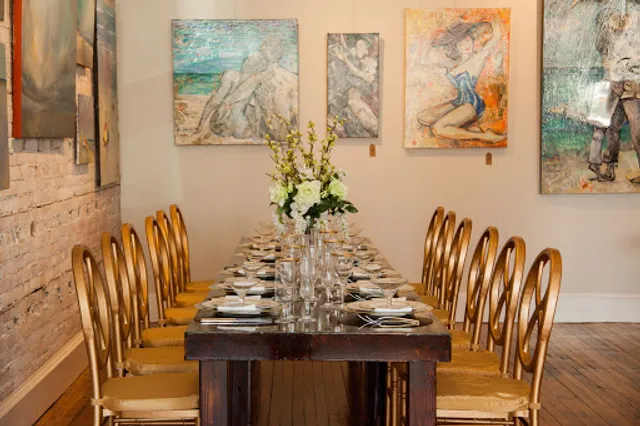
The Seal
4.6
(47)
$$
Open until 9:00 PM
Click for details
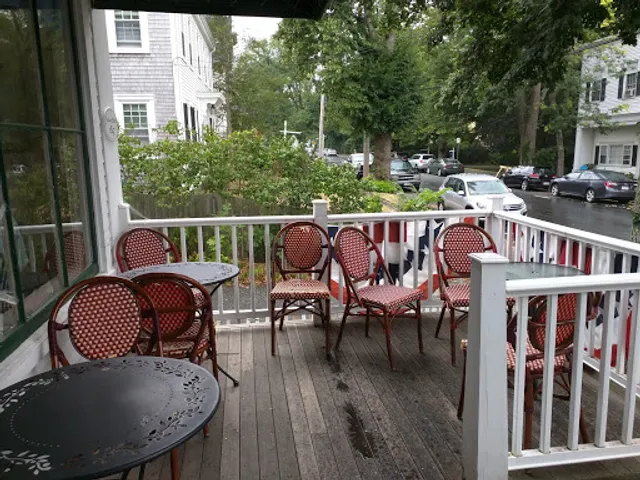
Beth's Bakery & Cafe
4.5
(237)
$
Closed
Click for details
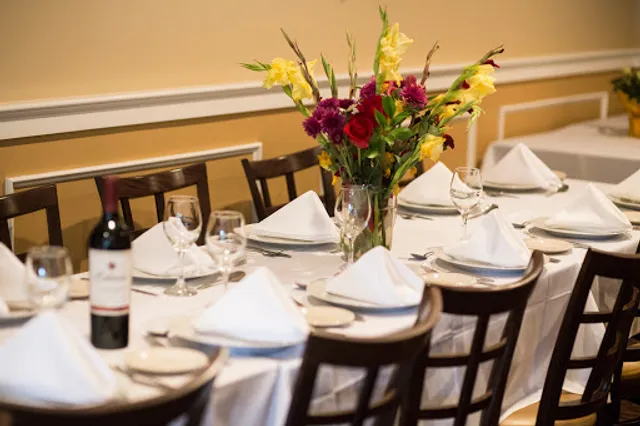
Marshland Restaurants & Bakeries
4.4
(692)
$
Open until 8:00 PM
Click for details
Nearby local services of Dexter Grist Mill
The Brown Jug
The Weather Store
The Spotted Cod
Modern Vintage Bridal
Jarves & Main
Modern Vintage
Cerulean
St. John's Episcopal Church
Sandwich Antiques Center Gallery
Cape Cancer Thrift Shop
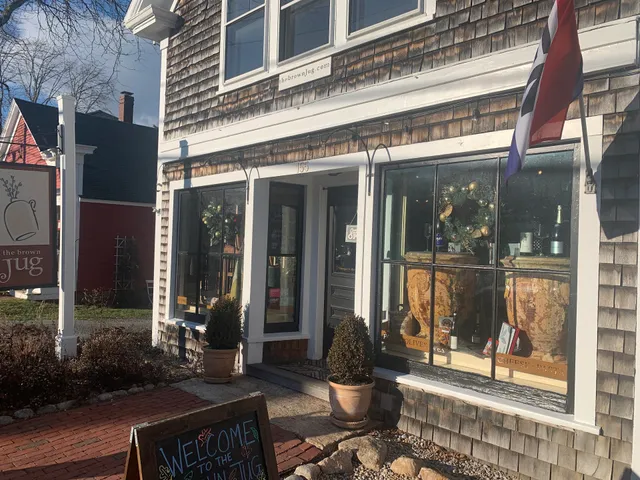
The Brown Jug
4.6
(120)
Click for details
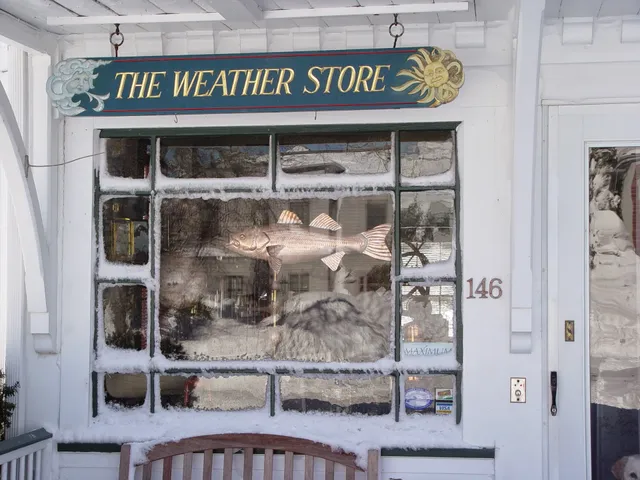
The Weather Store
4.4
(15)
Click for details
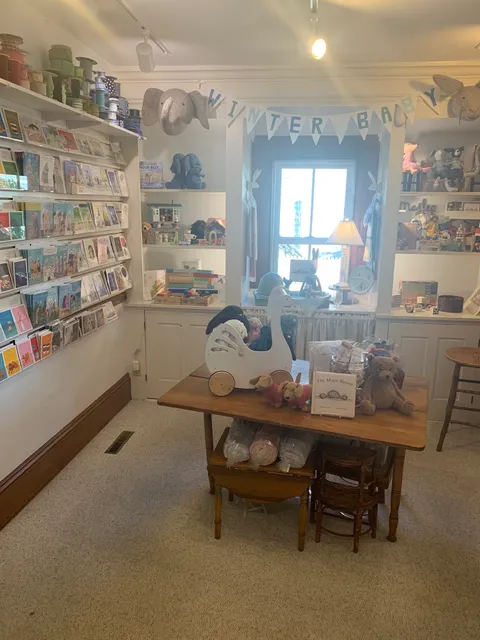
The Spotted Cod
5.0
(19)
Click for details
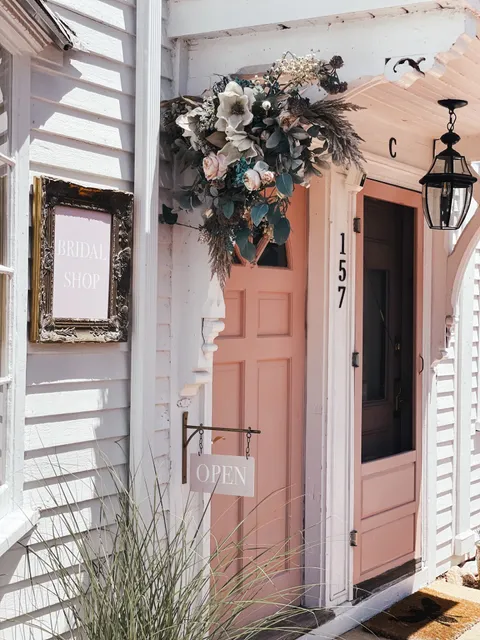
Modern Vintage Bridal
5.0
(21)
Click for details