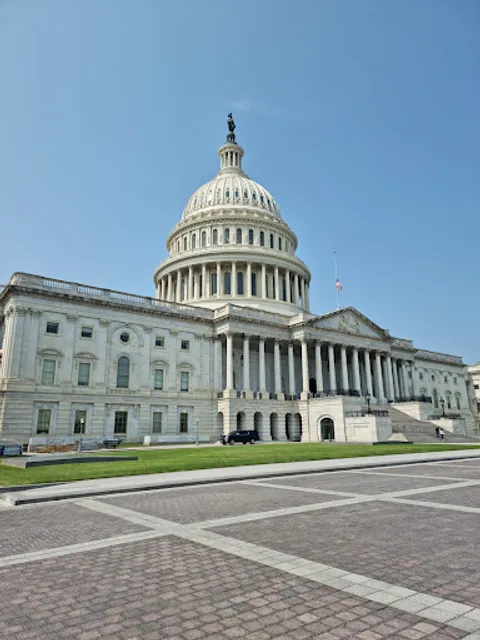
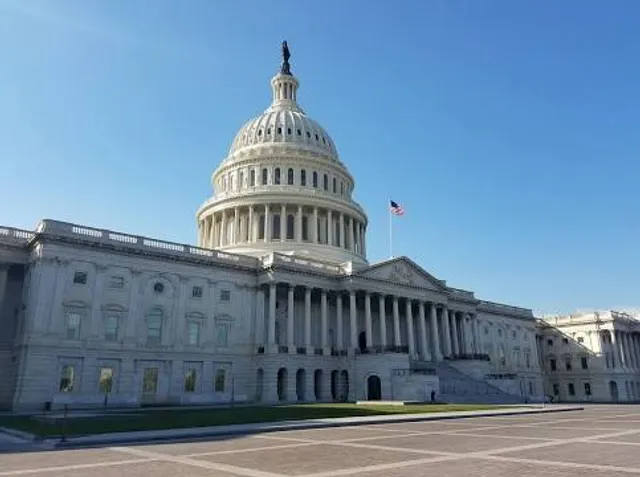
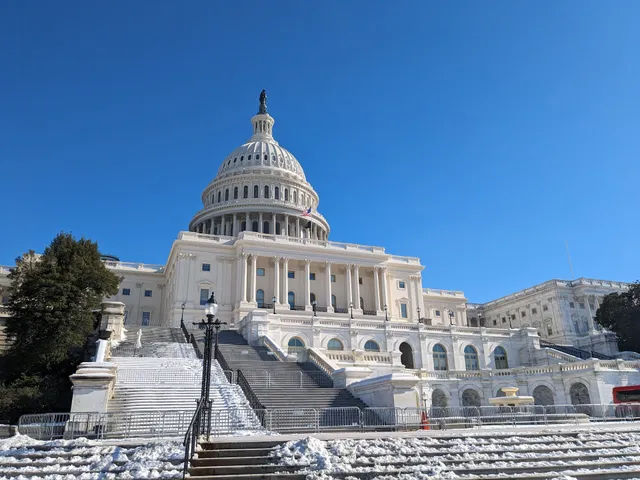
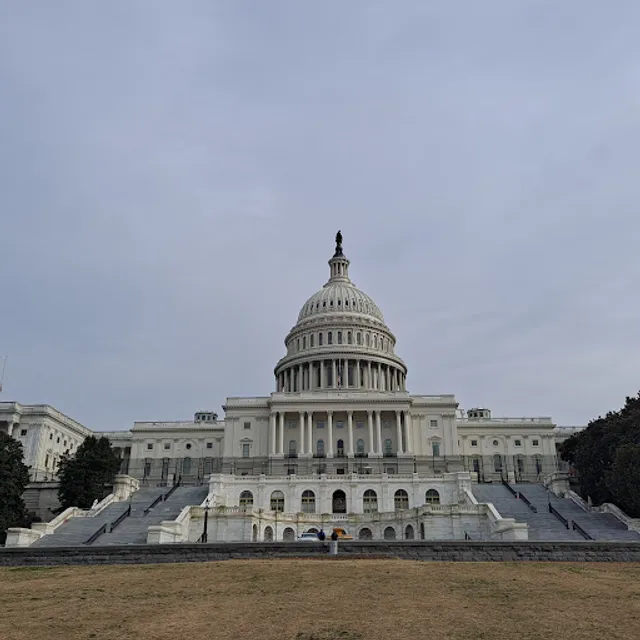
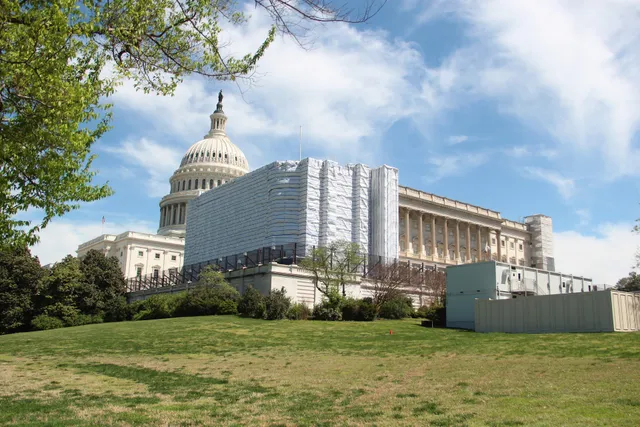
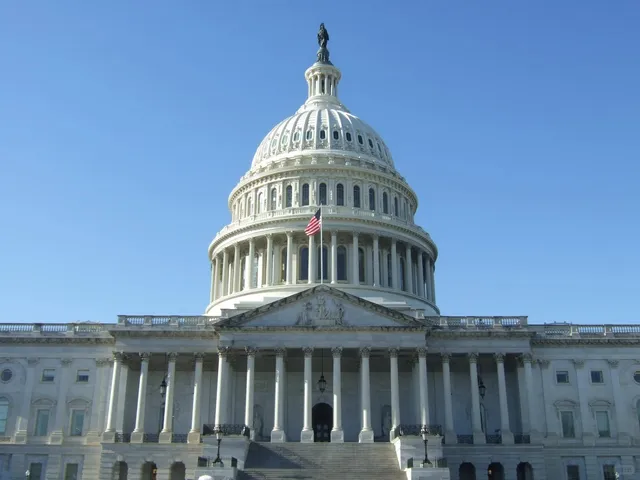
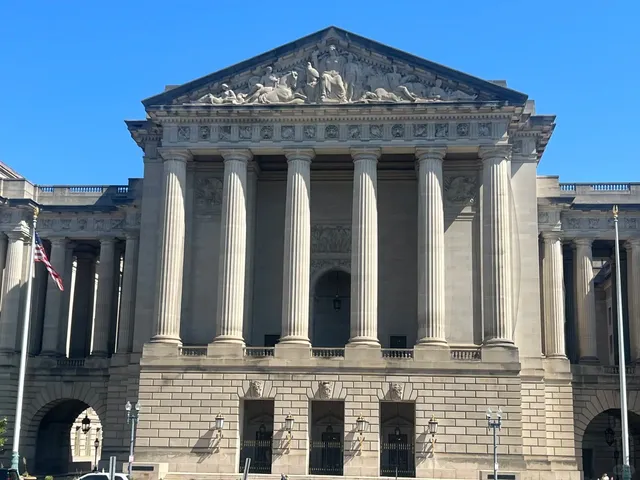
The United States Capitol, located at the heart of Washington D.C., is more than just a building; it is a symbol of the American people and their government. As the seat of the United States Congress, the Capitol is the legislative epicenter where laws are debated, crafted, and passed. Its history, architecture, and the myriad of significant sites within its premises make it an indispensable visit for anyone looking to understand the essence of American democracy.
Historical Background
The cornerstone of the Capitol was laid by President George Washington in 1793, marking the beginning of a construction process that would span centuries, including additions and restorations. The building's design was selected through a competition, with the original design created by Dr. William Thornton. Over the years, the Capitol has witnessed significant expansions to accommodate the growing needs of the legislative branch, including the addition of the iconic dome in the mid-19th century, designed by Thomas U. Walter.
Architectural Significance
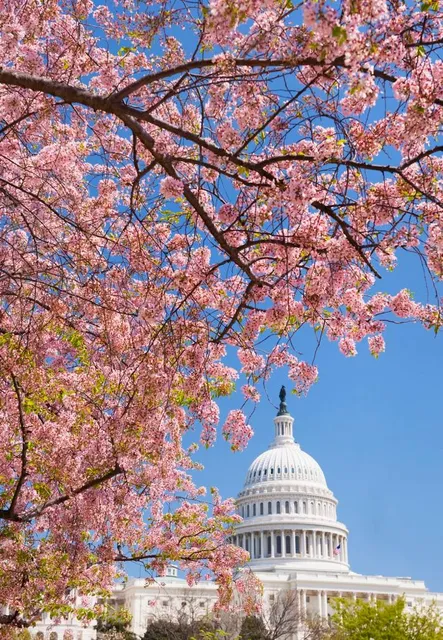
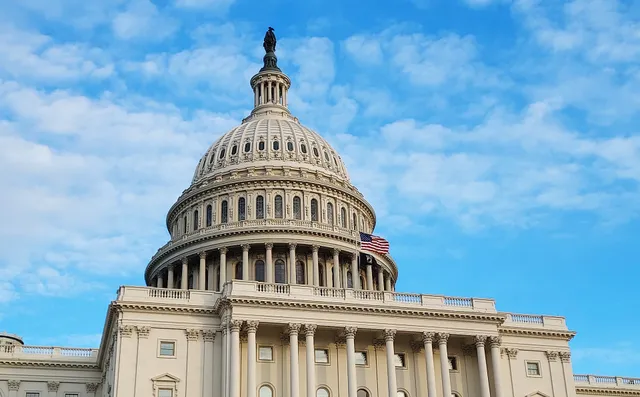
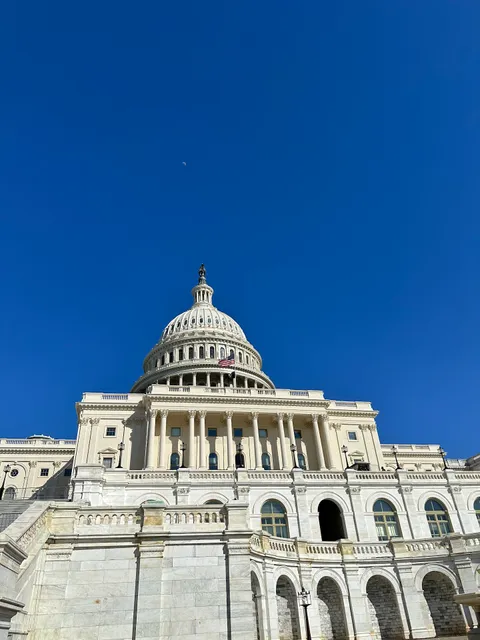
The United States Capitol is a masterpiece of American neoclassical architecture, drawing inspiration from ancient Greece and Rome, symbolizing democracy and governance. The expansive white dome, topped with the Statue of Freedom, is not only a prominent feature of the Washington D.C. skyline but also a symbol of freedom and liberty. The building's exterior, adorned with intricate sculptures and friezes, tells the story of the nation's history and its founding principles.
Key Sites Within the Capitol
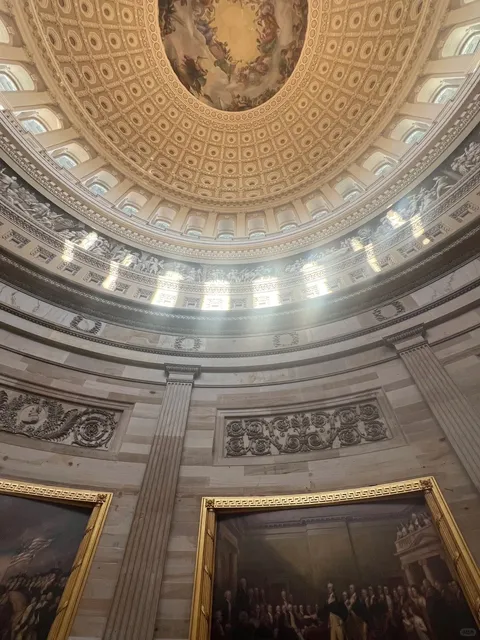
The Rotunda: Located under the dome, the Rotunda is a large, circular room that serves as a gallery of American history, featuring paintings and sculptures depicting significant events and figures in the nation's development. The Rotunda is also used for ceremonial events, including the lying in state of distinguished Americans.
National Statuary Hall: Originally serving as the meeting chamber for the House of Representatives, this hall is now home to a collection of statues donated by each state, honoring notable citizens and their contributions to the country.
The Old Senate Chamber: Used by the Senate until 1859, this room has been restored to its mid-19th century appearance, offering a glimpse into the early legislative proceedings of the United States.
The Crypt: Located directly beneath the Rotunda, the Crypt houses exhibits on the Capitol's history and construction. It was initially intended as a final resting place for George Washington, although he was never interred there.
Visitor Experience
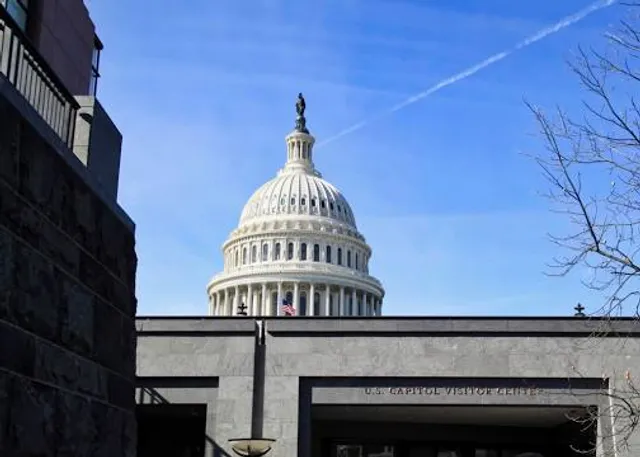
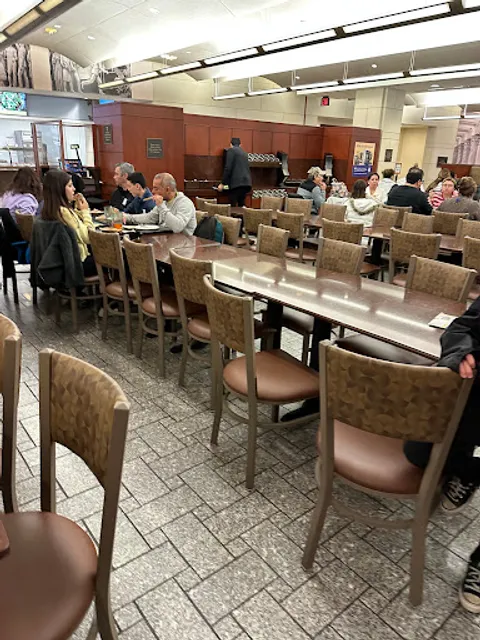
Touring the United States Capitol provides an immersive experience into the nation's legislative processes and its rich history. Visitors can explore various parts of the building through guided tours, which include stops at the Rotunda, National Statuary Hall, and the Crypt, among others. The Capitol Visitor Center, opened in 2008, serves as the main entrance for tours and offers exhibitions, a restaurant, and gift shops to enhance the visitor experience.
Conclusion
The United States Capitol is not just an architectural marvel but a living museum of American democracy. It stands as a testament to the nation's resilience, its commitment to the principles of freedom and governance, and its ongoing legislative processes. A visit to the Capitol offers a deep dive into the country's political history, an appreciation of its architectural grandeur, and a reminder of the responsibility each citizen shares in shaping the future of the United States. Whether you are an American citizen or an international visitor, the Capitol is a must-visit landmark that offers insightful perspectives into the workings of the U.S. government and the history that...
Read moreMake sure to obtain confirmation for your Capitol tour tickets before you go. You can get confirmation for tour tickets on the Capitol website. Once inside, you take your print-out confirmation (or have the email of confirmation on your phone) to tour the Capitol to the Visitor Center help desk- one at both ends of the lobby floor. The staff members greeting visitors inside the Capitol were extremely friendly and informative. Of course, one should expect to go through security checkpoints. On the lobby floor, you can view the Exhibition Hall that's full of significant historical artifacts, as well as a replica of the Statue of Freedom, which is on top of the Capitol Dome. You can view other rooms and significant statues on the lobby floor in the event you arrive earlier than your guided tour- or you can do this viewing after your guided tour. Tours last about an hour and include the Rotunda, National Statuary Hall, and the Crypt. You will be given a headset- everyone will be able to hear the tour guide speak about the building, or the area you are standing in, or what you are viewing in the room. You can walk the tour, or if need be, take an escalator or elevator and meet-up with your group at any point. I would strongly advised visitors to also request tickets to enter the galleries of the Senate and House of Representative by sending an email to your State's Senator for tickets. Once in DC, you will need to go to the location of that Senator's office (security check at the door), to obtain the tickets. Considering most times these galleries are only viewed on TV or in books, entering and sitting in the Senate and House of Reps was a remarkable experience. My group saw many Senators (Elizabeth Warren, Bernie Sanders, Mitt Romney, Marco Rubio, etc...) voting thumbs up or down on certain issues, and once inside the House of Reps, we heard interesting topics being debated. You CAN NOT take anything into either of these galleries. You must drop off all belongings in the Drop Off room- get a ticket that corresponds with your boxed items.-Bring that ticket back to the drop-off room once you return from the galleries to get your objects back. You will need to do this drop off twice- once for each gallery because they are on opposite ends of the floor. Again, many security checkpoints. Several Quiet Please signs once you are on these floors and that's to be expected. If you're hungry- the cafeteria style eatery has a diverse layout of culinary dishes. The food we ate was delish!! Don't forget to check-out the gift shop- cool pins and whatnot, and very reasonably priced. Once we ventured onto the Capitol grounds, we viewed The SummerHouse (red brick structure). Step inside to see a rock water-spilling grotto area, a water fountain, and seats. A nice cooling off and chill-out point if you're here...
Read moreVery good tour of this monument. Highly advised to book a slot for your visit so that you do not have to wait in a long queue. There is free entry, and no liquid and food are allowed inside. After registration, we get a group tour guide with 🎧 headphone to be connected with the guide. First, they show video on USA history and how the country evolved. Then, the actual tour starts, which can be around 45 mins. We can see the senate rooms and very beautiful interior with sandailoure. There are very beautiful statues for late presidents and in another hall for the revolutionary people of the US. It has very beautiful paintings with historical events along with beauty frames. We can take pictures and videos inside. There is a staircase available inside where I think 425+ steps are available if one wants to go up to the top of the building from inside. Once tour is finished, they have souvenirs shop with hood collection. After thar they have excellent restaurants with dining area. Variety of food choices are available which one can enjoy. Just behind this building all the tourist attractions are available. All the mussessum are behind this place where there is free entry. Best way to reach this place is by metro to avoid parking, driving, and traffic hassels. Enjoy your visit and hope...
Read more