Supreme Court of the United States things to do, attractions, restaurants, events info and trip planning
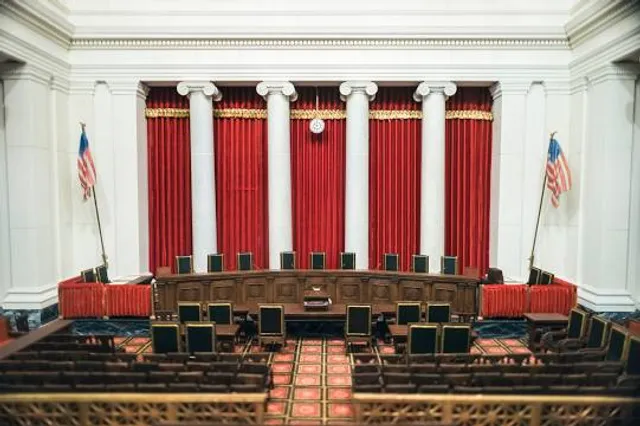
Basic Info
Supreme Court of the United States
1 First St NE, Washington, DC 20543
4.2(449)
Open until 3:00 PM
Save
spot
spot
Ratings & Description
Info
The Supreme Court of the United States is the highest court in the federal judiciary of the United States. It has ultimate appellate jurisdiction over all federal court cases, and over state court cases that involve a point of U.S. Constitutional or federal law.
Cultural
Family friendly
Accessibility
attractions: US Capitol Grounds, The U.S. Capitol Visitor Center, Belmont-Paul Women's Equality National Monument, Lutheran Church of the Reformation, Folger Shakespeare Library, United States Capitol, Library of Congress, Neptune Fountain, Library of Congress John Adams Building, Lower Senate Park, restaurants: U.S. Capitol Cafe, Supreme Court Cafe, Quill & Crumb Café, Pete's Diner, Le Bon Café, Burrito Brothers of Capitol Hill, We, The Pizza, Union Pub, Hunan Dynasty, The Monocle Restaurant, local businesses: The Supreme Court Historical Society Gift Shop, Folger Theatre, Supreme Court Library, Library of Congress Thomas Jefferson Building, Hart Senate Office Building, Top of the Hill Banquet & Conference Center, Russell Senate Office Building, Capitol Hill, Senator Bernie Sanders, United States Senate Office
 Learn more insights from Wanderboat AI.
Phone
(202) 479-3000
Website
supremecourt.gov
Open hoursSee all hours
Wed9 AM - 3 PMOpen
Plan your stay

Pet-friendly Hotels in Washington
Find a cozy hotel nearby and make it a full experience.

Affordable Hotels in Washington
Find a cozy hotel nearby and make it a full experience.

The Coolest Hotels You Haven't Heard Of (Yet)
Find a cozy hotel nearby and make it a full experience.

Trending Stays Worth the Hype in Washington
Find a cozy hotel nearby and make it a full experience.
Reviews
Live events
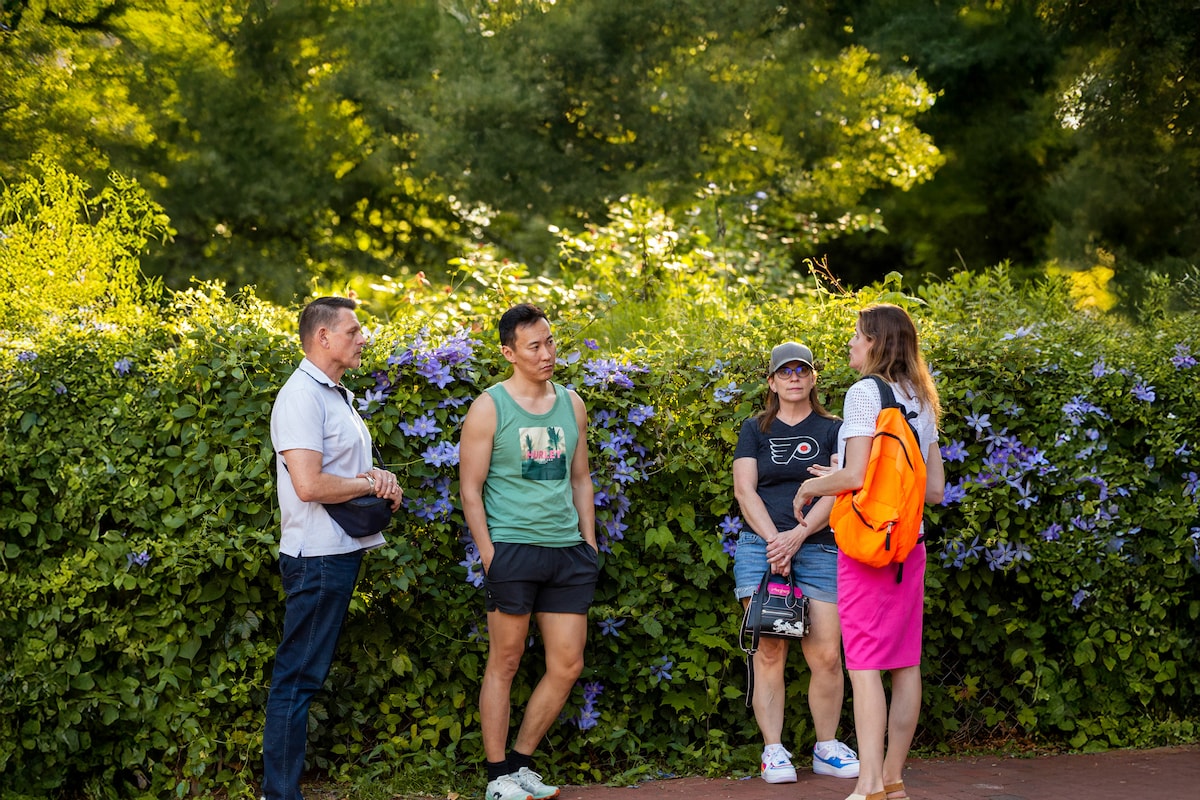
Uncover Georgetowns secret spy stories
Sat, Jan 31 • 1:00 PM
Washington, District of Columbia, 20007
View details
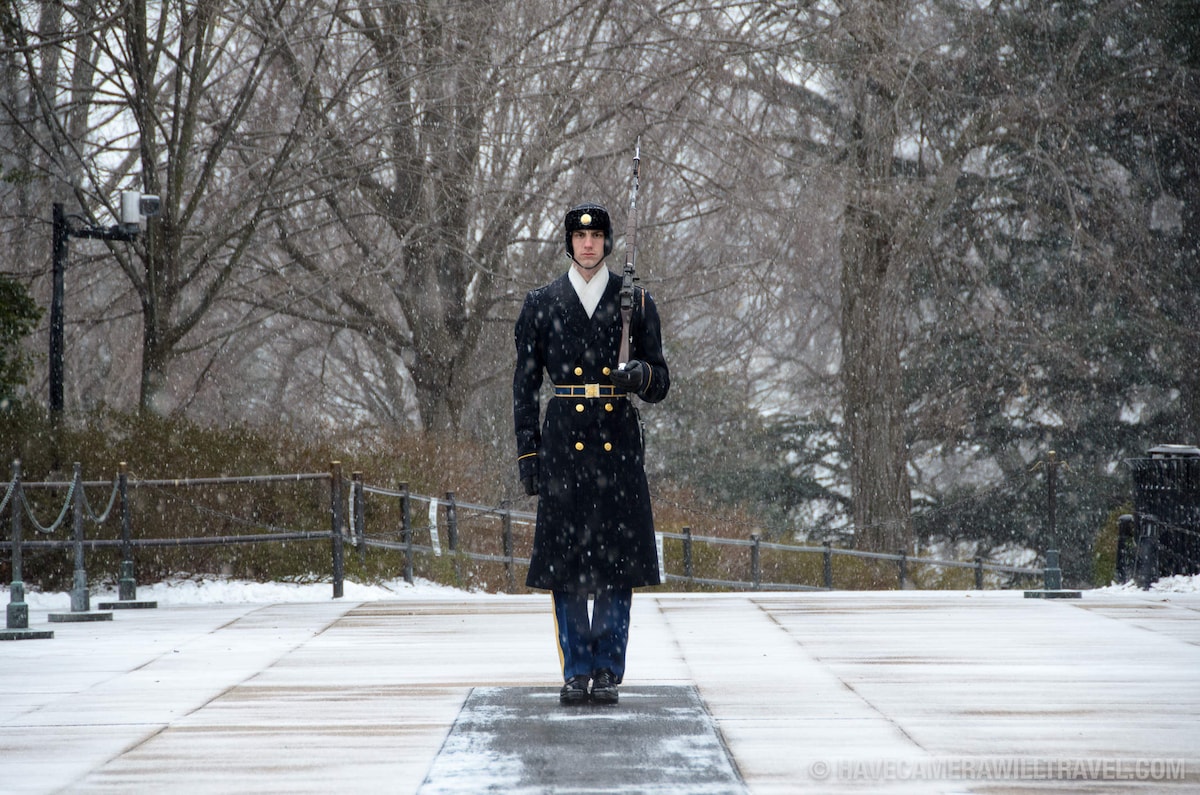
Explore Arlington with storytellers
Thu, Jan 29 • 9:30 AM
Arlington, Virginia, 22211
View details

Charity Inaugural Ball
Fri, Jan 30 • 7:00 PM
7400 Greenway Center Drive Greenbelt, MD 20770
View details
Nearby attractions of Supreme Court of the United States
US Capitol Grounds
The U.S. Capitol Visitor Center
Belmont-Paul Women's Equality National Monument
Lutheran Church of the Reformation
Folger Shakespeare Library
United States Capitol
Library of Congress
Neptune Fountain
Library of Congress John Adams Building
Lower Senate Park
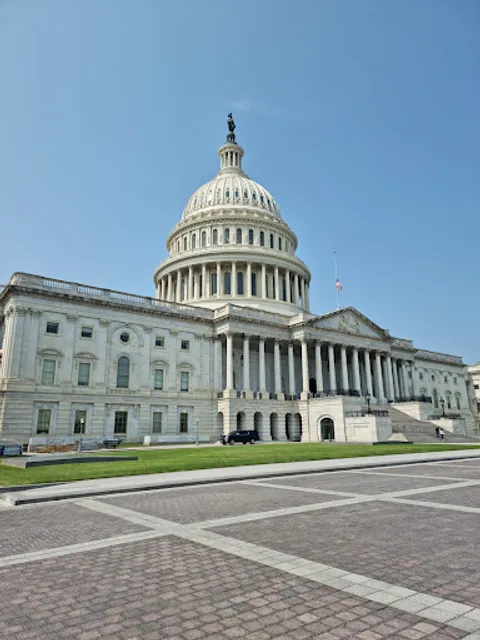
US Capitol Grounds
4.8
(8.8K)
Open until 4:30 PM
Click for details
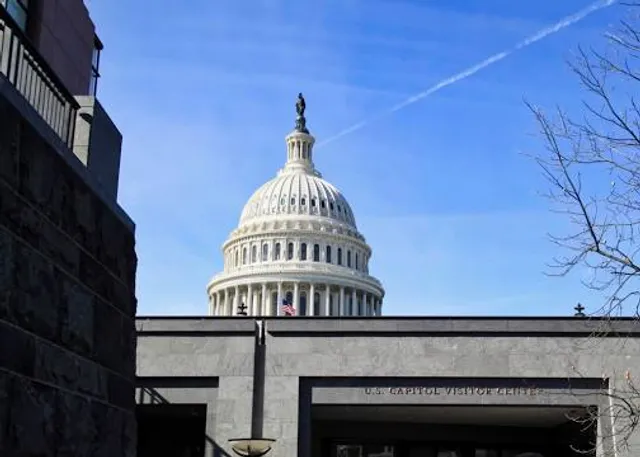
The U.S. Capitol Visitor Center
4.6
(1.7K)
Open until 4:30 PM
Click for details
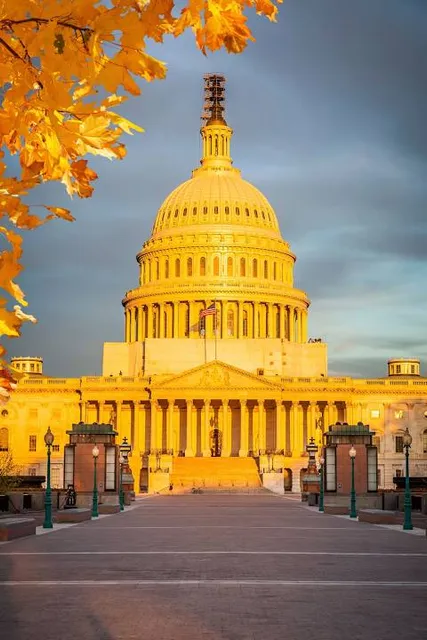
Belmont-Paul Women's Equality National Monument
4.6
(100)
Open until 12:00 AM
Click for details
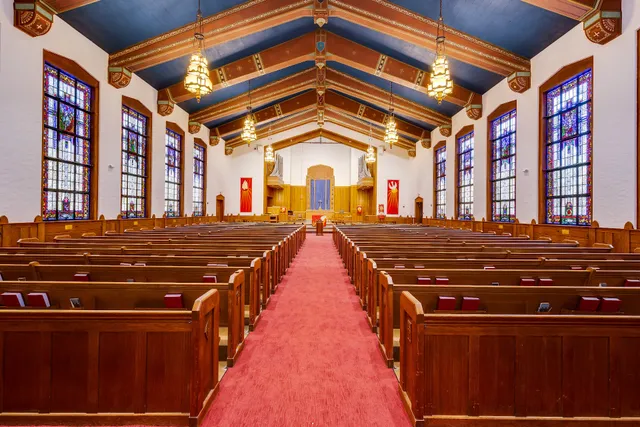
Lutheran Church of the Reformation
4.7
(53)
Open until 5:00 PM
Click for details
Nearby restaurants of Supreme Court of the United States
U.S. Capitol Cafe
Supreme Court Cafe
Quill & Crumb Café
Pete's Diner
Le Bon Café
Burrito Brothers of Capitol Hill
We, The Pizza
Union Pub
Hunan Dynasty
The Monocle Restaurant
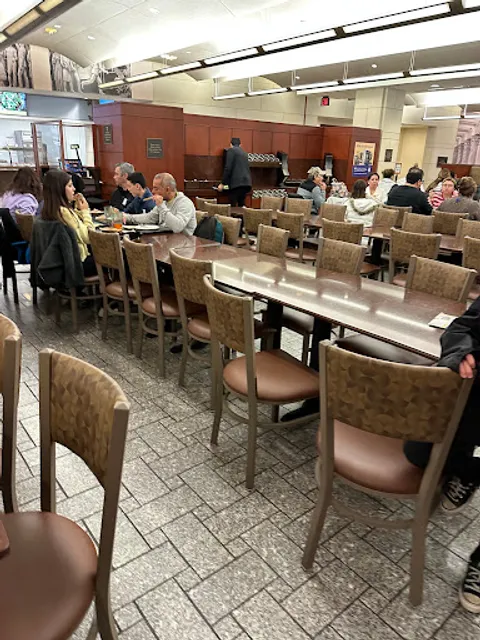
U.S. Capitol Cafe
3.9
(155)
$
Open until 4:30 PM
Click for details
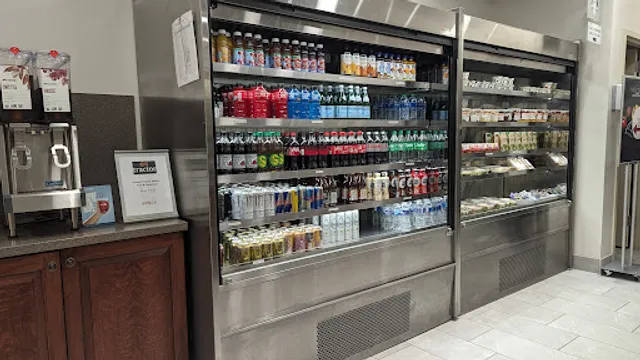
Supreme Court Cafe
4.6
(7)
$
Click for details
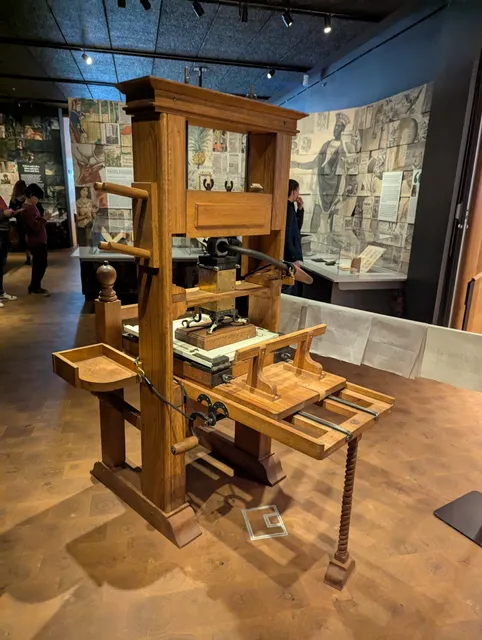
Quill & Crumb Café
4.0
(38)
$
Open until 5:30 PM
Click for details
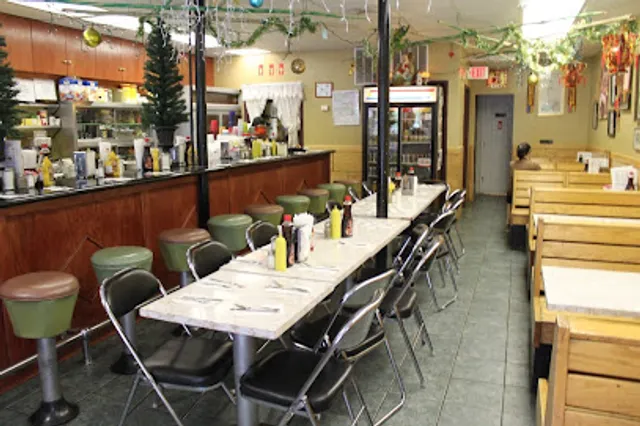
Pete's Diner
4.0
(523)
$
Open until 3:00 PM
Click for details
Nearby local services of Supreme Court of the United States
The Supreme Court Historical Society Gift Shop
Folger Theatre
Supreme Court Library
Library of Congress Thomas Jefferson Building
Hart Senate Office Building
Top of the Hill Banquet & Conference Center
Russell Senate Office Building
Capitol Hill
Senator Bernie Sanders
United States Senate Office
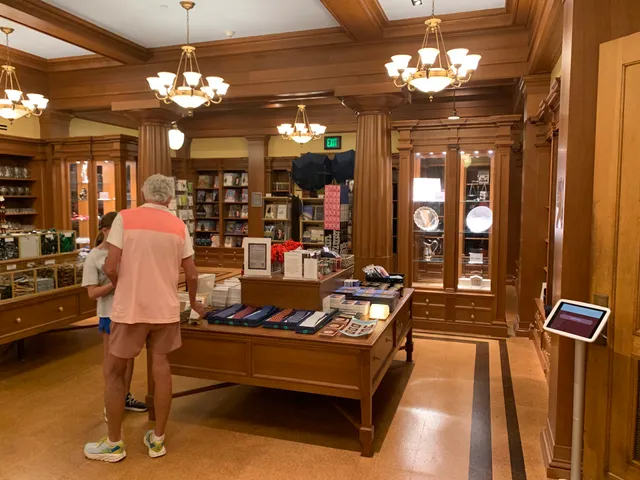
The Supreme Court Historical Society Gift Shop
4.8
(34)
Click for details
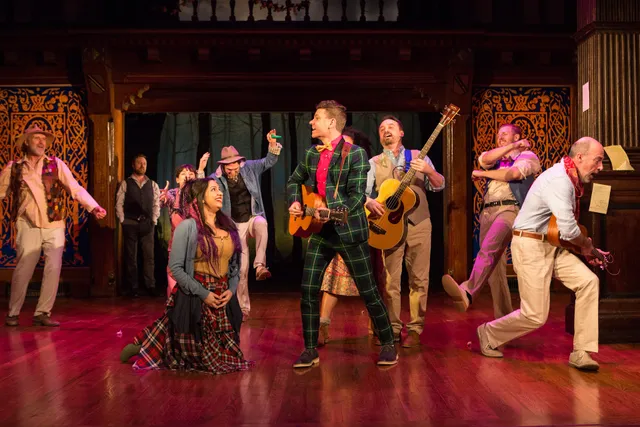
Folger Theatre
4.8
(154)
Click for details
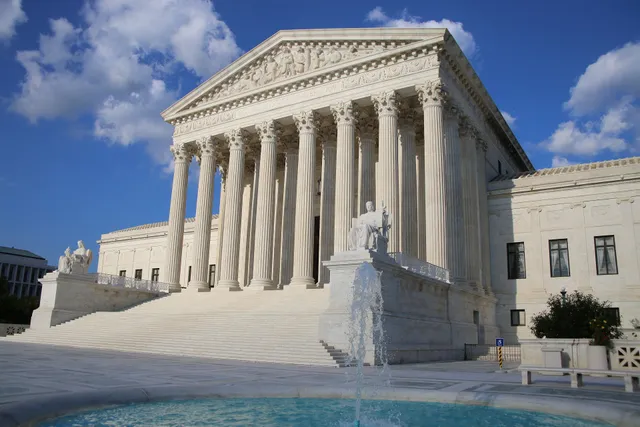
Supreme Court Library
2.6
(12)
Click for details
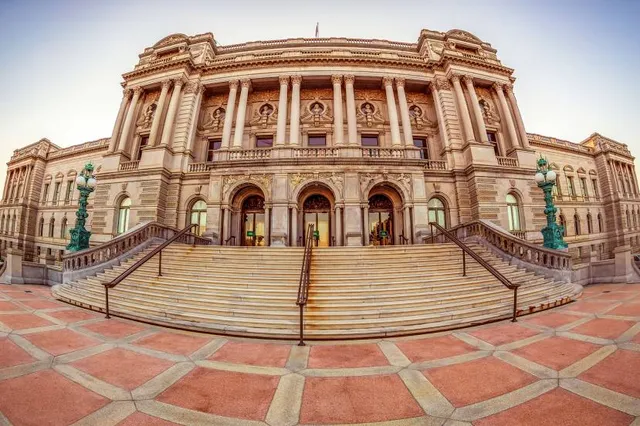
Library of Congress Thomas Jefferson Building
4.8
(110)
Click for details