House Triangle things to do, attractions, restaurants, events info and trip planning
Basic Info
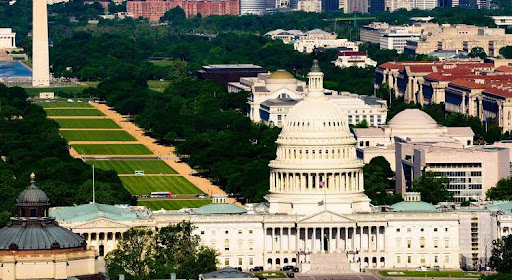
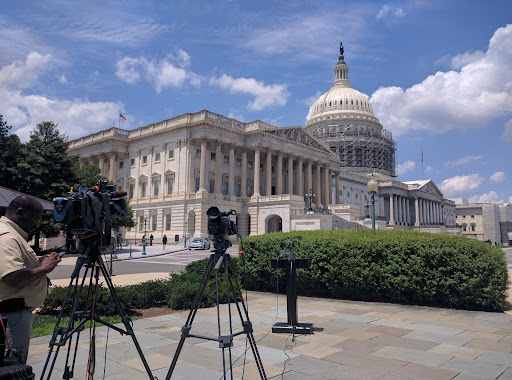
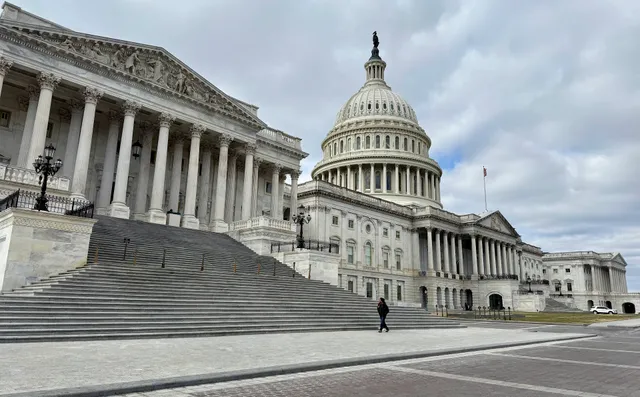
House Triangle
United States Capitol, Washington, DC 20004
4.6(26)
Open until 12:00 AM
Save
spot
spot
Ratings & Description
Info
Cultural
Scenic
attractions: US Capitol Grounds, The U.S. Capitol Visitor Center, United States Capitol, United States Botanic Garden, Neptune Fountain, Library of Congress, Supreme Court of the United States, Architect of the Capitol, Garfield Memorial, Peace Monument, restaurants: U.S. Capitol Cafe, Common Grounds by Black Crown Collective, Pete's Diner, Le Bon Café, Burrito Brothers of Capitol Hill, Bullfeathers On The Hill, Hunan Dynasty, We, The Pizza, Longworth, Madison Café, local businesses: Capitol Hill, Longworth House Office Building, Congresswoman Jasmine Crockett, Library of Congress Thomas Jefferson Building, US Office of the Clerk, US House of Representatives Office Supply Service, Rayburn House Office Building, Cannon House Office Building, Senate Press Gallery, US House of Representatives
 Learn more insights from Wanderboat AI.
Phone
(202) 225-5214
Open hoursSee all hours
SatOpen 24 hoursOpen
Plan your stay

Pet-friendly Hotels in Washington
Find a cozy hotel nearby and make it a full experience.

Affordable Hotels in Washington
Find a cozy hotel nearby and make it a full experience.

The Coolest Hotels You Haven't Heard Of (Yet)
Find a cozy hotel nearby and make it a full experience.

Trending Stays Worth the Hype in Washington
Find a cozy hotel nearby and make it a full experience.
Reviews
Live events
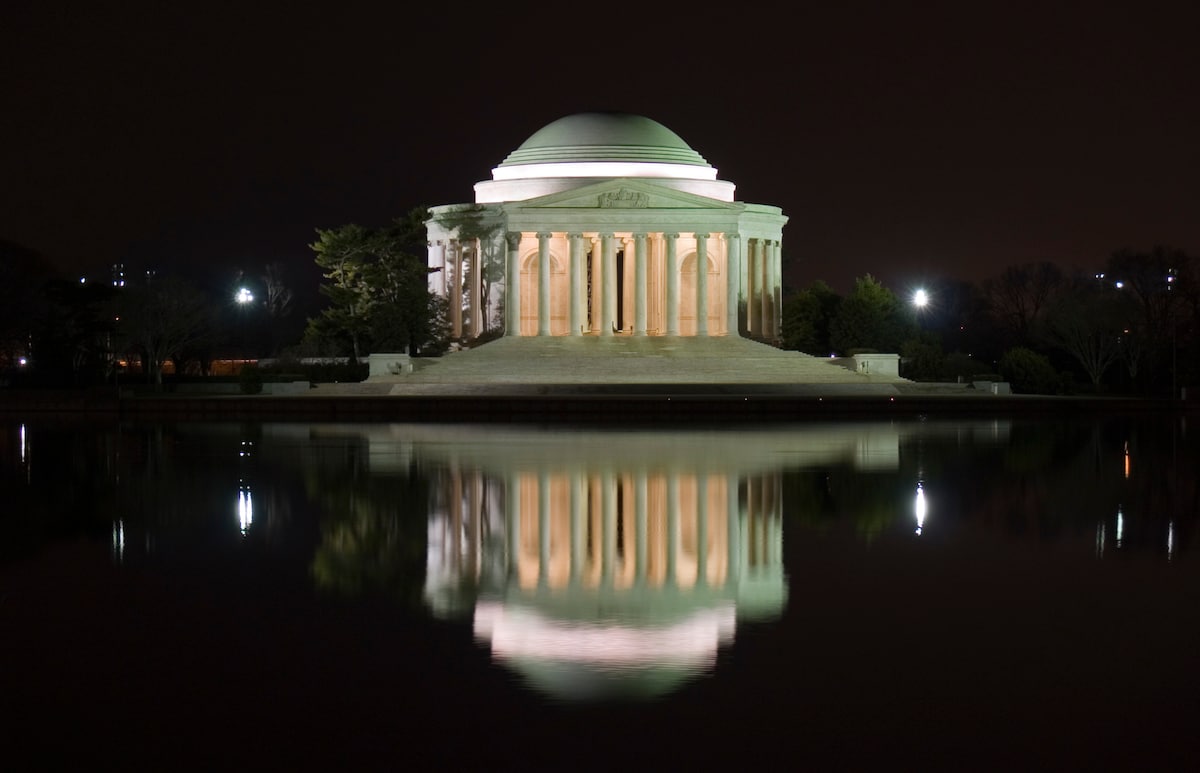
Marvel at the National Mall at night with a guide
Sun, Feb 8 • 7:00 PM
Washington, District of Columbia, 20001
View details

Virginia: From Cairo to Baghdad, by way of Aleppo - Torath Ensemble Concert
Sat, Feb 7 • 7:30 PM
1301 North Stafford Street Arlington, VA 22201
View details

State of the Net Conference 2026
Mon, Feb 9 • 8:00 AM
600 14th Street Northwest 4th Floor Washington, DC 20005
View details
Nearby attractions of House Triangle
US Capitol Grounds
The U.S. Capitol Visitor Center
United States Capitol
United States Botanic Garden
Neptune Fountain
Library of Congress
Supreme Court of the United States
Architect of the Capitol
Garfield Memorial
Peace Monument
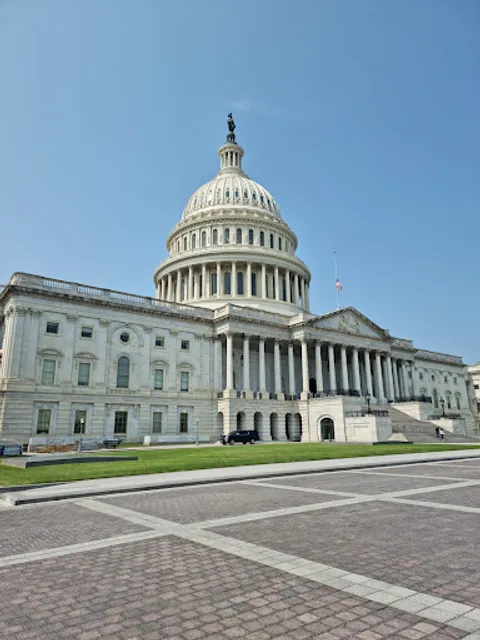
US Capitol Grounds
4.8
(8.8K)
Closed
Click for details
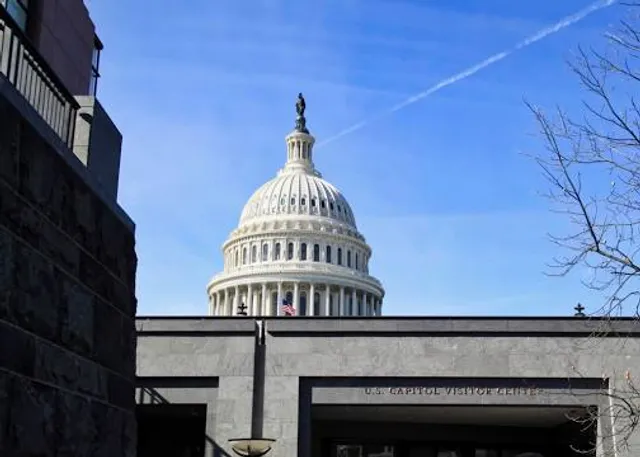
The U.S. Capitol Visitor Center
4.6
(1.8K)
Closed
Click for details
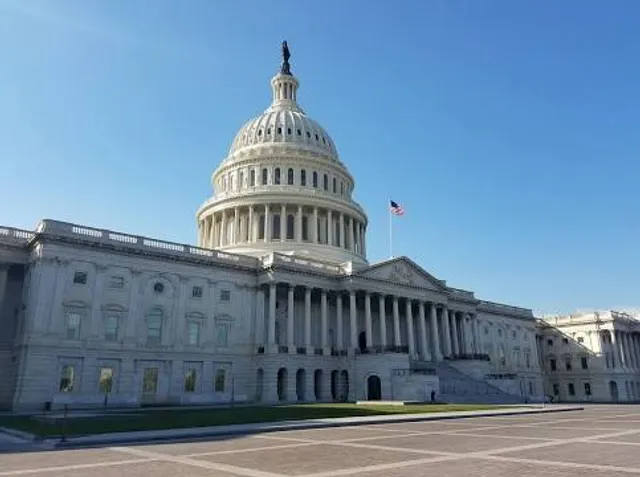
United States Capitol
4.7
(2.1K)
Closed
Click for details
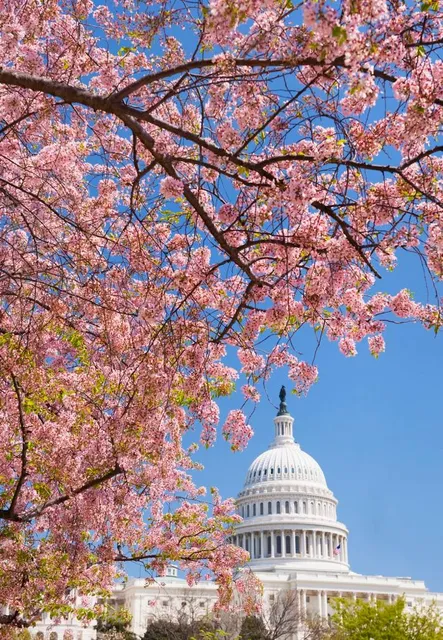
United States Botanic Garden
4.7
(7K)
Closed
Click for details
Nearby restaurants of House Triangle
U.S. Capitol Cafe
Common Grounds by Black Crown Collective
Pete's Diner
Le Bon Café
Burrito Brothers of Capitol Hill
Bullfeathers On The Hill
Hunan Dynasty
We, The Pizza
Longworth
Madison Café
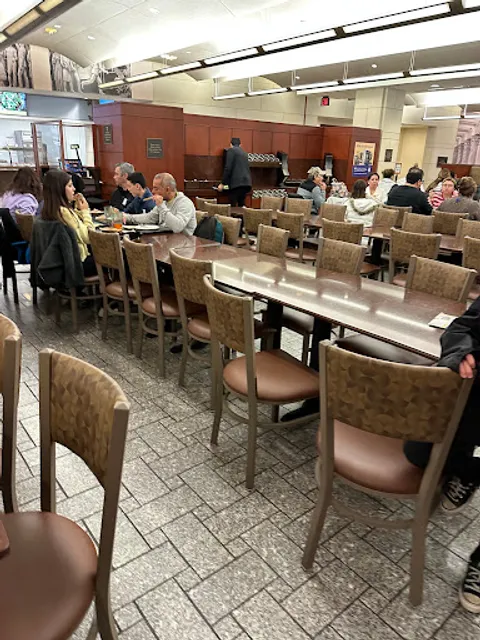
U.S. Capitol Cafe
3.9
(155)
$
Closed
Click for details
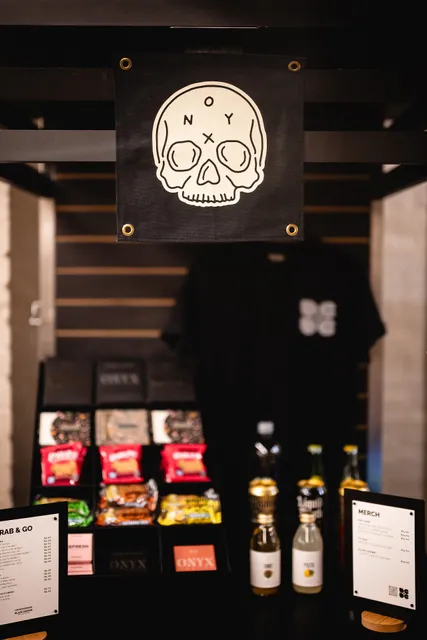
Common Grounds by Black Crown Collective
5.0
(23)
$
Open until 12:00 AM
Click for details
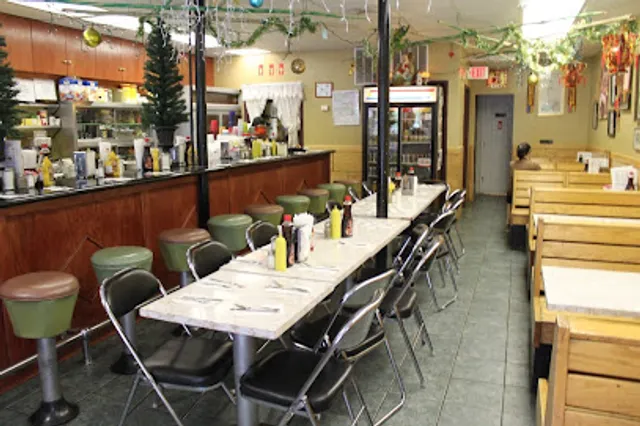
Pete's Diner
4.0
(523)
$
Closed
Click for details
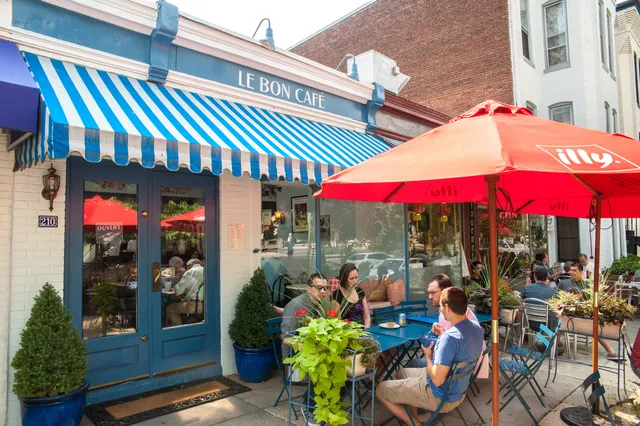
Le Bon Café
4.2
(416)
$
Closed
Click for details
Nearby local services of House Triangle
Capitol Hill
Longworth House Office Building
Congresswoman Jasmine Crockett
Library of Congress Thomas Jefferson Building
US Office of the Clerk
US House of Representatives Office Supply Service
Rayburn House Office Building
Cannon House Office Building
Senate Press Gallery
US House of Representatives
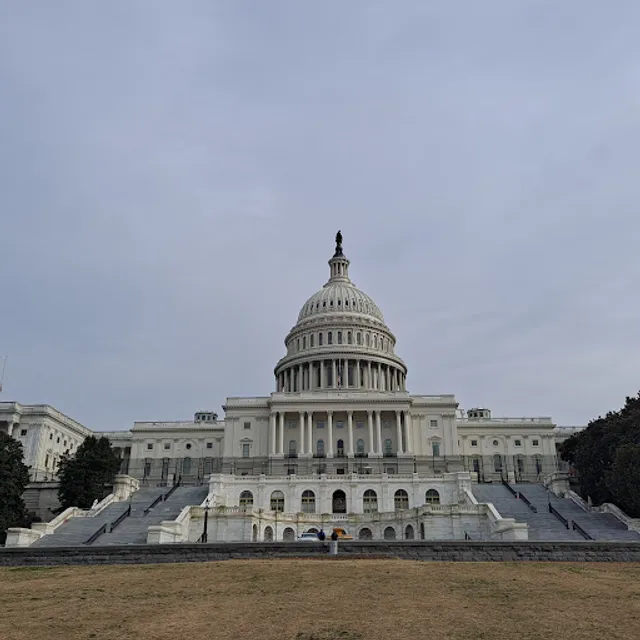
Capitol Hill
4.8
(662)
Click for details
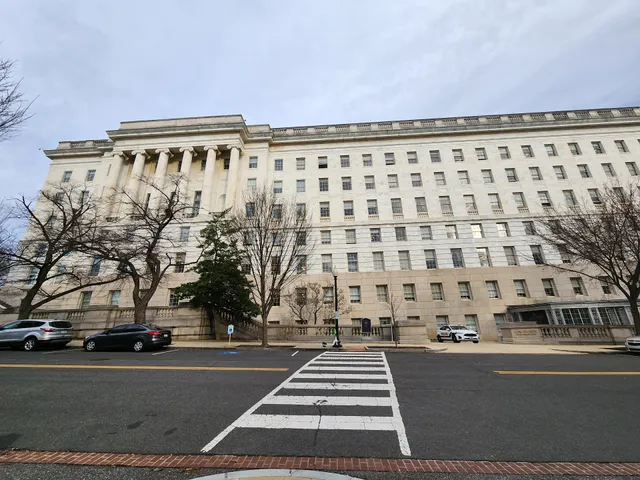
Longworth House Office Building
4.4
(53)
Click for details
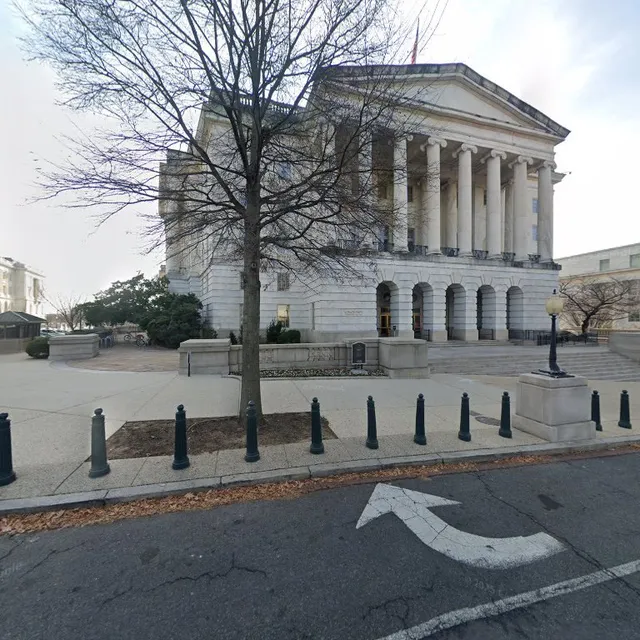
Congresswoman Jasmine Crockett
4.0
(20)
Click for details
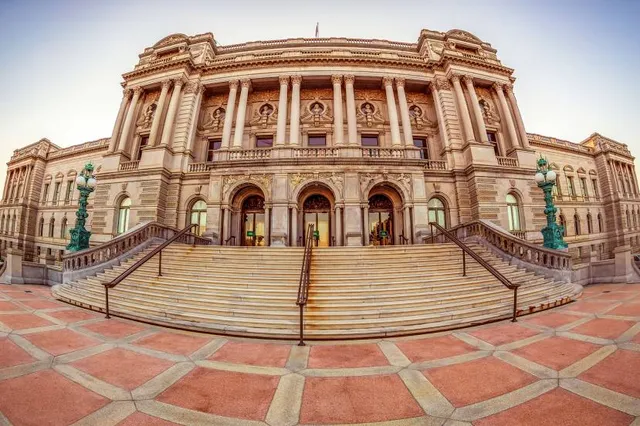
Library of Congress Thomas Jefferson Building
4.8
(110)
Click for details