Casa Feliz Historic Home Museum things to do, attractions, restaurants, events info and trip planning
Basic Info
Casa Feliz Historic Home Museum
656 N Park Ave, Winter Park, FL 32789
4.7(234)
Closed

tickets
Save
spot
spot
Ratings & Description
Info
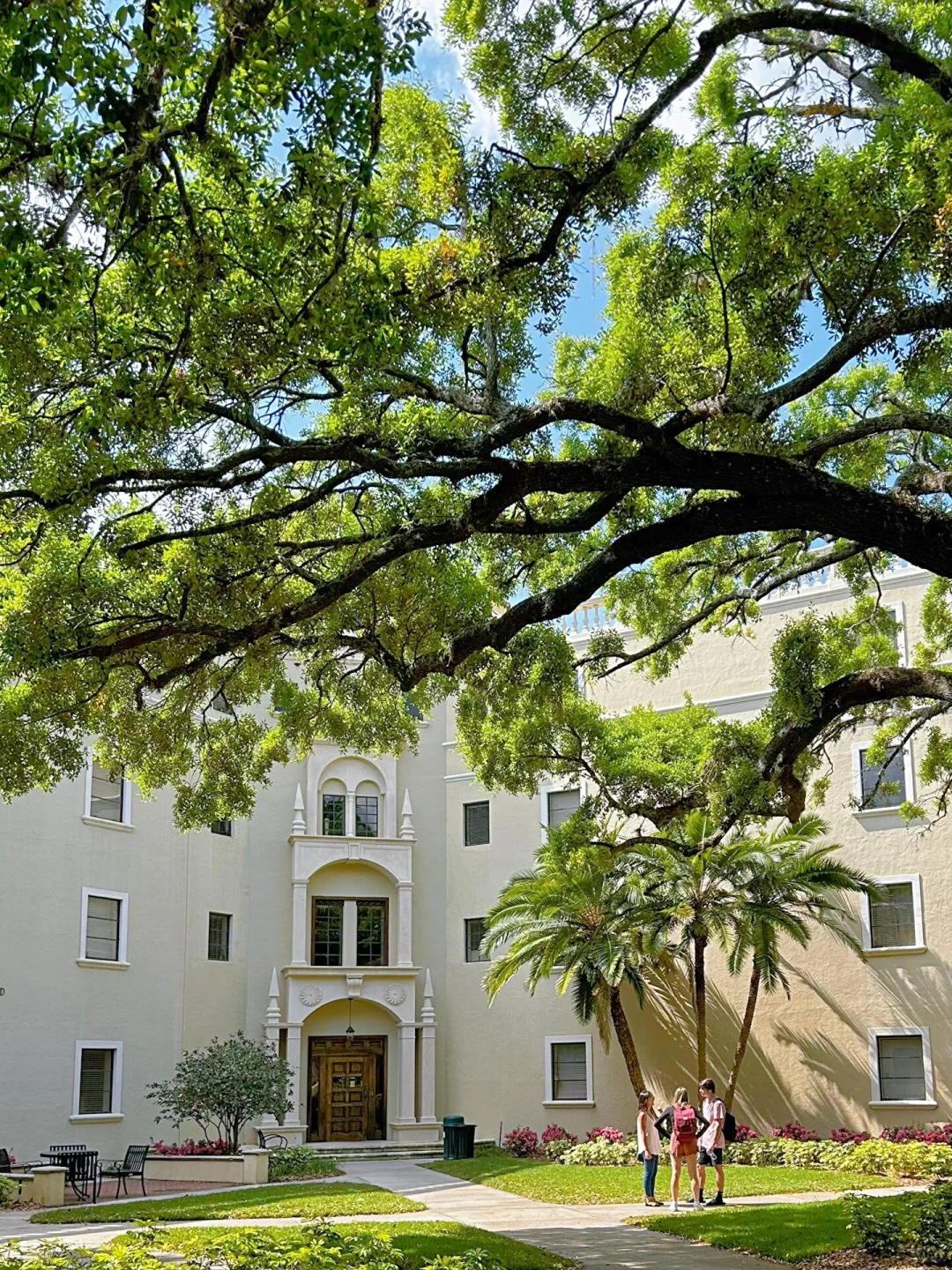
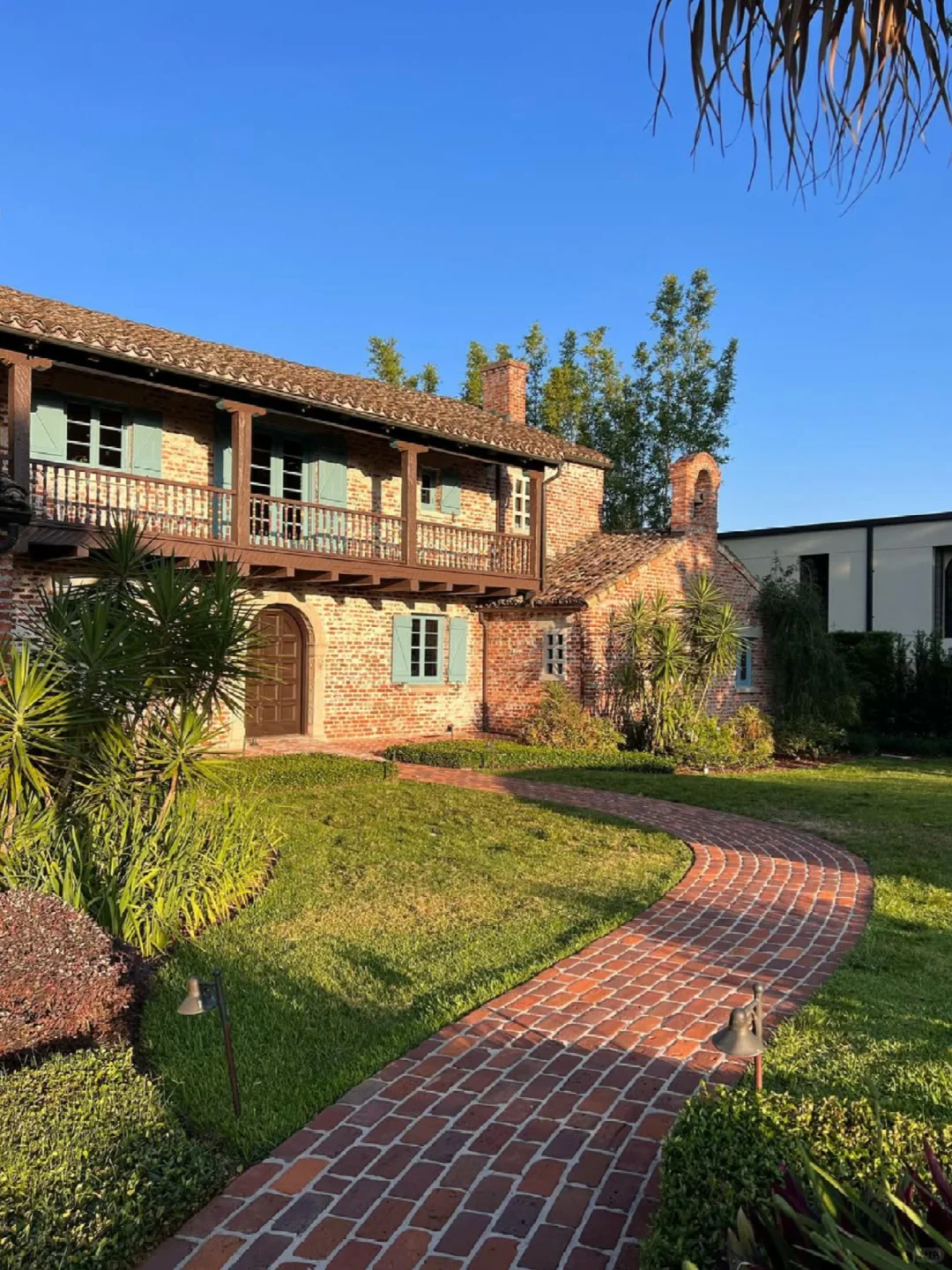
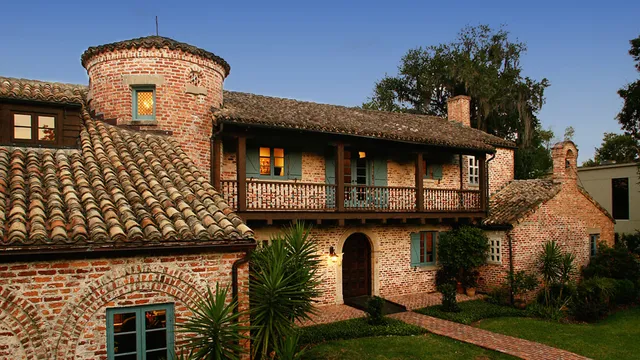
Casa Feliz, or "Happy House" in Spanish, is the signature residential work of noted architect James Gamble Rogers II. Initially known as the Barbour Estate, this Andalusian-style masonry farmhouse has significantly influenced the architectural and cultural aspects of this community.
Cultural
Scenic
Family friendly
Accessibility
attractions: Casa Feliz Wedding Venue, The Charles Hosmer Morse Museum of American Art, Tiffany Light Museum, Central Park, Scott Laurent Collection, Downtown Winter Park, Ocean Blue Galleries, Penthouse 450, First Congregational Church of Winter Park, Winter Park History Museum, restaurants: Boca, Briarpatch Restaurant, Garp & Fuss, George's Cafe, Atlantic Beer & Oyster, Orchid Thai Cuisine, Tabla Indian Restaurant Winter Park, Prato, Panera Bread, Bosphorous Turkish Cuisine - Winter Park, local businesses: Orlando Estate Buyer, Inc., Absolute Body Waxing & Spa, LLC, Winter Park Golf Course, Daniel Montesi, St Margaret Mary Catholic Church, Nailed it Salon & Academy, Antiques On The Avenue, Gatorlilly’s of Winter Park, Writer's Block Bookstore, Park Avenue Jewelers
 Learn more insights from Wanderboat AI.
Phone
(407) 628-8200 ext. 2
Website
casafeliz.us
Open hoursSee all hours
Wed10 AM - 2 PMClosed
Plan your stay

Pet-friendly Hotels in Winter Park
Find a cozy hotel nearby and make it a full experience.

Affordable Hotels in Winter Park
Find a cozy hotel nearby and make it a full experience.

The Coolest Hotels You Haven't Heard Of (Yet)
Find a cozy hotel nearby and make it a full experience.

Trending Stays Worth the Hype in Winter Park
Find a cozy hotel nearby and make it a full experience.
Reviews
Live events
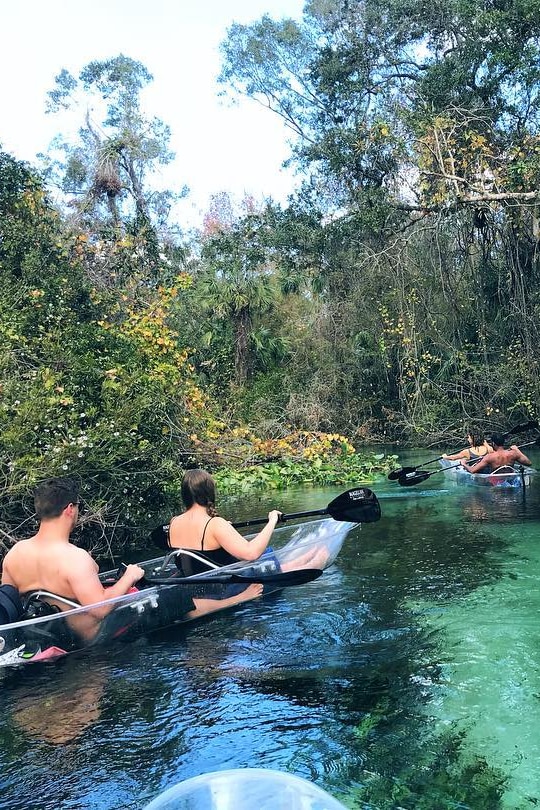
Clear Kayaking at Rock Springs with a Local
Wed, Jan 28 • 2:30 PM
Apopka, Florida, 32712
View details
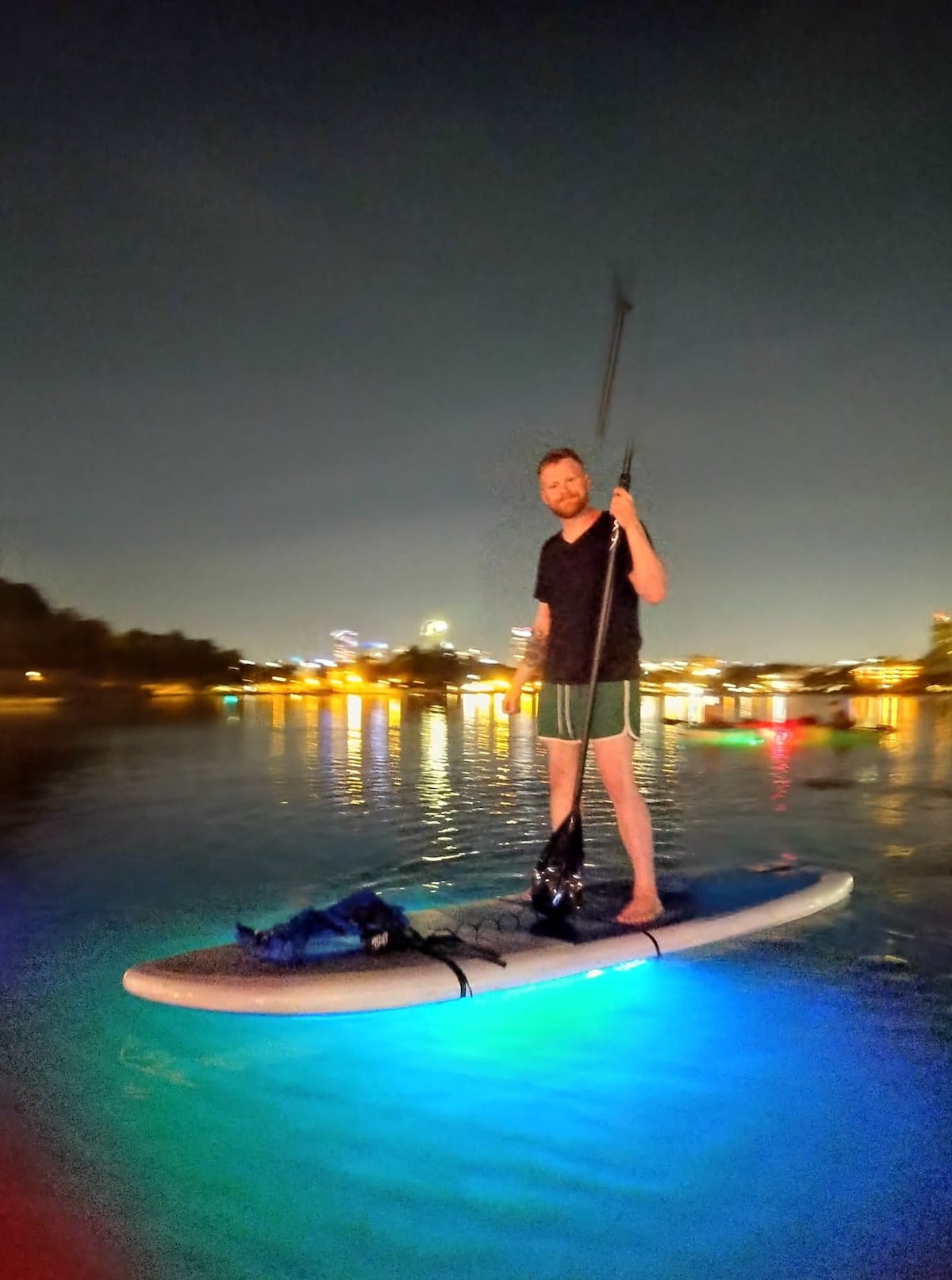
Glow in the Dark Clear Kayak or Paddleboard
Wed, Jan 28 • 5:30 PM
Orlando, Florida, 32804
View details

Candlelight: Best of Hip-Hop on Strings
Fri, Jan 30 • 8:45 PM
1300 S Denning Dr, Winter Park, 32789
View details
Nearby attractions of Casa Feliz Historic Home Museum
Casa Feliz Wedding Venue
The Charles Hosmer Morse Museum of American Art
Tiffany Light Museum
Central Park
Scott Laurent Collection
Downtown Winter Park
Ocean Blue Galleries
Penthouse 450
First Congregational Church of Winter Park
Winter Park History Museum
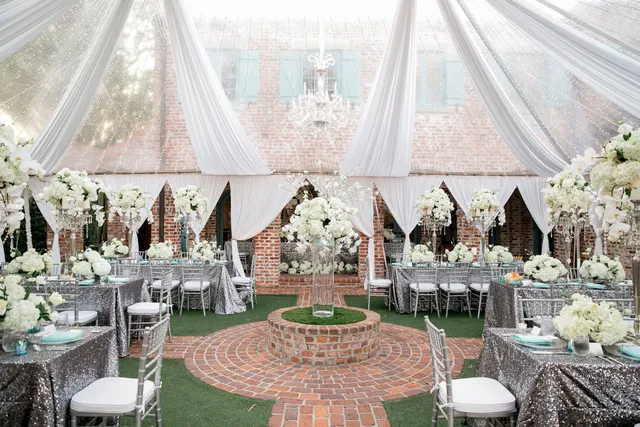
Casa Feliz Wedding Venue
4.7
(50)
Open 24 hours
Click for details
The Charles Hosmer Morse Museum of American Art
4.8
(1.2K)
Open until 4:00 PM
Click for details
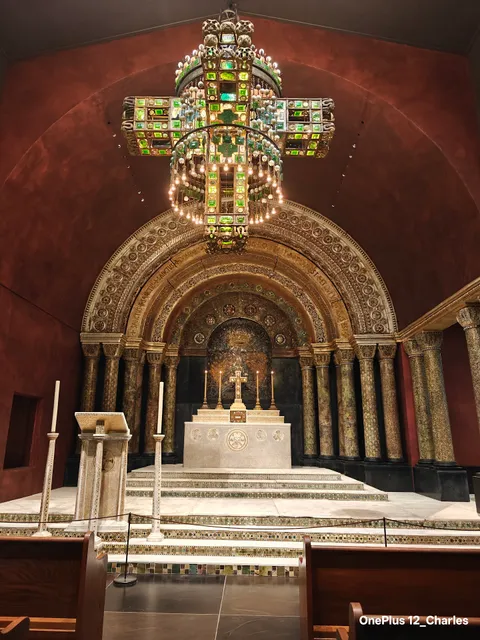
Tiffany Light Museum
4.8
(57)
Open until 4:00 PM
Click for details
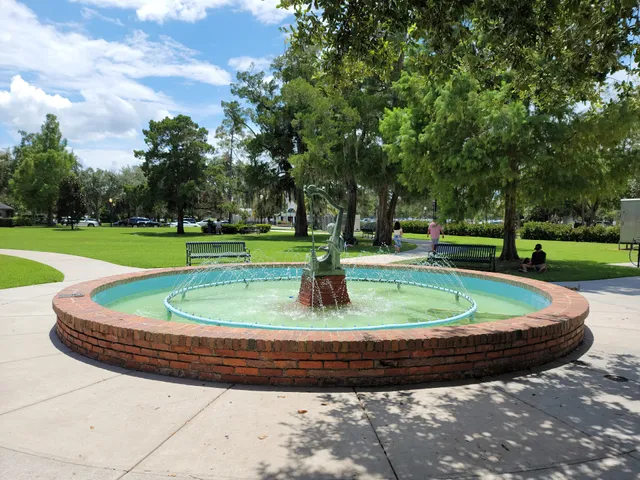
Central Park
4.7
(815)
Open until 12:00 AM
Click for details
Nearby restaurants of Casa Feliz Historic Home Museum
Boca
Briarpatch Restaurant
Garp & Fuss
George's Cafe
Atlantic Beer & Oyster
Orchid Thai Cuisine
Tabla Indian Restaurant Winter Park
Prato
Panera Bread
Bosphorous Turkish Cuisine - Winter Park
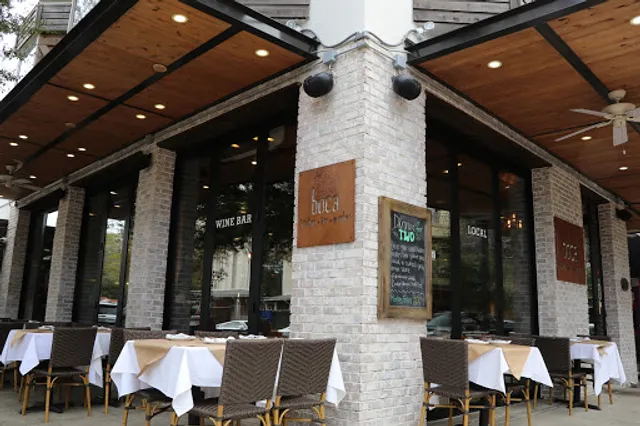
Boca
4.2
(997)
$$
Open until 10:00 PM
Click for details
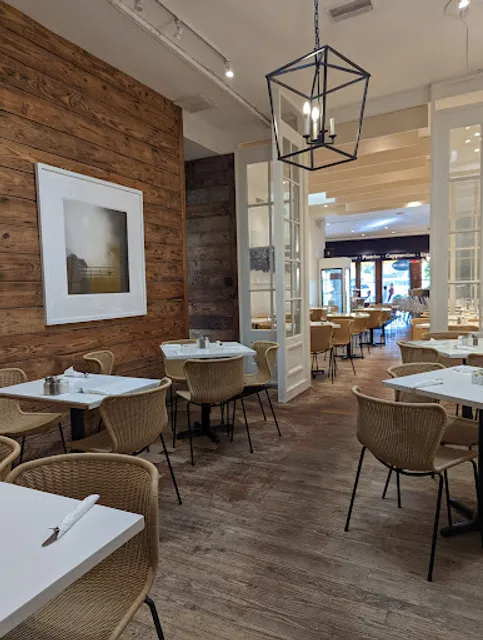
Briarpatch Restaurant
4.5
(1.8K)
$$
Open until 4:00 PM
Click for details
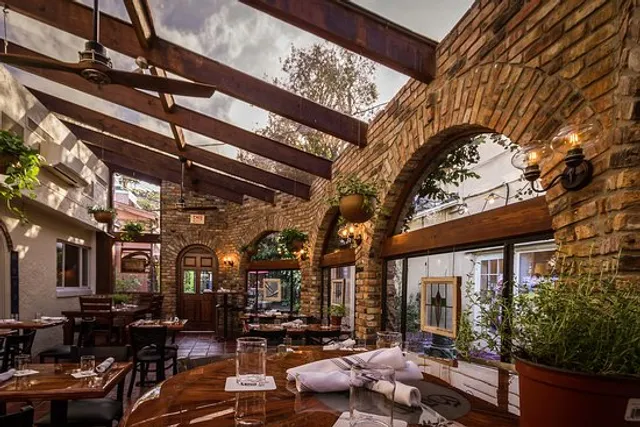
Garp & Fuss
4.5
(526)
$$
Open until 10:00 PM
Click for details
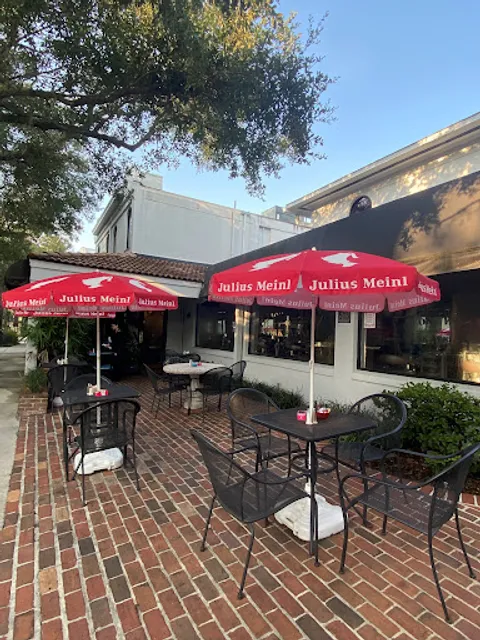
George's Cafe
4.4
(162)
$
Open until 3:00 PM
Click for details
Nearby local services of Casa Feliz Historic Home Museum
Orlando Estate Buyer, Inc.
Absolute Body Waxing & Spa, LLC
Winter Park Golf Course
Daniel Montesi
St Margaret Mary Catholic Church
Nailed it Salon & Academy
Antiques On The Avenue
Gatorlilly’s of Winter Park
Writer's Block Bookstore
Park Avenue Jewelers

Orlando Estate Buyer, Inc.
4.9
(293)
Click for details
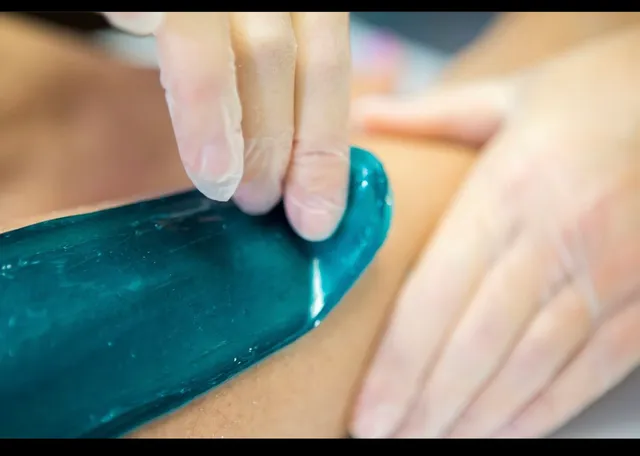
Absolute Body Waxing & Spa, LLC
4.9
(188)
Click for details
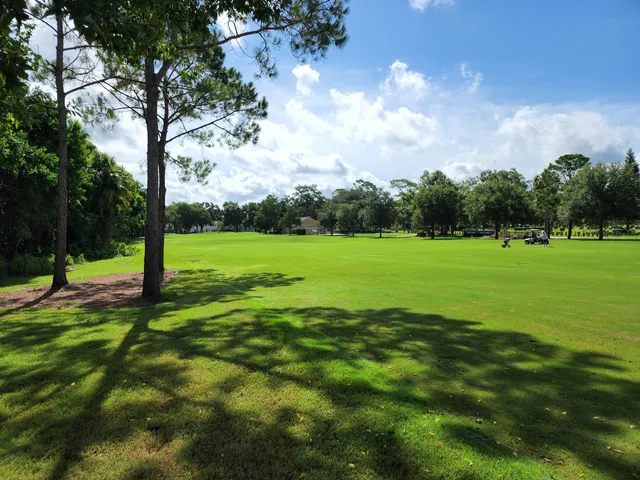
Winter Park Golf Course
4.7
(127)
Click for details
Daniel Montesi
5.0
(125)
Click for details