Ichan Kala things to do, attractions, restaurants, events info and trip planning
Basic Info
Ichan Kala
А, Болтаева-41, 220900, Xiva, Xorazm Viloyati, Uzbekistan
4.7(1.6K)
Closed

tickets
Save
spot
spot
Ratings & Description
Info
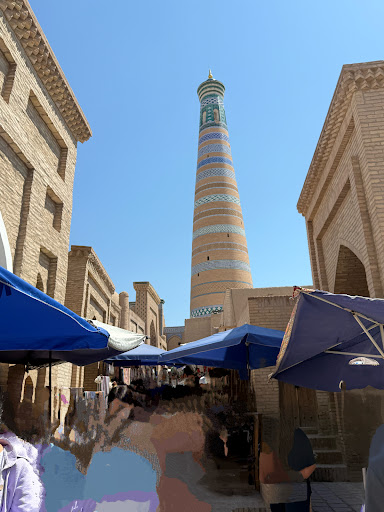
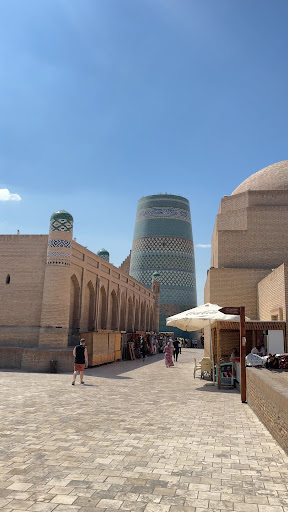
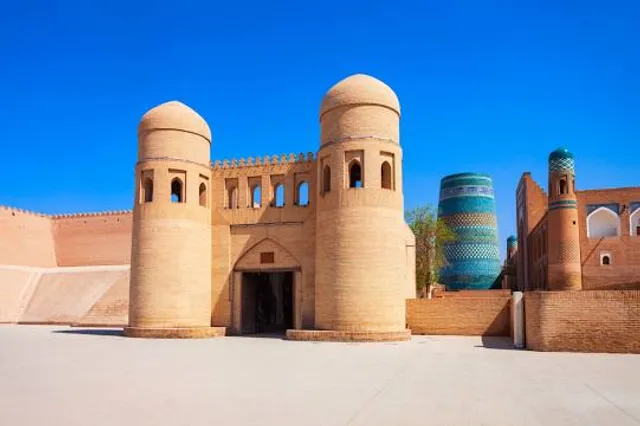
Itchan Kala is the walled inner town of the city of Khiva, Uzbekistan. Since 1990, it has been protected as a World Heritage Site. The old town retains more than 50 historic monuments and 250 old houses, dating primarily from the eighteenth or nineteenth centuries.
Cultural
Outdoor
Accessibility
attractions: Juma Mosque, Kalta Minor Minaret, Pahlavan Mahmoud Mausoleum, Mohammed Rakhim Khan Madrassah, Islam Khoja Minaret, Toshhovli Palace, Kuhna Ark, Ichan Kala west gate, Mohammed Amin Khan Madrassah, Qozi Kalon Madrassah - Museum of Musical Art, restaurants: Terrassa Cafe & Restaurant, Tea House Bir Gumbaz, Tea house Mirza Boshi, Tapas Restaurant, Cafe Zarafshon, Yasavul Boshi Restaurant, SULTAN, Cafe Kheivak, Leila restaurant, Arxi Terrasa, local businesses: Palvan Darvoza
 Learn more insights from Wanderboat AI.
Phone
+998 62 377 63 40
Website
khivamuseum.uz
Open hoursSee all hours
Fri9 AM - 7 PMClosed
Plan your stay

Pet-friendly Hotels in Khiva
Find a cozy hotel nearby and make it a full experience.

Affordable Hotels in Khiva
Find a cozy hotel nearby and make it a full experience.

The Coolest Hotels You Haven't Heard Of (Yet)
Find a cozy hotel nearby and make it a full experience.

Trending Stays Worth the Hype in Khiva
Find a cozy hotel nearby and make it a full experience.
Reviews
Nearby attractions of Ichan Kala
Juma Mosque
Kalta Minor Minaret
Pahlavan Mahmoud Mausoleum
Mohammed Rakhim Khan Madrassah
Islam Khoja Minaret
Toshhovli Palace
Kuhna Ark
Ichan Kala west gate
Mohammed Amin Khan Madrassah
Qozi Kalon Madrassah - Museum of Musical Art
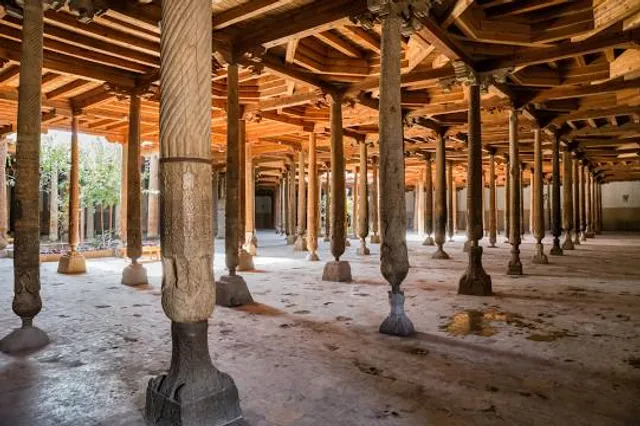
Juma Mosque
4.7
(465)
Closed
Click for details
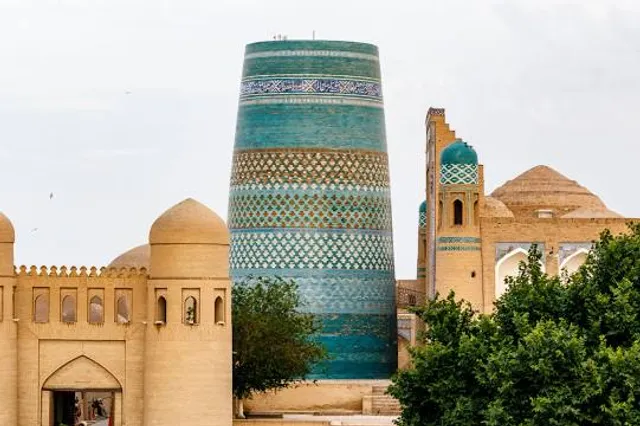
Kalta Minor Minaret
4.8
(599)
Open until 12:00 AM
Click for details
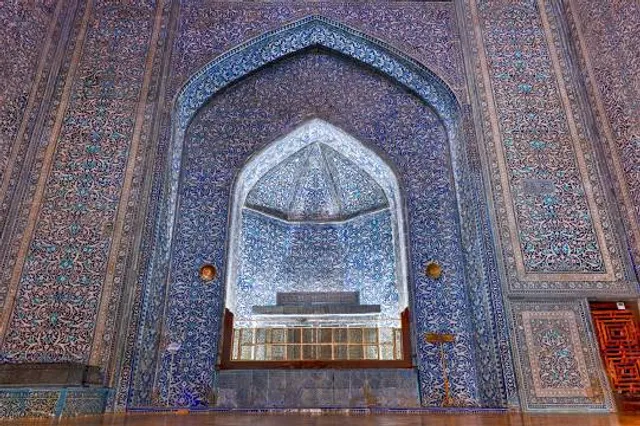
Pahlavan Mahmoud Mausoleum
4.7
(143)
Closed
Click for details
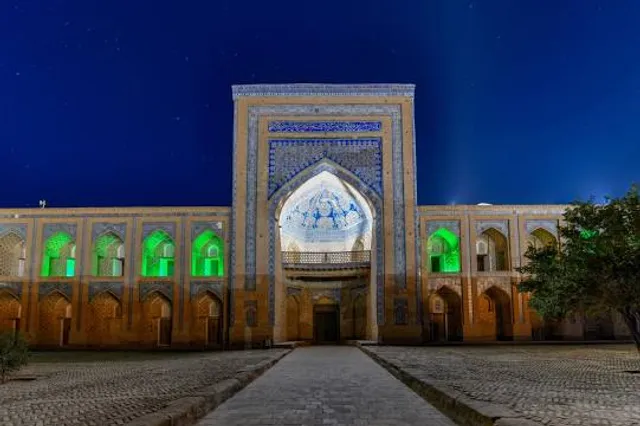
Mohammed Rakhim Khan Madrassah
4.7
(42)
Open 24 hours
Click for details
Nearby restaurants of Ichan Kala
Terrassa Cafe & Restaurant
Tea House Bir Gumbaz
Tea house Mirza Boshi
Tapas Restaurant
Cafe Zarafshon
Yasavul Boshi Restaurant
SULTAN
Cafe Kheivak
Leila restaurant
Arxi Terrasa
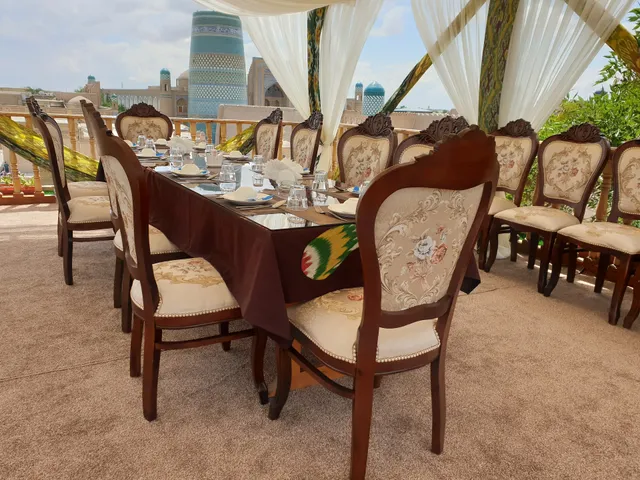
Terrassa Cafe & Restaurant
4.4
(636)
Open until 11:30 PM
Click for details
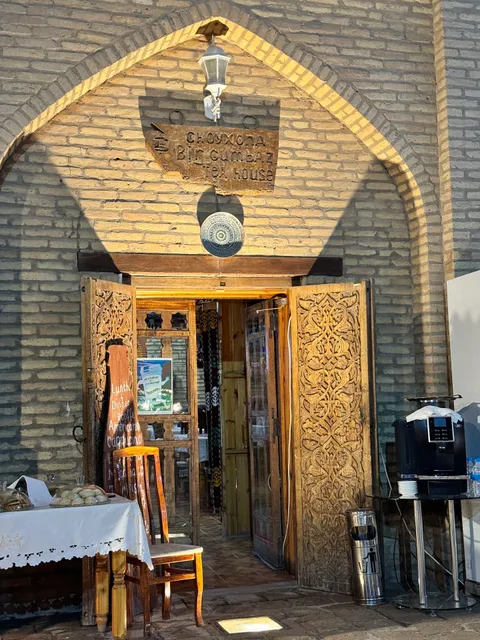
Tea House Bir Gumbaz
4.0
(228)
Closed
Click for details
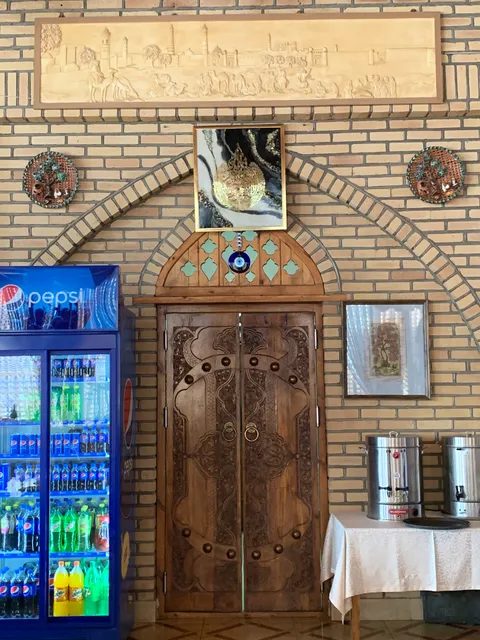
Tea house Mirza Boshi
4.0
(191)
Closed
Click for details
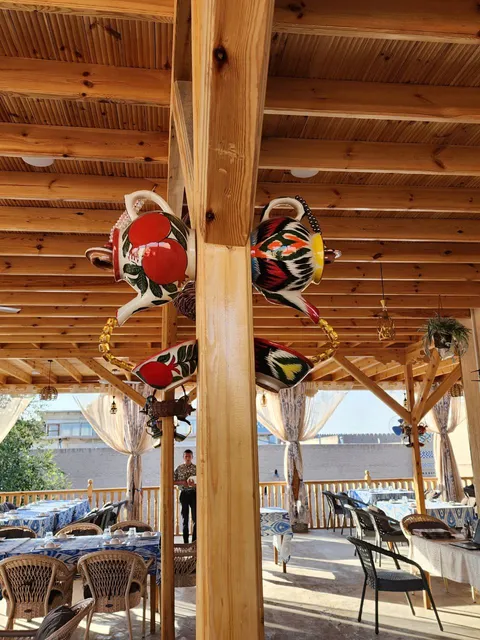
Tapas Restaurant
3.8
(63)
Closed
Click for details
Nearby local services of Ichan Kala
Palvan Darvoza
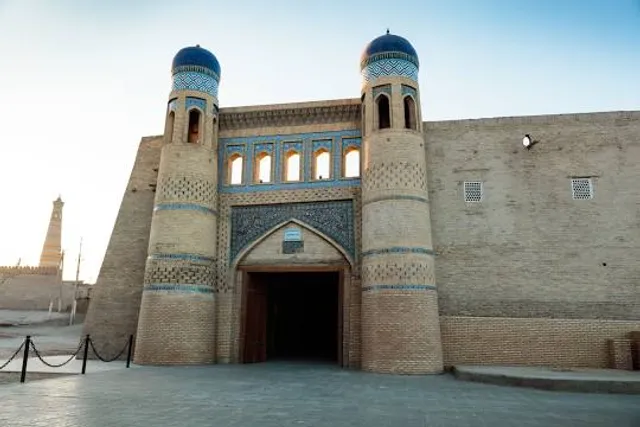
Palvan Darvoza
4.3
(16)
Click for details