Discover the Enchanting Samarkand: A City of Timeless Beauty
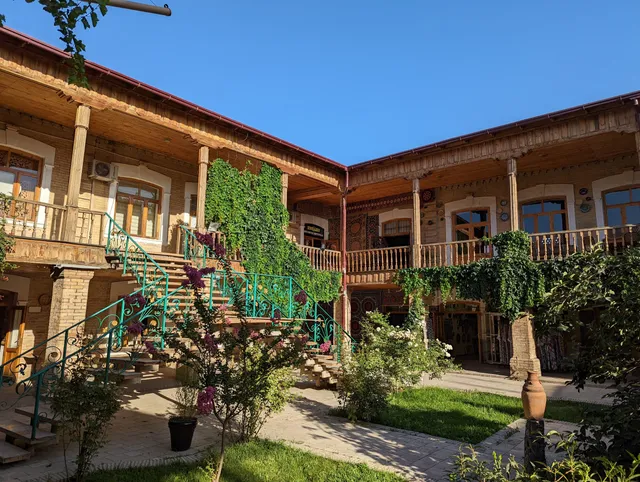
Samarkand, one of the oldest cities in the world, offers an incredible blend of history, culture, and natural beauty that captivates every visitor. This ancient city, nestled in the heart of Uzbekistan, is known for its awe-inspiring architecture, vibrant markets, and warm-hearted locals who make you feel instantly at home. The best part? It's not just a place to explore history; Samarkand offers serene spaces where families can relax and create unforgettable memories together.
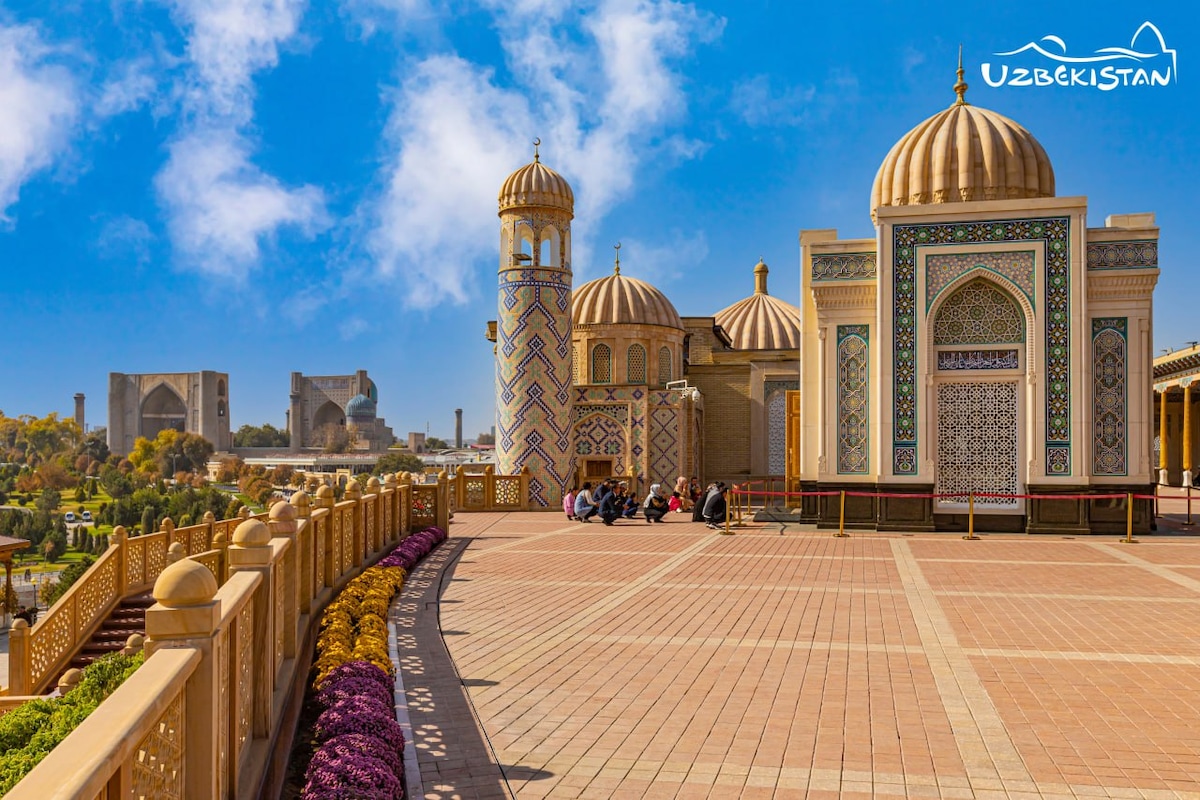
One such gem is the city's stunning parks, where lush greenery and beautifully landscaped gardens provide a peaceful retreat from the hustle and bustle of daily life. Families can enjoy picnics, leisurely strolls, or simply unwind while the children play in well-maintained areas designed for fun and safety. The tranquil environment, combined with the fresh air and beautiful scenery, makes these parks a must-visit for anyone looking to enjoy a day outdoors.
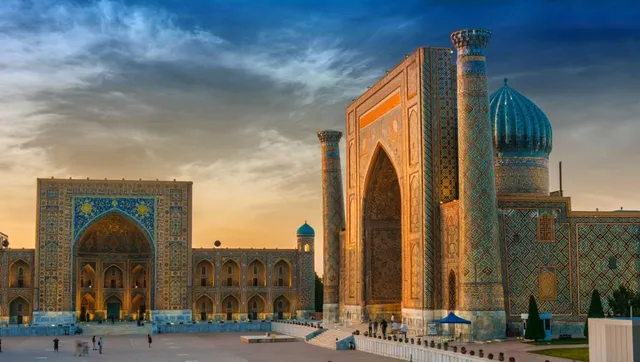
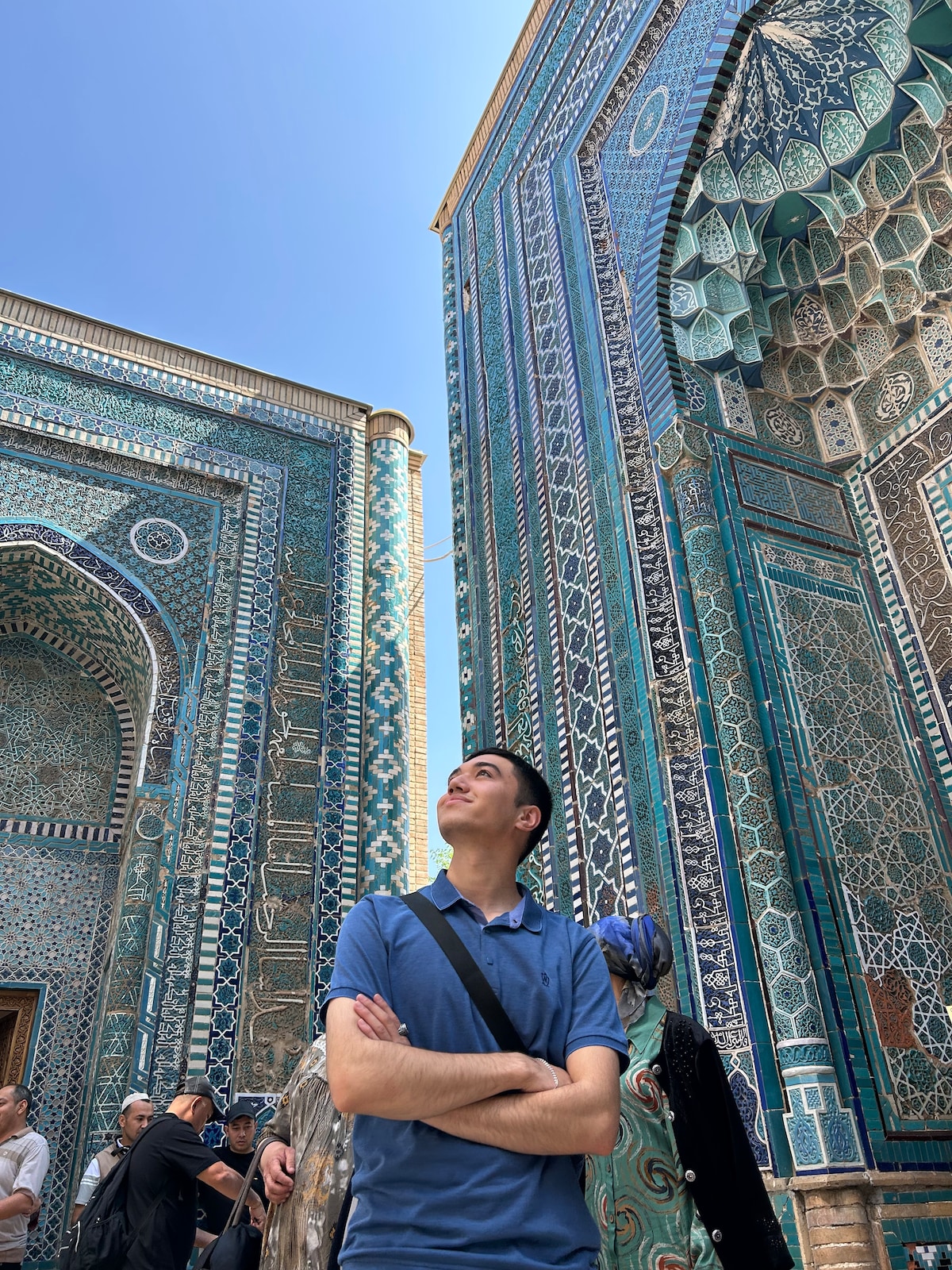
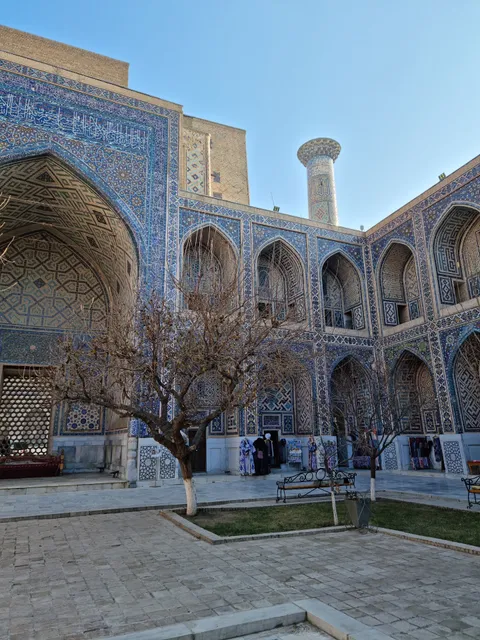
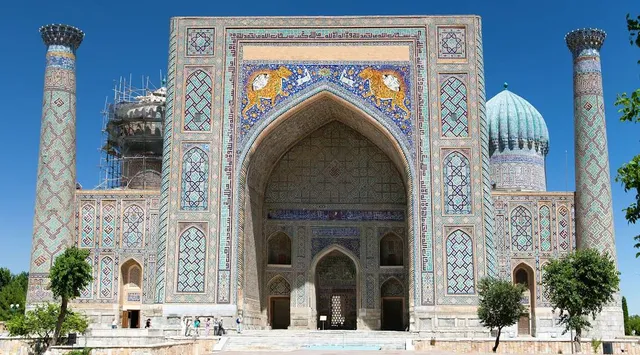
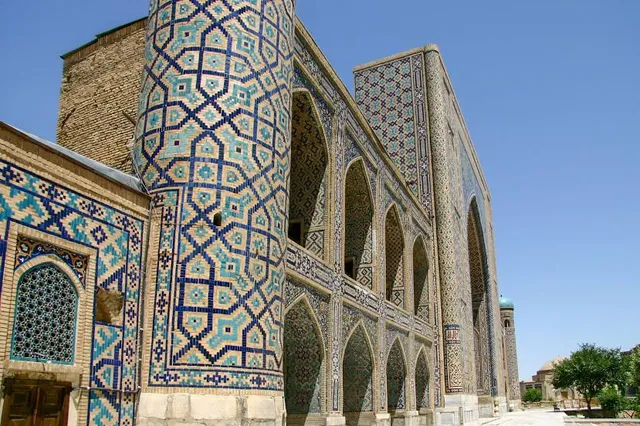
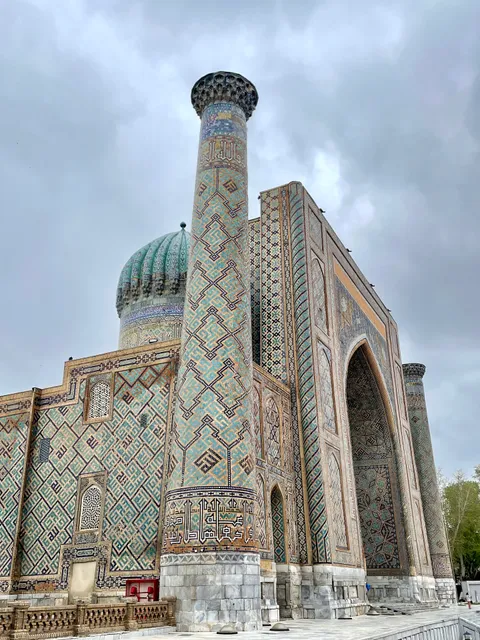
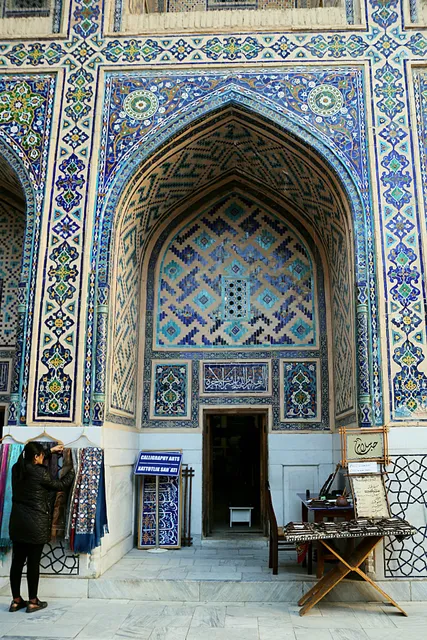
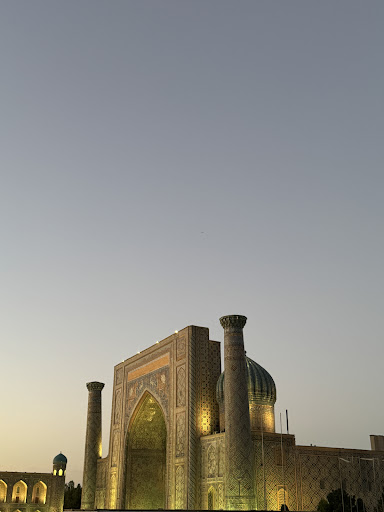
But no visit to Samarkand would be complete without experiencing the Registan, the city's most iconic landmark. This majestic ensemble of three grand madrasahs (Islamic schools) dates back to the 15th and 17th centuries and is considered one of the most beautiful examples of Islamic architecture in the world. The intricate tile work, towering minarets, and stunning mosaics are a testament to the incredible craftsmanship of the time, leaving visitors in awe of its grandeur.
The Registan was once the heart of ancient Samarkand, serving as a public square where people gathered for royal proclamations, festivals, and bazaars. Today, it stands as a symbol of the city’s rich cultural heritage and a window into its glorious past. As you wander through its historic courtyards and marvel at the elaborate designs, you can almost feel the echoes of the past reverberating through the stone walls.
Whether you’re drawn by the allure of its historical sites, the vibrant local culture, or the peaceful parks, Samarkand promises an experience that is both enriching and unforgettable. The city’s unique blend of old-world charm and modern hospitality, combined with the best vibes you’ll find anywhere, makes it a destination that truly has something for everyone. Come and immerse yourself in the magic of Samarkand, where every moment is filled with beauty, wonder, and the warmth of its...
Read moreLocated in the center of city, the Registan Square with its medieval edifices is certainly one of the most impressive squares in the world.
The legend has it that the square was a place of public executions from the 15th to the early 20th centuries, and they strew it with sand to absorb the blood shed there. Therefore, the square was named Registan: reg (‘sand’) and stan (‘place’) - ‘a sand place’. It was also a place where people, summoned with trumpets, gathered to listen to government decrees announced.
Initially, at the beginning of the 15th century, the square did not have the grand madrasahs standing on its three sides today. ( madrasah is an Islamic college) They were built later, in the 15th and the 17th centuries.
Registan Square, paved with fired bricks and cobbles, and the architectural ensemble of its three edifices, masterpieces of medieval Islamic architecture, have been UNESCO World Heritage Sites since 2001.
The central building of the ensemble is Tilla-Qori Madrasah; Ulugbek Madrasah and Sher-Dor Madrasah stand to the left and right of it respectively.
The madrasahs date from different times. Ulugbek Madrasah, the earliest of them, was built in 1417 - 1420 by order of Ulugbek, Tamerlane’s grandson. Two centuries later, by order of Samarkand governor Yalangtush, Bahadur Sher-Dor Madrasah and Tilla-Qori Madrasah were built. They replaced the khanaka (a Sufi hospice and monastery) and the caravanserai that had been built under Ulugbek. Each of the madrasahs features unique decorations: fascinating tile mosaics, delicate stone carvings, splendid gilt ceilings, etc.
There was a period when Registan Square madrasahs stayed in a state of disrepair and were empty. In the 17th - 18th centuries, Samarkand was in crisis: the khanate’s capital had been moved to Bukhara, and the Silk Road highway passing through the city had ceased to function. At the end of the 18th century Samarkand came back to normal life again, with a lot of shops and other small facilities opened in the square. In 1875, the square was leveled and paved, and became the major city center again.
Today various festivals, holidays and shows are held in the square. The madrasahs have been fully restored by now and are open for visitors. There is a number of shops offering local handicrafts...
Read moreVery beautiful and such a huge place. Lights up after 6 pm. The view is very beautiful during the evenings.
History
The three madrasahs of the Registan are the Ulugh Beg Madrasah (1417–1420), the Sher-Dor Madrasah (1619–1636), and the Tilya-Kori Madrasah (1646–1660). Madrasah is an Arabic term meaning school.
Ulugh Beg Madrasah (1417–1420) edit The Ulugh Beg Madrasah, built by Ulugh Beg during the Timurid Empire era of Timur, has an imposing iwan with a lancet-arch pishtaq or portal facing the square. The corners are flanked by high minarets. The mosaic panel over the iwan's entrance arch is decorated by geometrical stylized ornaments. The square courtyard includes a mosque and lecture rooms, and is fringed by the dormitory cells in which students lived. There are deep galleries along the axes. Originally the Ulugh Beg Madrasah was a two-storied building with four domed darskhonas (lecture rooms) at the corners.
The Ulugh Beg Madrasah It was one of the best clergy universities of the Muslim Orient in the 15th century CE. Abdul-Rahman Jami, the great Persian poet, scholar, mystic, scientist and philosopher studied at the madrasah.[1] Ulugh Beg himself gave lectures there. During Ulugh Beg's government the madrasah was a centre of learning.
Sher-Dor Madrasah (1619–1636) edit In the 17th century the ruler of Samarkand, Yalangtush Bakhodur, ordered the construction of the Sher-Dor and Tillya-Kori madrasahs. The tiger mosaics with a rising sun on their back are especially interesting for their depiction of living beings and use of Persian motifs.
Tilya-Kori Madrasah (1646–1660) edit Ten years later the Tilya-Kori Madrasah was built. It was not only a residential college for students, but also played the role of grand masjid (mosque). It has a two-storied main facade and a vast courtyard fringed by dormitory cells, with four galleries along the axes. The mosque building (see picture) is situated in the western section of the courtyard. The main hall of the mosque is...
Read more