Sherdor Madrasa things to do, attractions, restaurants, events info and trip planning
Basic Info
Sherdor Madrasa
MX3G+WFW, 140101, Samarkand, Samarqand Region, Uzbekistan
4.8(200)
Open until 8:00 PM
Save
spot
spot
Ratings & Description
Info
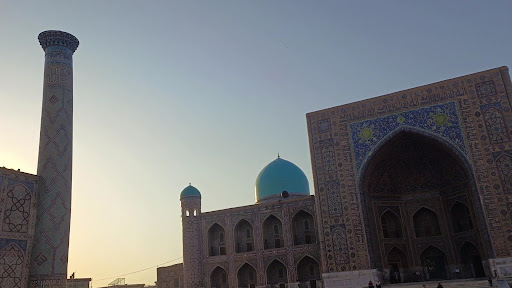
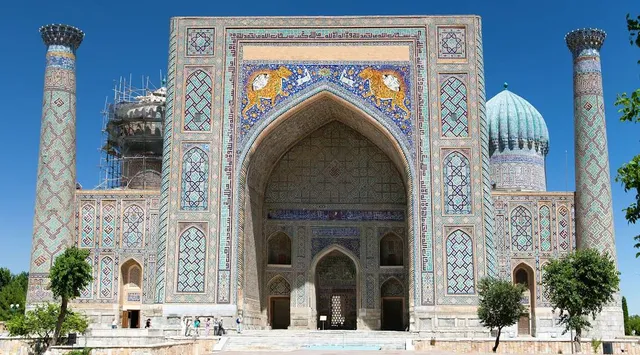
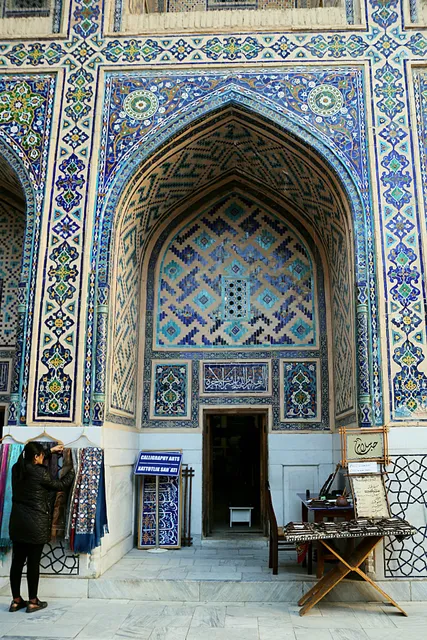
The Sher-Dor Madrasa is a 17th-century madrasa in the historic center of Samarkand, a UNESCO World Heritage Site in Uzbekistan. Together with the Ulug Begue and Tillakori madrassas, it forms the monumental ensemble of Registan, the ancient heart of the city.
Cultural
Scenic
Family friendly
Accessibility
attractions: Registan Square, Tilya-Kori Madrasa, Ulugh Beg Madrasa, Registan Square Observatory, Islam Karimov's Statue, Registan Park, Sadriddin Ayni House Museum, Bibi-Khanym Mosque, Siyob Bozor, Amir Temur Mausoleum Gur-i Amir Сomplex, restaurants: Emirhan Restaurant, Zarqand Restaurant, Afandi Food, Registan Restaurant & Cafe, L tea, Sam Craft PUB, Sharof Bobo Oshxonasi, Exotic Tea, Doppio Specialty Coffee, Sam Craft, local businesses: Happy Bird Art Gallery, Abduljalil Calligraphy
 Learn more insights from Wanderboat AI.
Phone
+998 66 235 38 26
Open hoursSee all hours
Wed9 a.m. - 8 p.m.Open
Plan your stay

Pet-friendly Hotels in Samarkand City
Find a cozy hotel nearby and make it a full experience.

Affordable Hotels in Samarkand City
Find a cozy hotel nearby and make it a full experience.

The Coolest Hotels You Haven't Heard Of (Yet)
Find a cozy hotel nearby and make it a full experience.

Trending Stays Worth the Hype in Samarkand City
Find a cozy hotel nearby and make it a full experience.
Reviews
Live events
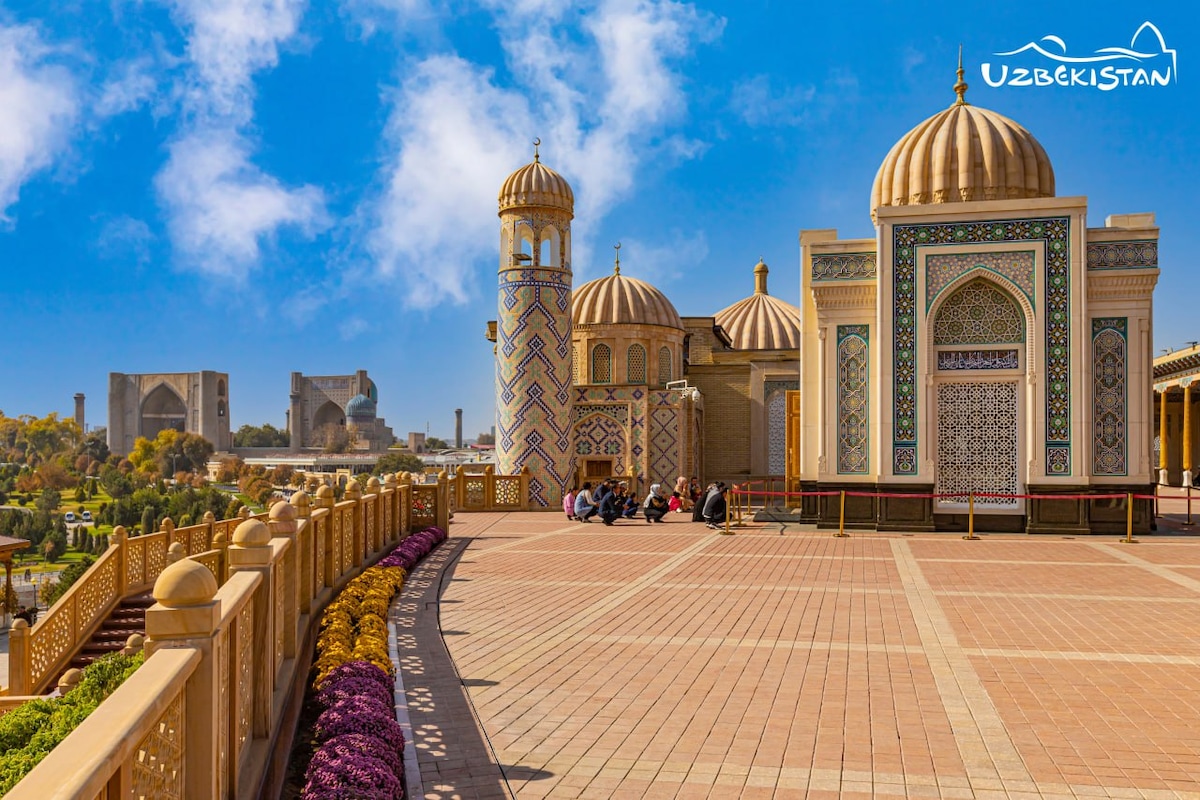
Pedal Samarkand: Bike Registan Mausoleums Villages
Wed, Feb 11 • 9:00 AM
Samarkand, Samarqand Region 140100, Uzbekistan
View details
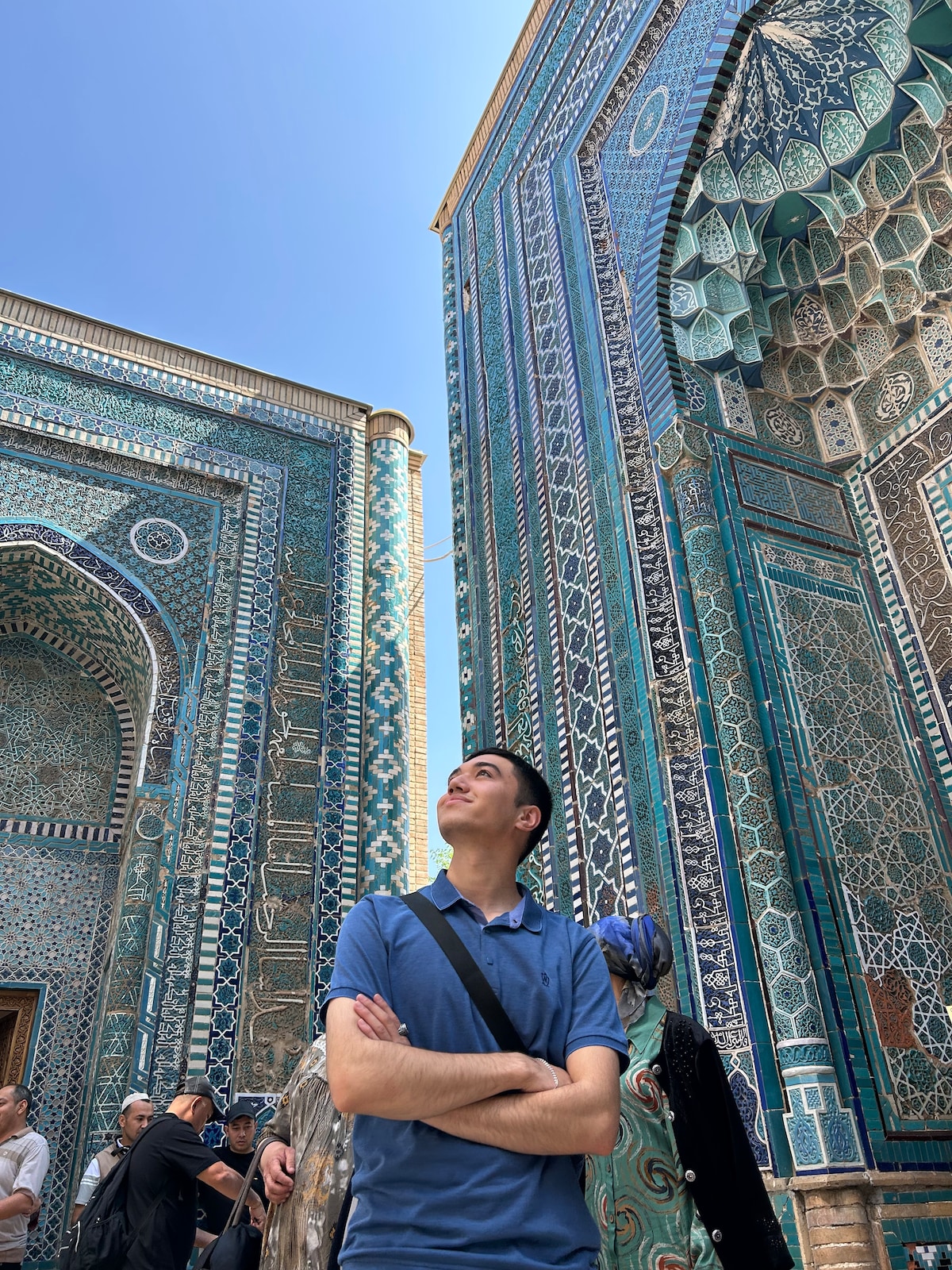
Explore Samarkand with a passionate local guide
Wed, Feb 11 • 9:00 AM
Samarkand, Samarqand Region, Uzbekistan
View details
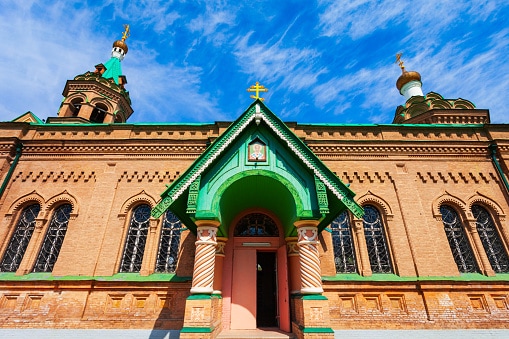
Uncover Tsarist architecture gems in Samarkand
Wed, Feb 11 • 10:00 AM
Samarkand, Samarqand Region , Uzbekistan
View details
Nearby attractions of Sherdor Madrasa
Registan Square
Tilya-Kori Madrasa
Ulugh Beg Madrasa
Registan Square Observatory
Islam Karimov's Statue
Registan Park
Sadriddin Ayni House Museum
Bibi-Khanym Mosque
Siyob Bozor
Amir Temur Mausoleum Gur-i Amir Сomplex
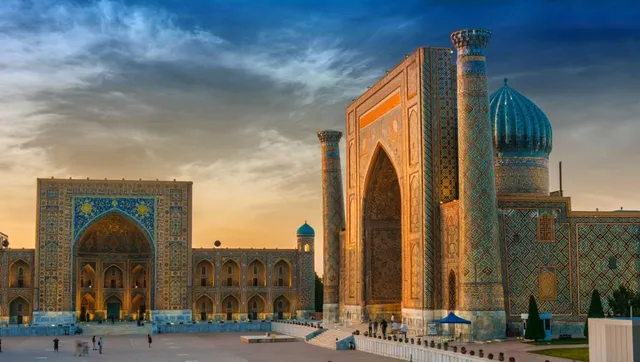
Registan Square
4.8
(6K)
Open until 8:00 PM
Click for details
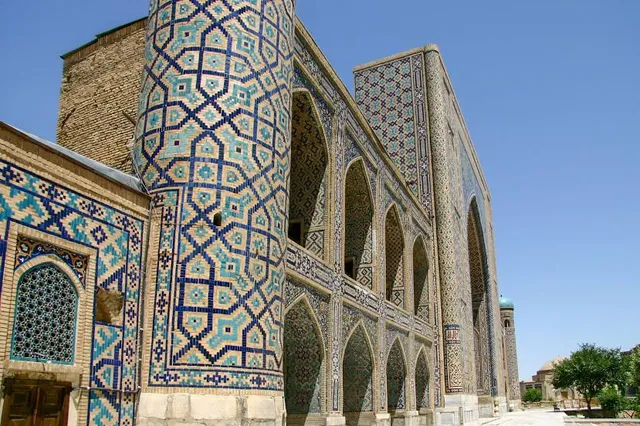
Tilya-Kori Madrasa
4.8
(209)
Open until 11:00 PM
Click for details
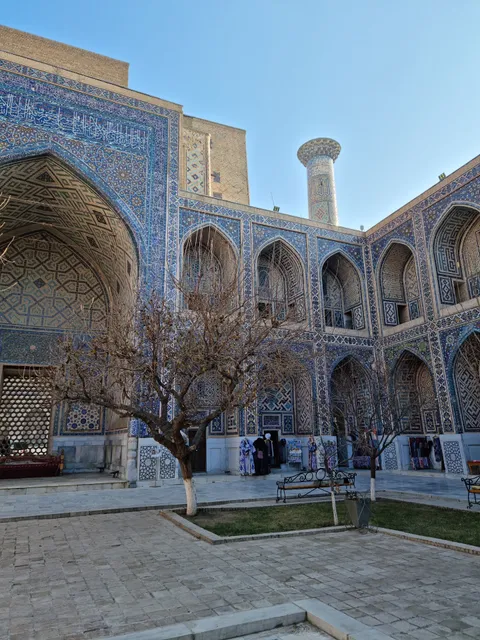
Ulugh Beg Madrasa
4.8
(359)
Open 24 hours
Click for details
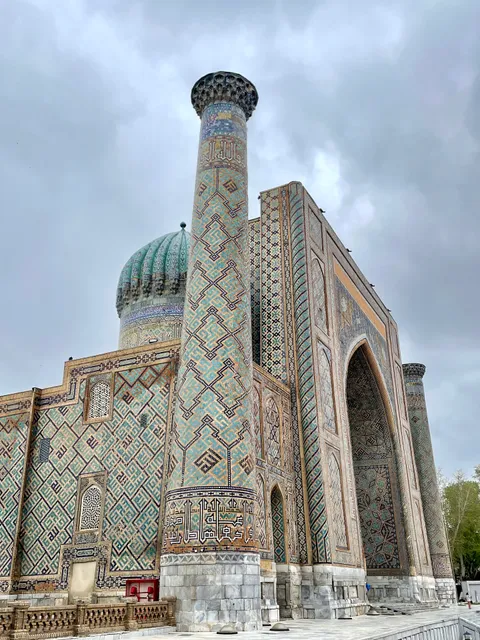
Registan Square Observatory
4.8
(190)
Open 24 hours
Click for details
Nearby restaurants of Sherdor Madrasa
Emirhan Restaurant
Zarqand Restaurant
Afandi Food
Registan Restaurant & Cafe
L tea
Sam Craft PUB
Sharof Bobo Oshxonasi
Exotic Tea
Doppio Specialty Coffee
Sam Craft
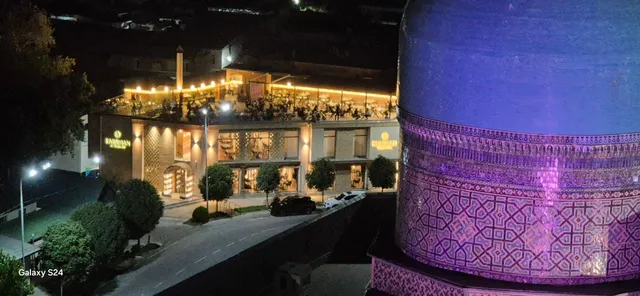
Emirhan Restaurant
4.6
(1.5K)
Closed
Click for details
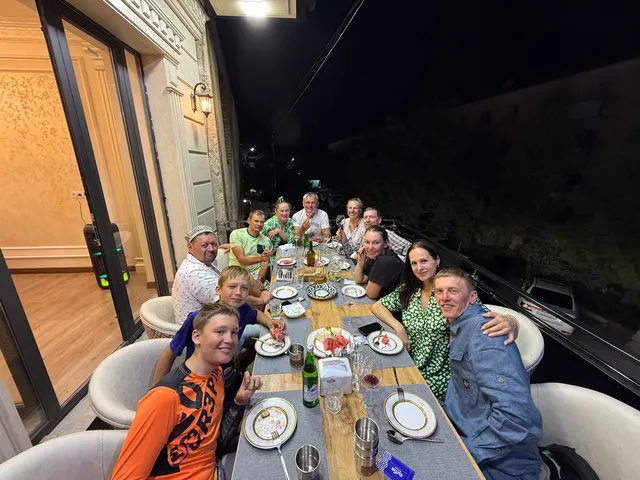
Zarqand Restaurant
4.5
(251)
Open until 1:00 AM
Click for details
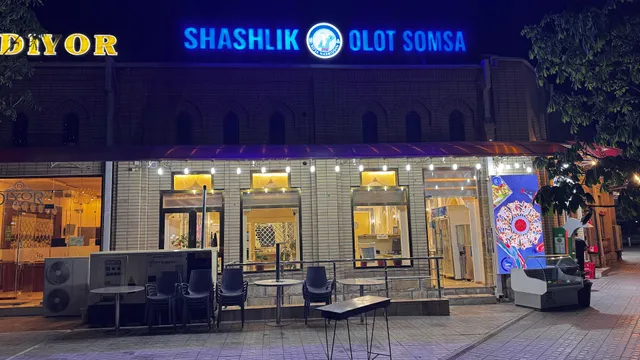
Afandi Food
4.6
(151)
Open until 11:00 PM
Click for details
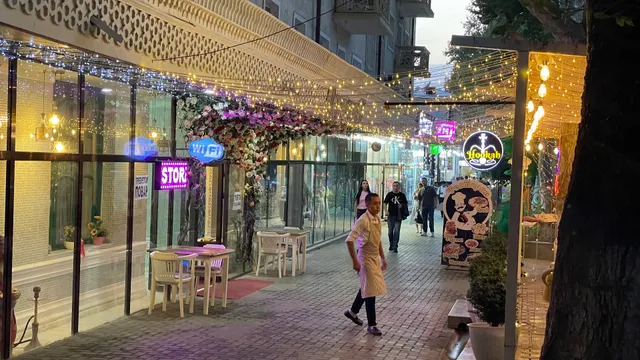
Registan Restaurant & Cafe
3.3
(115)
Open until 11:00 PM
Click for details
Nearby local services of Sherdor Madrasa
Happy Bird Art Gallery
Abduljalil Calligraphy
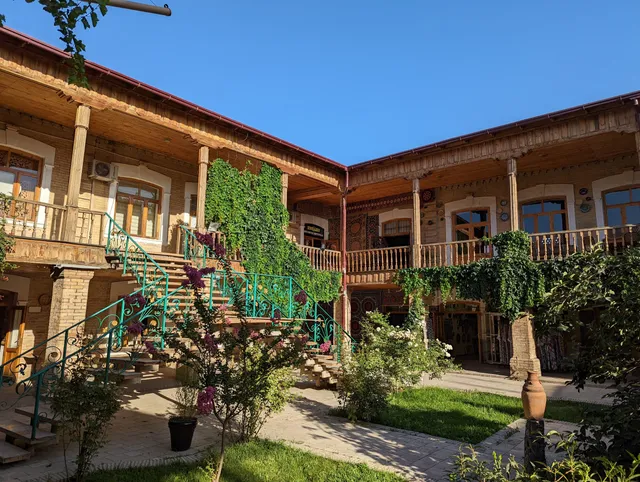
Happy Bird Art Gallery
4.8
(83)
Click for details
Abduljalil Calligraphy
5.0
(10)
Click for details