Ho Chi Minh City Museum of Fine Arts things to do, attractions, restaurants, events info and trip planning
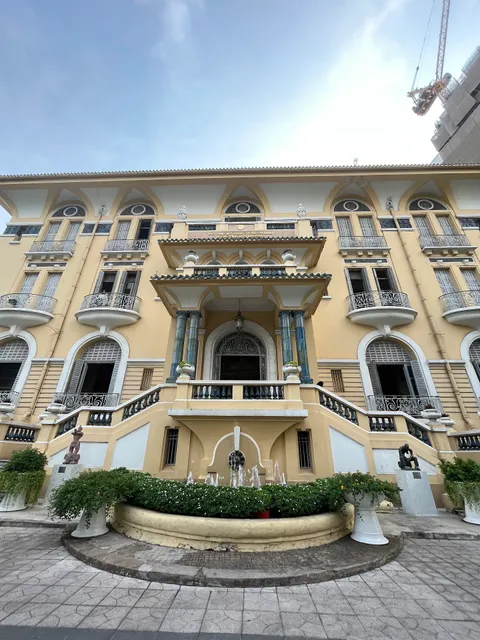
Basic Info
Ho Chi Minh City Museum of Fine Arts
97 P. Đức Chính, Phường Nguyễn Thái Bình, Quận 1, Hồ Chí Minh, Vietnam
4.3(3.4K)
Closed
Save
spot
spot
Ratings & Description
Info
Cultural
Scenic
Family friendly
Accessibility
attractions: Ho Chi Minh City Fine Arts Museum, Saigon Skydeck, Bui Vien Walking Street, SRI THENDAYUTHAPANI TEMPLE, Mariamman Hindu temple, Museum of Ho Chi Minh City, Ho Chi Minh Statue, September 23rd Park, Independence Palace, Ho Chi Minh City Opera House, restaurants: Secret Garden - Vietnamese Restaurant, Maison Marou Flagship Saigon, Forest Therapy Kitchen & Bar, La Creme - Finest Ice Cream (Ben Thanh), Marcel Gourmet Burger, Lacàph Coffee Experiences Space 🇻🇳☕️, GÓC Cà Phê, Kai Coffee, Bánh Mì Grandma Lu’s Nguyen Thai Binh, Phở Phú Vương, local businesses: Bánh Pía Sóc Trăng - Vietnam Snacks & Souvenirs - Hương Việt, Takashimaya, Sài Gòn Square, Saigon Centre, vip barbershop, The Arth Saigon, 4RAU DELUXE Barber, MEKONG GOURMET MARKET, Dan Sinh Market, The East Rose Dental - Best Dentist, Implant & Veneers, Teeth whitening in District 1 Ho Chi Minh
 Learn more insights from Wanderboat AI.
Phone
+84 28 3821 6331
Website
baotangmythuattphcm.com.vn
Open hoursSee all hours
Tue8 AM - 5 PMClosed
Plan your stay

Pet-friendly Hotels in Ho Chi Minh City
Find a cozy hotel nearby and make it a full experience.

Affordable Hotels in Ho Chi Minh City
Find a cozy hotel nearby and make it a full experience.

The Coolest Hotels You Haven't Heard Of (Yet)
Find a cozy hotel nearby and make it a full experience.

Trending Stays Worth the Hype in Ho Chi Minh City
Find a cozy hotel nearby and make it a full experience.
Reviews
Live events
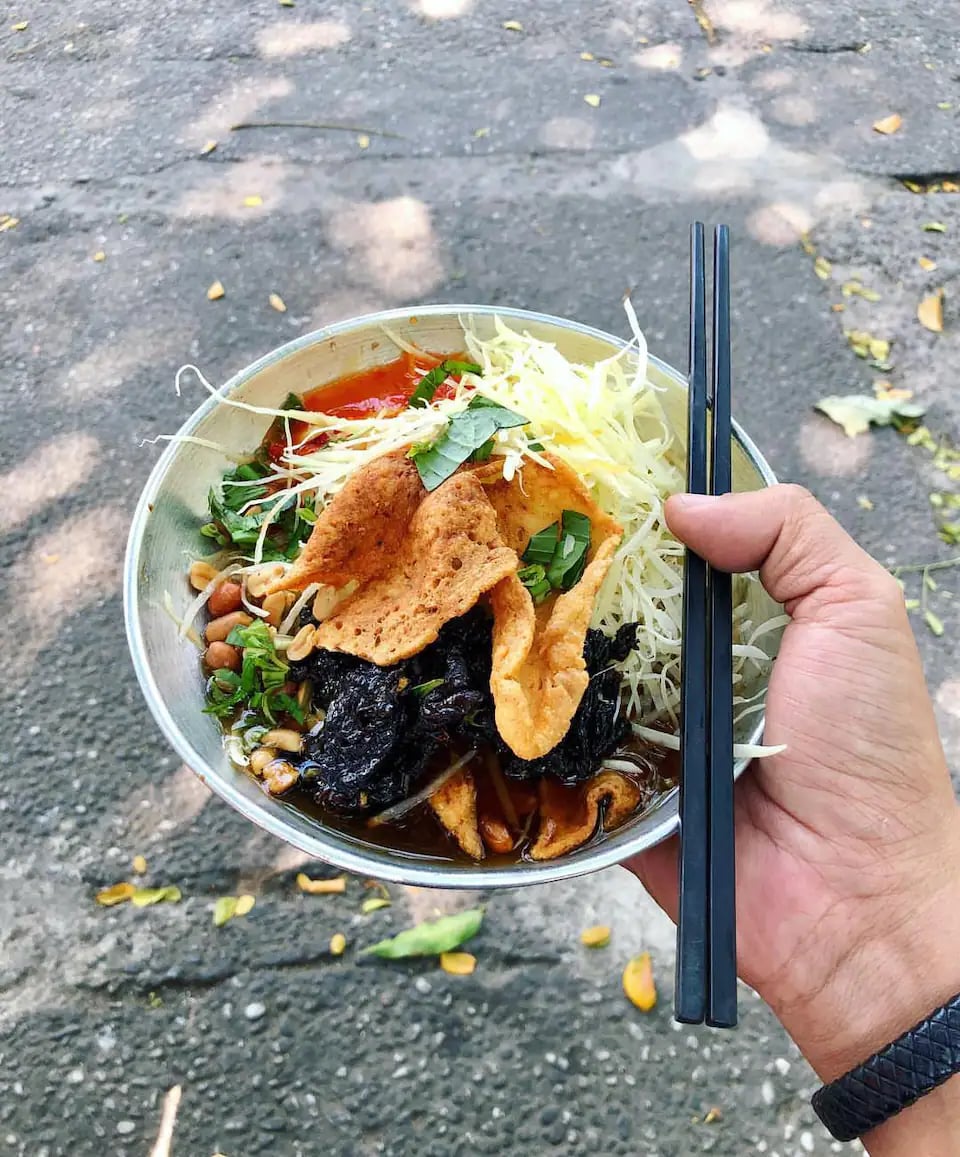
Best Street Food Motorbike Tour in Ho Chi Minh City
Thu, Feb 19 • 1:00 PM
Quận 1, Hồ Chí Minh, 700000, Vietnam
View details
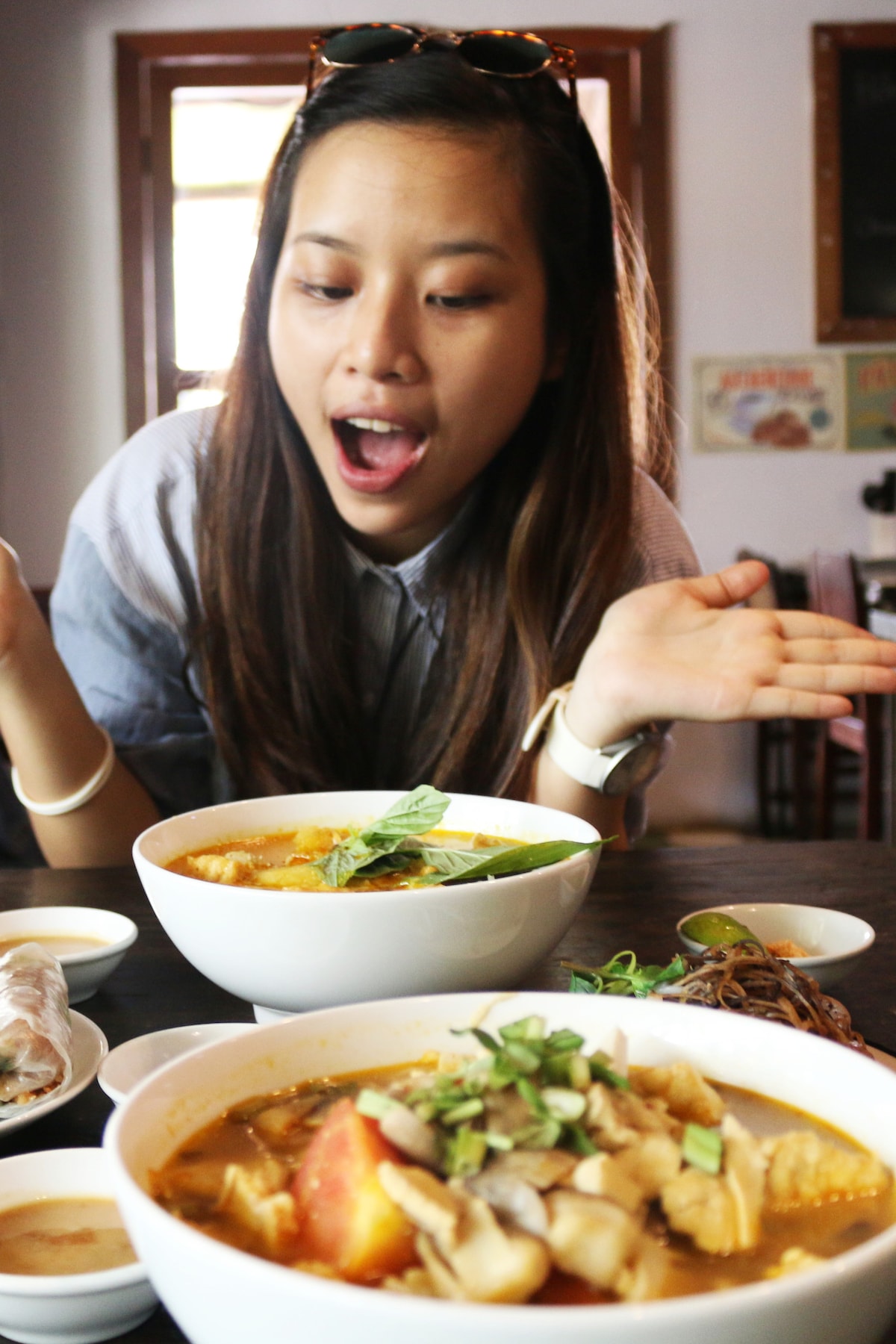
Vegan Walking Tour Not Just Vegan Food
Mon, Feb 23 • 5:30 PM
Quận 1, Hồ Chí Minh, 70000, Vietnam
View details
Nearby attractions of Ho Chi Minh City Museum of Fine Arts
Ho Chi Minh City Fine Arts Museum
Saigon Skydeck
Bui Vien Walking Street
SRI THENDAYUTHAPANI TEMPLE
Mariamman Hindu temple
Museum of Ho Chi Minh City
Ho Chi Minh Statue
September 23rd Park
Independence Palace
Ho Chi Minh City Opera House
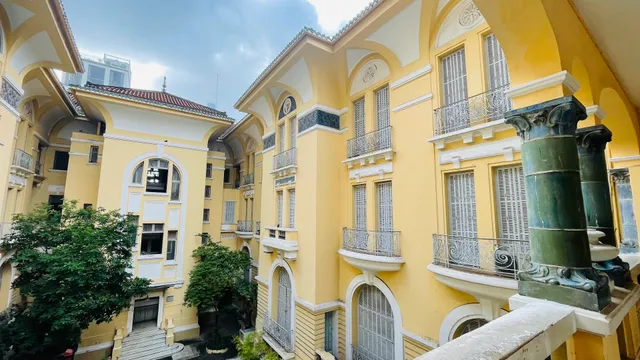
Ho Chi Minh City Fine Arts Museum
4.5
(351)
Closed
Click for details
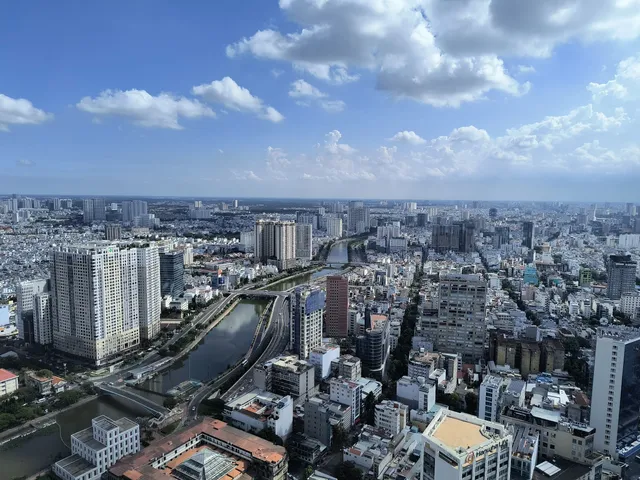
Saigon Skydeck
4.4
(5.1K)
Open until 9:30 PM
Click for details
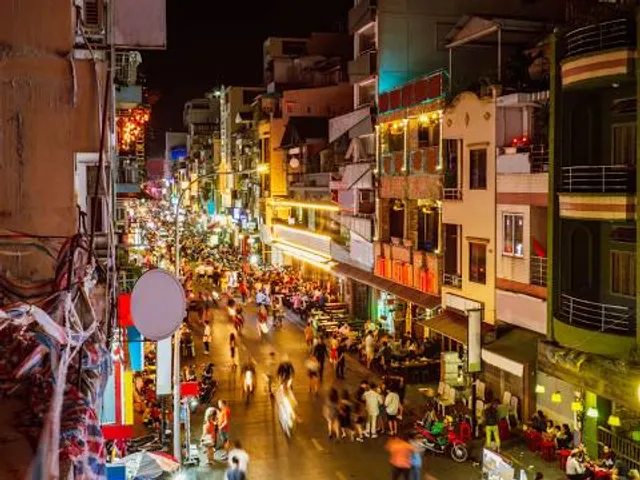
Bui Vien Walking Street
4.4
(9.1K)
Open until 12:00 AM
Click for details
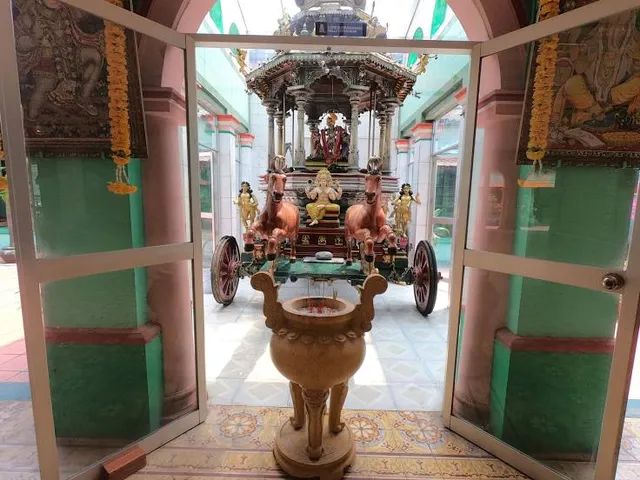
SRI THENDAYUTHAPANI TEMPLE
4.2
(196)
Open 24 hours
Click for details
Nearby restaurants of Ho Chi Minh City Museum of Fine Arts
Secret Garden - Vietnamese Restaurant
Maison Marou Flagship Saigon
Forest Therapy Kitchen & Bar
La Creme - Finest Ice Cream (Ben Thanh)
Marcel Gourmet Burger
Lacàph Coffee Experiences Space 🇻🇳☕️
GÓC Cà Phê
Kai Coffee
Bánh Mì Grandma Lu’s Nguyen Thai Binh
Phở Phú Vương
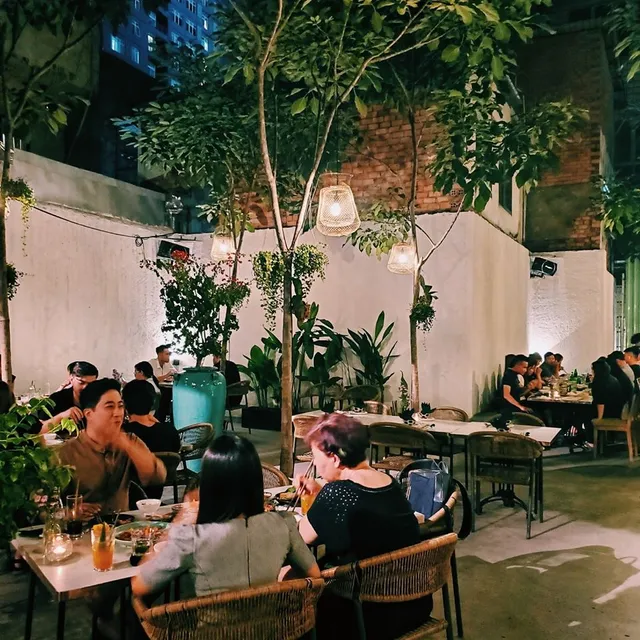
Secret Garden - Vietnamese Restaurant
4.5
(497)
Open until 10:00 PM
Click for details
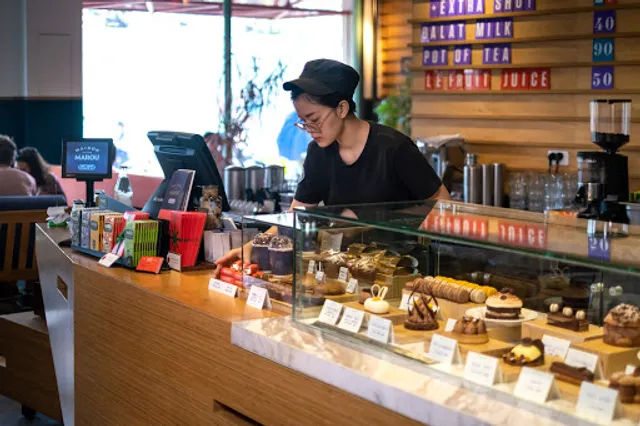
Maison Marou Flagship Saigon
4.6
(1.5K)
Open until 10:00 PM
Click for details
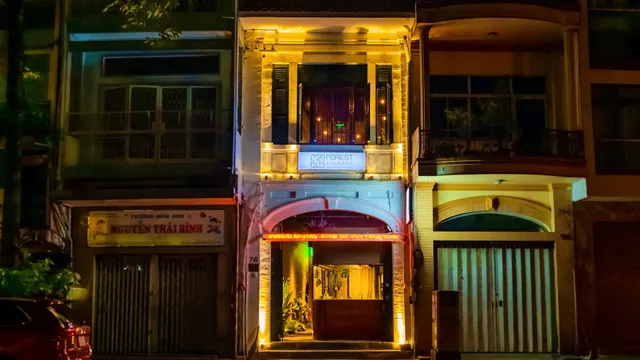
Forest Therapy Kitchen & Bar
4.9
(567)
Open until 12:00 AM
Click for details
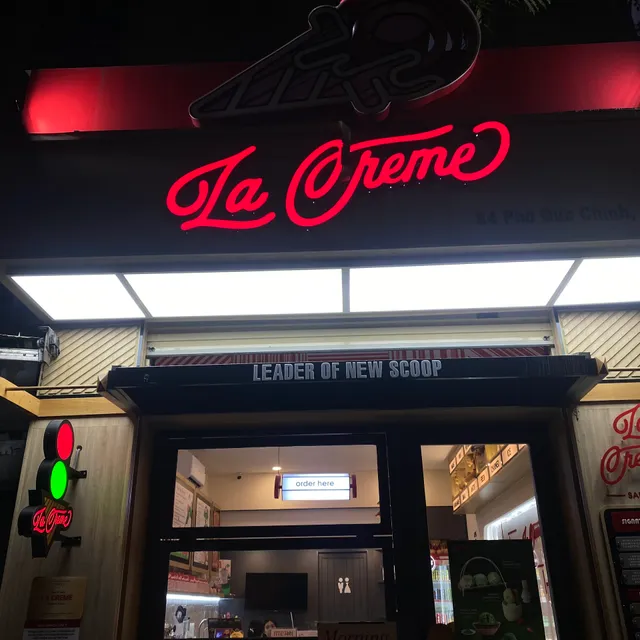
La Creme - Finest Ice Cream (Ben Thanh)
4.9
(339)
Open until 10:00 PM
Click for details
Nearby local services of Ho Chi Minh City Museum of Fine Arts
Bánh Pía Sóc Trăng - Vietnam Snacks & Souvenirs - Hương Việt
Takashimaya
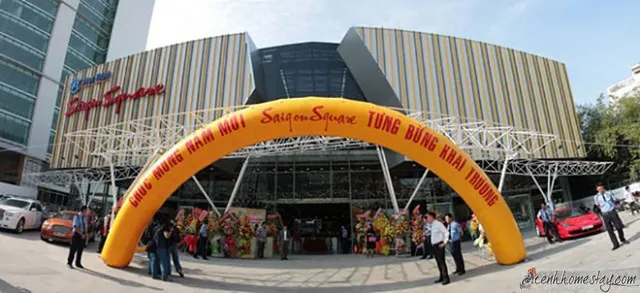
Sài Gòn Square
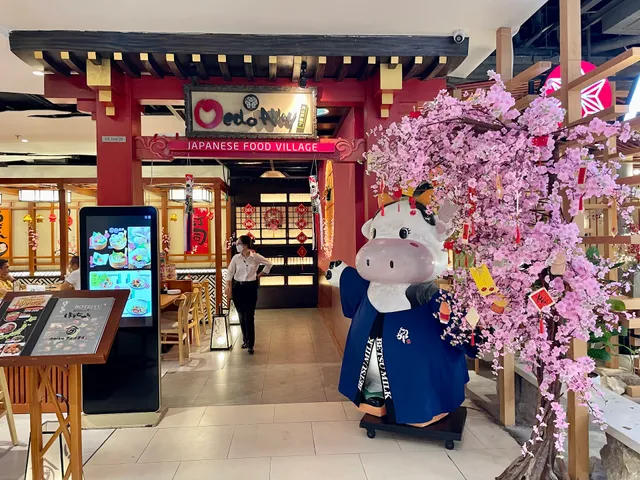
Saigon Centre
vip barbershop
The Arth Saigon
4RAU DELUXE Barber
MEKONG GOURMET MARKET
Dan Sinh Market
The East Rose Dental - Best Dentist, Implant & Veneers, Teeth whitening in District 1 Ho Chi Minh
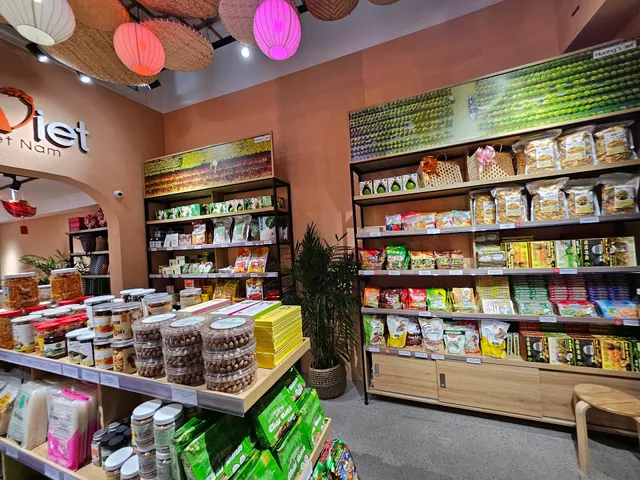
Bánh Pía Sóc Trăng - Vietnam Snacks & Souvenirs - Hương Việt
4.9
(517)
Click for details

Takashimaya
4.5
(8.4K)
Click for details
Sài Gòn Square
4.0
(3.9K)
Click for details
Saigon Centre
4.5
(6.9K)
Click for details





