HTML SitemapExplore

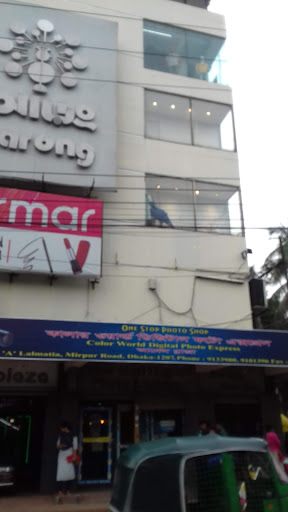
Aarong Lalmatia — Local services in Dhaka Metropolitan

Name
Aarong Lalmatia
Description
Nearby attractions
Bengal Shilpalay
House 42 Road No. 16, Dhaka 1209, Bangladesh
Father of The Nation Bangabandhu Sheikh Mujibur Rahman Memorial Museum
বঙ্গবন্ধু ভবন, বাড়ি# ১০, রোড# ৩২ (পুরাতন), ১১ (নতুন Dhaka, 1209, Bangladesh
Drik Gallery
Level 2, DrikPath Bhobon ,16 শুক্রাবাদ রোড, Panthapath, Dhaka 1215, Bangladesh
Crecent Lake
Dhaka, Bangladesh
Nearby restaurants
Grassroots Cafe, Asad Gate, Aarong
1/1, Adel Plaza, Dhaka 1207, Bangladesh
Cafe São Paulo Dhanmondi
27 (old), (16 New, Rancon, 390 B Road, 1209, Bangladesh
Bar B Q Tonite
House No.36, Road No.16 (NEW) , 27(OLD) Dhanmondi R/A, 1209, Bangladesh
Bengal Boi ~ Dhanmondi
House 42 Road No. 16, Dhaka 1209, Bangladesh
Sugar & Spice
House- 40, Road- 27, Dhanmondi, Dhaka 1205, Bangladesh
Chilis
House no. 2, Road No 32, Mirpur Road, Dhanmandi, Dhaka 1209, Bangladesh
Roadside Kitchen Dhanmondi
Road No. 27, Location: 1, 3 Block#D, Dhaka, Bangladesh
Santoor Restaurant
House no. 2, Road No, 32 Mirpur Rd, Dhaka 1209, Bangladesh
Xindian Restaurant
House No.55, 55/A (New), 273 (Old) Road No.: 16 (New), 27(Old, 55/1 Road No. 16, Dhaka 1209, Bangladesh
Bar-B-Q Skyline
Nahar Green Summit (Rooftop), Plot # 305 (Old), 43 (New, New Road No. 16, Dhaka 1209, Bangladesh
Nearby local services
Jatiya Sangsad Bhaban
Dhaka 1207, Bangladesh
Artisan Outfitters Dhanmondi
Rangs Nasim Square, Plot # Old 275/D, New-46 ,Rd # Old, 27 New -16, Dhaka 1209, Bangladesh
ARTISAN DHANMONDI 27 BRANCH
Suvastu Zenim Plaza, House# 37 Road No. 16, Dhaka 1209, Bangladesh
Nearby hotels
Rainbow Guest House
Apt2] Plot- 2/2, National Bank Building, Heraldic Heights, Block- A Asad Avenue, Dhaka 1207, Bangladesh
Hotel Nandini
105, Sukrabad Mirpur Rd, Dhaka 1207, Bangladesh
Hotel Olio Dream Heaven
Ferozur Rahman (F.R) Tower, 8/C Panthapath, Dhaka 1207, Bangladesh
Hotel Royal City (Residential)
64, 6 Lake Circus Rd, Dhaka 1205, Bangladesh
Hotel Shopno Nibash
56/I/A, West Side of Square Hospital, West Panthapath, Dhaka 1205, Bangladesh
Hotel labbaik Dhanmondi
House No- 67B, 15/A Dhanmondi Bridge, Dhaka 1209, Bangladesh
Related posts
Keywords
Aarong Lalmatia tourism.Aarong Lalmatia hotels.Aarong Lalmatia bed and breakfast. flights to Aarong Lalmatia.Aarong Lalmatia attractions.Aarong Lalmatia restaurants.Aarong Lalmatia local services.Aarong Lalmatia travel.Aarong Lalmatia travel guide.Aarong Lalmatia travel blog.Aarong Lalmatia pictures.Aarong Lalmatia photos.Aarong Lalmatia travel tips.Aarong Lalmatia maps.Aarong Lalmatia things to do.
Aarong Lalmatia things to do, attractions, restaurants, events info and trip planning
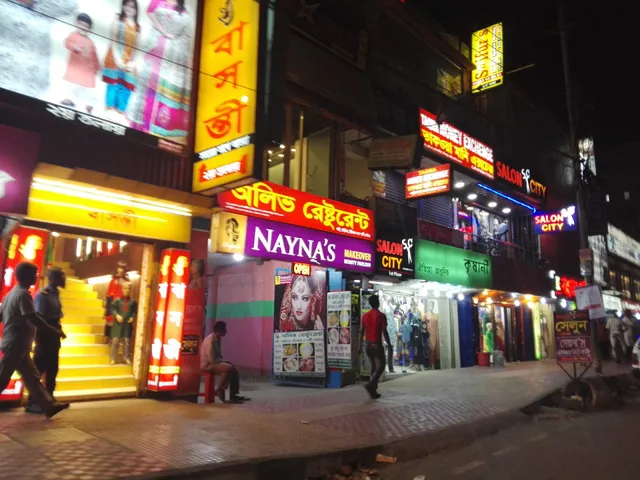
Aarong Lalmatia
BangladeshDhaka DivisionDhaka MetropolitanAarong Lalmatia

Basic Info

Aarong Lalmatia

House - 1/1, Block # A Asad Gate, Lalmatia, Mirpur Rd, Dhaka, Bangladesh
4.2(6.7K)
Closed
Save
spot

Ratings & Description

Info

Cultural
Entertainment
Family friendly
Accessibility
attractions: Bengal Shilpalay, Father of The Nation Bangabandhu Sheikh Mujibur Rahman Memorial Museum, Drik Gallery, Crecent Lake, restaurants: Grassroots Cafe, Asad Gate, Aarong, Cafe São Paulo Dhanmondi, Bar B Q Tonite, Bengal Boi ~ Dhanmondi, Sugar & Spice, Chilis, Roadside Kitchen Dhanmondi, Santoor Restaurant, Xindian Restaurant, Bar-B-Q Skyline, local businesses: Jatiya Sangsad Bhaban, Artisan Outfitters Dhanmondi, ARTISAN DHANMONDI 27 BRANCH

logoLearn more insights from Wanderboat AI.
Phone
+880 2-58154710
Website
aarong.com
Open hoursSee all hours
Wed10 AM - 8 PMClosed

Plan your stay

hotel
Pet-friendly Hotels in Dhaka Metropolitan
Find a cozy hotel nearby and make it a full experience.

hotel
Affordable Hotels in Dhaka Metropolitan
Find a cozy hotel nearby and make it a full experience.

hotel
The Coolest Hotels You Haven't Heard Of (Yet)
Find a cozy hotel nearby and make it a full experience.

hotel
Trending Stays Worth the Hype in Dhaka Metropolitan
Find a cozy hotel nearby and make it a full experience.

Reviews

Nearby attractions of Aarong Lalmatia

Bengal Shilpalay

Father of The Nation Bangabandhu Sheikh Mujibur Rahman Memorial Museum

Drik Gallery

Crecent Lake
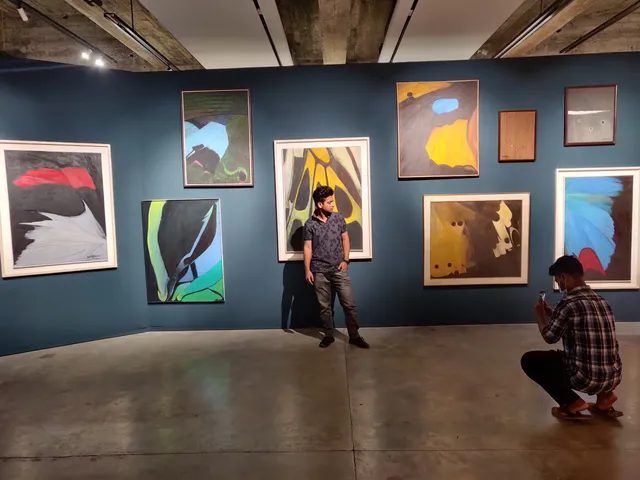
Bengal Shilpalay

Bengal Shilpalay

4.5

(631)

Closed
Click for details
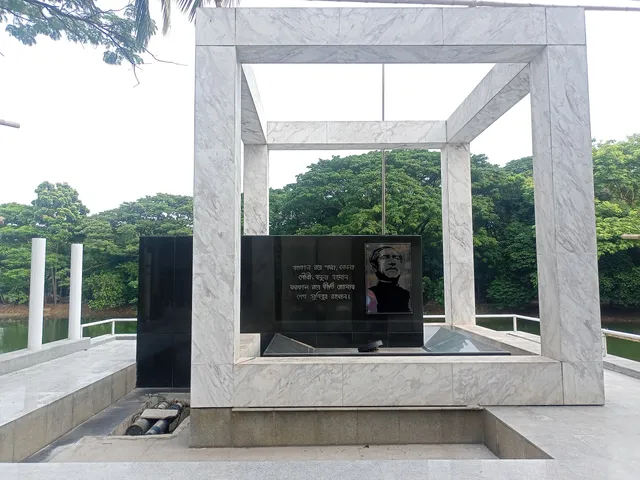
Father of The Nation Bangabandhu Sheikh Mujibur Rahman Memorial Museum

Father of The Nation Bangabandhu Sheikh Mujibur Rahman Memorial Museum

4.6

(2K)

Open 24 hours
Click for details
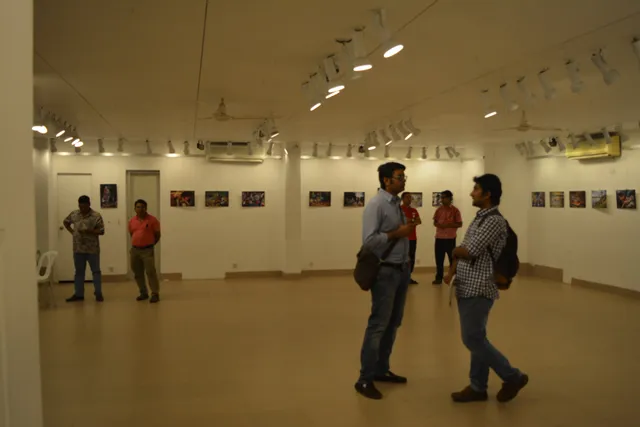
Drik Gallery

Drik Gallery

4.6

(259)

Closed
Click for details
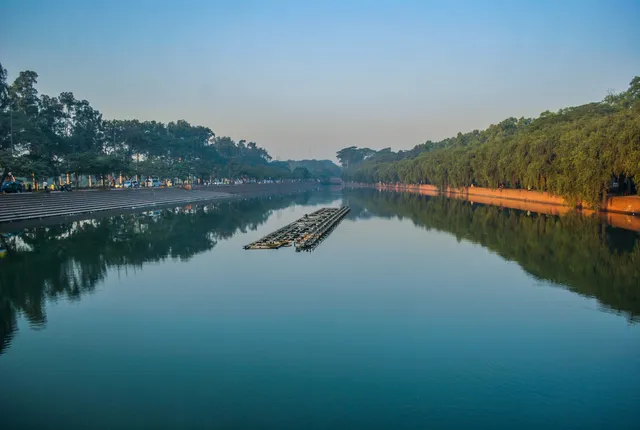
Crecent Lake

Crecent Lake

4.4

(152)

Open until 12:00 AM
Click for details

Nearby restaurants of Aarong Lalmatia

Grassroots Cafe, Asad Gate, Aarong

Cafe São Paulo Dhanmondi

Bar B Q Tonite

Bengal Boi ~ Dhanmondi

Sugar & Spice

Chilis

Roadside Kitchen Dhanmondi

Santoor Restaurant

Xindian Restaurant

Bar-B-Q Skyline
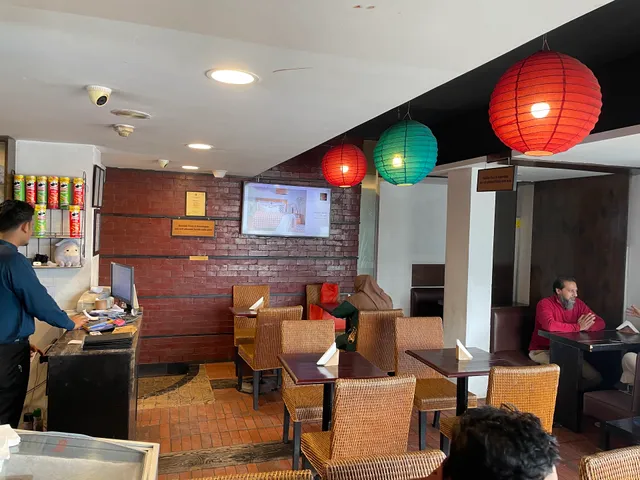
Grassroots Cafe, Asad Gate, Aarong

Grassroots Cafe, Asad Gate, Aarong

3.9

(396)

Closed
Click for details
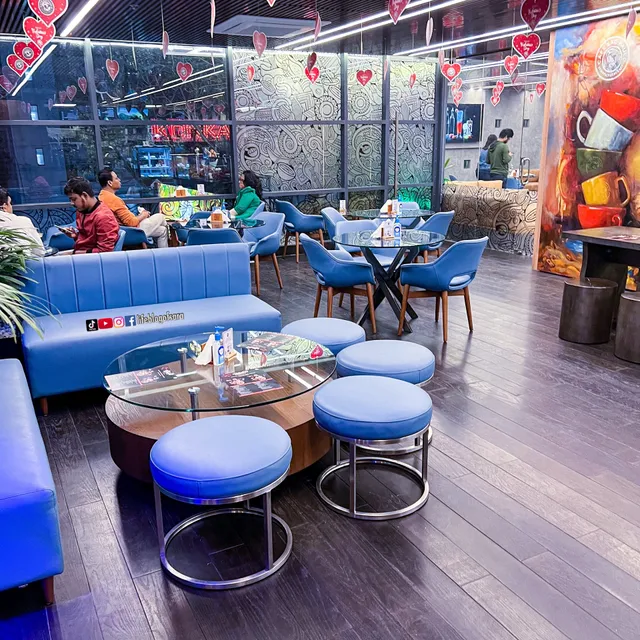
Cafe São Paulo Dhanmondi

Cafe São Paulo Dhanmondi

4.3

(357)

Closed
Click for details
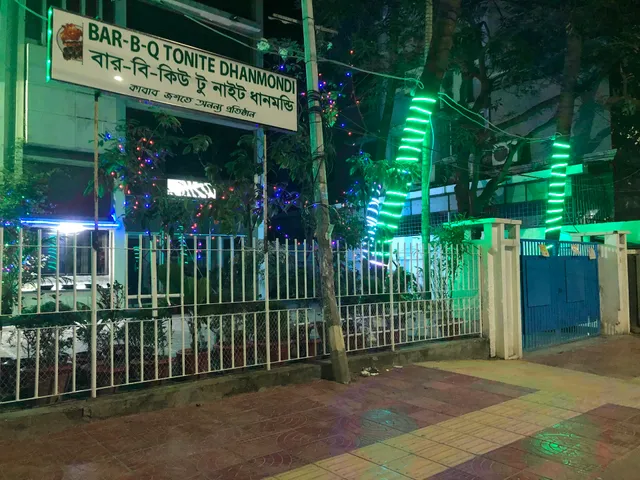
Bar B Q Tonite

Bar B Q Tonite

4.2

(1.5K)

$$

Closed
Click for details
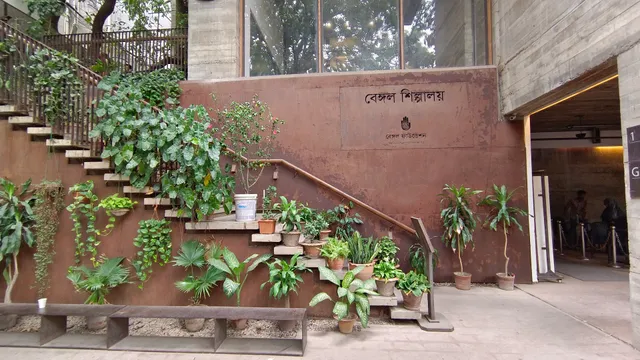
Bengal Boi ~ Dhanmondi

Bengal Boi ~ Dhanmondi

4.5

(2.1K)

Closed
Click for details

Nearby local services of Aarong Lalmatia

Jatiya Sangsad Bhaban

Artisan Outfitters Dhanmondi

ARTISAN DHANMONDI 27 BRANCH

Jatiya Sangsad Bhaban

Jatiya Sangsad Bhaban

4.7

(3.2K)

Click for details
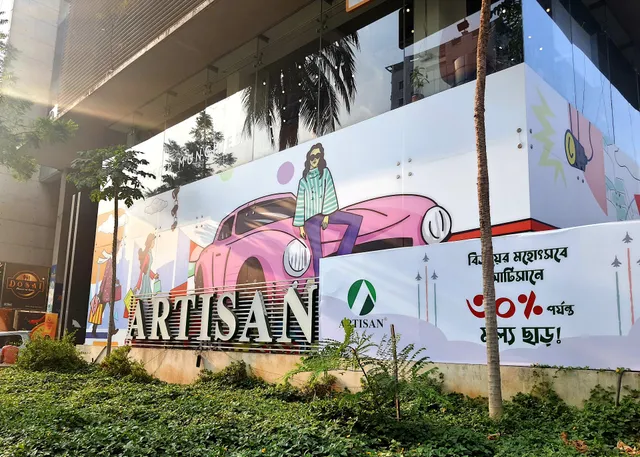
Artisan Outfitters Dhanmondi

Artisan Outfitters Dhanmondi

4.0

(419)

Click for details
ARTISAN DHANMONDI 27 BRANCH

ARTISAN DHANMONDI 27 BRANCH

4.2

(99)

Click for details

Get the Appoverlay
Get the AppOne tap to find yournext favorite spots!
Wanderboat LogoWanderboat

Your everyday Al companion for getaway ideas

CompanyAbout Us
InformationAI Trip PlannerSitemap
SocialXInstagramTiktokLinkedin
LegalTerms of ServicePrivacy Policy

Get the app

© 2025 Wanderboat. All rights reserved.

Reviews of Aarong Lalmatia

4.2
(6,658)
avatar
4.0
8y

Aarong shoping complex in Mirpur Road. Aarong is one of the retail chains in Bangladesh operating under BRAC. The organisation was established in 1978. Aarong operates production units in rural and semi-urban areas as a part of its social enterprise model and provides the market linkage through its own retail outlets. In the 1970s, BRAC was examining any and all possibilities for alternative forms of productive livelihood, especially for women, and the proper commercialisation of arts and crafts turned out to be a promising option. In 1976, Ayesha Abed, the wife of Sir Fazle Hasan Abed, founder of BRAC (NGO)BRAC, initiated many of the major activities of Aarong by identifying and experimenting with various crafts that women could produce at home such as nakshi kantha, embroidered goods, baskets, mats and items made of cane, bamboo and jute. However, the two main obstacles to turning craft production into a worthwhile enterprise were maintaining good quality and proper marketing. In 1978, BRAC entered into a joint venture with the Mennonite Central Committee, the international development arm of the Mennonite Church, to open a shop in Dhaka called Aarong – meaning 'village fair.' The Mennonites had a long experience of producing handicraft to generate income and had established a programme called Ten Thousand Villages, which worked with artisan groups around the world and sold their products through catalogues and retail shops in the US and Canada. In the first year the Mennonites assisted with the business side of the operation while BRAC worked to develop the skills of village women and their products. During the late 1970s and early 1980s, BRAC focused on developing Aarong's product lines and production capabilities. They began to study and catalogue the designs and motifs of traditional art forms by visiting museums, elderly craft masters and private collectors. They experimented with indigenous forms and materials, adapting them to possible new lines. They hired master craftsperson to help train village women and created a textile design and service workshop in Manikganj to experiment with materials and technologies in stitching, weaving and dyeing. BRAC also started producing historically imported items such as, men's panjabi. In 1982, the Ayesha Abed Foundation (AAF) was established by family and friends to commemorate the memory and work of the late Ayesha Abed who died leaving behind her newborn son, Shameran, and young daughter, Tamara. The foundation was created to develop women's skills in various crafts through an appropriate working environment, financial and technical assistance and training. Initially it was registered with the government to receive foreign charitable donations and raise funds, but now operates exclusively as a part of Aarong. The AAF board comprises the eight family and friends of the late Ayesha Abed. Its budget is part of the Aarong initiative under BRAC. The AAF workers are all members of BRAC's village organisation groups or the family of...

   Read more
avatar
5.0
1y

Aarong Dhanmondi 1 stands as a shining gem in the vibrant tapestry of Dhaka's Dhanmondi area, offering a unique shopping experience that blends tradition with modernity. As one of the flagship outlets of Bangladesh's premier lifestyle brand, Aarong, this establishment embodies the essence of cultural heritage and craftsmanship, inviting visitors on a journey of discovery and delight.

Upon entering Aarong Dhanmondi 1, visitors are greeted by an atmosphere of elegance and sophistication. The store's meticulously curated displays showcase a captivating array of handcrafted treasures, ranging from exquisite textiles and apparel to intricately designed home décor and accessories. Each item tells a story of skilled artisanship and timeless beauty, reflecting Bangladesh's rich cultural heritage and artistic legacy.

What sets Aarong Dhanmondi 1 apart is its unwavering commitment to promoting sustainable and ethically sourced products. By supporting local artisans and craftsmen, the store not only preserves traditional craftsmanship but also empowers communities and promotes economic growth. Visitors can shop with confidence, knowing that each purchase contributes to the preservation of Bangladesh's cultural heritage and the livelihoods of its artisans.

In addition to its extensive selection of handcrafted goods, Aarong Dhanmondi 1 offers a luxurious shopping environment that exudes warmth and charm. The store's spacious layout and stylish décor create an inviting atmosphere for shoppers to explore and indulge their senses. Whether browsing through the vibrant textiles or admiring the intricate jewelry, every corner of the store beckons with the promise of discovery and inspiration.

Beyond its role as a retail destination, Aarong Dhanmondi 1 also serves as a cultural hub and community gathering place. The store regularly hosts events and exhibitions that celebrate Bangladesh's vibrant arts and culture scene, providing visitors with opportunities to engage with local artists and artisans firsthand. Whether attending a craft workshop or participating in a cultural festival, visitors are invited to immerse themselves in the rich tapestry of Bangladesh's cultural heritage.

In conclusion, Aarong Dhanmondi 1 is more than just a store – it's a celebration of Bangladesh's rich cultural heritage and artistic legacy. From its exquisite handcrafted goods to its commitment to sustainability and community empowerment, every aspect of the store reflects a passion for preserving tradition and promoting social impact. Whether you're a discerning shopper or a culture enthusiast, a visit to Aarong Dhanmondi 1 promises an unforgettable experience that celebrates the beauty and diversity of...

   Read more
avatar
4.0
6y

BRAC observed that women in Bangladesh were increasingly involved in agricultural activities. It also recognised that it was the male members of families who marketed the crops and reaped the profits, even though women completed about 75 percent of the agricultural work. In order to create an alternative opportunity to earn an income for these women and contribute to the development of a skilled workforce, BRAC established its sericulture project in 1978 under the leadership of the late Ayesha Abed, former executive assistant director of BRAC. The sericulture project has supported women in the rural areas of Manikganj in producing high quality silk, and women in rural communities of Jamalpur in producing traditional hand-stitched nakshikantha. However, it soon became apparent that the women producing the silk and nakshikantha did not have sufficient buyers for their products, nor were there any stable platforms for them to market their items. Seeing the opportunity that lay in the challenge, BRAC took the initiative to create a platform so that these women could sell their products to the urban market. Thus, Aarong was launched in 1978, creating a linkage between the rural poor and urban retailers. Since its inception, Aarong, which means 'village fair' in Bengali, has been working towards BRAC’s mission of poverty alleviation through economic development and human capacity building, with a specific focus on the empowerment of women. The retail process follows several steps: first, a design team conceptualises the season’s motives which are then sent to the rural artisans for production. Aarong continuously develops the artisans’ skills through training programmes, and conducts quality control of the completed items before they are bought at a fair price and then sold across retail outlets in urban markets. By evolving the traditional retail process, Aarong strives to provide a uniquely Bangladeshi lifestyle experience while encouraging social change. A newly generated demand for Bangladeshi handcrafted products illustrates that Aarong has achieved this vision, and continues to challenge the retail industry with its sustainable fashion...

   Read more
Page 1 of 7
Previous
Next

Posts

Kh. Nuzhat FerdousKh. Nuzhat Ferdous
Aarong shoping complex in Mirpur Road. Aarong is one of the retail chains in Bangladesh operating under BRAC. The organisation was established in 1978. Aarong operates production units in rural and semi-urban areas as a part of its social enterprise model and provides the market linkage through its own retail outlets. In the 1970s, BRAC was examining any and all possibilities for alternative forms of productive livelihood, especially for women, and the proper commercialisation of arts and crafts turned out to be a promising option. In 1976, Ayesha Abed, the wife of Sir Fazle Hasan Abed, founder of BRAC (NGO)BRAC, initiated many of the major activities of Aarong by identifying and experimenting with various crafts that women could produce at home such as nakshi kantha, embroidered goods, baskets, mats and items made of cane, bamboo and jute. However, the two main obstacles to turning craft production into a worthwhile enterprise were maintaining good quality and proper marketing. In 1978, BRAC entered into a joint venture with the Mennonite Central Committee, the international development arm of the Mennonite Church, to open a shop in Dhaka called Aarong – meaning 'village fair.' The Mennonites had a long experience of producing handicraft to generate income and had established a programme called Ten Thousand Villages, which worked with artisan groups around the world and sold their products through catalogues and retail shops in the US and Canada. In the first year the Mennonites assisted with the business side of the operation while BRAC worked to develop the skills of village women and their products. During the late 1970s and early 1980s, BRAC focused on developing Aarong's product lines and production capabilities. They began to study and catalogue the designs and motifs of traditional art forms by visiting museums, elderly craft masters and private collectors. They experimented with indigenous forms and materials, adapting them to possible new lines. They hired master craftsperson to help train village women and created a textile design and service workshop in Manikganj to experiment with materials and technologies in stitching, weaving and dyeing. BRAC also started producing historically imported items such as, men's panjabi. In 1982, the Ayesha Abed Foundation (AAF) was established by family and friends to commemorate the memory and work of the late Ayesha Abed who died leaving behind her newborn son, Shameran, and young daughter, Tamara. The foundation was created to develop women's skills in various crafts through an appropriate working environment, financial and technical assistance and training. Initially it was registered with the government to receive foreign charitable donations and raise funds, but now operates exclusively as a part of Aarong. The AAF board comprises the eight family and friends of the late Ayesha Abed. Its budget is part of the Aarong initiative under BRAC. The AAF workers are all members of BRAC's village organisation groups or the family of the members.
Your browser does not support the video tag.
Mushtak Shahriyar ShuvoMushtak Shahriyar Shuvo
Very big & unique collection. best place for shopping unique product.
Masud KabirMasud Kabir
BRAC observed that women in Bangladesh were increasingly involved in agricultural activities. It also recognised that it was the male members of families who marketed the crops and reaped the profits, even though women completed about 75 percent of the agricultural work. In order to create an alternative opportunity to earn an income for these women and contribute to the development of a skilled workforce, BRAC established its sericulture project in 1978 under the leadership of the late Ayesha Abed, former executive assistant director of BRAC. The sericulture project has supported women in the rural areas of Manikganj in producing high quality silk, and women in rural communities of Jamalpur in producing traditional hand-stitched nakshikantha. However, it soon became apparent that the women producing the silk and nakshikantha did not have sufficient buyers for their products, nor were there any stable platforms for them to market their items. Seeing the opportunity that lay in the challenge, BRAC took the initiative to create a platform so that these women could sell their products to the urban market. Thus, Aarong was launched in 1978, creating a linkage between the rural poor and urban retailers. Since its inception, Aarong, which means 'village fair' in Bengali, has been working towards BRAC’s mission of poverty alleviation through economic development and human capacity building, with a specific focus on the empowerment of women. The retail process follows several steps: first, a design team conceptualises the season’s motives which are then sent to the rural artisans for production. Aarong continuously develops the artisans’ skills through training programmes, and conducts quality control of the completed items before they are bought at a fair price and then sold across retail outlets in urban markets. By evolving the traditional retail process, Aarong strives to provide a uniquely Bangladeshi lifestyle experience while encouraging social change. A newly generated demand for Bangladeshi handcrafted products illustrates that Aarong has achieved this vision, and continues to challenge the retail industry with its sustainable fashion ‘revolution’.
See more posts
See more posts
hotel
Find your stay

Pet-friendly Hotels in Dhaka Metropolitan

Find a cozy hotel nearby and make it a full experience.

Aarong shoping complex in Mirpur Road. Aarong is one of the retail chains in Bangladesh operating under BRAC. The organisation was established in 1978. Aarong operates production units in rural and semi-urban areas as a part of its social enterprise model and provides the market linkage through its own retail outlets. In the 1970s, BRAC was examining any and all possibilities for alternative forms of productive livelihood, especially for women, and the proper commercialisation of arts and crafts turned out to be a promising option. In 1976, Ayesha Abed, the wife of Sir Fazle Hasan Abed, founder of BRAC (NGO)BRAC, initiated many of the major activities of Aarong by identifying and experimenting with various crafts that women could produce at home such as nakshi kantha, embroidered goods, baskets, mats and items made of cane, bamboo and jute. However, the two main obstacles to turning craft production into a worthwhile enterprise were maintaining good quality and proper marketing. In 1978, BRAC entered into a joint venture with the Mennonite Central Committee, the international development arm of the Mennonite Church, to open a shop in Dhaka called Aarong – meaning 'village fair.' The Mennonites had a long experience of producing handicraft to generate income and had established a programme called Ten Thousand Villages, which worked with artisan groups around the world and sold their products through catalogues and retail shops in the US and Canada. In the first year the Mennonites assisted with the business side of the operation while BRAC worked to develop the skills of village women and their products. During the late 1970s and early 1980s, BRAC focused on developing Aarong's product lines and production capabilities. They began to study and catalogue the designs and motifs of traditional art forms by visiting museums, elderly craft masters and private collectors. They experimented with indigenous forms and materials, adapting them to possible new lines. They hired master craftsperson to help train village women and created a textile design and service workshop in Manikganj to experiment with materials and technologies in stitching, weaving and dyeing. BRAC also started producing historically imported items such as, men's panjabi. In 1982, the Ayesha Abed Foundation (AAF) was established by family and friends to commemorate the memory and work of the late Ayesha Abed who died leaving behind her newborn son, Shameran, and young daughter, Tamara. The foundation was created to develop women's skills in various crafts through an appropriate working environment, financial and technical assistance and training. Initially it was registered with the government to receive foreign charitable donations and raise funds, but now operates exclusively as a part of Aarong. The AAF board comprises the eight family and friends of the late Ayesha Abed. Its budget is part of the Aarong initiative under BRAC. The AAF workers are all members of BRAC's village organisation groups or the family of the members.
Kh. Nuzhat Ferdous

Kh. Nuzhat Ferdous

hotel
Find your stay

Affordable Hotels in Dhaka Metropolitan

Find a cozy hotel nearby and make it a full experience.

Get the Appoverlay
Get the AppOne tap to find yournext favorite spots!
Very big & unique collection. best place for shopping unique product.
Mushtak Shahriyar Shuvo

Mushtak Shahriyar Shuvo

hotel
Find your stay

The Coolest Hotels You Haven't Heard Of (Yet)

Find a cozy hotel nearby and make it a full experience.

hotel
Find your stay

Trending Stays Worth the Hype in Dhaka Metropolitan

Find a cozy hotel nearby and make it a full experience.

BRAC observed that women in Bangladesh were increasingly involved in agricultural activities. It also recognised that it was the male members of families who marketed the crops and reaped the profits, even though women completed about 75 percent of the agricultural work. In order to create an alternative opportunity to earn an income for these women and contribute to the development of a skilled workforce, BRAC established its sericulture project in 1978 under the leadership of the late Ayesha Abed, former executive assistant director of BRAC. The sericulture project has supported women in the rural areas of Manikganj in producing high quality silk, and women in rural communities of Jamalpur in producing traditional hand-stitched nakshikantha. However, it soon became apparent that the women producing the silk and nakshikantha did not have sufficient buyers for their products, nor were there any stable platforms for them to market their items. Seeing the opportunity that lay in the challenge, BRAC took the initiative to create a platform so that these women could sell their products to the urban market. Thus, Aarong was launched in 1978, creating a linkage between the rural poor and urban retailers. Since its inception, Aarong, which means 'village fair' in Bengali, has been working towards BRAC’s mission of poverty alleviation through economic development and human capacity building, with a specific focus on the empowerment of women. The retail process follows several steps: first, a design team conceptualises the season’s motives which are then sent to the rural artisans for production. Aarong continuously develops the artisans’ skills through training programmes, and conducts quality control of the completed items before they are bought at a fair price and then sold across retail outlets in urban markets. By evolving the traditional retail process, Aarong strives to provide a uniquely Bangladeshi lifestyle experience while encouraging social change. A newly generated demand for Bangladeshi handcrafted products illustrates that Aarong has achieved this vision, and continues to challenge the retail industry with its sustainable fashion ‘revolution’.
Masud Kabir

Masud Kabir

See more posts
See more posts