Panaji /ˈpʌnədʒi/ also known as Panjim, (Portuguese: Pangim) is the capital of the Indian state of Goa and the headquarters of North Goa district. It lies on the banks of the Mandovi River estuary in the Ilhas de Goa sub-district (taluka). With a population of 114,759 in the metropolitan area, Panjim is Goa's largest Urban agglomeration, ahead of Margão and Vasco da Gama.
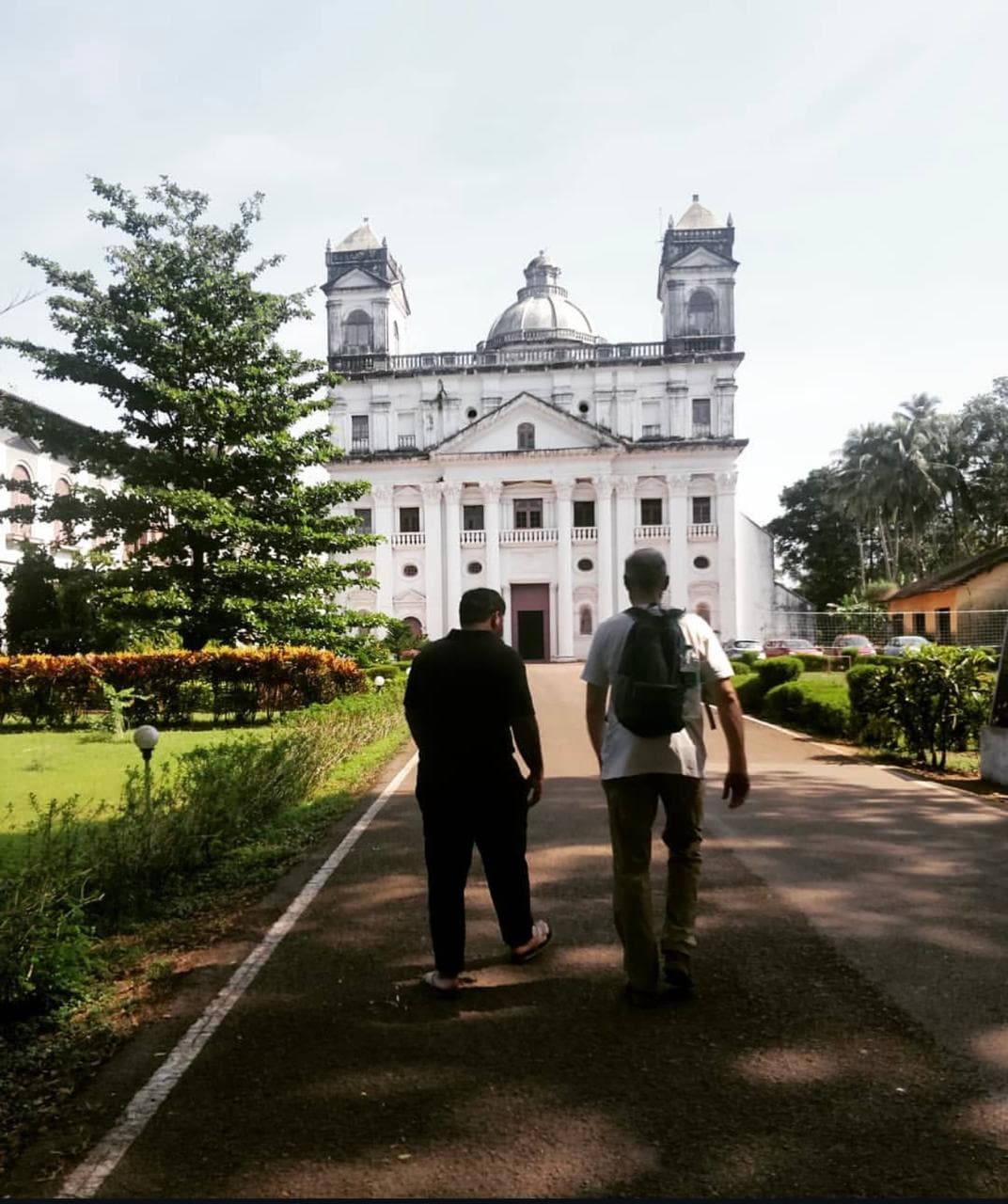
Panjim has terraced hills, concrete buildings with balconies and red-tiled roofs, churches, and a riverside promenade. There are avenues lined with gulmohar, acacia and other trees. The Baroque Our Lady of the Immaculate Conception Church is located overlooking the main square known as Praça da Igreja. Panjim has been selected as one of hundred Indian cities to be developed as a smart city under the Smart Cities Mission.
This city of stepped streets and a seven kilometre long promenade was built on a planned grid system after the Portuguese relocated the capital form Velha Goa in the 17th century.4] It was elevated from a town to a city on March 22, 1843 making it the oldest civic institution in Asia (175 years).[5] The city's present official name is Panaji. The Portuguese name was Pangim, although officially named Nova Goa. The city is popularly also called Panjim (in English). It has been renamed Panjim since the 1960s after the Indian administration – in an effort to wipe out all Portuguese influence from the State.[6] The city is called Ponnjé in Konkani.
Earlier a small village on the river front, in 1843 the city had been renamed Nova Goa (Portuguese for "New Goa") when it officially replaced the city of Goa (now Old Goa) as the capital of Portuguese India, though the Viceroy had already moved there in 1759.
The justification of the modern word Panaji is derived from the words panjani and khali, which mean a boat and a small creek respectively, in Sanskrit. Thus the modern word Panjim is believed to be a corruption of the old word Panjanakhani as inscribed on the discovered Panjim copper-plates dated 1059 CE, belonging to the rule of Kadamba king Jayakesi I.[7 According to legend, this northern capital city was mentioned in a stone inscription of Kadamba king Jayakesi I dated 1054 CE as 'Panjanakhani', giving him the epithet of Padavalendra which is Kannada for lord of the...
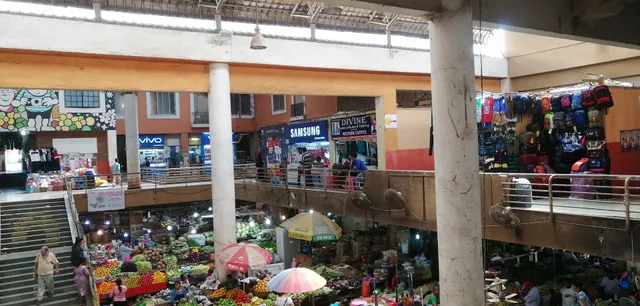
Read moreLocated in the heart of Goa, Panjim Market is a captivating shopping destination that offers a delightful blend of traditional and modern experiences. As an avid traveler, I had the pleasure of exploring this vibrant market during my recent visit to Goa, and it left a lasting impression on me.
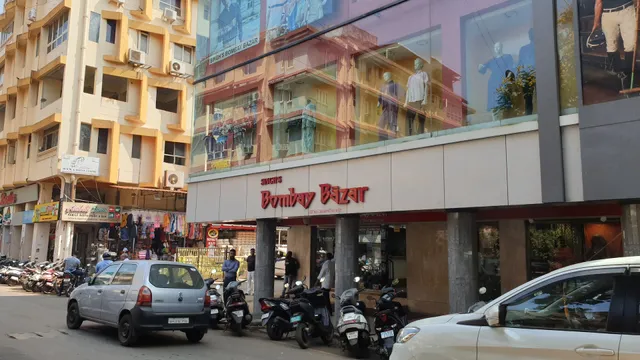
One of the standout features of Panjim Market is its authentic Goan charm. The market is nestled in the historic district of Panjim, with narrow lanes and old Portuguese-style buildings that exude a unique character. The atmosphere is bustling with energy, filled with the aromas of spices, local delicacies, and the vibrant chatter of locals and tourists alike. It truly captures the essence of Goa's rich culture and heritage.
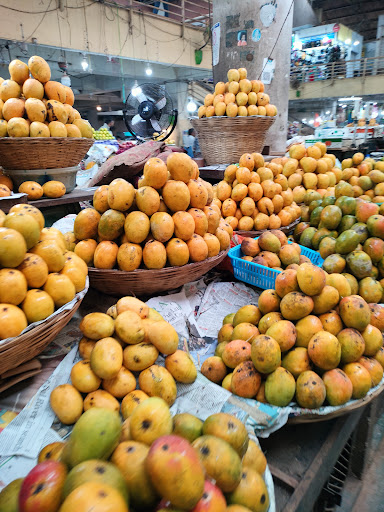
The market offers a diverse range of products that cater to different tastes and interests. From fresh produce, spices, and seafood to handicrafts, textiles, and souvenirs, Panjim Market has something for everyone. Exploring the maze of stalls and shops is a delight, as you can discover hidden treasures and unique items not commonly found elsewhere.
One of the highlights of my visit was the array of spices available at the market. The vibrant colors and enticing aromas of Goan spices, such as feni, vindaloo masala, and cafreal masala, were a feast for the senses. The friendly local vendors were knowledgeable and enthusiastic, offering insights into the different spices and their culinary uses. It was an opportunity to indulge in the rich flavors of Goa and bring home a piece of its gastronomic heritage.
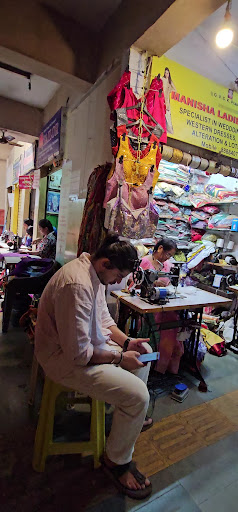
For those seeking fashion and textiles, Panjim Market offers an impressive selection of traditional garments, accessories, and home decor items. The intricate craftsmanship and attention to detail showcased in the handicrafts and textiles are truly remarkable. I couldn't resist purchasing a few colorful scarves and handmade souvenirs as mementos of my trip.
Moreover, the market also houses a variety of small eateries and food stalls, where you can savor local Goan delicacies. From mouthwatering seafood dishes to delectable snacks like pao bhaji and Goan sausage pav, the market is a paradise for food enthusiasts. The affordability and authenticity of the local cuisine further enhance the...
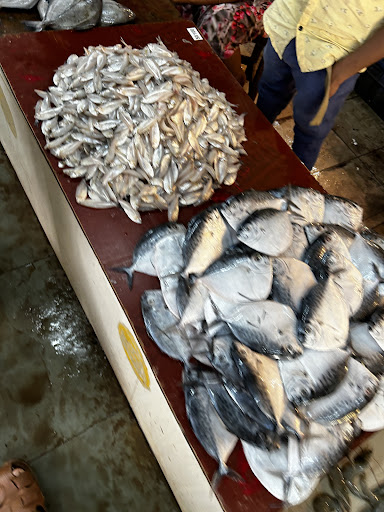
Read moreAh, the Panaji Market. A place that brings back so many memories. I remember the days when my parents would send me to the market to bring home some fresh ‘nuste’ (fishes). And let me tell you, it was always an adventure. Navigating through the different varieties of fish and trying to find the best one was a task in itself. And then there was the bargaining - a skill that every Goan learns at the market. But the reward for all that hard work was always worth it: delicious, fresh fish cooked to perfection. Kingfish, Chonak, Tarle, prawns… my mouth is watering just thinking about it. And let me tell you, you won’t find fresher fish anywhere outside of Goa.
Sure, the market may not seem clean and the smell of fish may be overwhelming, but that’s all part of the charm. And let’s not forget about the other markets in Goa: Mapusa, Malim… all great places to find fresh fish.
Overall, the Panaji Market holds a special place in my heart. It’s where I learned about fresh fish and bargaining, and where I made many...
Read more