Articles
The Beginner’s Guide to Japanese Temples and Shrines
2020.03.10
Lifestyle
Tweet
Share
feedly

No matter where you go in Japan, there is sure to be a temple or shrine somewhere very close by. A hallmark of the nation’s long, treasured history, Japanese temples and shrines are every bit as sacred today as they have ever been. These sites are held in the highest regard by the natives, and foreign travelers to Japan are expected to show the same reverence.
That’s why it’s vitally important to know the proper etiquette when visiting a temple or shrine in Japan, so as not to offend the locals or attendants of these hallowed landmarks. Here’s all you need to know about Japanese temples and Shrines, including the do’s and don’ts of visiting these popular photography spots, to make your experience enlightening, fun and faux pas-free.
Table of contents
The Difference Between Japanese Temples and Shrines? The Religion They Represent
Japanese Temples Are Buddhist
Japanese Shrines Are Shinto
Japanese Shrine and Temple Etiquette
How to Worship at a Japanese Shinto Shrine
How to Worship at a Japanese Buddhist Temple
Omikuji – Test Your Luck at a Japanese Temple
aikichi(大吉)
ichi(吉)
huu kichi(中吉)
hou kichi(小吉)
an kichi(半吉)
i kichi(末吉)
i shou kichi(末小吉)
you(凶)
hou kyou(小凶)
an kyou(半凶)
i kyou(末凶)
ai kyou(大凶)
Omamori – Turn Your Luck Around
Enjoy Your Next Temple or Shrine Trip
The Difference Between Japanese Temples and Shrines? The Religion They Represent
 Japanese culture practices two main religions: Shinto and Buddhism. Religion does not play a major role in everyday life in Japan, but the customs of these two religions are typically observed in ceremonies for important life events (Shinto for weddings, Buddhism for funerals) as well as holidays. The Shinto religion was birthed with Japanese culture, while Buddhism came to Japan from China in the 6th century.
In the Buddhist religion, there are only a few major deities, whereas in Shinto the belief is that many gods (kami-sama) reside in all things, including mountains, forests and other very distinct objects in nature.
So how can these two religions help distinguish a temple from a shrine? Let’s take a look and compare.
Japanese Temples Are Buddhist
Characteristics that help identify a Buddhist temple (otera, お寺) include a large cauldron in front of the building with incense burning, along with statues placed around the building. A gate found at a temple is usually quite complex and sturdily built. Some temples may also have a cemetery attached.
Temples have a guardian statue, called Nio, which is a muscular figure that stands in front of the structure.
Japanese Shrines Are Shinto
A Shinto shrine (jinja, 神社) is most easily distinguishable by the large red gate, called a torii placed somewhere on the path leading up to a shrine. This gate type is more simplistic in design compared to the gate at a temple.
Like temples, Japanese Shinto shrines also have a guardian figure. Shrine guardians are dog-like in shape,...
Read moreThe Nichigai Suzan Horinji Temple is a significant Buddhist site located in Sarnath, India, a place renowned as the site of the Buddha's first sermon after attaining enlightenment. This serene temple holds historical importance and attracts numerous pilgrims and tourists seeking spiritual solace.
Visiting the Nichigai Suzan Horinji Temple is a tranquil and enlightening experience. The temple's architecture, adorned with intricate details and traditional Japanese design elements, exudes a serene ambiance. Upon entering, visitors are welcomed by a peaceful atmosphere that encourages meditation and reflection.
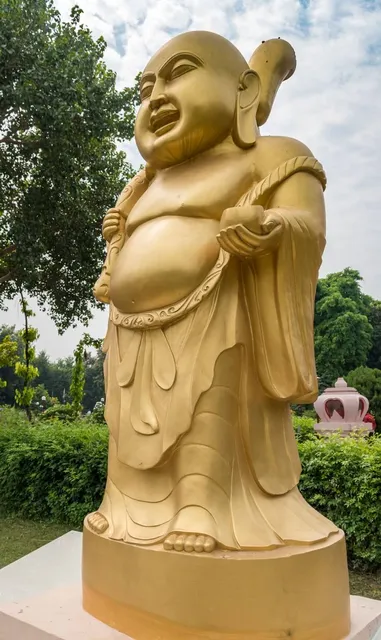
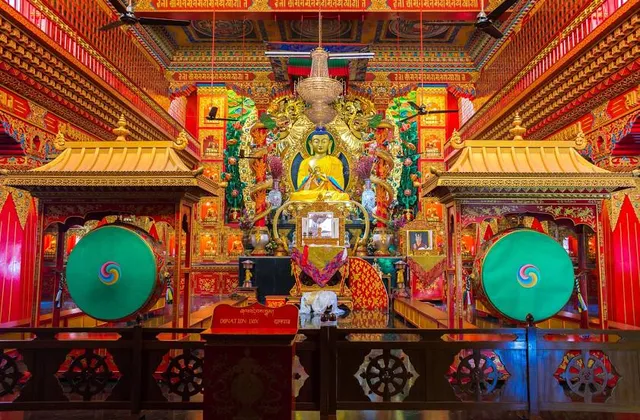
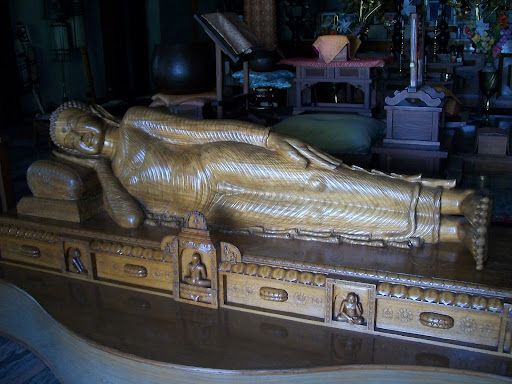
The temple's main hall houses a remarkable statue of Lord Buddha, an embodiment of tranquility and enlightenment. The serene presence of this statue serves as a focal point for devotees and visitors who seek inspiration and spiritual guidance.
Nichigai Suzan Horinji Temple also features beautifully landscaped gardens, where visitors can stroll, relax, and absorb the serene surroundings. The meticulously tended gardens complement the temple's ambiance, providing a sense of harmony and peace.
Regarding visiting hours, the temple typically welcomes visitors from early morning to late afternoon. The ideal time to visit is during the morning hours when the atmosphere is particularly serene and conducive to meditation. However, it's advisable to check the temple's specific visiting hours before planning your visit, as schedules may vary.
Additionally, being a place of worship, visitors are encouraged to respect the temple's customs and practices. Dress modestly and maintain a quiet and respectful demeanor while exploring the premises.
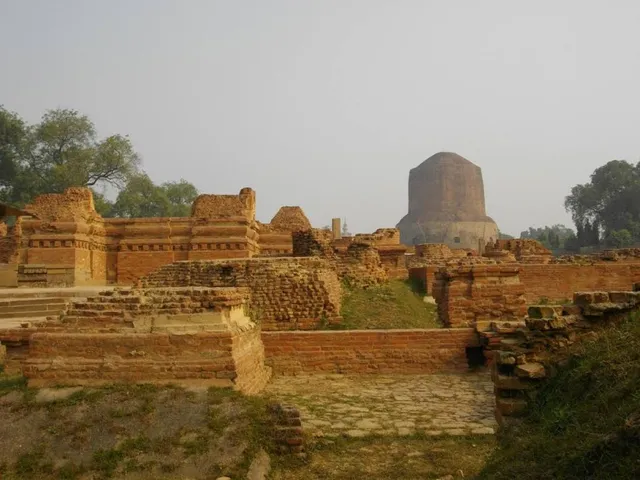
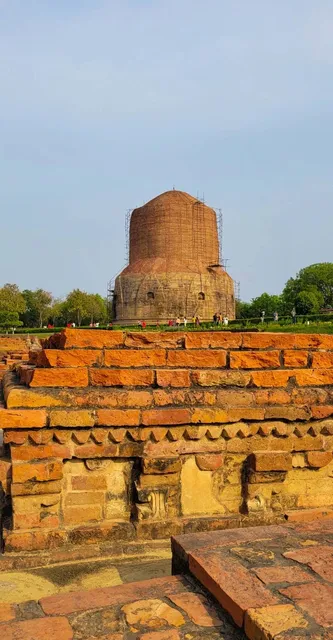
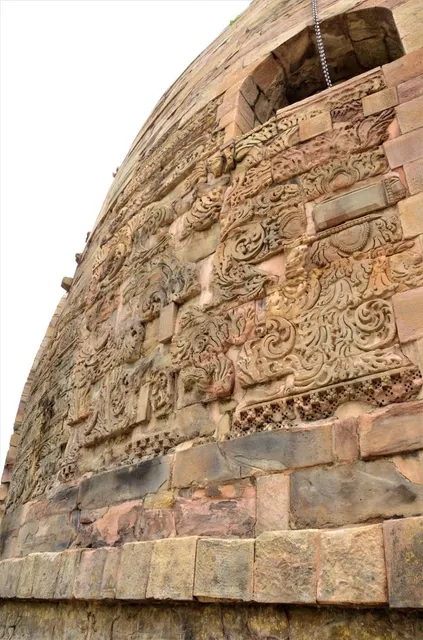
Sarnath, where the Nichigai Suzan Horinji Temple is situated, holds historical significance within Buddhism. Besides visiting the temple, travelers can explore other nearby attractions, such as the Dhamek Stupa, Ashoka Pillar, and the Sarnath Archaeological Museum, which houses a remarkable collection of artifacts and sculptures related to Buddhism.
In conclusion, a visit to the Nichigai Suzan Horinji Temple in Sarnath offers a serene and spiritually enriching experience. The temple's peaceful ambiance, stunning architecture, and the presence of the Buddha statue create a conducive environment for introspection and meditation. Checking the visiting hours beforehand ensures a well-timed and fulfilling visit, allowing you to immerse yourself in the tranquility of this...
Read moreMy visit to the Japanese Temple in Sarnath was a peaceful and refreshing experience. Located in the heart of Sarnath, this temple is a symbol of the deep connection between Japan and India, especially in their shared respect for Buddhism. Though not as large or crowded as some of the other sites in Sarnath, this temple offers something unique – calmness, beauty, and a sense of spiritual comfort.
The moment you step inside the temple grounds, you can feel the calm and serene environment. There’s hardly any noise, and the whole place feels like a retreat from the busy world outside. The peaceful surroundings make it a perfect spot to sit, meditate, or simply enjoy some quiet time. Whether you are religious or not, the atmosphere helps you relax instantly.
The architecture of the Japanese Temple is simple, elegant, and true to traditional Japanese style. The wooden structure, the sloping roof, and the beautiful statue of Lord Buddha inside reflect the Japanese sense of aesthetics – minimal yet impactful. The temple’s design perfectly complements the spiritual energy of Sarnath.
The walls of the temple are adorned with beautiful paintings and artworks depicting stories from Buddha’s life, which add to the educational value of the visit.
One thing that stood out was how clean and well-kept the entire temple area was. From the garden outside to the interiors of the temple, everything was spotless. The gardens are lush and beautifully landscaped, adding to the overall beauty and tranquility of the place.
The monks and caretakers at the temple are warm and welcoming. They are happy to share information about the temple’s history, its connection to Japan, and the teachings of Buddha. Even if you know very little about Buddhism, the atmosphere is open and inclusive, making everyone feel comfortable.
The Japanese Temple in Sarnath might not be the biggest attraction in the area, but it’s definitely one of the most peaceful and beautiful. It offers a unique blend of Japanese simplicity and Indian spirituality, making it a must-visit for anyone exploring Sarnath.
If you’re looking for a quiet place to reflect, learn, and enjoy the beauty of Buddhist culture, this temple is perfect. I would highly recommend visiting for its peacefulness, beauty, and...
Read more