Chaukhandi Stupa things to do, attractions, restaurants, events info and trip planning
Basic Info
Chaukhandi Stupa
92FF+JC4, Rishpattan Rd, Near, Sarnath, Varanasi, Uttar Pradesh 221007, India
4.4(1.9K)
Closed
Save
spot
spot
Ratings & Description
Info
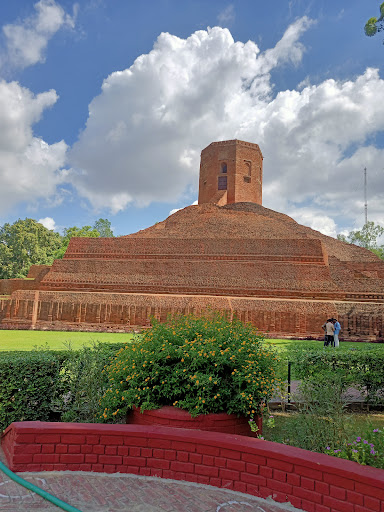
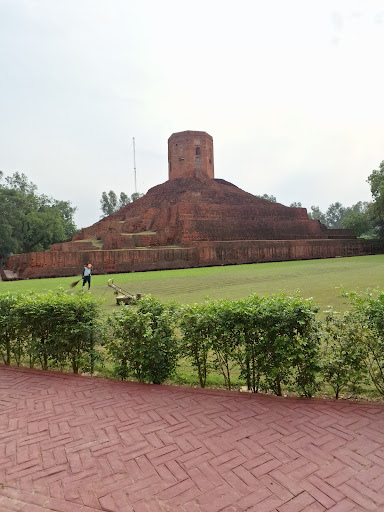
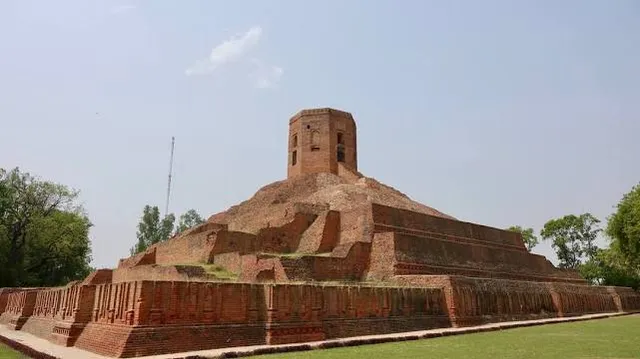
Chaukhandi Stupa is a Buddhist stupa in Sarnath located 8 kilometres from Cantt Railway Station in Varanasi, Uttar Pradesh, India. Stupas have evolved from burial mounds and serve as a shrine for a relic of the Buddha.
Cultural
Outdoor
Family friendly
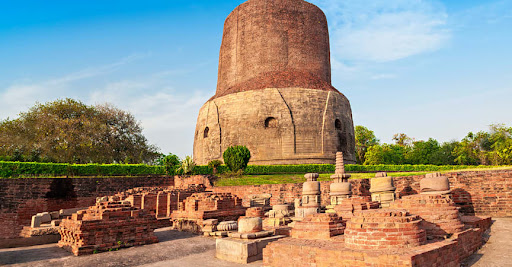
attractions: Garden of Spiritual Wisdom, Sarnath Museum, The Giant Buddha, Archaeological Buddhist Remains of Sarnath, Sarangnath Shiv Temple, Saranath, Ashoka Pillar, Sarnath, Sarnath Deer Park, Sarnath Park Varanasi, Dhamekh Stupa, Sarnath, Mulagandha Kuti, restaurants: Raju Restaurant, Café Coffee Day, Shaakya Restaurant | Best Restaurant in Varanasi | Multi-Cuisine Dining | Veg & Non-Veg, NANDANI RESTAURANT, NIGHT OWL CAFE, Lazania Restaurant, Lumbini Family Restaurant, Restaurant UP-65, Mukesh Chaat Bhandar, Vaishali Restaurant, local businesses: Sarnath Buddhist Temple, Sarnath temple Varanasi Uttar Pradesh, Wat Thai Sarnath Thai Temple, Japanese Temple, Buddha Statue, Tibetan Temple, Vishwa Shanti Stupa, Chinese Buddhist Temple, Varanasi, Mulagandha Kuti Vihar, Dhammarajika Stupa
 Learn more insights from Wanderboat AI.
Open hoursSee all hours
Sun6 AM - 6 PMClosed
Plan your stay

Pet-friendly Hotels in Uttar Pradesh
Find a cozy hotel nearby and make it a full experience.

Affordable Hotels in Uttar Pradesh
Find a cozy hotel nearby and make it a full experience.

The Coolest Hotels You Haven't Heard Of (Yet)
Find a cozy hotel nearby and make it a full experience.

Trending Stays Worth the Hype in Uttar Pradesh
Find a cozy hotel nearby and make it a full experience.
Reviews
Live events
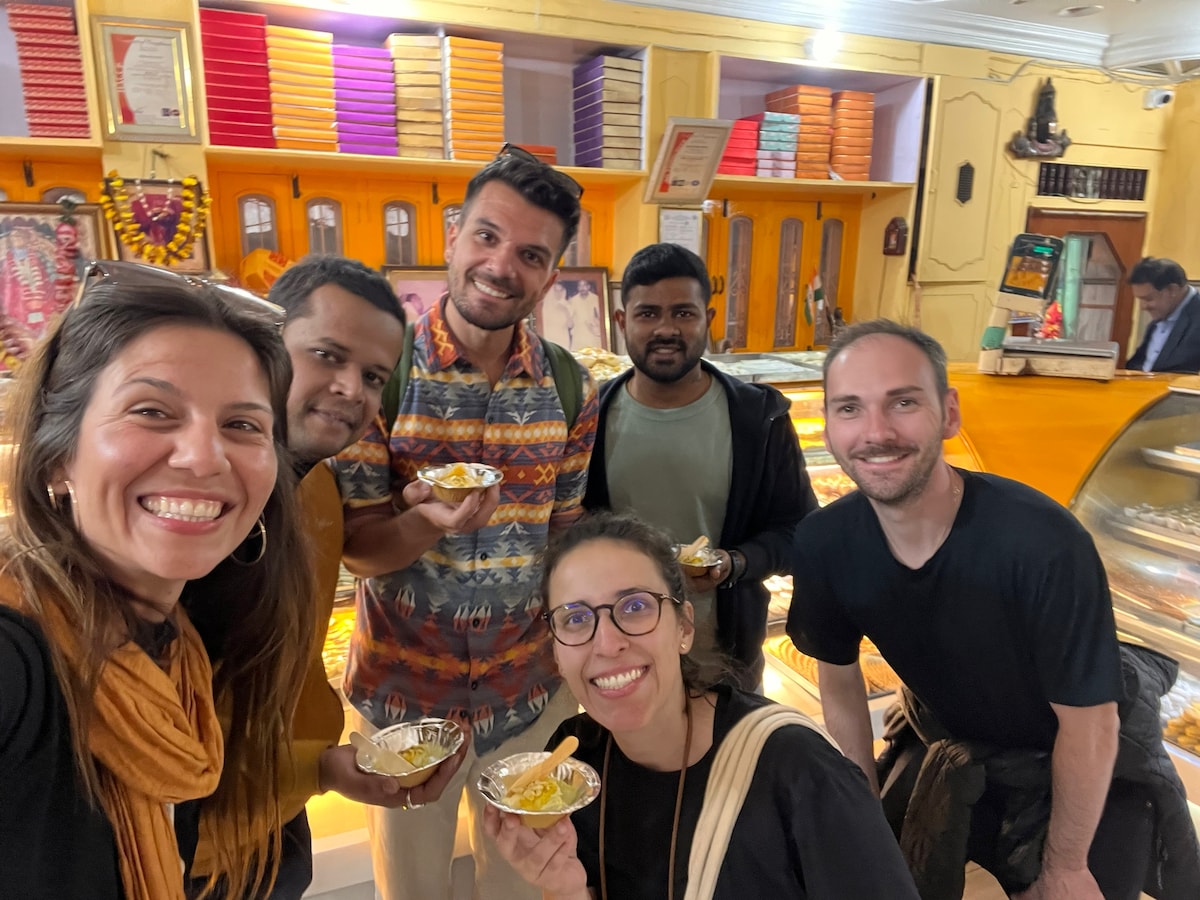
Varanasi Ganga Arati with Street Food Tour by Monu
Mon, Feb 23 • 5:00 PM
Varanasi, Uttar Pradesh, 221001, India
View details
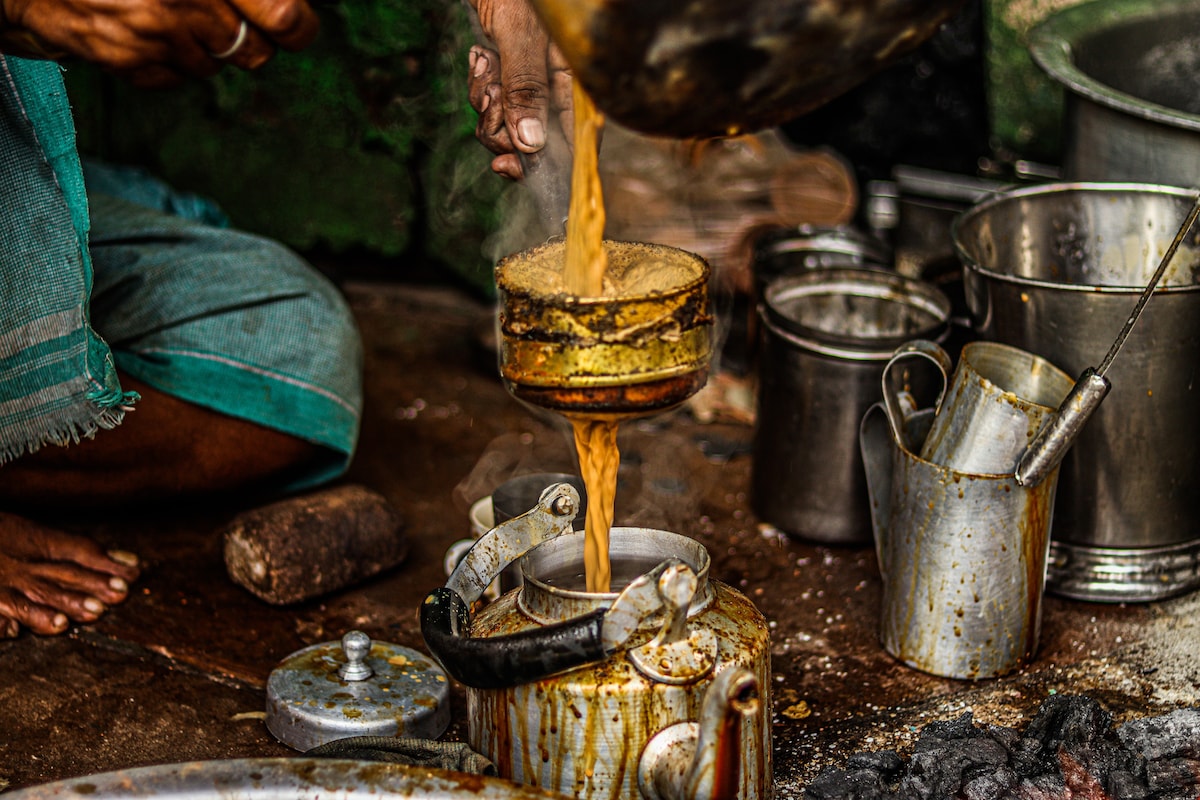
Gastronomic Walk -Food Trails
Sun, Feb 22 • 5:00 PM
Varanasi, Uttar Pradesh, 210126, India
View details
Nearby attractions of Chaukhandi Stupa
Garden of Spiritual Wisdom
Sarnath Museum
The Giant Buddha
Archaeological Buddhist Remains of Sarnath
Sarangnath Shiv Temple, Saranath
Ashoka Pillar, Sarnath
Sarnath Deer Park
Sarnath Park Varanasi
Dhamekh Stupa, Sarnath
Mulagandha Kuti
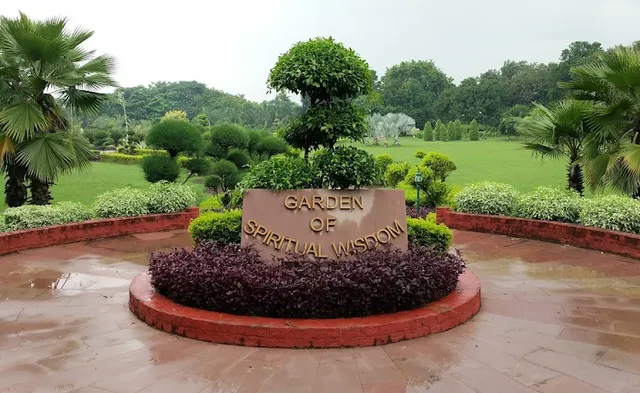
Garden of Spiritual Wisdom
4.3
(269)
Closed
Click for details
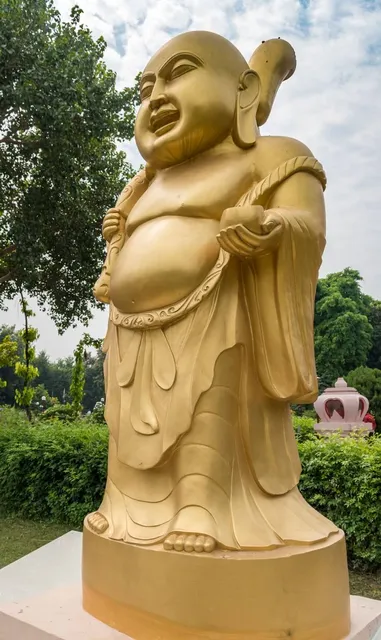
Sarnath Museum
4.5
(3.7K)
Closed
Click for details
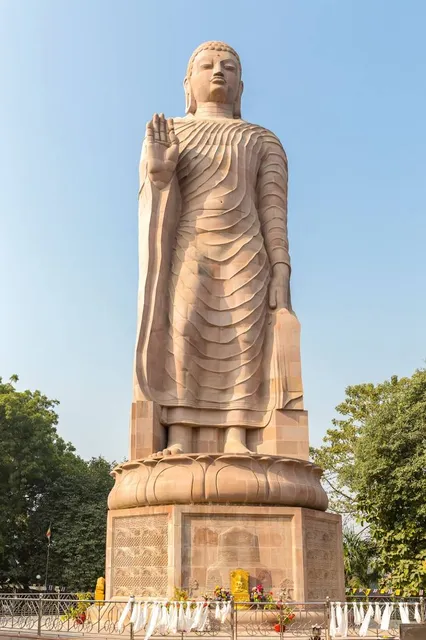
The Giant Buddha
4.6
(147)
Open until 12:00 AM
Click for details
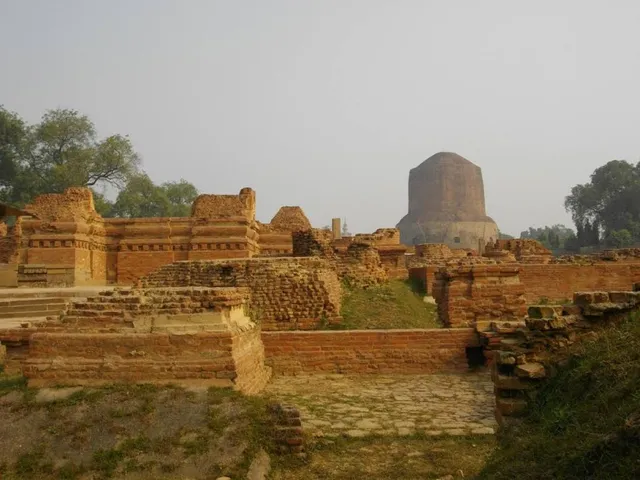
Archaeological Buddhist Remains of Sarnath
4.6
(9.2K)
Closed
Click for details
Nearby restaurants of Chaukhandi Stupa
Raju Restaurant
Café Coffee Day
Shaakya Restaurant | Best Restaurant in Varanasi | Multi-Cuisine Dining | Veg & Non-Veg
NANDANI RESTAURANT
NIGHT OWL CAFE
Lazania Restaurant
Lumbini Family Restaurant
Restaurant UP-65
Mukesh Chaat Bhandar
Vaishali Restaurant
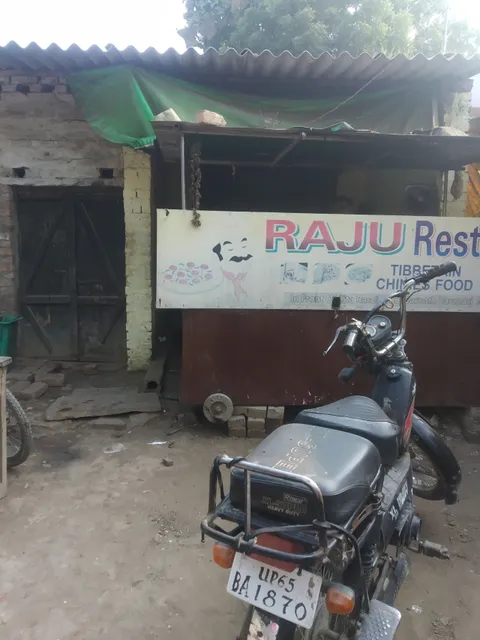
Raju Restaurant
4.1
(19)
Closed
Click for details

Café Coffee Day
3.9
(487)
Closed
Click for details
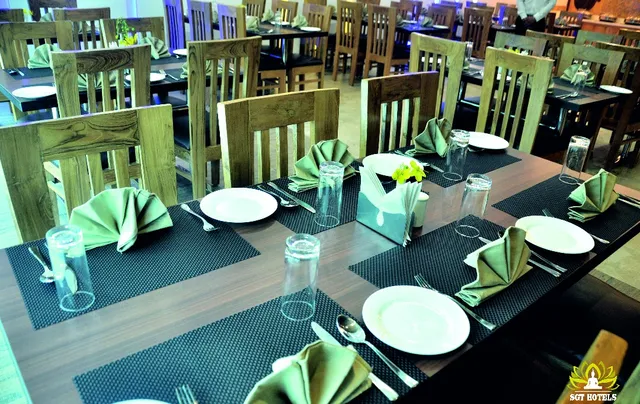
Shaakya Restaurant | Best Restaurant in Varanasi | Multi-Cuisine Dining | Veg & Non-Veg
4.2
(251)
$$
Closed
Click for details
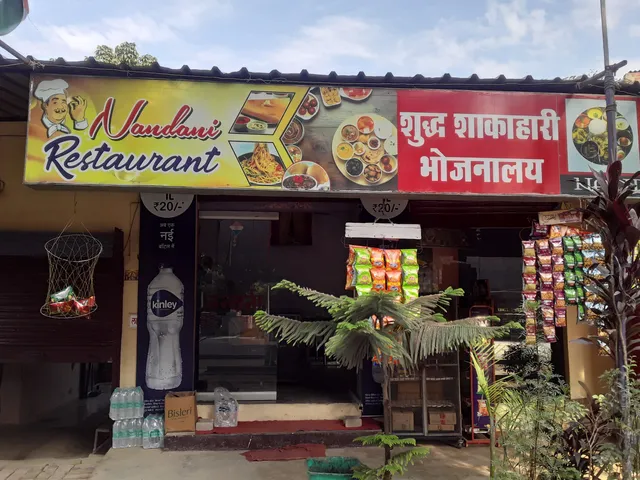
NANDANI RESTAURANT
3.8
(3)
Click for details
Nearby local services of Chaukhandi Stupa
Sarnath Buddhist Temple
Sarnath temple Varanasi Uttar Pradesh
Wat Thai Sarnath Thai Temple
Japanese Temple
Buddha Statue
Tibetan Temple
Vishwa Shanti Stupa
Chinese Buddhist Temple, Varanasi
Mulagandha Kuti Vihar
Dhammarajika Stupa
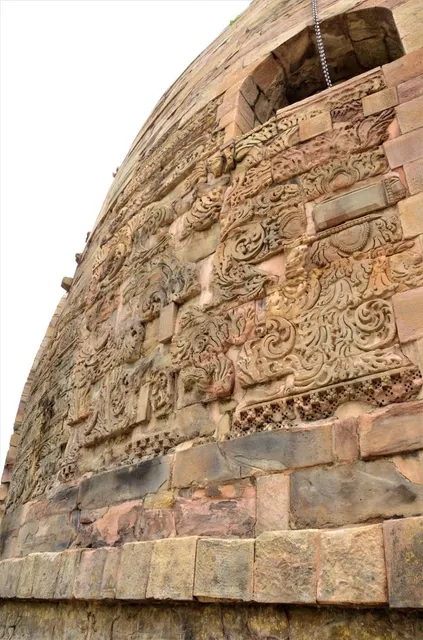
Sarnath Buddhist Temple
4.6
(6.9K)
Click for details
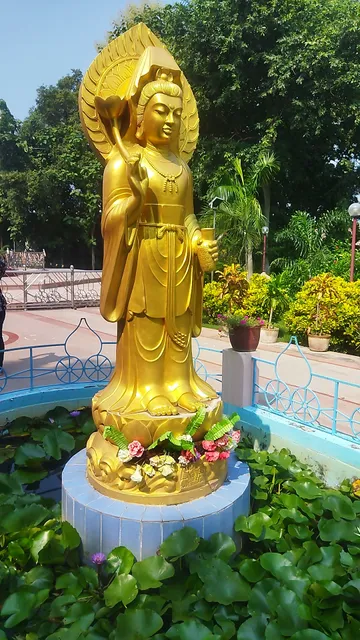
Sarnath temple Varanasi Uttar Pradesh
4.6
(89)
Click for details
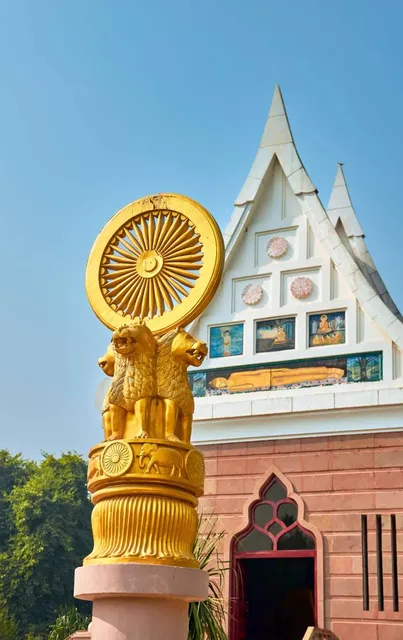
Wat Thai Sarnath Thai Temple
4.6
(485)
Click for details
Japanese Temple
4.6
(434)
Click for details