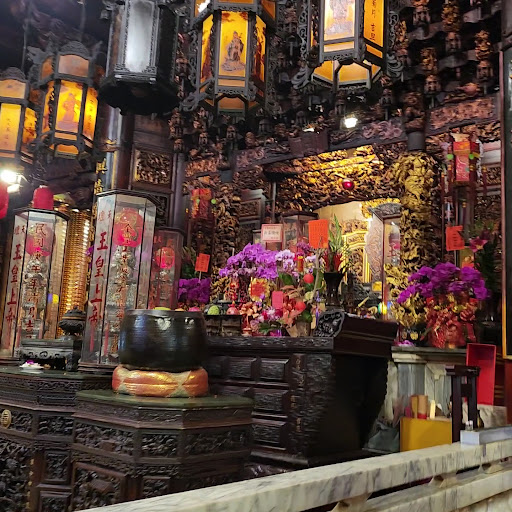
Tiantan Tiangong Temple things to do, attractions, restaurants, events info and trip planning
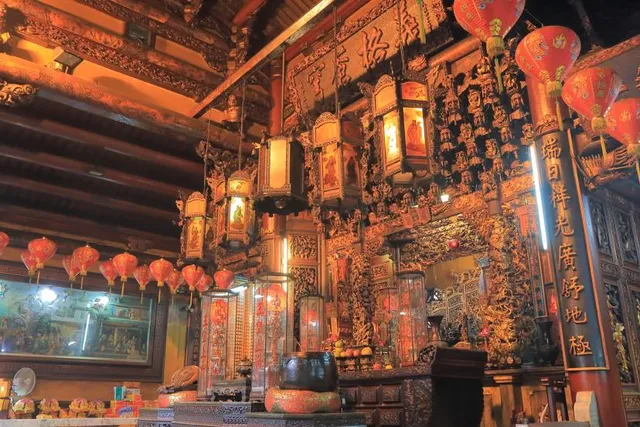
Basic Info
Tiantan Tiangong Temple
No. 16號, Lane 84, Section 2, Zhongyi Rd, West Central District, Tainan City, Taiwan 700
4.6(1.1K)
Open until 9:00 PM
Save
spot
spot
Ratings & Description
Info
Cultural
Family friendly
Accessibility
attractions: National Museum of Taiwan Literature, 南埕衖事, Former Tainan Weather Observatory, Tainan City Fire Museum, Zheng Chenggong Ancestral Temple, Tainan Confucius Temple, Thng Tik-Tsiong Memorial Park, Tainan Art Museum Building 1 (for modern arts), Tainan Wu Garden, Snail Alley, restaurants: A SHA Tainan Main Restaurant, BARK, 鷲嶺食肆|原鶯料理|特製餐盒、甜點、庭園咖啡 by 阿霞飯店, 再發號百年肉粽, A-Mei Restaurant, 渝苑川味小吃店, Du Hsiao Yueh - Tainan Danzai Noodles, 草屋Agave House, 双町~中餐(餐點供應至13:20)晚餐(餐點供應至20:20或賣完), KimHo (Zhongyi), local businesses: Tainan Beiji Temple, Ông Io̍k-tek Memorial Museum, Old Tainan Prefecture Council, 鹹菜巷8號, Tainan You'ai Market, 府中街, Tainan Má-kong Temple (Má Lord Temple), Shin Kong Mitsukoshi Tainan Ximen Store, 夢想星球(一番賞、盒玩、動畫周邊), Tian Yuan Xiang (Tainanmen)
 Learn more insights from Wanderboat AI.
Phone
+886 6 222 7983
Website
tian.org.tw
Open hoursSee all hours
Fri6 AM - 9 PMOpen
Plan your stay

Pet-friendly Hotels in Tainan
Find a cozy hotel nearby and make it a full experience.

Affordable Hotels in Tainan
Find a cozy hotel nearby and make it a full experience.

The Coolest Hotels You Haven't Heard Of (Yet)
Find a cozy hotel nearby and make it a full experience.

Trending Stays Worth the Hype in Tainan
Find a cozy hotel nearby and make it a full experience.
Reviews
Nearby attractions of Tiantan Tiangong Temple
National Museum of Taiwan Literature
南埕衖事
Former Tainan Weather Observatory
Tainan City Fire Museum
Zheng Chenggong Ancestral Temple
Tainan Confucius Temple
Thng Tik-Tsiong Memorial Park
Tainan Art Museum Building 1 (for modern arts)
Tainan Wu Garden
Snail Alley
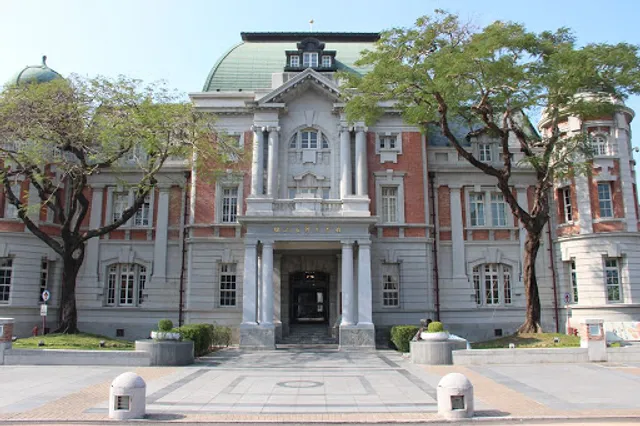
National Museum of Taiwan Literature
4.6
(3.6K)
Closed
Click for details
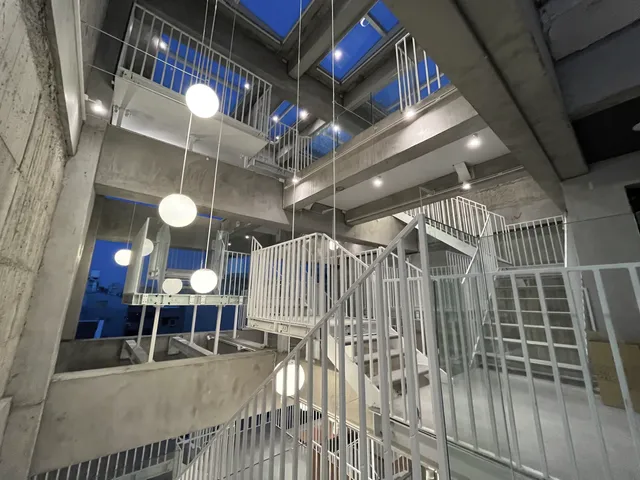
南埕衖事
4.2
(1.4K)
Closed
Click for details
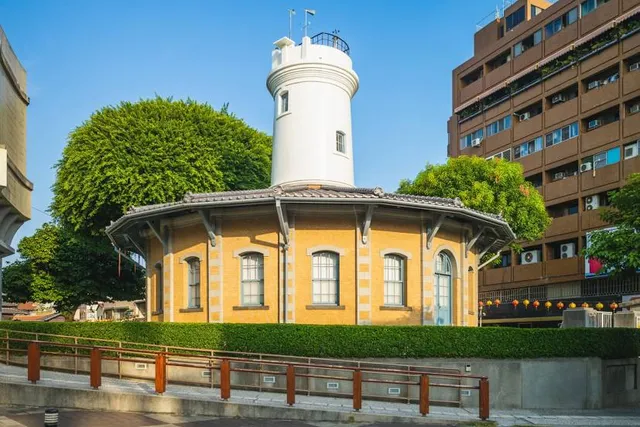
Former Tainan Weather Observatory
4.4
(324)
Closed
Click for details
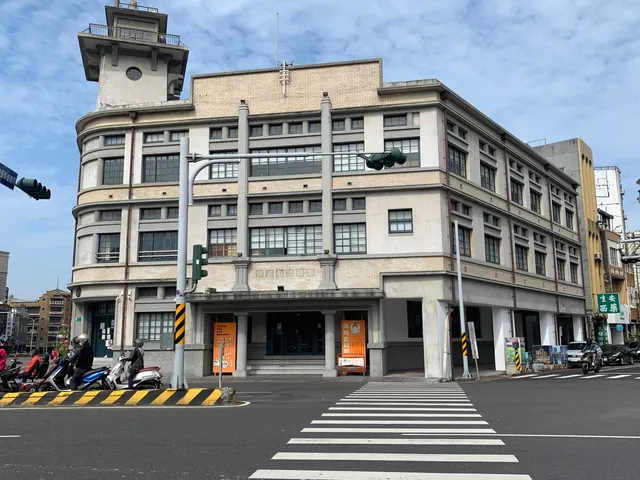
Tainan City Fire Museum
4.5
(427)
Closed
Click for details
Nearby restaurants of Tiantan Tiangong Temple
A SHA Tainan Main Restaurant
BARK
鷲嶺食肆|原鶯料理|特製餐盒、甜點、庭園咖啡 by 阿霞飯店
再發號百年肉粽
A-Mei Restaurant
渝苑川味小吃店
Du Hsiao Yueh - Tainan Danzai Noodles
草屋Agave House
双町~中餐(餐點供應至13:20)晚餐(餐點供應至20:20或賣完)
KimHo (Zhongyi)
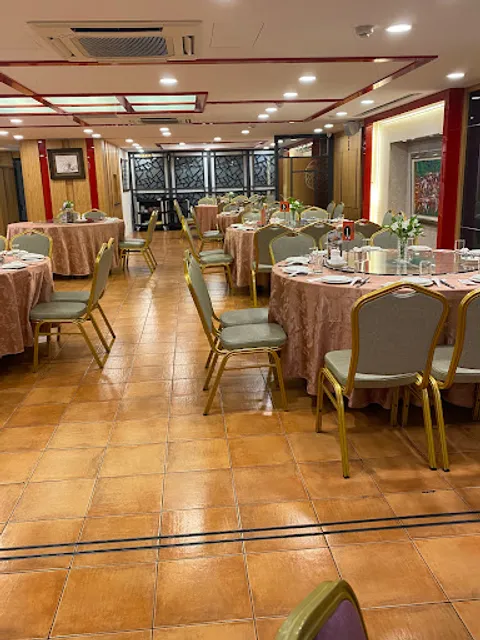
A SHA Tainan Main Restaurant
4.1
(1.6K)
Closed
Click for details
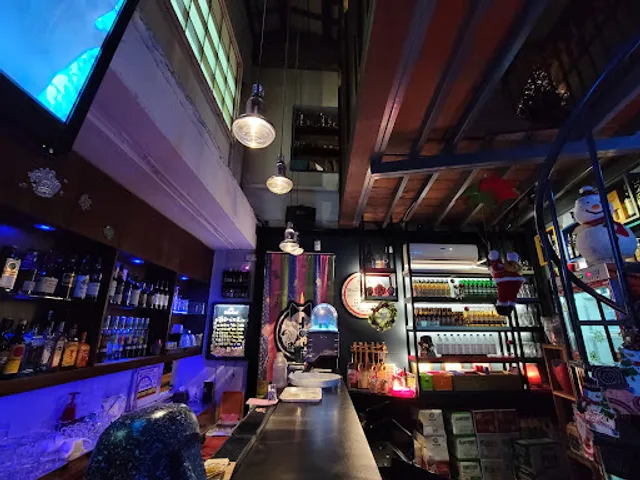
BARK
4.8
(1.3K)
Closed
Click for details
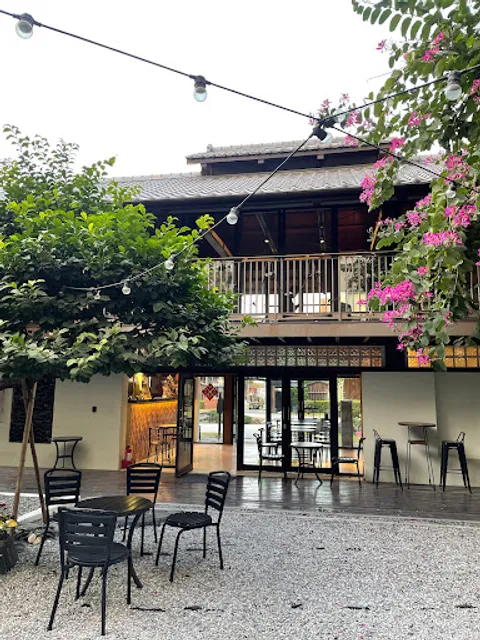
鷲嶺食肆|原鶯料理|特製餐盒、甜點、庭園咖啡 by 阿霞飯店
4.4
(595)
$$
Closed
Click for details
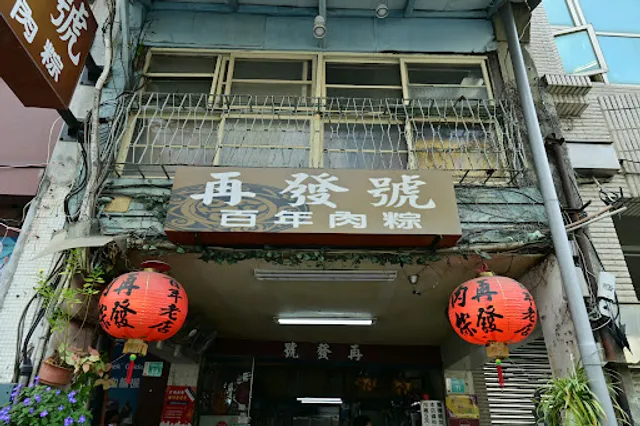
再發號百年肉粽
4.1
(1.2K)
Closed
Click for details
Nearby local services of Tiantan Tiangong Temple
Tainan Beiji Temple
Ông Io̍k-tek Memorial Museum
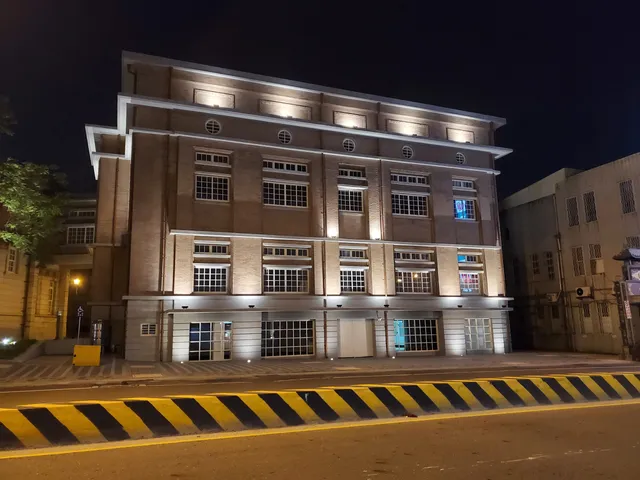
Old Tainan Prefecture Council
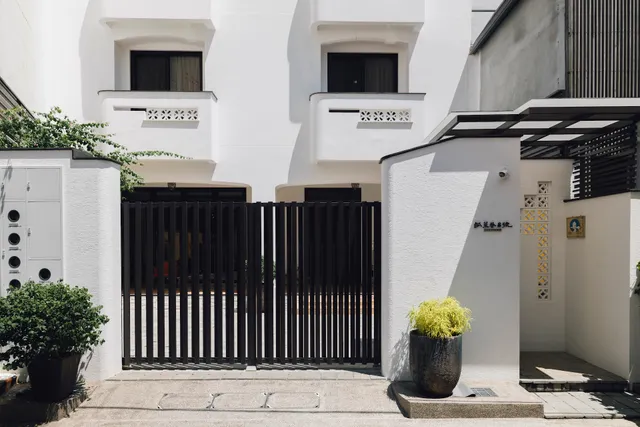
鹹菜巷8號
Tainan You'ai Market
府中街
Tainan Má-kong Temple (Má Lord Temple)
Shin Kong Mitsukoshi Tainan Ximen Store
夢想星球(一番賞、盒玩、動畫周邊)
Tian Yuan Xiang (Tainanmen)
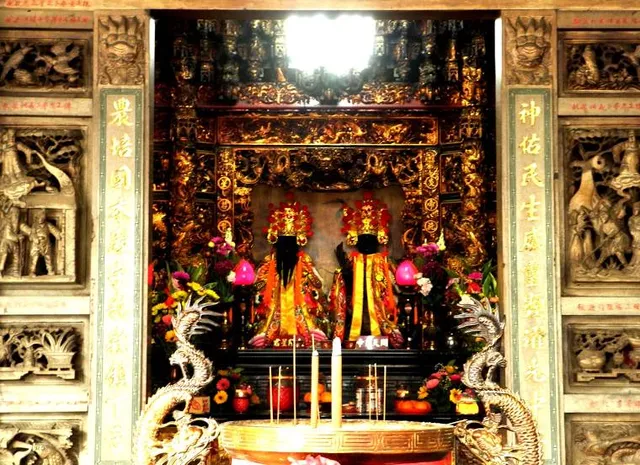
Tainan Beiji Temple
4.8
(511)
Click for details
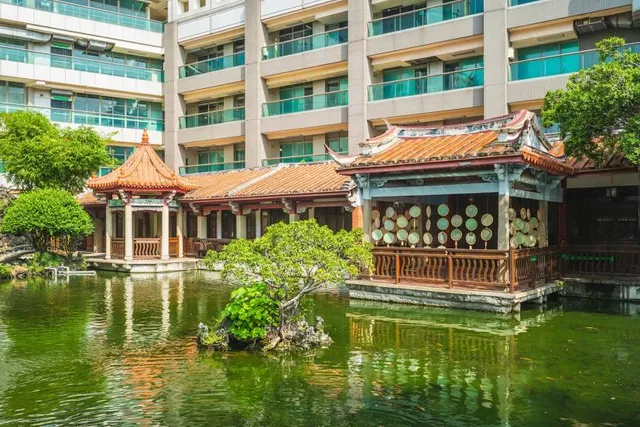
Ông Io̍k-tek Memorial Museum
4.5
(71)
Click for details
Old Tainan Prefecture Council
4.5
(33)
Click for details
鹹菜巷8號
5.0
(80)
Click for details