this is really comprehensive to help others looking!
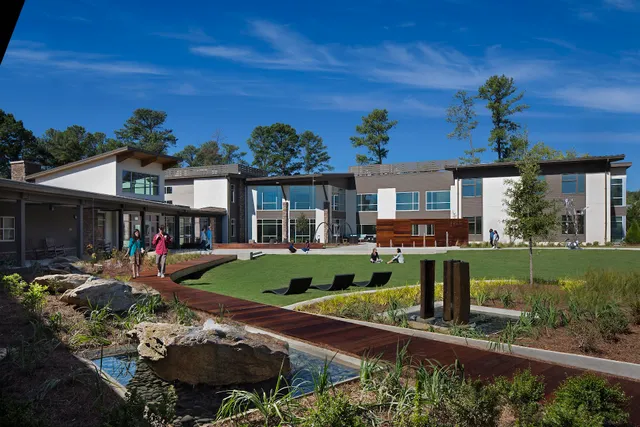
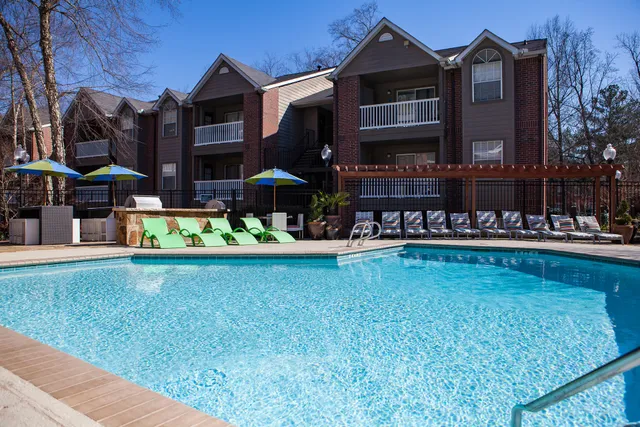
I’m 20 and just graduated from the 90 day adult residential dbt track. i came about a month after an attempt and a week long hospital stay. i stayed in rollins and most of the RAs are cool. i didn’t really like the new male ones. they take you on fun outings that are already paid for. the building is quite nice. the food at skyland is actually not bad and snacks are almost always readily accessible. they do target pickups for you and you can order things.
skyland is a very welcoming community with amazing staff. the campus is very beautiful and the nature is calming. most of the clients are very kind, friendly, and fun people to be around. i learned so much about myself. skyland saved my life by giving me the tools and skills to Cope with my laundry list of mental disorders. its hard work, and groups were still fun, interesting, and helpful. the dbt track was insanely helpful and the immersion makes you automatically think in dbt after a while. the tracking system with the diary cards was really effective and you can see patterns in your mood vs behavior. there were customized target behaviors every week for what you currently need to work on. my psych was dr routt, who is very cool and listened well.
it’s pretty neurodivergent friendly. i’m audhd & was allowed my headphones and to color during groups. you’re allowed to leave/take a break if you need to. u can return or there are many other places u can go. they have skills coaches that go around and check on you. i’ve been in crisis many times and knew i could go to them or my pc for help. when the PCs weren’t too busy they’d let me Hang Out in their office and that was really nice.
after extensive trauma with chaotic and unsafe close relationships, i developed trust and control issues. i needed to feel secure and my pc was great and dependable. it was very hard for me in the beginning bc your schedule is constantly changing which sucks with ocd + autism. you’re allowed to pick your own groups when your intake period is over though and i loved most of mine.
i saw another review talking about ocd. i came into skyland with a recent diagnosis of severe ocd that i knew absolutely nothing about. which sucked because the staff didn’t know anything about it either. i struggled badly. i was exhausted by the end of each day and aching due to the hours of energy i spent doing my compulsions. i was forced to suddenly stop doing my compulsions almost every day and it caused me extreme anxiety and distress. i had to leave group a couple times. i know skyland isn’t for ocd. all staff still absolutely need to be trained, not just the 2 ocd group leaders. clients having ocd is inevitable because of high comorbity rates. they deserve better care. especially since loss of control (i.e, being inpatient) can be a huge trigger and exacerbate symptoms. at least do a staff educational seminar or something.
during my time at skyland, there was a short period of conflict and expulsions/step-ups. our understanding of skyland’s decisions was very foggy and nobody really understood what was going on and why. during a community meeting, some top guy came and opened up a forum for questions, claiming that it’s for transparency and so we feel Heard. naturally, people asked about the elephant in the room. the forum got shut down after THREE questions. extremely ironic and def rubbed me the wrong way bc what else would he expect anyone to ask about.
they started admitting WAY too many people during my stay. groups were suddenly huge. you had to go to another group if there’s no more seating (very common) or sit on the floor. almost every group was over capacity & large groups are way less effective for me. i have ptsd and need specific seating so i had to rush between groups because u had no idea how many people were gonna be there today.
it was also very disappointing that dbt had no processing or trauma work like the other tracks do. :/
overall, i had a net positive experience. i would rate skyland like a 3.7 and strongly...
Read moreHere are my main takeaways from Skyland Trail (completed the dbt program nearly 2 years ago)
My main issues ST is not a place for individuals of any gender with eating disorders and/or strong issues with OCD. I knew many people who needed to transfer to different centers because ST was not adequately equipped to help them. ST also puts overweight people into Healthy Challenge, which consists of a weight loss exercise class and a nutrition class. they say they do this for everyone on antipsychotics but that's mostly a lie. On my first day in the nutrition class, we literally looked at restaurant menus and counted calories for the entire hour. After an intense conversation with my primary counselor John though, the treatment team (all of the counselors together) decided to let me not go to the nutrition class, but they obviously didn't really want to do that. As a minority person, I found STs dual diagnosis program extremely lacking. It has a large focus on teachings from a.a. and n.a. and such, because you are expected to attend 7 meetings every week when you step down. ST requires you to step down to a sober living that only they approve. At the time I was there, there was only one option for both men and women, hope homes. Hope Homes is even more expensive than ST. When I left in July of 2023, rent had gone up to over 3k a month for people that had not been offered a discount for financial hardship (which they rarely gave out). Insane amounts of money aside, I have a lot of issues with aa. it works primarily for individuals that perpetuate trauma, not victims. It teaches men how to not blame their wives and the world for their drug and sx addictions. It teaches them how to take accountability and literally requires them to apologize for their actions (step 8) after admitting their mistakes to God (step 3/4) and another person in the program (step 5) (YIKES). When you're a person that is instead a victim, for example, of sexul assault, this blaming yourself and apologizing is extremely unhealthy. The inherent idea/assumption of the 4/5 steps is that you should identify the problem, the fear it elicits, what the other person did, and what You Should've Done Instead. Considering ST prides itself on its treatment for individuals with bpd, bipolar, and depression, I still don't understand why they operate like this. A defining feature of most of those conditions is an overactive and overpowering sense of guilt. Why then, if a person is already unnecessarily guilty and blaming themselves to the point of mental anguish, would you put them in a community that teaches them to blame themselves more? I'm still unlearning the unhealthy things it taught me The cost of ST is astronomical. Be prepared for insurance company bs. At least with my plan, they only started to charge me out of pocket when I stepped down to less intensive levels of care. Just one day in residential is more than 1k without insurance coverage (and this was in 2022, probably more now).
Strengths/benefits of ST ST does put a lot of effort into ensuring individuals get exactly what they need. I knew 2 people who routinely left (chaperoned, of course) to receive ECT treatment off campus. They will coordinate care if you need to be transferred to another center. they do their best to help you find continuing care (groups, psychiatrists and therapists). A lot of people hated the food but I think it's pretty good given the circumstances. Just keep in mind it's hard to make food taste great when cooking for over 100 people. The outings are pretty fun now. We couldn't go out much because of Covid regulations while I was there. after I stepped down everyone in residential went to six flags though (🥲). Lastly, STs DBT program literally saved my life. I was not financially capable of attending dbt groups out of pocket (most insurances still don't cover that) so i had to use my insurance in some way. I've had multiple s. attempts, and I had accepted that if ST didn't work, I'd let go. I researched at least a hundred places before realizing this was...
Read moreU must b vaccinated & boosted w/in 6 months it’s a nicotine free facility. South campus is a welcoming homey environment 4 residential mental health treatment the manager was amazing. The Rollins campus is newer but plagued by drama among young residents caused some 2 isolate in their rooms be involved in drama or search for an alternative facility. Care quality is highly dependent on if you get Dr. Route or Ellis (the other one Ragazino reviews were not good prior to working at Skyland) (Dr. Meadows no longer sees clients except for admissions). Bc even 1 counselor switch isn’t allowed being matched w/ a counselor u struggle 2 developing a good working relationship w/ can really negatively impact ur care as ur counselor manages the non-medication part of ur care. About half of admitting clients to residential are put in dual diagnosis which extremely necessary and sometimes not (example smoking pot 1-2x a month or drinking issue with 2 years of solid sobriety).
Skyland Trails doesn’t treat trauma individually, they don’t allow an outside therapists for trauma while ur there without permission b4 admitting. No trauma groups except 1 CBT group that’s only 2x a week w/ very limited space. If you have trauma I would say expect to need treatment for that b4 or after Skyland. Some rules seem extremely rigid & some are patriarchal/pedantic. Care while not poor for most clients is very standard & not individualized except for group schedule & some things in residential for specific issues. If you have treatment resistant depression I would say Skyland trails is only appropriate if you have never tried day treatment with groups or want a residential facility that can do TMS. TMS is available for day trtmnt & residential, the machine is set up by a psychiatrist & administrated by trained techs or nurses.
The medical treatment is available but it is inconsistent at best and full on medical malpractice at worst. A client w/ type 1 diabetes was denied access to her diabetes testing patch or finger type bc of the tiny needle in them. Meals had no carb listing 4 her to know how much insulin to take. The physicians assistant which is the only medical confused her with diabetes II which can be aided by diet and exercise. She was constantly plagued by low blood sugar bc of her diabetes 1 care which resolved when she was stepped down to day treatment only.
Residential staff at the Rollins campus sometimes yelled at clients, clients had locked items go missing. Sharps like cords and glass weren’t always checked back in depending on who was on shift. Travel nurses accidentally gave out the wrong meds on 5 or so occasions. Some were quick to correct the mistake others argued making shy clients feel pressure to take incorrect meds. Staff nurses didn’t do this
Pro: long stays 6 weeks to 10 weeks residential which some people really need access 2 find a right med or for brain to heal coverage depends on ur insurance/ financial aid
Art, gardening, a yoga & exercise equipment & classes (later required 4 ppl on
Financial aid available up to 300k combined yearly income that can help cover costs (apply when doing admission!)
Cons: medical director enacted a policy that sick clients without Covid b required to go to groups physicians assistant care is inconsistent & traumatizing 4 some individuals who got sick & were denied rest bc of staffing issues or had serious illnesses where meds and management was dangerous
2 really good psychiatrists 1 not great
6 clients ended up in a psych hospital during their treatment @ Skyland rarely suicides have occurred little 2 no meal snack supervision or restricted access to exercise equipment for eating disorder clients
Sober living costing $1800 not covered by insurance or transitional housing costing $3300 per month required (not covered by insurance) 4 out of state clients to finish program during the step down or php portion of their program 2-3 months of 90 days depending on insurance. In state clients may live w/ family or in those living...
Read more