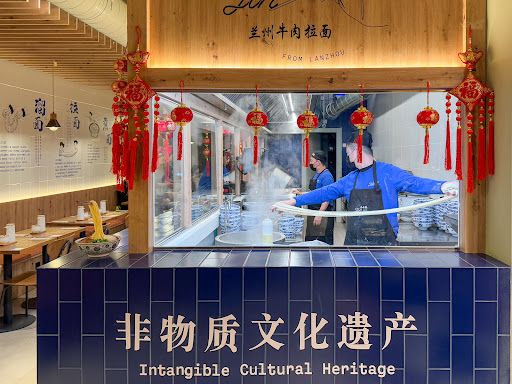
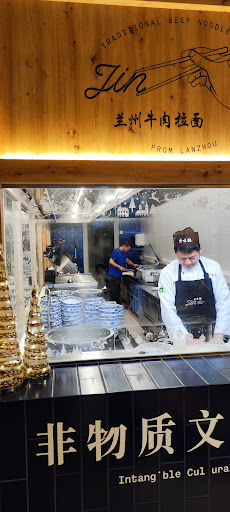
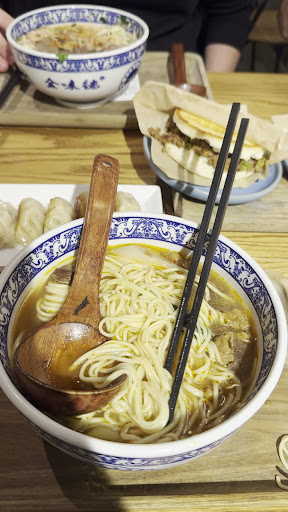
JIN LanZhou Ramen things to do, attractions, restaurants, events info and trip planning
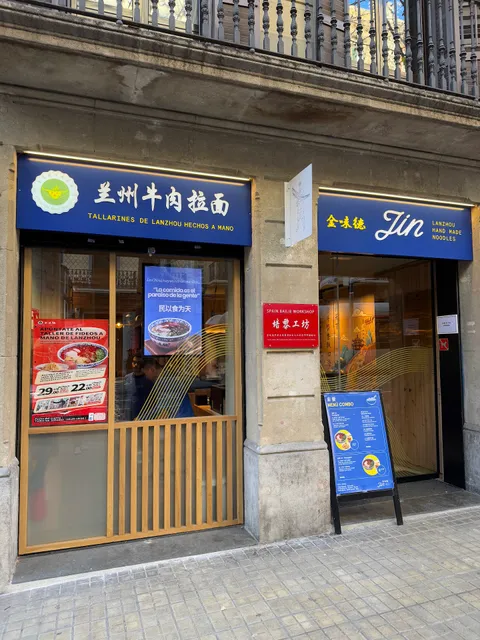
Basic Info
JIN LanZhou Ramen
Carrer d'Aribau, 39, Eixample, 08011 Barcelona, Spain
4.7(741)
Open until 11:00 PM

delivery
Save
spot
spot
Ratings & Description
Info
attractions: Euroaula | Grado en Turismo | Ciclos Grado Superior | Másters, SABDA, Casa Batlló, Casa Xina (Casa Ferran Guardiola), Nappuccino Corner, Teatre Coliseum, Museu del Modernisme de Barcelona, Jardi de Pluja Naturalizat, Víctor Lope Arte Contemporáneo, Museo Geológico del Seminario de Barcelona, restaurants: Local Tapas, Nikkei 103, La Flauta | Aribau, Garage Beer Co | Eixample, Flamant, Hideout Burger, Billy Brunch Headquarters, Pepa Bar a Vins, Lexi's Restaurant & Cocktail bar, DeLaCrem | Enric Granados, local businesses: 99 cheesecake | Aribau, Spa Ibiza Posidonia wellness center, Diotronic, Aribau Multicines, Hair Cut Day Letamendi Salón Peluquería Barcelona, Moimo | Açaí & Smoothies, Herbolario Navarro - Barcelona Carrer de València 186, Edificio de la Universidad de Barcelona, Aventura Park Barcelona, Mercat del Ninot
 Learn more insights from Wanderboat AI.
Phone
+34 933 53 26 69
Website
jinnoodles.com
Open hoursSee all hours
Sat12 - 11 PMOpen
Plan your stay

Pet-friendly Hotels in Barcelona
Find a cozy hotel nearby and make it a full experience.

Affordable Hotels in Barcelona
Find a cozy hotel nearby and make it a full experience.

The Coolest Hotels You Haven't Heard Of (Yet)
Find a cozy hotel nearby and make it a full experience.

Trending Stays Worth the Hype in Barcelona
Find a cozy hotel nearby and make it a full experience.
Featured dishes
View full menu
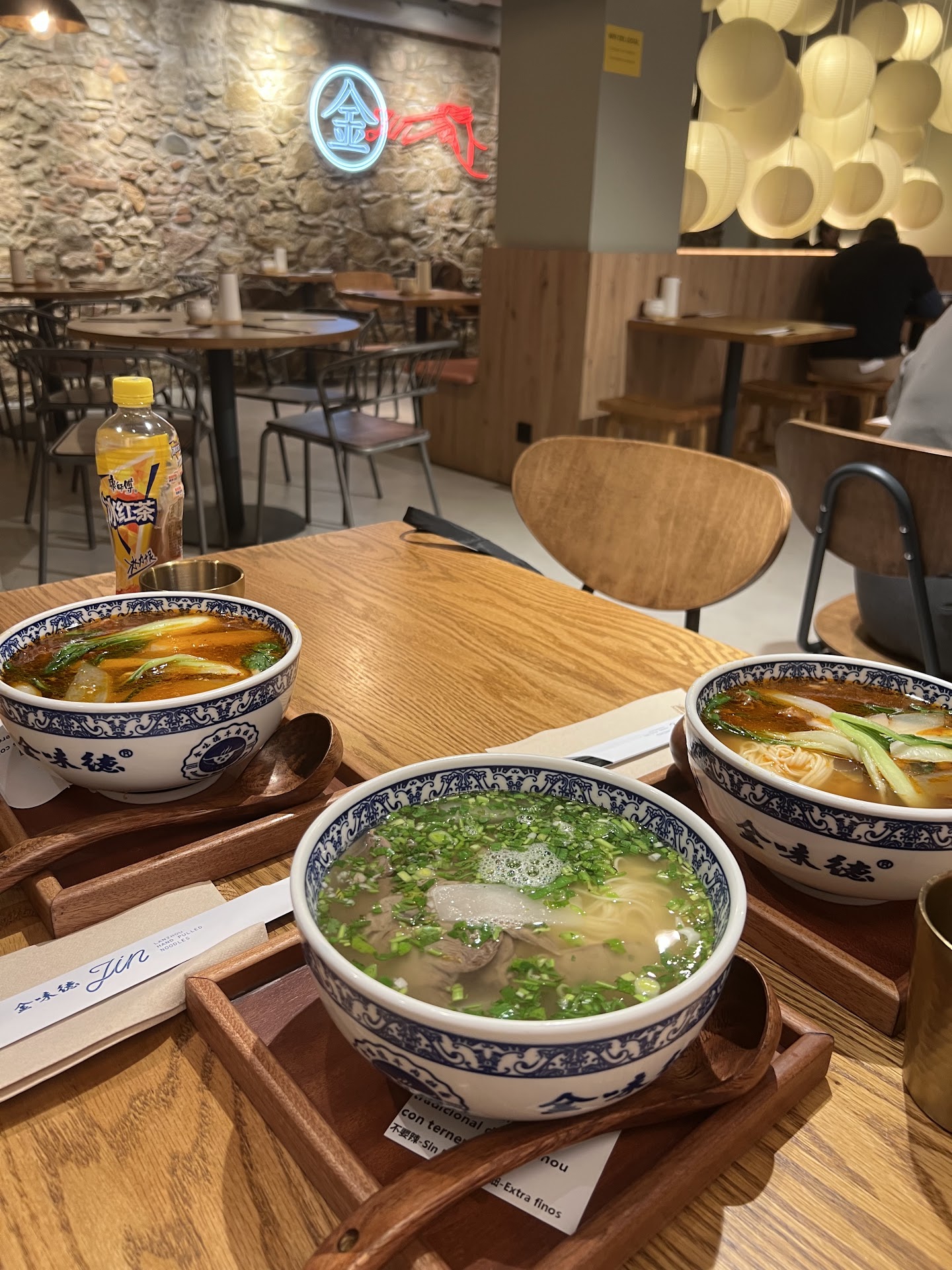
传统兰州牛肉面 Caldo De Tallarines Tradicional De Lan Zhou Con Ternera

秘制红烧牛腩面 Caldo De Tallarines Con Ternera Estofado Casero Jin
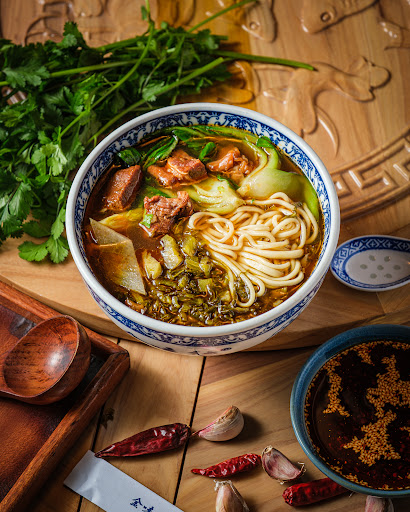
经典酸菜红烧牛肉面 Caldo De Tallarines De Chucrut Y Ternera Casera Jin

番茄鸡蛋面 Caldo De Tallarines Con Huevo Y Tomate
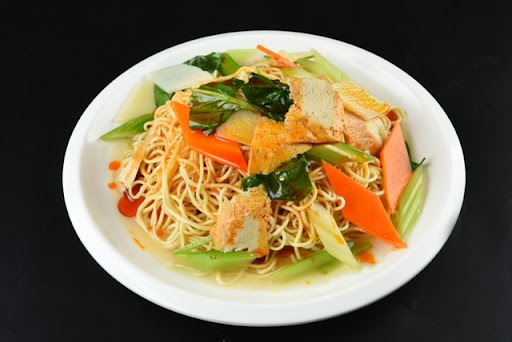
秘制麻酱凉面 Tallarines Fríos Con Salsa De Sésamo
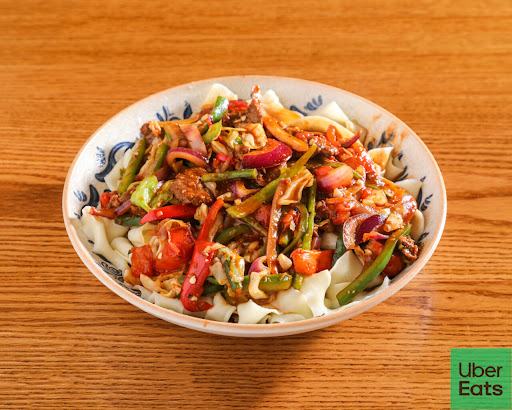
牛肉拌面 Tallarines Revuelto De Ternera

油泼面 Tallarines De Aceite Salpicado
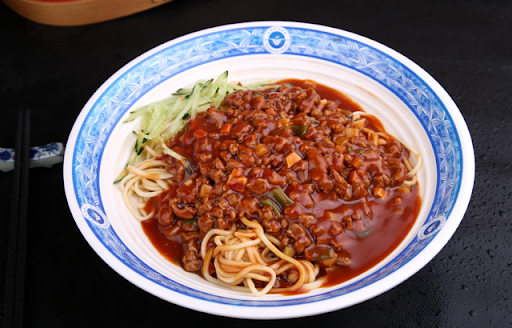
炸酱面 Tallarines Con Salsa De Soja Frita
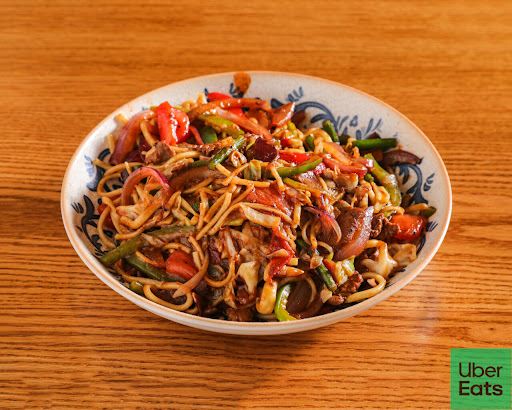
兰州牛肉炒面 Tallarines Salteado Al Estilo Lanzhou Con Ternera
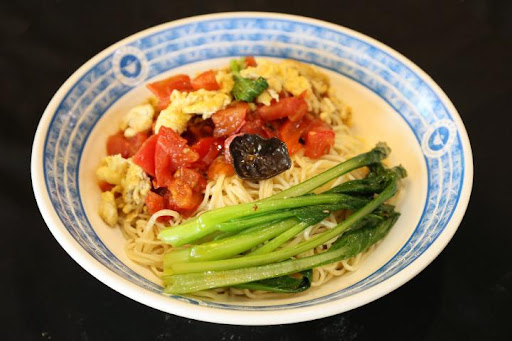
番茄鸡蛋炒面 Tallarines Salteado Con Tomate Y Huevo
传统兰州牛肉面 Caldo De Tallarines Tradicional De Lan Zhou Con Ternera
兰州牛肉炒面 Tallarines Salteado Al Estilo Lanzhou Con Ternera
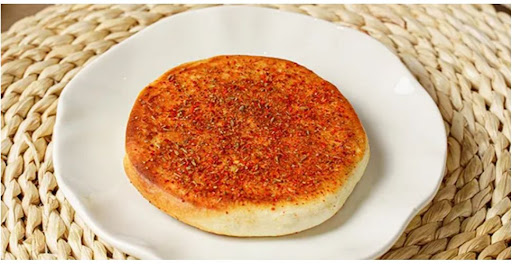
兰州烤饼 Pan Tostada Estilo Lanzhou
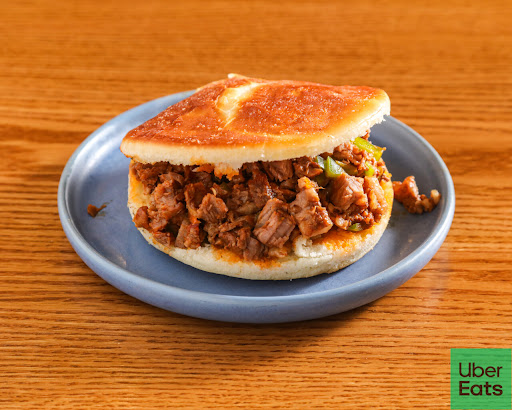
牛肉夹馍 Tortitas Rellenos De Ternera

五香茶叶蛋 Huevos De Té Especiados
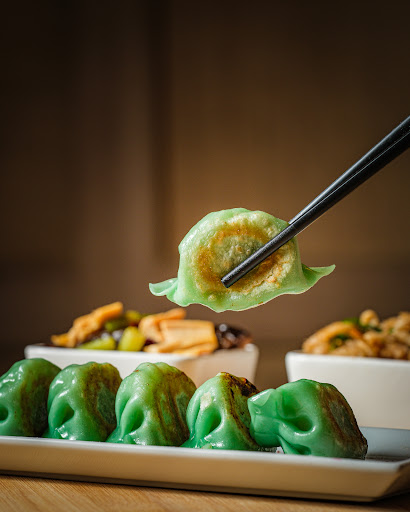
煎素饺 Guotie De Verdura A La Plancha
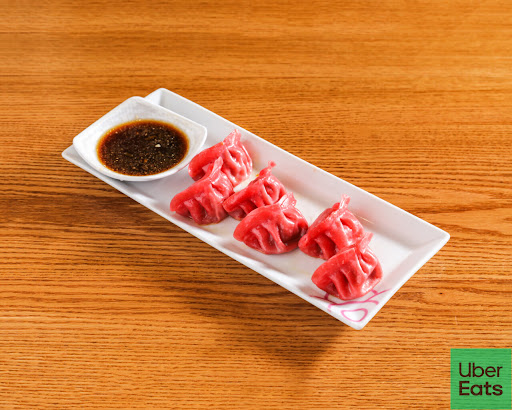
煎牛肉饺子 Guotie De Ternera A La Plancha
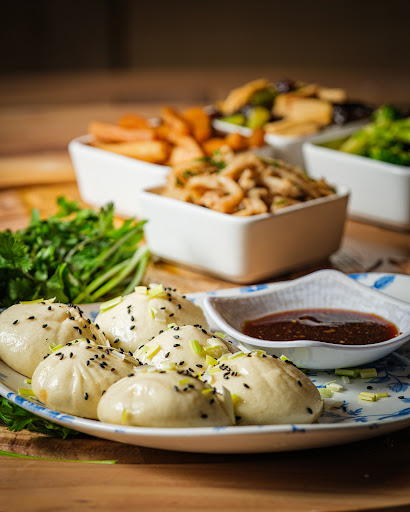
生煎包 Bollos De Pollo A La Plancha
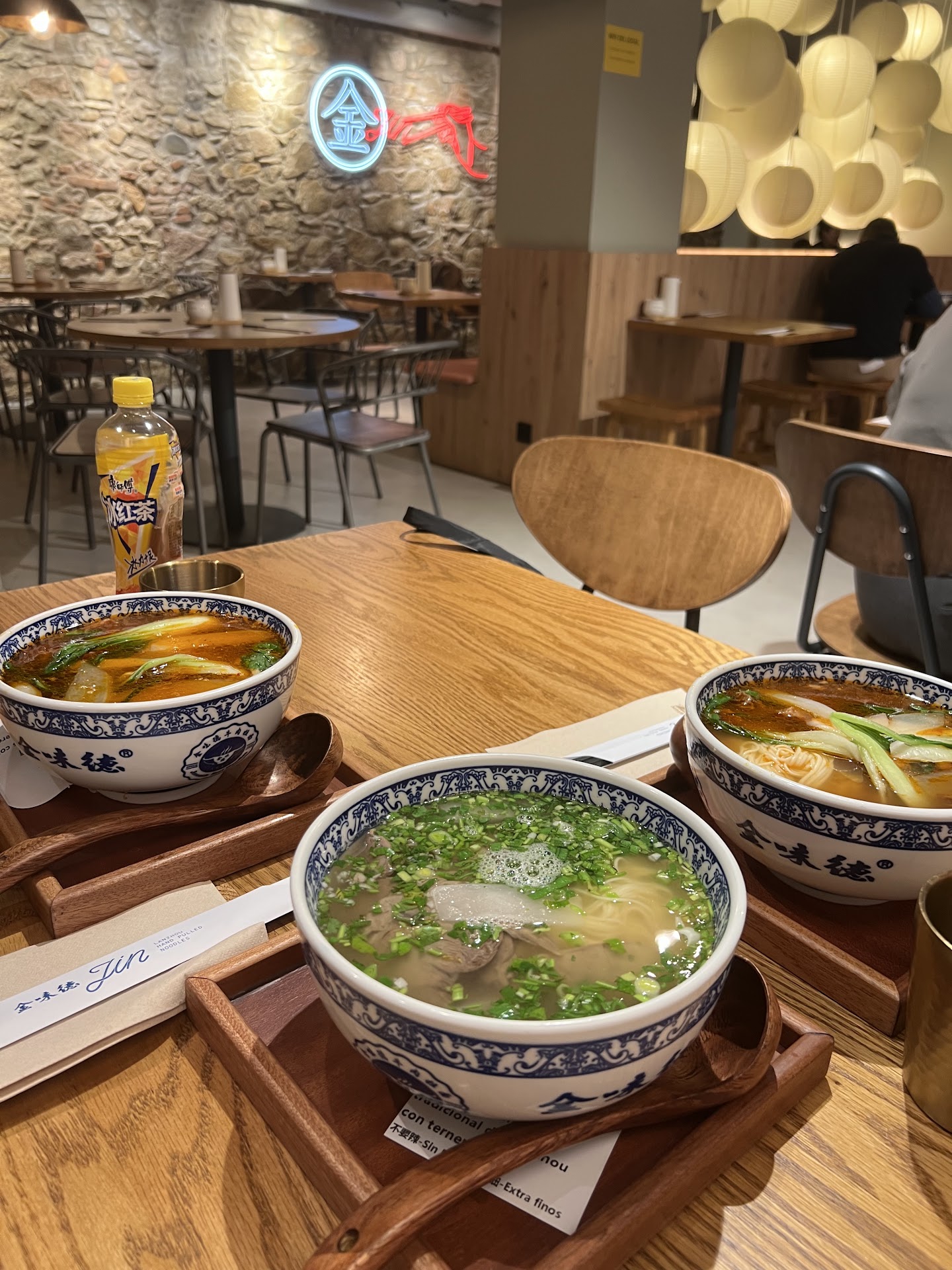
传统兰州牛肉面 Caldo De Tallarines Tradicional De Lan Zhou Con Ternera
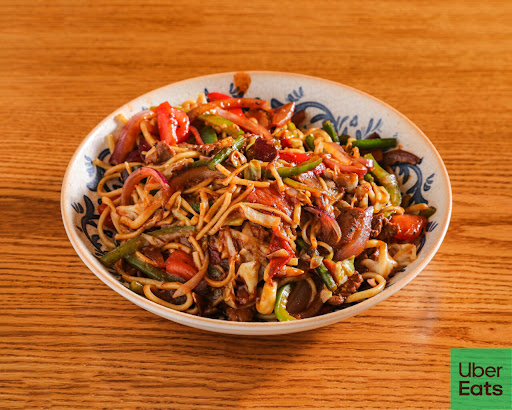
兰州牛肉炒面 Tallarines Salteado Al Estilo Lanzhou Con Ternera
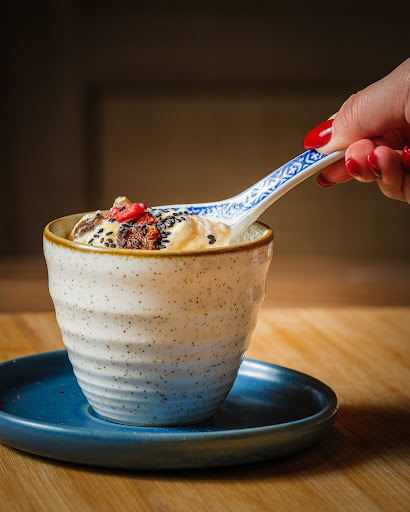
牛奶鸡蛋醪糟汤 Arroz Con Leche Al Estilo Lanzhou

烤鸡翅 Pincho De Alitas De Pollo
Reviews
Live events
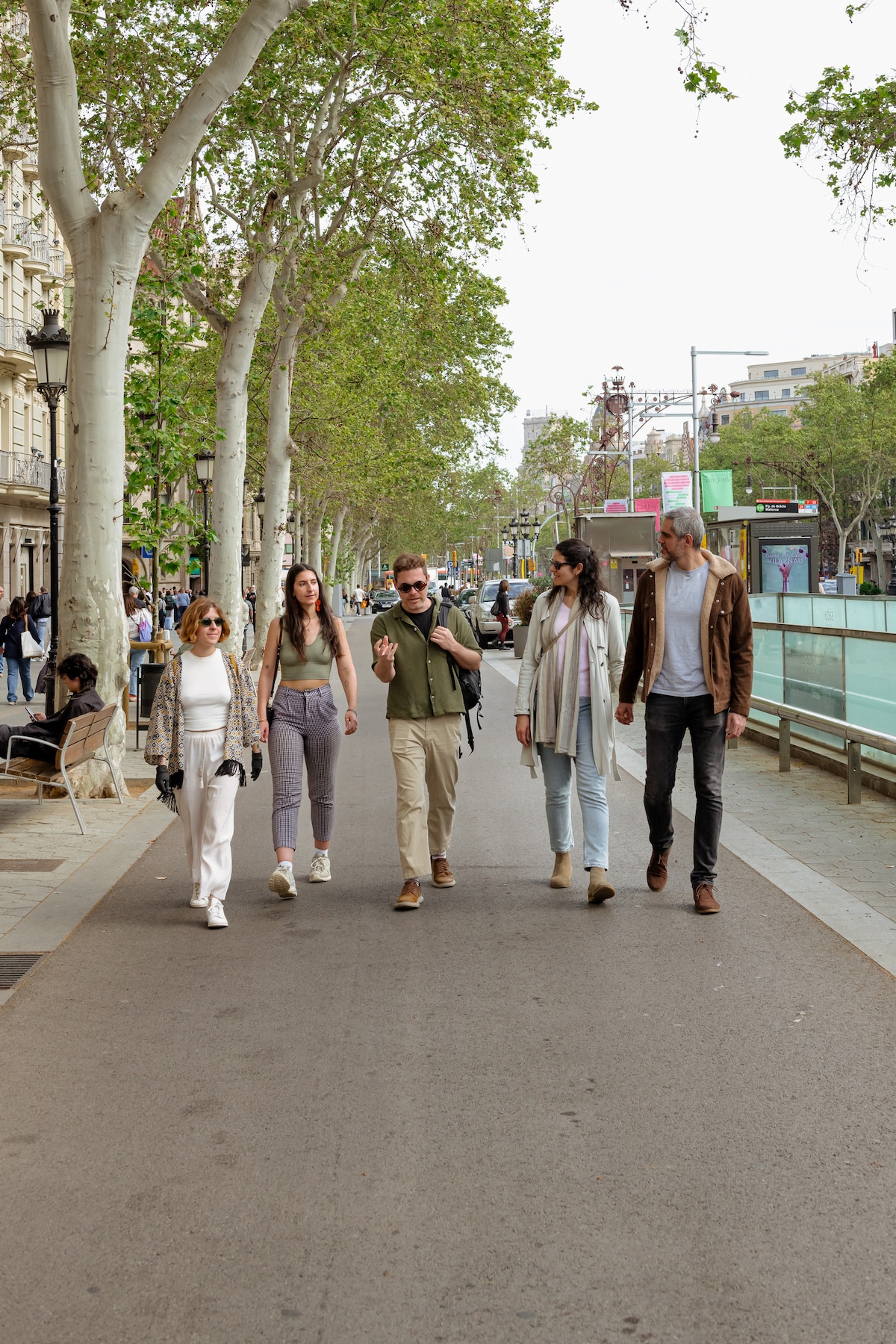
Sagrada Familia Sunset and Gaudi Tour
Sun, Feb 8 • 3:00 PM
08007, Barcelona, Catalonia, Spain
View details
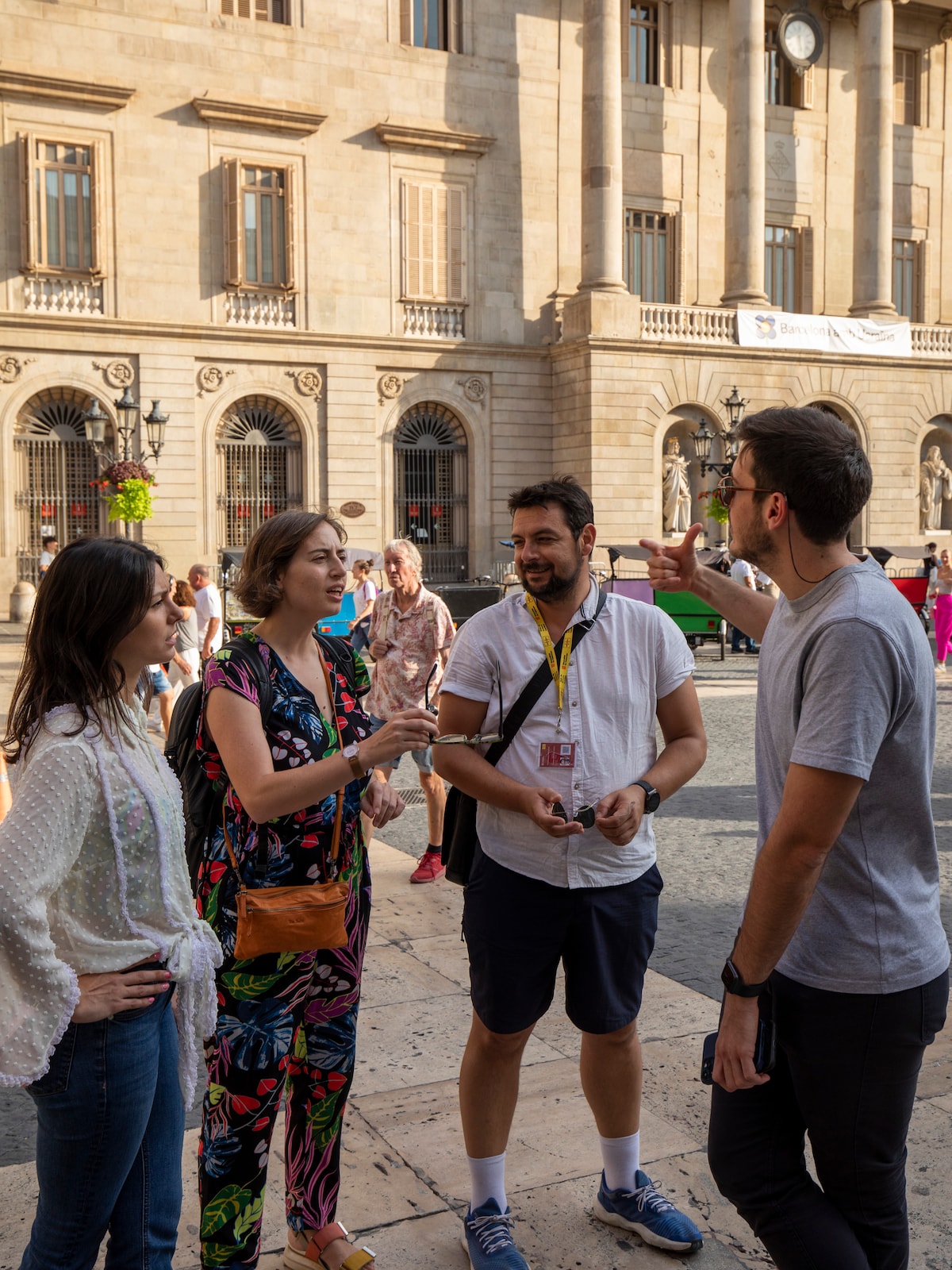
Step inside the Sagrada Familia with a guide
Sun, Feb 8 • 1:00 PM
08025, Barcelona, Catalonia, Spain
View details

PRIMER ANIVERSARIO DEL TATTOOX CLUB
Sat, Feb 7 • 6:00 PM
8 Carrer d'Ausiàs Marc 08010 Barcelona
View details
Nearby attractions of JIN LanZhou Ramen
Euroaula | Grado en Turismo | Ciclos Grado Superior | Másters
SABDA
Casa Batlló
Casa Xina (Casa Ferran Guardiola)
Nappuccino Corner
Teatre Coliseum
Museu del Modernisme de Barcelona
Jardi de Pluja Naturalizat
Víctor Lope Arte Contemporáneo
Museo Geológico del Seminario de Barcelona
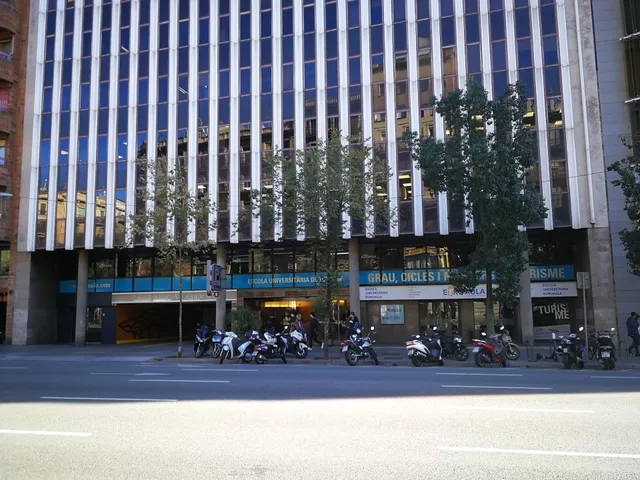
Euroaula | Grado en Turismo | Ciclos Grado Superior | Másters
4.3
(85)
Open until 12:00 AM
Click for details

SABDA
4.8
(190)
Closed
Click for details
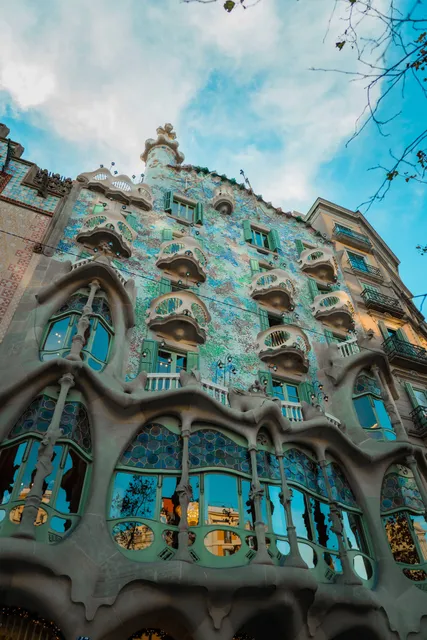
Casa Batlló
4.7
(60.5K)
Open until 10:30 PM
Click for details
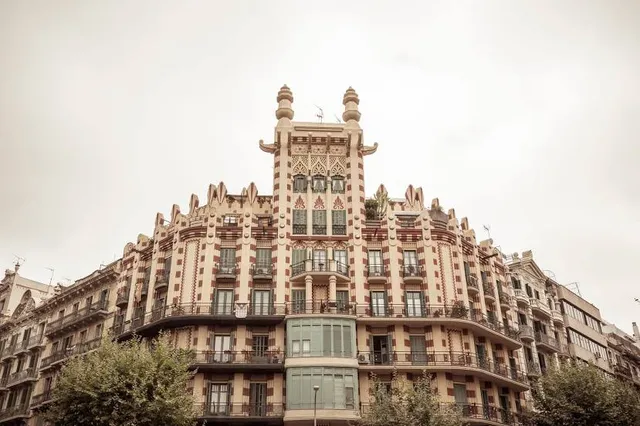
Casa Xina (Casa Ferran Guardiola)
4.7
(34)
Open 24 hours
Click for details
Nearby restaurants of JIN LanZhou Ramen
Local Tapas
Nikkei 103
La Flauta | Aribau
Garage Beer Co | Eixample
Flamant
Hideout Burger
Billy Brunch Headquarters
Pepa Bar a Vins
Lexi's Restaurant & Cocktail bar
DeLaCrem | Enric Granados
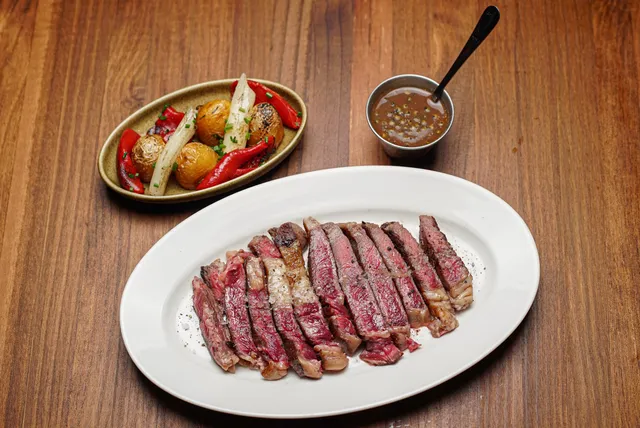
Local Tapas
4.7
(3.3K)
Open until 12:00 AM
Click for details
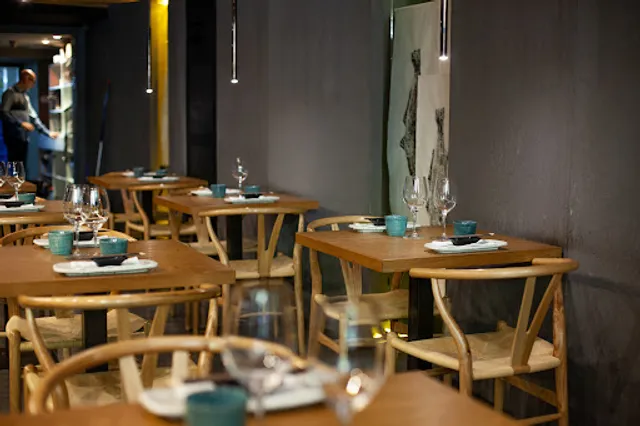
Nikkei 103
4.6
(2K)
Closed
Click for details
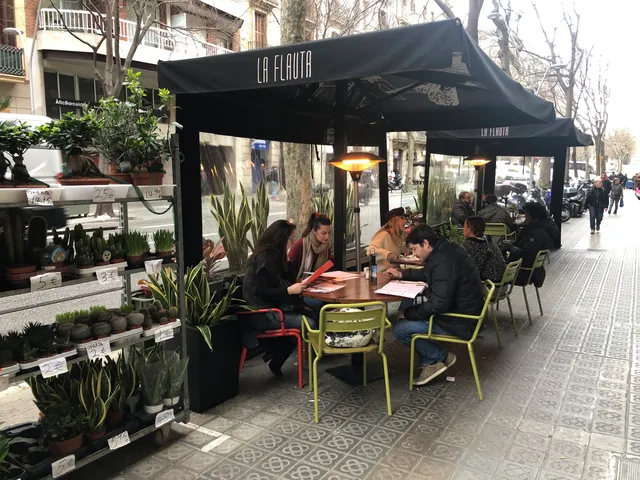
La Flauta | Aribau
4.5
(4.9K)
Open until 12:00 AM
Click for details
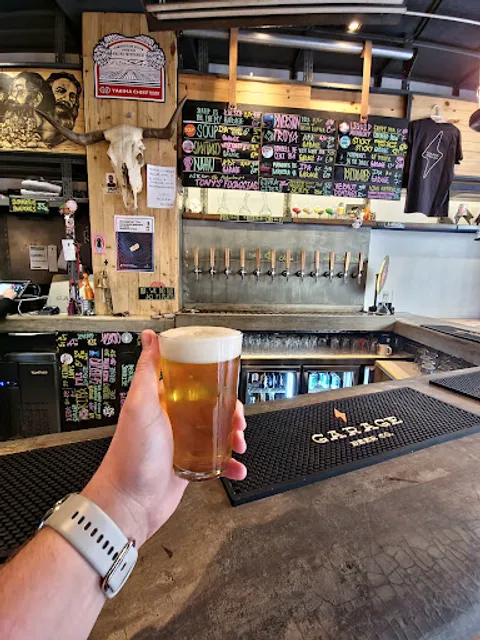
Garage Beer Co | Eixample
4.6
(2.1K)
Open until 3:00 AM
Click for details
Nearby local services of JIN LanZhou Ramen
99 cheesecake | Aribau
Spa Ibiza Posidonia wellness center
Diotronic
Aribau Multicines
Hair Cut Day Letamendi Salón Peluquería Barcelona
Moimo | Açaí & Smoothies
Herbolario Navarro - Barcelona Carrer de València 186
Edificio de la Universidad de Barcelona
Aventura Park Barcelona
Mercat del Ninot
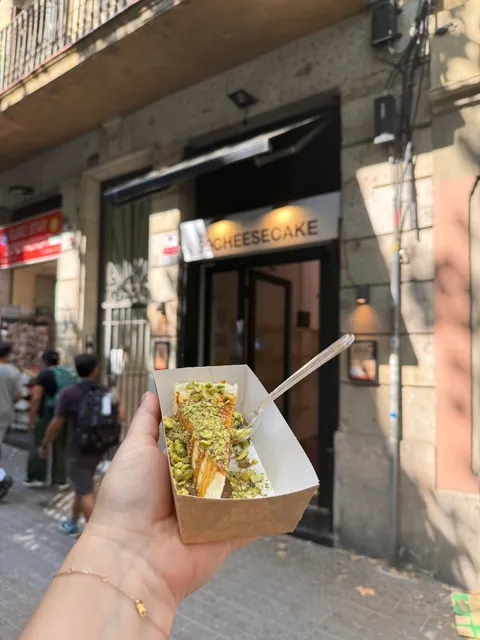
99 cheesecake | Aribau
4.6
(829)
Click for details
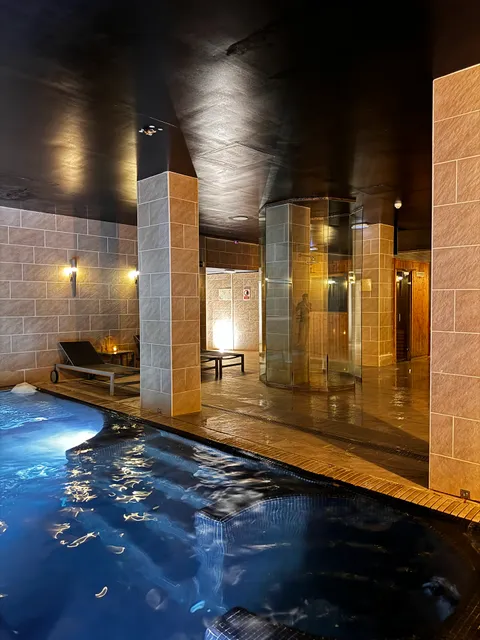
Spa Ibiza Posidonia wellness center
3.3
(148)
Click for details
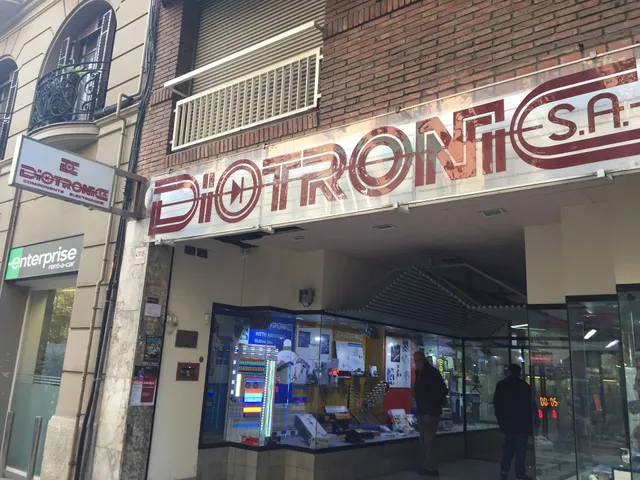
Diotronic
4.1
(544)
Click for details
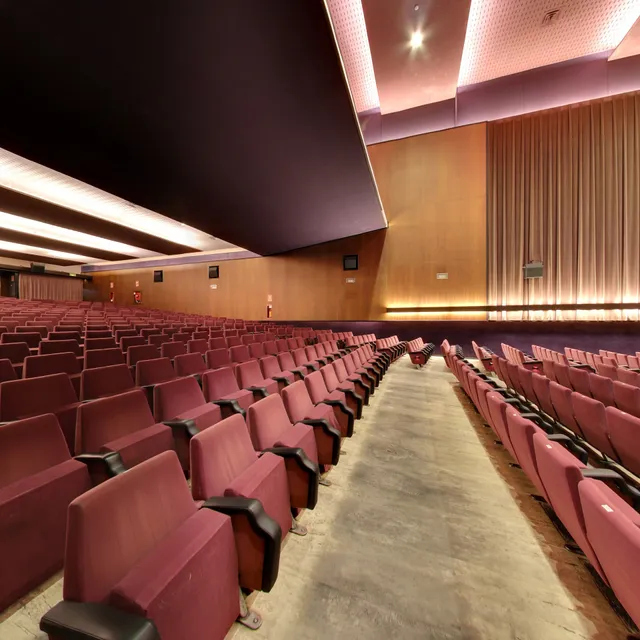
Aribau Multicines
4.0
(1.4K)
Click for details