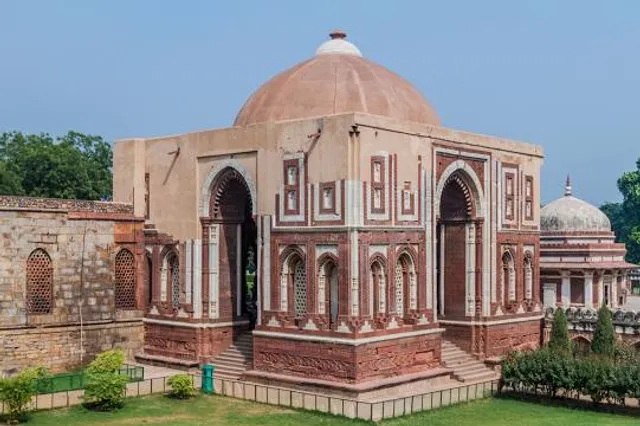
Ala'i Darwaza is the southern gateway of the Quwwat-ul-Islam Mosque in Qutb complex, Mehrauli, Delhi, India. Built by Sultan Alauddin Khalji in 1311 and made of red sandstone, it is a square domed gatehouse with arched entrances and houses a single chamber.
 Learn more insights from Wanderboat AI.



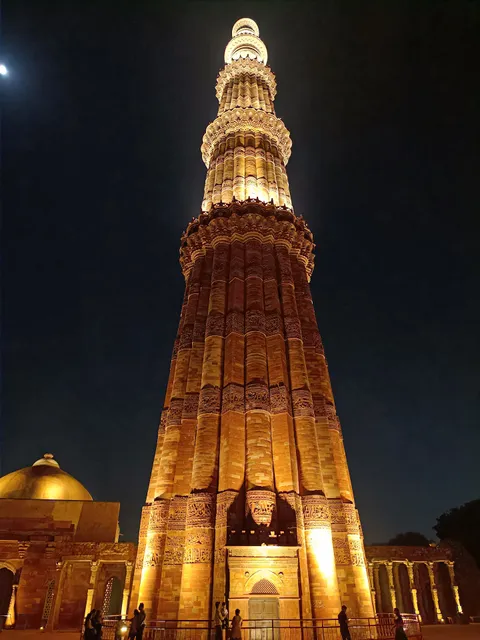
Qutb Minar
4.5
(50.1K)
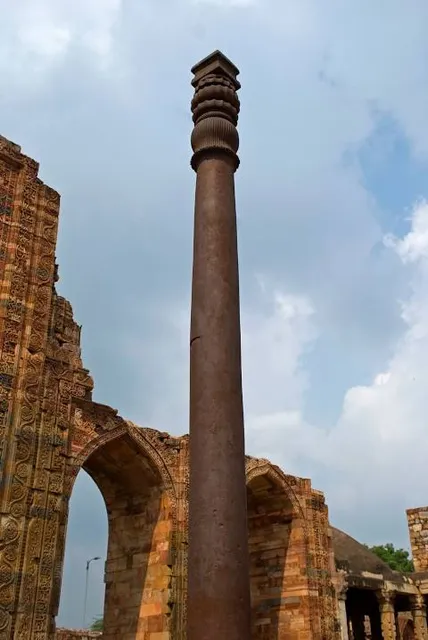
Iron Pillar, Delhi
4.6
(1.2K)
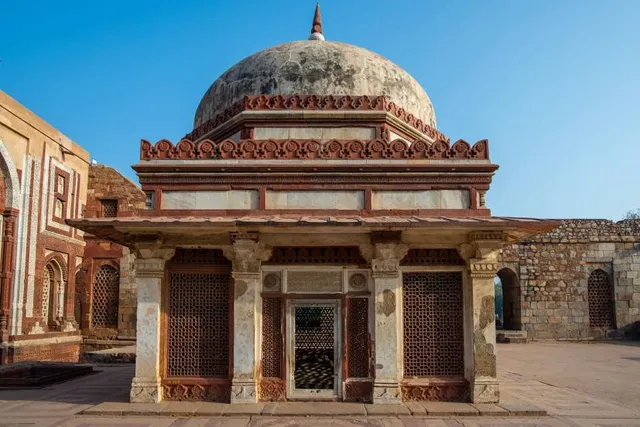
Imam Zamin's Tomb
4.4
(84)
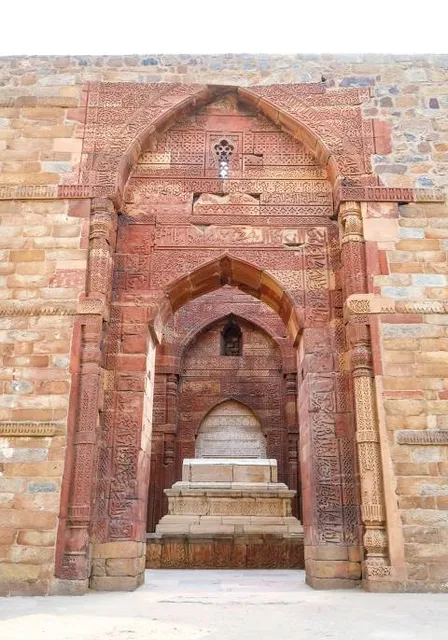
Sultan Shamsuddin Iltutmish Tomb
4.5
(212)


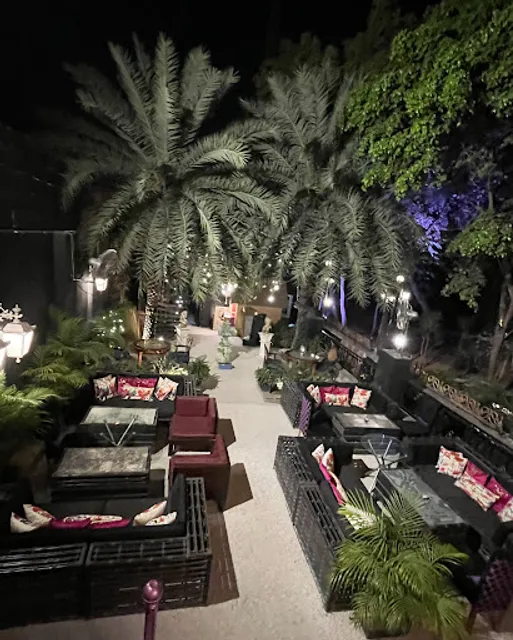
Dramz Delhi
4.1
(3.4K)
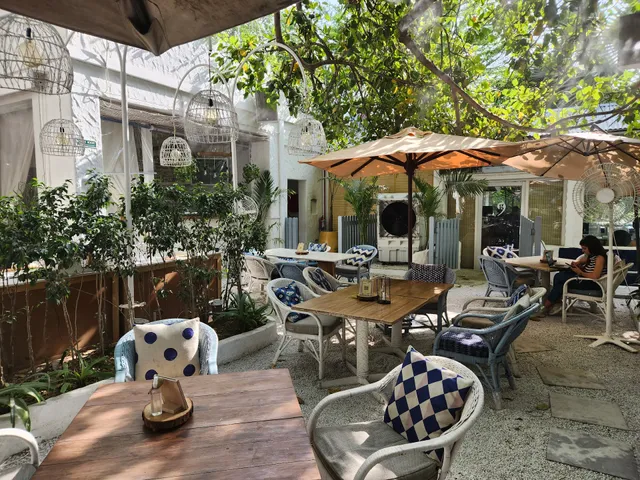
Olive Bar & Kitchen
4.6
(3.9K)
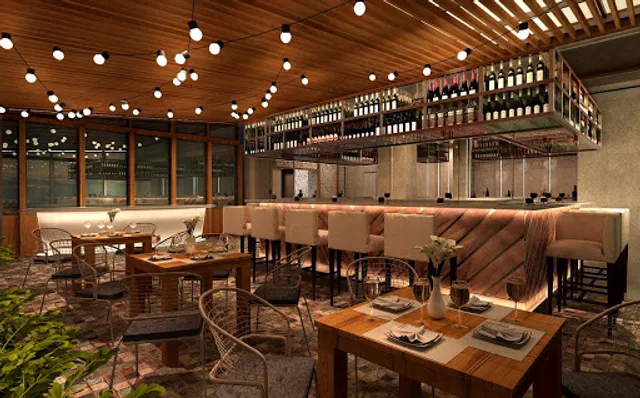
Bo tai Qutub
4.3
(612)
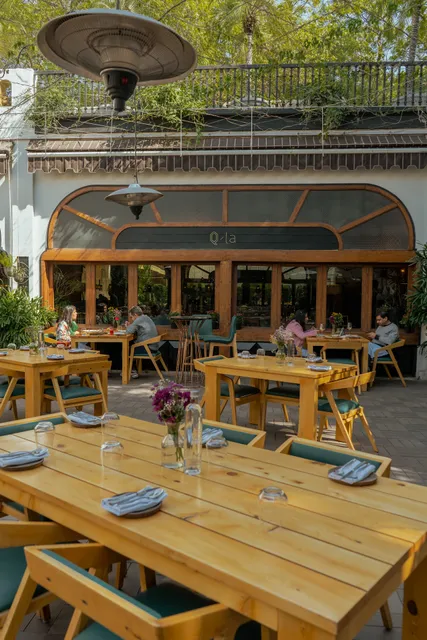
Qla
4.3
(1.2K)
$$
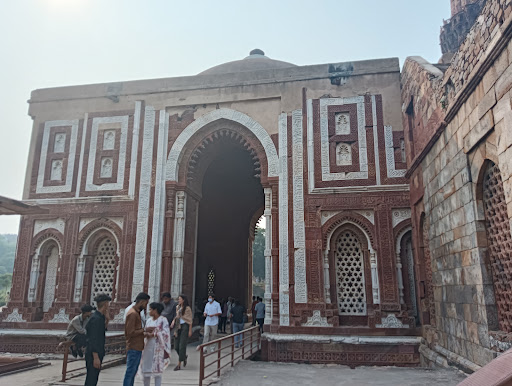
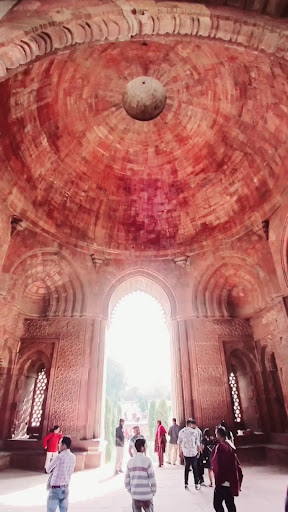
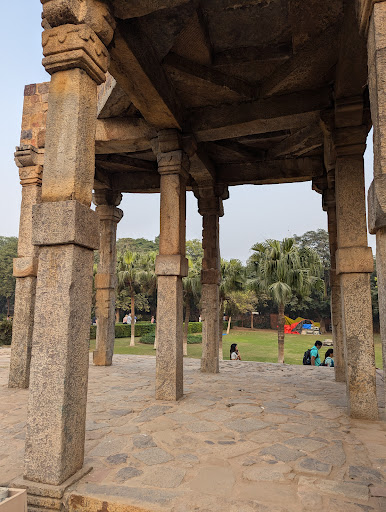
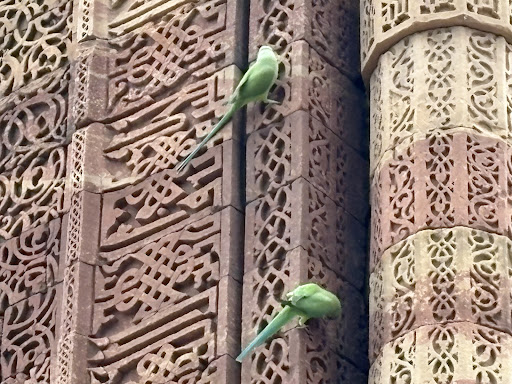

I didn’t expect to be this taken by a gateway, but Alai Darwaza honestly stopped me in my tracks. It’s right there in the Qutub Complex, not far from the minar, but it’s easy to overlook if you’re just rushing through. If you’re into architecture or just like finding little moments of calm and beauty while you travel — stop here.
Built in the 1300s by Alauddin Khilji (yes, that Khilji — if you’ve seen Padmavat, you know exactly who I’m talking about), it’s one of the earliest examples of Indo-Islamic architecture in India. You can see that blend clearly — the red sandstone, white marble inlays, the detailed lattice work, and those arches… perfect, balanced, and somehow still soft despite being made of stone.
What I really loved was how quiet it was compared to the rest of the complex. I sat there for a while, just taking it in. The way light filters through the archways is surprisingly beautiful. It’s not loud or grand like Qutub Minar, but it has its own quiet presence — calm, thoughtful, and kind of poetic in its own way.
It’s one of those places that reminds you why you love traveling — not just to “see” things, but to feel them. Definitely worth...
Read more
Visited Alai Darwaza during my Qutub Minar trip and I was genuinely impressed. It’s not very big, but it totally stands out with its red sandstone and intricate white marble inlay work. Like, you can just tell it was made with a lot of attention to detail — the arches, the carvings, everything looks super elegant and well thought out.
It’s basically this grand gateway that leads into the Qutub complex, built by Alauddin Khilji, and you can feel the Mughal-style influence starting to show in its design. It’s also surprisingly well preserved for something that old. I didn’t expect to stop there for long, but I ended up admiring it for quite a bit. Definitely one of those underrated gems that adds a lot of character to...
Read more
Alai Darwaza was built by Alauddin Khilji around 1311 as an entrance door to the Qutub Minar and Quwwat-ul-Islam mosque. This door was over 14 meters tall and had arches of very pleasing proportions that were very accurate. It is also the entrance to Quwwat-ul-Islam Mosque from the Southern side. The door also contains a magnificent dome built on correct scientific lines. It was the first time in Indian Architecture that such precision was achieved in making a dome. The Indian craftsman achieved great architectural and artistic skills in the...
Read more