HTML SitemapExplore

Mies van der Rohe Pavilion — Attraction in Barcelona

Name
Mies van der Rohe Pavilion
Description
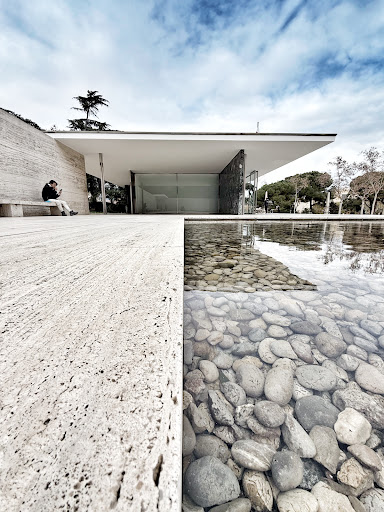
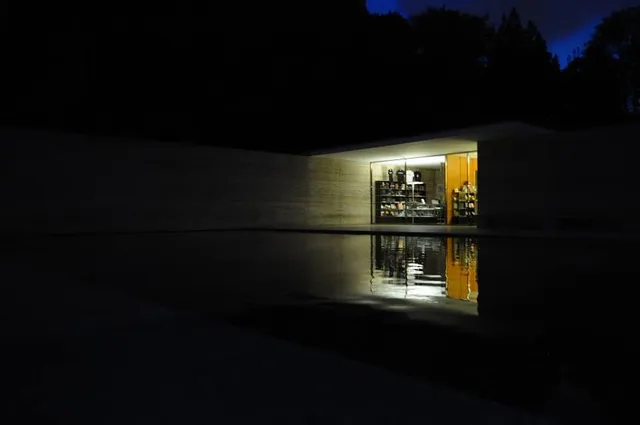
The Barcelona Pavilion, designed by Ludwig Mies van der Rohe and Lilly Reich, was the German Pavilion for the 1929 International Exposition in Barcelona, Spain. This building was used for the official opening of the German section of the exhibition.
Nearby attractions
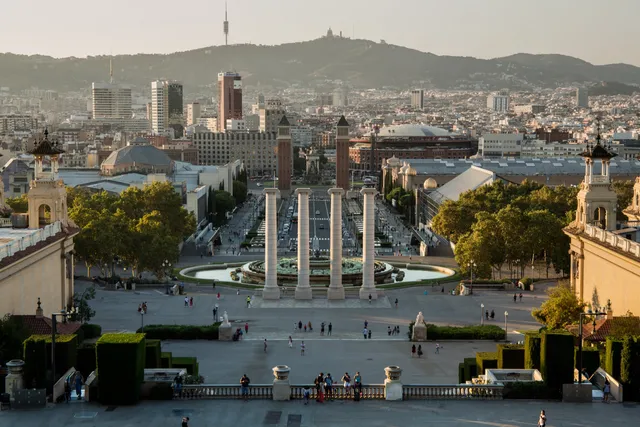
Magic Fountain of Montjuïc
Pl. de Carles Buïgas, Sants-Montjuïc, 08038 Barcelona, Spain
CaixaForum Barcelona
Av. de Francesc Ferrer i Guàrdia, 6-8, Sants-Montjuïc, 08038 Barcelona, Spain
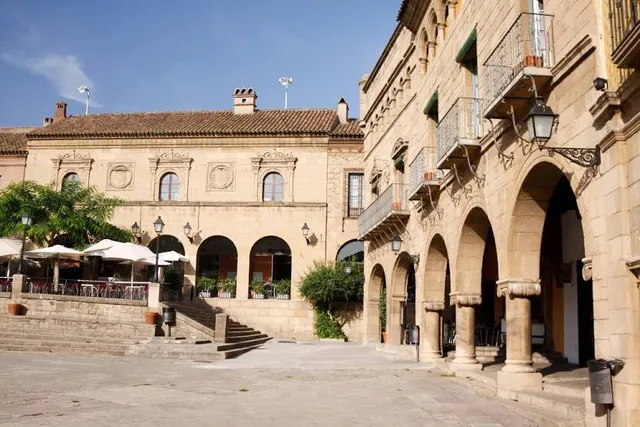
Poble Espanyol
Av. de Francesc Ferrer i Guàrdia, 13, Sants-Montjuïc, 08038 Barcelona, Spain
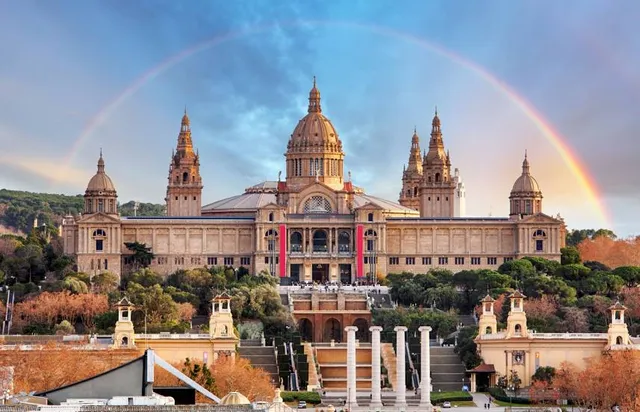
Museu Nacional d'Art de Catalunya
Palau Nacional, Parc de Montjuïc, s/n, Sants-Montjuïc, 08038 Barcelona, Spain
Palau de Congressos de Barcelona
Av. de la Reina Maria Cristina, s/n, Sants-Montjuïc, 08004 Barcelona, Spain
Fira de Barcelona
Av. de la Reina Maria Cristina, s/n, Sants-Montjuïc, 08004 Barcelona, Spain
Montjuïc National Palace
Palau Nacional, Sants-Montjuïc, 08038 Barcelona, Spain
Plaça d'Espanya
Pl. d'Espanya, Sants-Montjuïc, 08014 Barcelona, Spain
Four Columns
Pl. de Carles Buïgas, 7-11, Sants-Montjuïc, 08038 Barcelona, Spain
Venetian Towers
Av. de la Reina Maria Cristina, Sants-Montjuïc, 08004 Barcelona, Spain
Nearby restaurants
Tablao de Carmen
Porta d'Àvila-Poble Espanyol, Av. de Francesc Ferrer i Guàrdia, 13, Sants-Montjuïc, 08038 Barcelona, Spain
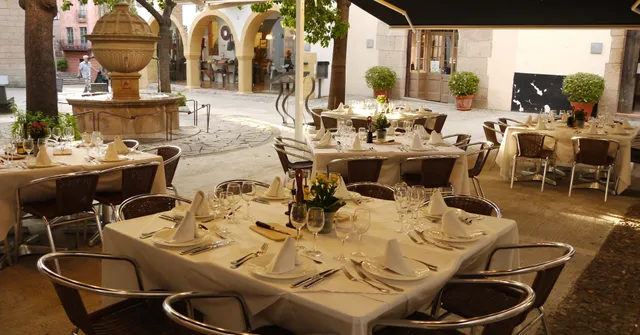
Restaurant La Font de Prades (Barcelona)
Poble Espanyol, Av. de Francesc Ferrer i Guàrdia, 13-27, Sants-Montjuïc, 08038 Barcelona, Spain
Bar Les Cascades
Pg. de Jean Forestier, s/n, Sants-Montjuïc, 08038 Barcelona, Spain
Cafè-restaurant CaixaForum Barcelona Singularis
Av. de Francesc Ferrer i Guàrdia, 6, 8, 08038, Sants-Montjuïc, 08004 Barcelona, Spain
Restaurant La Foixarda
Av. de Francesc Ferrer i Guàrdia, 13, Sants-Montjuïc, 08038 Barcelona, Spain
Bodega Amposta
Carrer d'Amposta, 1, Sants-Montjuïc, 08004 Barcelona, Spain
Waffle Barcelona | Brunch Barcelona
Gran Via de les Corts Catalanes, 300, Sants-Montjuïc, 08004 Barcelona, Spain
Restaurant MexGal
Recinto Poble Espanyol, Av. Francesc Ferrer i Guàrdia n 13, Buzon, 38, 08038 Barcelona, Spain
Casa Massana
Poble Espanyol de Montjuic, Av. de Francesc Ferrer i Guàrdia, 13, Sants-Montjuïc, 08038 Barcelona, Spain
Caldeira
Carrer de Sant Fructuós, 45, Sants-Montjuïc, 08004 Barcelona, Spain
Nearby local services
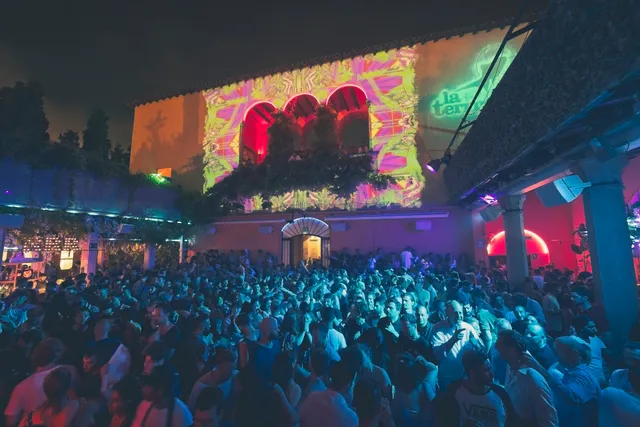
La Terrrazza Barcelona
Av. de Francesc Ferrer i Guàrdia, s/n, Sants-Montjuïc, 08038 Barcelona, Spain
Palau Victòria Eugènia
Pl. de Carles Buïgas, 7, Sants-Montjuïc, 08038 Barcelona, Spain
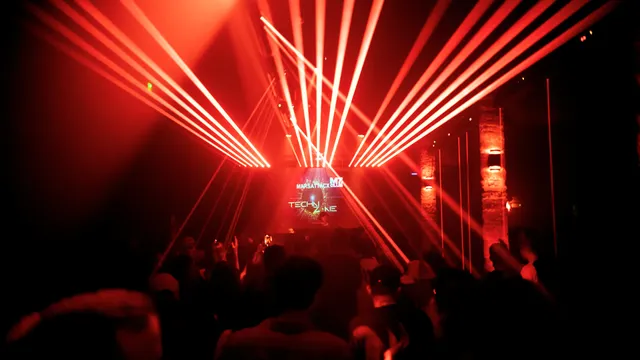
M7 Club Barcelona
Carrer de Mèxic, 7, Sants-Montjuïc, 08004 Barcelona, Spain
Wizarding Escape Rooms
Av. de Francesc Ferrer i Guàrdia, 13, Sants-Montjuïc, 08038 Barcelona, Spain
Mirador Barcelona
Carrer del Mirador del Palau Nacional, 19, Sants-Montjuïc, 08038 Barcelona, Spain
La Llamada Arcana - Escape Room
Carrer de Santa Dorotea, 6, Sants-Montjuïc, 08004 Barcelona, Spain
Sincro - Reformas integrales e Interiorismo Barcelona
Carrer de Mèxic, 11, Local V, Sants-Montjuïc, 08004 Barcelona, Spain
Vidania Gastronomia
Carrer de Sant Fructuós, 28, Sants-Montjuïc, 08004 Barcelona, Spain
Piscines Bernat Picornell
Av. de l'Estadi, 30-38, Sants-Montjuïc, 08038 Barcelona, Spain
Fnac
Gran Via de les Corts Catalanes, 373, Eixample, 08015 Barcelona, Spain
Nearby hotels
Hotel Indigo Barcelona Plaza Espana, an IHG Hotel
Gran Via de les Corts Catalanes, 322, Sants-Montjuïc, 08004 Barcelona, Spain
Fira Centric Apartments
Carrer de Mèxic, 24, Sants-Montjuïc, 08004 Barcelona, Spain
InterContinental Barcelona by IHG
Av. de Rius i Taulet, 1-3, Sants-Montjuïc, 08004 Barcelona, Spain
ClassBedroom Fira Business Apartments
Av. de Rius i Taulet, 1 Bis, Sants-Montjuïc, 08004 Barcelona, Spain
Hotel Brick Barcelona
C, Gran Via de les Corts Catalanes, 304, 08004 Barcelona, Spain
Acta Azul
Gran Via de les Corts Catalanes, 327, Sants-Montjuïc, 08014 Barcelona, Spain
Home to Home Barcelona
Carrer de Sant Fructuós, 37, Sants-Montjuïc, 08004 Barcelona, Spain
Hotel Catalonia Barcelona Plaza. MWC Hotel
Pl. d'Espanya, 8, Sants-Montjuïc, 08014 Barcelona, Spain
Hotel Occidental Barcelona 1929
Carrer Creu Coberta, 20-22, Sants-Montjuïc, 08014 Barcelona, Spain
BCN Montjuïc
Carrer de Sant Fructuós, 64, 74, Sants-Montjuïc, 08004 Barcelona, Spain
Related posts
Keywords
Mies van der Rohe Pavilion tourism.Mies van der Rohe Pavilion hotels.Mies van der Rohe Pavilion bed and breakfast. flights to Mies van der Rohe Pavilion.Mies van der Rohe Pavilion attractions.Mies van der Rohe Pavilion restaurants.Mies van der Rohe Pavilion local services.Mies van der Rohe Pavilion travel.Mies van der Rohe Pavilion travel guide.Mies van der Rohe Pavilion travel blog.Mies van der Rohe Pavilion pictures.Mies van der Rohe Pavilion photos.Mies van der Rohe Pavilion travel tips.Mies van der Rohe Pavilion maps.Mies van der Rohe Pavilion things to do.
Mies van der Rohe Pavilion things to do, attractions, restaurants, events info and trip planning
Mies van der Rohe Pavilion
SpainCataloniaBarcelonaMies van der Rohe Pavilion

Basic Info

Mies van der Rohe Pavilion

Av. de Francesc Ferrer i Guàrdia, 7, Sants-Montjuïc, 08038 Barcelona, Spain
4.5(1.6K)
Closed
ticket
ticket
ticket
Get
tickets
Save
spot

Ratings & Description

Info

The Barcelona Pavilion, designed by Ludwig Mies van der Rohe and Lilly Reich, was the German Pavilion for the 1929 International Exposition in Barcelona, Spain. This building was used for the official opening of the German section of the exhibition.

Cultural
Accessibility
attractions: Magic Fountain of Montjuïc, CaixaForum Barcelona, Poble Espanyol, Museu Nacional d'Art de Catalunya, Palau de Congressos de Barcelona, Fira de Barcelona, Montjuïc National Palace, Plaça d'Espanya, Four Columns, Venetian Towers, restaurants: Tablao de Carmen, Restaurant La Font de Prades (Barcelona), Bar Les Cascades, Cafè-restaurant CaixaForum Barcelona Singularis, Restaurant La Foixarda, Bodega Amposta, Waffle Barcelona | Brunch Barcelona, Restaurant MexGal, Casa Massana, Caldeira, local businesses: La Terrrazza Barcelona, Palau Victòria Eugènia, M7 Club Barcelona, Wizarding Escape Rooms, Mirador Barcelona, La Llamada Arcana - Escape Room, Sincro - Reformas integrales e Interiorismo Barcelona, Vidania Gastronomia, Piscines Bernat Picornell, Fnac

logoLearn more insights from Wanderboat AI.
Phone
+34 932 15 10 11
Website
miesbcn.com
Open hoursSee all hours
Sat10 AM - 6 PMClosed

Plan your stay

hotel
Pet-friendly Hotels in Barcelona
Find a cozy hotel nearby and make it a full experience.
hotel
Affordable Hotels in Barcelona
Find a cozy hotel nearby and make it a full experience.
hotel
The Coolest Hotels You Haven't Heard Of (Yet)
Find a cozy hotel nearby and make it a full experience.
hotel
Trending Stays Worth the Hype in Barcelona
Find a cozy hotel nearby and make it a full experience.

Reviews

Live events

The Castle Wine Tour in Penedès, Wine & Tapas
Tue, Jan 27 • 10:00 AM
08021, Barcelona, Catalonia, Spain
View details
Authentic Paella Class, Market Tour, Tapas & More
Sat, Jan 24 • 10:00 AM
08001, Barcelona, Catalonia, Spain
View details
Live Barça like a local: Prematch & Best Fan Seats
Sun, Jan 25 • 2:15 PM
08028, Barcelona, Catalonia, Spain
View details

Nearby attractions of Mies van der Rohe Pavilion

Magic Fountain of Montjuïc

CaixaForum Barcelona

Poble Espanyol

Museu Nacional d'Art de Catalunya

Palau de Congressos de Barcelona

Fira de Barcelona

Montjuïc National Palace

Plaça d'Espanya

Four Columns

Venetian Towers

Magic Fountain of Montjuïc

Magic Fountain of Montjuïc

4.6

(29.1K)

Open 24 hours
Click for details
CaixaForum Barcelona

CaixaForum Barcelona

4.5

(6.9K)

Closed
Click for details
Poble Espanyol

Poble Espanyol

4.2

(14.3K)

Closed
Click for details
Museu Nacional d'Art de Catalunya

Museu Nacional d'Art de Catalunya

4.7

(13.7K)

Closed
Click for details

Nearby restaurants of Mies van der Rohe Pavilion

Tablao de Carmen

Restaurant La Font de Prades (Barcelona)

Bar Les Cascades

Cafè-restaurant CaixaForum Barcelona Singularis

Restaurant La Foixarda

Bodega Amposta

Waffle Barcelona | Brunch Barcelona

Restaurant MexGal

Casa Massana

Caldeira

Tablao de Carmen

Tablao de Carmen

4.7

(1.3K)

Click for details
Restaurant La Font de Prades (Barcelona)

Restaurant La Font de Prades (Barcelona)

4.2

(726)

Closed
Click for details
Bar Les Cascades

Bar Les Cascades

4.1

(675)

Closed
Click for details
Cafè-restaurant CaixaForum Barcelona Singularis

Cafè-restaurant CaixaForum Barcelona Singularis

4.0

(154)

Closed
Click for details

Nearby local services of Mies van der Rohe Pavilion

La Terrrazza Barcelona

Palau Victòria Eugènia

M7 Club Barcelona

Wizarding Escape Rooms

Mirador Barcelona

La Llamada Arcana - Escape Room

Sincro - Reformas integrales e Interiorismo Barcelona

Vidania Gastronomia

Piscines Bernat Picornell

Fnac

La Terrrazza Barcelona

La Terrrazza Barcelona

4.1

(717)

Click for details
Palau Victòria Eugènia

Palau Victòria Eugènia

4.3

(120)

Click for details
M7 Club Barcelona

M7 Club Barcelona

4.4

(603)

Click for details
Wizarding Escape Rooms

Wizarding Escape Rooms

4.9

(419)

Click for details
Get the Appoverlay
Get the AppOne tap to find yournext favorite spots!
Wanderboat LogoWanderboat

Your everyday Al companion for getaway ideas

CompanyAbout Us
InformationAI Trip PlannerSitemap
SocialXInstagramTiktokLinkedin
LegalTerms of ServicePrivacy Policy

Get the app

© 2025 Wanderboat. All rights reserved.

Reviews of Mies van der Rohe Pavilion

4.5
(1,597)
avatar
5.0
42w

Mies and Lilly Reich's ultra modern concept, sans clutter and compression, was absolutely pivitol and ground breaking for 1929 as architecture and interiors were full swing into Art Deco. Ahead of its time, the pavillions true curtain walls of glass, open floor plans, vanishing lines with horizontal responses, distinct superimposed logic and synchronized interiors galvanized architects/interior designers toward bespoke draftman/craftsmanship. The Barcelona Pavillion could be built in LA with a view and still compete with todays modern architecture!

The German exhibit for the 1929 Barcelona International Exposition Designed by self taught "architect" Mies van der Rohe (3rd and last Bauhaus director, 1930-33) and long time dear friend and gifted interior designer/architect Lilly Reich (German pavillion artistic director 1928). Together, their work shares references to thier previous Villa Tugendhat collaboration: Polished marble, onyx and travertine Glass curtain walls Female Sculpture Interior design Open floor plan Sleek profiled chrome cruciform steel covered columns. Mies' element of reflection ponds demonstrate his keen interest of well being in any environment. This is further elevated with sculpture.

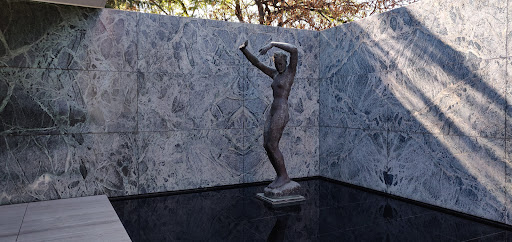
The sculpture, Dawn, by iconic German artist Georg Kolbe (1877–1947). The sculpture rests behind eight single glass panes that relax the pavillions linear perspectives with curved lines, emotion, movement. Todays sculpture is a replica, the original was returned during the pavillions dismantle 1930. However, 50 years later 1986, Spain architects noted the significant importance and reconstructed the pavillion referencing on-site footings, preserved images and drawings. Some of these drawings included sketches for two chairs.

Staged inside the pavillion are two chairs avant-garde. Lilly and Mies collaborated on the design of the Barcelona Chair for Spains King/spouse presentation walk through. The chairs design (1929) reveals the lineage of ancient Rome guilded curule chair with bronze legs, belonging to sellae curules with folding scissor axis used only by significant municipalities. Mies/Lily's design reorientated the scissor axis by 90 degrees with a reclined back support sans armrests. The cushions were meticulously tailored (tufted/piped) in white pigskin, detailed with buttons and lined with horse hair. Beneath are leather support straps brilliantly referencing the curule chair folding lattice. The frame has gone through many material/design iterations over the years. The chairs lineage, perfect proportions, iconic simplicity, superlative cushions and frame design brilliantly synchronizes with any present architecture (self explained), or past demonstrated by staging the Barcelona Chair on the portico of the Greek temple Erechtheion.

Thank you Mies, Lilly and George for sharing your talents, vision and ushering an ultra modern architecture/interior era. Muchas gracias Catalan architects Ignasi de Solà-Morales, Cristian Cirici and Fernando Ramos whom researched and supervised the pavillions reconstruction, and to the many grounds keepers and maintenance teams who meticulously preserve it.

Architecture is the will of an epoch translated into space. Living, changing, new.

-Ludwig Mies van der...

   Read more
avatar
5.0
6y

The German Pavilion was designed by Ludwig Mies van der Rohe in 1929 as the work of German representation for the International Exhibition of Barcelona held in Montjuic that same year. The Pavilion was conceived as an enclosure of modest dimensions and refined materials. Glass, steel and four kinds of marble were intended to house the official reception chaired by King Alfonso XIII together with the German authorities. The originality in the use of materials always highlighted in the work, lies not in the novelty of them but in the ideal of modernity they represented and their rigorous application, in terms of their geometry, of the precision of their pieces and of the clarity of its assembly. Known as one of the most important works of modern architecture, the pavilion is characterized by the radical simplicity of its spatial organization and forms, together with an ostentatious elegance of the applied materials. Fruit of the continuous analysis to which it has been exposed throughout the years, different influences are attributed to it, among which stand out the particular taste of its creator for the traditional Japanese architecture, the suprematism and the neoplasticism. After the closing of the Exhibition, the Pavilion had to be dismantled in 1930. But due to the great interest generated by the work and its subsequent recognition, the need for its reconstruction...

   Read more
avatar
5.0
1y

Modernist buildings are best viewed in old photographs - from the period when they were built. It's good if there's a car next to them. Only then can you see how far ahead of their time they were. The way they were designed makes you automatically think that instead of a Ford T or other vintage automobile, there should be at least a modern Tesla there.

The Barcelona Pavilion is somewhat hidden among the trees. It doesn't stand out and isn't as famous as the Sagrada Familia or Park Güell. It wasn't even designed by Gaudi... And yet, it is a work that changed the history of architecture and design.

Designed almost 100 years ago (1929), for the International Exposition by "Steve Jobs" of architecture -Ludwig Mies Van Der Rohe is the quintessence of the architect's two most famous maxims: Less is more and God is in details.

Several onyx, marble and travertine walls, a basin with water, the sculpture "Awakening of the Dawn" and armchairs that the architect designed especially for this occasion with his partner Lily Reich, and which are still produced under the name Barcelona, ​​becoming some of the most famous furniture in the world.

In this place, refined in the smallest detail, the sense of scale, perspective and whether you are inside or outside is disturbed. The senses go crazy and at the same time you feel blissful peace like in a...

   Read more
Page 1 of 7
Previous
Next

Posts

Pratik ShendePratik Shende
The German Pavilion was designed by Ludwig Mies van der Rohe in 1929 as the work of German representation for the International Exhibition of Barcelona held in Montjuic that same year. The Pavilion was conceived as an enclosure of modest dimensions and refined materials. Glass, steel and four kinds of marble were intended to house the official reception chaired by King Alfonso XIII together with the German authorities. The originality in the use of materials always highlighted in the work, lies not in the novelty of them but in the ideal of modernity they represented and their rigorous application, in terms of their geometry, of the precision of their pieces and of the clarity of its assembly. Known as one of the most important works of modern architecture, the pavilion is characterized by the radical simplicity of its spatial organization and forms, together with an ostentatious elegance of the applied materials. Fruit of the continuous analysis to which it has been exposed throughout the years, different influences are attributed to it, among which stand out the particular taste of its creator for the traditional Japanese architecture, the suprematism and the neoplasticism. After the closing of the Exhibition, the Pavilion had to be dismantled in 1930. But due to the great interest generated by the work and its subsequent recognition, the need for its reconstruction was considered.
Your browser does not support the video tag.
Janine AvelarJanine Avelar
Uma obra de arte da arquitetura mundial!
Michał BreśMichał Breś
Modernist buildings are best viewed in old photographs - from the period when they were built. It's good if there's a car next to them. Only then can you see how far ahead of their time they were. The way they were designed makes you automatically think that instead of a Ford T or other vintage automobile, there should be at least a modern Tesla there. The Barcelona Pavilion is somewhat hidden among the trees. It doesn't stand out and isn't as famous as the Sagrada Familia or Park Güell. It wasn't even designed by Gaudi... And yet, it is a work that changed the history of architecture and design. Designed almost 100 years ago (1929), for the International Exposition by "Steve Jobs" of architecture -Ludwig Mies Van Der Rohe is the quintessence of the architect's two most famous maxims: Less is more and God is in details. Several onyx, marble and travertine walls, a basin with water, the sculpture "Awakening of the Dawn" and armchairs that the architect designed especially for this occasion with his partner Lily Reich, and which are still produced under the name Barcelona, ​​becoming some of the most famous furniture in the world. In this place, refined in the smallest detail, the sense of scale, perspective and whether you are inside or outside is disturbed. The senses go crazy and at the same time you feel blissful peace like in a Japanese temple.
See more posts
See more posts
hotel
Find your stay

Pet-friendly Hotels in Barcelona

Find a cozy hotel nearby and make it a full experience.

The German Pavilion was designed by Ludwig Mies van der Rohe in 1929 as the work of German representation for the International Exhibition of Barcelona held in Montjuic that same year. The Pavilion was conceived as an enclosure of modest dimensions and refined materials. Glass, steel and four kinds of marble were intended to house the official reception chaired by King Alfonso XIII together with the German authorities. The originality in the use of materials always highlighted in the work, lies not in the novelty of them but in the ideal of modernity they represented and their rigorous application, in terms of their geometry, of the precision of their pieces and of the clarity of its assembly. Known as one of the most important works of modern architecture, the pavilion is characterized by the radical simplicity of its spatial organization and forms, together with an ostentatious elegance of the applied materials. Fruit of the continuous analysis to which it has been exposed throughout the years, different influences are attributed to it, among which stand out the particular taste of its creator for the traditional Japanese architecture, the suprematism and the neoplasticism. After the closing of the Exhibition, the Pavilion had to be dismantled in 1930. But due to the great interest generated by the work and its subsequent recognition, the need for its reconstruction was considered.
Pratik Shende

Pratik Shende

hotel
Find your stay

Affordable Hotels in Barcelona

Find a cozy hotel nearby and make it a full experience.

Get the Appoverlay
Get the AppOne tap to find yournext favorite spots!
Uma obra de arte da arquitetura mundial!
Janine Avelar

Janine Avelar

hotel
Find your stay

The Coolest Hotels You Haven't Heard Of (Yet)

Find a cozy hotel nearby and make it a full experience.

hotel
Find your stay

Trending Stays Worth the Hype in Barcelona

Find a cozy hotel nearby and make it a full experience.

Modernist buildings are best viewed in old photographs - from the period when they were built. It's good if there's a car next to them. Only then can you see how far ahead of their time they were. The way they were designed makes you automatically think that instead of a Ford T or other vintage automobile, there should be at least a modern Tesla there. The Barcelona Pavilion is somewhat hidden among the trees. It doesn't stand out and isn't as famous as the Sagrada Familia or Park Güell. It wasn't even designed by Gaudi... And yet, it is a work that changed the history of architecture and design. Designed almost 100 years ago (1929), for the International Exposition by "Steve Jobs" of architecture -Ludwig Mies Van Der Rohe is the quintessence of the architect's two most famous maxims: Less is more and God is in details. Several onyx, marble and travertine walls, a basin with water, the sculpture "Awakening of the Dawn" and armchairs that the architect designed especially for this occasion with his partner Lily Reich, and which are still produced under the name Barcelona, ​​becoming some of the most famous furniture in the world. In this place, refined in the smallest detail, the sense of scale, perspective and whether you are inside or outside is disturbed. The senses go crazy and at the same time you feel blissful peace like in a Japanese temple.
Michał Breś

Michał Breś

See more posts
See more posts