HTML SitemapExplore
logo
Find Things to DoFind The Best Restaurants

National Historical Museum — Attraction in Tirana Municipality

Name
National Historical Museum
Description
Nearby attractions
Skanderbeg Square
Plaza Tirana, Sheshi Skender Beu, Tiranë 1001, Albania
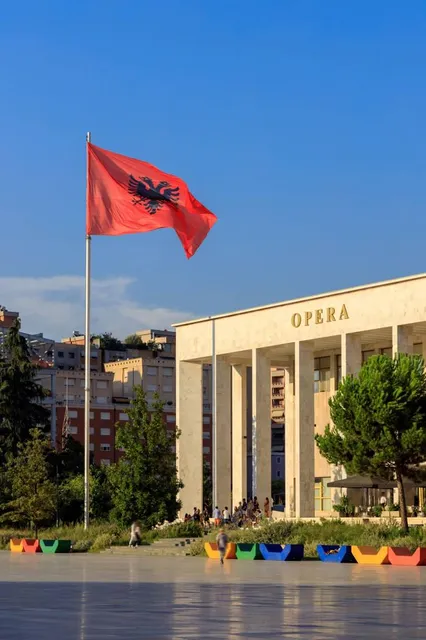
National Theatre of Opera, Ballet and Folk Ensamble
Pallati i Kulturës, Sheshi Skënderbej, Tiranë, Albania
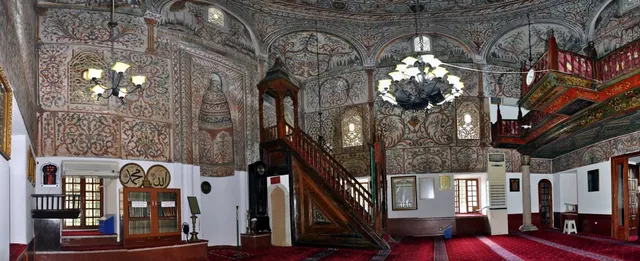
Et'hem Bej Mosque
Sheshi Skënderbej 1, Tiranë 1001, Albania
Bunk'Art 2
Street Abdi Toptani, Tiranë, Albania
Palace of Culture
8RH9+HR6, Sheshi Skënderbej, Tiranë 1000, Albania
House of Leaves Museum
Rruga Ibrahim Rugova 12, Tiranë 1001, Albania
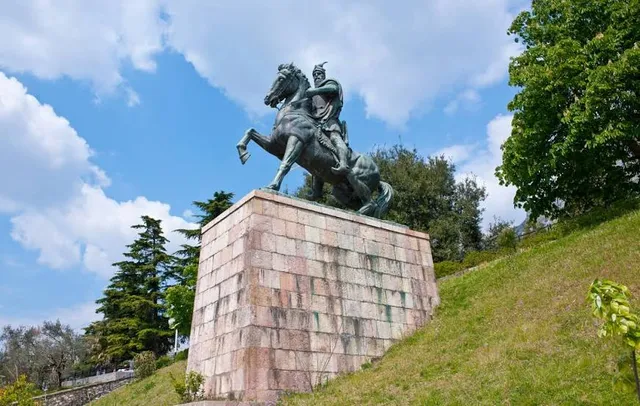
Equestrian statue of Skanderbeg
8RH9+3CW, Sheshi Skënderbej, Tiranë, Albania
Orthodox Cathedral of Resurrection
Katedralja Orthodhokse 'Ngjallja e Krishtit', Rruga Ibrahim Rugova 1, Tiranë 1001, Albania
The Clock Tower Of Tirana
Kulla e Sahatit, Tiranë, Albania
Rinia Park
Tiranë, Albania
Nearby restaurants
L'INCONTRO Caffe & Bistrot
Palace of Culture, Skanderbeg Square, Tiranë, Albania
Taverna Paidhaqe DAJKUA
Rruga Bardhok Biba 75, Tiranë, Albania
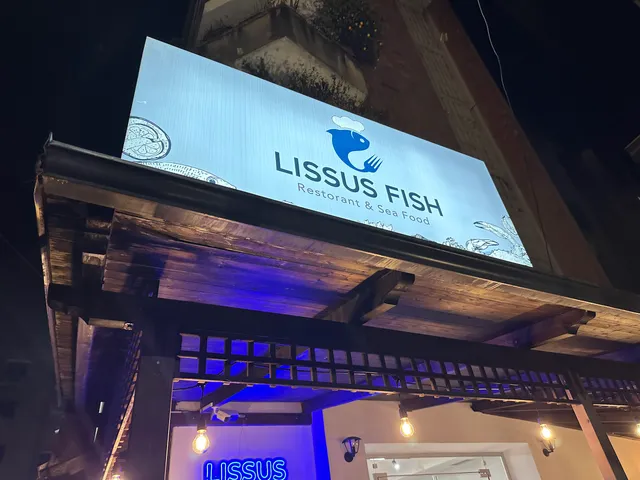
Lissus Fish
8RJ8+QP5, Rruga Maliq Muço, Tiranë, Albania
Restorant Tymi
Kavaja St, Tiranë, Albania
il Gusto Ristorante
Rruga Kajo Karafili, Tiranë 1001, Albania
OPA - Greek Street Food (9 Katëshet)
Rruga e Barrikadave, Tiranë, Albania
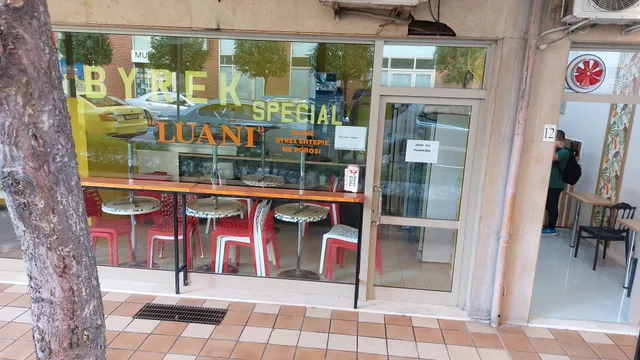
Byrekë të çastit
Rruga Bardhok Biba 13, Tiranë, Albania
Shije Fshati - Taste of the Village
Rruga e Dibrës 61, Tiranë 1017, Albania
L'Osteria Restaurant
Rruga Mihal Duri 7, Tiranë 1001, Albania
Millennium Garden
Rruga: "Murat Toptani, Tiranë 1001, Albania
Nearby hotels
The Plaza
Rruga Abdi Toptani 18, Tiranë 1001, Albania
CozyStay Apartments
Rruga Kajo Karafili, Tiranë 1001, Albania
Central Loft
Rruga 28 Nëntori 3, Tiranë, Albania
Central Chic Apartments
8RJ9+VVQ, Rruga e Barrikadave, Tiranë 1001, Albania
Heart of the City
8RHF+J72, Rruga Luigj Gurakuqi, Tiranë 1001, Albania
Sky Hotel Tirana
8RC9+X58, Rruga Ibrahim Rugova, Tiranë 1001, Albania
City Center Cozy Apartment
8RM6+9MQ, Rruga Haxhi Hysen Dalliu, Tiranë, Albania
Urban Oasis Apartments
Musa Karapici 4, Tiranë 1001, Albania
Nina Guest House
Rruga Musa Karapici 8 1017, Tiranë, Albania
Studio Apartment
Rruga Brigada e VIII, Tiranë 1019, Albania
Related posts
Keywords
National Historical Museum tourism.National Historical Museum hotels.National Historical Museum bed and breakfast. flights to National Historical Museum.National Historical Museum attractions.National Historical Museum restaurants.National Historical Museum travel.National Historical Museum travel guide.National Historical Museum travel blog.National Historical Museum pictures.National Historical Museum photos.National Historical Museum travel tips.National Historical Museum maps.National Historical Museum things to do.
National Historical Museum things to do, attractions, restaurants, events info and trip planning
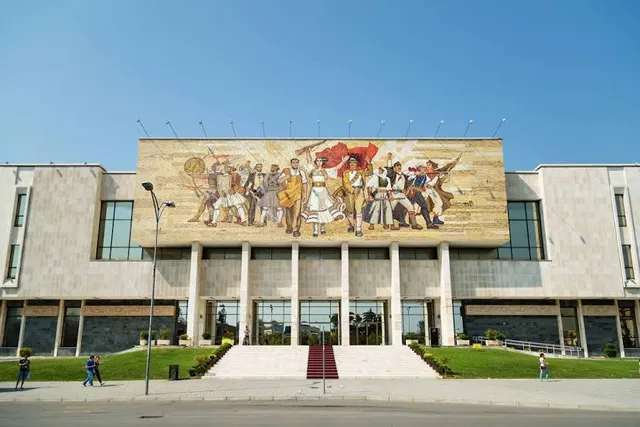
National Historical Museum
AlbaniaCentral AlbaniaTirana MunicipalityNational Historical Museum

Basic Info

National Historical Museum

Sheshi Skënderbej 7, Tiranë 1001, Albania
4.1(1.0K)
Open 24 hours
Save
spot

Ratings & Description

Info

Cultural
Accessibility
attractions: Skanderbeg Square, National Theatre of Opera, Ballet and Folk Ensamble, Et'hem Bej Mosque, Bunk'Art 2, Palace of Culture, House of Leaves Museum, Equestrian statue of Skanderbeg, Orthodox Cathedral of Resurrection, The Clock Tower Of Tirana, Rinia Park, restaurants: L'INCONTRO Caffe & Bistrot, Taverna Paidhaqe DAJKUA, Lissus Fish, Restorant Tymi, il Gusto Ristorante, OPA - Greek Street Food (9 Katëshet), Byrekë të çastit, Shije Fshati - Taste of the Village, L'Osteria Restaurant, Millennium Garden
logoLearn more insights from Wanderboat AI.
Phone
+355 4 222 3977
Website
mhk.gov.al

Plan your stay

hotel
Pet-friendly Hotels in Tirana Municipality
Find a cozy hotel nearby and make it a full experience.

hotel
Affordable Hotels in Tirana Municipality
Find a cozy hotel nearby and make it a full experience.

hotel
The Coolest Hotels You Haven't Heard Of (Yet)
Find a cozy hotel nearby and make it a full experience.

hotel
Trending Stays Worth the Hype in Tirana Municipality
Find a cozy hotel nearby and make it a full experience.

Reviews

Nearby attractions of National Historical Museum

Skanderbeg Square

National Theatre of Opera, Ballet and Folk Ensamble

Et'hem Bej Mosque

Bunk'Art 2

Palace of Culture

House of Leaves Museum

Equestrian statue of Skanderbeg

Orthodox Cathedral of Resurrection

The Clock Tower Of Tirana
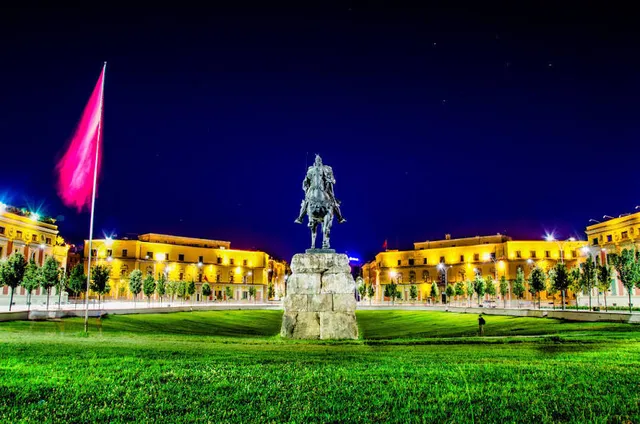
Rinia Park

Skanderbeg Square

Skanderbeg Square

4.5

(4.8K)

Open until 12:00 AM
Click for details
National Theatre of Opera, Ballet and Folk Ensamble

National Theatre of Opera, Ballet and Folk Ensamble

4.6

(389)

Open 24 hours
Click for details
Et'hem Bej Mosque

Et'hem Bej Mosque

4.6

(1.3K)

Open 24 hours
Click for details
Bunk'Art 2

Bunk'Art 2

4.2

(3.4K)

Open until 6:00 PM
Click for details

Nearby restaurants of National Historical Museum

L'INCONTRO Caffe & Bistrot

Taverna Paidhaqe DAJKUA

Lissus Fish

Restorant Tymi

il Gusto Ristorante

OPA - Greek Street Food (9 Katëshet)

Byrekë të çastit

Shije Fshati - Taste of the Village

L'Osteria Restaurant
Millennium Garden

L'INCONTRO Caffe & Bistrot

L'INCONTRO Caffe & Bistrot

4.6

(167)

Click for details
Taverna Paidhaqe DAJKUA

Taverna Paidhaqe DAJKUA

4.7

(252)

Click for details
Lissus Fish

Lissus Fish

4.8

(415)

Click for details
Restorant Tymi

Restorant Tymi

4.7

(1.6K)

Click for details
Get the Appoverlay
Get the AppOne tap to find yournext favorite spots!
Wanderboat LogoWanderboat

Your everyday Al companion for getaway ideas

CompanyAbout Us
InformationAI Trip PlannerSitemap
SocialXInstagramTiktokLinkedin
LegalTerms of ServicePrivacy Policy

Get the app

© 2025 Wanderboat. All rights reserved.
logo

Reviews of National Historical Museum

4.1
(1,032)
avatar
4.0
7y

On 28 October 1981 the National History Museum was inaugurated.

For the establishment of this museum, a team with the best specialists of the country, of the fields of history, linguistics, archeology, ethnography, cartography, architecture and art was gathered. For this museum was worked organized, according to the respective sections, for almost 3 years, until its opening. The group was headed by distinguished personalities like, Alex Buda, Stefanaq Pollo, Selami Pulaha, Skënder Anamali, Emin Riza, Burhan Çiraku, Kleanthi Dedi, Iljaz Goga, Rrok Zojzi, Abaz Dojaka, Ramadan Sokoli, Enver Faja, Nina Shehu, Vilson Kilica, Fatmir Haxhiu, Myrteza Fushekati, Met Deliu, Aleksander Meksi and others.

National historical museums are among the most important conductors of the official interpretation of a country's history, along with the national education system. They play an important role in protecting identity for the nation as well as for escorting this self-image to visitors and the outside world. But museums differ from what the story writes, because for a museum the language of expression are museum objects exhibited, coupled with the data for them.

The National History Museum is the largest museum institution in Albania and one of the most important.

The National History Museum building has a total area of ​​27,000 m2 and has an exposure area of ​​18,000 m2 and an overall volume of 81,000 m3.

There are about 5000 objects in the museum's premises, which belong to a relatively long period of time beginning in the IV century BC and until the second half of the 20th century.

The museum is conceived so that the presentation is done through eight pavilions.

Pavian of the Antiquity Pavian of the Middle Ages Pavijon of the National Renaissance Pavision of Independence Pavijoni i ikone Pavijon of the Anti-Fascist National Liberation War Pavijon of Communist Terror Pavijon of...

   Read more
avatar
4.0
3y

This is a large museum with a fascinating collection. It’s very much in an old-school style of museum presentation, with static displays and lots of text panels. Unfortunately multilingual audio guides are not available so touring the museum is a very passive experience. Given the richness of the artifacts we’re certain that we missed out on a great deal of fascinating information.

There is a heavy emphasis on Stone & Bronze Age artifacts and history. These sections have the most English-language translations so are the most accessible for non-Albanian visitors.

Beyond those displays there are only sporadic sections where English language panels are available. One such area is the period of Italian intervention in Albania beginning in the 1930s and into the Second World War. This section of the Museum offers insight into how the various anti-fascist groups formed, and how eventually Enver Hoxha’s faction became dominant. This led, in turn, to the establishment of one of the most brutal totalitarian dictatorships of the 20th Century.

The lack of materials/stories about that brutal period is the most disappointing aspect of the museum. There are a number of empty galleries in the building; hopefully there are plans in the works to develop robust educational exhibitions highlighting the madness that was Hoxha-ism. For if we fail to learn the lessons of history we are doomed to repeat them.

At 500L per adult this museum is a bargain and well worth a visit.

*Note: the mueum is not air conditioned. While there are floor fans placed here and there if yiu visit on a hot day (as we did) expect to be very warm by the end...

   Read more
avatar
2.0
6y

The Pavilion of Antiquity is the most important and one of the richest with objects in the National Historical Museum, with 585 objects. The displayed objects start with the Late Paleolithic, where prehistoric culture is proved lively and powerful in our lands, and ends with objects belonging to the Early Middle Ages (4th to 8th centuries). The objects of the prehistoric settlement of Maliq represent the Neolithic flourishing since the middle of the fourth millennium until about 2600 BC.

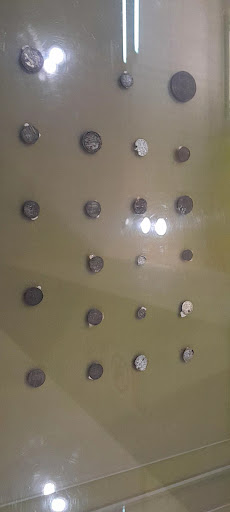
The exhibited objects and the coins of silver and bronze embossed on behalf of the Illyrian kings of the centers of Durrës, Apollonia, Shkodër, Byllis and Amantia, discovered in the provinces of South Illyria of the 4th to 3rd centuries BC, indicate a strong economy and urban Illyrian culture in general. Impressive are sculptures of the Apolloniates school or God Apollo, one of the most beautiful sculptures of the time (6th century BC). Quite interesting are: the mosaic of the "Beauty of Durres" (4th century BC), the head of Artemis (3rd century BC), the anthropomorphic appearance of river Vjosa (3rd or 2nd century BC), the head of a man of limestone (5th century AD), vases decorated with red figures, and others. The findings of Monumental Tomb of Lower Selca, Pogradec (3rd century AD) occupy an...

   Read more
Page 1 of 7
Previous
Next

Posts

Culinary SlutCulinary Slut
This is a large museum with a fascinating collection. It’s very much in an old-school style of museum presentation, with static displays and lots of text panels. Unfortunately multilingual audio guides are not available so touring the museum is a very passive experience. Given the richness of the artifacts we’re certain that we missed out on a great deal of fascinating information. There is a heavy emphasis on Stone & Bronze Age artifacts and history. These sections have the most English-language translations so are the most accessible for non-Albanian visitors. Beyond those displays there are only sporadic sections where English language panels are available. One such area is the period of Italian intervention in Albania beginning in the 1930s and into the Second World War. This section of the Museum offers insight into how the various anti-fascist groups formed, and how eventually Enver Hoxha’s faction became dominant. This led, in turn, to the establishment of one of the most brutal totalitarian dictatorships of the 20th Century. The lack of materials/stories about that brutal period is the most disappointing aspect of the museum. There are a number of empty galleries in the building; hopefully there are plans in the works to develop robust educational exhibitions highlighting the madness that was Hoxha-ism. For if we fail to learn the lessons of history we are doomed to repeat them. At 500L per adult this museum is a bargain and well worth a visit. *Note: the mueum is not air conditioned. While there are floor fans placed here and there if yiu visit on a hot day (as we did) expect to be very warm by the end of your visit.
Jonida SpahiuJonida Spahiu
The National Historical Museum is an excellent place if you want to learn more about the history of Albania. This museum is divided into historical times. You can learn many things, starting from the Illyrians, the traditions of the Illyrians, the culture of the Illyrians, etc. In this museum you will not only learn about the history of the Illyrians, but more than that.This museum preserves and studies material and non-material evidence of Albania's historical and cultural heritage, which it communicates and presents in an environment that promotes education. It also organizes and enables activities that support its vision and mission.There are about 6200 objects in the museum premises, which belong to a relatively long period of time, starting from the 4th millennium BC and up to the second half of the 20th century. There are about 3100 exposed objects. The rest of the objects are in funds. Currently, the National History Museum has seven pavilions: Antiquity, with 585 objects; Middle Ages, with 217 objects; Iconography, with 90 objects (of which 70 are icons and 20 are church liturgical objects.
Holly SmithHolly Smith
Definitely worth a visit if you like museums and history, but not for the casual viewer. The museum has the potential to do a lot but misses a few key points. The first floor has translations to English, but after that there’s about 10% coverage. From the Middle Ages, through to the renaissance and independence I had little idea what I was looking at, only at WW2 were there English descriptions again. Descriptions were lacking in the context of why these things were made, by who and why they’re interesting. A lot of them were just visual descriptions, with little detail about the significance of the piece. The religious section was gorgeous, plus some of the few depictions of Jesus in shades darker than alabaster. A warning on the Communist Terror room - I only took a few steps in and walked out again. I find pictures of dead people too upsetting (there are numerous throughout the WW2 section) but in the Communist Terror room I saw pictures of dead children and immediately left again. Finally the entry is in Lek cash only, you can’t pay in euro or with card.
See more posts
See more posts
hotel
Find your stay

Pet-friendly Hotels in Tirana Municipality

Find a cozy hotel nearby and make it a full experience.

This is a large museum with a fascinating collection. It’s very much in an old-school style of museum presentation, with static displays and lots of text panels. Unfortunately multilingual audio guides are not available so touring the museum is a very passive experience. Given the richness of the artifacts we’re certain that we missed out on a great deal of fascinating information. There is a heavy emphasis on Stone & Bronze Age artifacts and history. These sections have the most English-language translations so are the most accessible for non-Albanian visitors. Beyond those displays there are only sporadic sections where English language panels are available. One such area is the period of Italian intervention in Albania beginning in the 1930s and into the Second World War. This section of the Museum offers insight into how the various anti-fascist groups formed, and how eventually Enver Hoxha’s faction became dominant. This led, in turn, to the establishment of one of the most brutal totalitarian dictatorships of the 20th Century. The lack of materials/stories about that brutal period is the most disappointing aspect of the museum. There are a number of empty galleries in the building; hopefully there are plans in the works to develop robust educational exhibitions highlighting the madness that was Hoxha-ism. For if we fail to learn the lessons of history we are doomed to repeat them. At 500L per adult this museum is a bargain and well worth a visit. *Note: the mueum is not air conditioned. While there are floor fans placed here and there if yiu visit on a hot day (as we did) expect to be very warm by the end of your visit.
Culinary Slut

Culinary Slut

hotel
Find your stay

Affordable Hotels in Tirana Municipality

Find a cozy hotel nearby and make it a full experience.

Get the Appoverlay
Get the AppOne tap to find yournext favorite spots!
The National Historical Museum is an excellent place if you want to learn more about the history of Albania. This museum is divided into historical times. You can learn many things, starting from the Illyrians, the traditions of the Illyrians, the culture of the Illyrians, etc. In this museum you will not only learn about the history of the Illyrians, but more than that.This museum preserves and studies material and non-material evidence of Albania's historical and cultural heritage, which it communicates and presents in an environment that promotes education. It also organizes and enables activities that support its vision and mission.There are about 6200 objects in the museum premises, which belong to a relatively long period of time, starting from the 4th millennium BC and up to the second half of the 20th century. There are about 3100 exposed objects. The rest of the objects are in funds. Currently, the National History Museum has seven pavilions: Antiquity, with 585 objects; Middle Ages, with 217 objects; Iconography, with 90 objects (of which 70 are icons and 20 are church liturgical objects.
Jonida Spahiu

Jonida Spahiu

hotel
Find your stay

The Coolest Hotels You Haven't Heard Of (Yet)

Find a cozy hotel nearby and make it a full experience.

hotel
Find your stay

Trending Stays Worth the Hype in Tirana Municipality

Find a cozy hotel nearby and make it a full experience.

Definitely worth a visit if you like museums and history, but not for the casual viewer. The museum has the potential to do a lot but misses a few key points. The first floor has translations to English, but after that there’s about 10% coverage. From the Middle Ages, through to the renaissance and independence I had little idea what I was looking at, only at WW2 were there English descriptions again. Descriptions were lacking in the context of why these things were made, by who and why they’re interesting. A lot of them were just visual descriptions, with little detail about the significance of the piece. The religious section was gorgeous, plus some of the few depictions of Jesus in shades darker than alabaster. A warning on the Communist Terror room - I only took a few steps in and walked out again. I find pictures of dead people too upsetting (there are numerous throughout the WW2 section) but in the Communist Terror room I saw pictures of dead children and immediately left again. Finally the entry is in Lek cash only, you can’t pay in euro or with card.
Holly Smith

Holly Smith

See more posts
See more posts