Cafesjian Center For The Arts things to do, attractions, restaurants, events info and trip planning
Basic Info
Cafesjian Center For The Arts
10 Tamanyan St, Yerevan 0009, Armenia
4.7(296)
Open until 12:00 AM
Save
spot
spot
Ratings & Description
Info
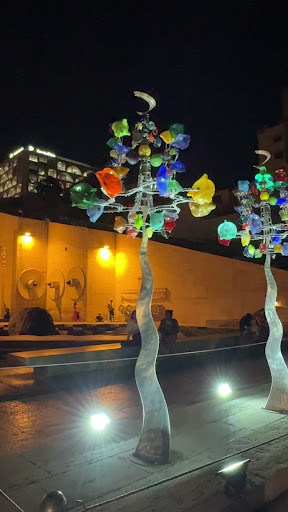
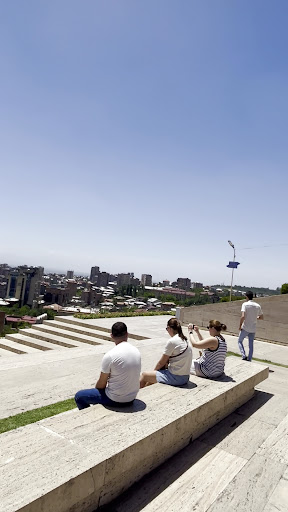
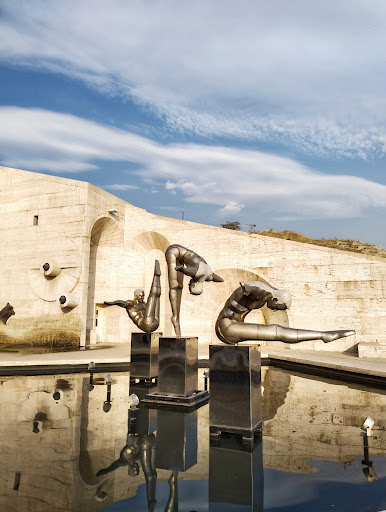
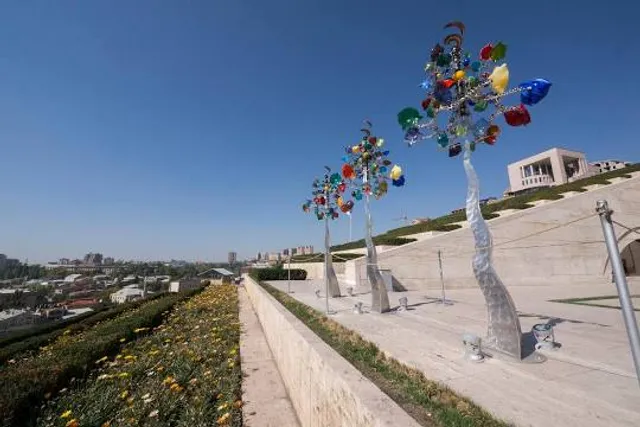
The Cafesjian Center for the Arts is an art museum in Yerevan, Armenia. It is located at the central Kentron District, in and around the Yerevan Cascade which is a complex of massive staircase with fountains, ascending up from the Tamanyan Street gardens and pedestrian zone.
Cultural
Scenic
Family friendly
Accessibility
attractions: Cascade Complex, Visitor Sculpture, Museum of Russian Art, Cascade Complex Fountain, Alexander Tamanian Statue, Aram Khachaturian Museum, Ervand Kochar Museum, The Three Divers, Giotto, Gevorg Grigoryan Museum, France Square, restaurants: Green Bean, Paulaner Beerhouse, Limone, Los Pueblos Authentic Mexican Restaurant, DABOO Cocktail Bar, Wine Republic, T Philosophy, Coffeeshop Company Cascade, Malocco, Salut Cafe, local businesses: Opera Market, Komitas Yerevan State Conservatory, Evangelical Church Of Armenia, ONE WAY TOUR, Gala Art Gallery, Geological Museum, Mom's Little Bakery, Zoravor Surb Astvatsatsin Church, Metronome Shopping Center, Fire Lounge Bar
 Learn more insights from Wanderboat AI.
Phone
+374 10 541932
Website
cmf.am
Open hoursSee all hours
ThuClosedOpen
Plan your stay

Pet-friendly Hotels in Yerevan
Find a cozy hotel nearby and make it a full experience.

Affordable Hotels in Yerevan
Find a cozy hotel nearby and make it a full experience.

The Coolest Hotels You Haven't Heard Of (Yet)
Find a cozy hotel nearby and make it a full experience.

Trending Stays Worth the Hype in Yerevan
Find a cozy hotel nearby and make it a full experience.
Reviews
Live events
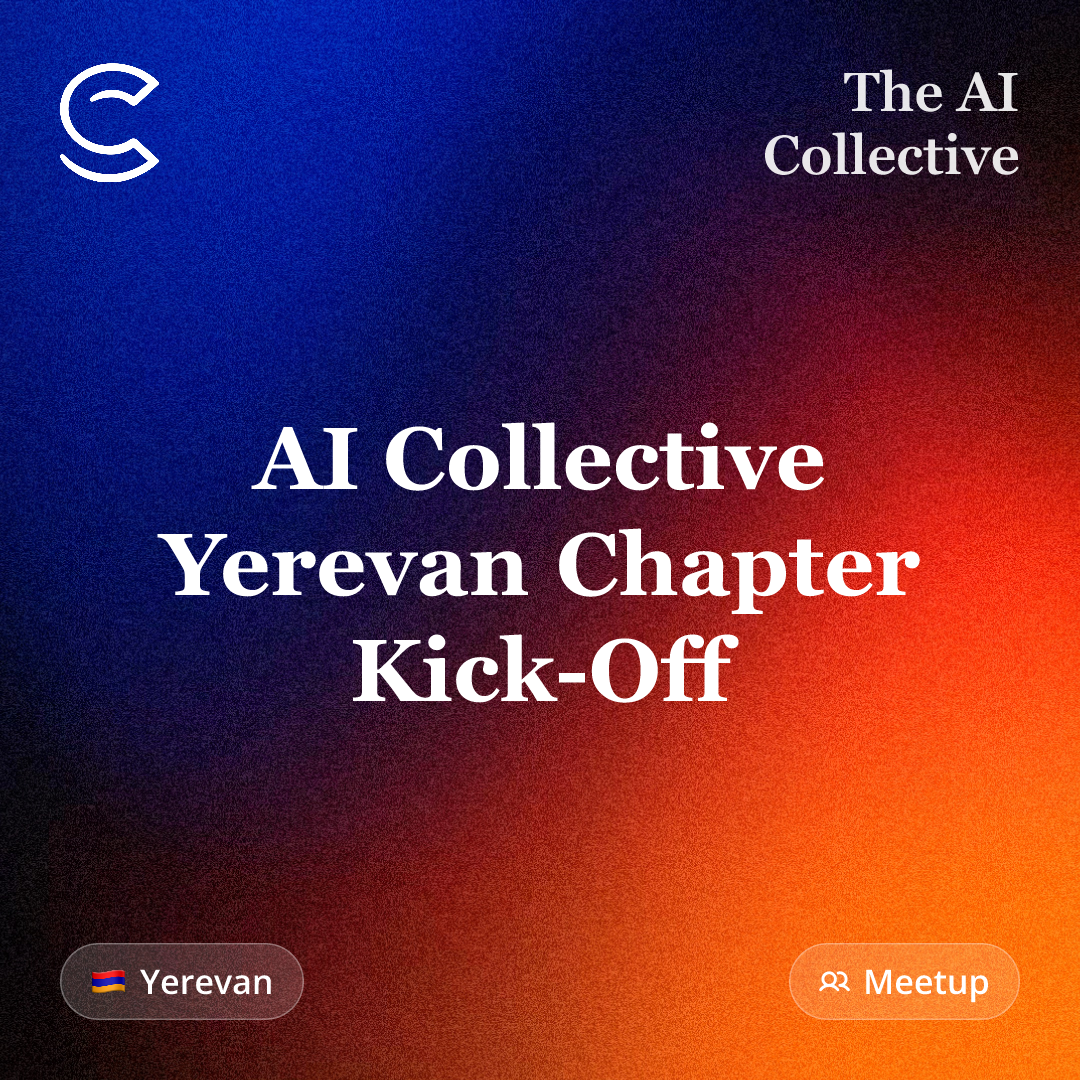
AI Collective Yerevan Chapter Kick-Off (w/ The AI Collective)
Fri, Feb 27 • 6:00 AM
Yerevan, Yerevan
View details
Nearby attractions of Cafesjian Center For The Arts
Cascade Complex
Visitor Sculpture
Museum of Russian Art
Cascade Complex Fountain
Alexander Tamanian Statue
Aram Khachaturian Museum
Ervand Kochar Museum
The Three Divers
Giotto, Gevorg Grigoryan Museum
France Square
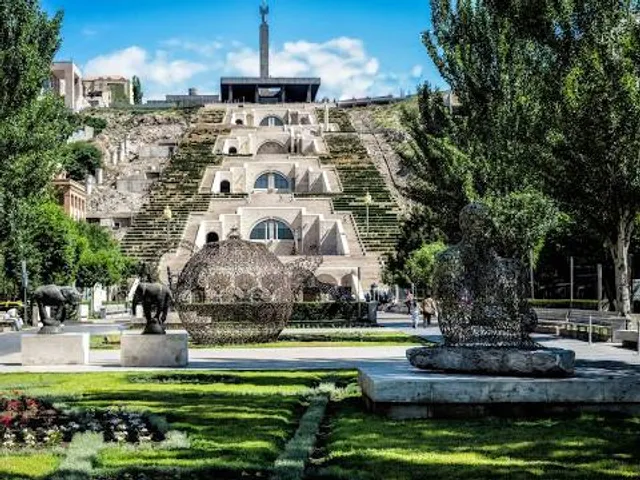
Cascade Complex
4.7
(4.5K)
Open until 12:00 AM
Click for details
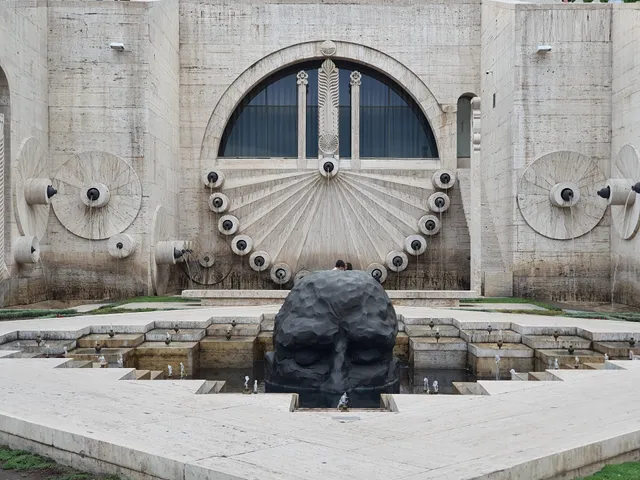
Visitor Sculpture
4.5
(28)
Open until 12:00 AM
Click for details
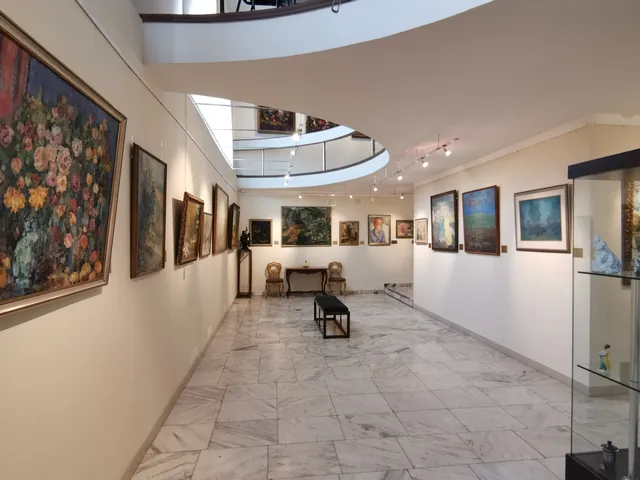
Museum of Russian Art
4.6
(51)
Closed
Click for details
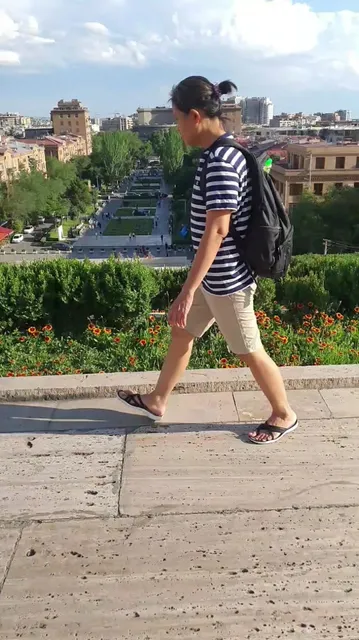
Cascade Complex Fountain
4.7
(47)
Open until 8:00 PM
Click for details
Nearby restaurants of Cafesjian Center For The Arts
Green Bean
Paulaner Beerhouse
Limone
Los Pueblos Authentic Mexican Restaurant
DABOO Cocktail Bar
Wine Republic
T Philosophy
Coffeeshop Company Cascade
Malocco
Salut Cafe
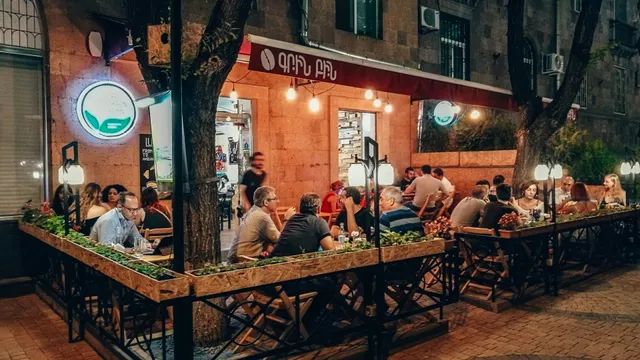
Green Bean
4.5
(322)
Open until 12:00 AM
Click for details
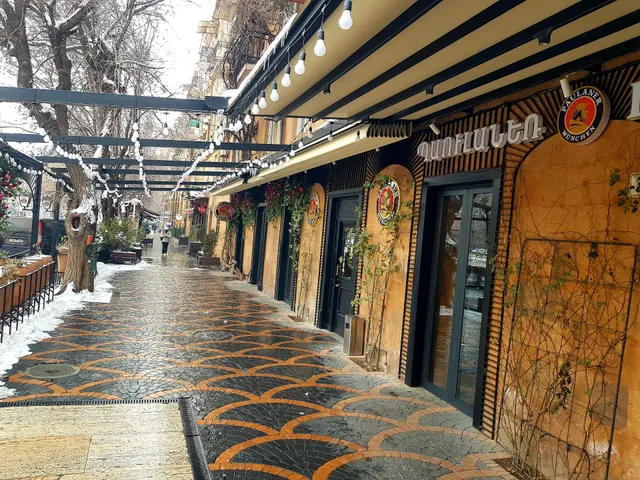
Paulaner Beerhouse
3.9
(117)
Closed
Click for details
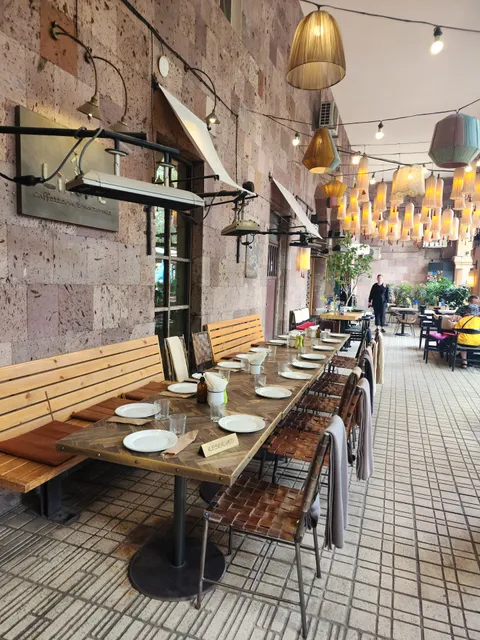
Limone
4.6
(428)
Open until 12:00 AM
Click for details

Los Pueblos Authentic Mexican Restaurant
4.6
(111)
Click for details
Nearby local services of Cafesjian Center For The Arts
Opera Market
Komitas Yerevan State Conservatory
Evangelical Church Of Armenia
ONE WAY TOUR
Gala Art Gallery
Geological Museum
Mom's Little Bakery
Zoravor Surb Astvatsatsin Church
Metronome Shopping Center
Fire Lounge Bar
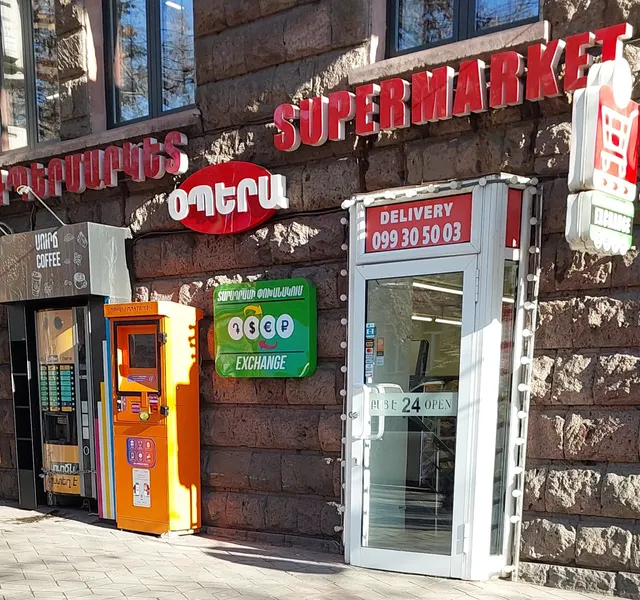
Opera Market
3.7
(10)
Click for details
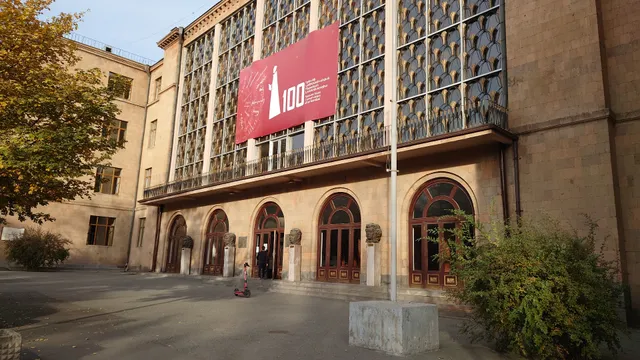
Komitas Yerevan State Conservatory
4.8
(48)
Click for details
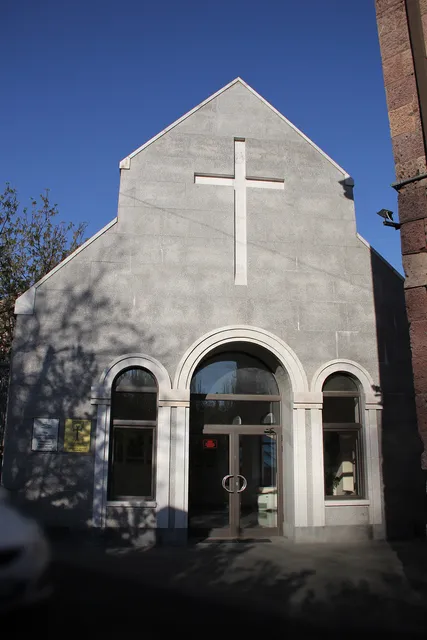
Evangelical Church Of Armenia
4.5
(17)
Click for details
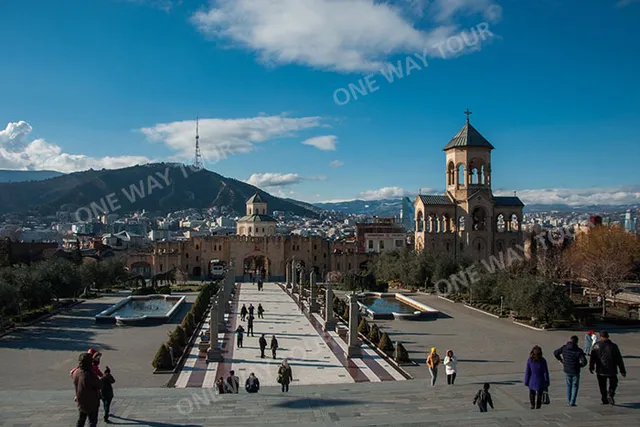
ONE WAY TOUR
4.9
(1.5K)
Click for details