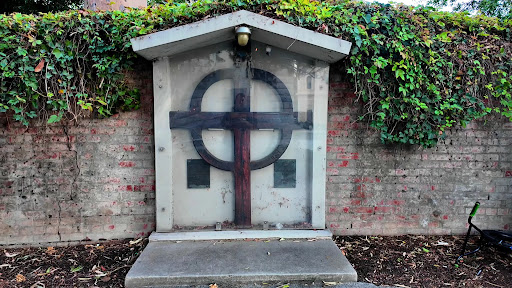
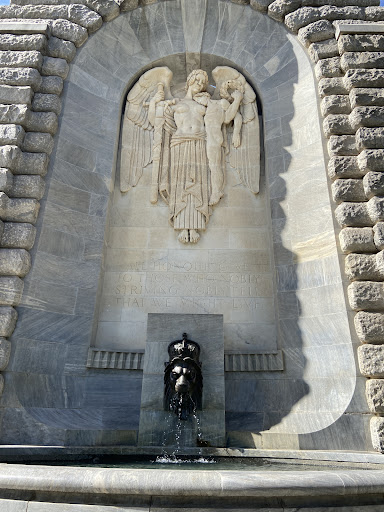
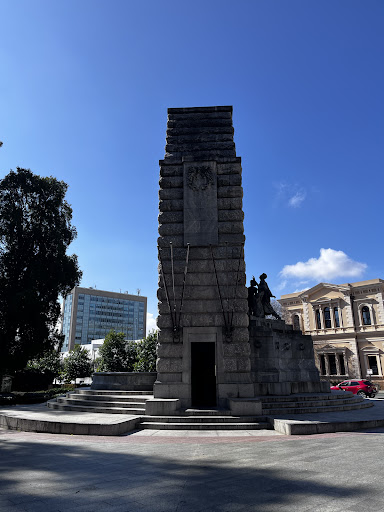
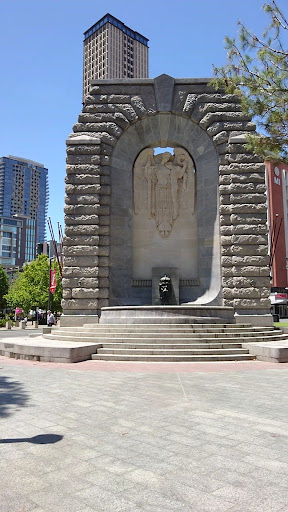
National War Memorial things to do, attractions, restaurants, events info and trip planning
Basic Info
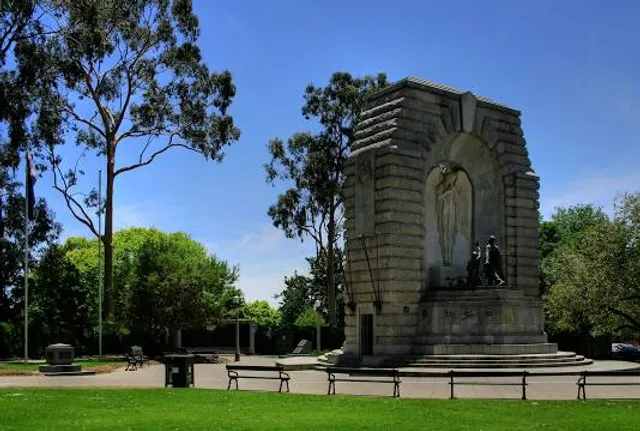
National War Memorial
190 North Terrace, Adelaide SA 5000, Australia
4.7(117)
Closed
Save
spot
spot
Ratings & Description
Info
The National War Memorial is a war memorial in New Delhi, Delhi, India, located at India Gate Circle. It has been built to honour and remember soldiers of the Indian Armed Forces who fought in armed conflicts of independent India.
Cultural
Scenic
Accessibility
Family friendly
attractions: South Australian Museum, Art Gallery of South Australia, State Library of South Australia, Migration Museum, Malls Balls, Mortlock Wing, State Library of South Australia, The Centre of Democracy, Scott Theatre, Festival Theatre, Museum of Classical Archaeology, restaurants: 2KW Bar & Restaurant, La Boca Bar and Grill Adelaide, Gloria Jean's Adelaide Myer Centre, The Logical Indian - Rundle Mall, Clio Café, Roco Pasta, Beyond India | Xpress, Hawker Walker, Caffè Da Marco, South Australian Museum Café, local businesses: JB Hi-Fi City - Adelaide, Adelaide Central Plaza Shopping Centre, 150 North Terrace, Rundle Place, Toyworld Adelaide, Adelaide Festival Centre, Specsavers Optometrists & Audiology - Adelaide - Rundle Mall, Archie Brothers Rundle Place, Cotton On Mega, UGGS R US
 Learn more insights from Wanderboat AI.
Website
history.sa.gov.au
Open hoursSee all hours
Sun10 a.m. - 5 p.m.Closed
Plan your stay

Pet-friendly Hotels in Adelaide
Find a cozy hotel nearby and make it a full experience.

Affordable Hotels in Adelaide
Find a cozy hotel nearby and make it a full experience.

The Coolest Hotels You Haven't Heard Of (Yet)
Find a cozy hotel nearby and make it a full experience.

Trending Stays Worth the Hype in Adelaide
Find a cozy hotel nearby and make it a full experience.
Reviews
Live events

LIV Golf Adelaide 2026 - Grounds
Thu, Feb 12 • 12:05 PM
White Sands Drive, Grange, 5022
View details
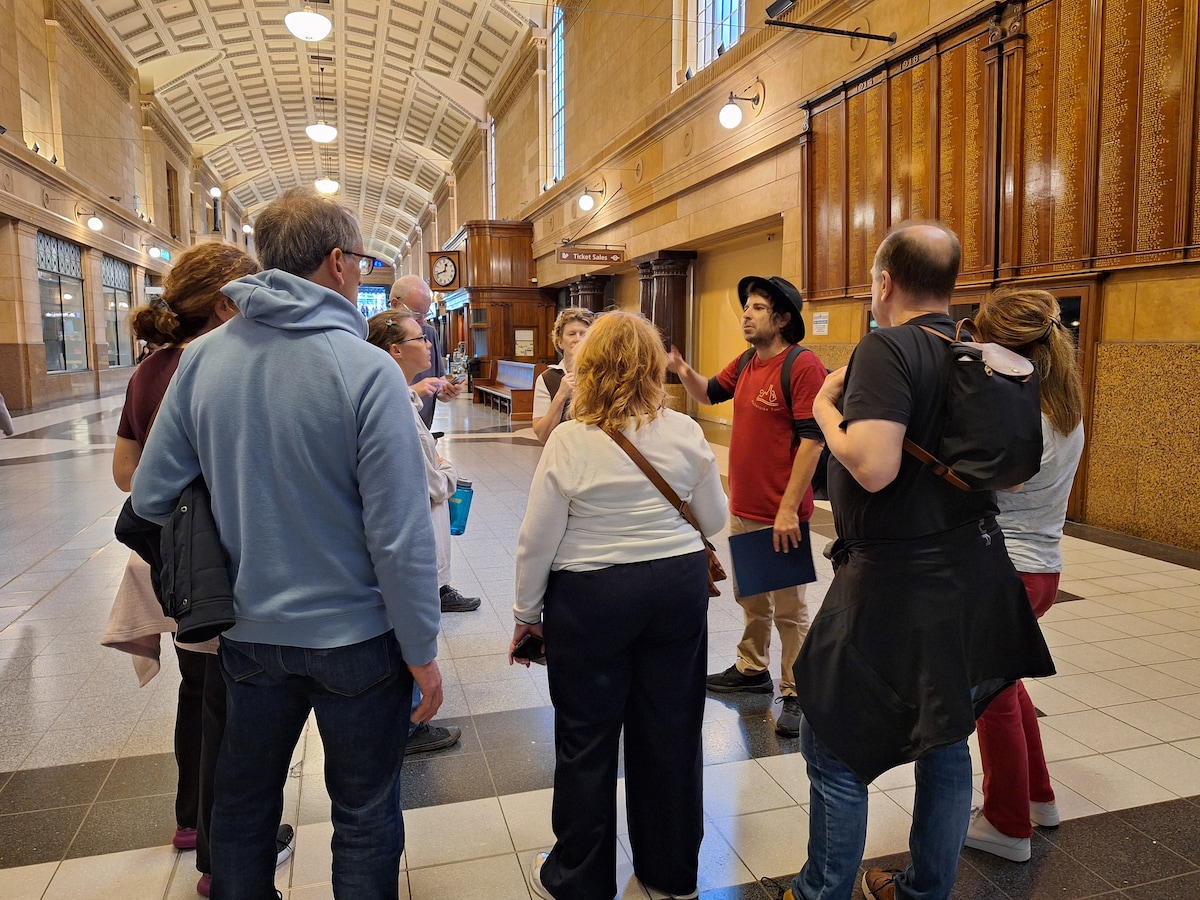
Ultimate Adelaide Walking Tour
Mon, Feb 9 • 10:30 AM
Adelaide, South Australia, 5000, Australia
View details
Nearby attractions of National War Memorial
South Australian Museum
Art Gallery of South Australia
State Library of South Australia
Migration Museum
Malls Balls
Mortlock Wing, State Library of South Australia
The Centre of Democracy
Scott Theatre
Festival Theatre
Museum of Classical Archaeology
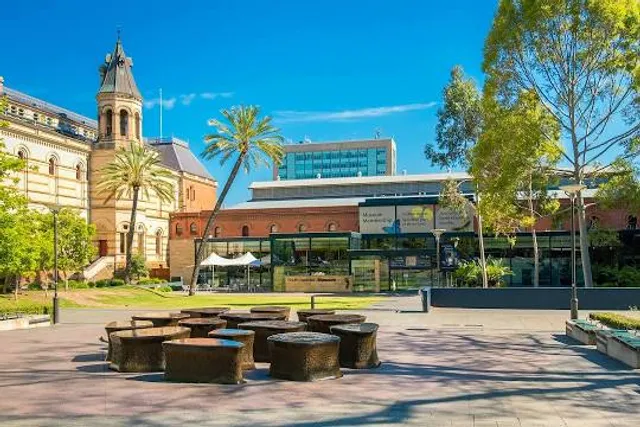
South Australian Museum
4.6
(2.4K)
Closed
Click for details
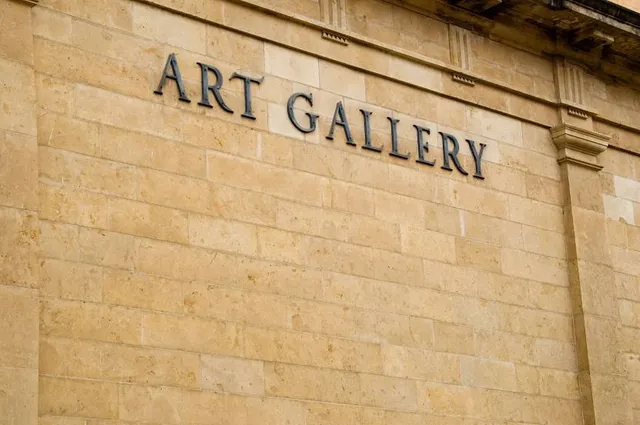
Art Gallery of South Australia
4.7
(2K)
Closed
Click for details
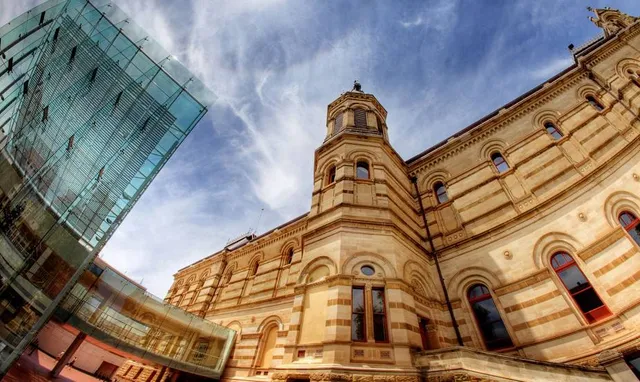
State Library of South Australia
4.6
(268)
Closed
Click for details
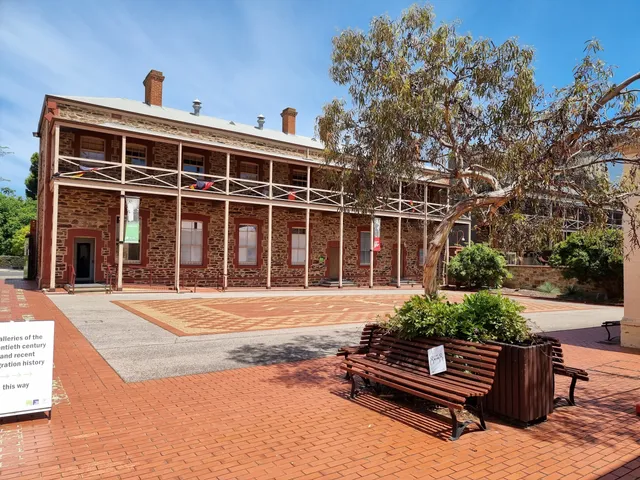
Migration Museum
4.4
(357)
Closed
Click for details
Nearby restaurants of National War Memorial
2KW Bar & Restaurant
La Boca Bar and Grill Adelaide
Gloria Jean's Adelaide Myer Centre
The Logical Indian - Rundle Mall
Clio Café
Roco Pasta
Beyond India | Xpress
Hawker Walker
Caffè Da Marco
South Australian Museum Café
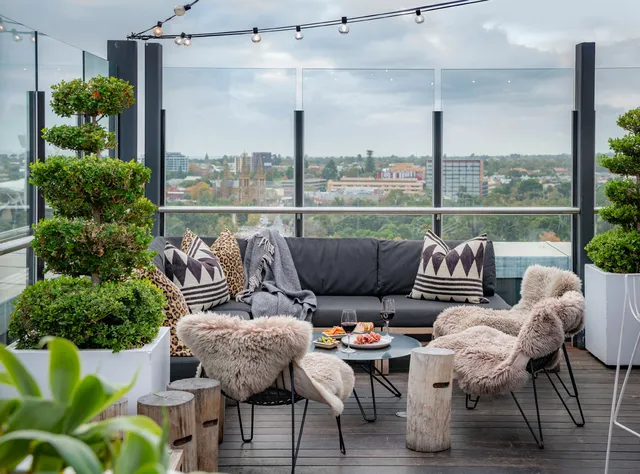
2KW Bar & Restaurant
4.2
(930)
$$$
Open until 12:00 AM
Click for details
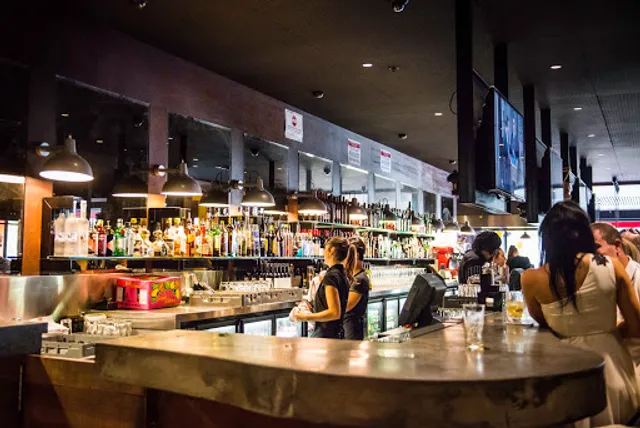
La Boca Bar and Grill Adelaide
4.1
(918)
$$
Open until 10:00 PM
Click for details
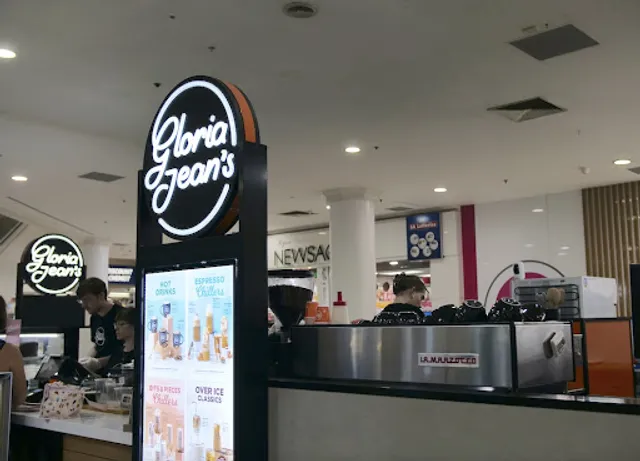
Gloria Jean's Adelaide Myer Centre
3.8
(305)
Closed
Click for details
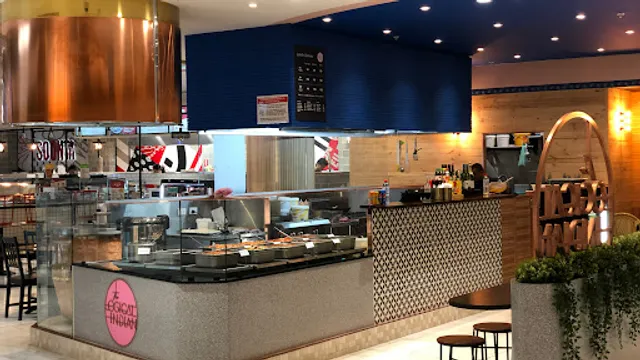
The Logical Indian - Rundle Mall
4.1
(152)
Closed
Click for details
Nearby local services of National War Memorial
JB Hi-Fi City - Adelaide
Adelaide Central Plaza Shopping Centre
150 North Terrace
Rundle Place
Toyworld Adelaide
Adelaide Festival Centre
Specsavers Optometrists & Audiology - Adelaide - Rundle Mall
Archie Brothers Rundle Place
Cotton On Mega
UGGS R US
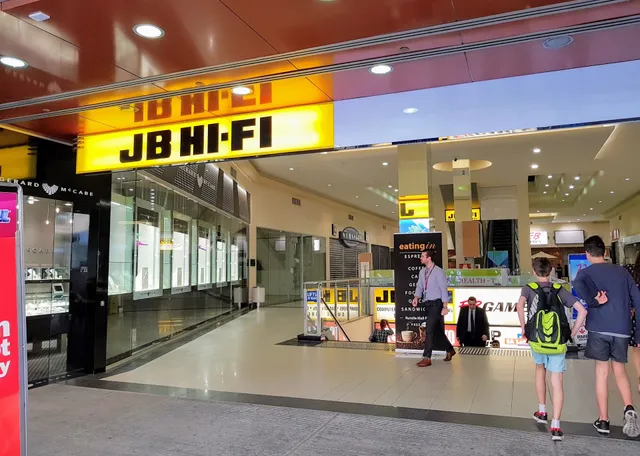
JB Hi-Fi City - Adelaide
4.0
(794)
Click for details
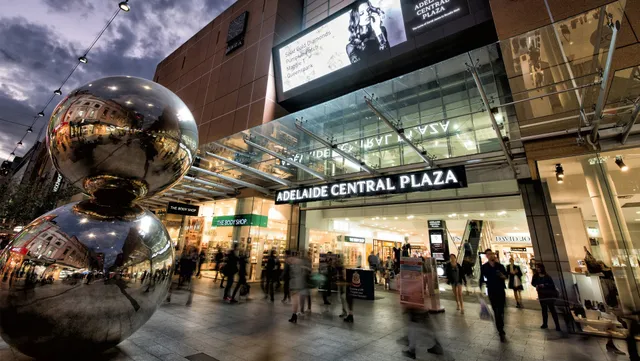
Adelaide Central Plaza Shopping Centre
4.3
(253)
Click for details
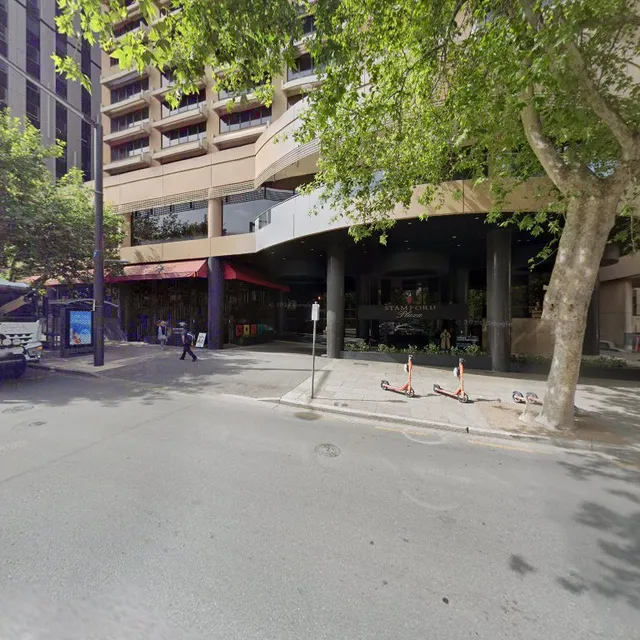
150 North Terrace
3.9
(1.1K)
Click for details
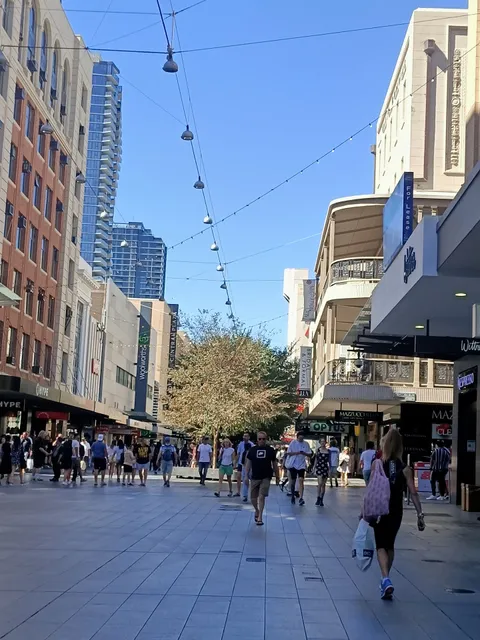
Rundle Place
4.3
(652)
Click for details