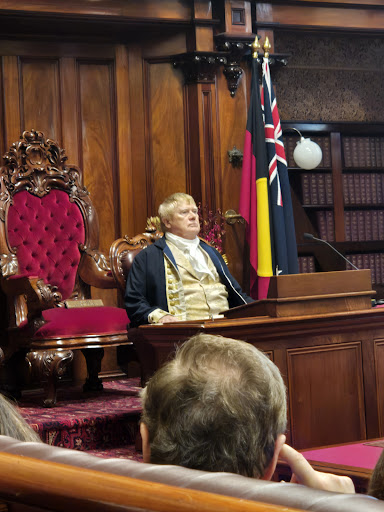
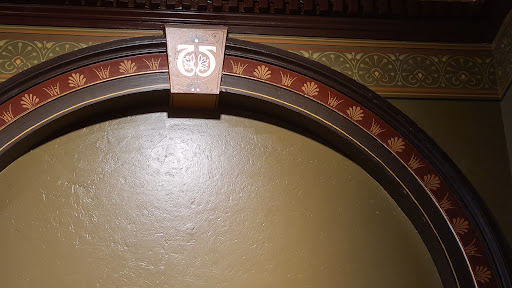
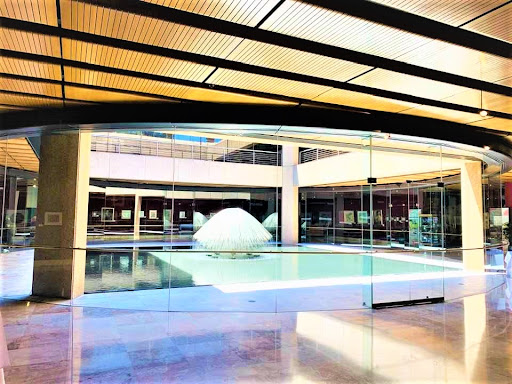
NSW Parliament things to do, attractions, restaurants, events info and trip planning

Basic Info
NSW Parliament
Parliament House, 6 Macquarie St, Sydney NSW 2000, Australia
4.6(126)
Open until 12:00 AM
Save
spot
spot
Ratings & Description
Info
Cultural
Family friendly
Accessibility
attractions: St. Stephen's Uniting Church, The Domain - Phillip Precinct, Hyde Park Barracks, The Domain Sydney, State Library of New South Wales, Next Level Escape, The Calyx, Reserve Bank of Australia Museum, Hyde Park, St Mary's Cathedral, restaurants: Eggshell Cafe, The Naked Duck Martin Place, Mordeo Bistro & Bar, Barrio Cellar, Rockpool Bar & Grill Sydney, Legal Grounds Cafe, Restaurant Hubert, The Library Bar, La Riviera Restaurant & Bar, Library Café, local businesses: Martin Place, Martin Place, Alfie's, David Jones - Elizabeth Street, Sofie's Greek Restaurant, Westfield Sydney, Servcorp - Chifley Tower, Kaplan Business School Sydney, JB Hi-Fi City - Westfield Sydney, Pitt Street Mall
 Learn more insights from Wanderboat AI.
Phone
+61 2 9230 2111
Website
parliament.nsw.gov.au
Open hoursSee all hours
SunClosedOpen
Plan your stay

Pet-friendly Hotels in Sydney
Find a cozy hotel nearby and make it a full experience.

Affordable Hotels in Sydney
Find a cozy hotel nearby and make it a full experience.

The Coolest Hotels You Haven't Heard Of (Yet)
Find a cozy hotel nearby and make it a full experience.

Trending Stays Worth the Hype in Sydney
Find a cozy hotel nearby and make it a full experience.
Reviews
Live events

Balloon Story - Sydney
Mon, Feb 9 • 9:00 AM
Olympic Boulevard, Sydney Olympic Park, 2127
View details
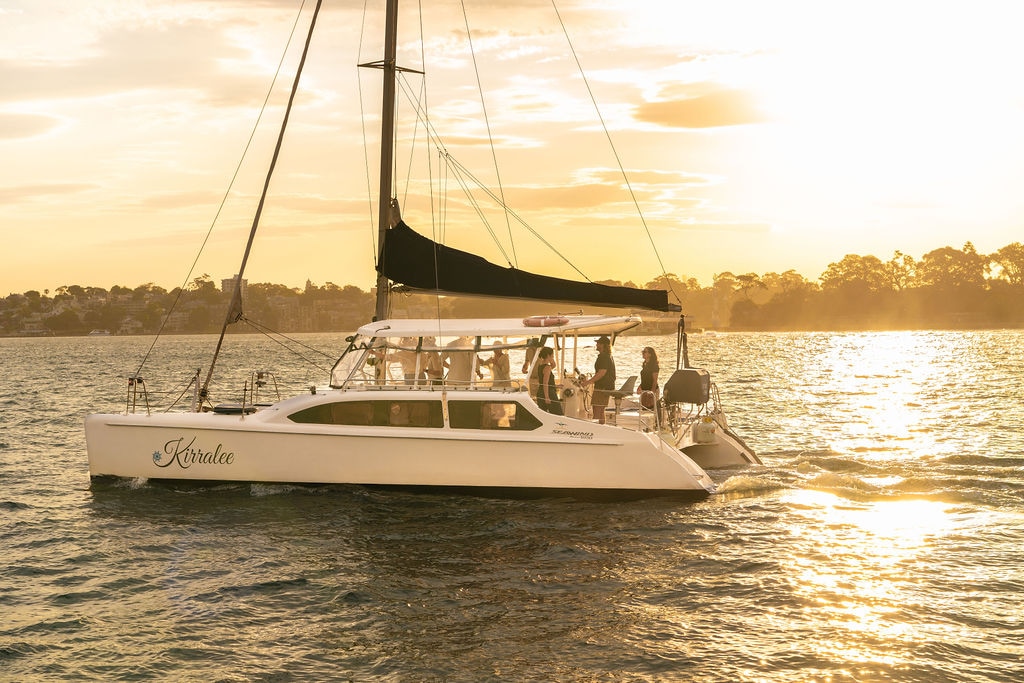
Sunset & Sparkle Sydney Harbour Cruise
Sun, Feb 15 • 7:00 PM
Sydney, New South Wales, 2000, Australia
View details
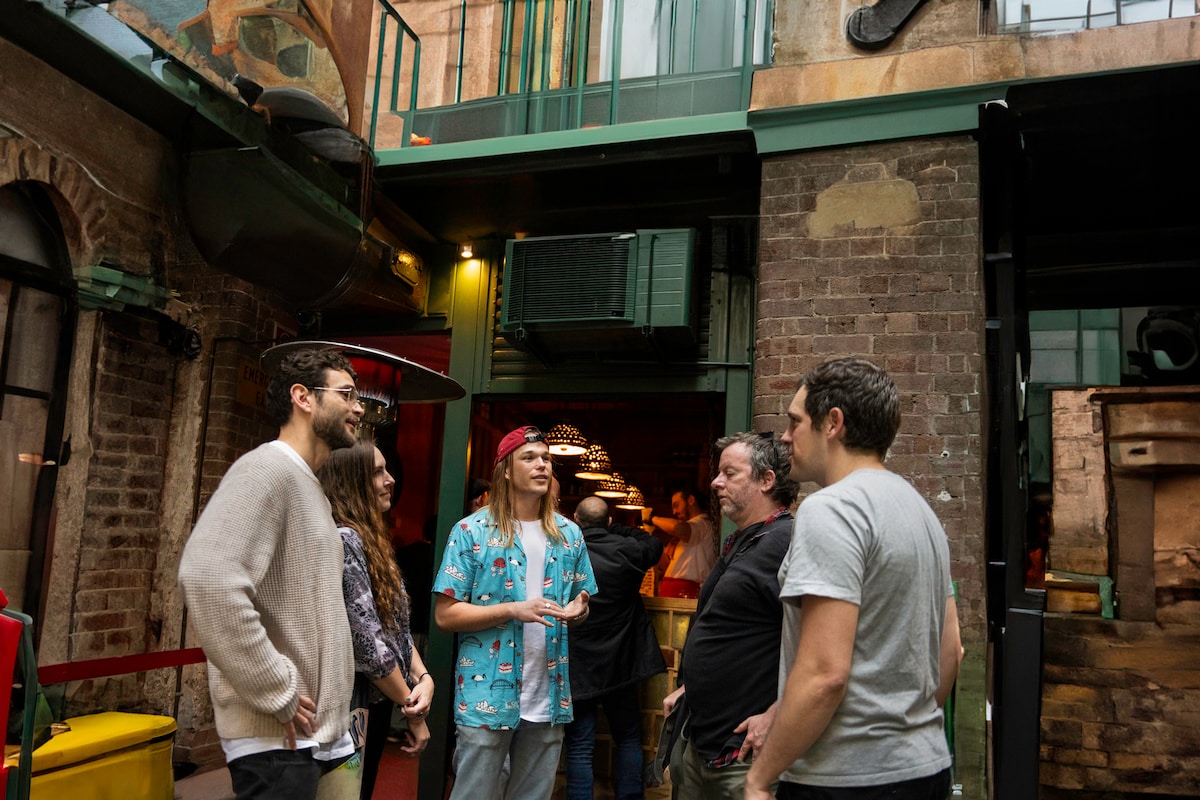
Sydney by Night - Secret Bars & Stories
Wed, Feb 11 • 6:30 PM
Darlinghurst, New South Wales, 2010, Australia
View details
Nearby attractions of NSW Parliament
St. Stephen's Uniting Church
The Domain - Phillip Precinct
Hyde Park Barracks
The Domain Sydney
State Library of New South Wales
Next Level Escape
The Calyx
Reserve Bank of Australia Museum
Hyde Park
St Mary's Cathedral
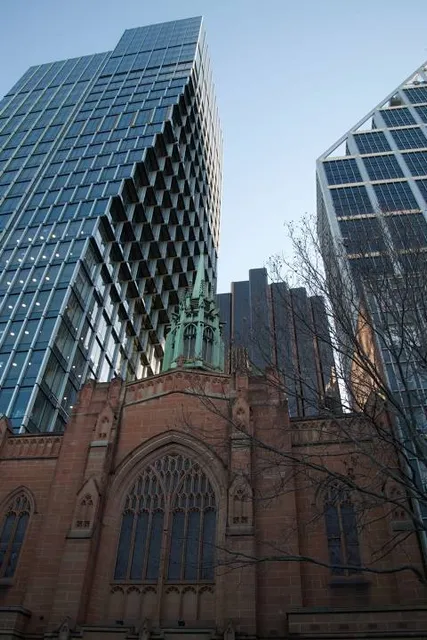
St. Stephen's Uniting Church
4.8
(246)
Open until 12:00 AM
Click for details
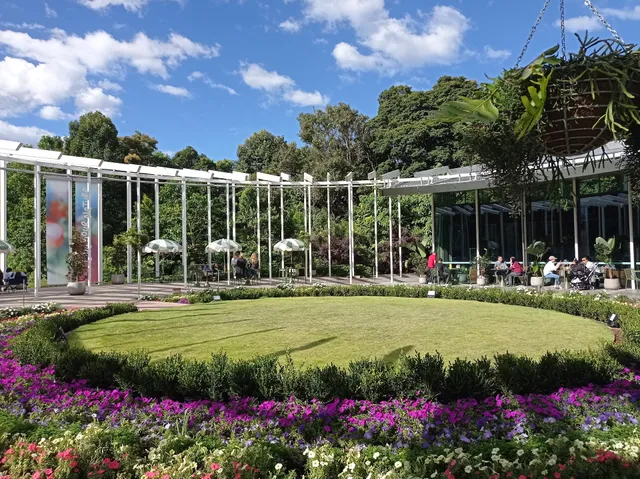
The Domain - Phillip Precinct
4.6
(805)
Closed
Click for details
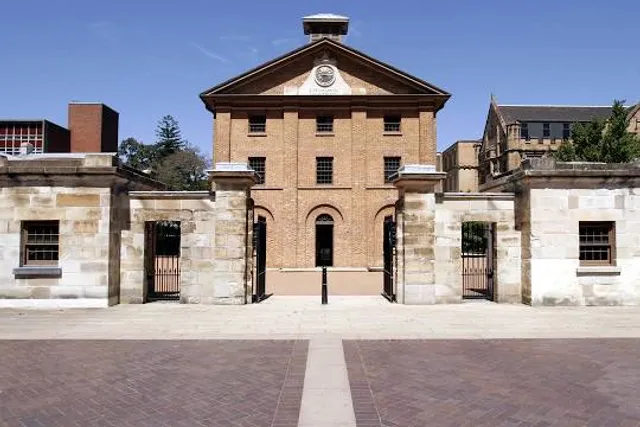
Hyde Park Barracks
4.7
(993)
Closed
Click for details
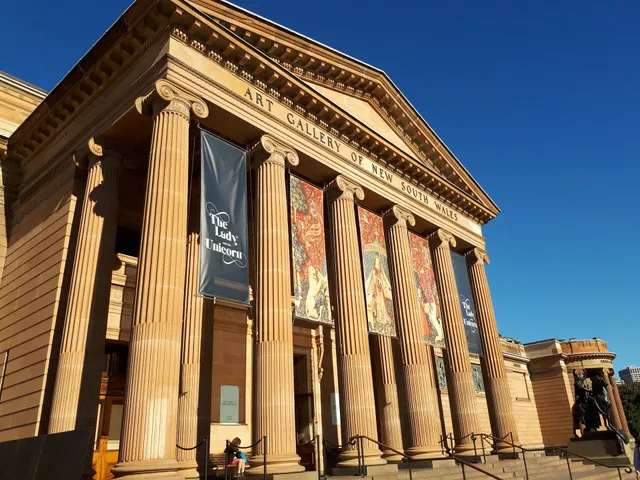
The Domain Sydney
4.5
(827)
Open until 12:00 AM
Click for details
Nearby restaurants of NSW Parliament
Eggshell Cafe
The Naked Duck Martin Place
Mordeo Bistro & Bar
Barrio Cellar
Rockpool Bar & Grill Sydney
Legal Grounds Cafe
Restaurant Hubert
The Library Bar
La Riviera Restaurant & Bar
Library Café
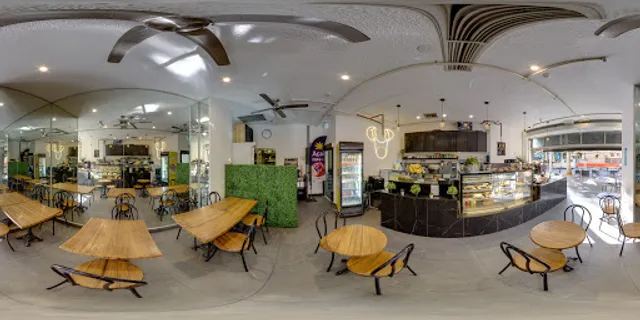
Eggshell Cafe
4.0
(201)
Closed
Click for details
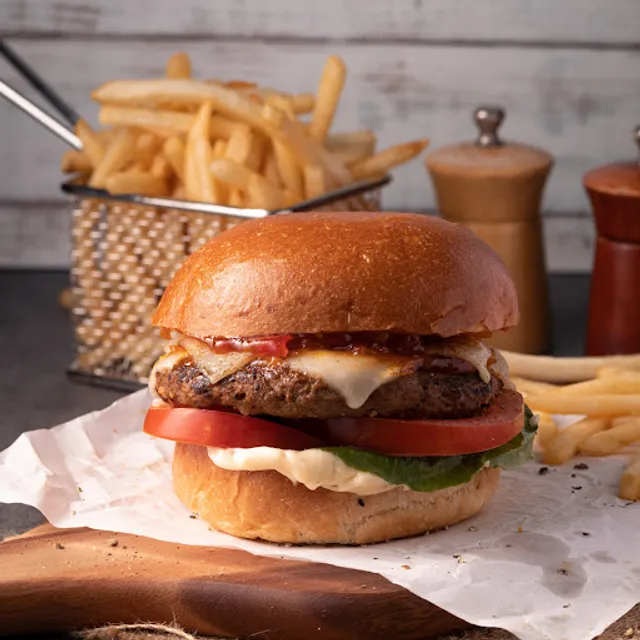
The Naked Duck Martin Place
4.9
(178)
Open until 12:00 AM
Click for details
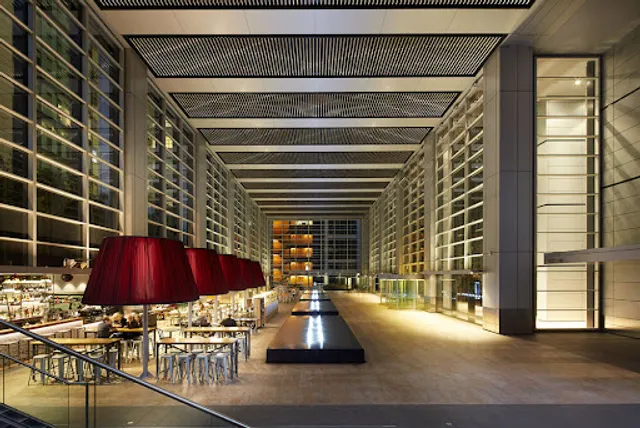
Mordeo Bistro & Bar
4.6
(473)
Click for details
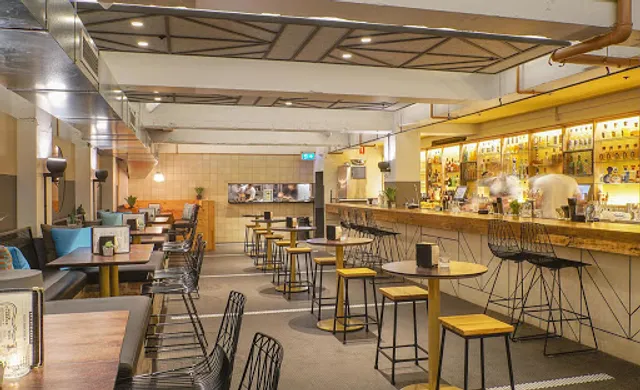
Barrio Cellar
4.2
(511)
Open until 12:00 AM
Click for details
Nearby local services of NSW Parliament
Martin Place
Martin Place
Alfie's
David Jones - Elizabeth Street
Sofie's Greek Restaurant
Westfield Sydney
Servcorp - Chifley Tower
Kaplan Business School Sydney
JB Hi-Fi City - Westfield Sydney
Pitt Street Mall
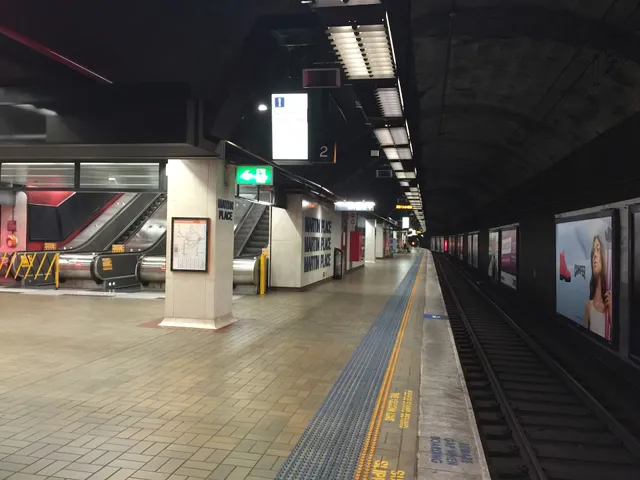
Martin Place
4.1
(116)
Click for details
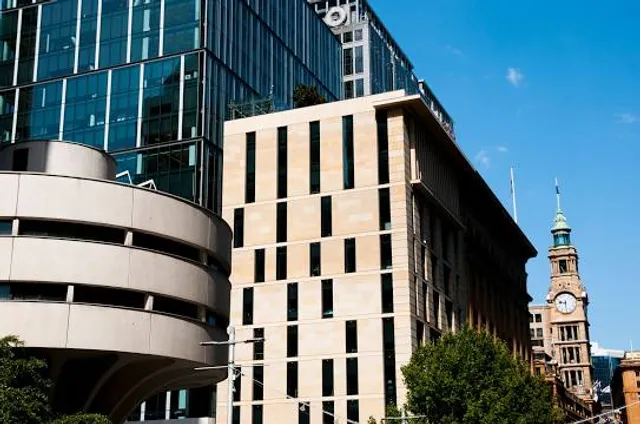
Martin Place
4.5
(729)
Click for details
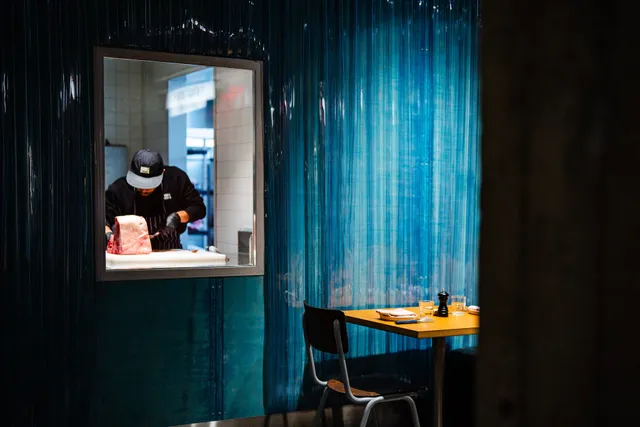
Alfie's
4.5
(401)
Click for details
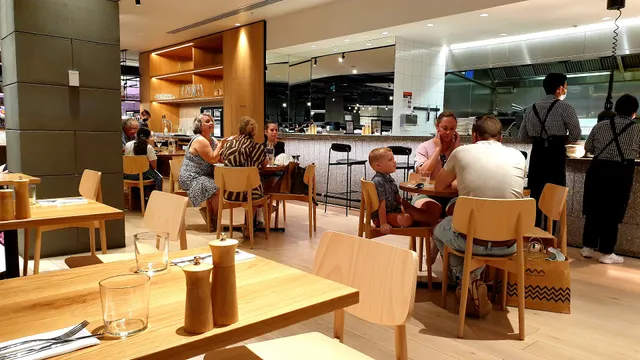
David Jones - Elizabeth Street
4.1
(1.8K)
Click for details