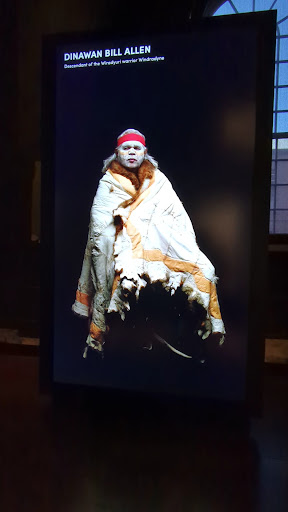
The team at the Hyde Park Barracks Heritage Museum deserves heartfelt praise for their exceptional work in preserving and presenting one of Australia’s most significant historical sites. Their dedication to showcasing the rich, multifaceted story of the Barracks—a UNESCO World Heritage-listed site—brings to life the vision and enduring legacy of Governor Lachlan Macquarie and the diverse founding figures who laid the foundations of this great nation. Under Macquarie’s progressive leadership, the Hyde Park Barracks, completed in 1819, stood as a testament to his belief in transformation, inclusion, and opportunity. Designed to house convicts, the Barracks became more than a place of confinement; it symbolized Macquarie’s vision of a society where emancipists, First Nations peoples, free settlers, and others could contribute to a burgeoning colony. The museum team masterfully captures this ethos, weaving together the stories of convicts who toiled and triumphed, First Nations peoples whose resilience and culture enriched the land, and free settlers who brought new skills and dreams. Through meticulously curated exhibits, immersive storytelling, and thoughtful preservation, the team ensures that visitors grasp the profound contributions of these founding groups to Australia’s identity. The museum’s vision aligns seamlessly with Macquarie’s inclusive ideals, which championed social mobility and cultural diversity long before these became hallmarks of modern Australia. By highlighting the Barracks’ role as a hub for convicts, immigrants, and later, institutional residents, the team underscores the multicultural bedrock that has shaped Australia into a vibrant, pluralistic nation. Interactive displays, archaeological artifacts, and personal narratives bring to life the struggles and aspirations of those who passed through the Barracks, fostering a deep appreciation for the shared heritage that unites Australians today. The staff’s commitment to education and engagement is truly commendable. Their guided tours, public programs, and digital resources make history accessible and relevant, inviting visitors of all backgrounds to reflect on Australia’s past and its ongoing journey toward reconciliation and inclusivity. By honoring the contributions of First Nations peoples alongside those of convicts and settlers, the museum creates a space for dialogue and understanding, ensuring that future generations inherit a legacy of respect for diversity and resilience. In celebrating the Hyde Park Barracks, the team not only preserves a physical monument but also breathes life into the visionary foundations laid by Macquarie and Australia’s founding fathers and mothers. Their work ensures that the inclusive, multicultural spirit of this nation—forged through hardship, hope, and collaboration—continues to inspire and guide us. Thank you to the entire team for your passion, professionalism, and unwavering commitment to telling Australia’s story with authenticity and heart. This museum is a treasure, and your efforts make it a beacon of heritage and unity for...
Read moreHyde Park Barracks is one of the most captivating and well-preserved historical sites in Sydney, and an absolute must-visit for anyone interested in architecture, history, or the early foundations of Australia as a nation. I spent a few hours here and was completely immersed in the experience—it’s not just a museum, but a deeply atmospheric place that tells powerful, layered stories about Sydney’s past.
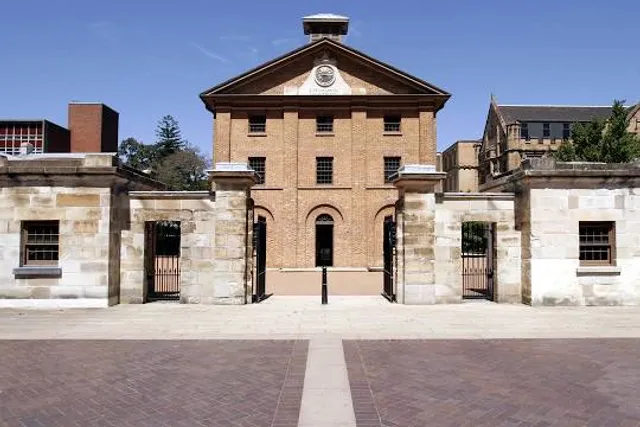
The building itself is remarkable. Designed by convict architect Francis Greenway and completed in 1819, it’s a striking example of colonial Georgian architecture. The proportions are elegant and symmetrical, and the use of handmade bricks and lime plaster reflects the craftsmanship of the time. You can feel the weight of history in the materials, from the creaking floorboards to the weathered sandstone. It’s a beautifully austere structure—functional, yet quietly dignified—and one of the best-preserved convict-era buildings in the country.
What makes Hyde Park Barracks truly special is how the site has been reimagined through interactive exhibits and immersive storytelling. The museum experience is thoughtfully curated, blending original objects, personal accounts, and digital technology in a way that feels both educational and emotional. As you move through the rooms, you’re walking in the footsteps of convicts, immigrant women, and orphans who once lived here—each layer of history told through compelling, often confronting, stories. The use of audio guides and layered soundscapes adds a haunting realism to the experience.
The courtyard and surrounding gardens also offer a moment to reflect. Set right on the edge of Hyde Park and close to Macquarie Street, the location is peaceful, yet right in the heart of the city. The contrast between this quiet, historic site and the buzz of the modern CBD makes the experience all the more powerful.
Hyde Park Barracks does an incredible job of preserving the past while making it relevant to contemporary audiences. It’s a place that challenges you to think about the foundations of modern Australia—from colonisation and migration to identity and resilience. I walked away feeling moved, informed, and grateful that such a space exists to honour these stories.
Highly recommended for locals and visitors alike. Whether you're into architecture, social history, or just curious about how Sydney came to be, Hyde Park Barracks is a deeply...
Read moreHyde Park Baracks were free and was described as an immersive experience. You get an audio guide that is linked to different spots in each room so it automatically starts talking to you via the headset. It was actually very well done. Just walking through the front gate I could envision how the barracks looked when they were being used. The initial purpose was to house convict labor sent from England. When Sydney was being developed in the early- mid 19th century, they needed a lot of labor hence convicts. One of the buildings used a video installation and audio to re-create the voyage experience from England to Australia. Then you cross the courtyard and enter a three-story building, which has been renovated with whitewashed walls, squeaky wooden floors, and a pitched beamed roof. Again very well done. Starting at the top you work your way down and see a recreation of a sleeping room, the hammock room for the convicts, displays of items which the convicts wore, used, etc. In addition to the display cases, an audio commentary via your headset explained what we were looking at using actors to recount the stories of convicts, based on their letters, or stories handed down. They had a section describing the work that the convicts did to help build Sydney – they made bricks to use in creating the buildings, sawed, nailed, cut lumber, provided blacksmith services to keep all the tools sharp and more. So it was interesting to see these items and hear the stories. Around 1850 convicts were no longer sent to Australia, so the barracks were used to house indigent women for a while; women from the UK who were coming to Australia to work. Again, more items combined with audio; they also had a section from the matron who ran the woman’s home. Another whole section of the museum talked about the treatment of the Aboriginals, which was primarily land focused. So although I was skeptical of this spot and went because it was there and free, I...
Read more