HTML SitemapExplore
logo
Find Things to DoFind The Best Restaurants

Regional History Museum of Sofia — Attraction in Sofia City

Name
Regional History Museum of Sofia
Description
Nearby attractions
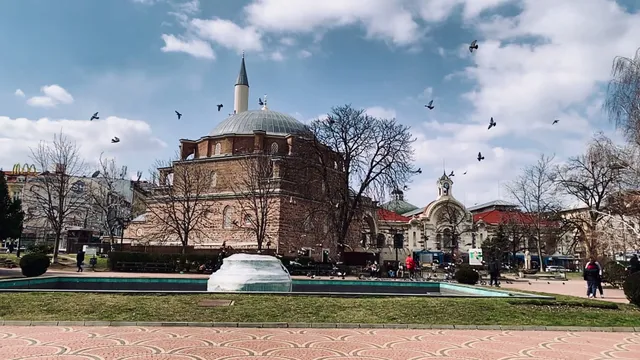
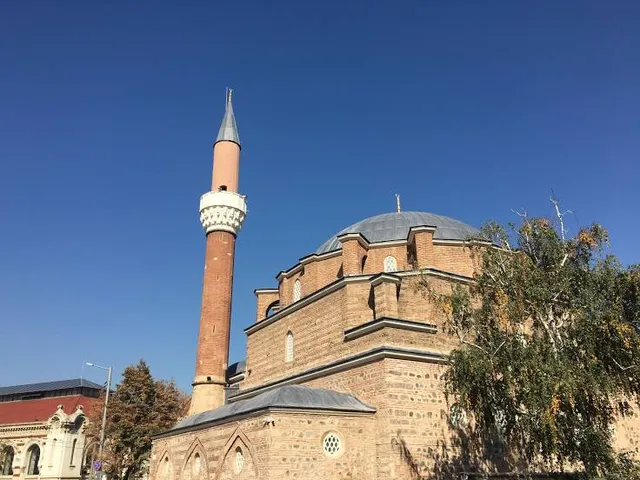
Sofia mosque - Banya Bashi
Sofia Center, Knyagina Maria Luisa Blvd 18, 1000 Sofia, Bulgaria
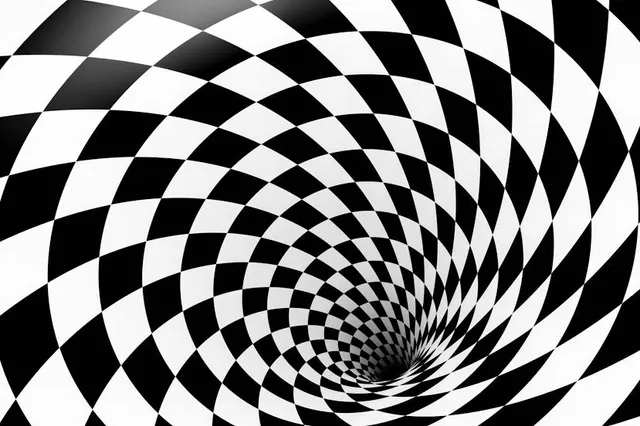
Museum of illusions/Музей на илюзиите
Sofia Center, Knyagina Maria Luisa Blvd 16, 1000 Sofia, Bulgaria
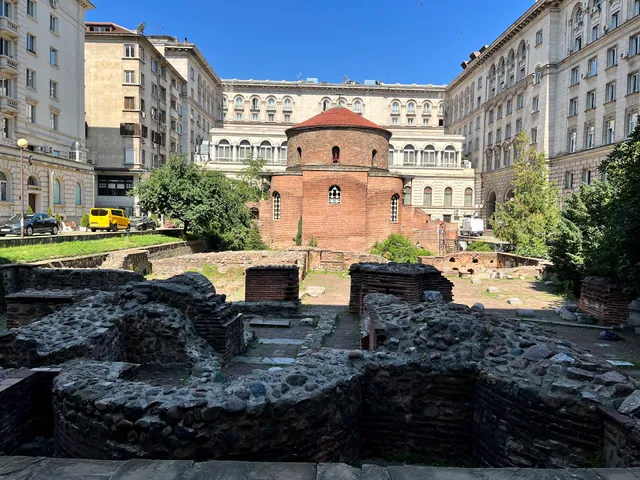
Ancient orthodox rotunda church "Saint George"
Sofia Center, Knyaz Alexander Dondukov Blvd 2, 1000 Sofia, Bulgaria
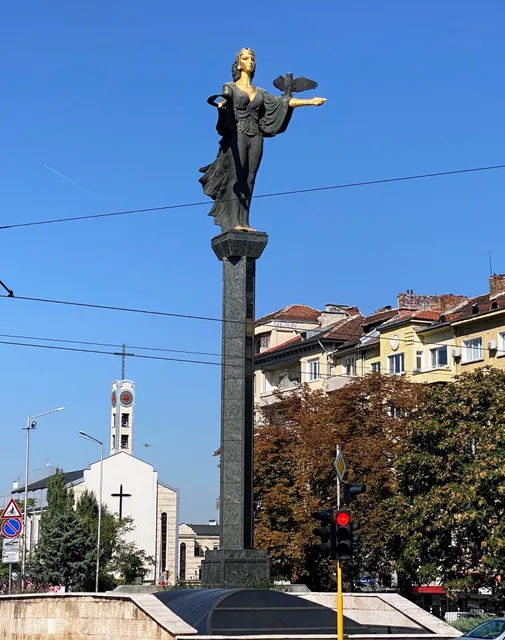
The Monument of Saint Sofia - Patron of City
Sofia Center, 1000 Sofia, Bulgaria
Saint Nedelya Orthodox Cathedral
Sofia Center, pl. "Sveta Nedelya" 20, 1000 Sofia, Bulgaria
National Archeological Museum of the Bulgarian Academy of Sciences
Sofia Center, пл. „Атанас Буров“, 1000 Sofia, Bulgaria
Fountain at Atanas Burov Square
Sofia Center, 1000 Sofia, Bulgaria
The City Garden
Sofia Center, 1000 Sofia, Bulgaria
Catholic Cathedral of Sofia - St. Joseph Parish
Sofia Center, ul. "Knyaz Boris I" 146, 1000 Sofia, Bulgaria
The National Art Gallery
i, Sofia Center, pl. "Knyaz Aleksandar I" 1, 1000 Sofia, Bulgaria
Nearby restaurants
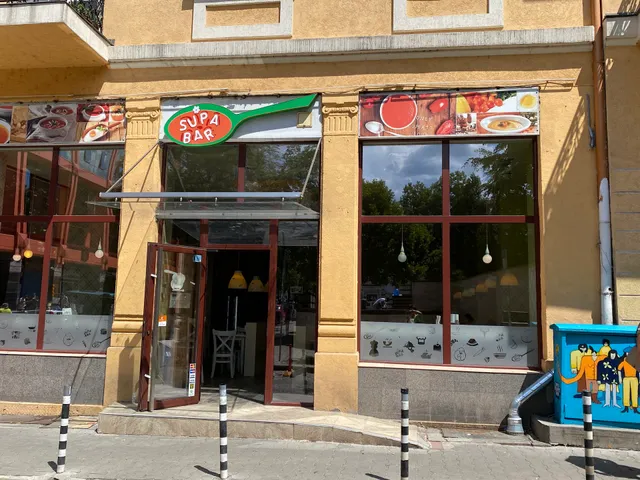
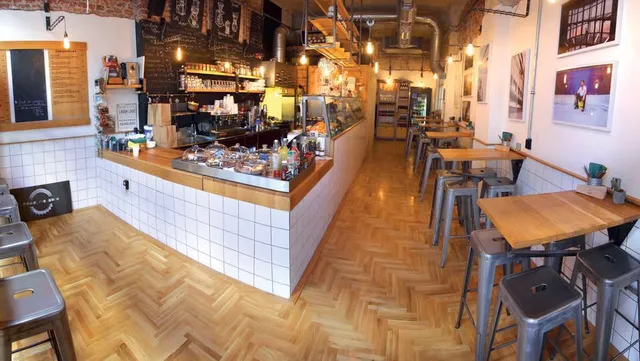
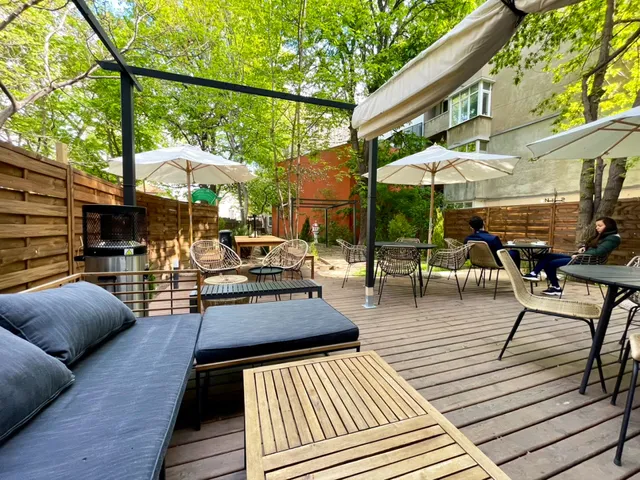
Supa Bar
1000, ul. Serdika 20, 1000 Sofia, Bulgaria
Rainbow Factory
Sofia Center, ul. "Veslets" 10, 1000 Sofia, Bulgaria
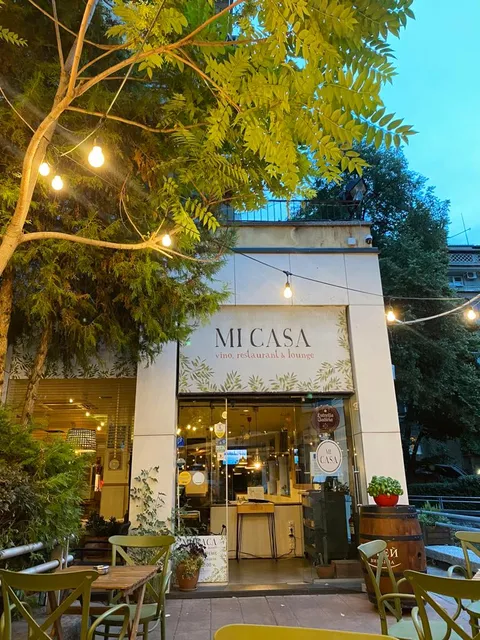
Mi Casa
Sofia Center, ul. "Iskar" 1, 1000 Sofia, Bulgaria
Izzy's Coffee and Brunch
Sofia Center, Knyagina Maria Luisa Blvd 17, 1000 Sofia, Bulgaria
Skapto Burgers, Beers and Fries Iskar
Sofia Center, ul. "Iskar" 11А, 1000 Sofia, Bulgaria
L'etranger restaurant
Sofia Center, "Tsar Simeon" St 78, 1202 Sofia, Bulgaria
Happy Bar & Grill
Sofia Center, pl. "Sveta Nedelya" 4, 1000 Sofia, Bulgaria
obred / обред
Sofia Center, ul. "Iskar" 11, 1000 Sofia, Bulgaria
Capo Mediterranean Restaurant
Sofia Center, ul. "Saborna" 14, 1000 Sofia, Bulgaria
Fanshan Restaurant
Sofia, Struma St 2, Центр, Bulgaria
Nearby hotels
Sofia Balkan Palace
5, pl. "Sveta Nedelya" Square, 1000 Sofia, Bulgaria
Hostel №1 in Sofia
Sofia Center, ul. Serdika 28, 1000 Sofia, Bulgaria
Hotel Central Club - Free Spa access
Sofia Center, Knyagina Maria Luisa Blvd 20, 1000 Sofia, Bulgaria
Introvert Maria Luisa
29 "Knyaginya, Sofia Center, Knyagina Maria Luisa Blvd 29, 1000 Sofia, Bulgaria
The North Tower Apartment
Sofia Center, "Ekzarh Yosif" St 29, 1000 Sofia, Bulgaria
БлаБла хостел
Sofia Center, ul. "Iskar" 11, 1000 Sofia, Bulgaria
Arte Sofia Hotel
Sofia Center, Knyaz Alexander Dondukov Blvd 5, 1000 Sofia, Bulgaria
Scotty's Boutique Hotel
Sofia Center, "Ekzarh Yosif" St 11, 1000 Sofia, Bulgaria
Stivan Iskar Hotel
Sofia Center, ul. "Iskar" 11 Б, 1000 Sofia, Bulgaria
Serdika Round Tower Apartments
Sofia Center, "Ekzarh Yosif" St 22, 1000 Sofia, Bulgaria
Related posts
Keywords
Regional History Museum of Sofia tourism.Regional History Museum of Sofia hotels.Regional History Museum of Sofia bed and breakfast. flights to Regional History Museum of Sofia.Regional History Museum of Sofia attractions.Regional History Museum of Sofia restaurants.Regional History Museum of Sofia travel.Regional History Museum of Sofia travel guide.Regional History Museum of Sofia travel blog.Regional History Museum of Sofia pictures.Regional History Museum of Sofia photos.Regional History Museum of Sofia travel tips.Regional History Museum of Sofia maps.Regional History Museum of Sofia things to do.
Regional History Museum of Sofia things to do, attractions, restaurants, events info and trip planning
Regional History Museum of Sofia
BulgariaSofia CityRegional History Museum of Sofia

Basic Info

Regional History Museum of Sofia

Sofia Center, pl. “Banski“ 1, 1000 Sofia, Bulgaria
4.4(2.3K)
Open 24 hours
Save
spot

Ratings & Description

Info

Cultural
Family friendly
Accessibility
attractions: Sofia mosque - Banya Bashi, Museum of illusions/Музей на илюзиите, Ancient orthodox rotunda church "Saint George", The Monument of Saint Sofia - Patron of City, Saint Nedelya Orthodox Cathedral, National Archeological Museum of the Bulgarian Academy of Sciences, Fountain at Atanas Burov Square, The City Garden, Catholic Cathedral of Sofia - St. Joseph Parish, The National Art Gallery, restaurants: Supa Bar, Rainbow Factory, Mi Casa, Izzy's Coffee and Brunch, Skapto Burgers, Beers and Fries Iskar, L'etranger restaurant, Happy Bar & Grill, obred / обред, Capo Mediterranean Restaurant, Fanshan Restaurant
logoLearn more insights from Wanderboat AI.
Phone
+359 2 985 4455
Website
sofiahistorymuseum.bg

Plan your stay

hotel
Pet-friendly Hotels in Sofia City
Find a cozy hotel nearby and make it a full experience.
hotel
Affordable Hotels in Sofia City
Find a cozy hotel nearby and make it a full experience.
hotel
The Coolest Hotels You Haven't Heard Of (Yet)
Find a cozy hotel nearby and make it a full experience.
hotel
Trending Stays Worth the Hype in Sofia City
Find a cozy hotel nearby and make it a full experience.

Reviews

Nearby attractions of Regional History Museum of Sofia

Sofia mosque - Banya Bashi

Museum of illusions/Музей на илюзиите

Ancient orthodox rotunda church "Saint George"

The Monument of Saint Sofia - Patron of City

Saint Nedelya Orthodox Cathedral

National Archeological Museum of the Bulgarian Academy of Sciences

Fountain at Atanas Burov Square

The City Garden

Catholic Cathedral of Sofia - St. Joseph Parish

The National Art Gallery

Sofia mosque - Banya Bashi

Sofia mosque - Banya Bashi

4.4

(1.5K)

Open 24 hours
Click for details
Museum of illusions/Музей на илюзиите

Museum of illusions/Музей на илюзиите

4.5

(2.1K)

Open 24 hours
Click for details
Ancient orthodox rotunda church "Saint George"

Ancient orthodox rotunda church "Saint George"

4.6

(1.6K)

Open 24 hours
Click for details
The Monument of Saint Sofia - Patron of City

The Monument of Saint Sofia - Patron of City

4.3

(721)

Open 24 hours
Click for details

Things to do nearby

Taste Bulgarian wines in Sofia
Mon, Dec 8 • 1:00 PM
1000, Sofia, Sofia City Province, Bulgaria
View details
Tour to Rila Monastery and Boyana Church
Tue, Dec 9 • 8:00 AM
1504, Sofia, Sofia City Province, Bulgaria
View details
Escape Sofia: horse ride through Bulgarias beauty
Sun, Dec 7 • 2:00 PM
1421, Sofia, Sofia City Province, Bulgaria
View details

Nearby restaurants of Regional History Museum of Sofia

Supa Bar

Rainbow Factory

Mi Casa

Izzy's Coffee and Brunch

Skapto Burgers, Beers and Fries Iskar

L'etranger restaurant

Happy Bar & Grill

obred / обред

Capo Mediterranean Restaurant

Fanshan Restaurant

Supa Bar

Supa Bar

4.5

(428)

Click for details
Rainbow Factory

Rainbow Factory

4.5

(1.5K)

Click for details
Mi Casa

Mi Casa

4.4

(816)

$

Click for details
Izzy's Coffee and Brunch

Izzy's Coffee and Brunch

4.7

(545)

$

Click for details
Get the Appoverlay
Get the AppOne tap to find yournext favorite spots!
Wanderboat LogoWanderboat

Your everyday Al companion for getaway ideas

CompanyAbout Us
InformationAI Trip PlannerSitemap
SocialXInstagramTiktokLinkedin
LegalTerms of ServicePrivacy Policy

Get the app

© 2025 Wanderboat. All rights reserved.
logo

Reviews of Regional History Museum of Sofia

4.4
(2,265)
avatar
5.0
2y

Review: Regional History Museum - Sofia: A Deep Dive into Bulgaria's Heart and Soul

Nestled in the heart of Bulgaria's vibrant capital, the Regional History Museum in Sofia is not merely a repository of artifacts but a living narrative of the nation's rich tapestry of history, culture, and civilization.

Location and Architecture

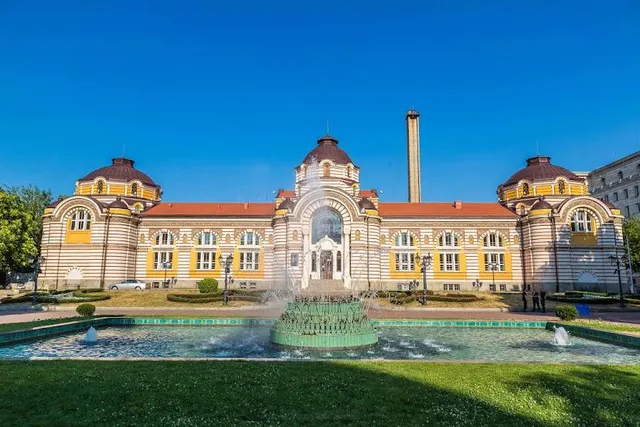
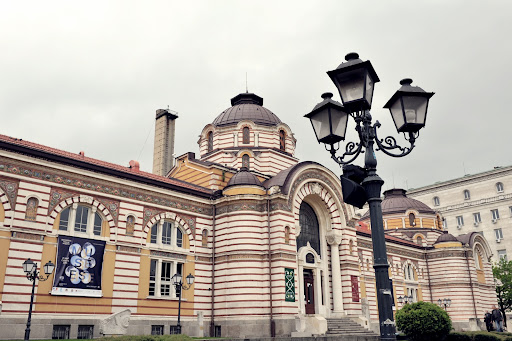
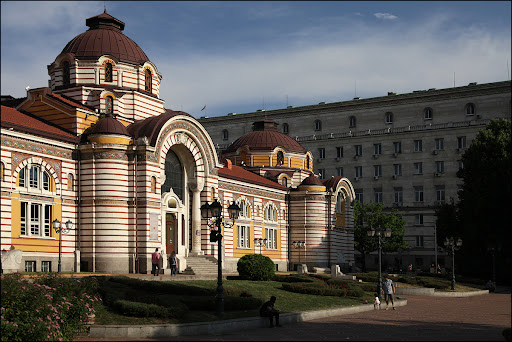
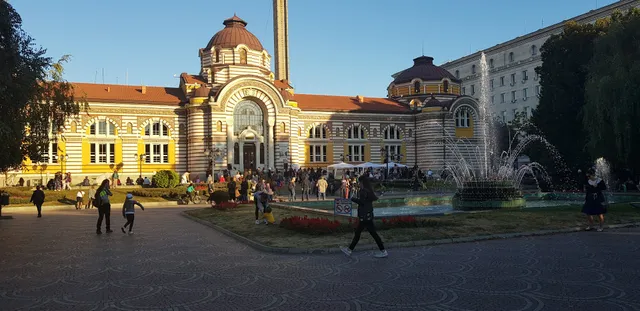
Housed in the stunning former Turkish Mineral Baths, the museum's location itself is a testament to Bulgaria's eclectic blend of cultures and eras. The building's architectural grandeur, with its ornate details and spacious interiors, makes for a fitting backdrop to the treasures it holds within.

Chronological Odyssey

One of the museum's standout features is the chronological organization of its exhibits. Visitors embark on a temporal journey, beginning with ancient Thracian civilizations, progressing through the Roman and Byzantine periods, delving into the Ottoman era, and culminating in modern Bulgaria. This structured narrative allows for an immersive experience, tracing the evolution of a nation and its people.

Diverse Exhibits

The museum boasts a vast collection that spans various domains of history. Be it ancient coinage, showcasing the economic and trade ties of bygone eras, or the vibrant costumes and textiles, reflecting Bulgaria's rich sartorial traditions; there's something to pique the interest of history buffs and casual visitors alike.

The Ottoman section, with its intricate artifacts, speaks volumes about the cultural exchanges and influences during this significant period. Meanwhile, the modern section resonates with tales of national pride, struggles for independence, and the shaping of contemporary Bulgaria.

Interactive and Engaging

In the age of digital immersion, the Regional History Museum has made commendable efforts to engage with younger audiences. Interactive displays, multimedia presentations, and guided tours ensure that the history being showcased is not just seen but deeply felt and understood.

Educational Initiatives

Schools and educational institutions find the museum a valuable resource. The museum's dedicated programs for students, including workshops and seminars, make learning about Bulgaria's past a hands-on and enriching experience.

Conclusion

The Regional History Museum in Sofia is more than just a destination; it's an experience. It stands as a proud sentinel of Bulgaria's diverse and layered heritage, inviting visitors to step back in time and witness the milestones that have shaped this beautiful nation. Whether you're a seasoned historian, a student, or a traveler keen to understand the soul of Bulgaria, this museum promises a journey that is both enlightening and evocative. If Sofia is the heart of Bulgaria, then the Regional History Museum is...

   Read more
avatar
5.0
6y

The Central Mineral Baths (Централна минерална баня, Tsentralna mineralna banya) is a landmark in the centre of Sofia, the capital of Bulgaria, a city known for the mineral springs in the area. It was built in the early 20th century near the former Turkish bath (then destroyed) and was used as the city's public baths until 1986.

Public baths have existed in Sofia since at least the 16th century. During Hans Dernschwam visit to Sofia in 1553–1555, the Bohemian traveller noted the presence of 1 large bath and 2 smaller baths on either side of the city. Dernschwam described the baths as follows:

“ The baths are located on the square; there is a big quadrangular building in front by the entrance, with a round Greek-style dome on top, like the Pantheon in Rome. It is richly covered in white marble … The big water conduits that lead the water into the baths are made of potter's clay. Each tube is approximately one Viennese cubit long and the separate tubes go through each other. They are plastered up like I have seen in Siebenbürgen (Transylvania) too, in old buildings in Thorenburg (Turda).” The current Central Mineral Baths building was designed in the Vienna Secession style, but integrating typically Bulgarian, Byzantine and Eastern Orthodox ornamental elements, by the architects Petko Momchilov and Friedrich Grünanger in 1904–1905 and approved on 30 January 1906, as projects by an Austrian (in 1889) and a French architect (in 1901) were declined. The raw construction was finished in 1908 and a Bulgarian company constructed the complex roof and the mineral water conduit. The baths opened on 13 May 1913, but the building was completely finished after 2 more years and a garden was arranged in front of the baths. Artists Haralampi Tachev and St. Dimitrov designed the building's ceramic majolica decoration.

The north wing was damaged during the bombing of Sofia in World War II, but was restored several years later. The baths continued to work as public baths until 1986, when the building was closed due to its bad condition and the possible collapse of the roof. It was subsequently partially reconstructed and thoroughly cleaned and accommodates the Sofia Regional Historical Museum since...

   Read more
avatar
2.0
1y

I usually don’t post negative reviews, but today was necessary. The 2 starts are for the beauty of the building. Unfortunately, it was closed. We found out in a rude way.

My husband and I saw that the museum was listed as open on Google and the website, so we walked to the front of the museum. As we were walking up the steps and looking at the signs on the door, a woman who obviously worked at the museum began to speak to us in English as she walked up the steps. She was middle aged, probably in her 40s or 50s, with short blonde hair. She told us that the museum was closed. We said, “thank you” and began to go back down the stairs. However, she continued to talk to us. She said, “There is a sign on the door in English.” We did not have time to read it before she spoke to us. She continued to say, “Foreigners keep coming here. I know you are on vacation, but we need rest too.” She just kept talking. At a certain point, I wanted to be rude back to her. The encounter was unnecessarily hostile and strange.

My husband and I had done nothing rude and were actually trying to leave down the steps as she continued her speech. She must be unhappy with her job, but it’s ironic that she works at a regional history museum if she is so annoyed by foreigners. She could have just said, “The museum is closed.” and stopped her speech.

Hopefully we can return when it is open and not...

   Read more
Page 1 of 7
Previous
Next

Posts

Brian JeongBrian Jeong
The Central Mineral Baths (Централна минерална баня, Tsentralna mineralna banya) is a landmark in the centre of Sofia, the capital of Bulgaria, a city known for the mineral springs in the area. It was built in the early 20th century near the former Turkish bath (then destroyed) and was used as the city's public baths until 1986. Public baths have existed in Sofia since at least the 16th century. During Hans Dernschwam visit to Sofia in 1553–1555, the Bohemian traveller noted the presence of 1 large bath and 2 smaller baths on either side of the city. Dernschwam described the baths as follows: “ The baths are located on the square; there is a big quadrangular building in front by the entrance, with a round Greek-style dome on top, like the Pantheon in Rome. It is richly covered in white marble … The big water conduits that lead the water into the baths are made of potter's clay. Each tube is approximately one Viennese cubit long and the separate tubes go through each other. They are plastered up like I have seen in Siebenbürgen (Transylvania) too, in old buildings in Thorenburg (Turda).” The current Central Mineral Baths building was designed in the Vienna Secession style, but integrating typically Bulgarian, Byzantine and Eastern Orthodox ornamental elements, by the architects Petko Momchilov and Friedrich Grünanger in 1904–1905 and approved on 30 January 1906, as projects by an Austrian (in 1889) and a French architect (in 1901) were declined. The raw construction was finished in 1908 and a Bulgarian company constructed the complex roof and the mineral water conduit. The baths opened on 13 May 1913, but the building was completely finished after 2 more years and a garden was arranged in front of the baths. Artists Haralampi Tachev and St. Dimitrov designed the building's ceramic majolica decoration. The north wing was damaged during the bombing of Sofia in World War II, but was restored several years later. The baths continued to work as public baths until 1986, when the building was closed due to its bad condition and the possible collapse of the roof. It was subsequently partially reconstructed and thoroughly cleaned and accommodates the Sofia Regional Historical Museum since September 2015
PioPio
The current Central Mineral Baths building was designed in the Vienna Secession style, but integrating typically Bulgarian, Byzantine and Eastern Orthodox ornamental elements, by the architects Petko Momchilov and Friedrich Grünanger in 1904–1905 and approved on 30 January 1906, as projects by an Austrian (in 1889) and a French architect (in 1901) were declined. The raw construction was finished in 1908 and a Bulgarian company constructed the complex roof and the mineral water conduit. The baths opened on 13 May 1913, but the building was completely finished after 2 more years and a garden was arranged in front of the baths. Artists Haralampi Tachev and St. Dimitrov designed the building's ceramic majolica decoration The north wing was damaged during the bombing of Sofia in World War II, but was restored several years later. The baths continued to work as public baths until 1986, when the building was closed due to its bad condition and the possible collapse of the roof. It was subsequently partially reconstructed and thoroughly cleaned and accommodates the Sofia Regional Historical Museum since September 2015.
Mr FarrellMr Farrell
I recently visited the regional history museum in Sofia, Bulgaria and overall had a great experience. The museum offers a comprehensive look into the history of Sofia, showcasing snapshots of each chapter in a fascinating way. I particularly enjoyed seeing the horse and carriage used by the royals, as well as the collection of old motor cars. The artwork and collection of coins were also impressive. One aspect of my visit that I found slightly off-putting was being followed around by the staff. While I understand the need for security, it made me and my father feel a bit uncomfortable. However, this did not detract too much from our overall enjoyment of the museum. I would highly recommend this museum to tourists looking to understand the culture and history of Bulgaria. The fact that there are signs in English makes it accessible to a wider audience. Overall, it was a fantastic day out, and I left with a greater appreciation for the rich history of Sofia.
See more posts
See more posts
hotel
Find your stay

Pet-friendly Hotels in Sofia City

Find a cozy hotel nearby and make it a full experience.

The Central Mineral Baths (Централна минерална баня, Tsentralna mineralna banya) is a landmark in the centre of Sofia, the capital of Bulgaria, a city known for the mineral springs in the area. It was built in the early 20th century near the former Turkish bath (then destroyed) and was used as the city's public baths until 1986. Public baths have existed in Sofia since at least the 16th century. During Hans Dernschwam visit to Sofia in 1553–1555, the Bohemian traveller noted the presence of 1 large bath and 2 smaller baths on either side of the city. Dernschwam described the baths as follows: “ The baths are located on the square; there is a big quadrangular building in front by the entrance, with a round Greek-style dome on top, like the Pantheon in Rome. It is richly covered in white marble … The big water conduits that lead the water into the baths are made of potter's clay. Each tube is approximately one Viennese cubit long and the separate tubes go through each other. They are plastered up like I have seen in Siebenbürgen (Transylvania) too, in old buildings in Thorenburg (Turda).” The current Central Mineral Baths building was designed in the Vienna Secession style, but integrating typically Bulgarian, Byzantine and Eastern Orthodox ornamental elements, by the architects Petko Momchilov and Friedrich Grünanger in 1904–1905 and approved on 30 January 1906, as projects by an Austrian (in 1889) and a French architect (in 1901) were declined. The raw construction was finished in 1908 and a Bulgarian company constructed the complex roof and the mineral water conduit. The baths opened on 13 May 1913, but the building was completely finished after 2 more years and a garden was arranged in front of the baths. Artists Haralampi Tachev and St. Dimitrov designed the building's ceramic majolica decoration. The north wing was damaged during the bombing of Sofia in World War II, but was restored several years later. The baths continued to work as public baths until 1986, when the building was closed due to its bad condition and the possible collapse of the roof. It was subsequently partially reconstructed and thoroughly cleaned and accommodates the Sofia Regional Historical Museum since September 2015
Brian Jeong

Brian Jeong

hotel
Find your stay

Affordable Hotels in Sofia City

Find a cozy hotel nearby and make it a full experience.

Get the Appoverlay
Get the AppOne tap to find yournext favorite spots!
The current Central Mineral Baths building was designed in the Vienna Secession style, but integrating typically Bulgarian, Byzantine and Eastern Orthodox ornamental elements, by the architects Petko Momchilov and Friedrich Grünanger in 1904–1905 and approved on 30 January 1906, as projects by an Austrian (in 1889) and a French architect (in 1901) were declined. The raw construction was finished in 1908 and a Bulgarian company constructed the complex roof and the mineral water conduit. The baths opened on 13 May 1913, but the building was completely finished after 2 more years and a garden was arranged in front of the baths. Artists Haralampi Tachev and St. Dimitrov designed the building's ceramic majolica decoration The north wing was damaged during the bombing of Sofia in World War II, but was restored several years later. The baths continued to work as public baths until 1986, when the building was closed due to its bad condition and the possible collapse of the roof. It was subsequently partially reconstructed and thoroughly cleaned and accommodates the Sofia Regional Historical Museum since September 2015.
Pio

Pio

hotel
Find your stay

The Coolest Hotels You Haven't Heard Of (Yet)

Find a cozy hotel nearby and make it a full experience.

hotel
Find your stay

Trending Stays Worth the Hype in Sofia City

Find a cozy hotel nearby and make it a full experience.

I recently visited the regional history museum in Sofia, Bulgaria and overall had a great experience. The museum offers a comprehensive look into the history of Sofia, showcasing snapshots of each chapter in a fascinating way. I particularly enjoyed seeing the horse and carriage used by the royals, as well as the collection of old motor cars. The artwork and collection of coins were also impressive. One aspect of my visit that I found slightly off-putting was being followed around by the staff. While I understand the need for security, it made me and my father feel a bit uncomfortable. However, this did not detract too much from our overall enjoyment of the museum. I would highly recommend this museum to tourists looking to understand the culture and history of Bulgaria. The fact that there are signs in English makes it accessible to a wider audience. Overall, it was a fantastic day out, and I left with a greater appreciation for the rich history of Sofia.
Mr Farrell

Mr Farrell

See more posts
See more posts