Wat Phnom Daun Penh things to do, attractions, restaurants, events info and trip planning
Basic Info
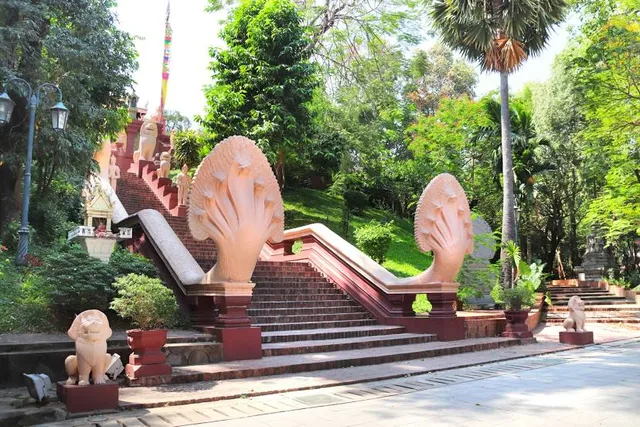
Wat Phnom Daun Penh
ផ្លូវវត្តភ្នំ, Phnom Penh, Cambodia
4.4(115)
Closed
Save
spot
spot
Ratings & Description
Info
Wat Phnom is a Buddhist temple in Doun Penh, Phnom Penh. It is a pagoda, that symbolizes the name of Phnom Penh, and a historical site that is part of the Khmer national identity. Wat Phnom has a total height of 46 meters.
Cultural
Family friendly
attractions: SOSORO - Preah Srey Içanavarman Museum, Phnom Penh Night Market, Wat Phnom Playground, Ministry of Economy and Finance of Cambodia, Kiddy PARK - Exchange Square, Cambodia-Thailand Friendship Garden, Former Buddha Stupa Park., Riverside, restaurants: Khéma Restaurant La Poste, Brown | Riverside, METRO RAHU, Le Manolis, Hong Bao - TRIBE Phnom Penh, Shiva Shakti Restaurant Phnom Penh Indian Restraunt, Titanic Restaurant, Oscar's on the Corner, Hummus House, Olive & Olive Mediterranean Restaurant, local businesses: Raintree, Eleven Degrees by Vattanac, Central Market, Psar Kandal (ផ្សារកណ្តាល)
 Learn more insights from Wanderboat AI.
Open hoursSee all hours
SunClosed
Plan your stay

Pet-friendly Hotels in Khan Daun Penh
Find a cozy hotel nearby and make it a full experience.

Affordable Hotels in Khan Daun Penh
Find a cozy hotel nearby and make it a full experience.

The Coolest Hotels You Haven't Heard Of (Yet)
Find a cozy hotel nearby and make it a full experience.

Trending Stays Worth the Hype in Khan Daun Penh
Find a cozy hotel nearby and make it a full experience.
Reviews
Live events
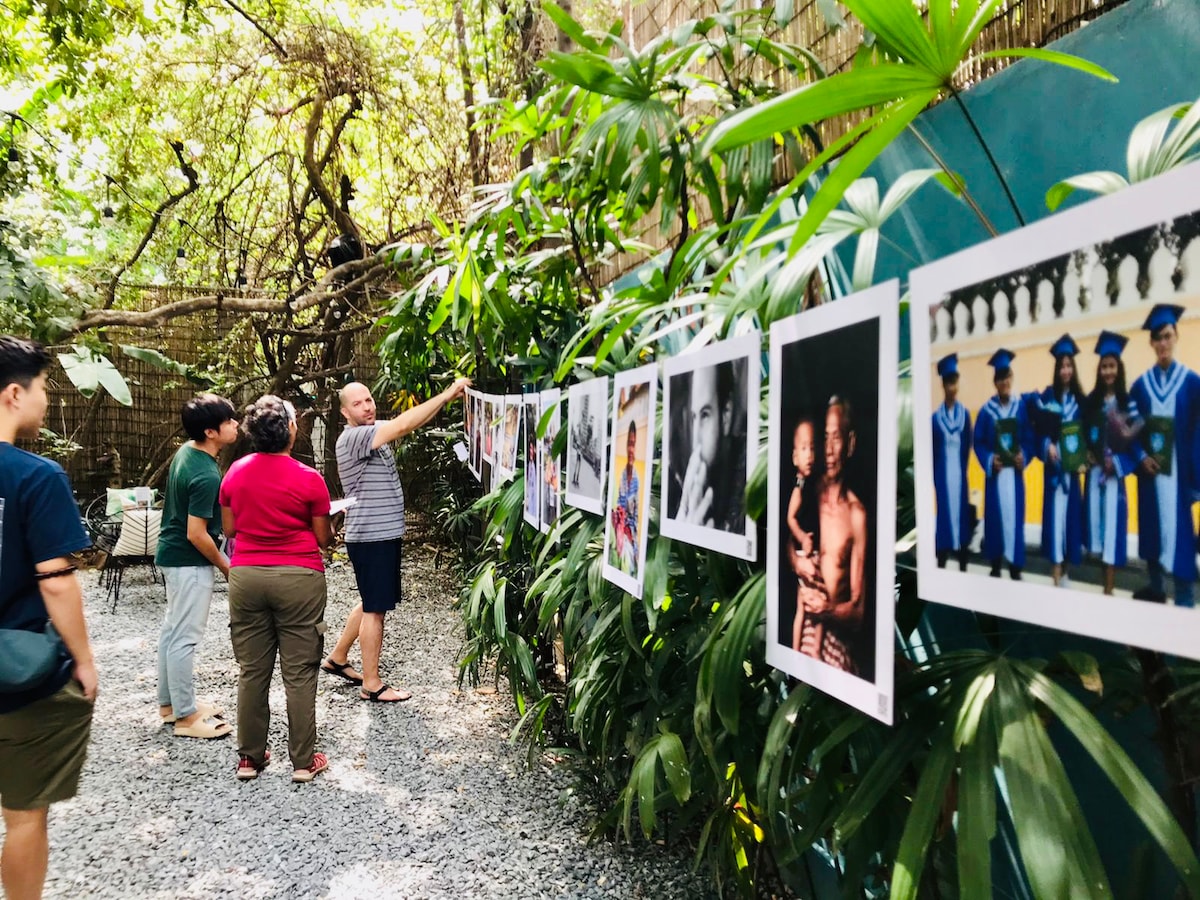
An afternoon of Contemporary Art in Phnom Penh
Mon, Feb 23 • 1:30 PM
Phnom Penh, Phnom Penh 120211, Cambodia
View details
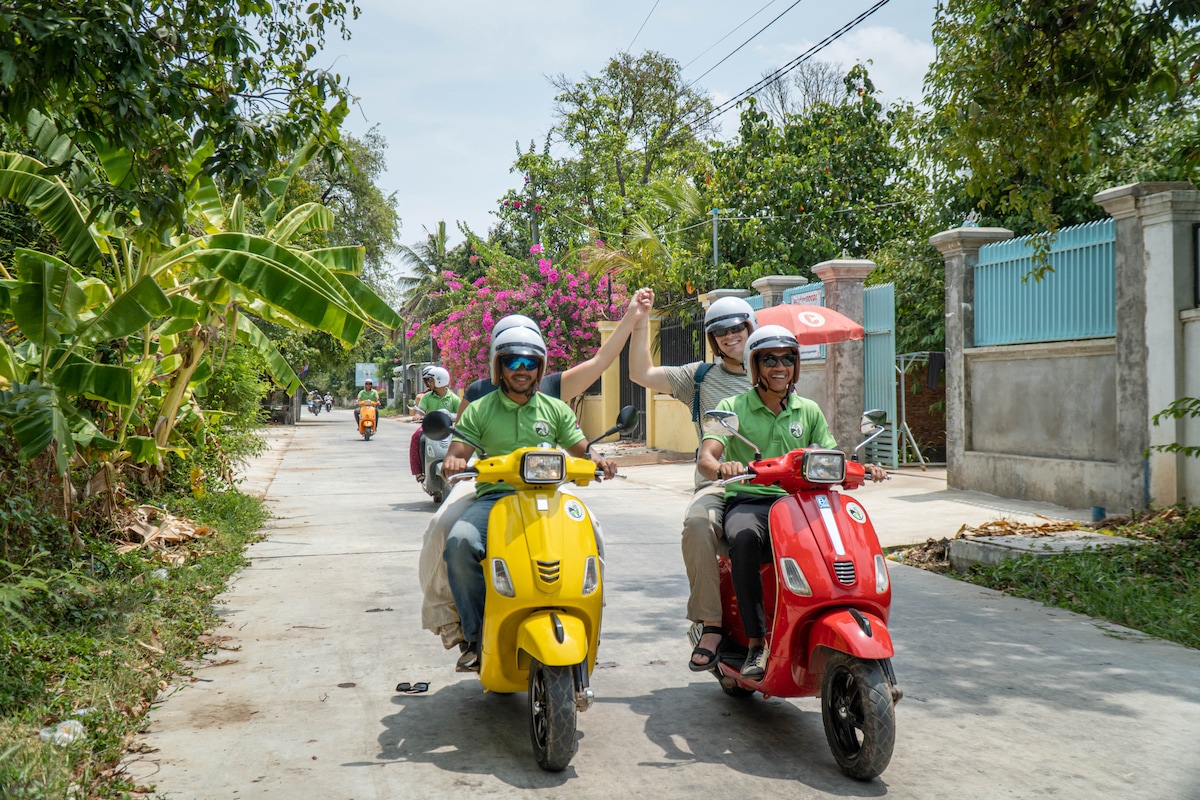
Phnom Penh Silk Island Vespa Tour
Mon, Feb 23 • 8:00 AM
Phnom Penh, Phnom Penh 120205, Cambodia
View details
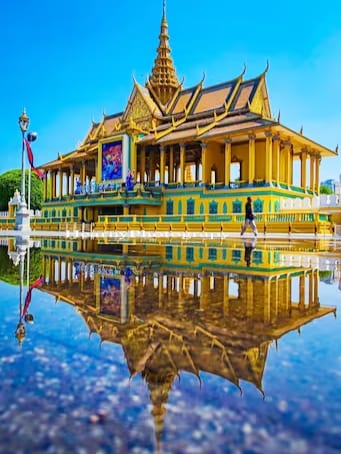
Walking Highlight City Tour
Sat, Feb 28 • 8:00 AM
Phnom Penh, Phnom Penh -, Cambodia
View details
Nearby attractions of Wat Phnom Daun Penh
SOSORO - Preah Srey Içanavarman Museum
Phnom Penh Night Market
Wat Phnom Playground
Ministry of Economy and Finance of Cambodia
Kiddy PARK - Exchange Square
Cambodia-Thailand Friendship Garden
Former Buddha Stupa Park.
Riverside
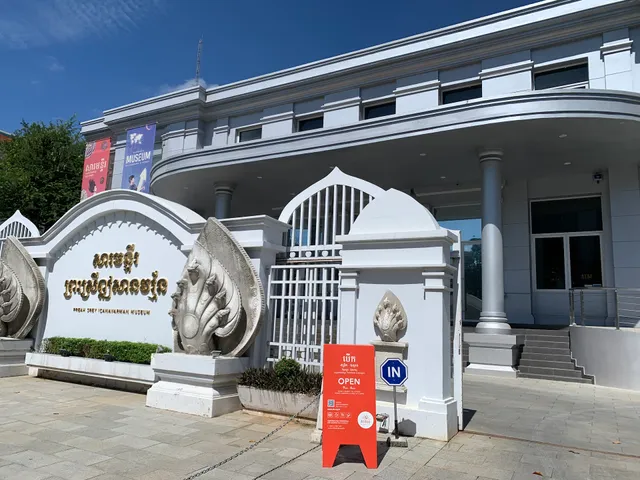
SOSORO - Preah Srey Içanavarman Museum
4.8
(405)
Closed
Click for details
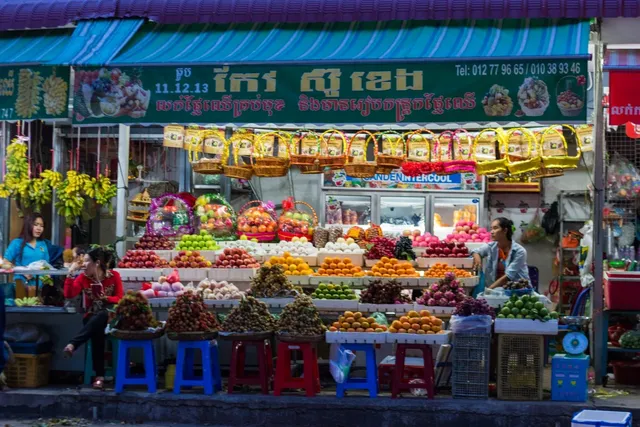
Phnom Penh Night Market
4.0
(4.7K)
Open until 11:00 PM
Click for details
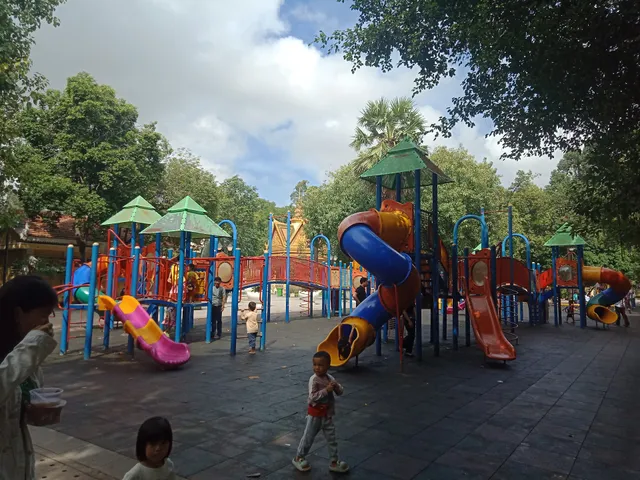
Wat Phnom Playground
4.2
(30)
Closed
Click for details
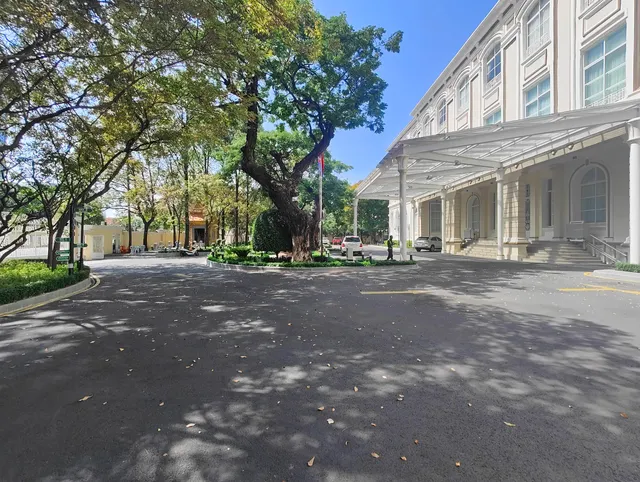
Ministry of Economy and Finance of Cambodia
4.5
(102)
Open until 12:00 AM
Click for details
Nearby restaurants of Wat Phnom Daun Penh
Khéma Restaurant La Poste
Brown | Riverside
METRO RAHU
Le Manolis
Hong Bao - TRIBE Phnom Penh
Shiva Shakti Restaurant Phnom Penh Indian Restraunt
Titanic Restaurant
Oscar's on the Corner
Hummus House
Olive & Olive Mediterranean Restaurant
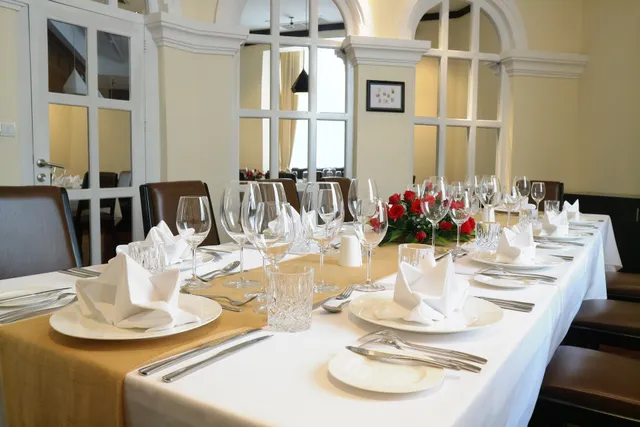
Khéma Restaurant La Poste
4.5
(453)
Open until 10:00 PM
Click for details
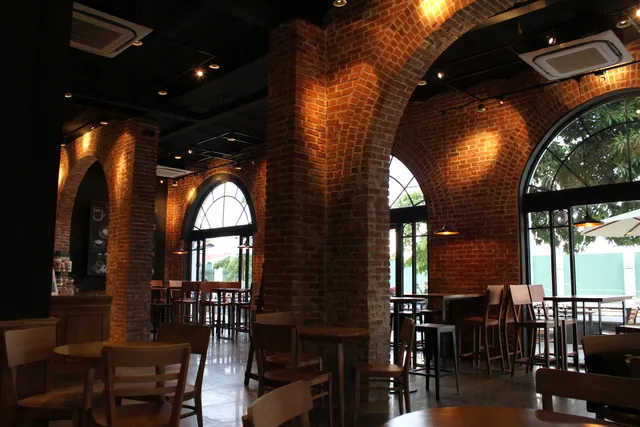
Brown | Riverside
4.3
(505)
Closed
Click for details
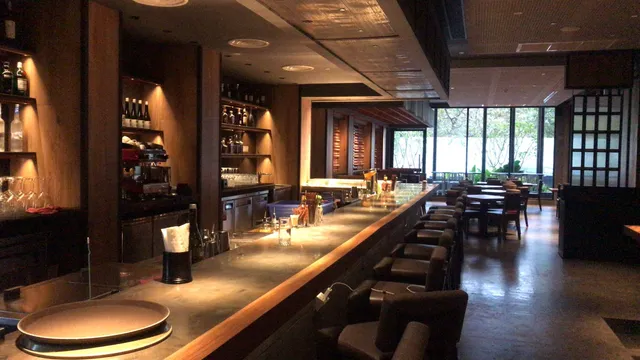
METRO RAHU
4.5
(107)
Closed
Click for details
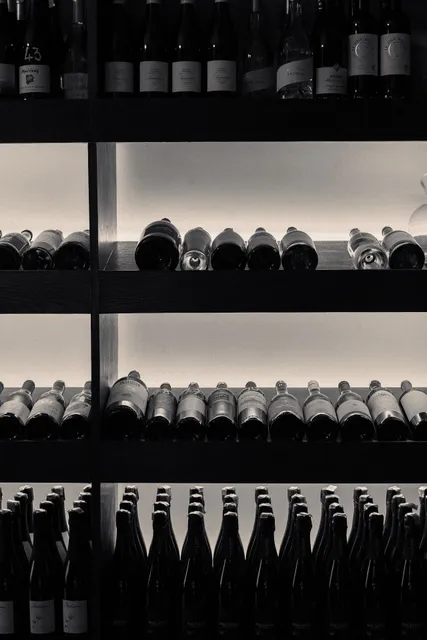
Le Manolis
4.5
(148)
Open until 12:00 AM
Click for details
Nearby local services of Wat Phnom Daun Penh
Raintree
Eleven Degrees by Vattanac
Central Market
Psar Kandal (ផ្សារកណ្តាល)
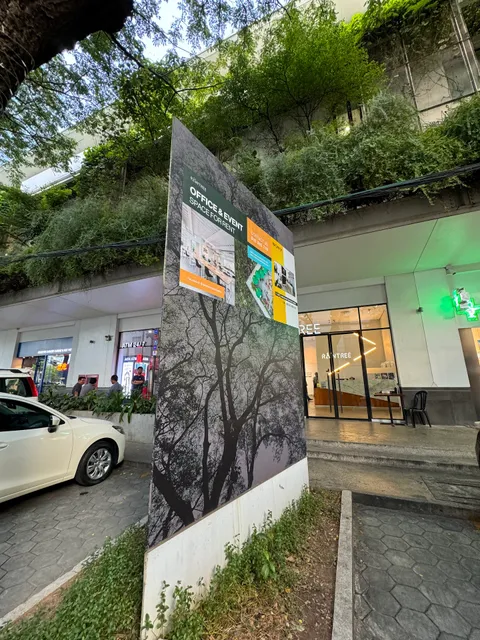
Raintree
4.6
(300)
Click for details
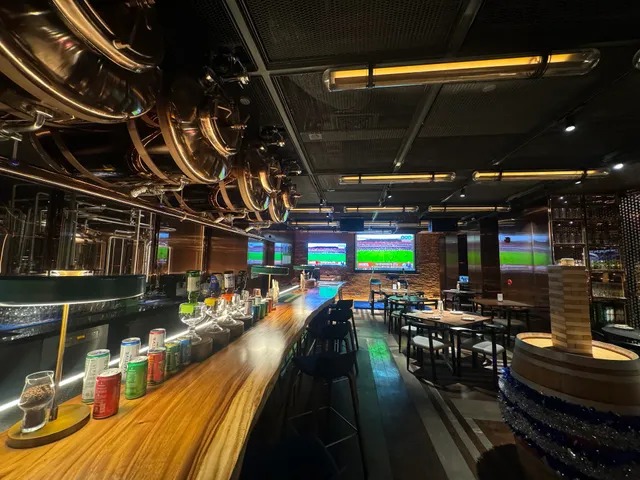
Eleven Degrees by Vattanac
4.4
(37)
Click for details
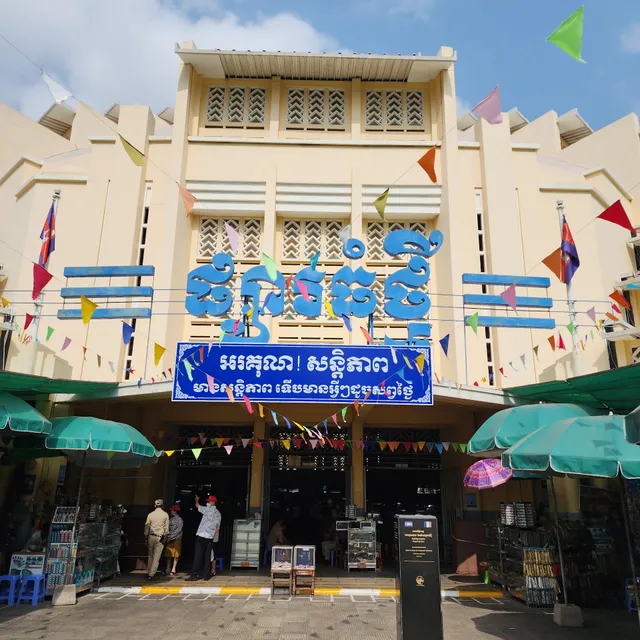
Central Market
4.4
(327)
Click for details
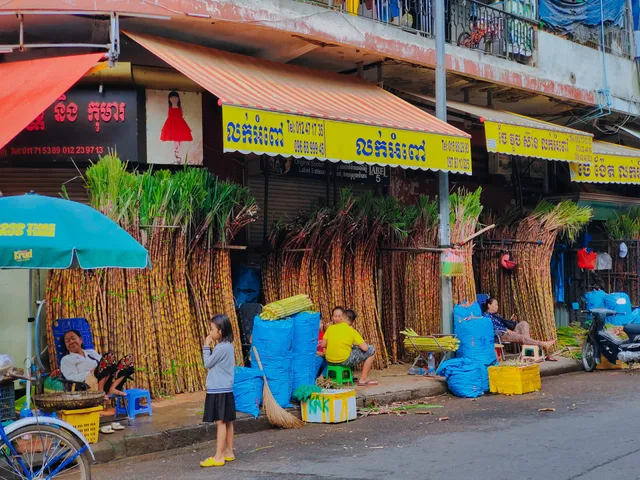
Psar Kandal (ផ្សារកណ្តាល)
4.4
(131)
Click for details