National Holocaust Monument things to do, attractions, restaurants, events info and trip planning
Basic Info
National Holocaust Monument
1918 Chaudière Crossing, Ottawa, ON K1R 0A8, Canada
4.6(163)
Closed
Save
spot
spot
Ratings & Description
Info
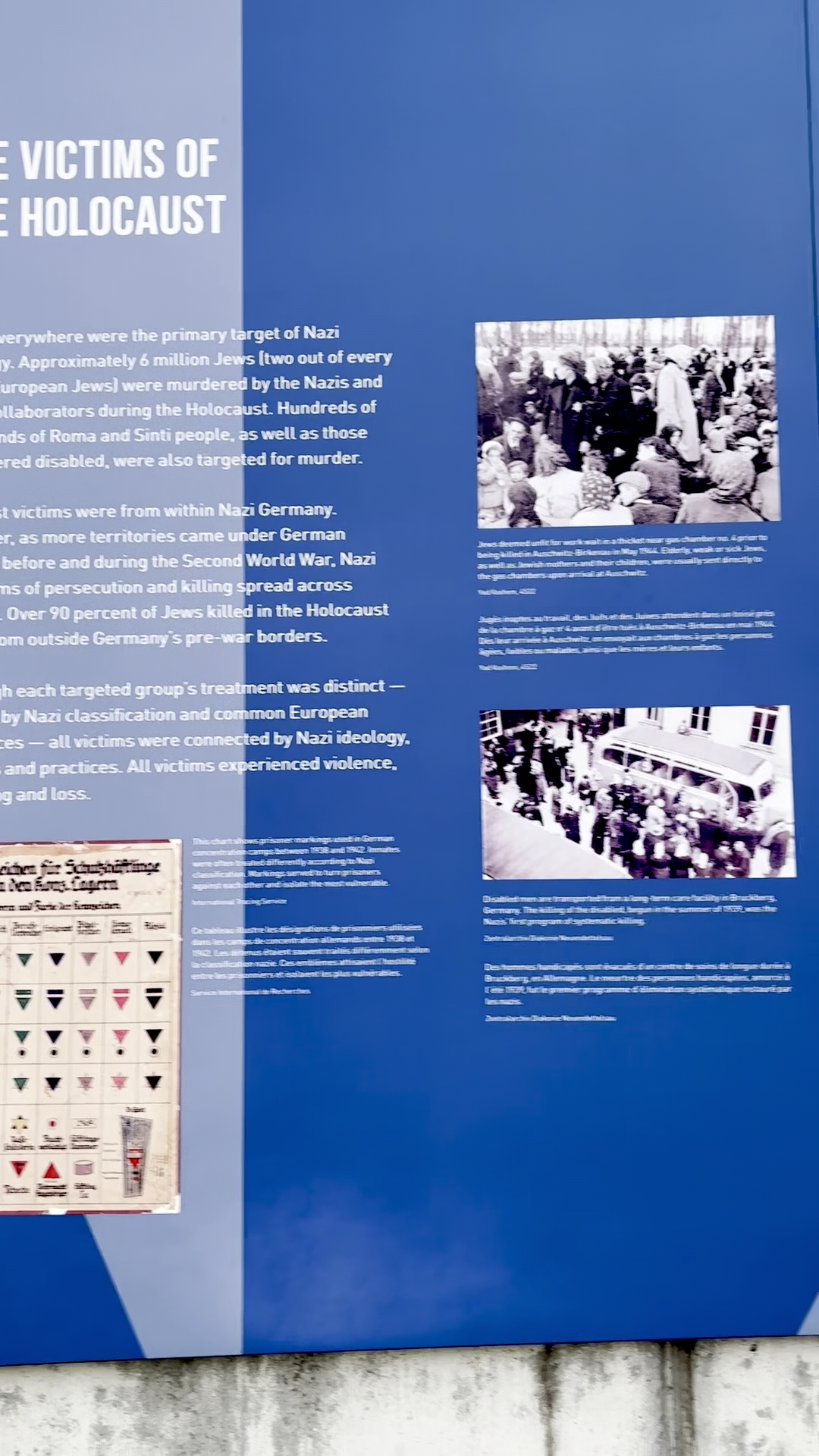
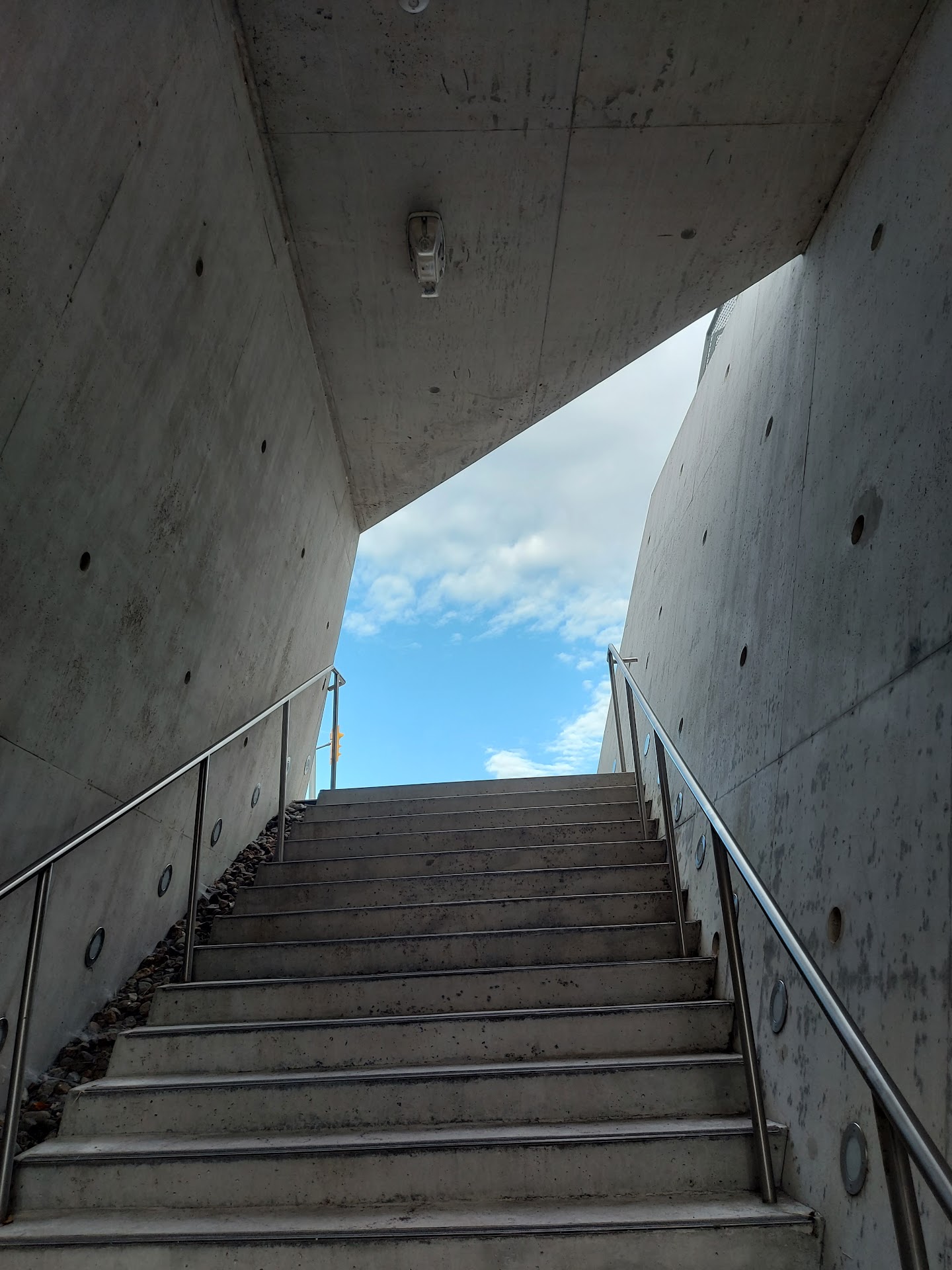
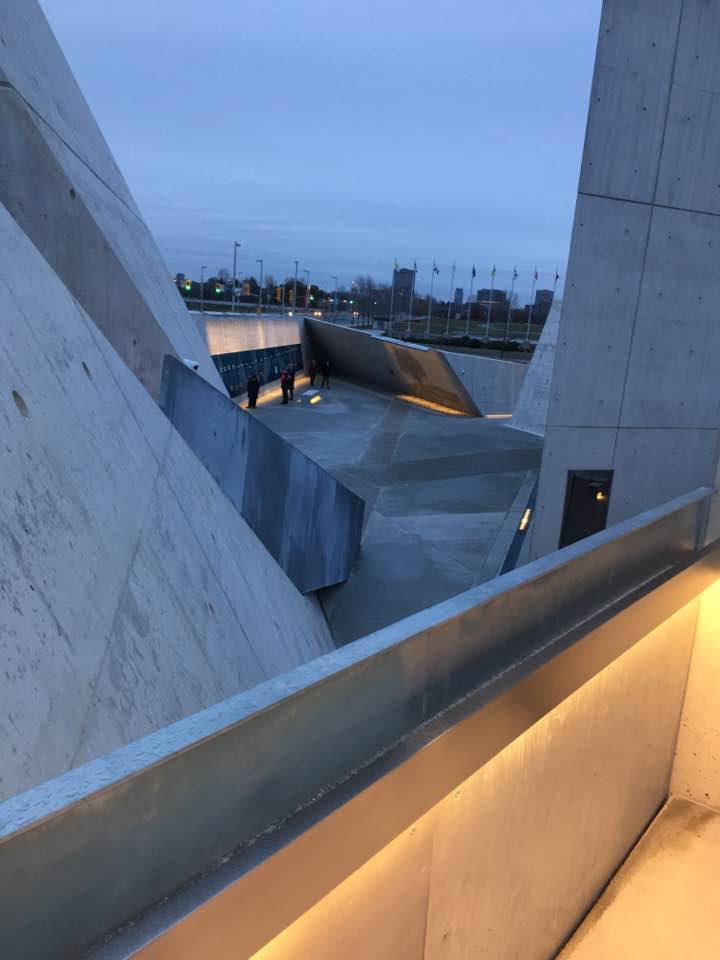
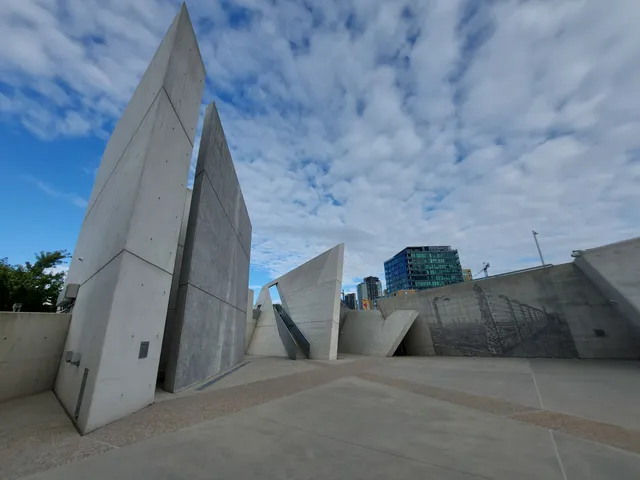
The National Holocaust Monument is a Holocaust memorial in Ottawa, Ontario, across from the Canadian War Museum at the northeast corner of Wellington and Booth Streets, and about 1.5 km away from Parliament Hill. The memorial was designed by Daniel Libeskind.
Cultural
Accessibility
attractions: Canadian War Museum, Canadian Firefighters Memorial, Pindigen Park, Garden of the Provinces and Territories, Portage Bridge, Royal Canadian Navy Monument, Interzip, Railbender Tattoo Studio and Art Gallery, Den Den Claw, Dominican University College, restaurants: Mill Street Brew Pub Ottawa, OCCO Kitchen & Bar, Tulip Restaurant, New Pho Bo Ga La, Bâton Rouge Grillhouse & Bar, Lola's Kitchen, Pho Thu Do Restaurant, La Paladar Holguin & Havana, Orchid Sushi, The Porch, local businesses: LeBreton Flats, Victoria Island, Christ Church Cathedral, Victoria Island, Embassy of Nepal, Chaudière Falls, Kowloon Market, Igo Cyber House, Pietro’s corner, Universities Canada
 Learn more insights from Wanderboat AI.
Phone
+1 416-636-5225
Website
holocaustmonument.ca
Open hoursSee all hours
Sun7 AM - 9 PMClosed
Plan your stay

Pet-friendly Hotels in Ottawa
Find a cozy hotel nearby and make it a full experience.

Affordable Hotels in Ottawa
Find a cozy hotel nearby and make it a full experience.

The Coolest Hotels You Haven't Heard Of (Yet)
Find a cozy hotel nearby and make it a full experience.

Trending Stays Worth the Hype in Ottawa
Find a cozy hotel nearby and make it a full experience.
Reviews
Live events
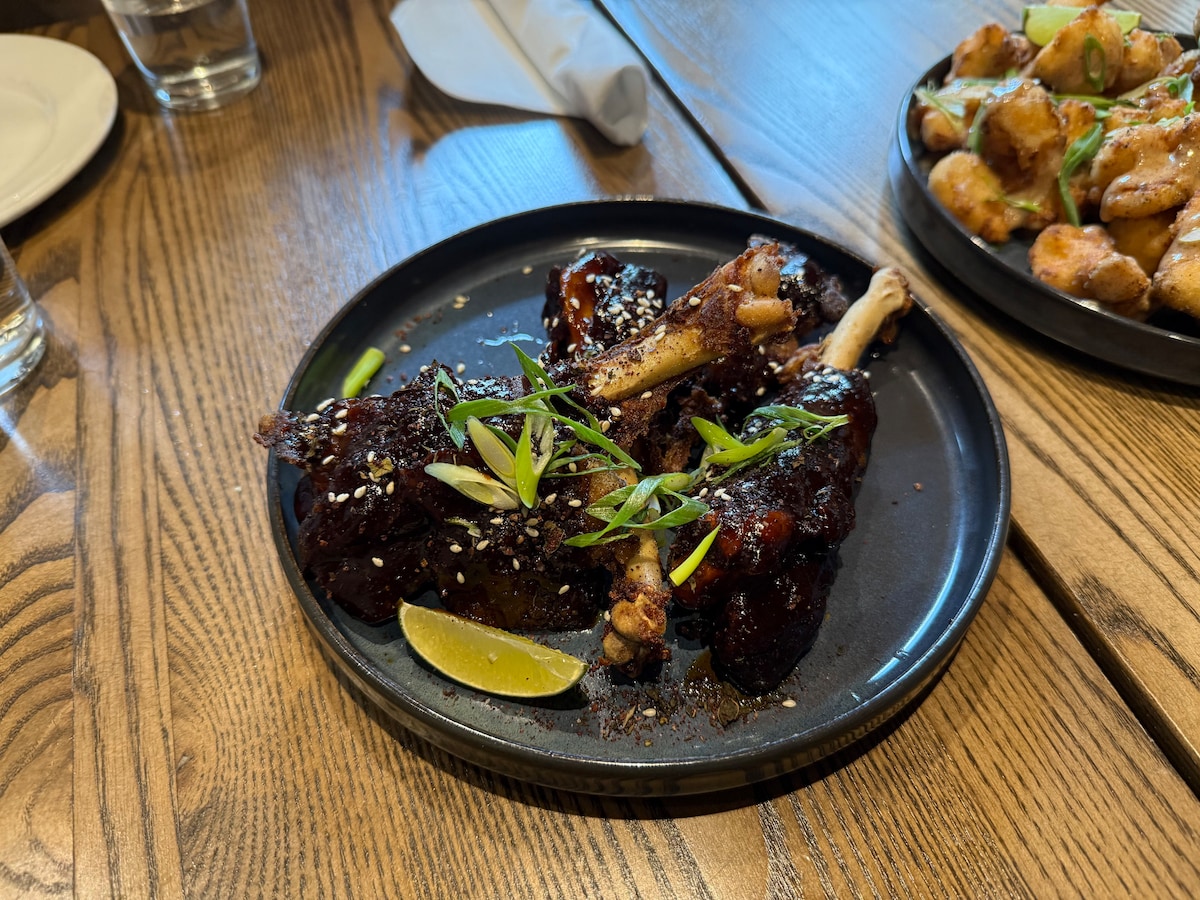
Ottawa’s ByWard Market Flavors Walking Food Tour
Sun, Feb 22 • 11:00 AM
Ottawa, Ontario, K1N 1G8, Canada
View details
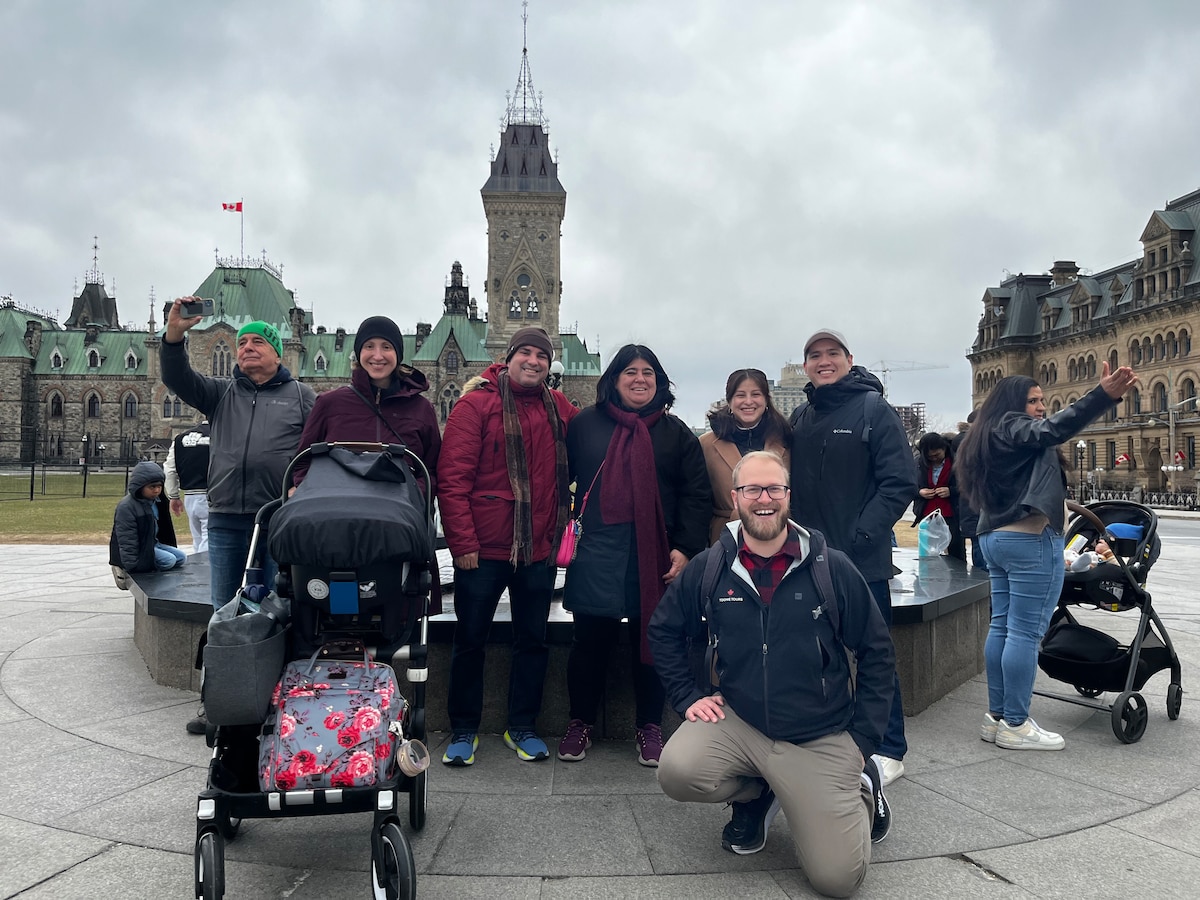
City Highlights Walking Tour of Downtown Ottawa
Sun, Feb 22 • 10:00 AM
Ottawa, Ontario, K1P 5K6, Canada
View details
Shadows of Downtown Ottawa Outdoor Exploration Game
Sun, Mar 1 • 12:00 AM
55 Laurier Ave W, K2P 2L1
View details
Nearby attractions of National Holocaust Monument
Canadian War Museum
Canadian Firefighters Memorial
Pindigen Park
Garden of the Provinces and Territories
Portage Bridge
Royal Canadian Navy Monument
Interzip
Railbender Tattoo Studio and Art Gallery
Den Den Claw
Dominican University College
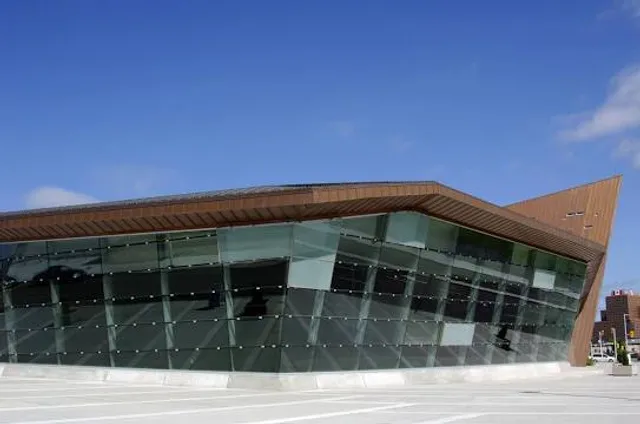
Canadian War Museum
4.8
(4.3K)
Closed
Click for details
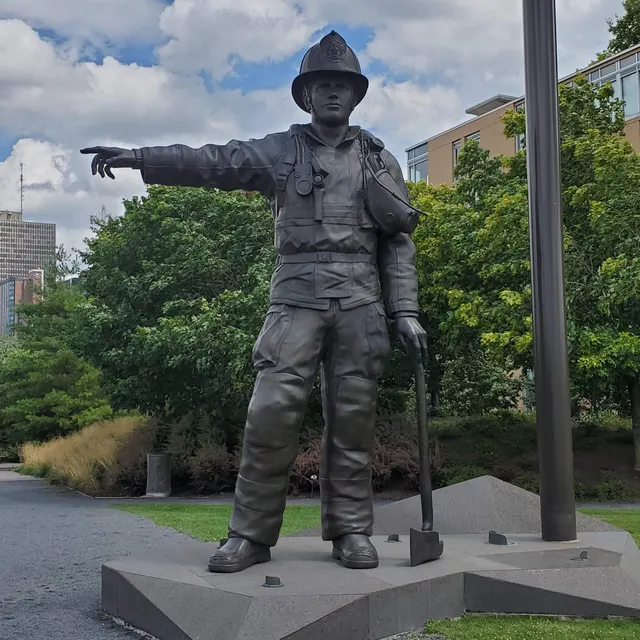
Canadian Firefighters Memorial
4.8
(79)
Open until 12:00 AM
Click for details
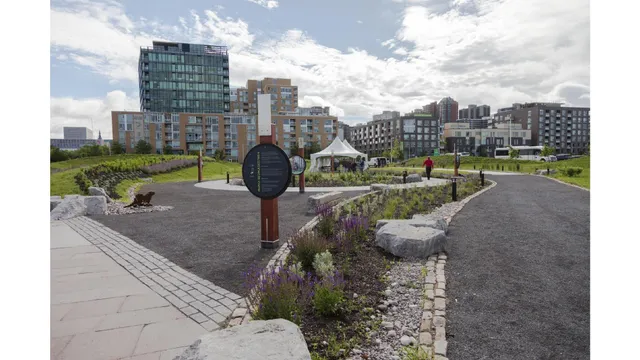
Pindigen Park
4.4
(23)
Open until 12:00 AM
Click for details
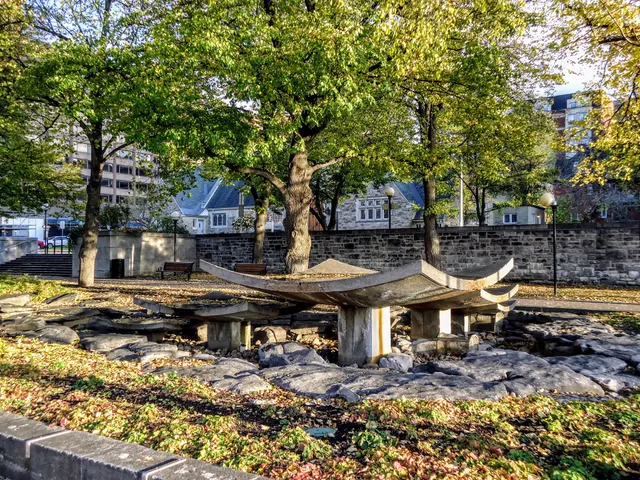
Garden of the Provinces and Territories
4.4
(89)
Open until 12:00 AM
Click for details
Nearby restaurants of National Holocaust Monument
Mill Street Brew Pub Ottawa
OCCO Kitchen & Bar
Tulip Restaurant
New Pho Bo Ga La
Bâton Rouge Grillhouse & Bar
Lola's Kitchen
Pho Thu Do Restaurant
La Paladar Holguin & Havana
Orchid Sushi
The Porch
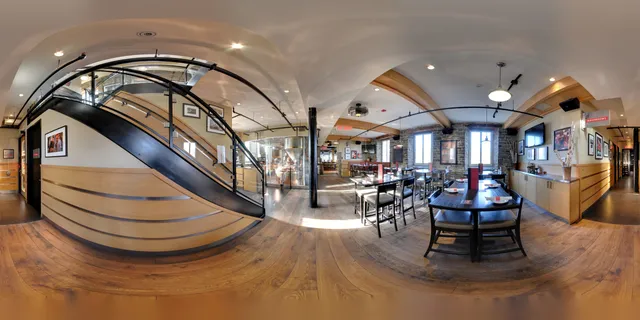
Mill Street Brew Pub Ottawa
4.4
(2.6K)
Closed
Click for details
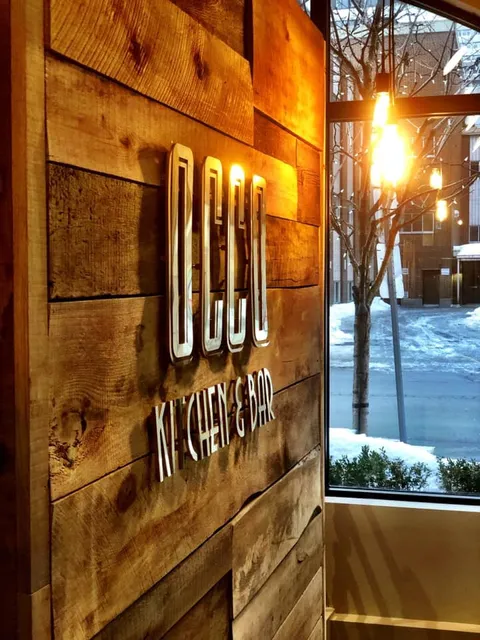
OCCO Kitchen & Bar
4.3
(462)
Closed
Click for details
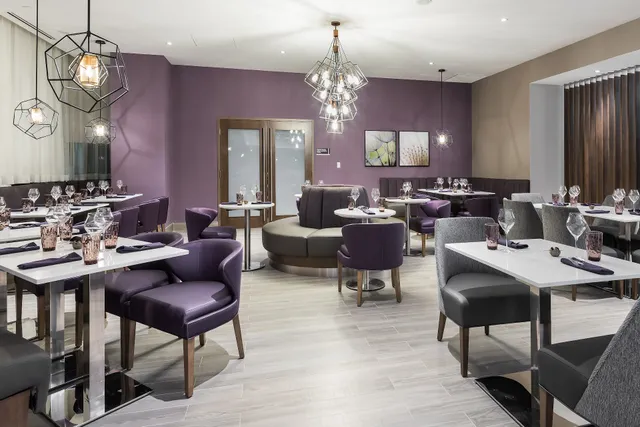
Tulip Restaurant
4.2
(123)
Closed
Click for details
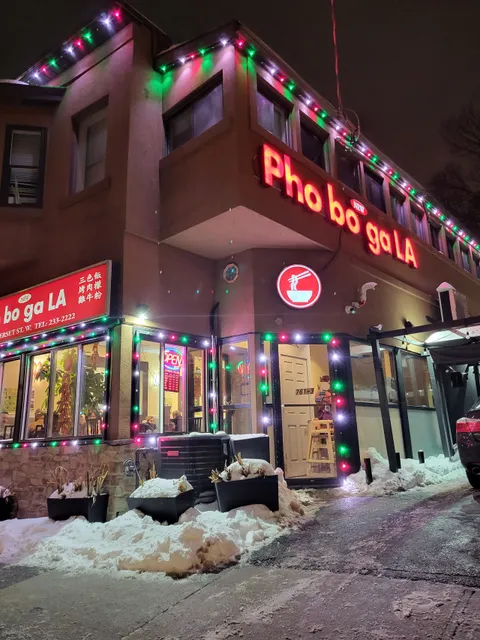
New Pho Bo Ga La
4.2
(828)
Closed
Click for details
Nearby local services of National Holocaust Monument
LeBreton Flats
Victoria Island
Christ Church Cathedral
Victoria Island
Embassy of Nepal
Chaudière Falls
Kowloon Market
Igo Cyber House
Pietro’s corner
Universities Canada
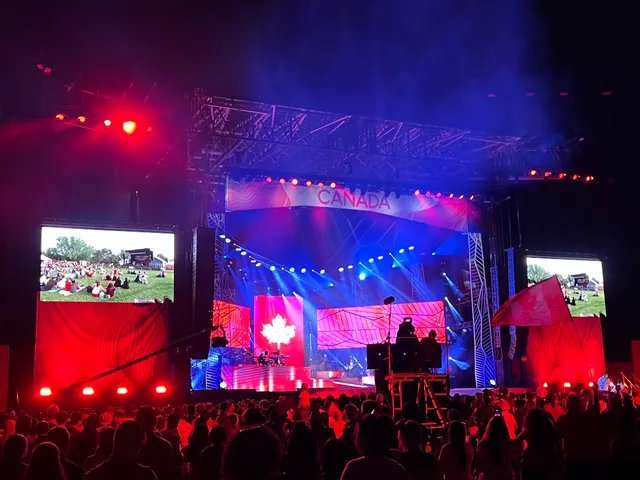
LeBreton Flats
4.6
(69)
Click for details
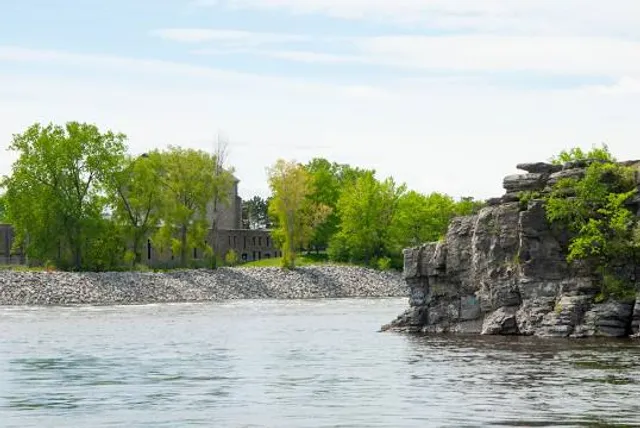
Victoria Island
4.1
(15)
Click for details
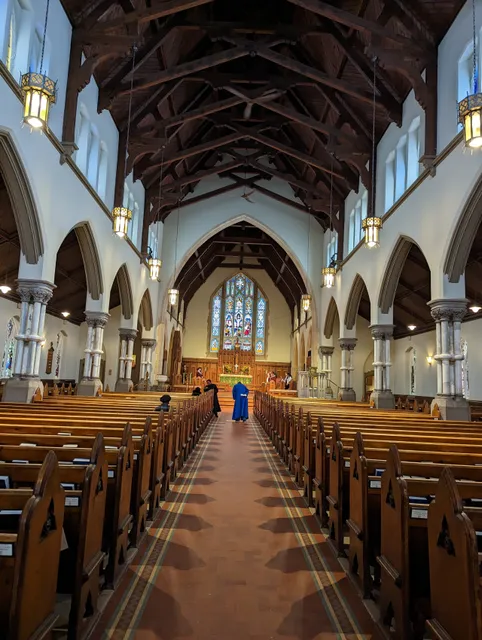
Christ Church Cathedral
4.7
(68)
Click for details
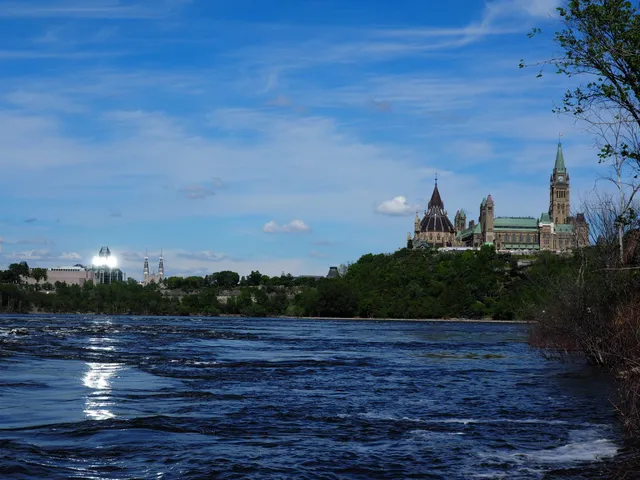
Victoria Island
4.1
(15)
Click for details


The hit list

Plan your trip with Wanderboat
Welcome to Wanderboat AI, your AI search for local Eats and Fun, designed to help you explore your city and the world with ease.
Powered by Wanderboat AI trip planner.