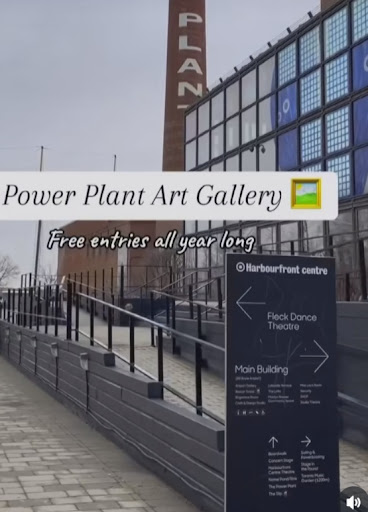
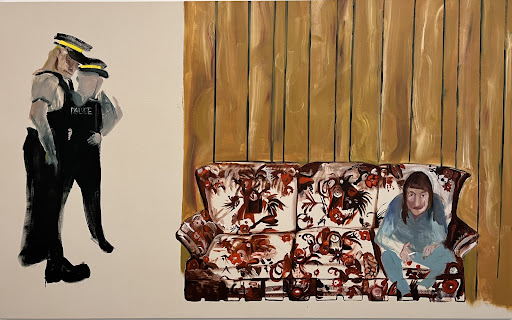
The Power Plant Contemporary Art Gallery things to do, attractions, restaurants, events info and trip planning

Basic Info
The Power Plant Contemporary Art Gallery
231 Queens Quay W, Toronto, ON M5J 2G8, Canada
4.4(312)
Closed
Save
spot
spot
Ratings & Description
Info
The Power Plant Contemporary Art Gallery is a Canadian non-collecting public contemporary art gallery located at the heart of Toronto, Ontario at the Harbourfront Centre. It is a registered Canadian charitable organization supported by its members, sponsors, donors, and funding bodies at all levels of government.
Cultural
Entertainment
Accessibility
Family friendly
attractions: Harbourfront Centre, Queen’s Quay Terminal, The Tall Ship Kajama, City Cruises, The Fleck at Harbourfront Centre Theatre, Roundhouse Park, Ripley's Aquarium of Canada, Ripley's Aquarium of Canada, Simcoe WaveDeck, CN Tower, restaurants: Pie Bar, Boxcar Social Harbourfront, The Goodman Pub and Kitchen, Pearl Harbourfront Chinese Cuisine, Joe Bird, The King’s Sushi Bar, shatter abbas Queens Quay, Queens Harbour, BeaverTails - Queues de Castor (Toronto Waterfront), Dil Tak Indian Cuisine and Bar, local businesses: Zown, Shark Moving Services, ecobee, Toronto Harbour Tours, Cabin: Barber and Gentlemen Supply, Ontario Science Centre: KidSpark at Harbourfront Centre, Waterfront Toronto, Harbourfront Centre Concert Stage, 180 Smoke Vape Store - Queens Quay, 89 Vape Shop
 Learn more insights from Wanderboat AI.
Phone
+1 416-973-4949
Website
thepowerplant.org
Open hoursSee all hours
Thu11 AM - 6 PMClosed
Plan your stay

Pet-friendly Hotels in Toronto
Find a cozy hotel nearby and make it a full experience.

Affordable Hotels in Toronto
Find a cozy hotel nearby and make it a full experience.

The Coolest Hotels You Haven't Heard Of (Yet)
Find a cozy hotel nearby and make it a full experience.

Trending Stays Worth the Hype in Toronto
Find a cozy hotel nearby and make it a full experience.
Reviews
Live events

Create a custom silver ring with a goldsmith
Fri, Feb 27 • 5:00 PM
Toronto, Ontario, M6J 0A8, Canada
View details

Make pottery on the wheel in beginners course
Fri, Feb 27 • 12:00 PM
Toronto, Ontario, M5G 1C3, Canada
View details
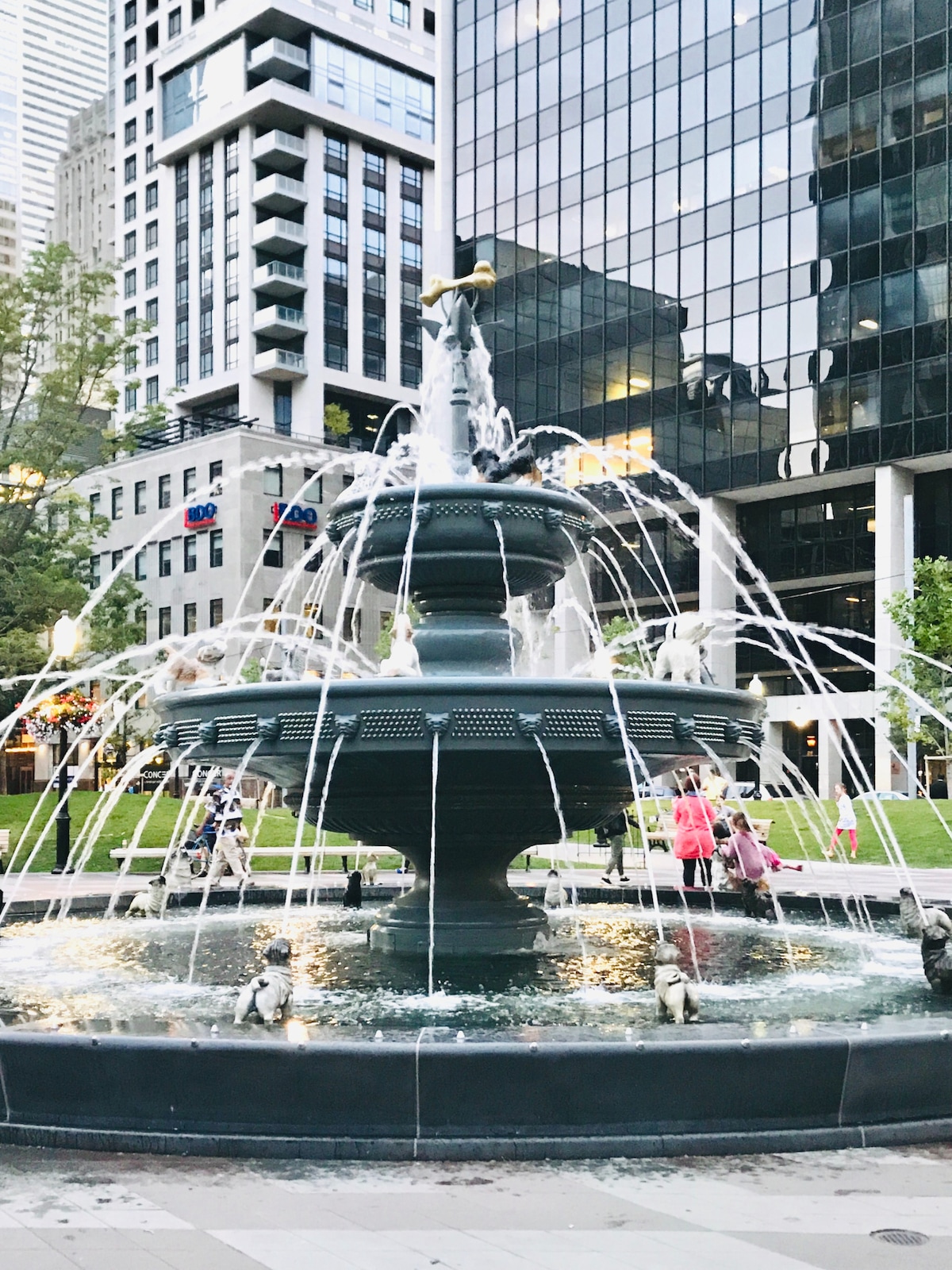
Show me the City
Sat, Feb 28 • 1:00 PM
Toronto, Ontario, M5J 1W9, Canada
View details
Nearby attractions of The Power Plant Contemporary Art Gallery
Harbourfront Centre
Queen’s Quay Terminal
The Tall Ship Kajama
City Cruises
The Fleck at Harbourfront Centre Theatre
Roundhouse Park
Ripley's Aquarium of Canada
Ripley's Aquarium of Canada
Simcoe WaveDeck
CN Tower
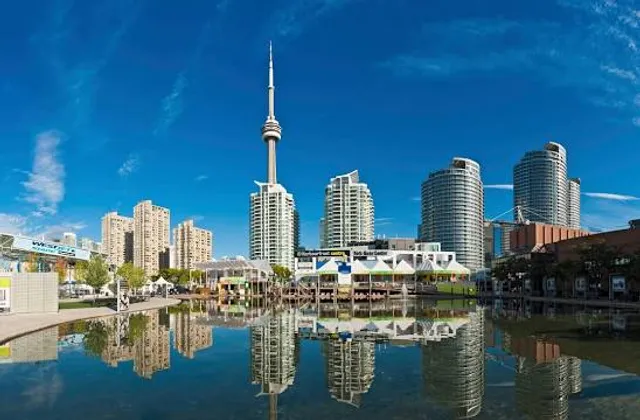
Harbourfront Centre
4.6
(957)
Closed
Click for details
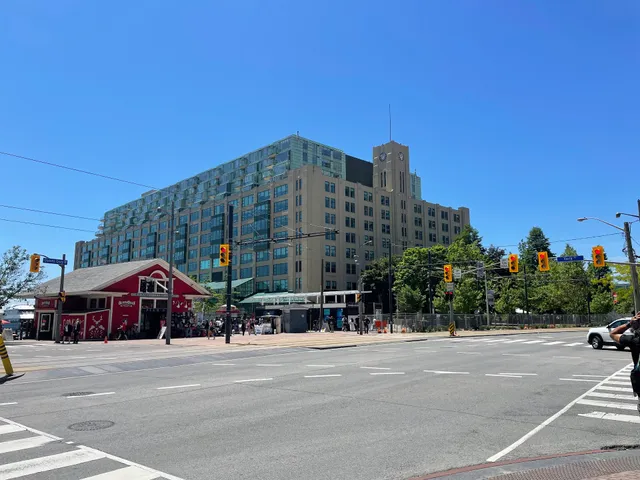
Queen’s Quay Terminal
4.5
(1.7K)
Closed
Click for details
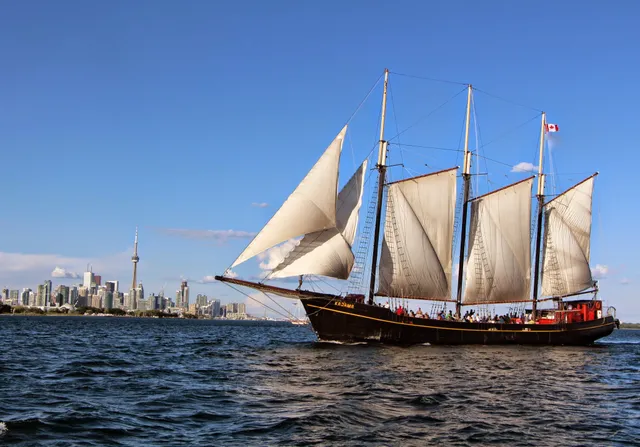
The Tall Ship Kajama
4.5
(902)
Open 24 hours
Click for details
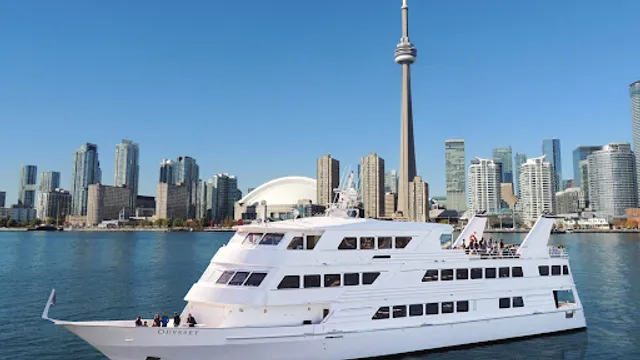
City Cruises
4.3
(701)
Open until 12:00 AM
Click for details
Nearby restaurants of The Power Plant Contemporary Art Gallery
Pie Bar
Boxcar Social Harbourfront
The Goodman Pub and Kitchen
Pearl Harbourfront Chinese Cuisine
Joe Bird
The King’s Sushi Bar
shatter abbas Queens Quay
Queens Harbour
BeaverTails - Queues de Castor (Toronto Waterfront)
Dil Tak Indian Cuisine and Bar
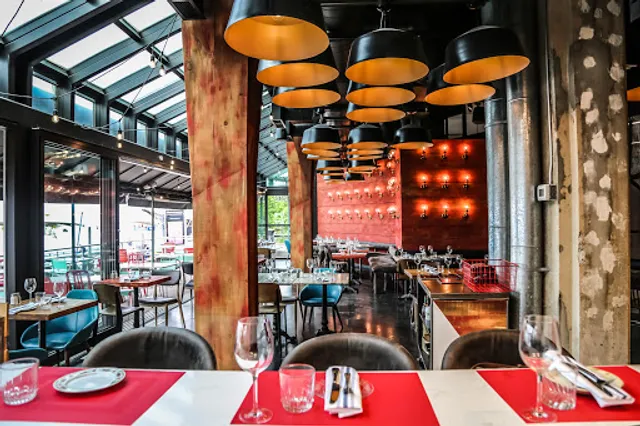
Pie Bar
4.5
(1.7K)
$$
Closed
Click for details
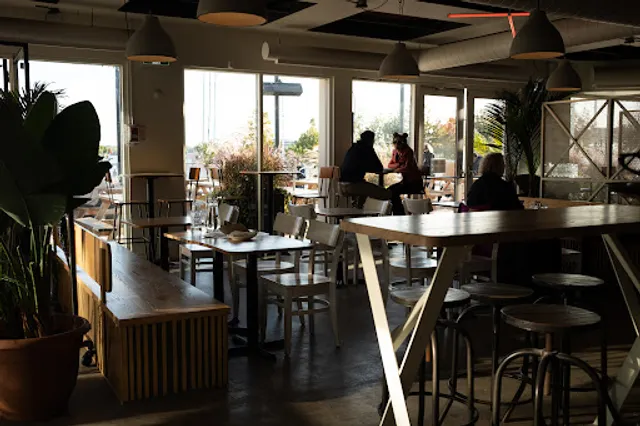
Boxcar Social Harbourfront
3.9
(649)
$$
Click for details

The Goodman Pub and Kitchen
4.2
(1.9K)
Closed
Click for details
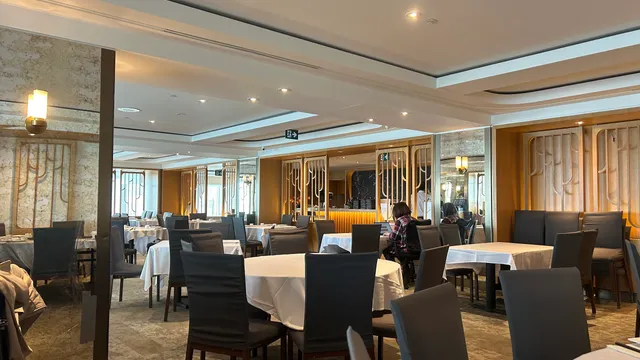
Pearl Harbourfront Chinese Cuisine
4.3
(843)
$$
Closed
Click for details
Nearby local services of The Power Plant Contemporary Art Gallery
Zown
Shark Moving Services
ecobee
Toronto Harbour Tours
Cabin: Barber and Gentlemen Supply
Ontario Science Centre: KidSpark at Harbourfront Centre
Waterfront Toronto
Harbourfront Centre Concert Stage
180 Smoke Vape Store - Queens Quay
89 Vape Shop

Zown
4.8
(280)
Click for details

Shark Moving Services
5.0
(365)
Click for details
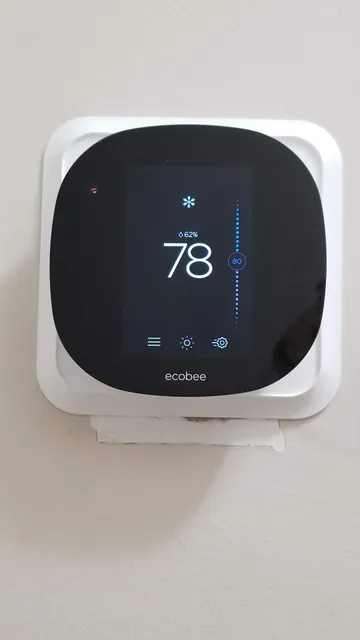
ecobee
4.1
(161)
Click for details
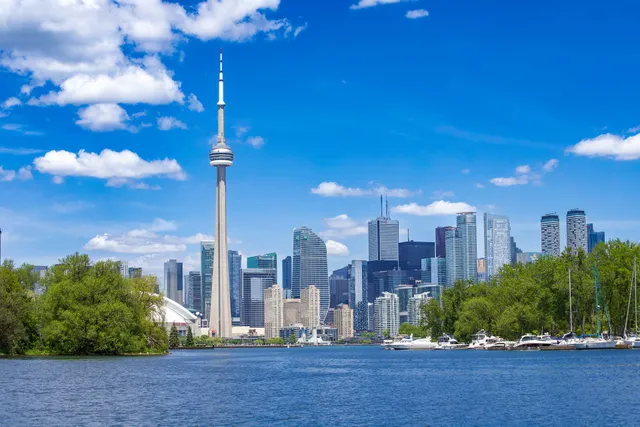
Toronto Harbour Tours
4.7
(527)
Click for details