Waibaidu Bridge things to do, attractions, restaurants, events info and trip planning
Basic Info
Waibaidu Bridge
Waitan, Huangpu, China, 200002
4.5(171)
Open 24 hours
Save
spot
spot
Ratings & Description
Info
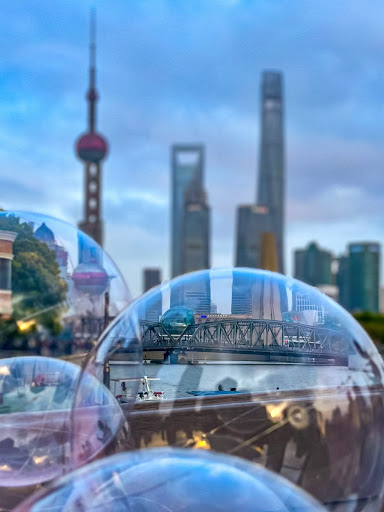
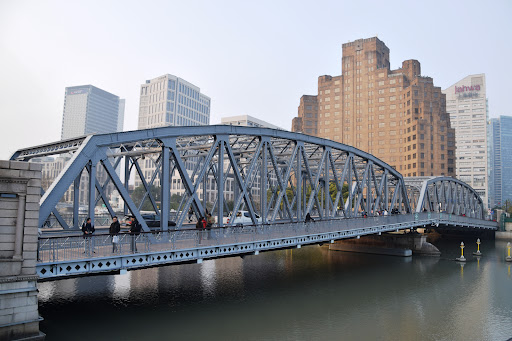
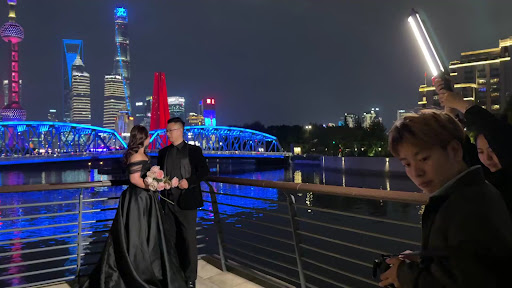
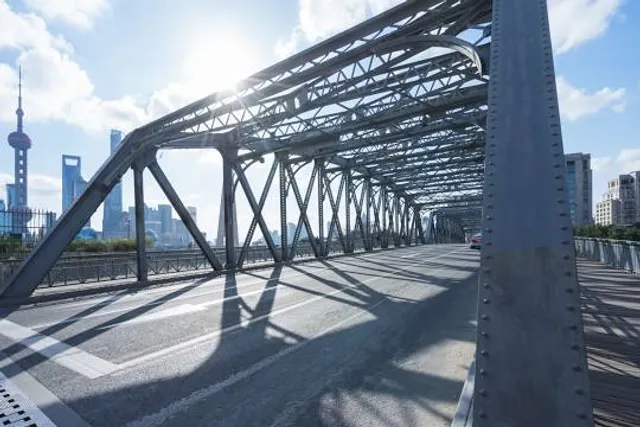
The Waibaidu Bridge, called the Garden Bridge in English, is the first all-steel bridge, and the only surviving example of a camelback truss bridge, in China.
Cultural
Scenic
attractions: The Bund, 上海市人民英雄纪念塔, Huangpu Park, The Bund Historical Museum, 河滨公园, Union Church, Bund Sightseeing Tunnel, Chen Yi Square, Rockbund Art Museum, 外滩观景大道, restaurants: Sir Elly's, Z-Dragon Restaurant, The Peninsula Shanghai, Arabica Shanghai Roastery, The House of Roosevelt, Astor House Hotel-Licha Restaurant, Bund 30 Bar & Bistro, Morning Shanghai, Yidao, Joy’s Corner BAR, local businesses: Consulate-General of Russia in Shanghai, 协进大楼, Rockbund Art Museum, The Bund, Shanghai North Bund Suning Square, Huangpujiang, Xinghui Center, MINI SO, Bund18, 外滩18号
 Learn more insights from Wanderboat AI.
Plan your stay

Pet-friendly Hotels in Shanghai
Find a cozy hotel nearby and make it a full experience.

Affordable Hotels in Shanghai
Find a cozy hotel nearby and make it a full experience.

The Coolest Hotels You Haven't Heard Of (Yet)
Find a cozy hotel nearby and make it a full experience.

Trending Stays Worth the Hype in Shanghai
Find a cozy hotel nearby and make it a full experience.
Reviews
Live events

AI Tech & Startup Night — Shanghai
Wed, Feb 25 • 10:00 AM
532 Fa Hua Zhen Lu, Chang Ning Qu, Shang Hai Shi, China, 200031
View details
Nearby attractions of Waibaidu Bridge
The Bund
上海市人民英雄纪念塔
Huangpu Park
The Bund Historical Museum
河滨公园
Union Church
Bund Sightseeing Tunnel
Chen Yi Square
Rockbund Art Museum
外滩观景大道
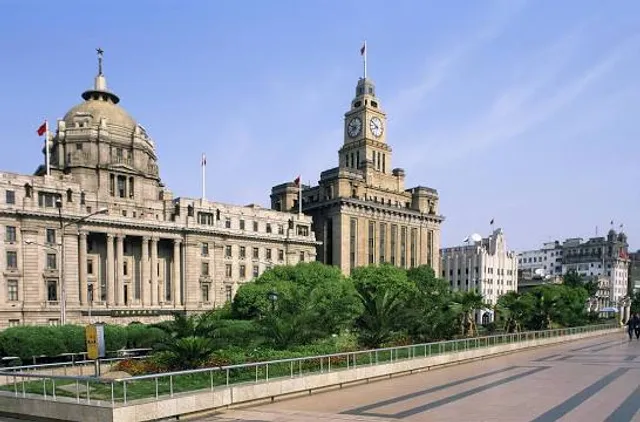
The Bund
4.7
(2.9K)
Open 24 hours
Click for details
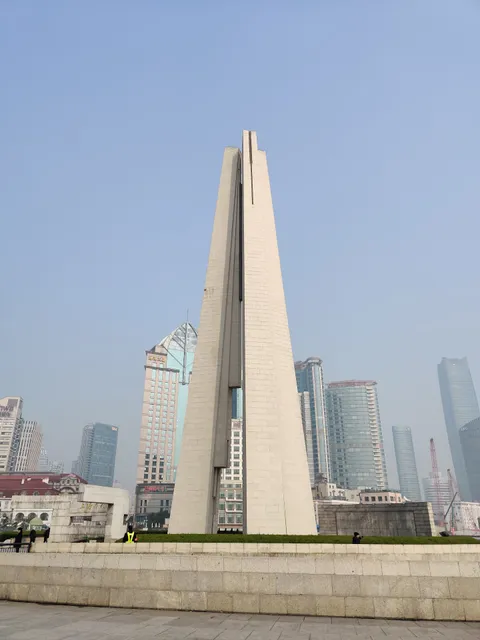
上海市人民英雄纪念塔
4.3
(96)
Open 24 hours
Click for details
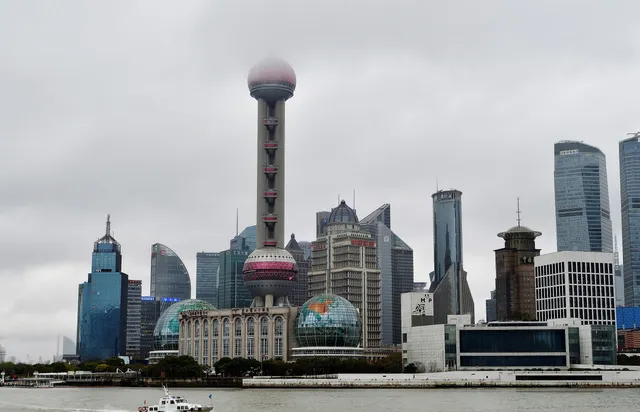
Huangpu Park
4.5
(104)
Open 24 hours
Click for details
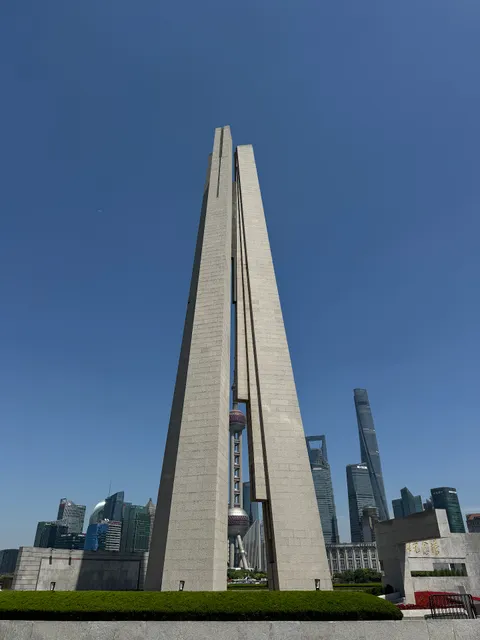
The Bund Historical Museum
4.8
(47)
Open 24 hours
Click for details
Nearby restaurants of Waibaidu Bridge
Sir Elly's
Z-Dragon Restaurant
The Peninsula Shanghai
Arabica Shanghai Roastery
The House of Roosevelt
Astor House Hotel-Licha Restaurant
Bund 30 Bar & Bistro
Morning Shanghai
Yidao
Joy’s Corner BAR
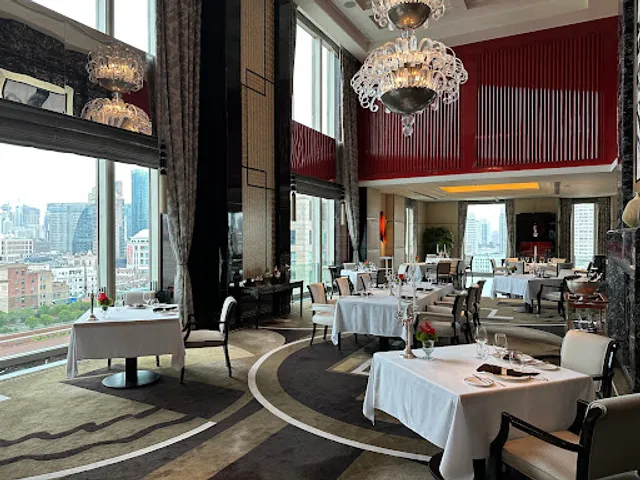
Sir Elly's
4.5
(40)
$$$
Closed
Click for details
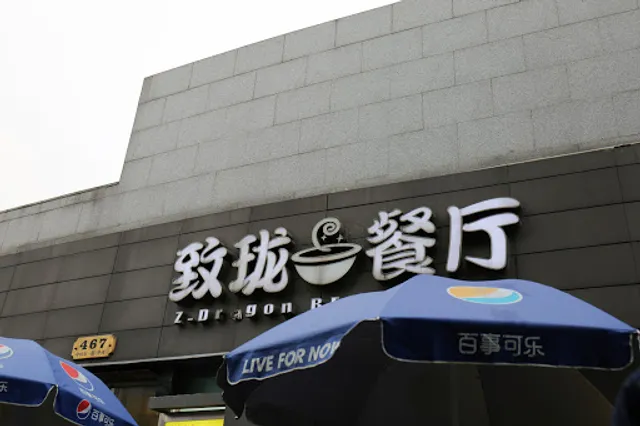
Z-Dragon Restaurant
3.3
(13)
Closed
Click for details
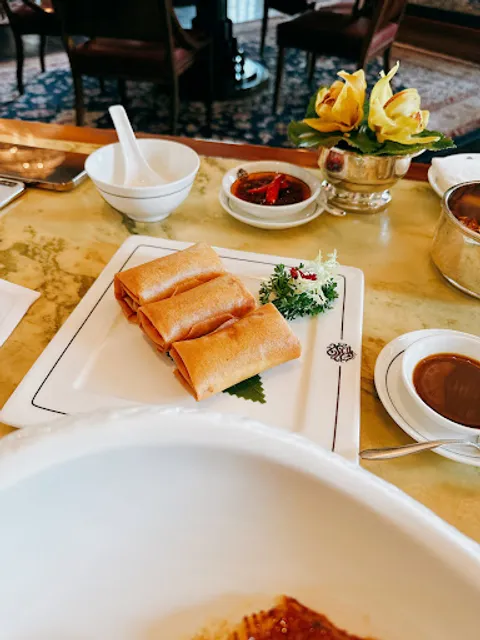
The Peninsula Shanghai
4.7
(10)
Click for details
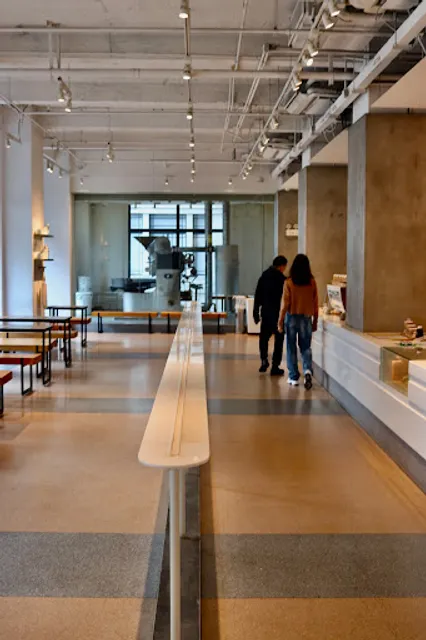
Arabica Shanghai Roastery
4.6
(24)
Click for details
Nearby local services of Waibaidu Bridge
Consulate-General of Russia in Shanghai
协进大楼
Rockbund Art Museum
The Bund
Shanghai North Bund Suning Square
Huangpujiang
Xinghui Center
MINI SO
Bund18
外滩18号
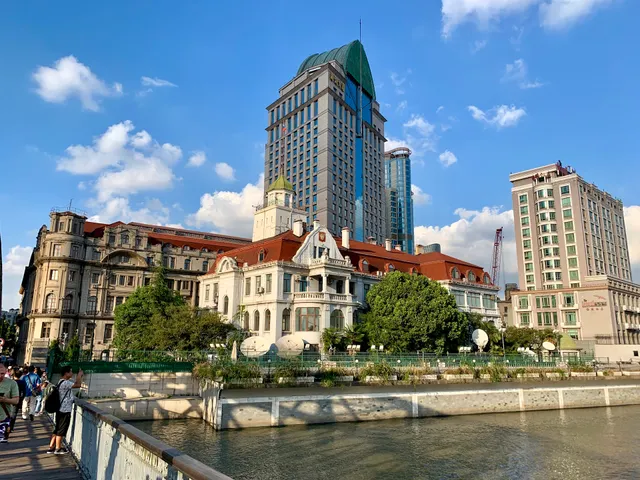
Consulate-General of Russia in Shanghai
3.9
(18)
Click for details
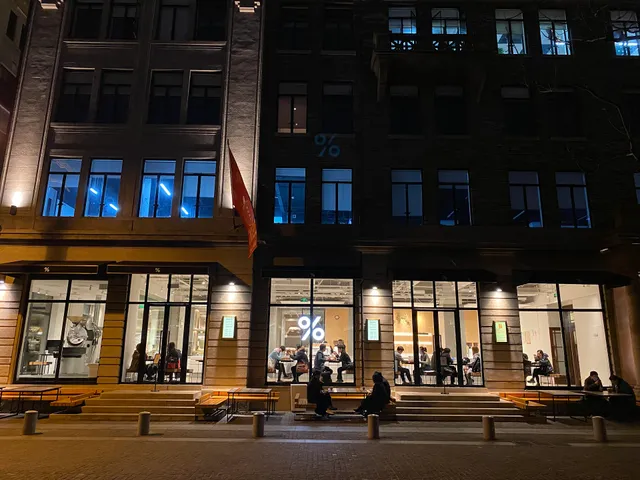
协进大楼
4.4
(29)
Click for details
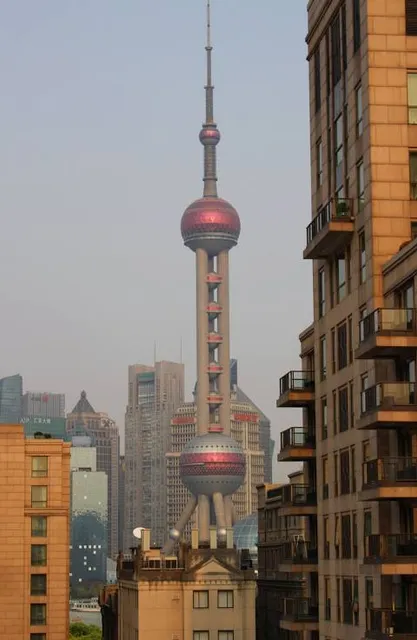
Rockbund Art Museum
4.2
(41)
Click for details

The Bund
4.5
(10)
Click for details