Waitan things to do, attractions, restaurants, events info and trip planning
Basic Info
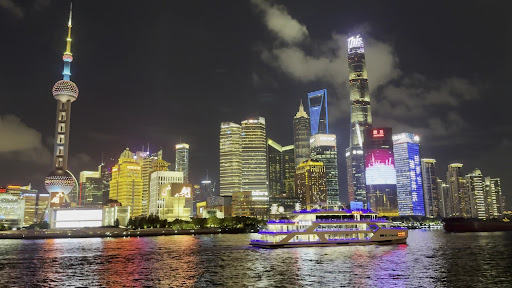
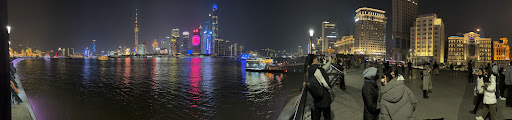
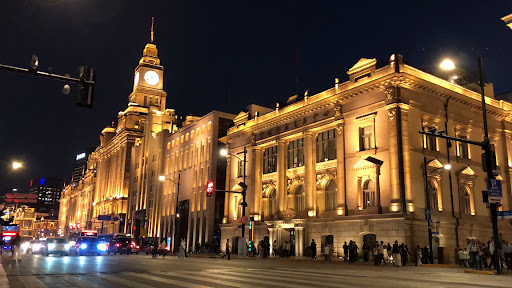
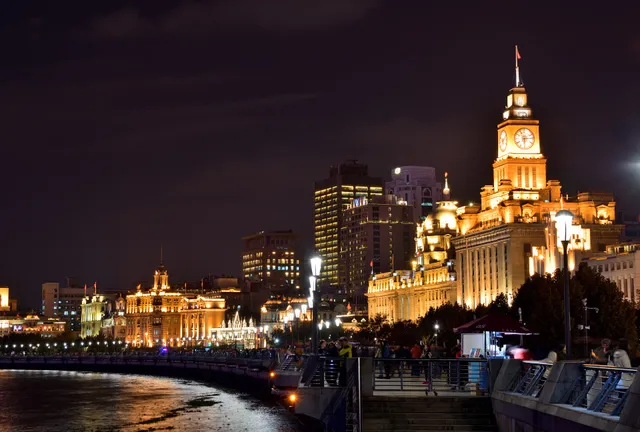
Waitan
8 Zhongshan Rd (E-2), Waitan, Huangpu, Shanghai, China, 200120
4.7(248)
Open 24 hours
Save
spot
spot
Ratings & Description
Info
Cultural
Scenic
Outdoor
Family friendly
attractions: Waitan Observatory, Gucheng Park (Northeast Gate), Yu Garden, 洋泾浜圣若瑟堂, Dioecesis Shanghai E.C.S. St. Joseph Ecclesia Yangjinbang (East Gate), Binjiang Park, Yuyuan Old Street, 外滩中心, The Bund, Chen Yi Square, restaurants: Lost Heaven Bar, The Long Bar at the Waldorf Astoria, Da Ivo, Dahuchun, 黄浦江游船, Cejerdary, Xiejia Courtyard, 黄浦会, 法国餐厅, Waitan Atanu Pub, local businesses: Huangpu River Cruise, 上海滩商业广场, Bangkok Bank, BUND, Shanghai Pudong Development Bank, International Mansion Center, Nanbinjiang, Super Brand Mall, Shiliupu Tourism Wharf Area 1, 海关大楼
 Learn more insights from Wanderboat AI.
Phone
+86 21 6330 3333
Plan your stay

Pet-friendly Hotels in Shanghai
Find a cozy hotel nearby and make it a full experience.

Affordable Hotels in Shanghai
Find a cozy hotel nearby and make it a full experience.

The Coolest Hotels You Haven't Heard Of (Yet)
Find a cozy hotel nearby and make it a full experience.

Trending Stays Worth the Hype in Shanghai
Find a cozy hotel nearby and make it a full experience.
Reviews
Nearby attractions of Waitan
Waitan Observatory
Gucheng Park (Northeast Gate)
Yu Garden
洋泾浜圣若瑟堂
Dioecesis Shanghai E.C.S. St. Joseph Ecclesia Yangjinbang (East Gate)
Binjiang Park
Yuyuan Old Street
外滩中心
The Bund
Chen Yi Square
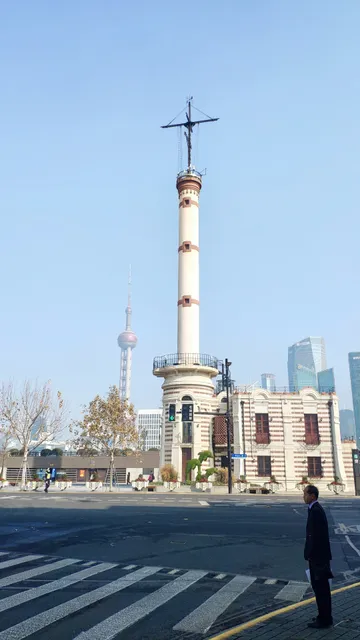
Waitan Observatory
4.0
(15)
Open 24 hours
Click for details
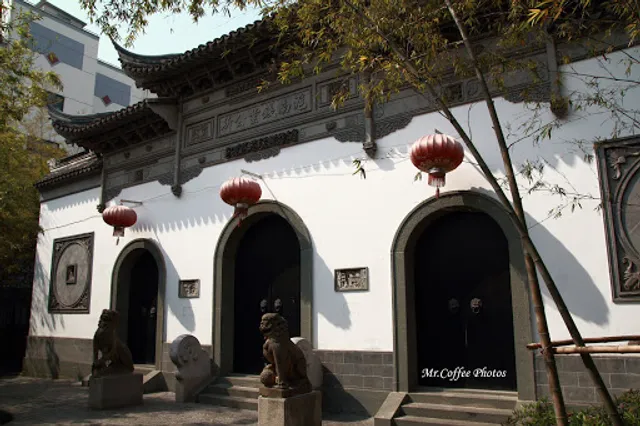
Gucheng Park (Northeast Gate)
4.5
(304)
Open 24 hours
Click for details
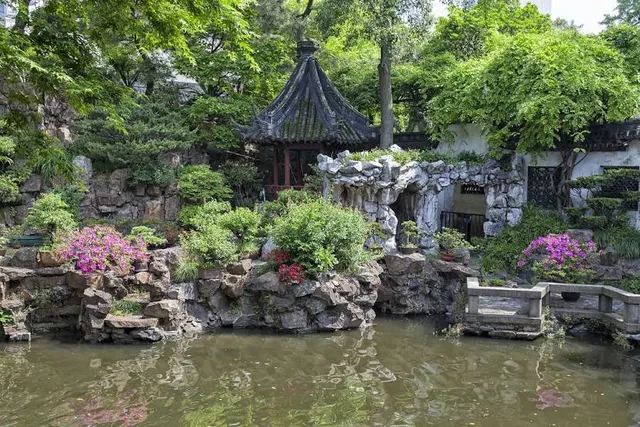
Yu Garden
4.5
(2.1K)
Open until 12:00 AM
Click for details
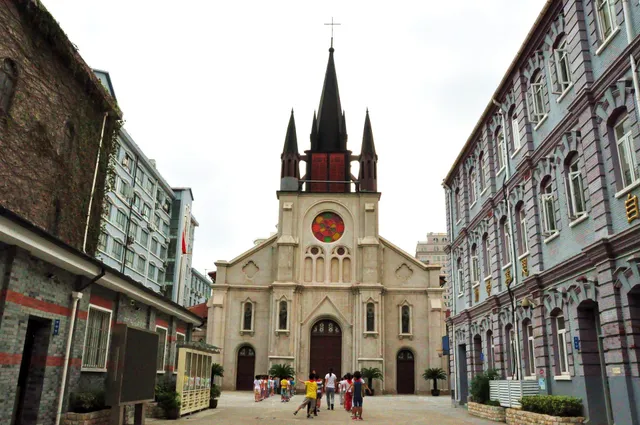
洋泾浜圣若瑟堂
4.2
(15)
Open 24 hours
Click for details
Nearby restaurants of Waitan
Lost Heaven Bar
The Long Bar at the Waldorf Astoria
Da Ivo
Dahuchun
黄浦江游船
Cejerdary
Xiejia Courtyard
黄浦会
法国餐厅
Waitan Atanu Pub
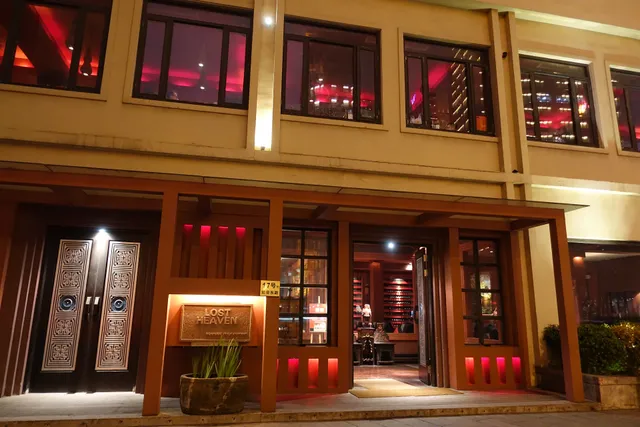
Lost Heaven Bar
4.2
(291)
$$
Closed
Click for details
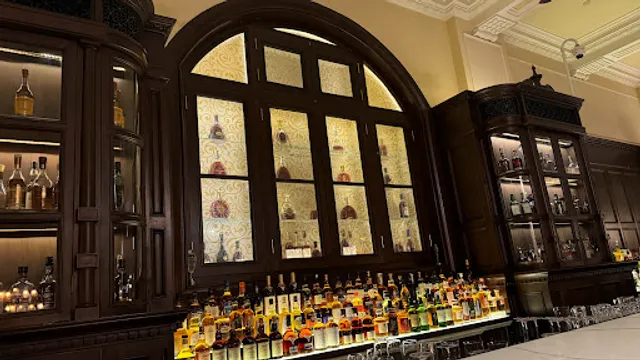
The Long Bar at the Waldorf Astoria
4.4
(65)
Closed
Click for details
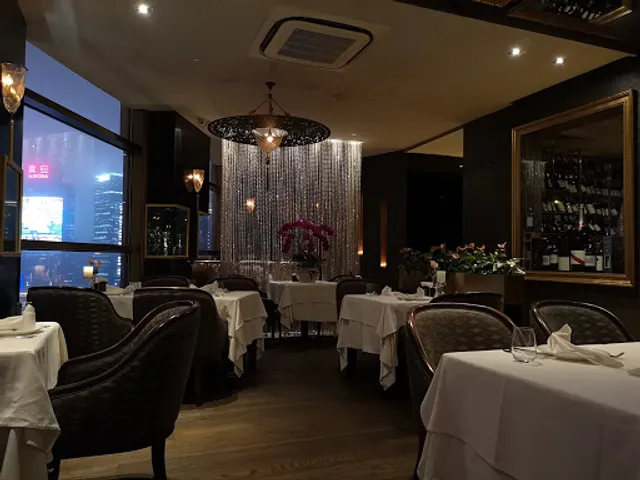
Da Ivo
4.1
(23)
Closed
Click for details
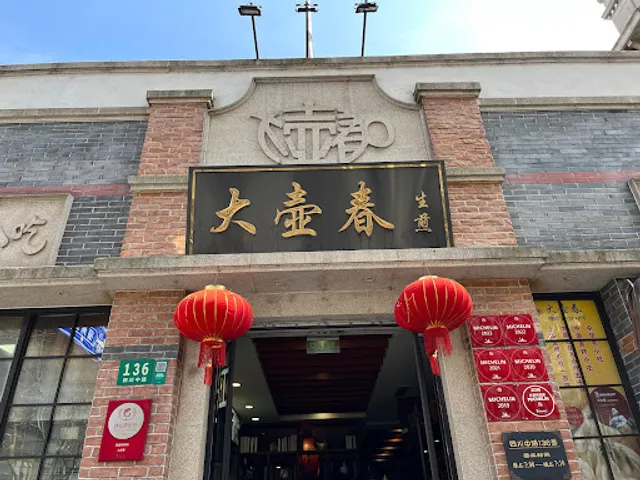
Dahuchun
4.3
(91)
Closed
Click for details
Nearby local services of Waitan
Huangpu River Cruise
上海滩商业广场
Bangkok Bank
BUND
Shanghai Pudong Development Bank
International Mansion Center
Nanbinjiang
Super Brand Mall
Shiliupu Tourism Wharf Area 1
海关大楼

Huangpu River Cruise
4.5
(199)
Click for details
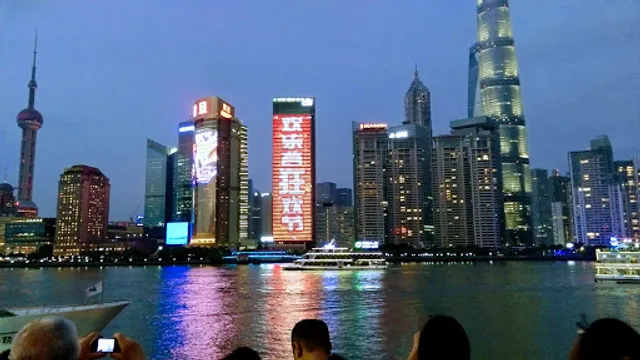
上海滩商业广场
4.4
(19)
Click for details
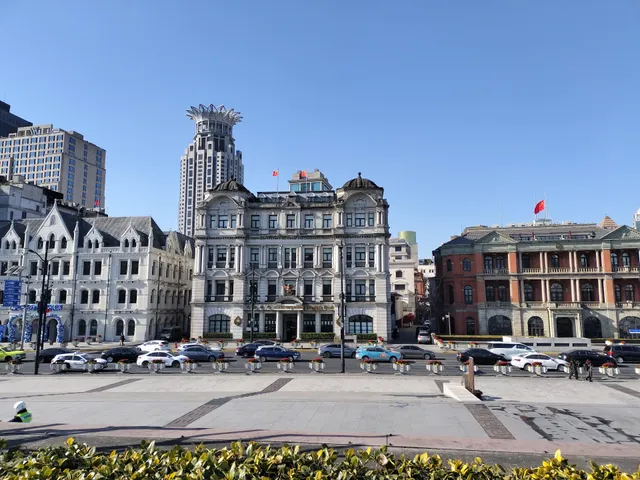
Bangkok Bank
4.3
(9)
Click for details
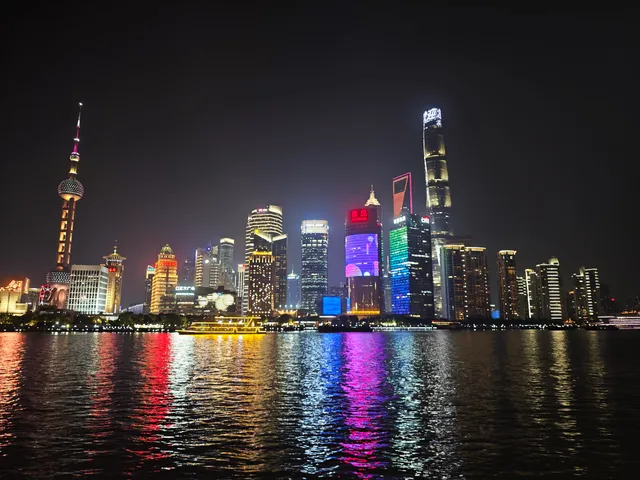
BUND
4.8
(274)
Click for details