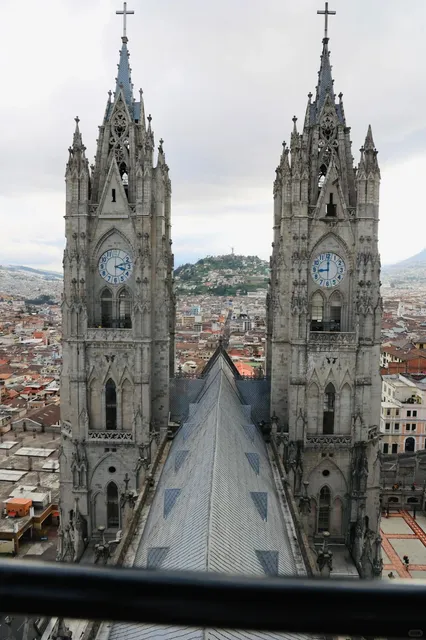
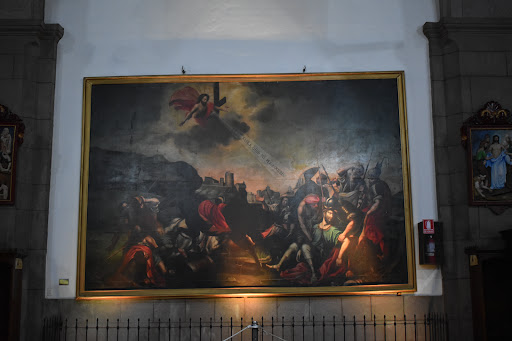
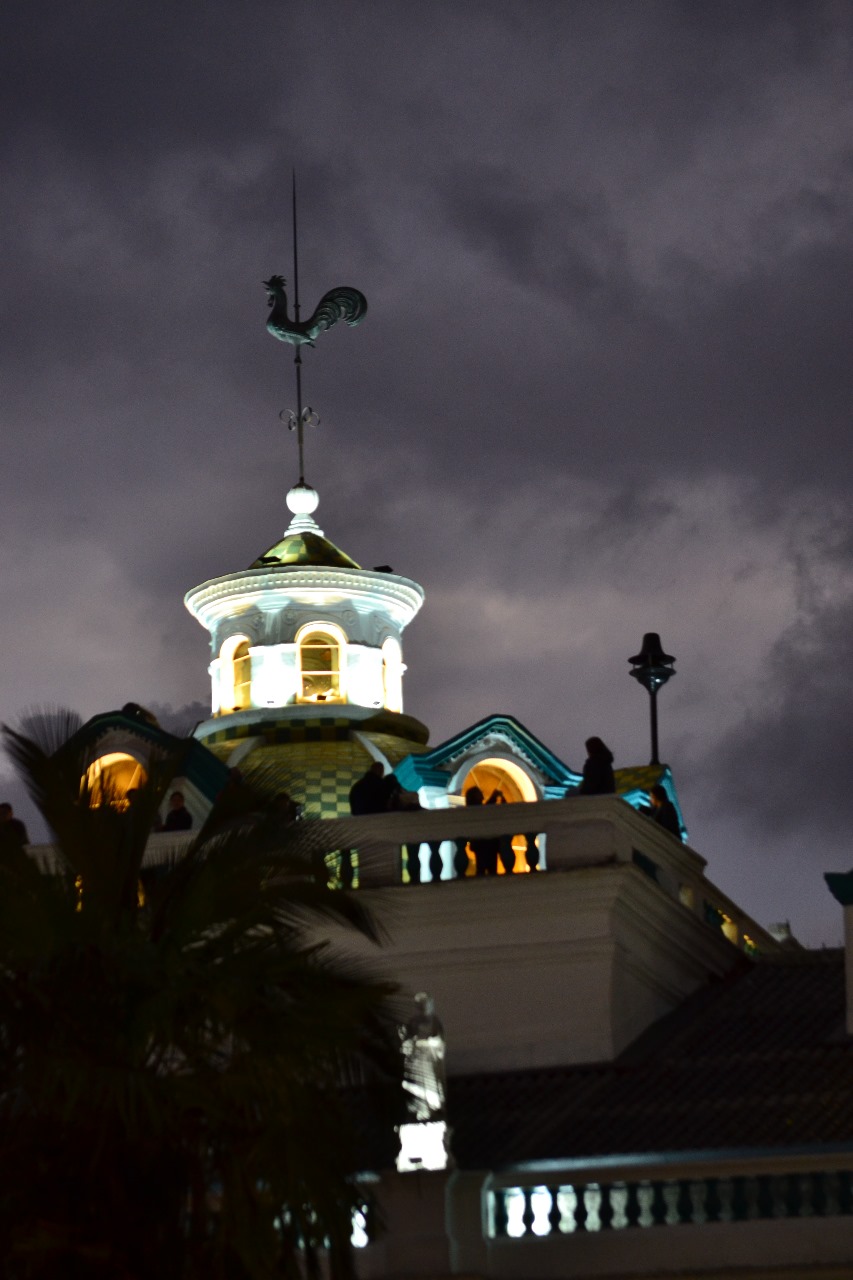
Catedral Metropolitana de Quito things to do, attractions, restaurants, events info and trip planning
Basic Info
Catedral Metropolitana de Quito
QFHQ+R2C, Eugenio Espejo, Quito 170401, Ecuador
4.7(997)
Open until 5:00 PM
Save
spot
spot
Ratings & Description
Info
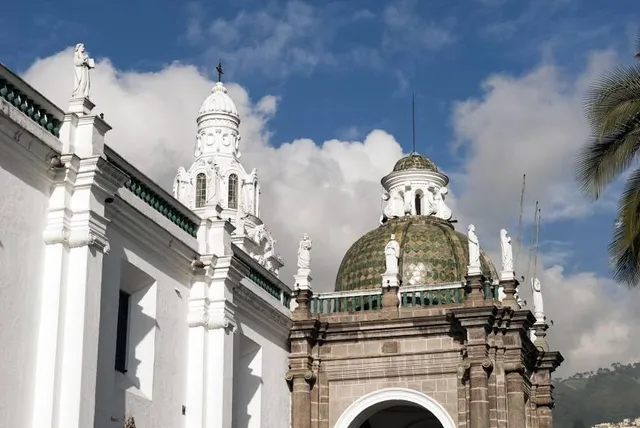
The Quito Metropolitan Cathedral, is a Catholic cathedral in Quito, Ecuador. Located on the southwestern side of the Plaza de la Independencia, it served as a seat of the Diocese of Quito from 1545 until 1848 when it was elevated to Archdiocese.
Cultural
Accessibility
attractions: Independence Square, Centro Cultural Metropolitano, Church of the Society of Jesus, Alberto Mena Caamaño Museum, Church of the Tabernacle, Historic Center of Quito, Carondelet Palace, Museo Casa de Sucre, San Francisco Catholic Church, Monumento a la Independencia, restaurants: Dulceria Colonial, Vista Hermosa (Centro Histórico), Modelo, Café del Fraile, San Ignacio, HELADERÍA - RESTAURANTE SAN AGUSTÍN, Café Plaza Grande Restaurante, Querubin, Caravana Fast Food, Notansanto, local businesses: La Basílica, Basilica of Our Lady of Mercy, Yagüi Beef, Monastery of the Immaculate Conception / Conceptionists / Church of Our Lady of the Good Success, Church of the Immaculate Conception / Conceptionists / Church of Our Lady of the Good Event, Yumbos Chocolate, Pasaje Arzobispal, Pre-Columbian Art Museum House of Praise, Monastery of Santa Catalina, Mercado Central
 Learn more insights from Wanderboat AI.
Phone
+593 2-257-0371
Open hoursSee all hours
Thu9 a.m. - 5 p.m.Open
Plan your stay

Pet-friendly Hotels in Centro Histórico
Find a cozy hotel nearby and make it a full experience.

Affordable Hotels in Centro Histórico
Find a cozy hotel nearby and make it a full experience.

The Coolest Hotels You Haven't Heard Of (Yet)
Find a cozy hotel nearby and make it a full experience.

Trending Stays Worth the Hype in Centro Histórico
Find a cozy hotel nearby and make it a full experience.
Reviews
Live events
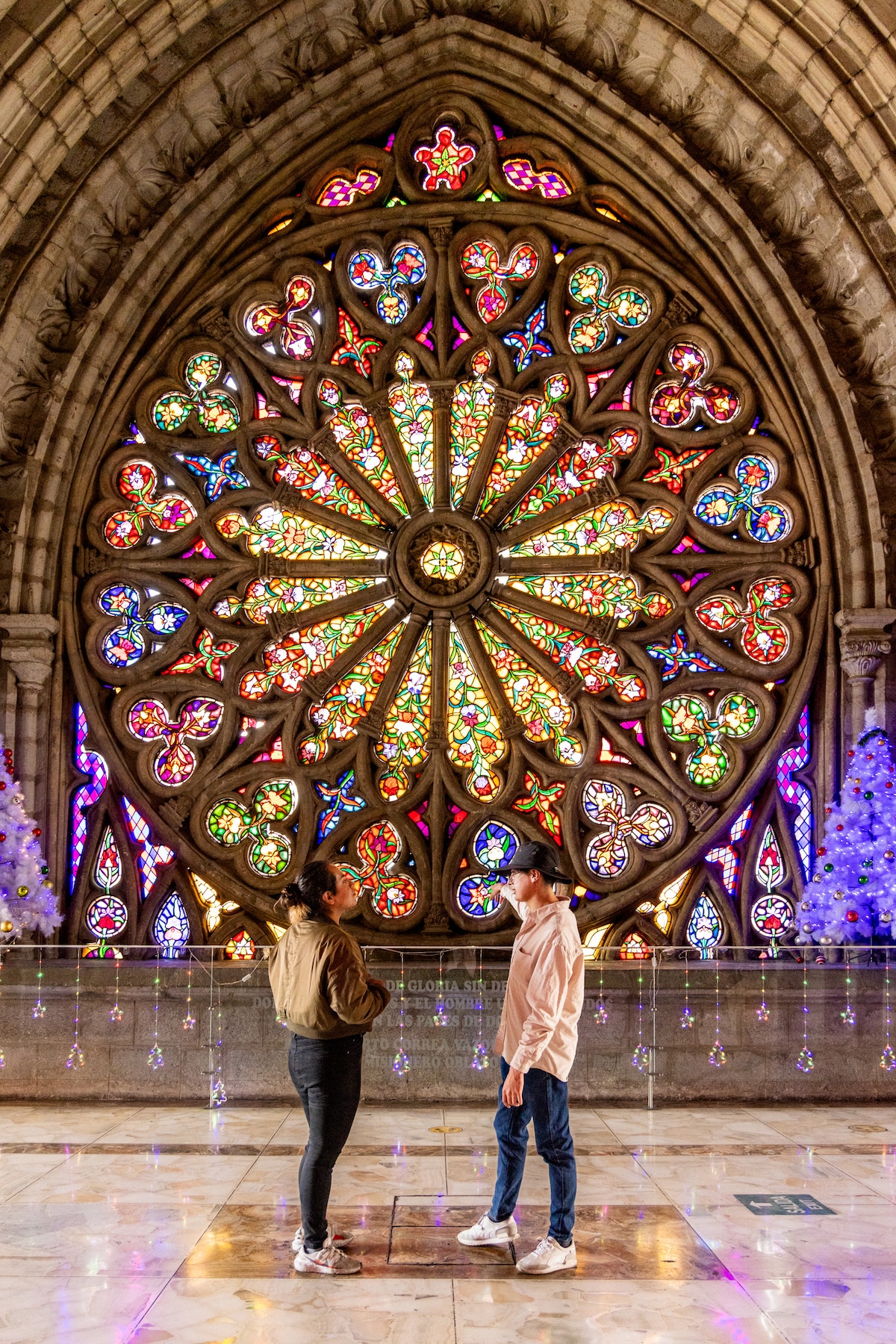
Historic Walkin Tour and Chocolate Tasting
Thu, Feb 12 • 10:00 AM
Quito, Pichincha, 170130, Ecuador
View details
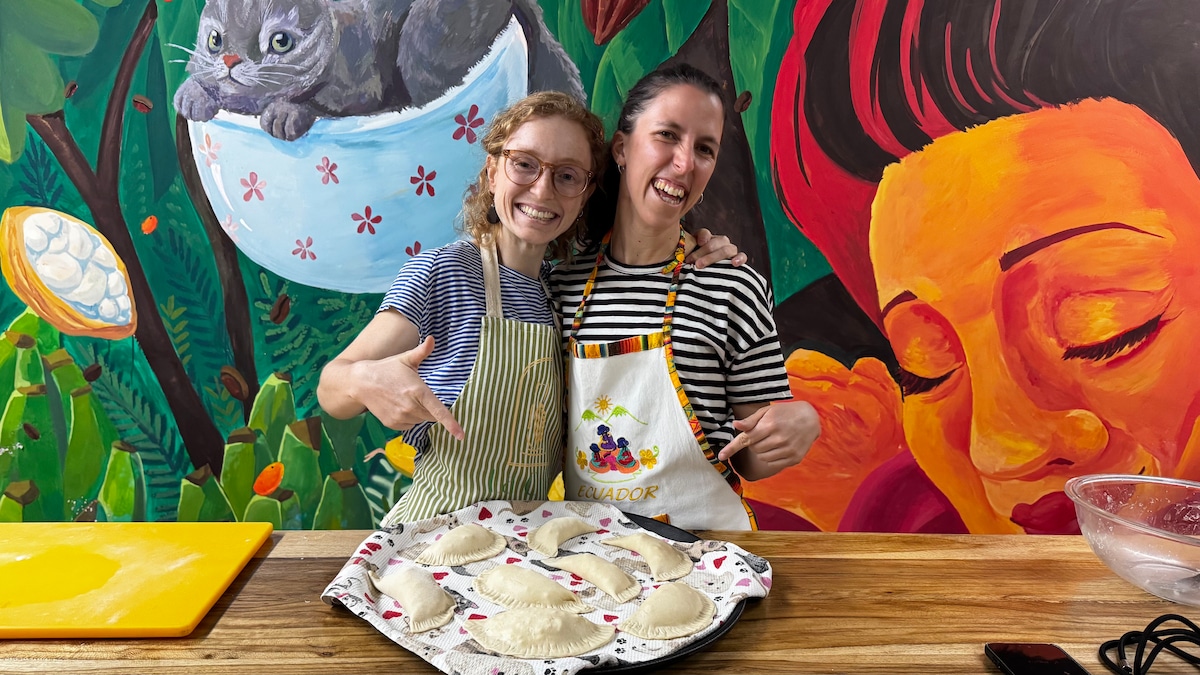
Cooking Class with a Professional Chef
Thu, Feb 12 • 3:30 PM
Quito, Pichincha, 170401, Ecuador
View details
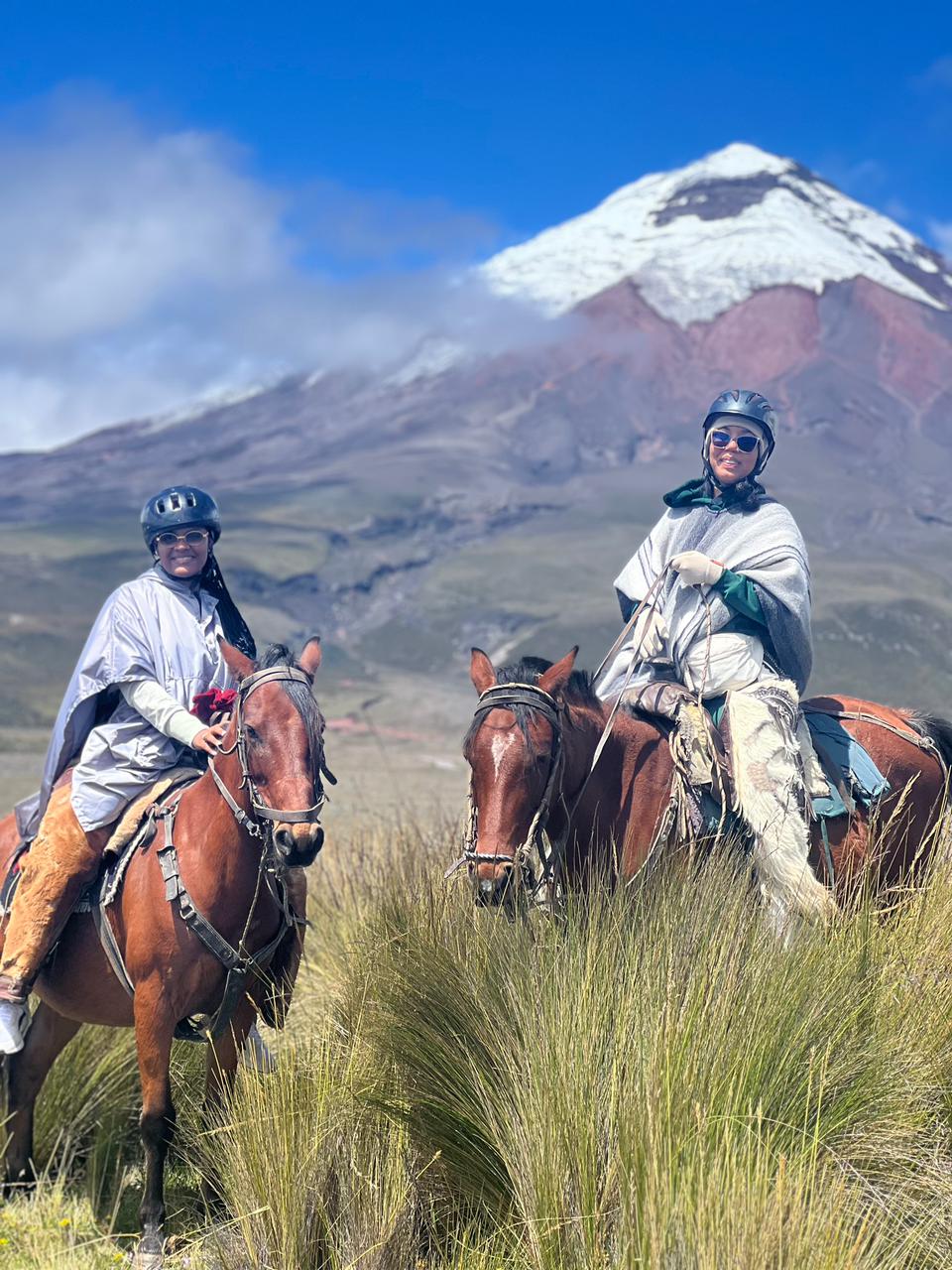
Cotopaxi on Horseback and Hike by No ToURISTY WaY
Thu, Feb 12 • 7:00 AM
Quito, Pichincha, 170517, Ecuador
View details
Nearby attractions of Catedral Metropolitana de Quito
Independence Square
Centro Cultural Metropolitano
Church of the Society of Jesus
Alberto Mena Caamaño Museum
Church of the Tabernacle
Historic Center of Quito
Carondelet Palace
Museo Casa de Sucre
San Francisco Catholic Church
Monumento a la Independencia
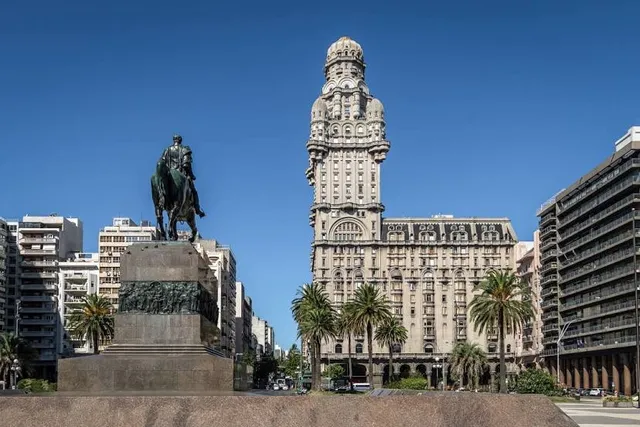
Independence Square
4.6
(7.9K)
Open 24 hours
Click for details
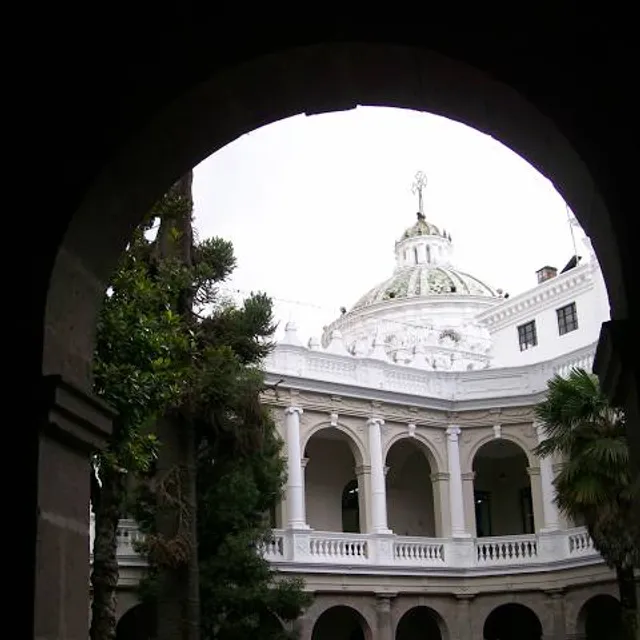
Centro Cultural Metropolitano
4.7
(780)
Closed
Click for details
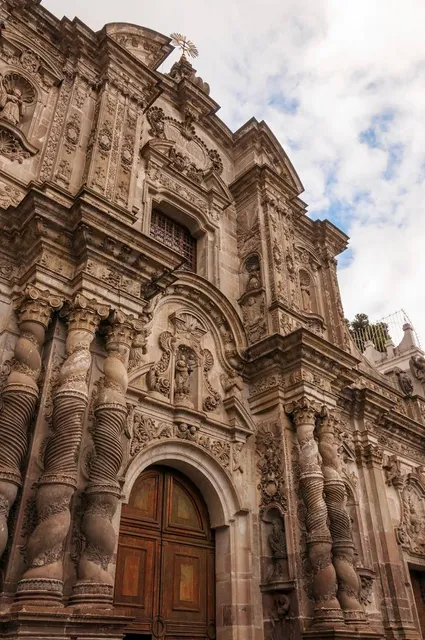
Church of the Society of Jesus
4.8
(1.7K)
Closed
Click for details
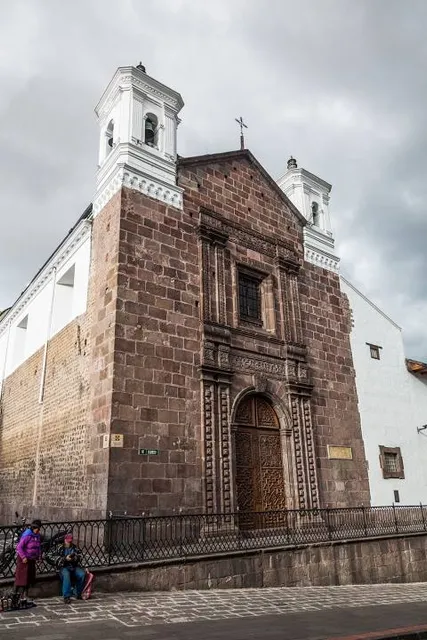
Alberto Mena Caamaño Museum
4.7
(706)
Open until 4:30 PM
Click for details
Nearby restaurants of Catedral Metropolitana de Quito
Dulceria Colonial
Vista Hermosa (Centro Histórico)
Modelo
Café del Fraile
San Ignacio
HELADERÍA - RESTAURANTE SAN AGUSTÍN
Café Plaza Grande Restaurante
Querubin
Caravana Fast Food
Notansanto
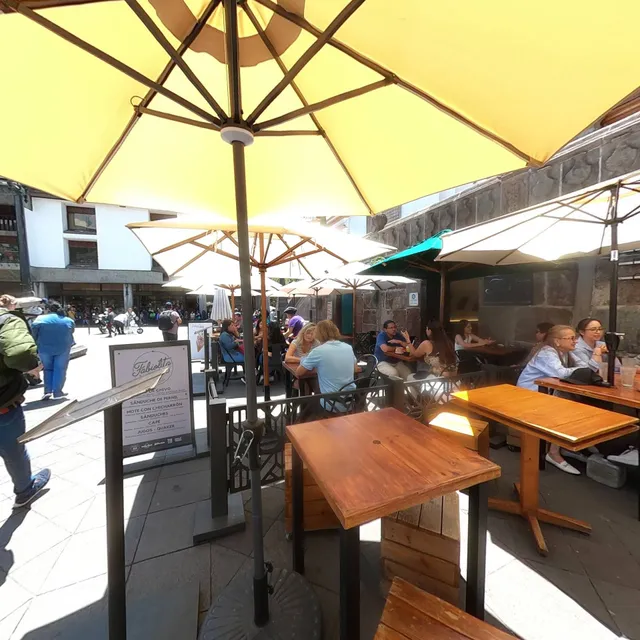
Dulceria Colonial
4.6
(198)
$
Open until 7:00 PM
Click for details
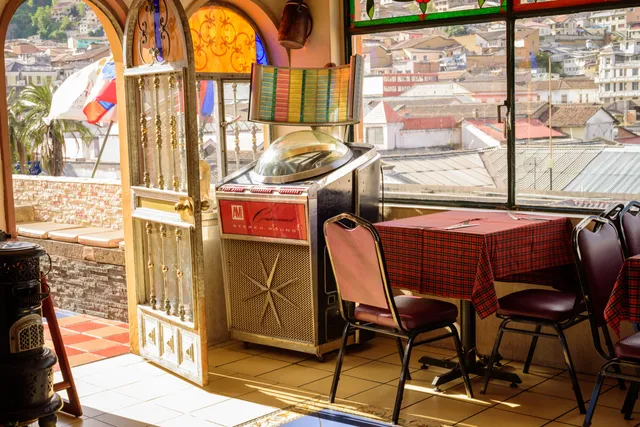
Vista Hermosa (Centro Histórico)
4.5
(1.5K)
$$
Closed
Click for details

Modelo
4.3
(883)
$
Open until 7:00 PM
Click for details
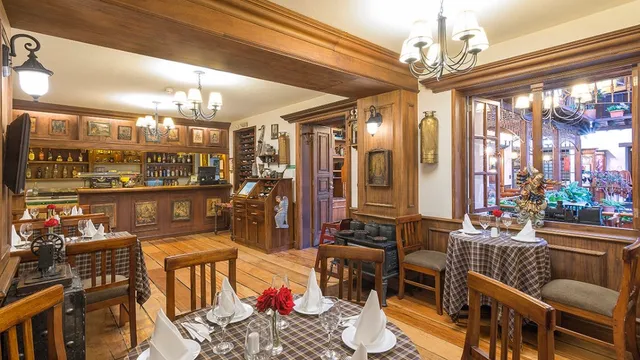
Café del Fraile
4.4
(414)
$$
Open until 10:00 PM
Click for details
Nearby local services of Catedral Metropolitana de Quito
La Basílica
Basilica of Our Lady of Mercy
Yagüi Beef
Monastery of the Immaculate Conception / Conceptionists / Church of Our Lady of the Good Success
Church of the Immaculate Conception / Conceptionists / Church of Our Lady of the Good Event
Yumbos Chocolate
Pasaje Arzobispal
Pre-Columbian Art Museum House of Praise
Monastery of Santa Catalina
Mercado Central
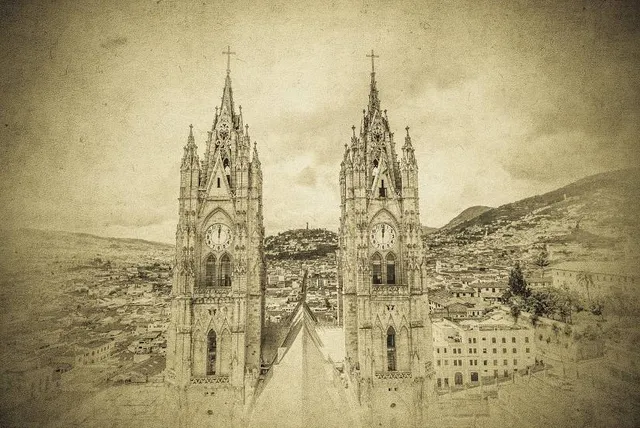
La Basílica
4.8
(1.4K)
Click for details
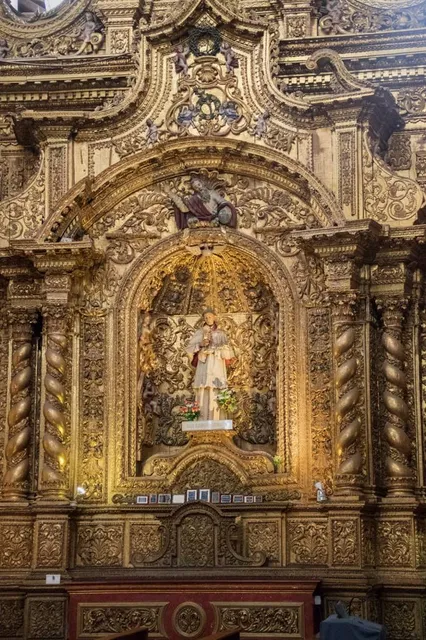
Basilica of Our Lady of Mercy
4.7
(1.0K)
Click for details
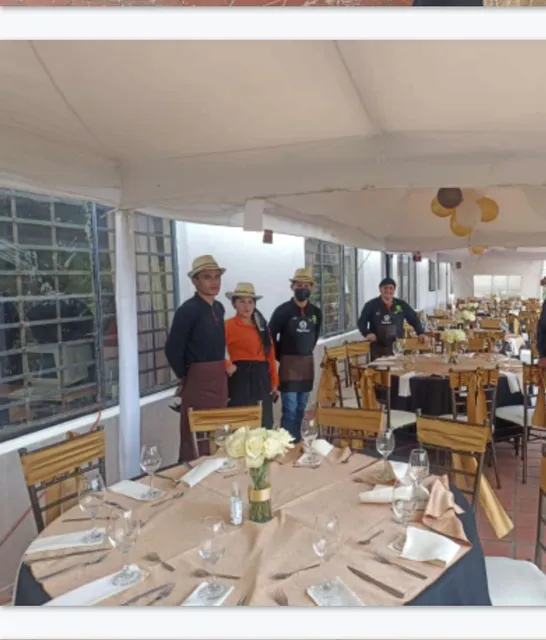
Yagüi Beef
4.4
(183)
Click for details
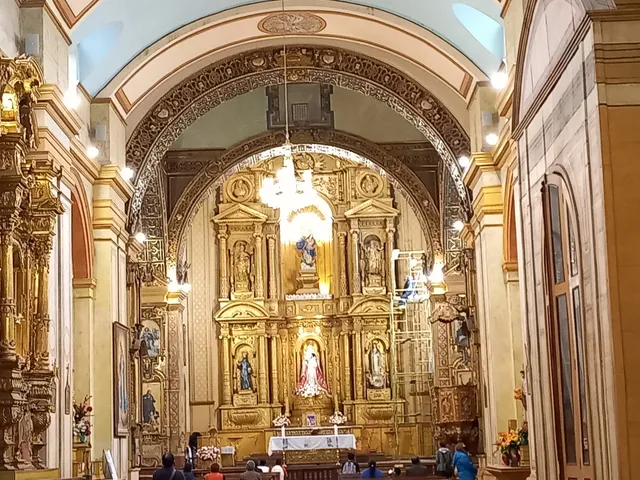
Monastery of the Immaculate Conception / Conceptionists / Church of Our Lady of the Good Success
4.6
(63)
Click for details