Prince Mohamed Ali Palace (Al Manial Palace) things to do, attractions, restaurants, events info and trip planning
Basic Info
Prince Mohamed Ali Palace (Al Manial Palace)
1 Al Saraya, Al Manyal Ash Sharqi, Old Cairo, Cairo Governorate 4240291, Egypt
4.6(3.9K)
Open until 5:00 PM


tickets
Save
spot
spot
Ratings & Description
Info
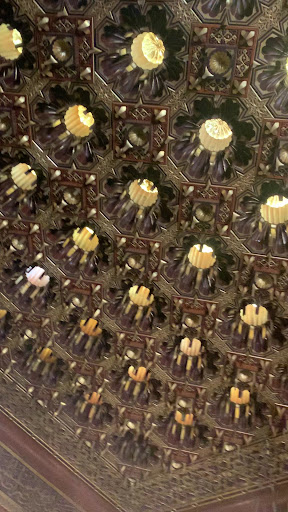
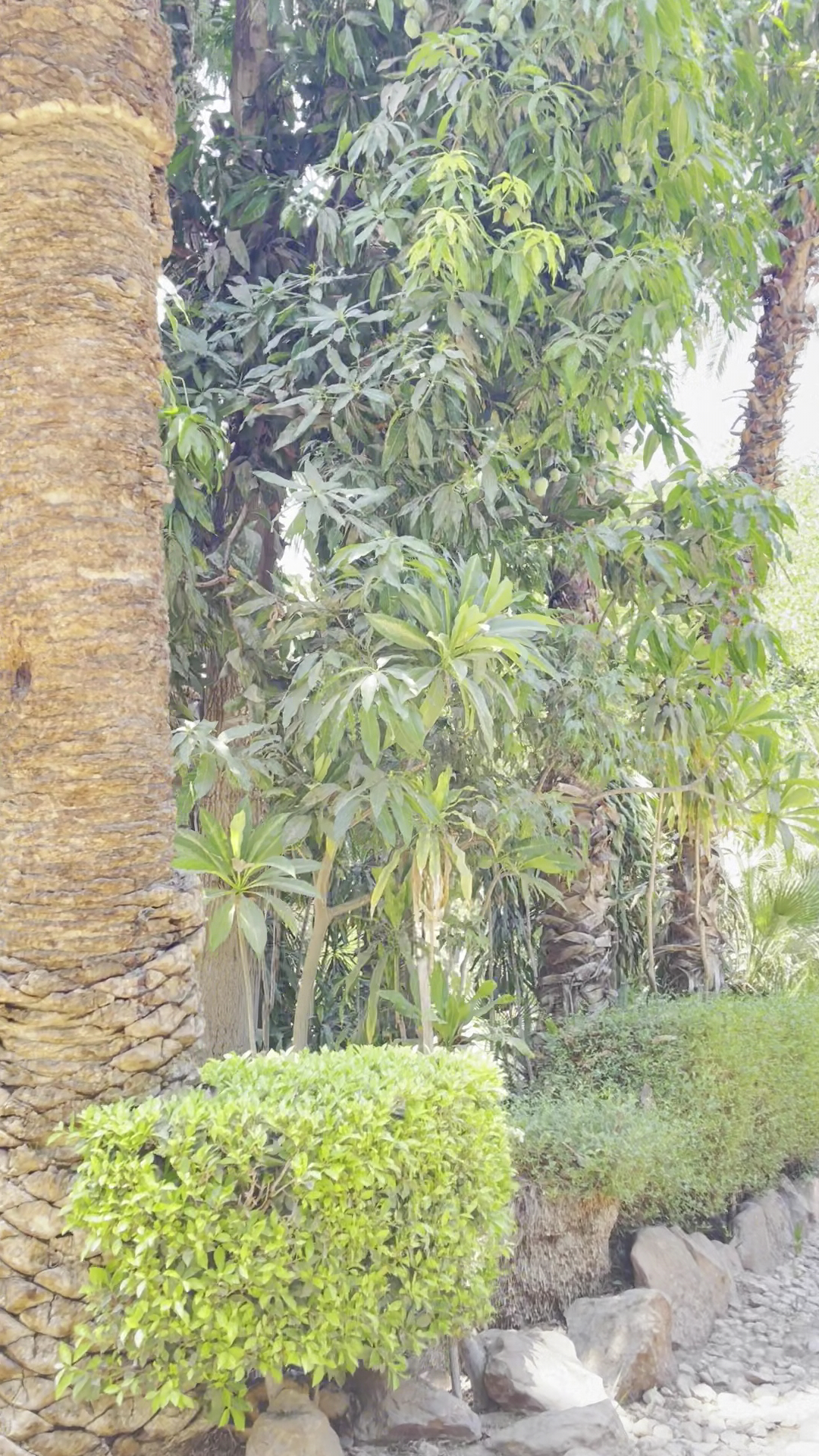
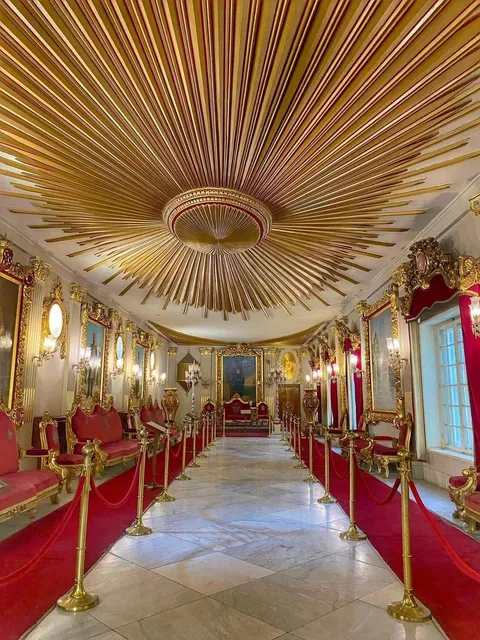
The Manial Palace and Museum is a former Alawiyya dynasty era palace and grounds on Rhoda Island on the Nile. It is located in the Sharia Al-Saray area in the El-Manial district of southern Cairo, Egypt.
Cultural
Accessibility
attractions: Manial Garden, برج الساعة, Palace Garden, Salah Al-Din Mosque, Qasr Al Ain medical school museum, Magra El Oyoun aqueduct (Fum al Khalig), Al Funun Garden, حديقة دار العلوم, restaurants: Abou Shakra Restaurants, Indo-Bangla Restaurant | Original Indian & Bangladeshi Taste in Egypt, Abdullah bashandy restaurant, il Nilo, KFC, Pyramids Restaurant - Kasr Al Ainy, E NOCI Bistro, Asmak El Nil, Tabkhaspace طبخه, Bollywood indian restaurant, local businesses: متحف الصيد, سراى الإقامة, البريد المصرى - Egypt Post, Galleria Mall, Rhoda Island, Tut ankh amon jewellery, Imkan, DokDok, Nile Fountain, Massage Center Egypt - مساج سنتر ايجيبت
 Learn more insights from Wanderboat AI.
Phone
+20 2 23687495
Website
egymonuments.gov.eg
Open hoursSee all hours
Mon9 AM - 5 PMOpen
Plan your stay

Pet-friendly Hotels in Cairo
Find a cozy hotel nearby and make it a full experience.

Affordable Hotels in Cairo
Find a cozy hotel nearby and make it a full experience.

The Coolest Hotels You Haven't Heard Of (Yet)
Find a cozy hotel nearby and make it a full experience.

Trending Stays Worth the Hype in Cairo
Find a cozy hotel nearby and make it a full experience.
Reviews
Live events
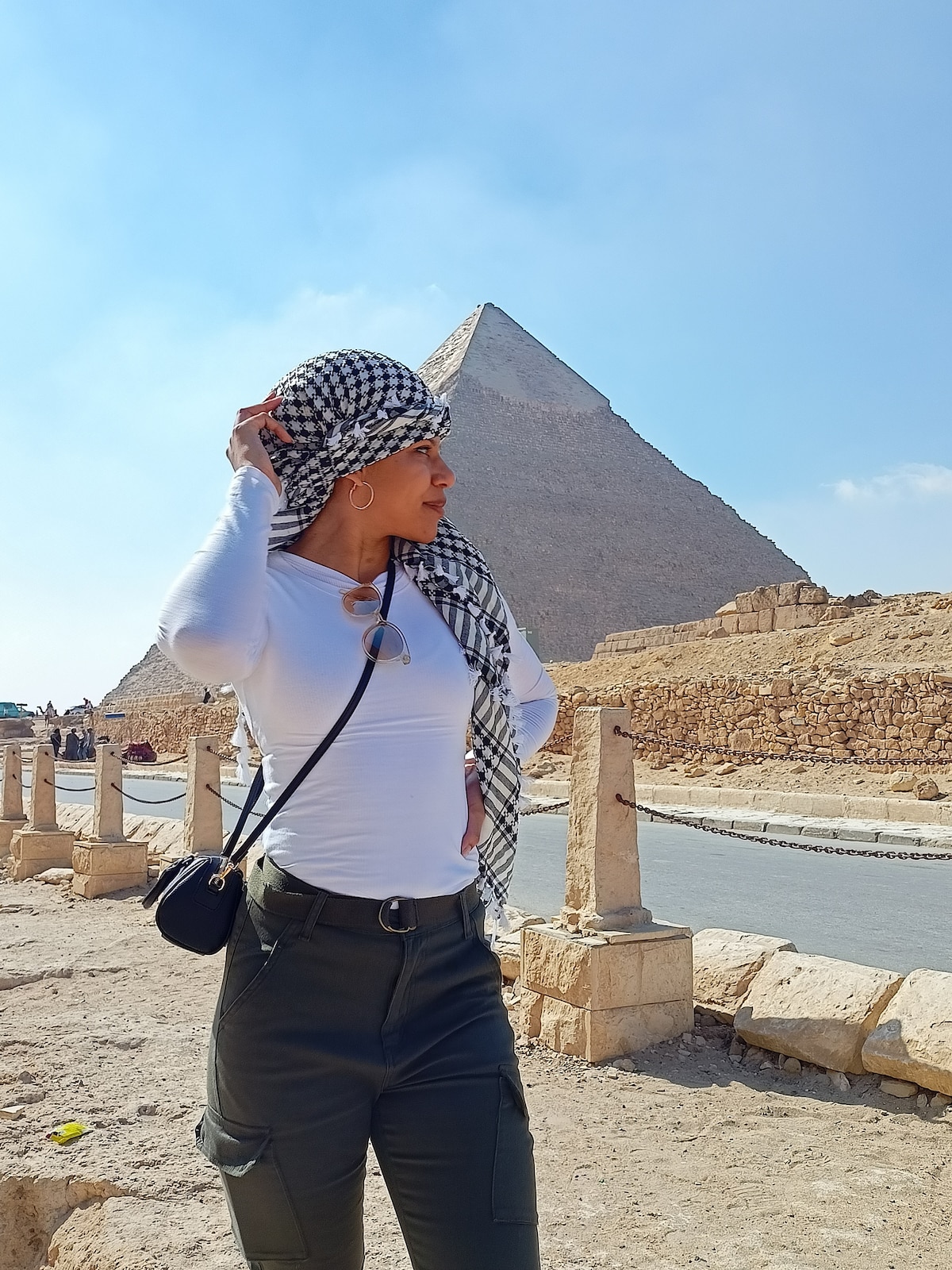
Private tour to Giza Pyramids, Sphinx, ATVs& Lunch
Tue, Feb 24 • 8:00 AM
Qasr Ad Dobarah, Cairo Governorate, 11512, Egypt
View details
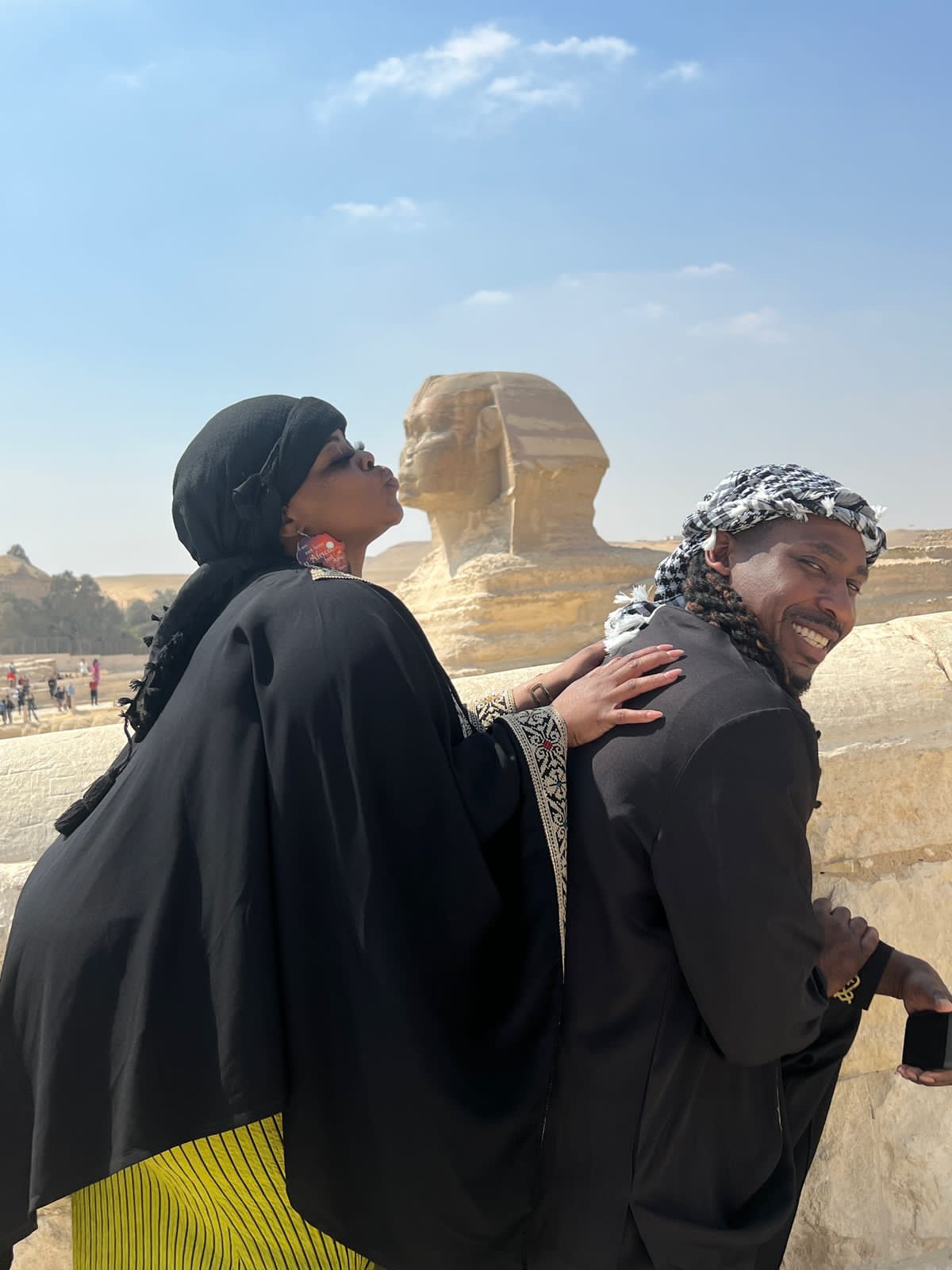
Full day, Giza Pyramids, Sphinx, Saqqara, Memphis
Tue, Feb 24 • 7:30 AM
Nazlet El-Semman, Giza Governorate, 3510001, Egypt
View details
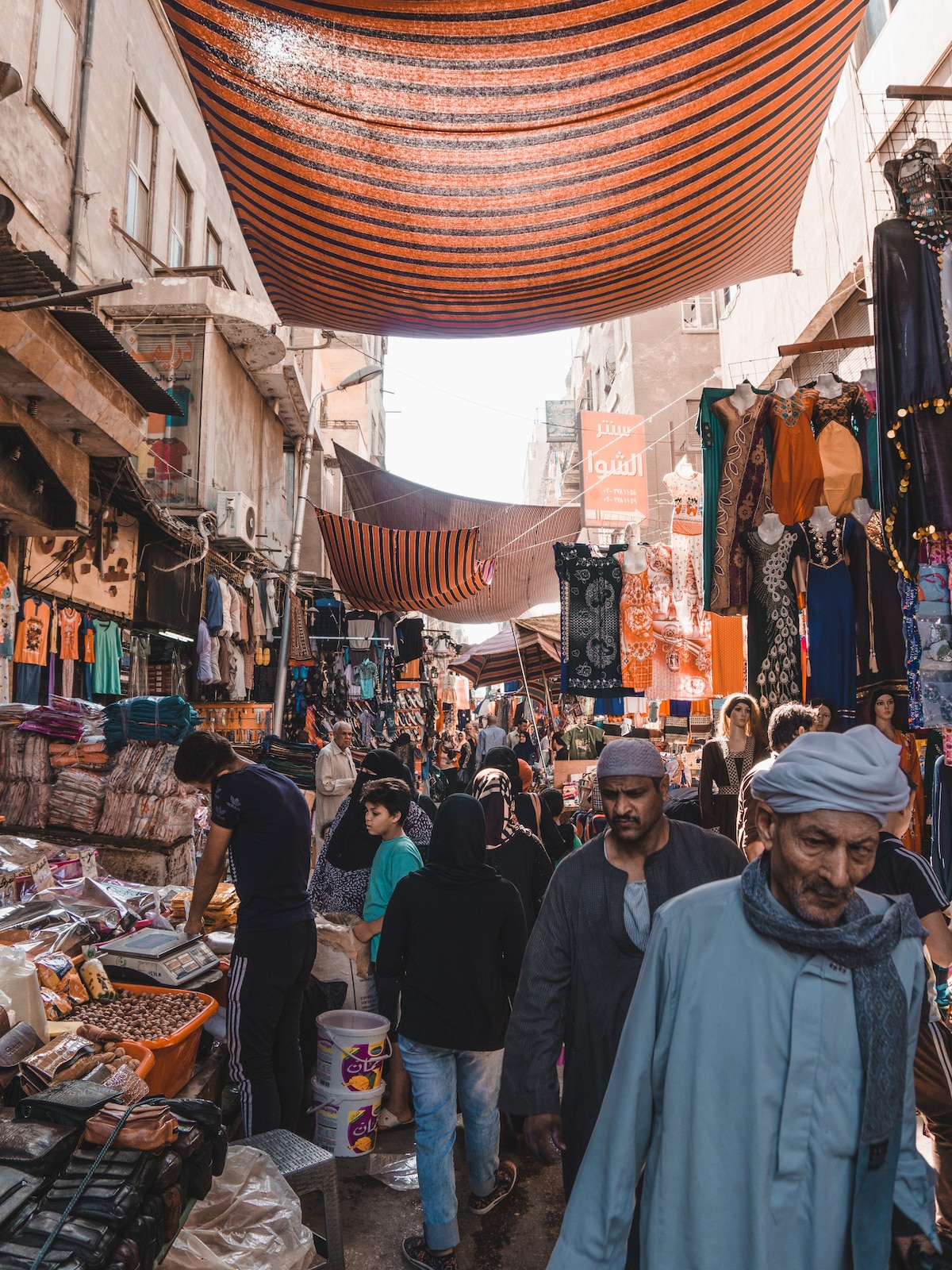
Engage with Egyptian life & Bazzar
Mon, Feb 23 • 5:00 PM
As Sawabi, Cairo Governorate, 4331216, Egypt
View details
Nearby attractions of Prince Mohamed Ali Palace (Al Manial Palace)
Manial Garden
برج الساعة
Palace Garden
Salah Al-Din Mosque
Qasr Al Ain medical school museum
Magra El Oyoun aqueduct (Fum al Khalig)
Al Funun Garden
حديقة دار العلوم
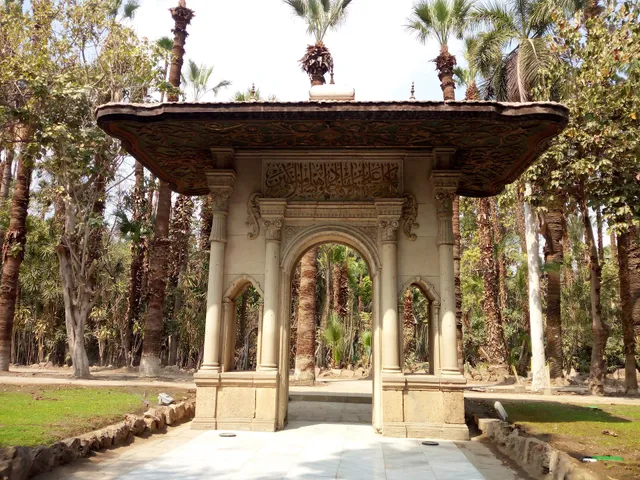
Manial Garden
4.1
(203)
Open until 11:00 PM
Click for details
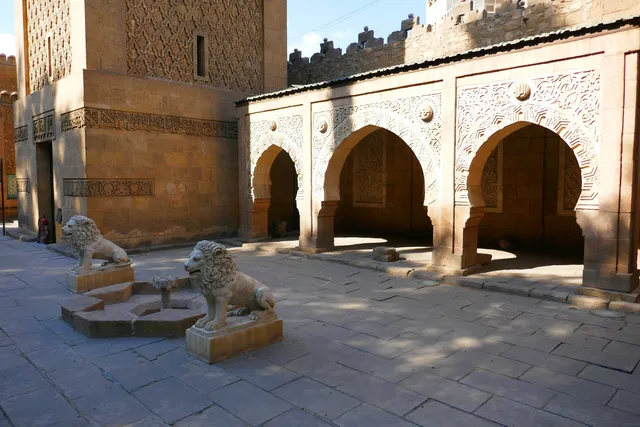
برج الساعة
4.5
(23)
Open 24 hours
Click for details
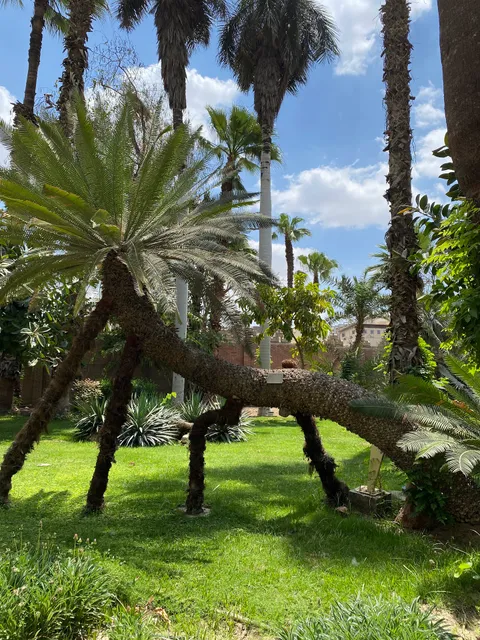
Palace Garden
4.5
(32)
Open 24 hours
Click for details

Salah Al-Din Mosque
4.7
(1.0K)
Open until 12:00 AM
Click for details
Nearby restaurants of Prince Mohamed Ali Palace (Al Manial Palace)
Abou Shakra Restaurants
Indo-Bangla Restaurant | Original Indian & Bangladeshi Taste in Egypt
Abdullah bashandy restaurant
il Nilo
KFC
Pyramids Restaurant - Kasr Al Ainy
E NOCI Bistro
Asmak El Nil
Tabkhaspace طبخه
Bollywood indian restaurant
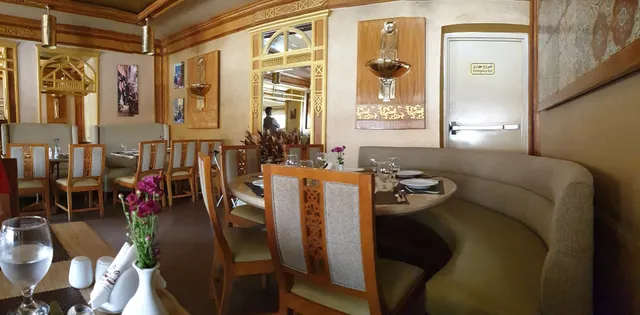
Abou Shakra Restaurants
3.8
(586)
$$$
Open until 2:00 AM
Click for details
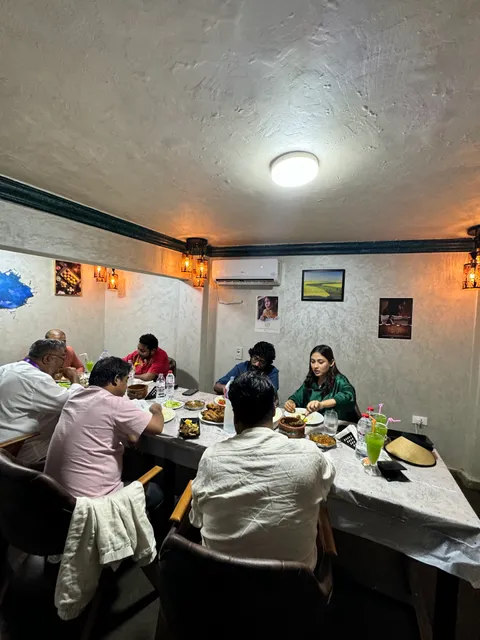
Indo-Bangla Restaurant | Original Indian & Bangladeshi Taste in Egypt
4.3
(85)
Open until 12:00 AM
Click for details
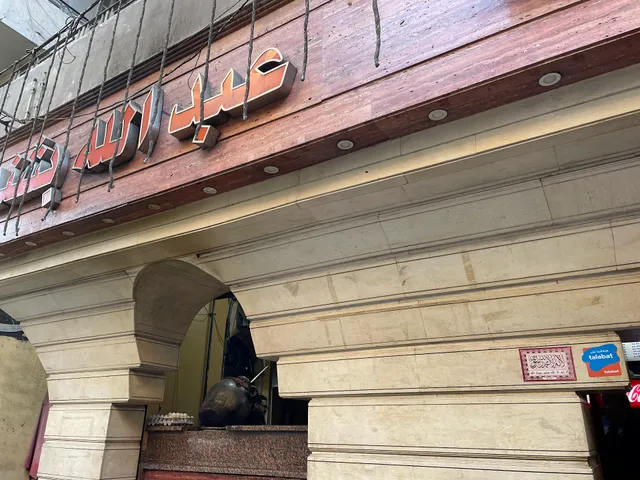
Abdullah bashandy restaurant
4.2
(1.4K)
Open until 12:00 AM
Click for details
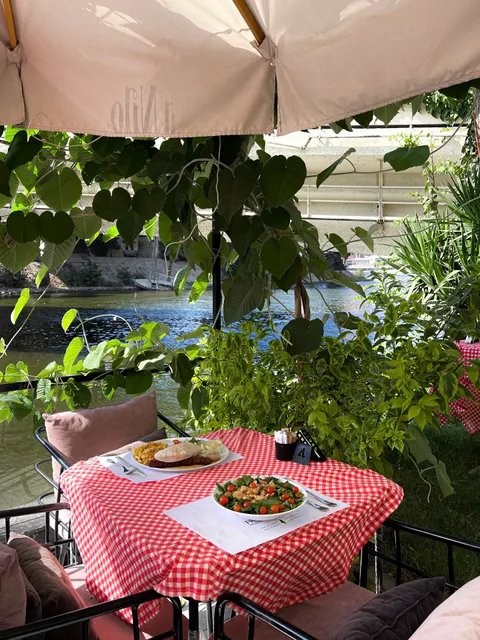
il Nilo
4.9
(5.7K)
Open until 2:00 AM
Click for details
Nearby local services of Prince Mohamed Ali Palace (Al Manial Palace)
متحف الصيد
سراى الإقامة
البريد المصرى - Egypt Post
Galleria Mall
Rhoda Island
Tut ankh amon jewellery
Imkan
DokDok
Nile Fountain
Massage Center Egypt - مساج سنتر ايجيبت
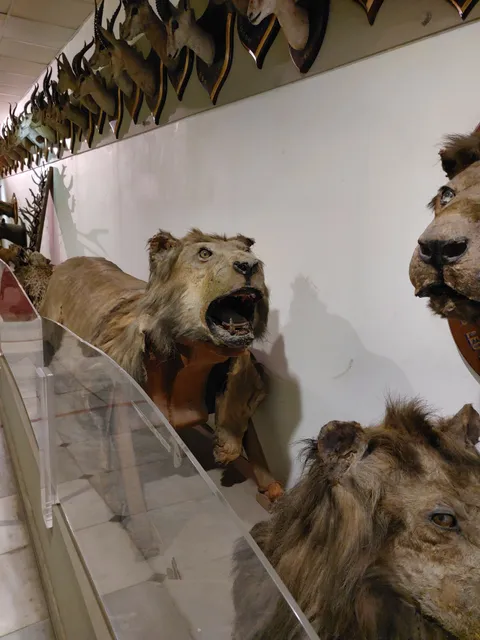
متحف الصيد
4.2
(12)
Click for details

سراى الإقامة
4.6
(22)
Click for details
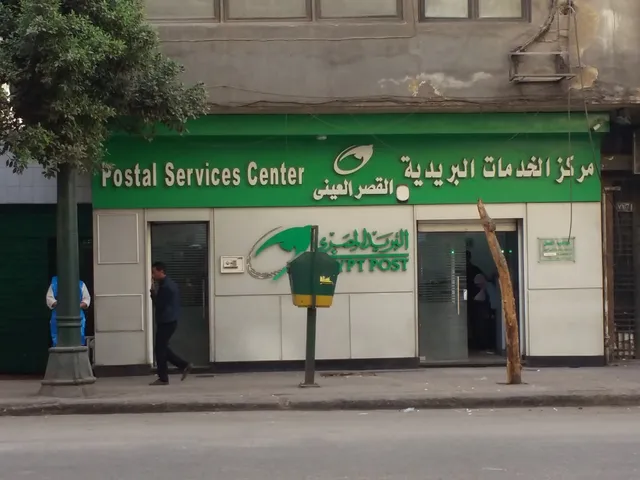
البريد المصرى - Egypt Post
3.5
(18)
Click for details
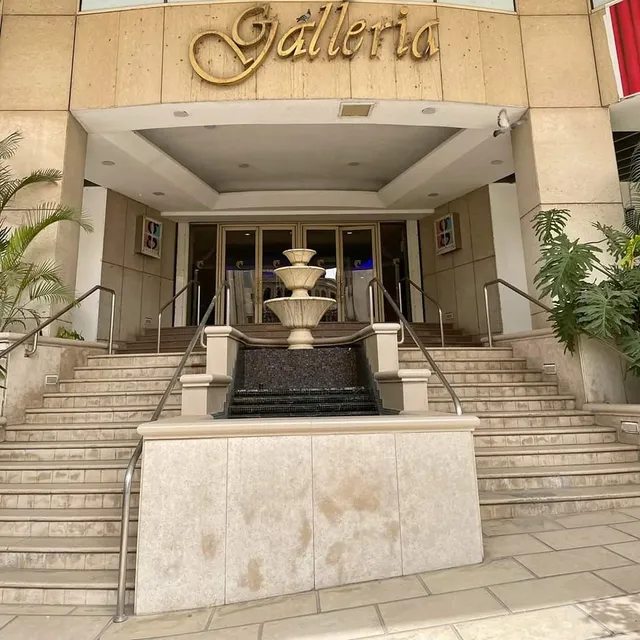
Galleria Mall
4.2
(215)
Click for details