The Thinker things to do, attractions, restaurants, events info and trip planning
Basic Info
The Thinker
77 Rue de Varenne, 75007 Paris, France
4.3(272)
Closed


tickets
Save
spot
spot
Ratings & Description
Info
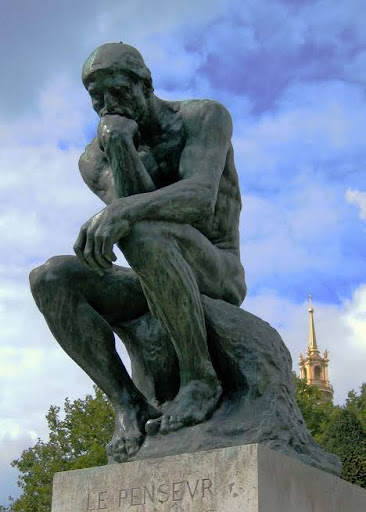
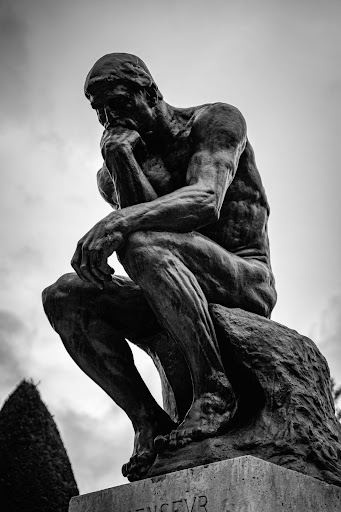
The Thinker is a bronze sculpture by Auguste Rodin, usually placed on a stone pedestal. The work depicts a nude male figure of heroic size sitting on a rock. He is seen leaning over, his right elbow placed on his left thigh, holding the weight of his chin on the back of his right hand.
Cultural
Scenic
Family friendly
Accessibility
attractions: Musée Rodin, Hôtel des Invalides, The Army Museum, Tomb of Napoleon Bonaparte, Rodin Museum - The Gate of Hell, Museum of Relief Maps, Les Trois Ombres de Rodin, Aura Invalides (entrée place Vauban), Historial Charles de Gaulle, Sainte-Clotilde, Paris, restaurants: Arpège, Auguste, Café du Musée Rodin, Café du Musée Rodin, Boulangerie du Musée, L’Authentique, Da Rocco, La Routine Café, Au Coin de la Rue, Civetta Trattoria Italiana, local businesses: La Suite Paris, Saint-Louis-des-Invalides Cathedral, Boutique du musée Rodin, Ministry of Relations with Parliament, Ampelos - Caviste Paris 7, Club des Poètes, Mon Tailleur, Monceau Fleurs, Francepierre, Balenciaga
 Learn more insights from Wanderboat AI.
Phone
+33 1 44 18 61 10
Website
musee-rodin.fr
Open hoursSee all hours
Sat10 AM - 6:30 PMClosed
Plan your stay

Pet-friendly Hotels in Paris
Find a cozy hotel nearby and make it a full experience.

Affordable Hotels in Paris
Find a cozy hotel nearby and make it a full experience.

The Coolest Hotels You Haven't Heard Of (Yet)
Find a cozy hotel nearby and make it a full experience.

Trending Stays Worth the Hype in Paris
Find a cozy hotel nearby and make it a full experience.
Reviews
Live events

Dinner Cruise in the Heart of Paris with Music
Mon, Mar 2 • 8:30 PM
Port de la Bourdonnais 75007, Paris, France
View details

Learn to bake classic French croissants
Sat, Feb 28 • 9:00 AM
75007, Paris, France
View details

Planète Préhistorique : Dinosaures, L’expérience immersive à l’Atelier des Lumières
Sat, Feb 28 • 10:00 AM
38 Rue Saint-Maur, 75011
View details
Nearby attractions of The Thinker
Musée Rodin
Hôtel des Invalides
The Army Museum
Tomb of Napoleon Bonaparte
Rodin Museum - The Gate of Hell
Museum of Relief Maps
Les Trois Ombres de Rodin
Aura Invalides (entrée place Vauban)
Historial Charles de Gaulle
Sainte-Clotilde, Paris
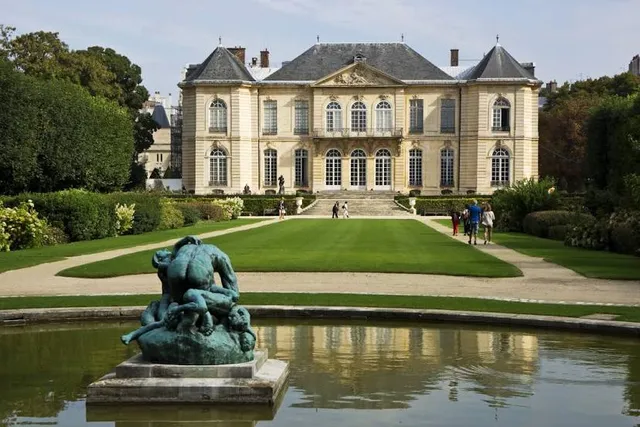
Musée Rodin
4.7
(8K)
Closed
Click for details
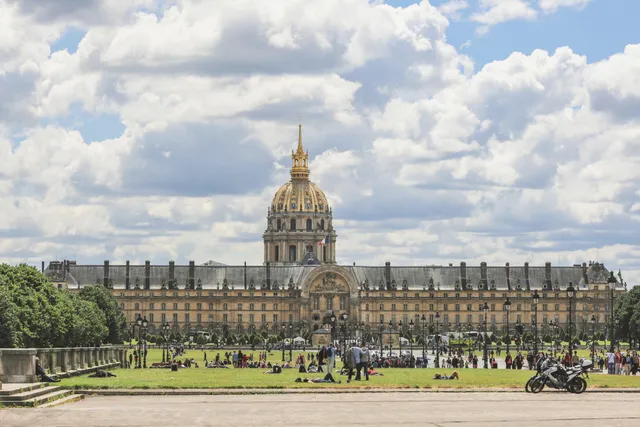
Hôtel des Invalides
4.7
(15.7K)
Open 24 hours
Click for details
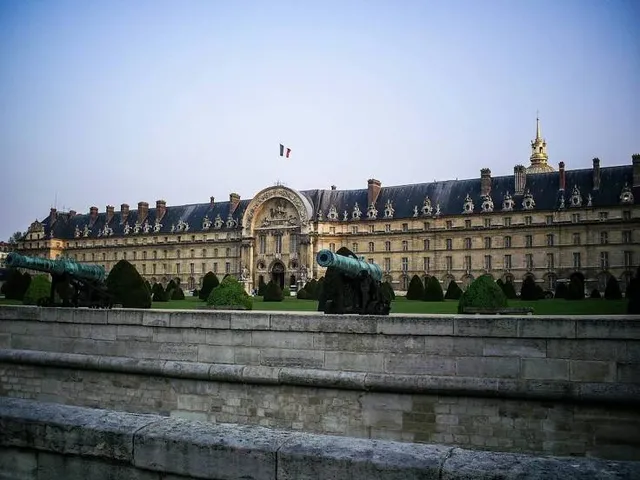
The Army Museum
4.6
(10.8K)
Closed
Click for details
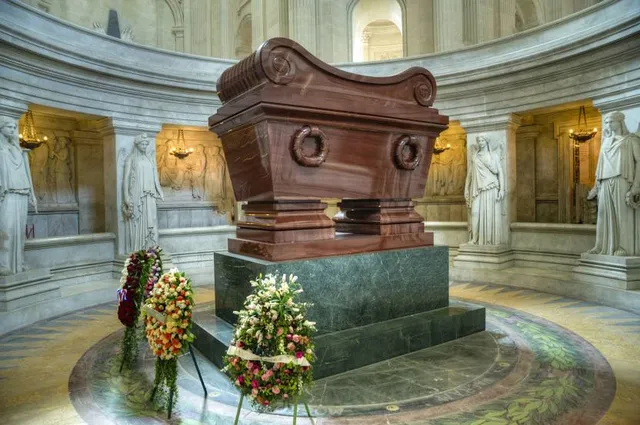
Tomb of Napoleon Bonaparte
4.7
(5.4K)
Closed
Click for details
Nearby restaurants of The Thinker
Arpège
Auguste
Café du Musée Rodin
Café du Musée Rodin
Boulangerie du Musée
L’Authentique
Da Rocco
La Routine Café
Au Coin de la Rue
Civetta Trattoria Italiana
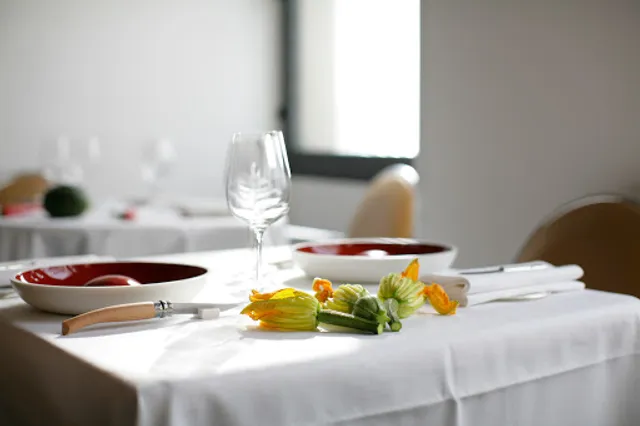
Arpège
4.5
(1.1K)
Open until 12:00 AM
Click for details
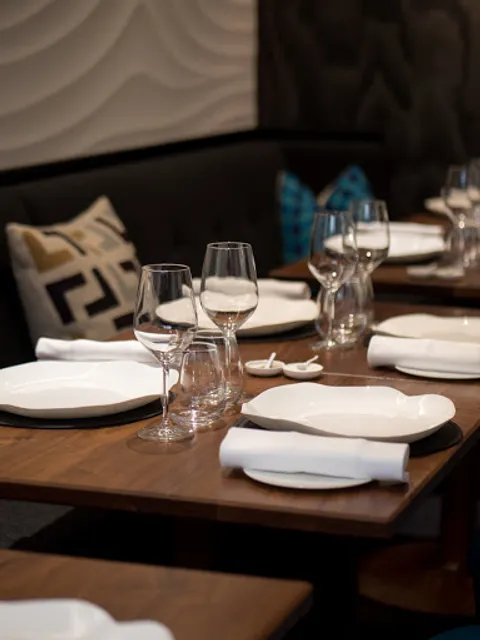
Auguste
4.6
(404)
Open until 12:00 AM
Click for details

Café du Musée Rodin
3.5
(83)
Closed
Click for details
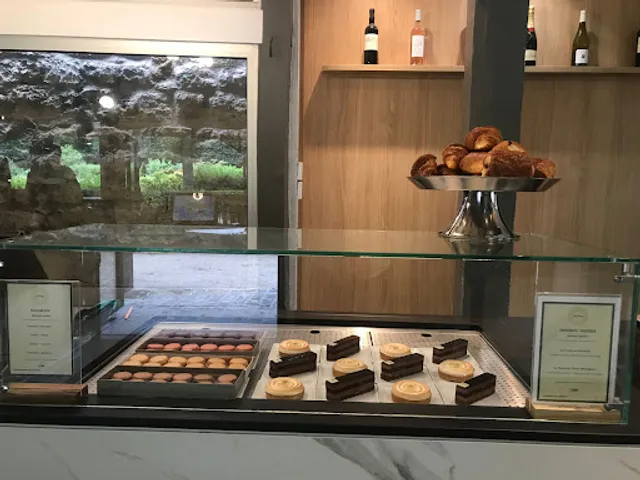
Café du Musée Rodin
3.5
(81)
Closed
Click for details
Nearby local services of The Thinker
La Suite Paris
Saint-Louis-des-Invalides Cathedral
Boutique du musée Rodin
Ministry of Relations with Parliament
Ampelos - Caviste Paris 7
Club des Poètes
Mon Tailleur
Monceau Fleurs
Francepierre
Balenciaga

La Suite Paris
4.6
(60)
Click for details
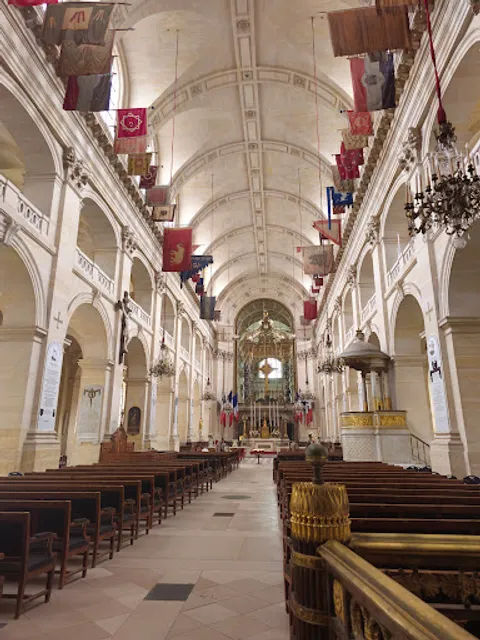
Saint-Louis-des-Invalides Cathedral
4.7
(236)
Click for details

Boutique du musée Rodin
3.9
(17)
Click for details
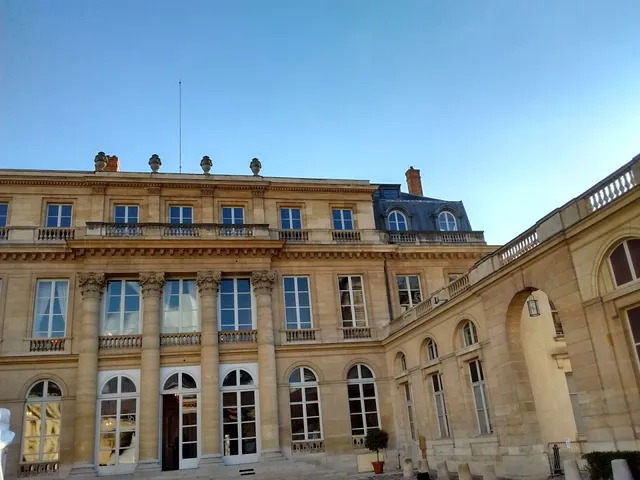
Ministry of Relations with Parliament
4.5
(11)
Click for details