UNESCO things to do, attractions, restaurants, events info and trip planning
Basic Info
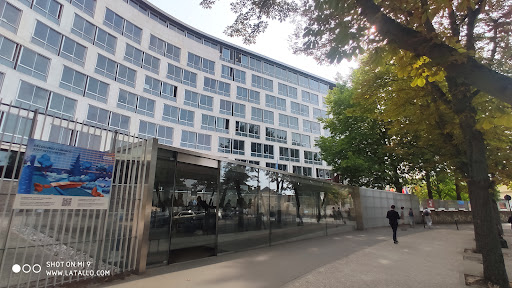
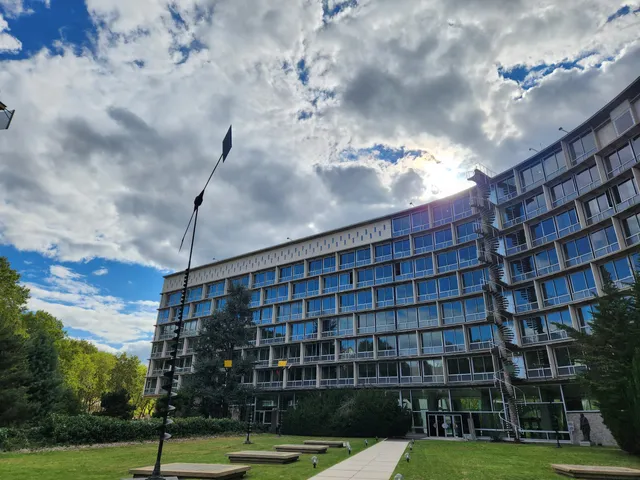
UNESCO
7 Pl. de Fontenoy-Unesco, 75007 Paris, France
4.5(1.3K)
Open until 6:00 PM
Save
spot
spot
Ratings & Description
Info
The United Nations Educational, Scientific and Cultural Organization is a specialized agency of the United Nations aimed at promoting world peace and security through international cooperation in education, arts, sciences and culture.
Cultural
Accessibility
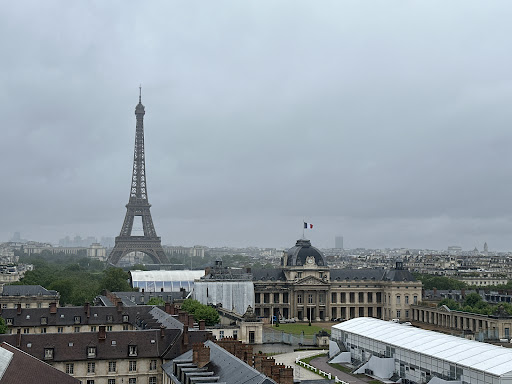
attractions: The garden of Peace (or Japanese Garden) of UNESCO, Grand Palais Éphémère, square Cambronne, Champ de Mars, Esplanade Jacques-Chaban-Delmas, Tomb of Napoleon Bonaparte, The Army Museum, Parc pour enfants de l'avenue de Breteuil, Village Suisse Paris, Galerie Jabert Tapisserie Aubusson Ancienne et Contemporaine, restaurants: La Bohème Café & Salon, Lattein Coffee, Le Colonel, Restaurant de l'UNESCO, L'Escudella, FÉLIX, Le Suffren, Ministry of Spice - Modern Indian Cuisine, Le Lowendal,, Gioco, local businesses: Agence spatiale européenne - European Space Agency (ESA) HQ, Cultural Center Chasseloup Laubat, Borgèse Auto, Speedy, Chambre Avec Vue, SELLING CAR, Your Friend in Paris, Military School, Norbert Bottier, BCBG | Institut de Beauté Paris 15
 Learn more insights from Wanderboat AI.
Phone
+33 1 45 68 10 00
Website
unesco.org
Open hoursSee all hours
Fri9 AM - 6 PMOpen
Plan your stay

Pet-friendly Hotels in Paris
Find a cozy hotel nearby and make it a full experience.

Affordable Hotels in Paris
Find a cozy hotel nearby and make it a full experience.

The Coolest Hotels You Haven't Heard Of (Yet)
Find a cozy hotel nearby and make it a full experience.

Trending Stays Worth the Hype in Paris
Find a cozy hotel nearby and make it a full experience.
Reviews
Live events

Learn to bake classic French croissants
Fri, Feb 27 • 1:00 PM
75007, Paris, France
View details

Planète Préhistorique : Dinosaures, L’expérience immersive à l’Atelier des Lumières
Fri, Feb 27 • 11:00 AM
38 Rue Saint-Maur, 75011
View details
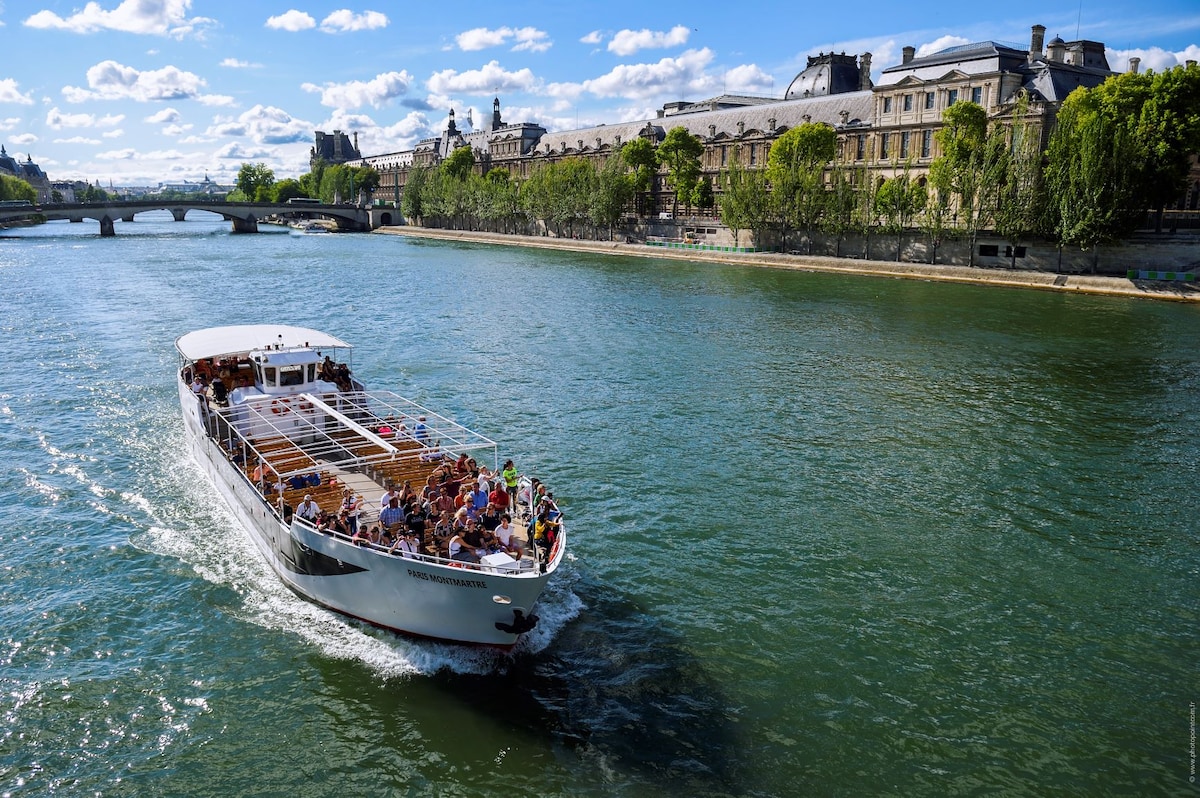
Fast-Access Seine River Cruise from Eiffel Tower
Tue, Mar 3 • 10:45 AM
75015, Paris, France
View details
Nearby attractions of UNESCO
The garden of Peace (or Japanese Garden) of UNESCO
Grand Palais Éphémère
square Cambronne
Champ de Mars
Esplanade Jacques-Chaban-Delmas
Tomb of Napoleon Bonaparte
The Army Museum
Parc pour enfants de l'avenue de Breteuil
Village Suisse Paris
Galerie Jabert Tapisserie Aubusson Ancienne et Contemporaine
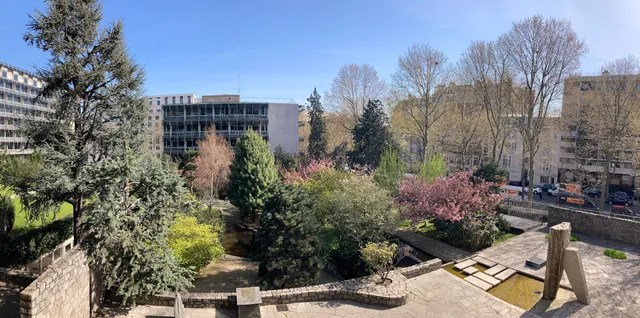
The garden of Peace (or Japanese Garden) of UNESCO
3.3
(17)
Open 24 hours
Click for details
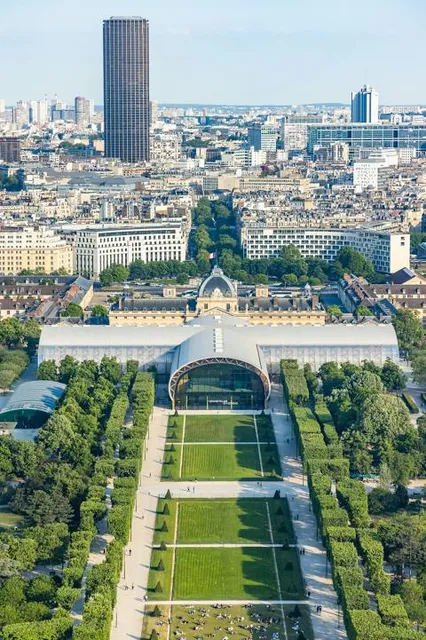
Grand Palais Éphémère
4.4
(1.2K)
Open 24 hours
Click for details
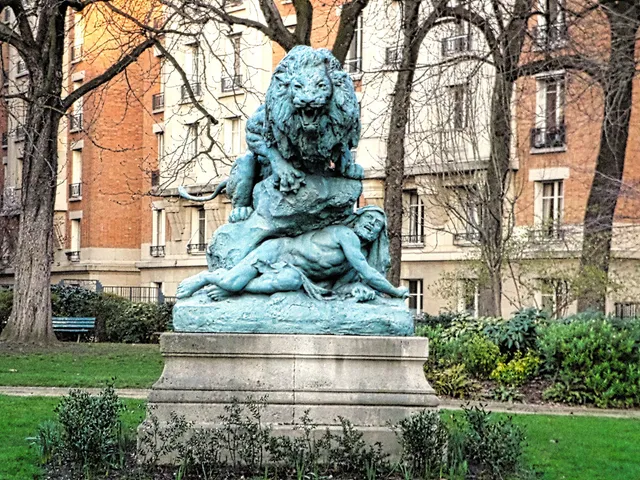
square Cambronne
4.2
(122)
Open until 6:00 PM
Click for details
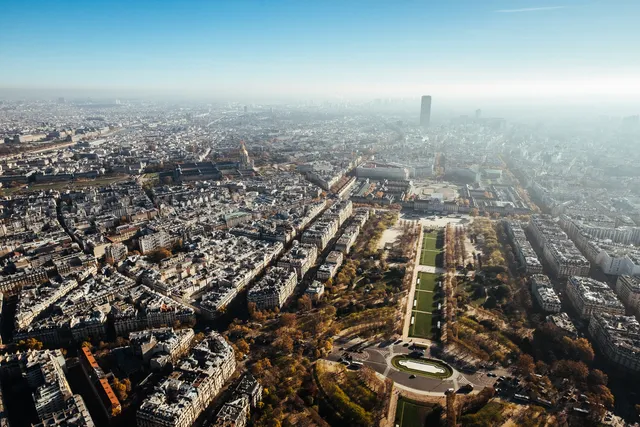
Champ de Mars
4.6
(64.3K)
Open until 12:00 AM
Click for details
Nearby restaurants of UNESCO
La Bohème Café & Salon
Lattein Coffee
Le Colonel
Restaurant de l'UNESCO
L'Escudella
FÉLIX
Le Suffren
Ministry of Spice - Modern Indian Cuisine
Le Lowendal,
Gioco

La Bohème Café & Salon
4.9
(29)
Open until 6:00 PM
Click for details

Lattein Coffee
5.0
(25)
Open until 6:00 PM
Click for details
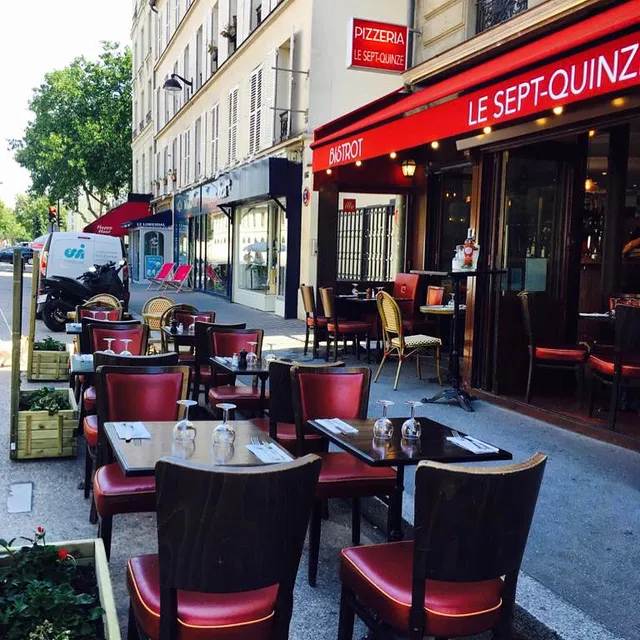
Le Colonel
4.6
(401)
Open until 10:30 PM
Click for details
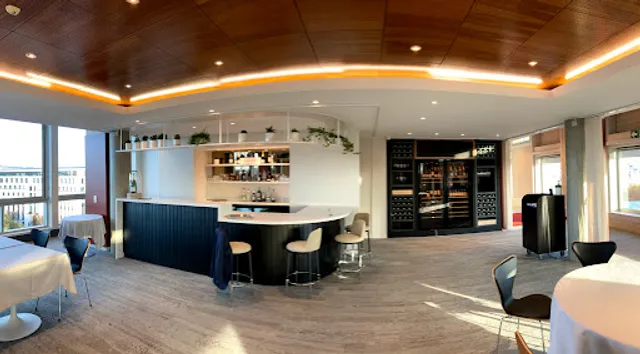
Restaurant de l'UNESCO
4.4
(26)
Closed
Click for details
Nearby local services of UNESCO
Agence spatiale européenne - European Space Agency (ESA) HQ
Cultural Center Chasseloup Laubat
Borgèse Auto
Speedy
Chambre Avec Vue
SELLING CAR
Your Friend in Paris
Military School
Norbert Bottier
BCBG | Institut de Beauté Paris 15
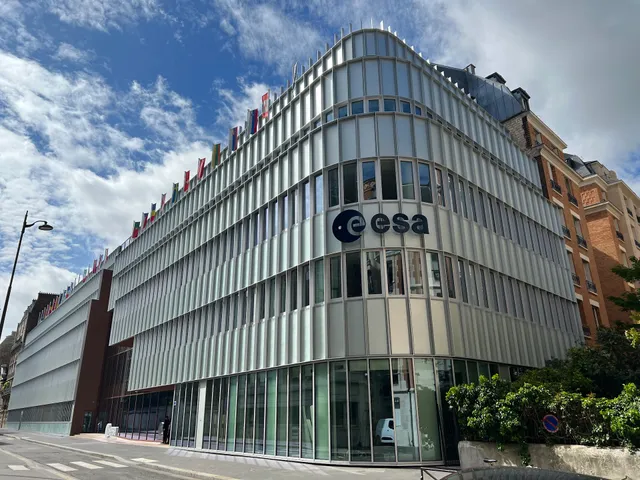
Agence spatiale européenne - European Space Agency (ESA) HQ
4.0
(35)
Click for details
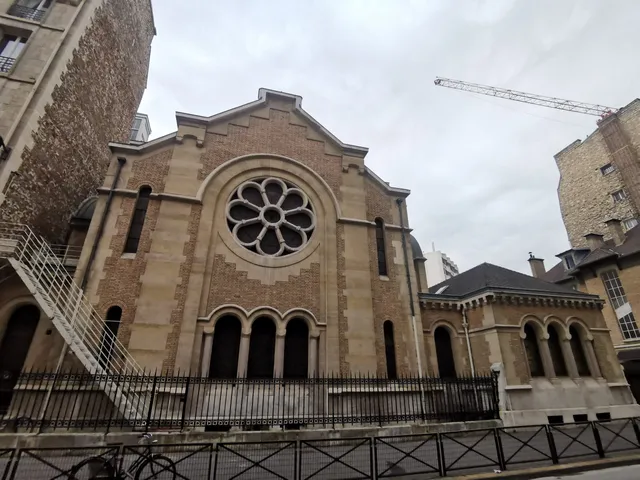
Cultural Center Chasseloup Laubat
4.6
(55)
Click for details

Borgèse Auto
4.5
(105)
Click for details

Speedy
4.2
(252)
Click for details