Saint Stephen's Cathedral things to do, attractions, restaurants, events info and trip planning
Basic Info
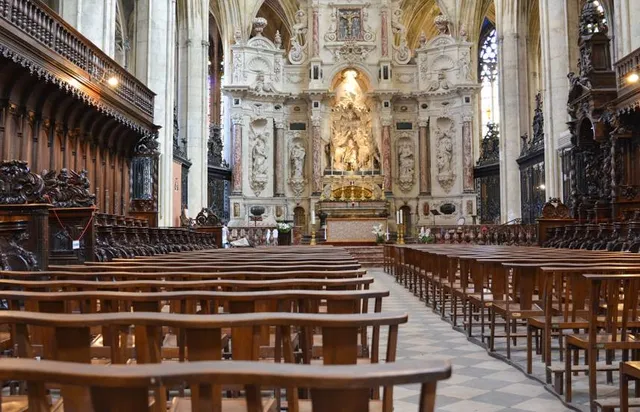
Saint Stephen's Cathedral
Pl. Saint-Étienne, 31000 Toulouse, France
4.5(2.3K)
Closed
Save
spot
spot
Ratings & Description
Info
St. Stephen's Cathedral is the mother church of the Roman Catholic Archdiocese of Vienna and the seat of the Archbishop of Vienna, Christoph Cardinal Schönborn, OP.
Cultural
Accessibility
attractions: Musée des Augustins, Galerie Place de l' Art antiquités tableaux, Galerie Serventi, Grand Rond, Tajan Philippe, Agence de voyage TUI STORE Toulouse, Jardin Royal, Musée Paul-Dupuy, Tactisens Escape Game Toulouse, YellowKorner, restaurants: Le Sylène, La Gourmandine Côté Cathédrale, Gaïa, OFFICINA GUSTO, The Versant Toulouse, BAR L'ARROSOIR, Eat Sushi, Monsieur Georges, Pâtisserie Conté, Standard., local businesses: Cité 2 Roues, Feexo, Criollo Chocolatier (place Saint Etienne), Son-Vidéo.com Toulouse, STYLE CONCEPT Onglerie Coiffure Esthetique, Tabac Bleu, Monument of the Combatants of Haute-Garonn, Poppy Figue, ANDP Barbier Toulouse, Greg - Artisan Fleuriste Toulouse
 Learn more insights from Wanderboat AI.
Phone
+33 5 61 52 03 82
Website
paroissescathedraletoulouse.fr
Open hoursSee all hours
Fri8 AM - 7 PMClosed
Plan your stay

Pet-friendly Hotels in Toulouse
Find a cozy hotel nearby and make it a full experience.

Affordable Hotels in Toulouse
Find a cozy hotel nearby and make it a full experience.

The Coolest Hotels You Haven't Heard Of (Yet)
Find a cozy hotel nearby and make it a full experience.

Trending Stays Worth the Hype in Toulouse
Find a cozy hotel nearby and make it a full experience.
Reviews
Live events

The Jury Experience : l’affaire du meurtre
Sat, Feb 21 • 7:30 PM
271 Avenue de Grande Bretagne, Toulouse, 31300
View details

Prison Island Toulouse
Fri, Feb 20 • 5:00 PM
164 Rte de Revel, Toulouse, 31400
View details
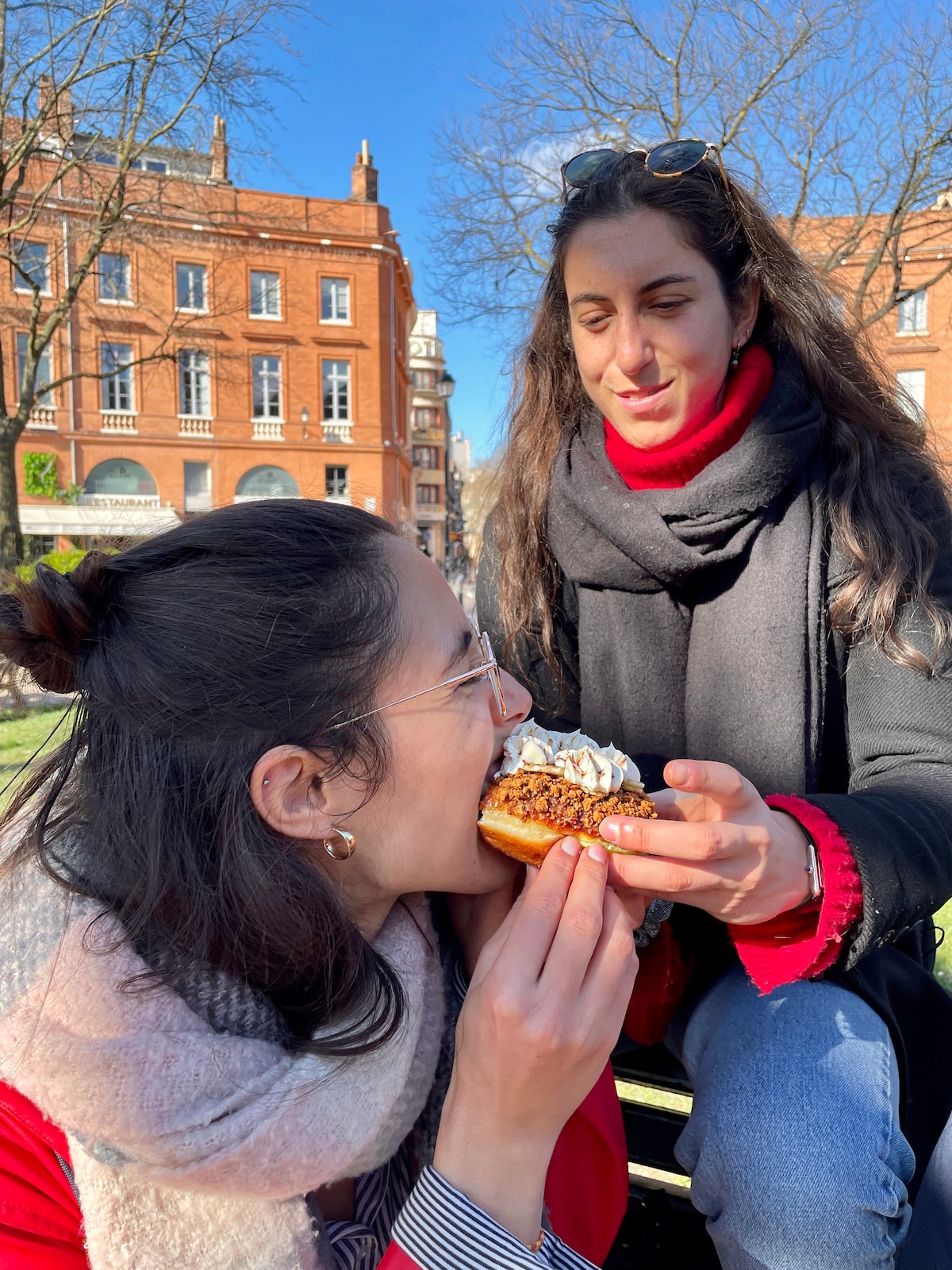
No Diet Club - Unique local food in Toulouse
Fri, Feb 20 • 12:00 PM
31000, Toulouse, France
View details
Nearby attractions of Saint Stephen's Cathedral
Musée des Augustins
Galerie Place de l' Art antiquités tableaux
Galerie Serventi
Grand Rond
Tajan Philippe
Agence de voyage TUI STORE Toulouse
Jardin Royal
Musée Paul-Dupuy
Tactisens Escape Game Toulouse
YellowKorner
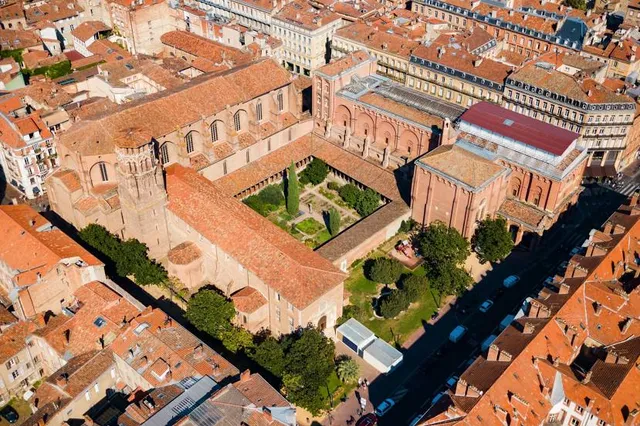
Musée des Augustins
4.4
(1.4K)
Closed
Click for details
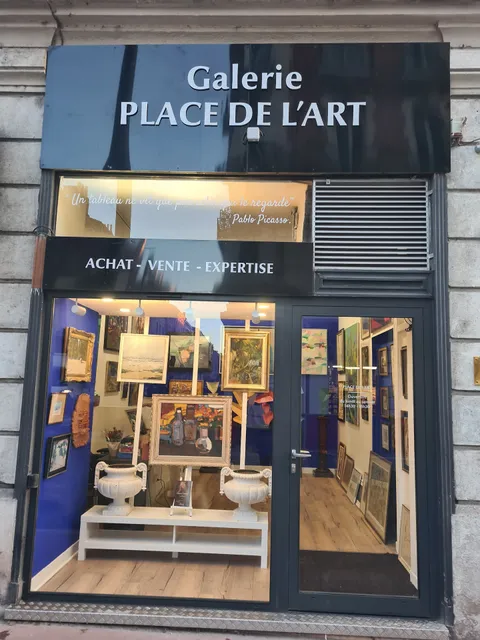
Galerie Place de l' Art antiquités tableaux
5.0
(10)
Closed
Click for details
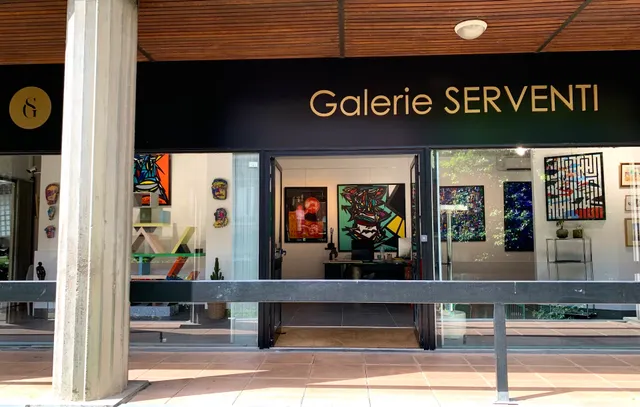
Galerie Serventi
5.0
(26)
Closed
Click for details
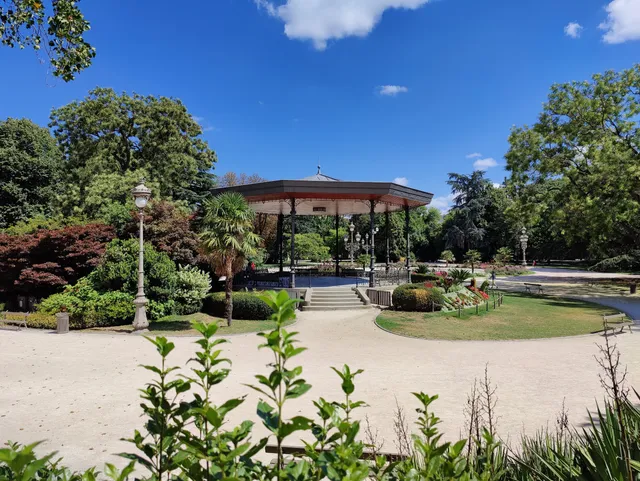
Grand Rond
4.5
(2.1K)
Closed
Click for details
Nearby restaurants of Saint Stephen's Cathedral
Le Sylène
La Gourmandine Côté Cathédrale
Gaïa
OFFICINA GUSTO
The Versant Toulouse
BAR L'ARROSOIR
Eat Sushi
Monsieur Georges
Pâtisserie Conté
Standard.
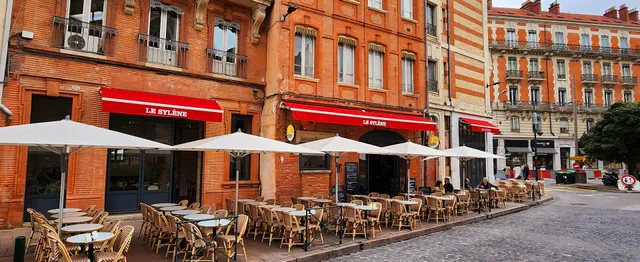
Le Sylène
4.1
(359)
Open until 1:00 AM
Click for details
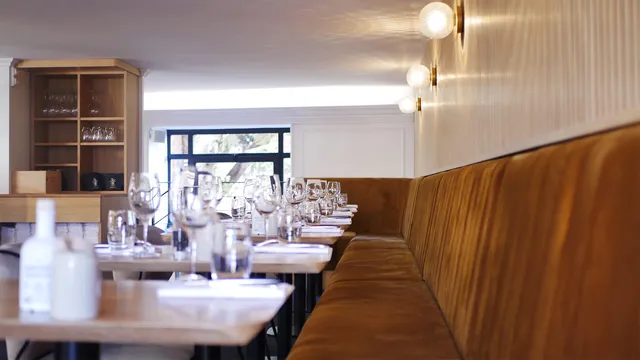
La Gourmandine Côté Cathédrale
4.7
(236)
Closed
Click for details
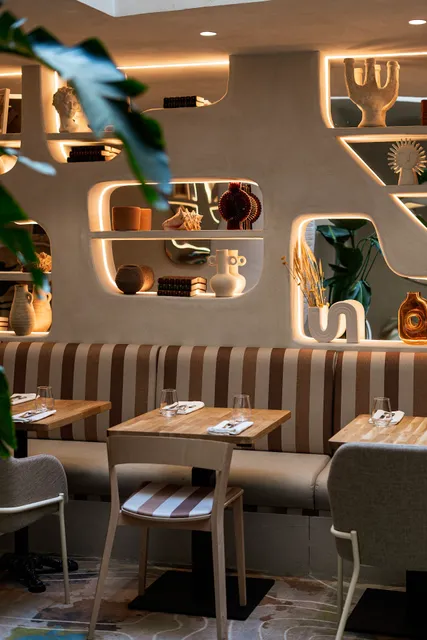
Gaïa
4.4
(1.6K)
Closed
Click for details
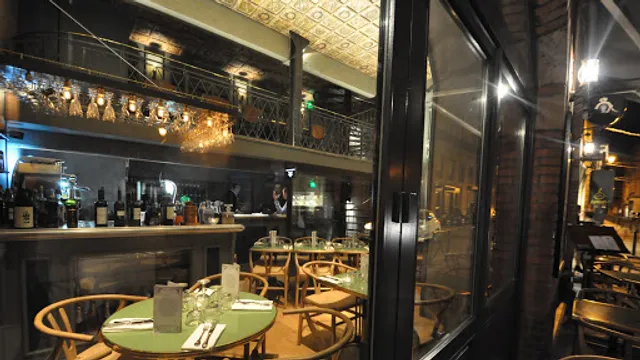
OFFICINA GUSTO
4.3
(762)
Closed
Click for details
Nearby local services of Saint Stephen's Cathedral
Cité 2 Roues
Feexo
Criollo Chocolatier (place Saint Etienne)
Son-Vidéo.com Toulouse
STYLE CONCEPT Onglerie Coiffure Esthetique
Tabac Bleu
Monument of the Combatants of Haute-Garonn
Poppy Figue
ANDP Barbier Toulouse
Greg - Artisan Fleuriste Toulouse

Cité 2 Roues
4.7
(304)
Click for details

Feexo
4.9
(989)
Click for details

Criollo Chocolatier (place Saint Etienne)
4.8
(111)
Click for details
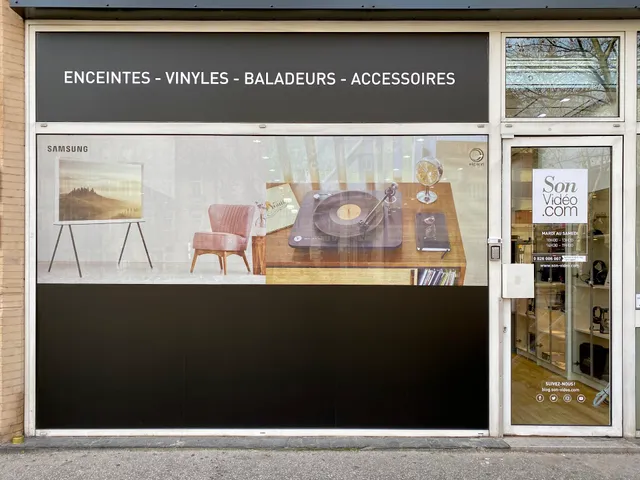
Son-Vidéo.com Toulouse
4.5
(109)
Click for details