Platz der Republik things to do, attractions, restaurants, events info and trip planning
Basic Info
Platz der Republik
Scheidemannstraße 2, 10557 Berlin, Germany
4.6(2.9K)
Closed
Save
spot
spot
Ratings & Description
Info
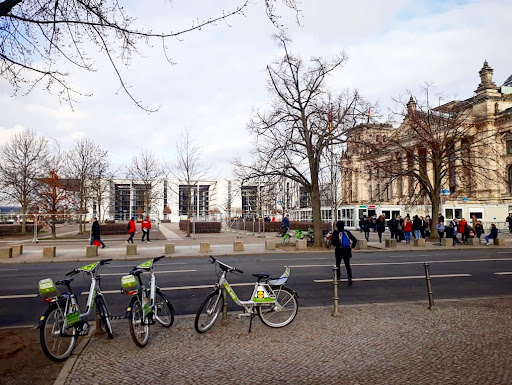
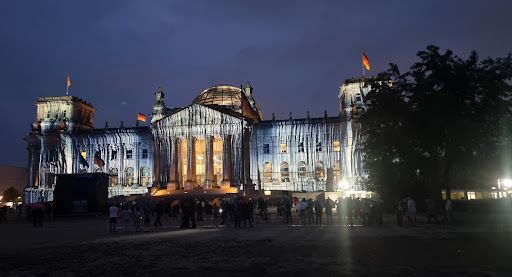
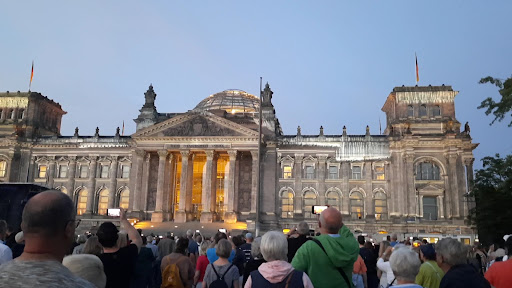
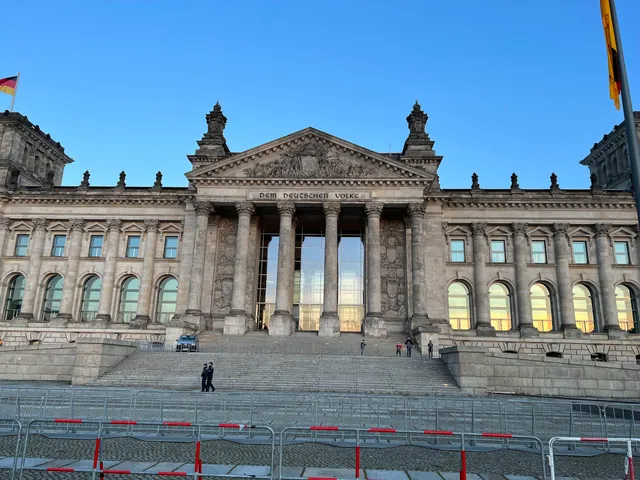
Platz der Republik is a square in Berlin, Germany. It is located in the Tiergarten, directly in front of the Reichstag building. The square has an area of about 36,900 square meters and is almost completely covered by grass but is decorated with some hedges and a few trees.
Cultural
Outdoor
Accessibility
attractions: Reichstag Building, Soviet War Memorial Tiergarten, Reichstagskuppel, Memorial to Europe's Sinti and Roma Murdered Under Nazism, Gedenkort Weiße Kreuze, Spreebogenpark, Pariser Platz, Memorial to the Murdered Jews of Europe, Der Rufer, Futurium, restaurants: Käfer, Hopfingerbräu am Brandenburger Tor, mama trattoria Berlin Mitte, Wurst :-) am Brandenburger Tor, Zollpackhof, Lobby Lounge & Bar Hotel Adlon, Capital Beach, HABEL am Reichstag, India Club Berlin, Café Lebensart am Brandenburger Tor, local businesses: Madame Tussauds Berlin, Musée Futurium, Stiftung Brandenburger Tor, Kronprinzenbrücke, Einkaufsbahnhof Berlin Hbf, Brandenburger Tor, Berlin WelcomeCard - Berlins offizielles Touristenticket, Kadakals Döner Kebap, Charitéstraße 3, ALDI
 Learn more insights from Wanderboat AI.
Phone
+49 30 2270
Website
berlin.de
Open hoursSee all hours
Tue8 AM - 12 AMClosed
Plan your stay

Pet-friendly Hotels in Berlin
Find a cozy hotel nearby and make it a full experience.

Affordable Hotels in Berlin
Find a cozy hotel nearby and make it a full experience.

The Coolest Hotels You Haven't Heard Of (Yet)
Find a cozy hotel nearby and make it a full experience.

Trending Stays Worth the Hype in Berlin
Find a cozy hotel nearby and make it a full experience.
Reviews
Live events

Bubble Planet: Das Erlebnismuseum für alle Sinne
Tue, Feb 24 • 10:00 AM
Eichenstraße 4, Berlin, 12435
View details
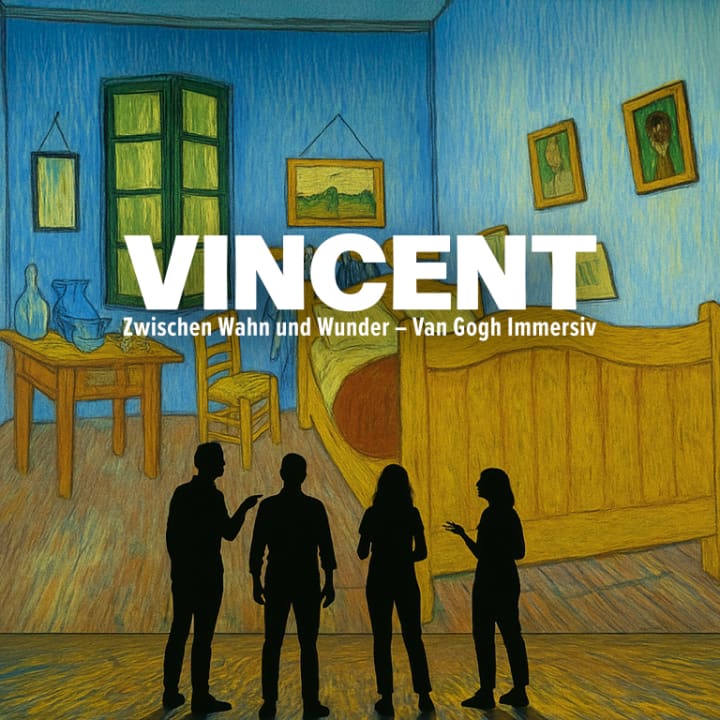
VINCENT - Zwischen Wahn und Wunder
Tue, Feb 24 • 10:00 AM
Revaler Str. 99, Berlin, 10245
View details
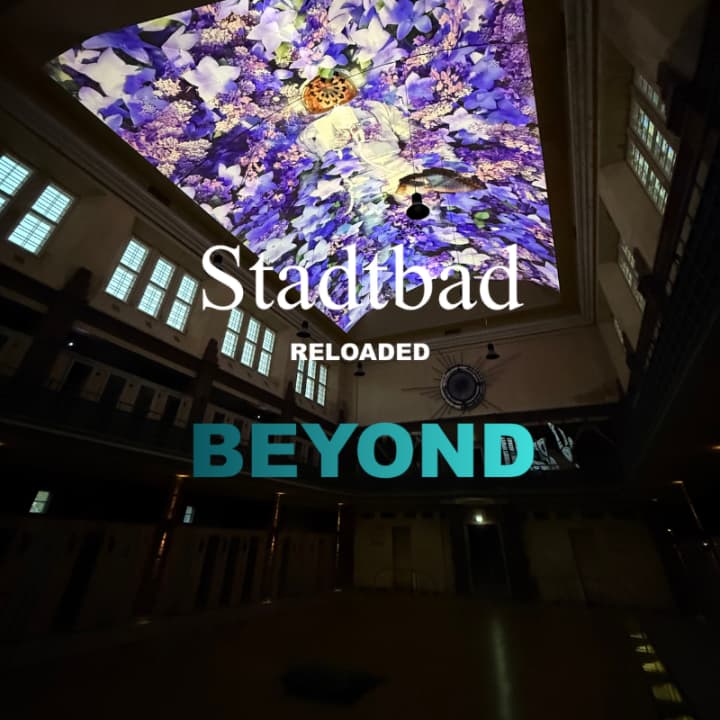
Stadtbad RELOADED: BEYOND
Fri, Feb 27 • 3:00 PM
Hubertusstraße 47, Berlin, 10365
View details
Nearby attractions of Platz der Republik
Reichstag Building
Soviet War Memorial Tiergarten
Reichstagskuppel
Memorial to Europe's Sinti and Roma Murdered Under Nazism
Gedenkort Weiße Kreuze
Spreebogenpark
Pariser Platz
Memorial to the Murdered Jews of Europe
Der Rufer
Futurium
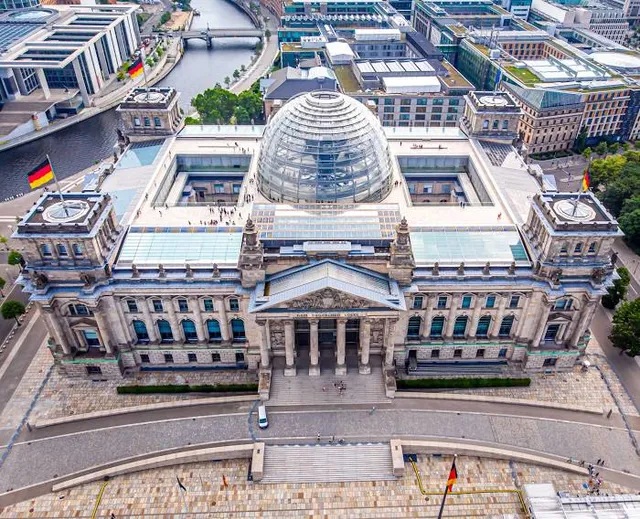
Reichstag Building
4.7
(3.9K)
Open 24 hours
Click for details
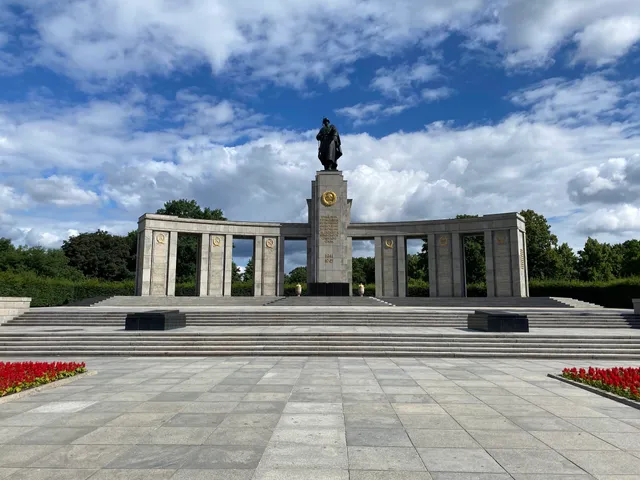
Soviet War Memorial Tiergarten
4.5
(2.3K)
Open until 12:00 AM
Click for details
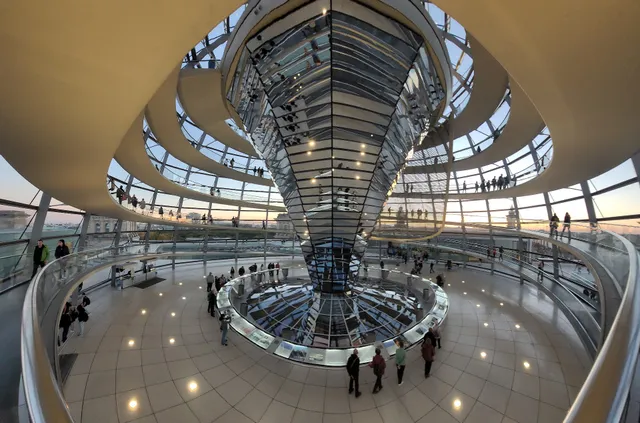
Reichstagskuppel
4.7
(1.3K)
Closed
Click for details
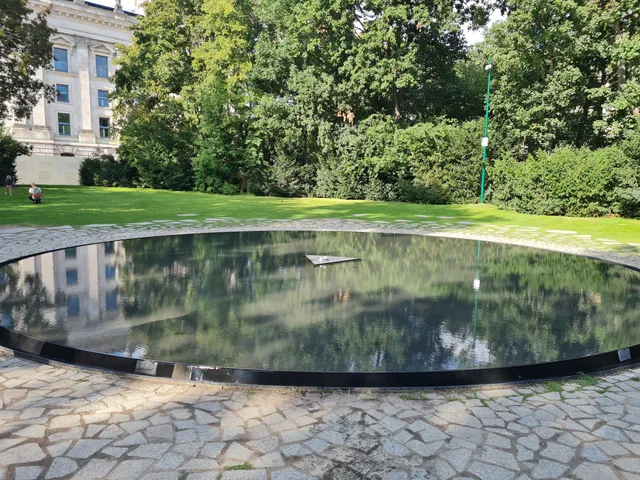
Memorial to Europe's Sinti and Roma Murdered Under Nazism
4.5
(251)
Open until 12:00 AM
Click for details
Nearby restaurants of Platz der Republik
Käfer
Hopfingerbräu am Brandenburger Tor
mama trattoria Berlin Mitte
Wurst :-) am Brandenburger Tor
Zollpackhof
Lobby Lounge & Bar Hotel Adlon
Capital Beach
HABEL am Reichstag
India Club Berlin
Café Lebensart am Brandenburger Tor
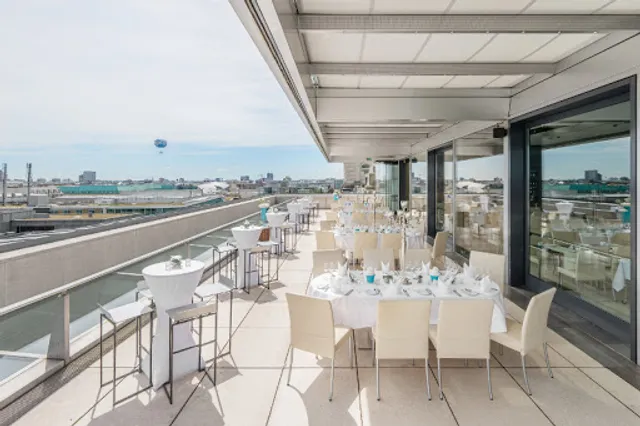
Käfer
4.3
(927)
$$$
Closed
Click for details

Hopfingerbräu am Brandenburger Tor
3.8
(888)
Closed
Click for details
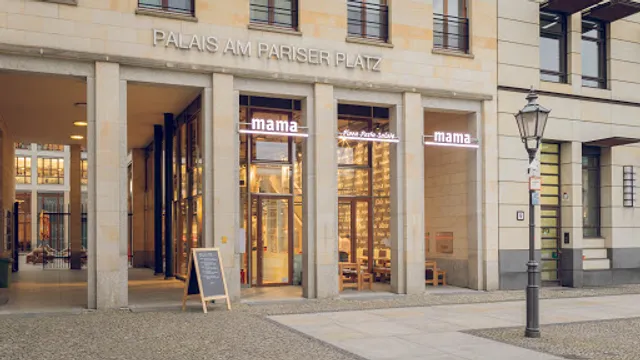
mama trattoria Berlin Mitte
4.5
(1.2K)
Closed
Click for details
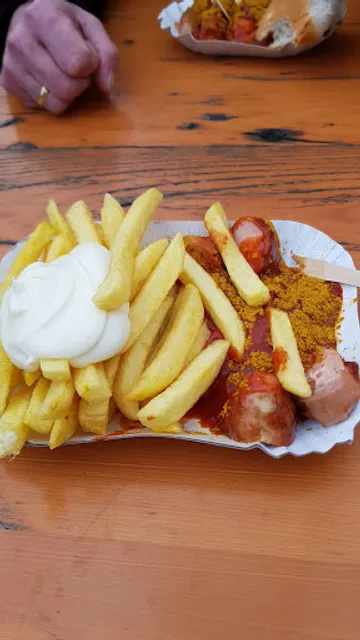
Wurst :-) am Brandenburger Tor
4.7
(301)
Open until 12:00 AM
Click for details
Nearby local services of Platz der Republik
Madame Tussauds Berlin
Musée Futurium
Stiftung Brandenburger Tor
Kronprinzenbrücke
Einkaufsbahnhof Berlin Hbf
Brandenburger Tor
Berlin WelcomeCard - Berlins offizielles Touristenticket
Kadakals Döner Kebap
Charitéstraße 3
ALDI
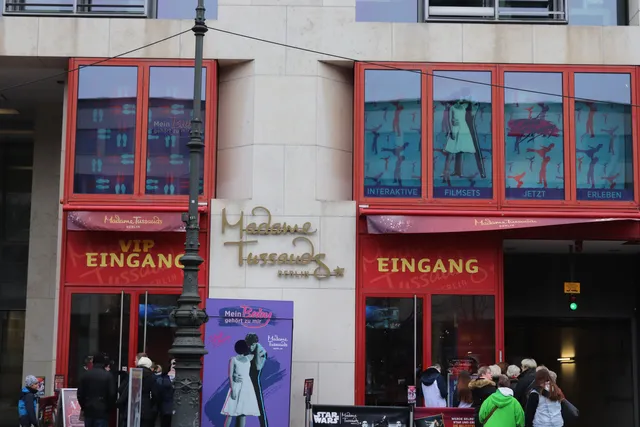
Madame Tussauds Berlin
4.4
(8.7K)
Click for details
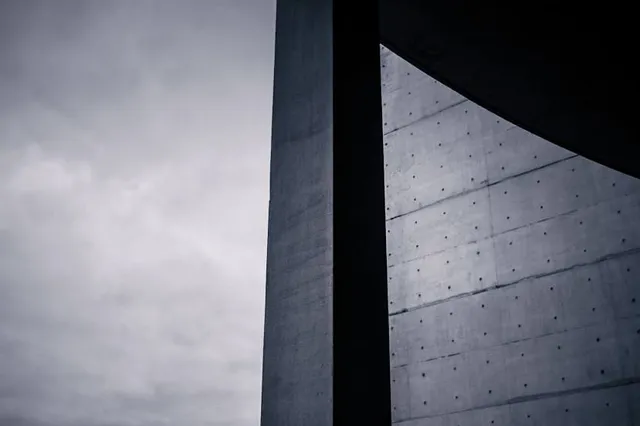
Musée Futurium
4.4
(3.4K)
Click for details
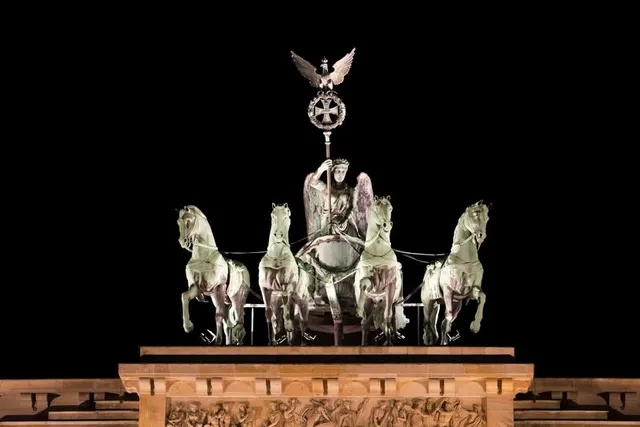
Stiftung Brandenburger Tor
4.4
(63)
Click for details
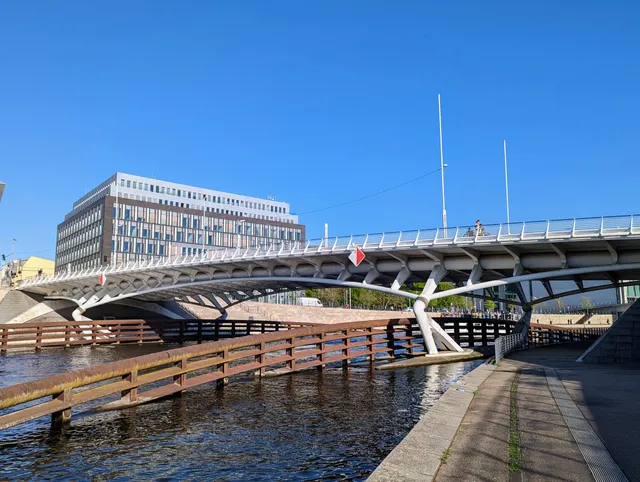
Kronprinzenbrücke
4.5
(92)
Click for details