Memorial to the Murdered Jews of Europe things to do, attractions, restaurants, events info and trip planning
Basic Info
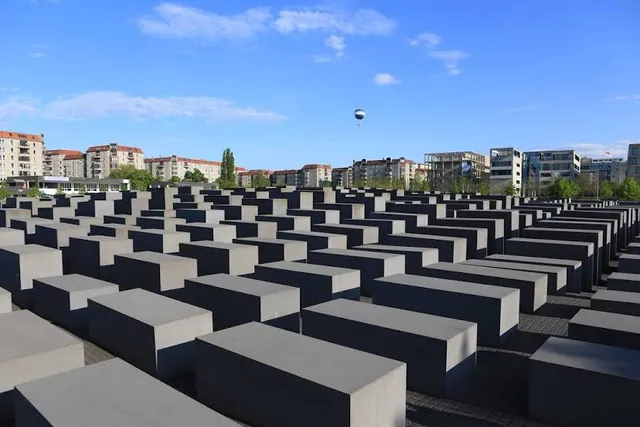
Memorial to the Murdered Jews of Europe
Cora-Berliner-Straße 1, 10117 Berlin, Germany
4.6(17.6K)
Open until 12:00 AM
Save
spot
spot
Ratings & Description
Info
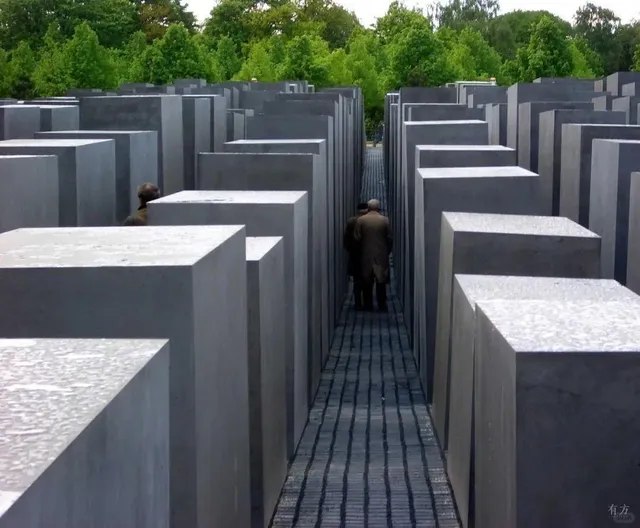
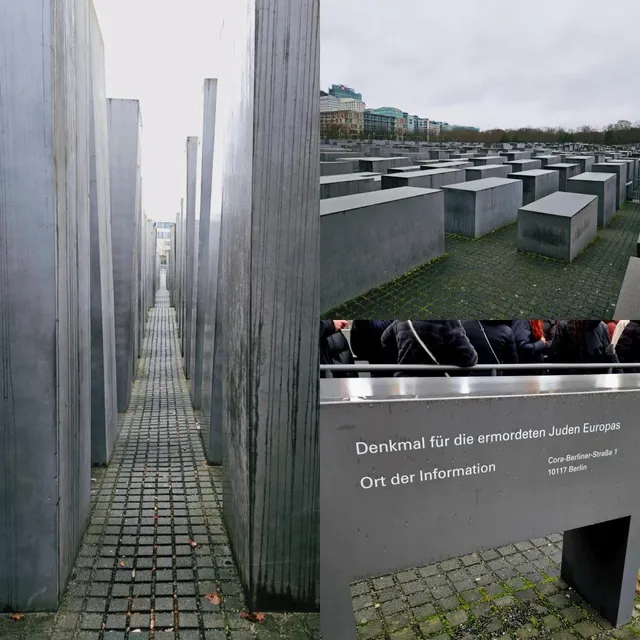
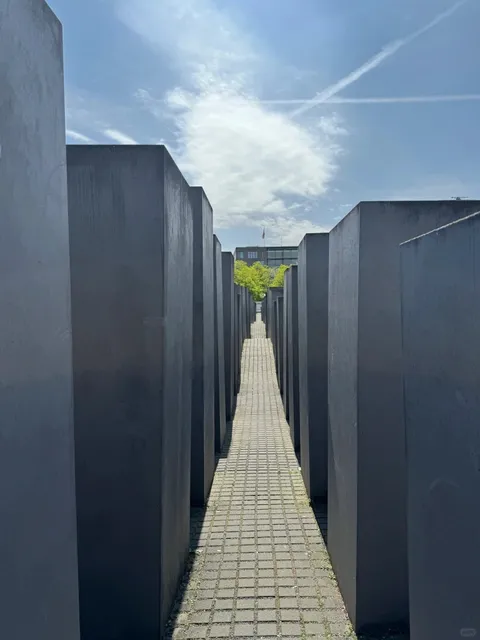
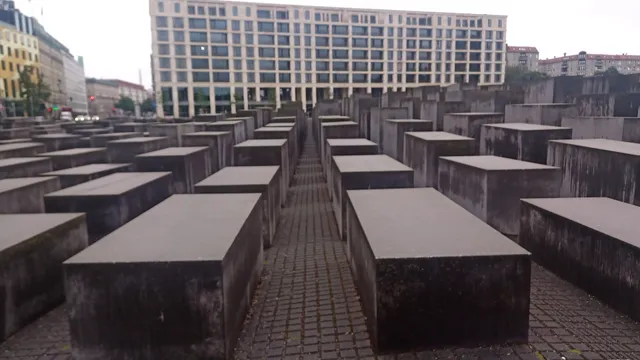
The Memorial to the Murdered Jews of Europe, also known as the Holocaust Memorial, is a memorial in Berlin to the Jewish victims of the Holocaust, designed by architect Peter Eisenman and Buro Happold.
Cultural
Accessibility
attractions: Brandenburg Gate, Pariser Platz, Academy of Arts, Memorial to Homosexuals Persecuted Under Nazism, Goethe Monument, Potsdamer Platz, Tourist Information at Brandenburg Gate, Ministergärten, Reichstag Building, Teil der Berliner Mauer, restaurants: Alt-Berliner Wirtshaus, Bavaria Berlin, Rotes Kamel, India Club Berlin, Bombay Spice Indisches Cafe & Cocktail Bar, Lobby Lounge & Bar Hotel Adlon, Little Italy, Noodle Plus, Steel Vintage Bikes Café, Viale dei Tigli, local businesses: Mall of Berlin, Madame Tussauds Berlin, MediaMarkt, Brandenburger Tor, Lindt, Representation of the State of Lower Saxony to the Federation, Douglas Berlin Mall of Berlin, Stiftung Brandenburger Tor, Kadakals Döner Kebap, Informationstafel "Führerbunker"
 Learn more insights from Wanderboat AI.
Phone
+49 30 2639430
Website
stiftung-denkmal.de
Open hoursSee all hours
MonOpen 24 hoursOpen
Plan your stay

Pet-friendly Hotels in Berlin
Find a cozy hotel nearby and make it a full experience.

Affordable Hotels in Berlin
Find a cozy hotel nearby and make it a full experience.

The Coolest Hotels You Haven't Heard Of (Yet)
Find a cozy hotel nearby and make it a full experience.

Trending Stays Worth the Hype in Berlin
Find a cozy hotel nearby and make it a full experience.
Reviews
Live events
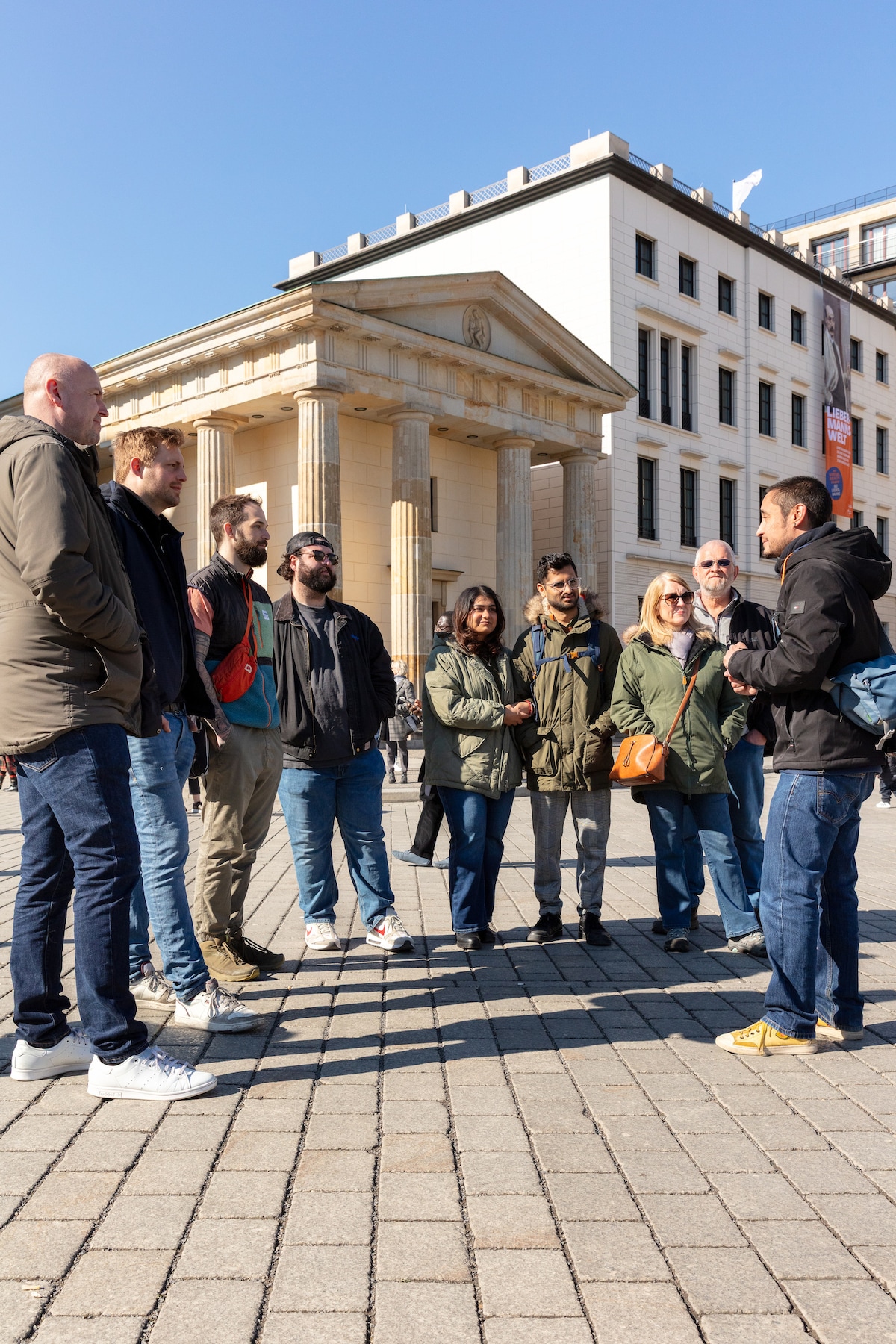
Rude Bastards Tour of® Berlin
Tue, Feb 24 • 10:00 AM
10785, Berlin, Germany
View details
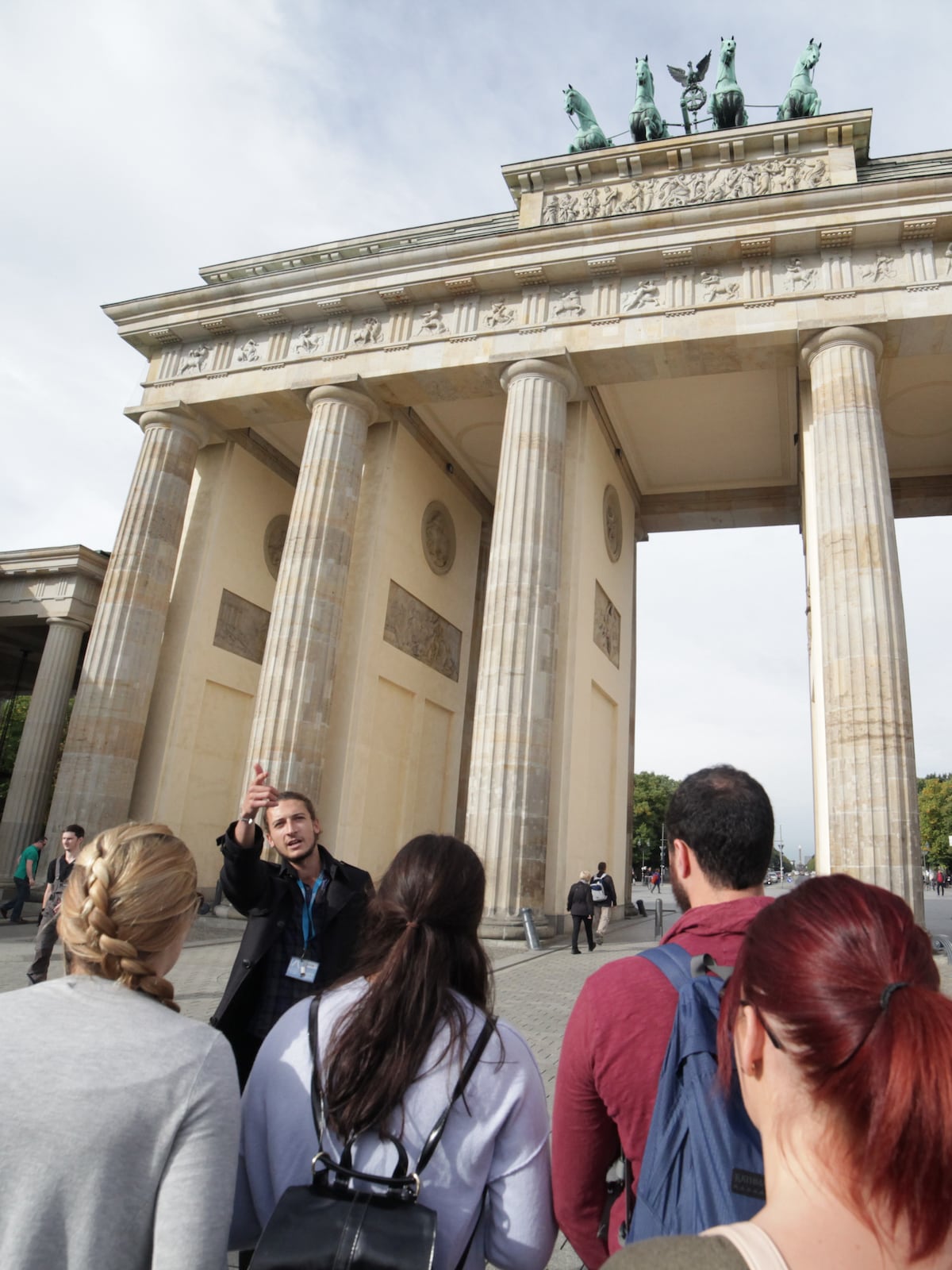
Discover Berlin - Main Sights Tour in English
Tue, Feb 24 • 10:30 AM
10178, Berlin, Germany
View details

Enjoy an English-speaking comedy show
Mon, Feb 23 • 7:45 PM
10117, Berlin, Germany
View details
Nearby attractions of Memorial to the Murdered Jews of Europe
Brandenburg Gate
Pariser Platz
Academy of Arts
Memorial to Homosexuals Persecuted Under Nazism
Goethe Monument
Potsdamer Platz
Tourist Information at Brandenburg Gate
Ministergärten
Reichstag Building
Teil der Berliner Mauer
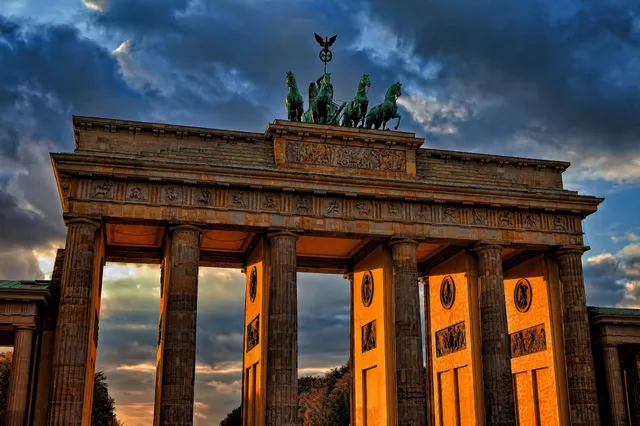
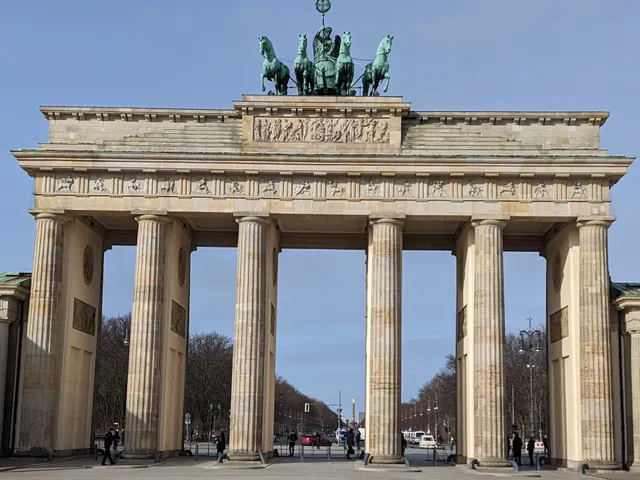
Brandenburg Gate
4.7
(58.3K)
Open 24 hours
Click for details
Pariser Platz
4.6
(1.6K)
Open 24 hours
Click for details
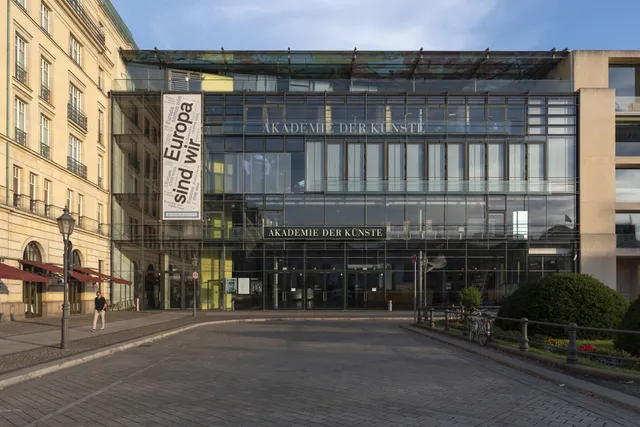
Academy of Arts
4.4
(354)
Closed
Click for details
Memorial to Homosexuals Persecuted Under Nazism
4.4
(177)
Open until 12:00 AM
Click for details
Nearby restaurants of Memorial to the Murdered Jews of Europe
Alt-Berliner Wirtshaus
Bavaria Berlin
Rotes Kamel
India Club Berlin
Bombay Spice Indisches Cafe & Cocktail Bar
Lobby Lounge & Bar Hotel Adlon
Little Italy
Noodle Plus
Steel Vintage Bikes Café
Viale dei Tigli
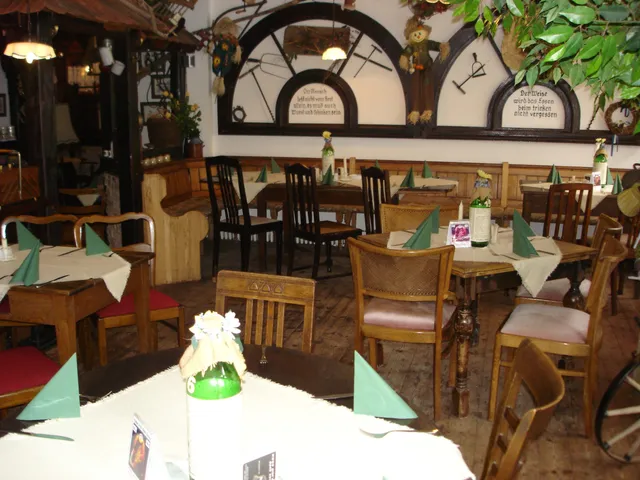
Alt-Berliner Wirtshaus
4.3
(1.8K)
Closed
Click for details
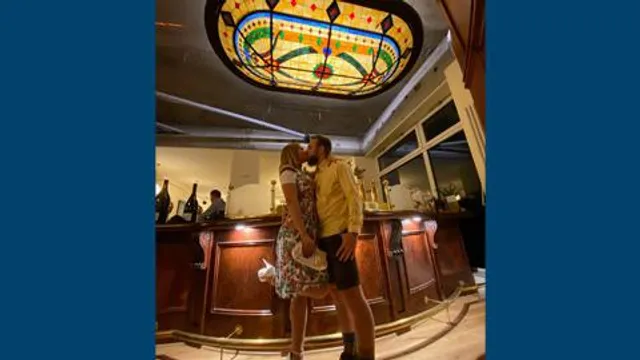
Bavaria Berlin
4.4
(1.0K)
Closed
Click for details
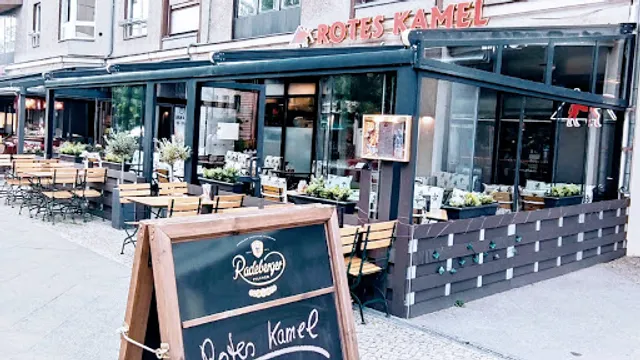
Rotes Kamel
4.6
(888)
$$
Closed
Click for details
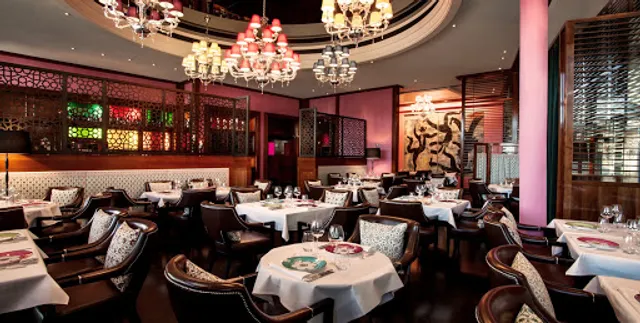
India Club Berlin
4.5
(547)
$$$$
Open until 11:30 PM
Click for details
Nearby local services of Memorial to the Murdered Jews of Europe
Mall of Berlin
Madame Tussauds Berlin
MediaMarkt
Brandenburger Tor
Lindt
Representation of the State of Lower Saxony to the Federation
Douglas Berlin Mall of Berlin
Stiftung Brandenburger Tor
Kadakals Döner Kebap
Informationstafel "Führerbunker"
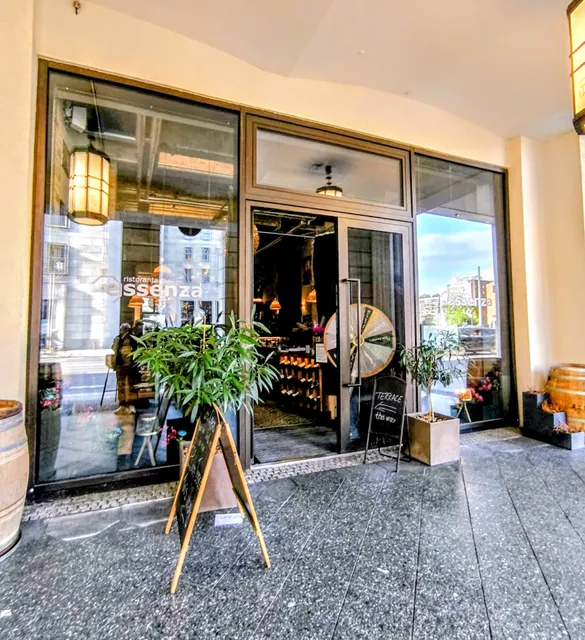
Mall of Berlin
4.4
(19.7K)
Click for details
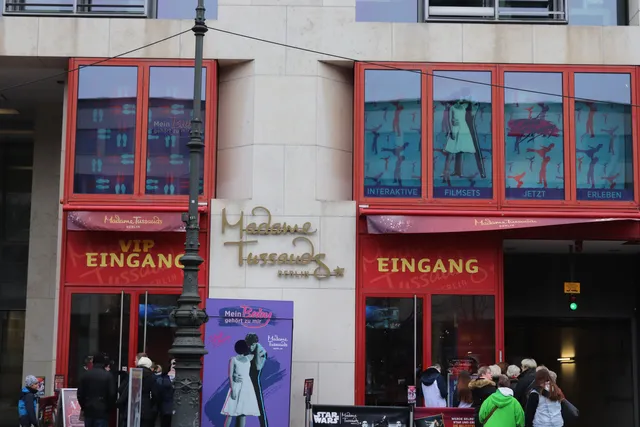
Madame Tussauds Berlin
4.4
(8.1K)
Click for details
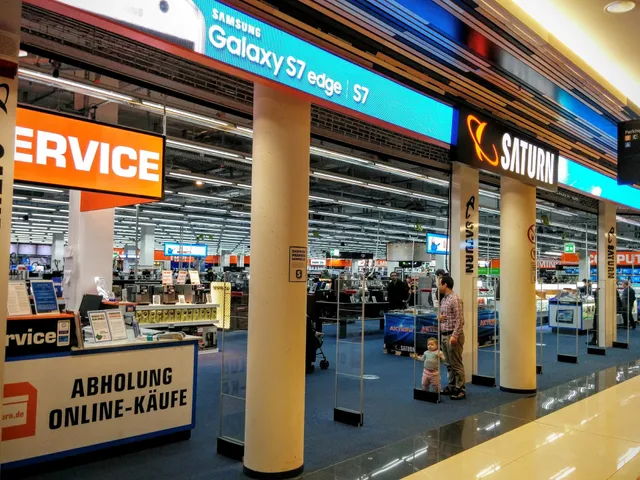
MediaMarkt
4.1
(1.7K)
Click for details

Brandenburger Tor
4.7
(361)
Click for details