Kreuzblume things to do, attractions, restaurants, events info and trip planning
Basic Info
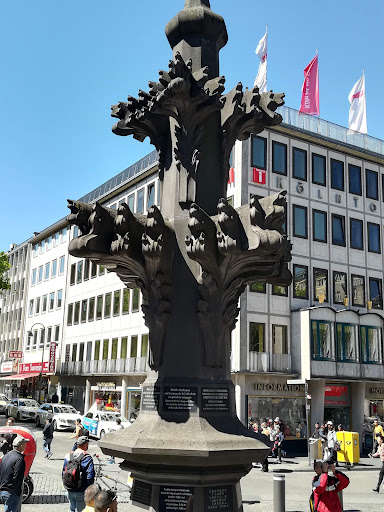
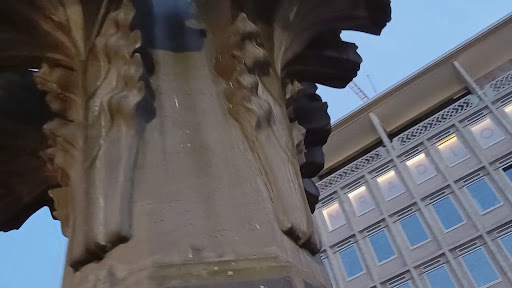
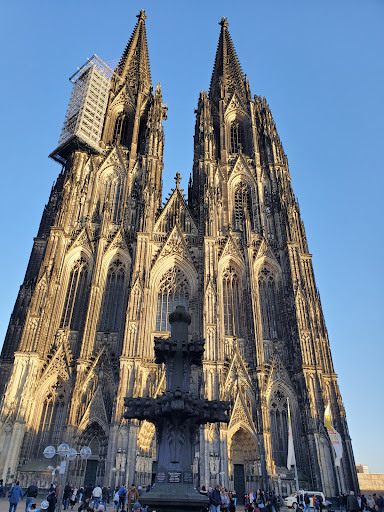
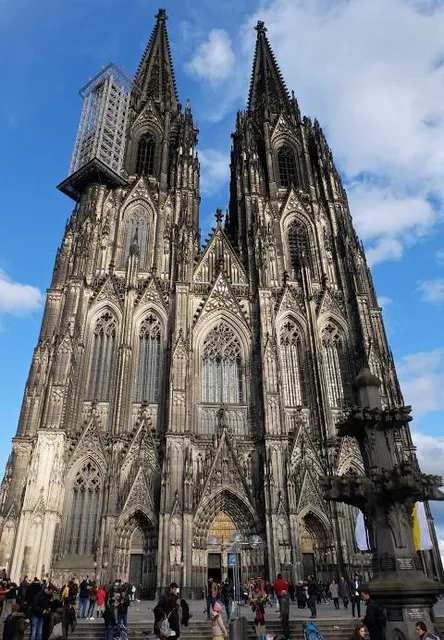
Kreuzblume
Kardinal-Höffner-Platz 1, 50667 Köln, Germany
4.6(187)
Open until 12:00 AM
Save
spot
spot
Ratings & Description
Info
Cultural
Scenic
attractions: Cologne Cathedral, Steeple Climb, Museum of Applied Art Cologne, Museum Ludwig, Heinzelmännchenbrunnen, Dominican Church of St. Andrew, Cologne Philharmonie, Dom Treasury, Shrine of the Three Kings, Old Market, restaurants: Gaffel am Dom - Brauhaus, Café Reichard, Brauhaus FRÜH am Dom, Funkhaus Cafe-Bar-Restaurant, Lederer, Istanbul Restaurant - Köln, FAN TEA am Dom (Bubble Tea Laden), Bakery Merzenich on Wallrafplatz, 福馆China Fortuna Haus, NOODLE FAN | Dom, local businesses: Red Dot Design Museum, Einkaufsbahnhof Köln Hbf, Montblanc Boutique, German Souvenirs, Three Kings Shrine, Église de l'Assomption de Cologne, REWE To Go, Opern Passagen, LWL Museum of Archeology, Klub Domhof Köln
 Learn more insights from Wanderboat AI.
Phone
+49 221 346430
Open hoursSee all hours
FriOpen 24 hoursOpen
Plan your stay

Pet-friendly Hotels in Cologne
Find a cozy hotel nearby and make it a full experience.

Affordable Hotels in Cologne
Find a cozy hotel nearby and make it a full experience.

The Coolest Hotels You Haven't Heard Of (Yet)
Find a cozy hotel nearby and make it a full experience.

Trending Stays Worth the Hype in Cologne
Find a cozy hotel nearby and make it a full experience.
Reviews
Live events
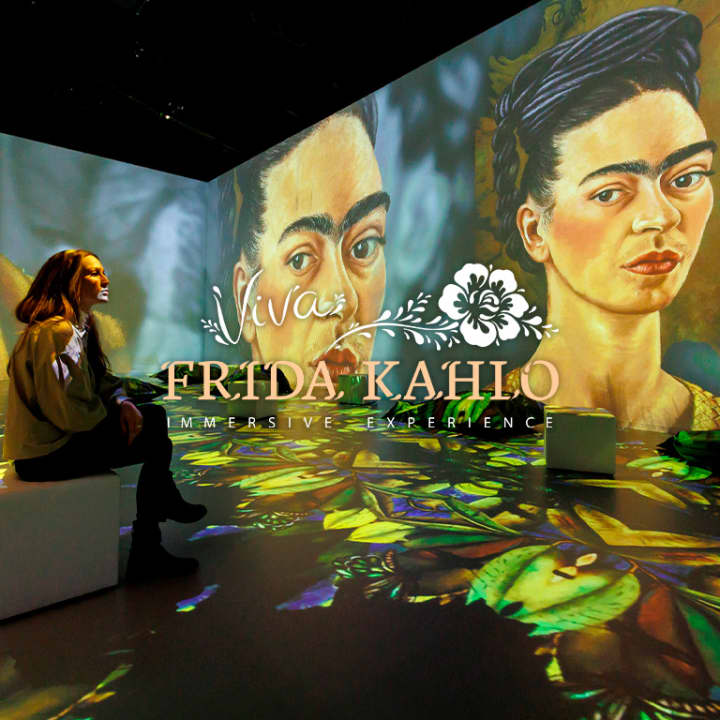
Viva Frida Kahlo - das immersive Erlebnis
Fri, Feb 27 • 6:30 PM
Lichtstr. 15, Cologne, 50825
View details
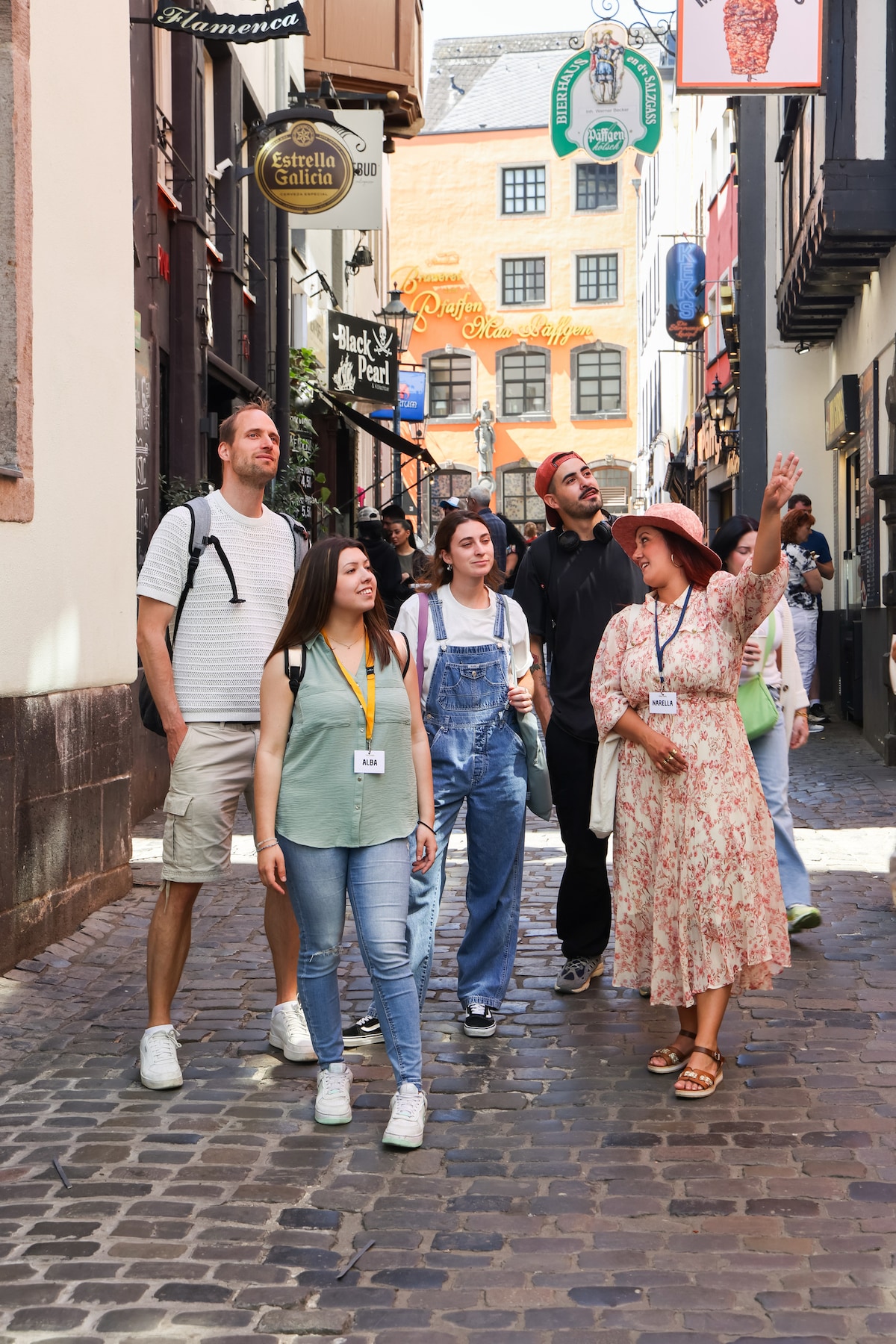
Funky-Fun Tour of Cologne
Sat, Feb 28 • 10:00 AM
50667, Cologne, Germany
View details
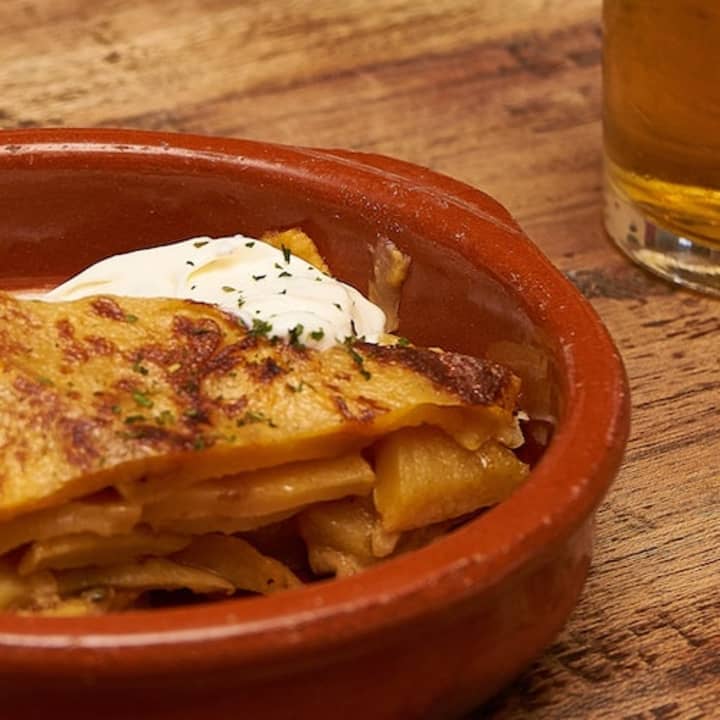
Kulinarische Food Tour durch die Kölner Südstadt
Fri, Feb 27 • 3:00 PM
Niehler Straße 285, Köln, 50735
View details
Nearby attractions of Kreuzblume
Cologne Cathedral
Steeple Climb
Museum of Applied Art Cologne
Museum Ludwig
Heinzelmännchenbrunnen
Dominican Church of St. Andrew
Cologne Philharmonie
Dom Treasury
Shrine of the Three Kings
Old Market
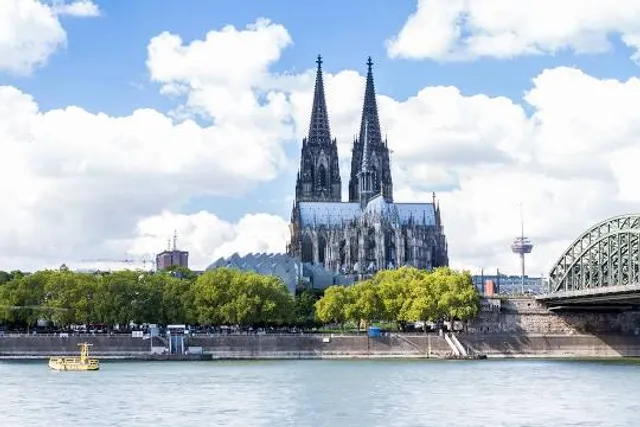
Cologne Cathedral
4.8
(33.1K)
Closed
Click for details
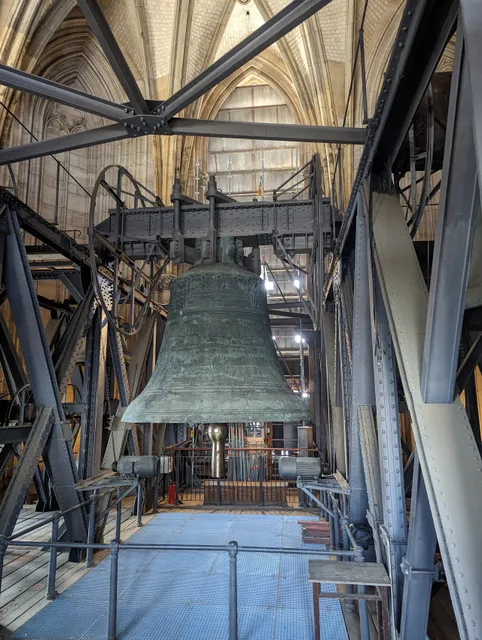
Steeple Climb
4.5
(120)
Closed
Click for details
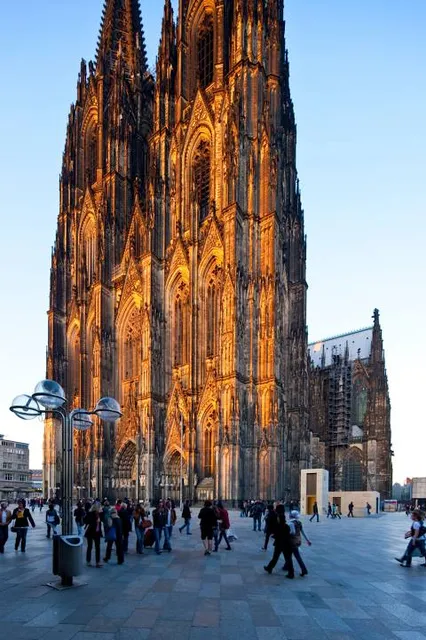
Museum of Applied Art Cologne
4.3
(675)
Closed
Click for details
Museum Ludwig
4.5
(2.1K)
Closed
Click for details
Nearby restaurants of Kreuzblume
Gaffel am Dom - Brauhaus
Café Reichard
Brauhaus FRÜH am Dom
Funkhaus Cafe-Bar-Restaurant
Lederer
Istanbul Restaurant - Köln
FAN TEA am Dom (Bubble Tea Laden)
Bakery Merzenich on Wallrafplatz
福馆China Fortuna Haus
NOODLE FAN | Dom
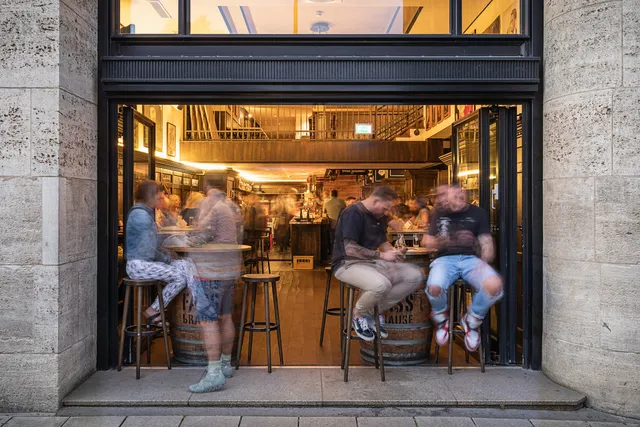
Gaffel am Dom - Brauhaus
4.3
(3.8K)
Open until 2:00 AM
Click for details
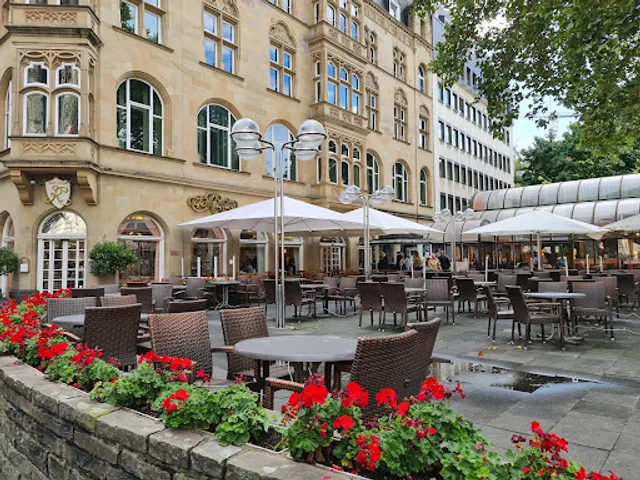
Café Reichard
3.8
(2.3K)
Closed
Click for details
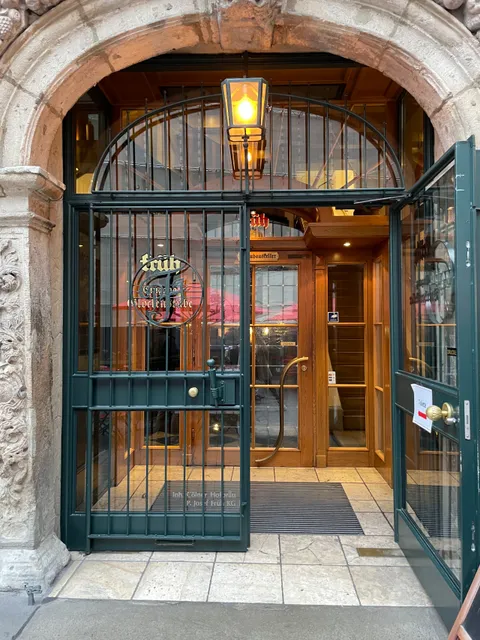
Brauhaus FRÜH am Dom
4.3
(8.4K)
Open until 12:00 AM
Click for details
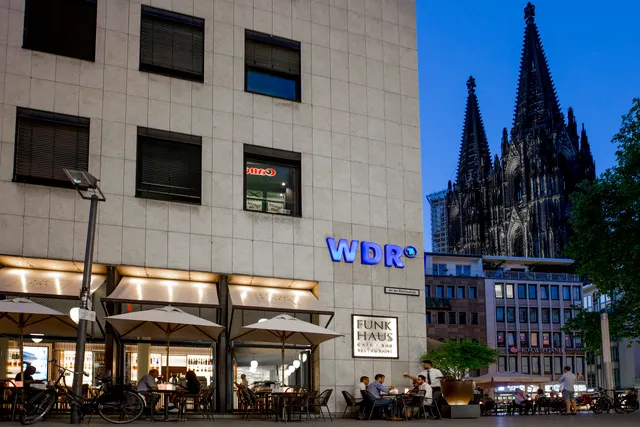
Funkhaus Cafe-Bar-Restaurant
4.5
(2.3K)
$$
Open until 1:00 AM
Click for details
Nearby local services of Kreuzblume
Red Dot Design Museum
Einkaufsbahnhof Köln Hbf
Montblanc Boutique
German Souvenirs
Three Kings Shrine
Église de l'Assomption de Cologne
REWE To Go
Opern Passagen
LWL Museum of Archeology
Klub Domhof Köln
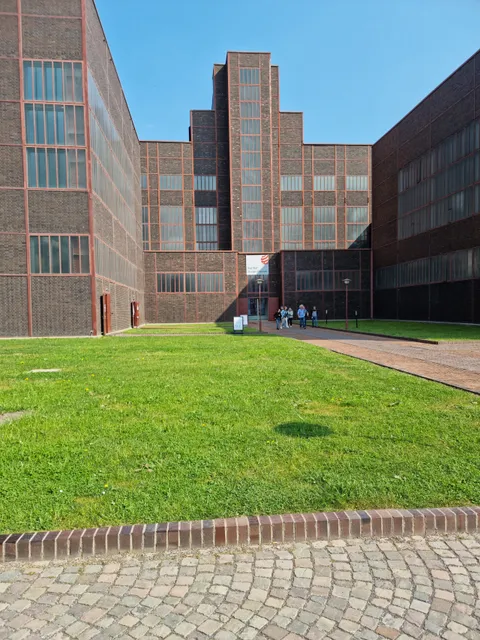
Red Dot Design Museum
4.5
(816)
Click for details
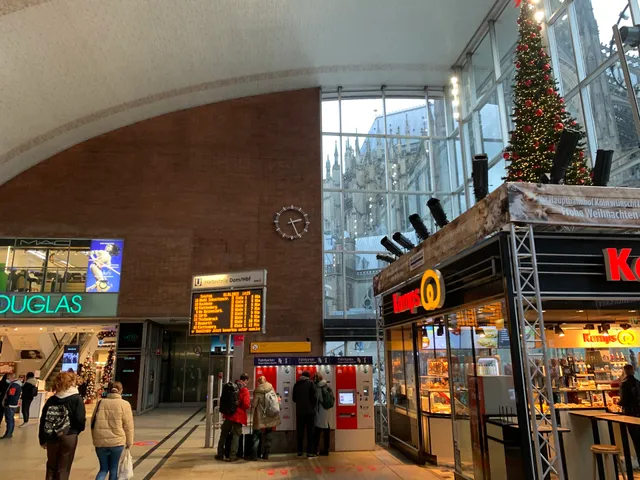
Einkaufsbahnhof Köln Hbf
4.1
(887)
Click for details
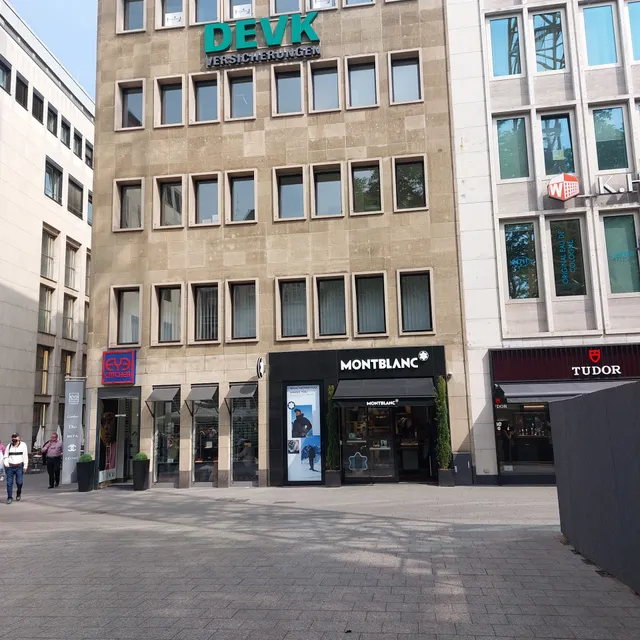
Montblanc Boutique
4.2
(48)
Click for details

German Souvenirs
3.3
(39)
Click for details