Museum Ludwig things to do, attractions, restaurants, events info and trip planning
Basic Info
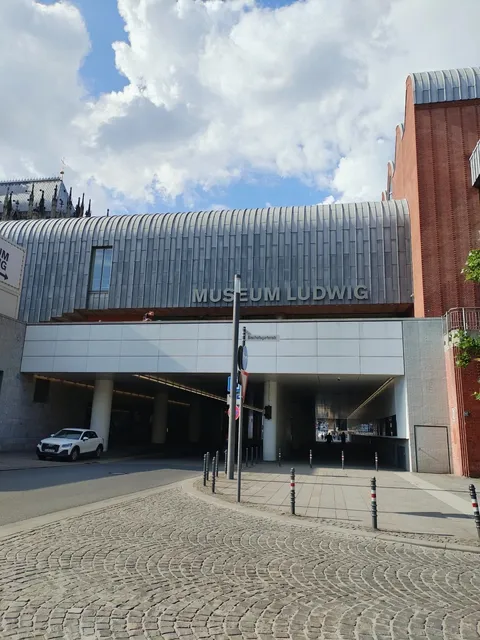
Museum Ludwig
Heinrich-Böll-Platz, 50667 Köln, Germany
4.5(2.2K)
Closed


tickets
Save
spot
spot
Ratings & Description
Info
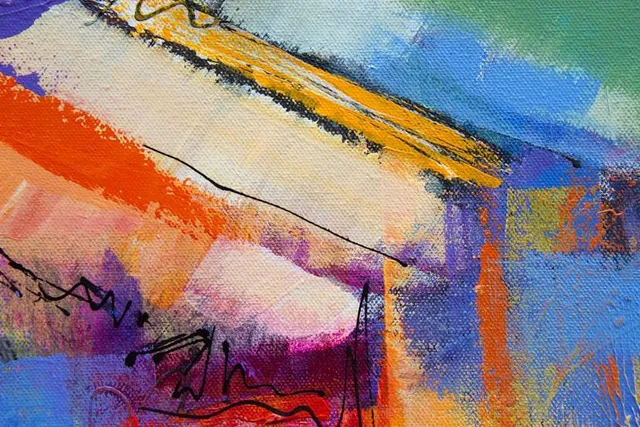
Museum Ludwig, located in Cologne, Germany, houses a collection of modern art. It includes works from Pop Art, Abstract and Surrealism, and has one of the largest Picasso collections in Europe. It holds many works by Andy Warhol and Roy Lichtenstein.
Cultural
Family friendly
Accessibility
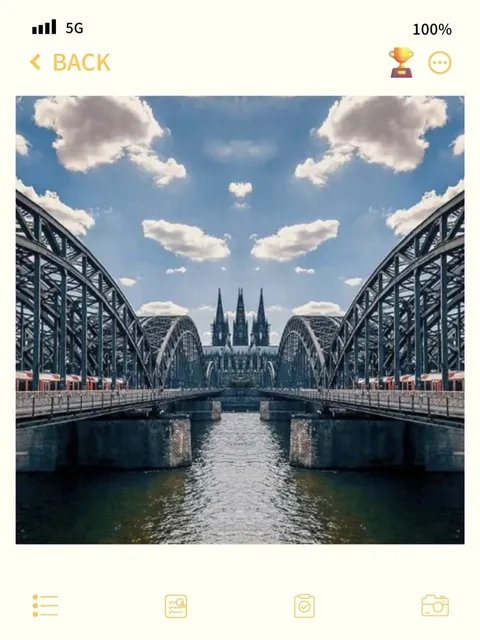
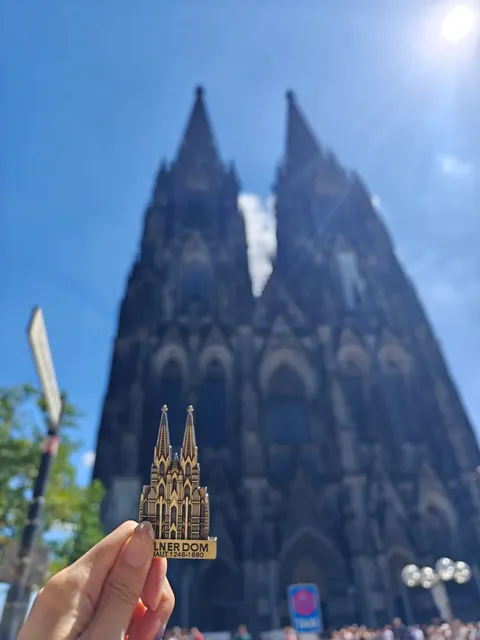
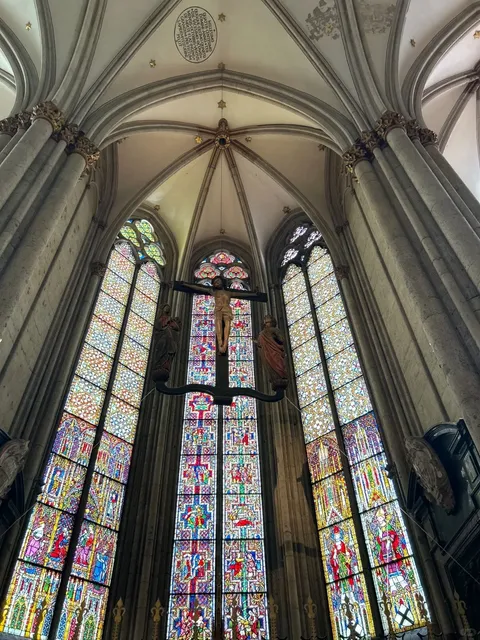
attractions: Cologne Cathedral, Cologne Philharmonie, Old Market, Moulin Rouge! Das Musical, Shrine of the Three Kings, Time Ride, Dom Treasury, Dombauhütte Köln, Heinzelmännchenbrunnen, Great St. Martin Church, restaurants: Ludwig im Museum Restaurant & Café, Peters Brauhaus, Brauhaus FRÜH am Dom, RheinZeit, Gaffel am Dom - Brauhaus, Beef Club American Steakhouse, Thai-Viet Street Food Imbiss - Köln, Papa Joe's Biersalon, Em Krützche, Kroatisches & Internationales Restaurant Slavia, local businesses: Three Kings Shrine, Hohenzollern Bridge, Klub Domhof Köln, Einkaufsbahnhof Köln Hbf, Papa Joe's Jazz Bar, Historisches Rathaus der Stadt Köln, REWE To Go, Chocolaterie Jan von Werth e.K., LWL Museum of Archeology, Red Dot Design Museum
 Learn more insights from Wanderboat AI.
Phone
+49 221 22126165
Website
museum-ludwig.de
Open hoursSee all hours
Thu10 AM - 6 PMClosed
Plan your stay

Pet-friendly Hotels in Cologne
Find a cozy hotel nearby and make it a full experience.

Affordable Hotels in Cologne
Find a cozy hotel nearby and make it a full experience.

The Coolest Hotels You Haven't Heard Of (Yet)
Find a cozy hotel nearby and make it a full experience.

Trending Stays Worth the Hype in Cologne
Find a cozy hotel nearby and make it a full experience.
Reviews
Live events
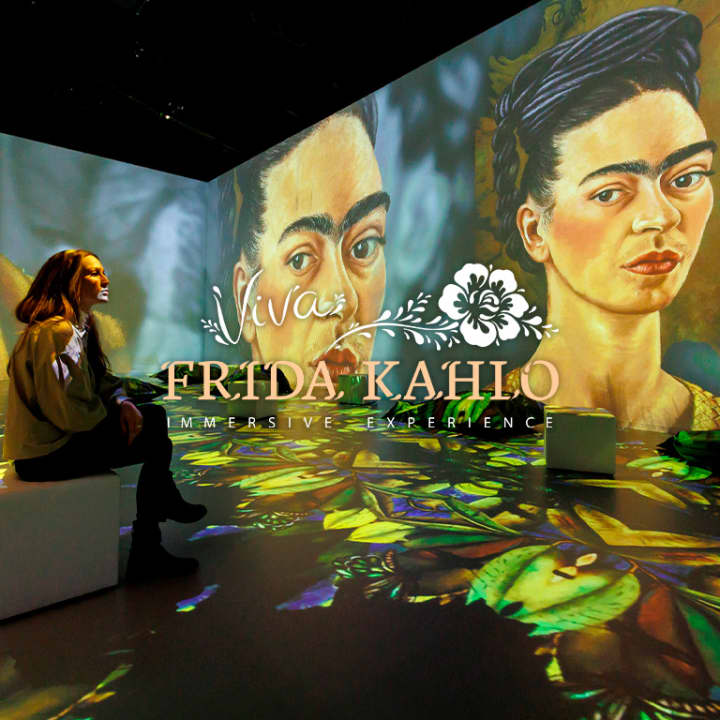
Viva Frida Kahlo - das immersive Erlebnis
Thu, Feb 26 • 2:00 PM
Lichtstr. 15, Cologne, 50825
View details
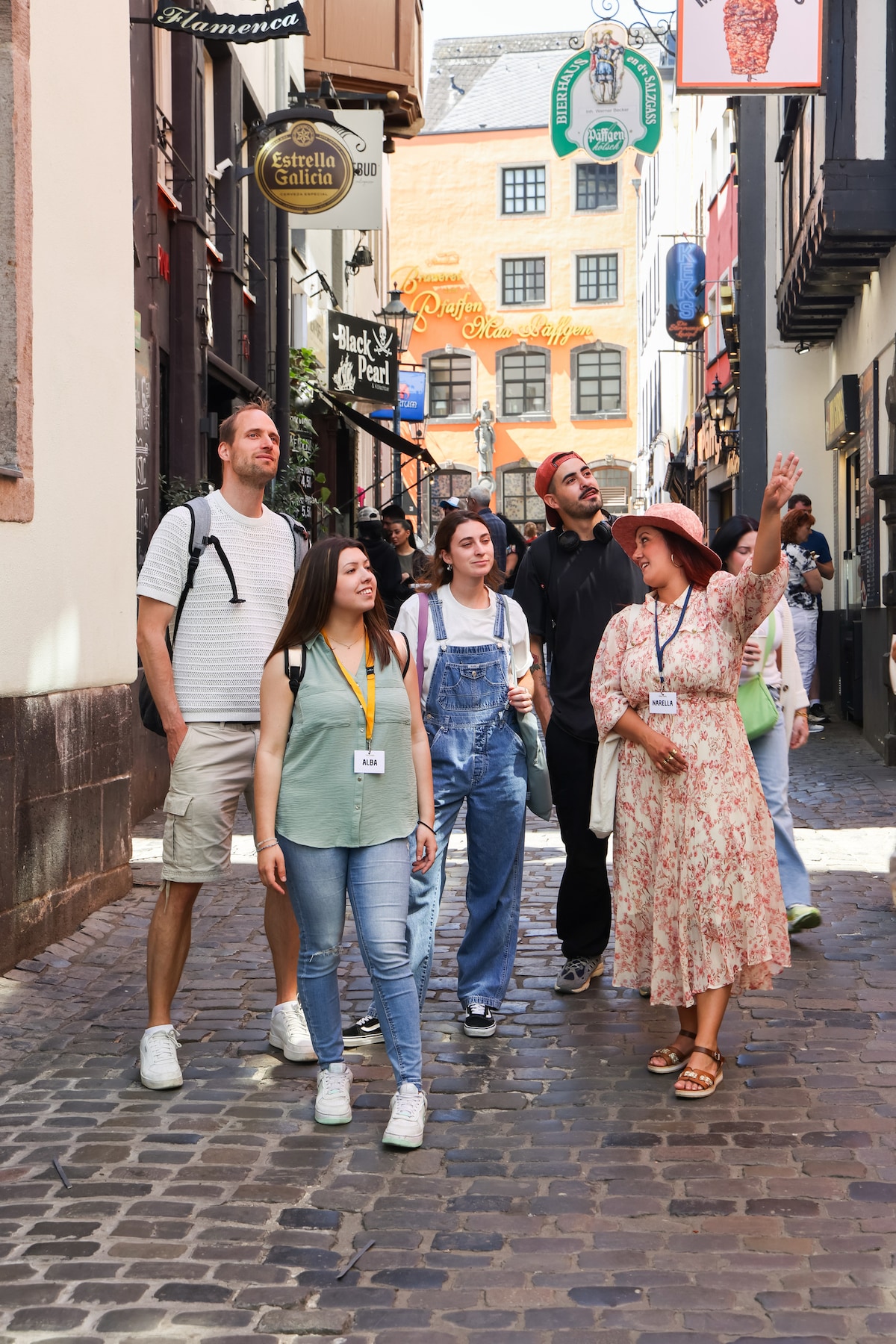
Funky-Fun Tour of Cologne
Thu, Feb 26 • 10:00 AM
50667, Cologne, Germany
View details
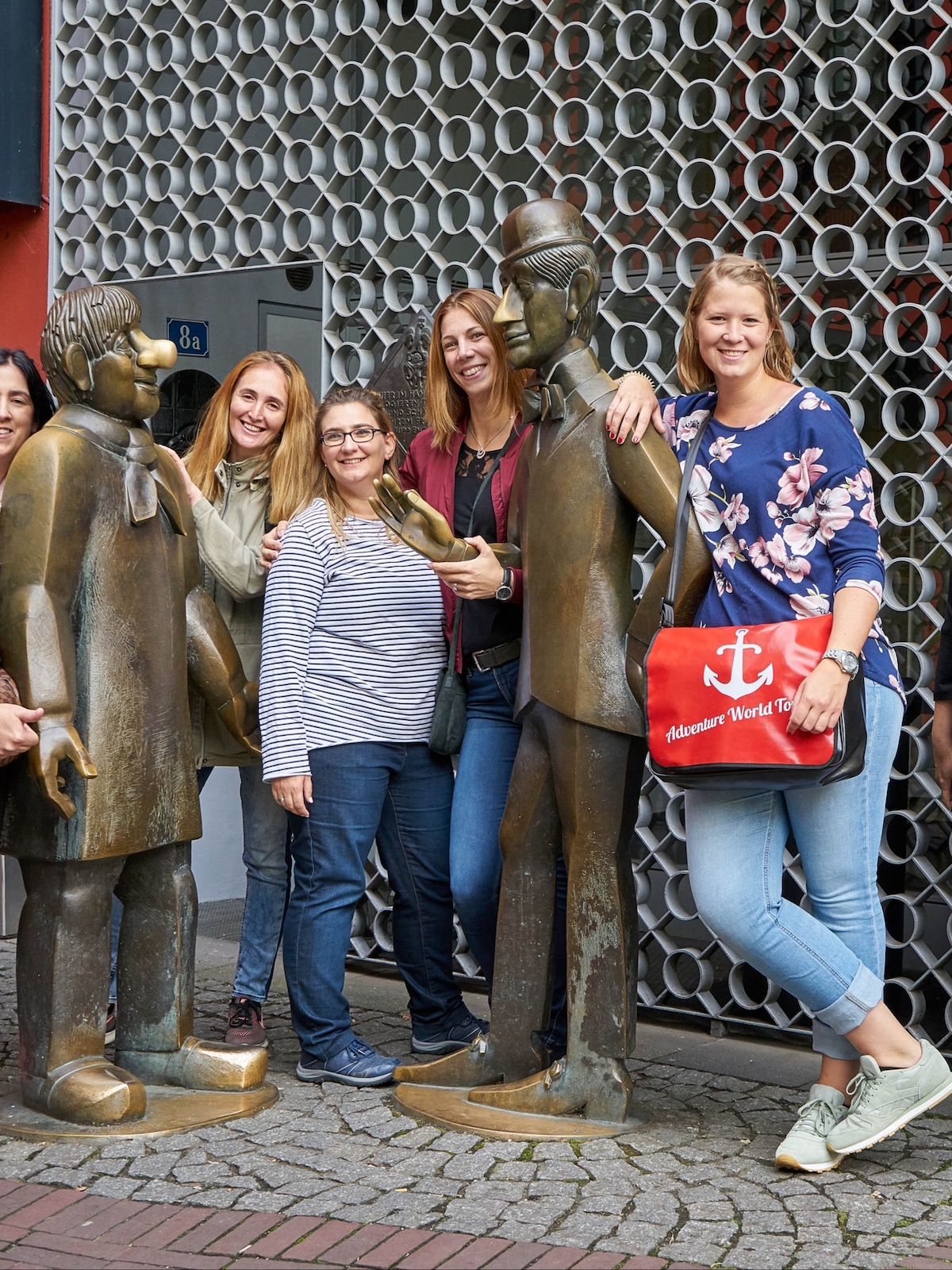
Kölsch and Brewery Tour
Thu, Feb 26 • 7:00 PM
50668, Cologne, Germany
View details
Nearby attractions of Museum Ludwig
Cologne Cathedral
Cologne Philharmonie
Old Market
Moulin Rouge! Das Musical
Shrine of the Three Kings
Time Ride
Dom Treasury
Dombauhütte Köln
Heinzelmännchenbrunnen
Great St. Martin Church
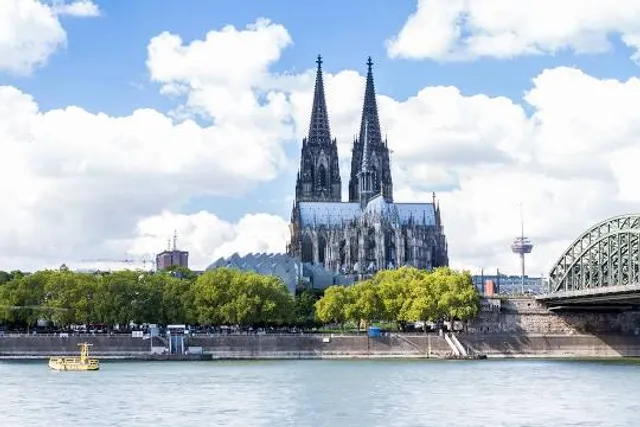
Cologne Cathedral
4.8
(31.8K)
Closed
Click for details
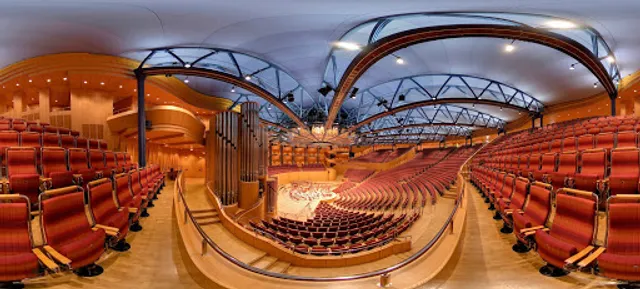
Cologne Philharmonie
4.8
(2.1K)
Open 24 hours
Click for details
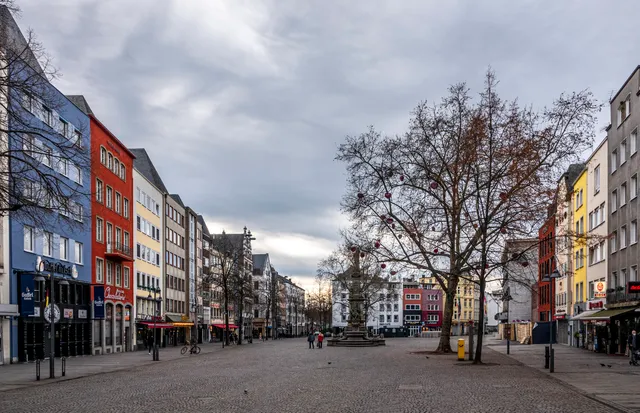
Old Market
4.5
(5.7K)
Open until 12:00 AM
Click for details
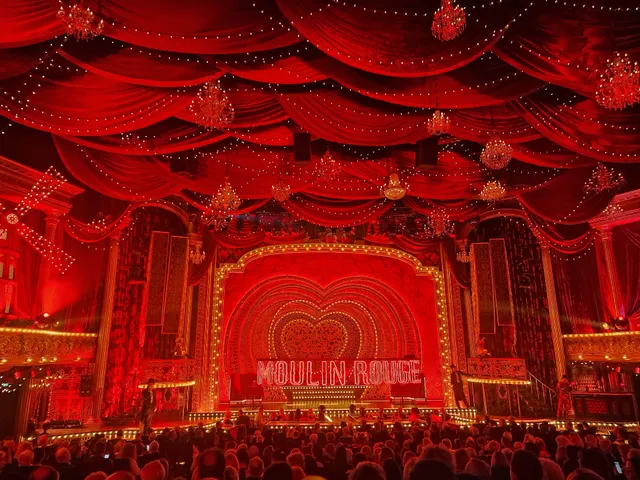
Moulin Rouge! Das Musical
4.7
(1.8K)
Open 24 hours
Click for details
Nearby restaurants of Museum Ludwig
Ludwig im Museum Restaurant & Café
Peters Brauhaus
Brauhaus FRÜH am Dom
RheinZeit
Gaffel am Dom - Brauhaus
Beef Club American Steakhouse
Thai-Viet Street Food Imbiss - Köln
Papa Joe's Biersalon
Em Krützche
Kroatisches & Internationales Restaurant Slavia
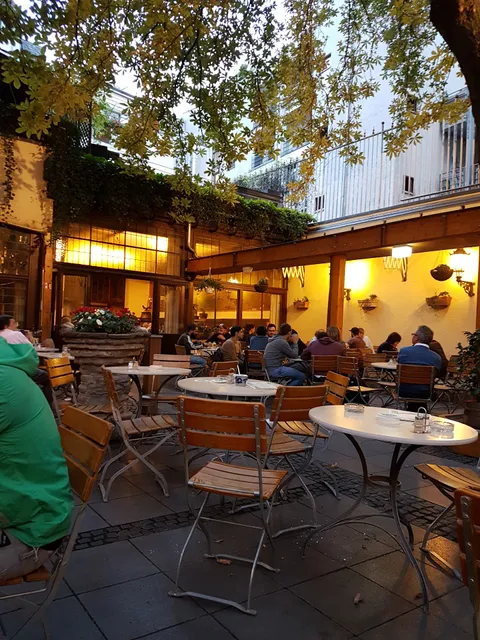
Ludwig im Museum Restaurant & Café
4.2
(612)
Closed
Click for details
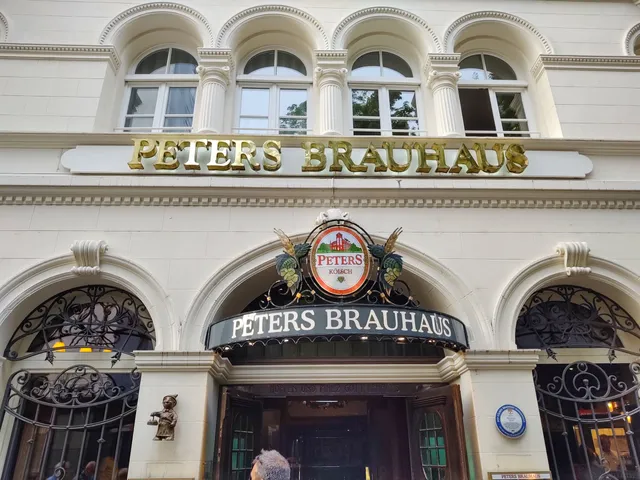
Peters Brauhaus
4.2
(3.5K)
Closed
Click for details
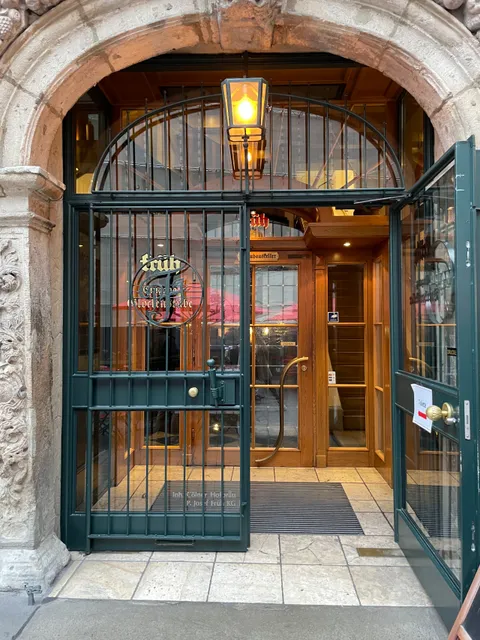
Brauhaus FRÜH am Dom
4.3
(9K)
Closed
Click for details
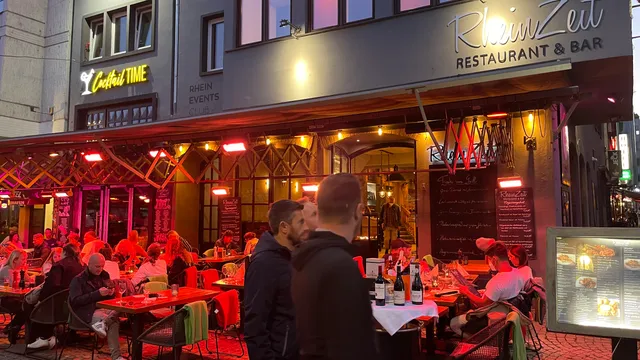
RheinZeit
4.3
(1.2K)
Closed
Click for details
Nearby local services of Museum Ludwig
Three Kings Shrine
Hohenzollern Bridge
Klub Domhof Köln
Einkaufsbahnhof Köln Hbf
Papa Joe's Jazz Bar
Historisches Rathaus der Stadt Köln
REWE To Go
Chocolaterie Jan von Werth e.K.
LWL Museum of Archeology
Red Dot Design Museum
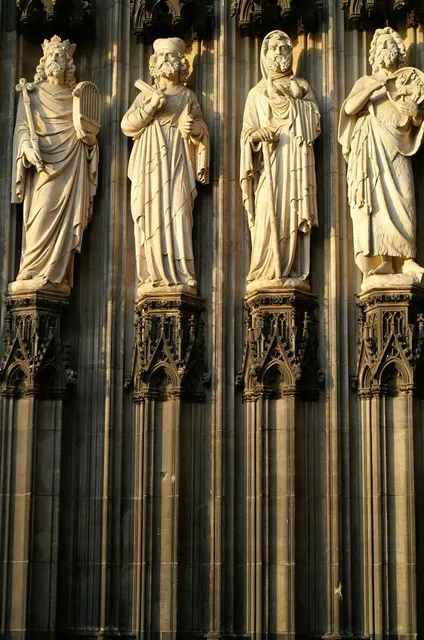
Three Kings Shrine
4.8
(148)
Click for details
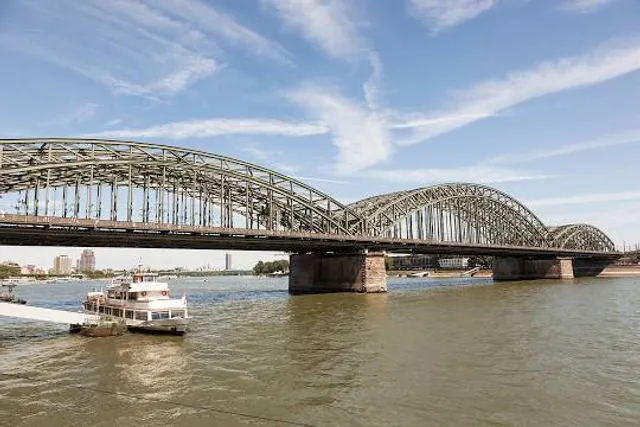
Hohenzollern Bridge
4.6
(5.2K)
Click for details
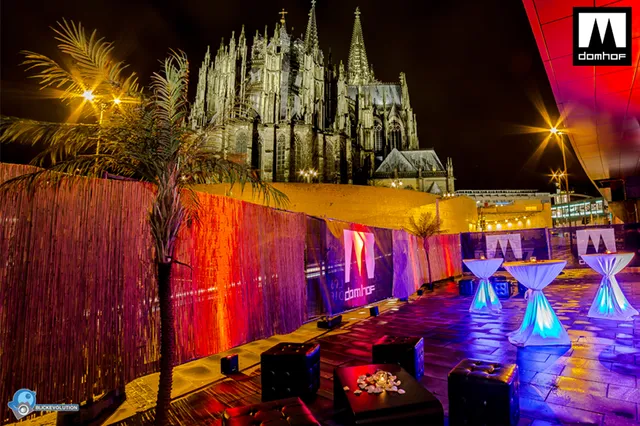
Klub Domhof Köln
3.7
(73)
Click for details
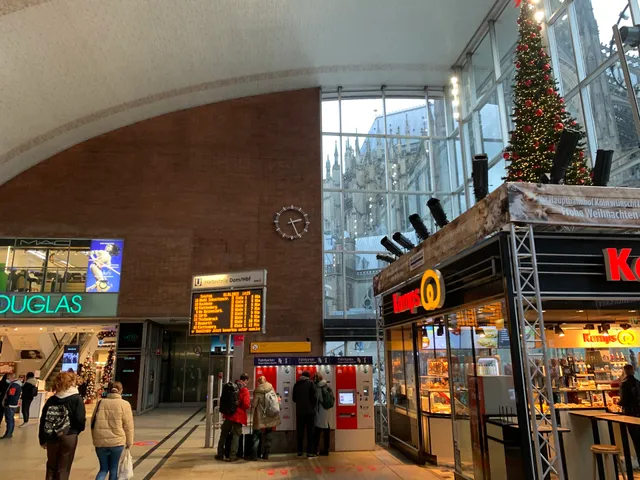
Einkaufsbahnhof Köln Hbf
4.1
(821)
Click for details