Bismarck Monument things to do, attractions, restaurants, events info and trip planning
Basic Info
Bismarck Monument
Seewartenstraße 4, 20459 Hamburg, Germany
3.8(380)
Open until 12:00 AM
Save
spot
spot
Ratings & Description
Info
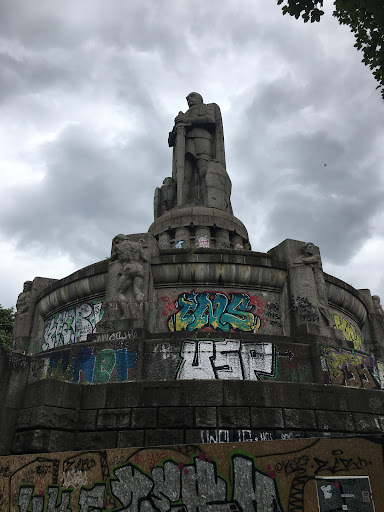
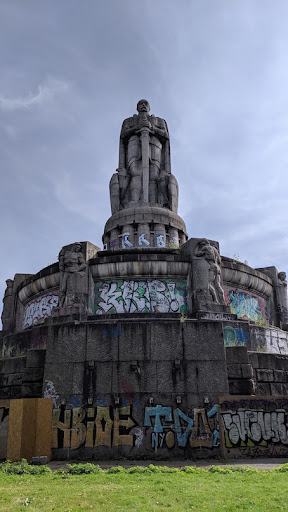
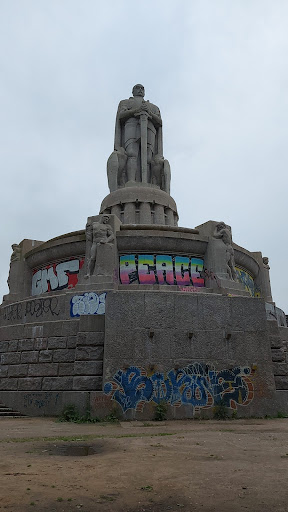
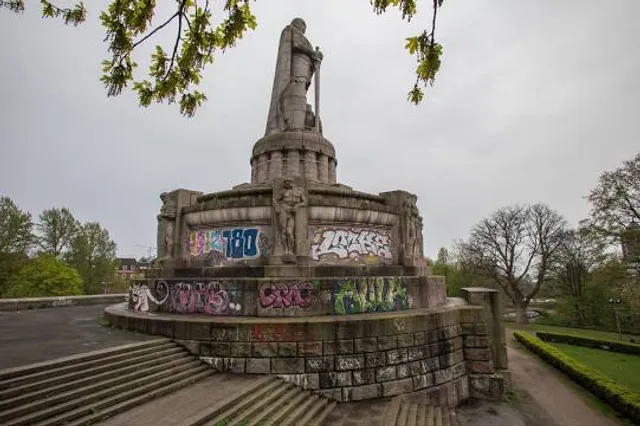
The Bismarck Monument in Hamburg is a memorial sculpture located in the St. Pauli quarter dedicated to Otto von Bismarck. It is one of 240 memorials to Bismarck worldwide and is the largest and probably best-known of these Bismarck towers.
Cultural
Scenic
Outdoor
Family friendly
attractions: Alter Elbpark, Operettenhaus, Museum for Hamburg History, St. Michael's Church, Alter Elbtunnel, St. Pauli Piers, Stintfang, Spielbank Hamburg - Casino Reeperbahn, Panoptikum, Michelwiese, restaurants: NOM vietnamese fusion food, ZWICK St. Pauli, clouds Heaven’s Bar & Kitchen, Tower Bar, BrewDog St. Pauli, Nomi Japanese Restaurant, BLOCKBRÄU, Café Johanna-Hamburg, Panthera Rodizio, "TEX´S BAR-B-Q", local businesses: La Cocina Kochschule Hamburg - Kochkurse & Teamevents, Hamam Hafen Hamburg E.K., Landungsbrücken, Dancing Towers, Hamburger Dom, Model railway Hamburg e.V., Bahnhof Hamburg Landungsbrücken, EisArena Hamburg, Panik City - Udo Lindenbergs Multimedia Erlebnis, Landungsbrücken Brücke 3
 Learn more insights from Wanderboat AI.
Phone
+49 40 30051701
Website
hamburg.de
Open hoursSee all hours
SunOpen 24 hoursOpen
Plan your stay

Pet-friendly Hotels in Hamburg
Find a cozy hotel nearby and make it a full experience.

Affordable Hotels in Hamburg
Find a cozy hotel nearby and make it a full experience.

The Coolest Hotels You Haven't Heard Of (Yet)
Find a cozy hotel nearby and make it a full experience.

Trending Stays Worth the Hype in Hamburg
Find a cozy hotel nearby and make it a full experience.
Reviews
Live events
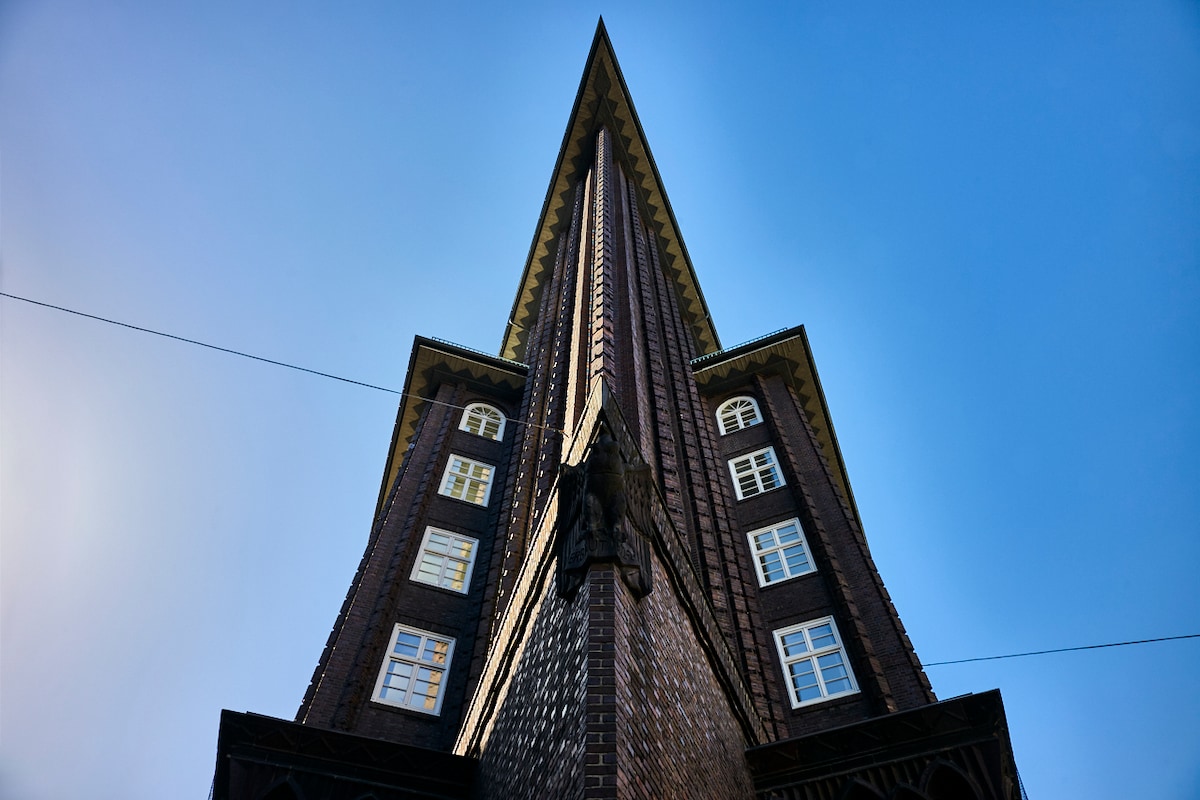
Free walking tour through the UNESCO World Heritage Site
Mon, Feb 9 • 11:00 AM
20095, Hamburg, Germany
View details
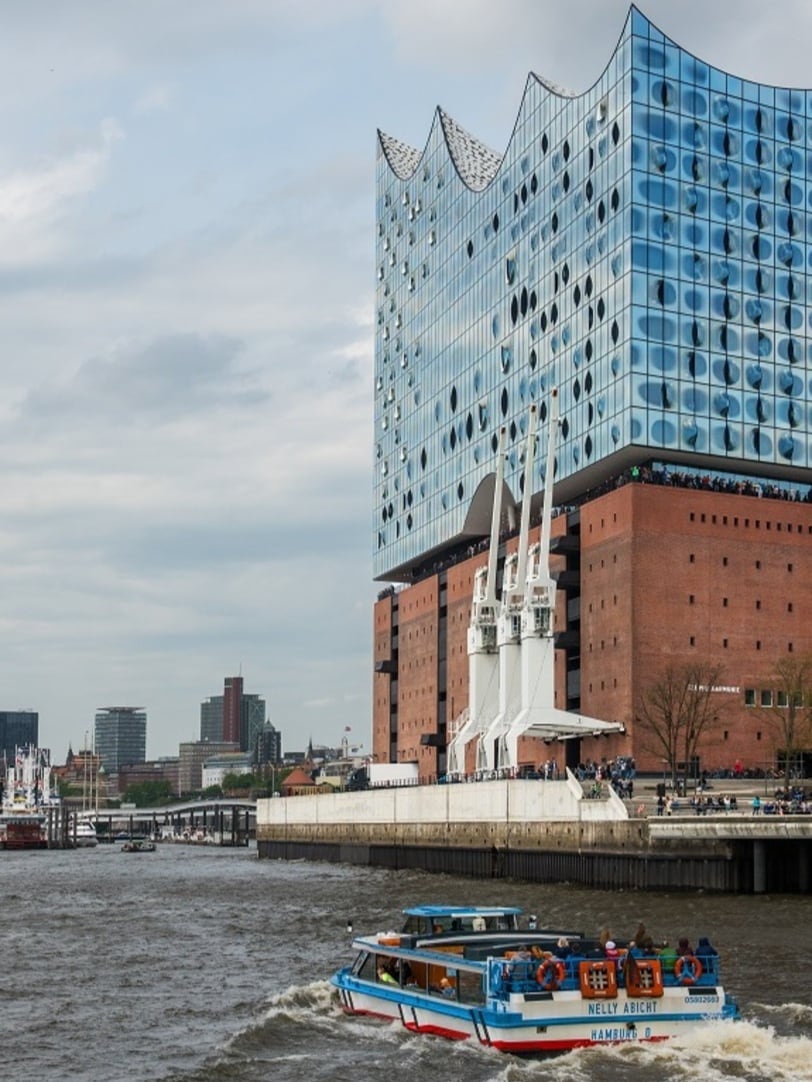
Elphi Plaza Guided Tour and Harbor Tour
Sun, Feb 8 • 11:00 AM
20459, Hamburg, Germany
View details
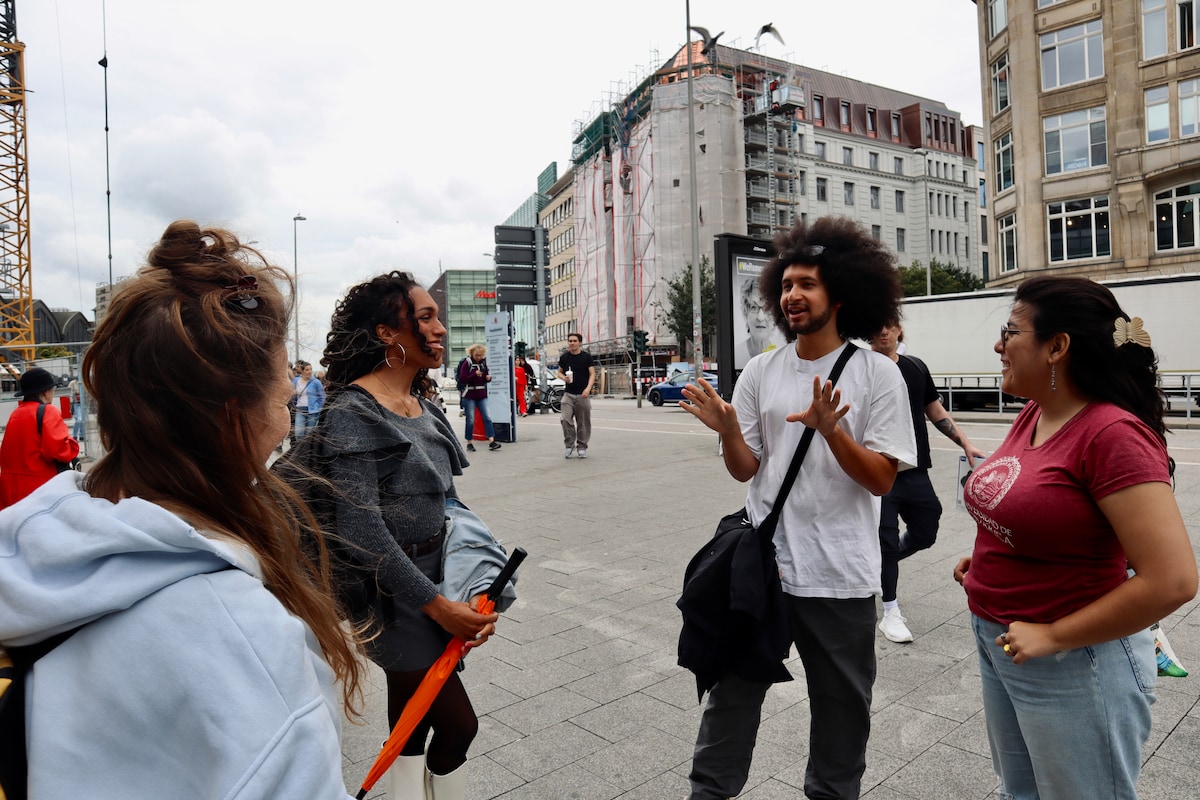
Flavours of the Port: A Food Journey in Hamburg
Sun, Feb 8 • 11:00 AM
20457, Hamburg, Germany
View details
Nearby attractions of Bismarck Monument
Alter Elbpark
Operettenhaus
Museum for Hamburg History
St. Michael's Church
Alter Elbtunnel
St. Pauli Piers
Stintfang
Spielbank Hamburg - Casino Reeperbahn
Panoptikum
Michelwiese
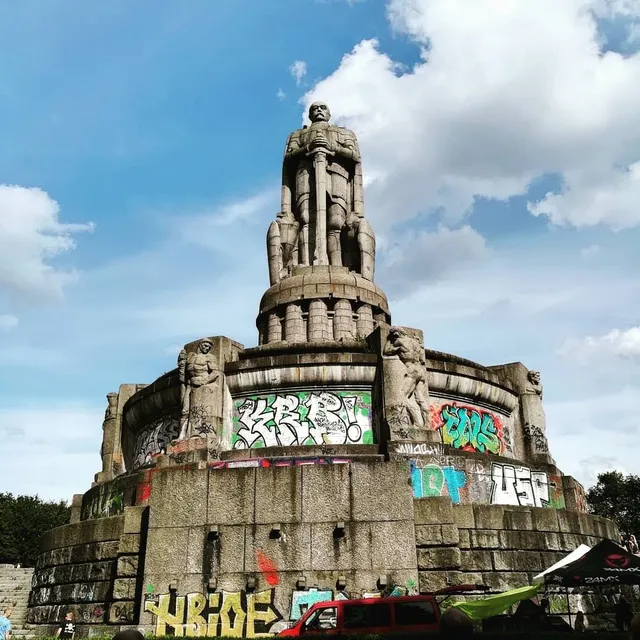
Alter Elbpark
4.2
(406)
Open until 12:00 AM
Click for details
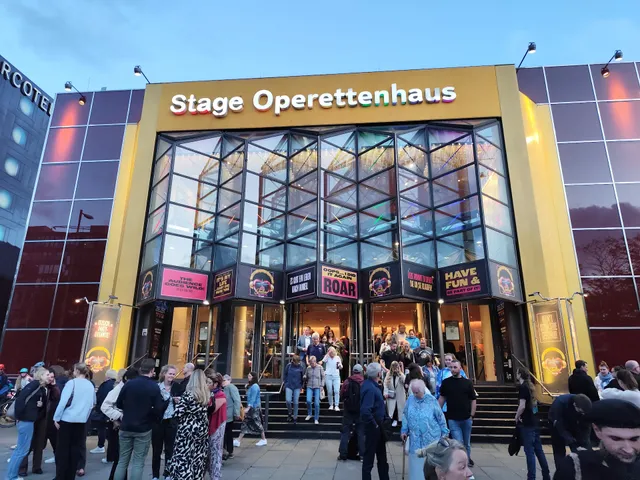
Operettenhaus
4.7
(3.9K)
Closed
Click for details
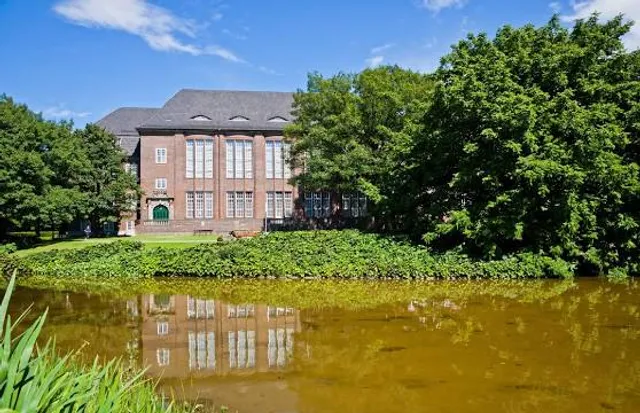
Museum for Hamburg History
4.5
(1.2K)
Open 24 hours
Click for details
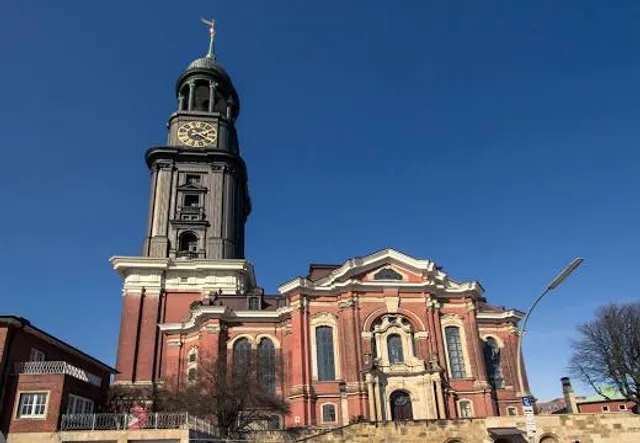
St. Michael's Church
4.7
(9K)
Closed
Click for details
Nearby restaurants of Bismarck Monument
NOM vietnamese fusion food
ZWICK St. Pauli
clouds Heaven’s Bar & Kitchen
Tower Bar
BrewDog St. Pauli
Nomi Japanese Restaurant
BLOCKBRÄU
Café Johanna-Hamburg
Panthera Rodizio
"TEX´S BAR-B-Q"
NOM vietnamese fusion food
4.7
(1.2K)
Closed
Click for details
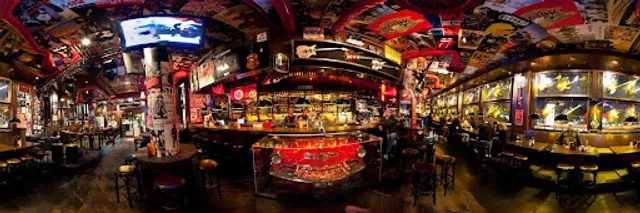
ZWICK St. Pauli
4.7
(2.5K)
Closed
Click for details
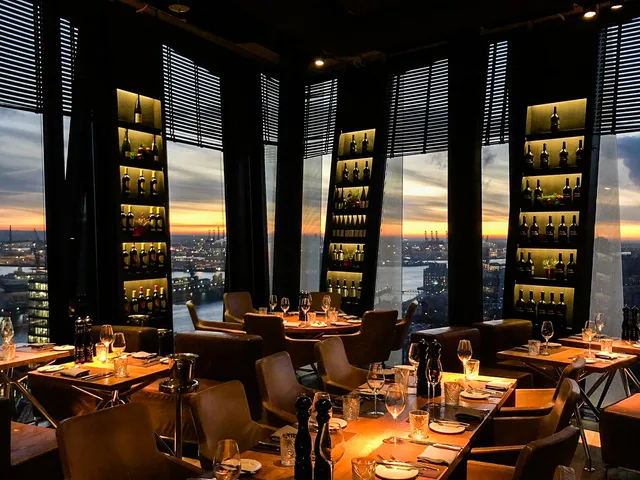
clouds Heaven’s Bar & Kitchen
4.4
(1.8K)
$$$
Click for details
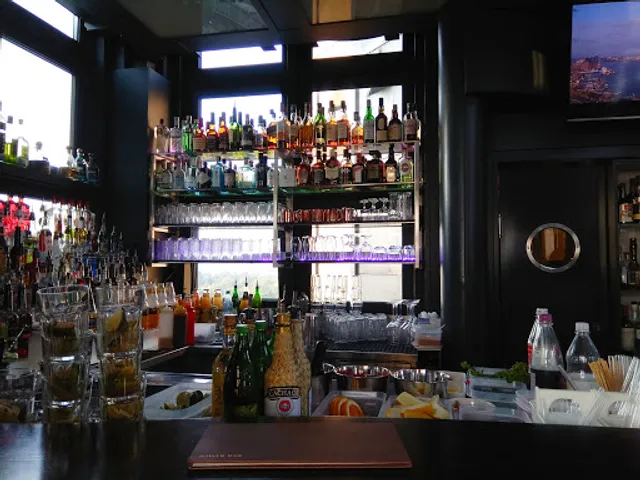
Tower Bar
4.3
(883)
Closed
Click for details
Nearby local services of Bismarck Monument
La Cocina Kochschule Hamburg - Kochkurse & Teamevents
Hamam Hafen Hamburg E.K.
Landungsbrücken
Dancing Towers
Hamburger Dom
Model railway Hamburg e.V.
Bahnhof Hamburg Landungsbrücken
EisArena Hamburg
Panik City - Udo Lindenbergs Multimedia Erlebnis
Landungsbrücken Brücke 3

La Cocina Kochschule Hamburg - Kochkurse & Teamevents
5.0
(3.1K)
Click for details
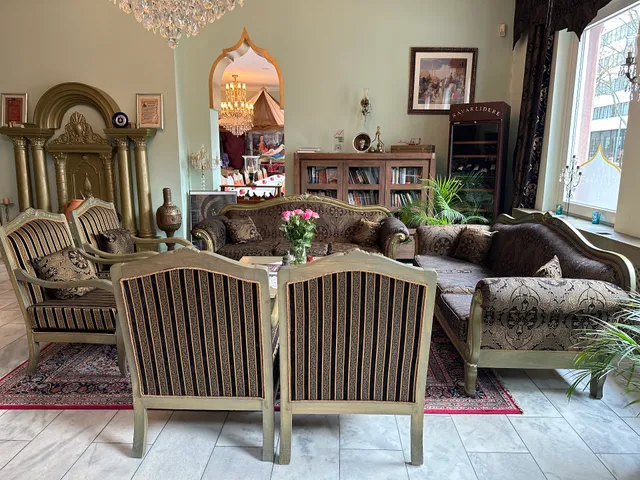
Hamam Hafen Hamburg E.K.
4.8
(327)
Click for details
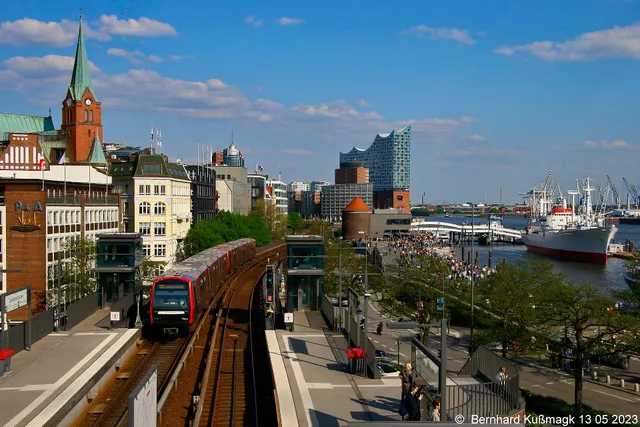
Landungsbrücken
4.6
(386)
Click for details
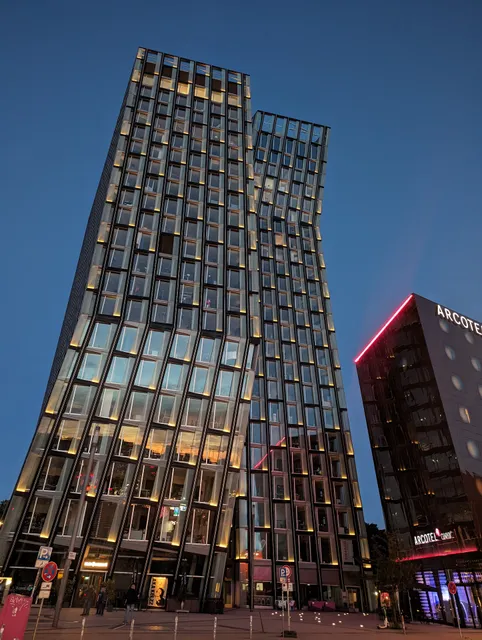
Dancing Towers
4.6
(148)
Click for details


The hit list
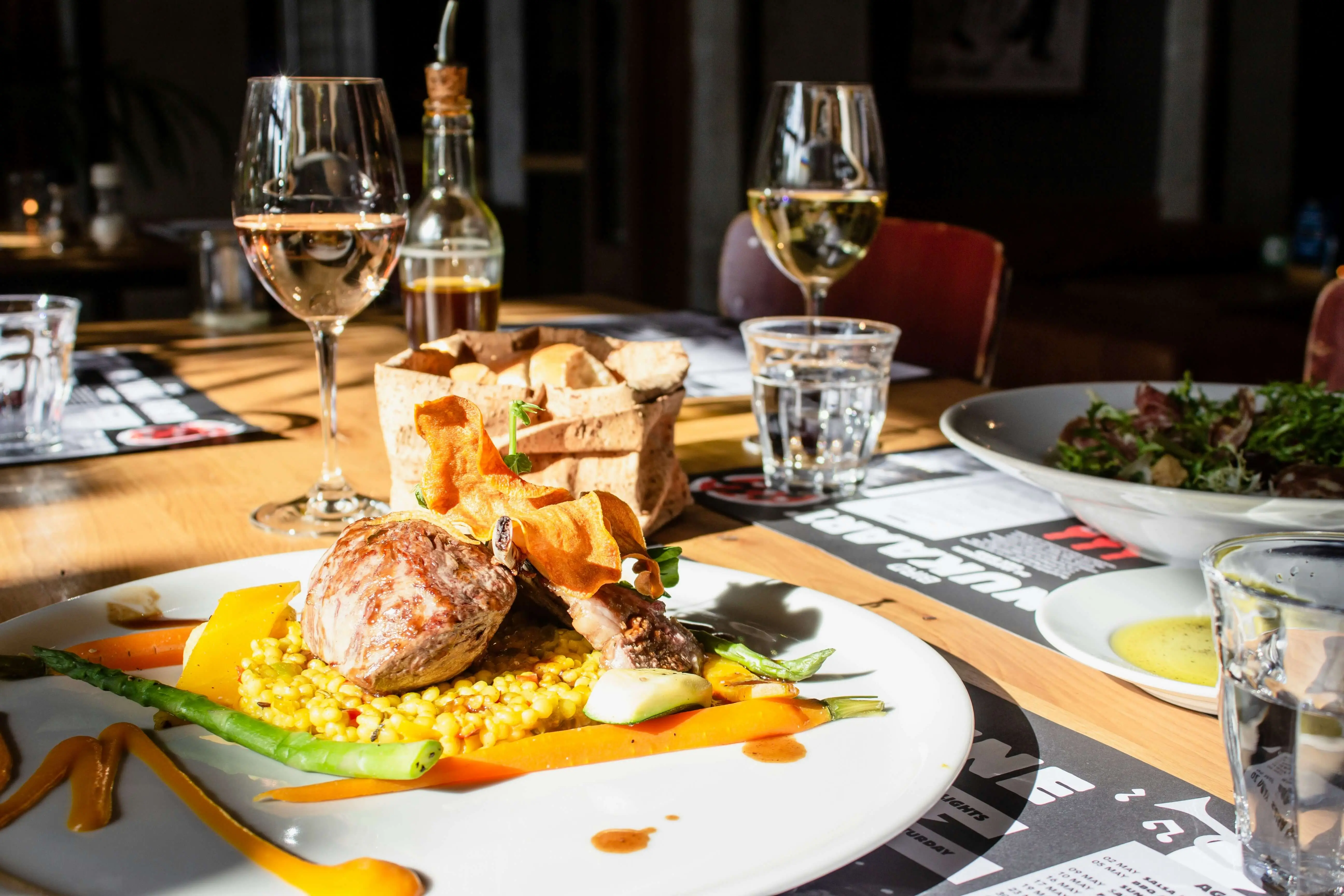

Plan your trip with Wanderboat
Welcome to Wanderboat AI, your AI search for local Eats and Fun, designed to help you explore your city and the world with ease.
Powered by Wanderboat AI trip planner.