Dipylon things to do, attractions, restaurants, events info and trip planning
Basic Info
Dipylon
Kerameikos Archaeological Site, Psaromiligkou 33, Athina 105 53, Greece
4.6(33)
Open 24 hours
Save
spot
spot
Ratings & Description
Info
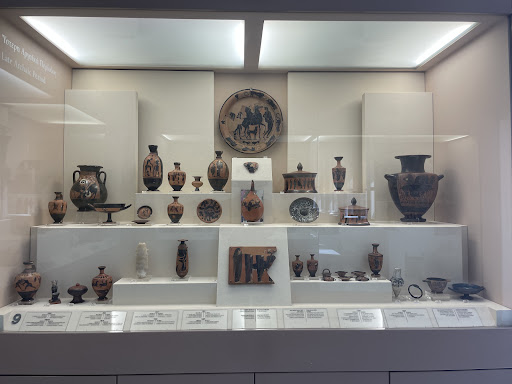
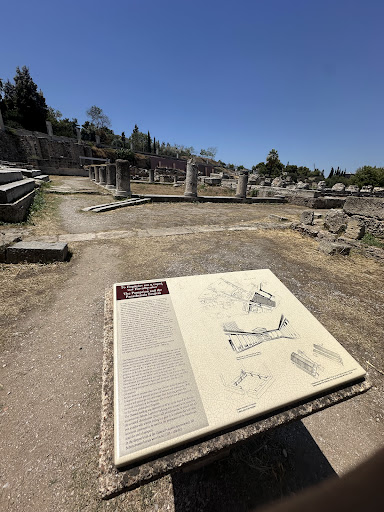
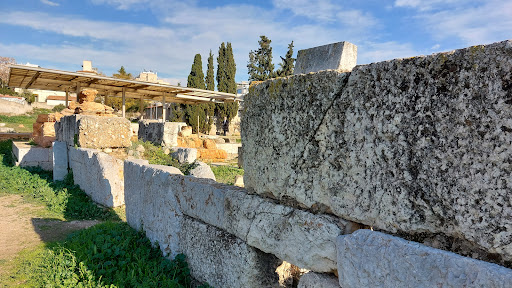
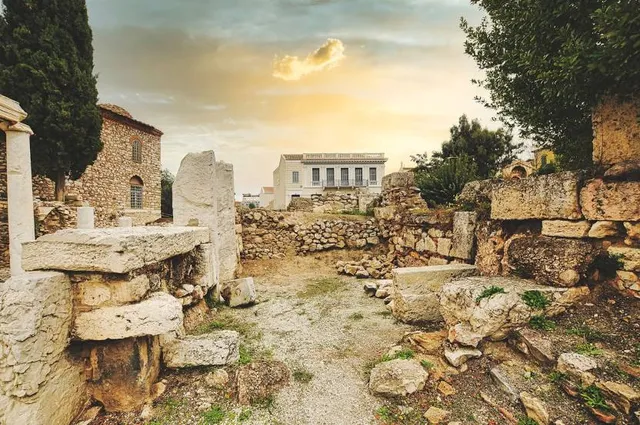
The Dipylon was the main gate in the city wall of Classical Athens. Located in the modern suburb of Kerameikos, it led to the namesake ancient cemetery, and to the roads connecting Athens with the rest of Greece.
Cultural
Scenic
Family friendly
attractions: Kerameikos Archaeological Site, Benaki Museum of Islamic Art, Museum of Illusions Athens, Ancient Agora of Athens, Modern Ceramics Study Center, Makronissos Museum (P.E.K.A.M.), Technopolis City of Athens, Herakleidon Museum, Statue of Theseus, Monastiraki Square, restaurants: Το λοκάλι, Minu, Γυριστρούλα-Gyristroula, Fairytale Athens Café & Suites, Usurum Brunch & Cocktails, Proedros, Ristorante Atlantikos, Tarzan Bar, Dos Gardenias, The James Joyce Irish Pub, local businesses: Hammam Baths Athens | Spa, Massage, Wellness, EscapeRooms.Gr, Athens Wine Tasting, Sento - Head to Toe Urban Spa | Japanese Head Massage, Holy Church of the Holy Trinity at Kerameikos, MOMus - Museum Alex Mylona, Pagotomania, Keramikou 101, The Residence Christokopidou Hotel & Spa, Taki 5
 Learn more insights from Wanderboat AI.
Website
odysseus.culture.gr
Plan your stay

Pet-friendly Hotels in Athens
Find a cozy hotel nearby and make it a full experience.

Affordable Hotels in Athens
Find a cozy hotel nearby and make it a full experience.

The Coolest Hotels You Haven't Heard Of (Yet)
Find a cozy hotel nearby and make it a full experience.

Trending Stays Worth the Hype in Athens
Find a cozy hotel nearby and make it a full experience.
Reviews
Live events

Taste hidden Athenian flavors on culinary romp
Sat, Feb 28 • 1:30 PM
105 54, Athens, Greece
View details
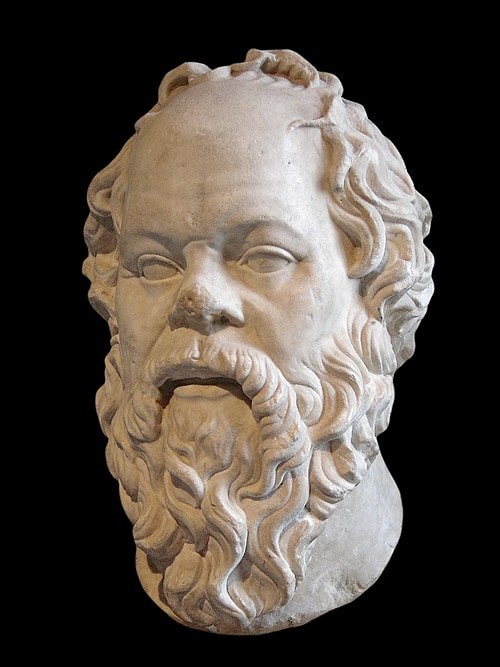
Philosophy and Democracy Tour of Athens
Sat, Feb 28 • 8:30 AM
105 55, Athens, Greece
View details
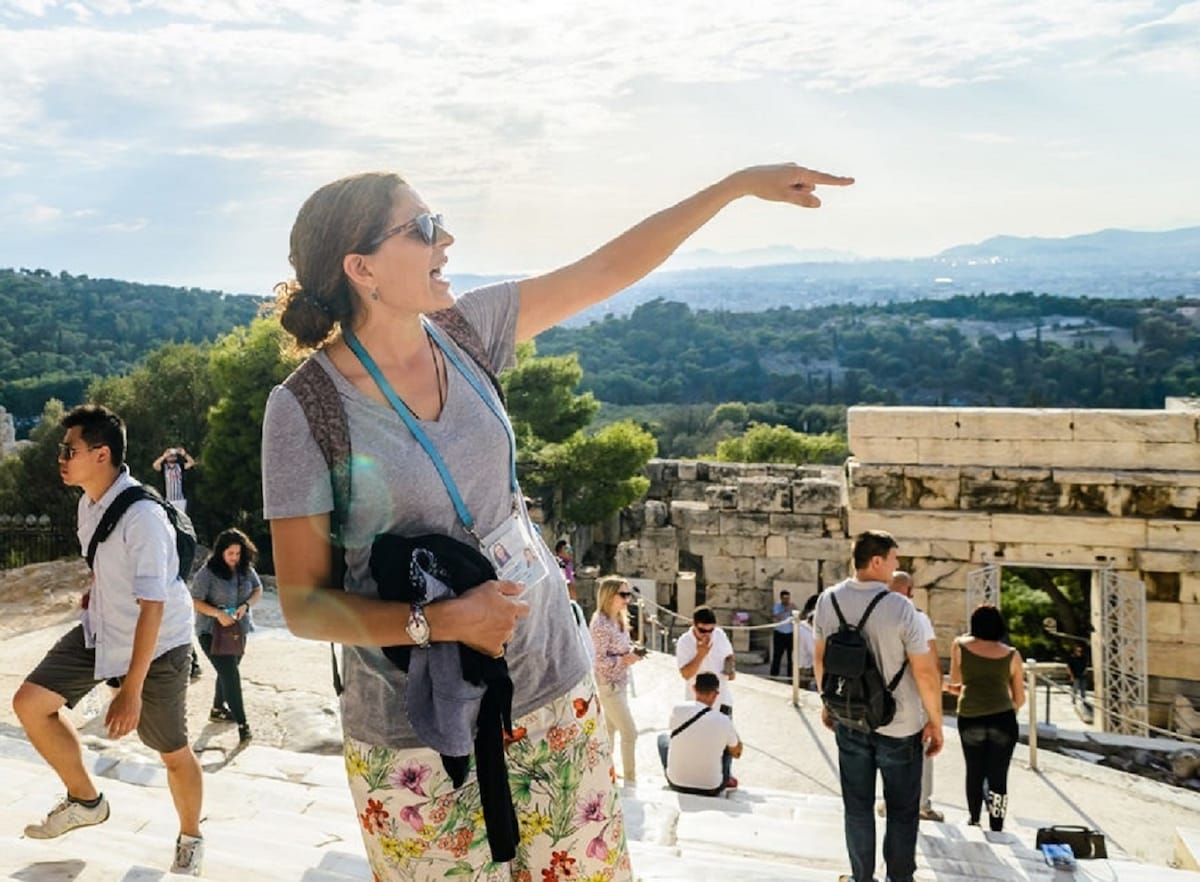
See the Acropolis with a licensed guide
Sat, Feb 28 • 8:00 AM
117 42, Athens, Greece
View details
Nearby attractions of Dipylon
Kerameikos Archaeological Site
Benaki Museum of Islamic Art
Museum of Illusions Athens
Ancient Agora of Athens
Modern Ceramics Study Center
Makronissos Museum (P.E.K.A.M.)
Technopolis City of Athens
Herakleidon Museum
Statue of Theseus
Monastiraki Square
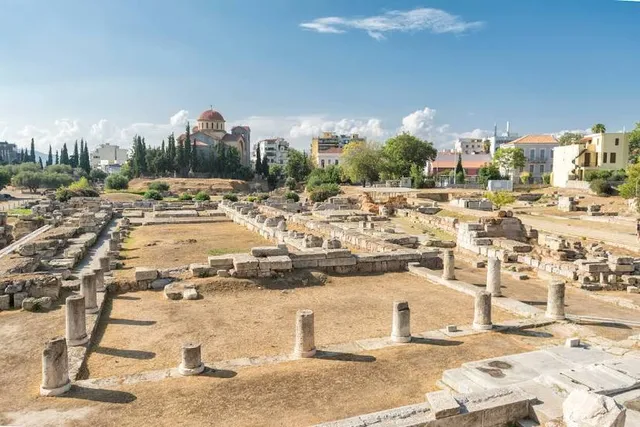
Kerameikos Archaeological Site
4.4
(2.8K)
Open 24 hours
Click for details
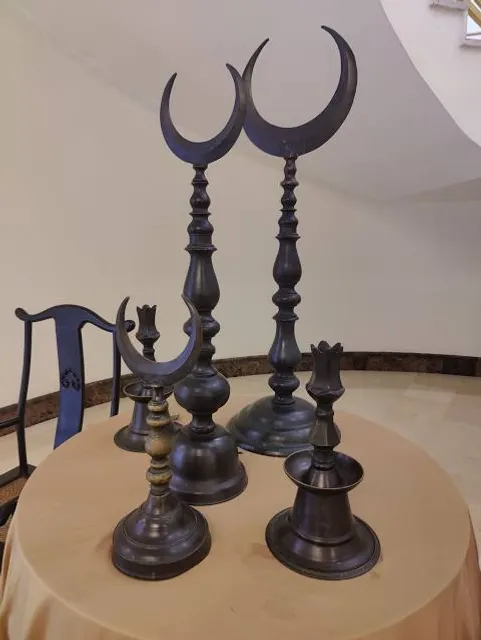
Benaki Museum of Islamic Art
4.6
(515)
Open 24 hours
Click for details

Museum of Illusions Athens
4.5
(4.1K)
Closed
Click for details
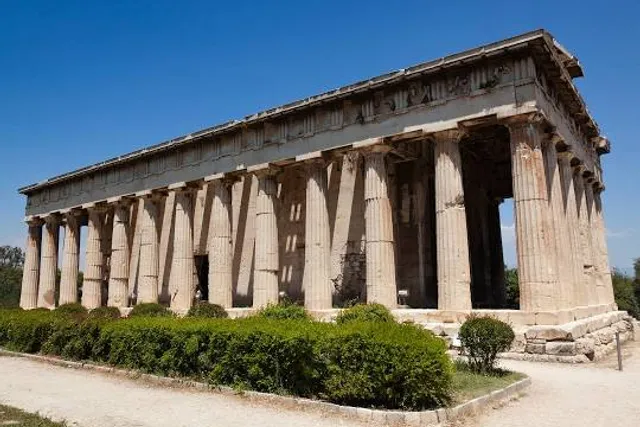
Ancient Agora of Athens
4.7
(13.6K)
Open until 4:30 PM
Click for details
Nearby restaurants of Dipylon
Το λοκάλι
Minu
Γυριστρούλα-Gyristroula
Fairytale Athens Café & Suites
Usurum Brunch & Cocktails
Proedros
Ristorante Atlantikos
Tarzan Bar
Dos Gardenias
The James Joyce Irish Pub
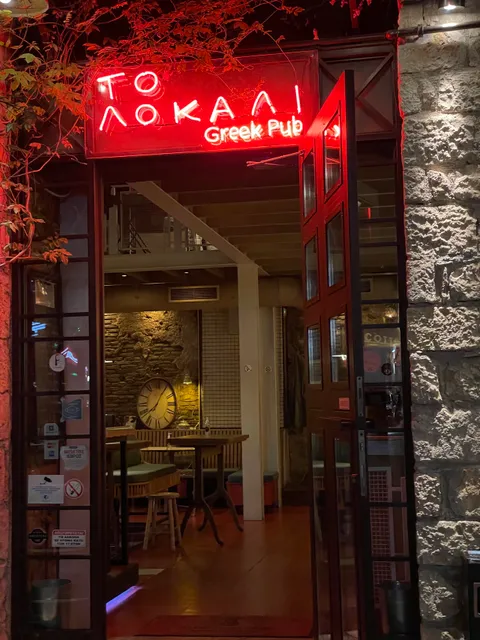
Το λοκάλι
4.4
(2.3K)
$$
Closed
Click for details
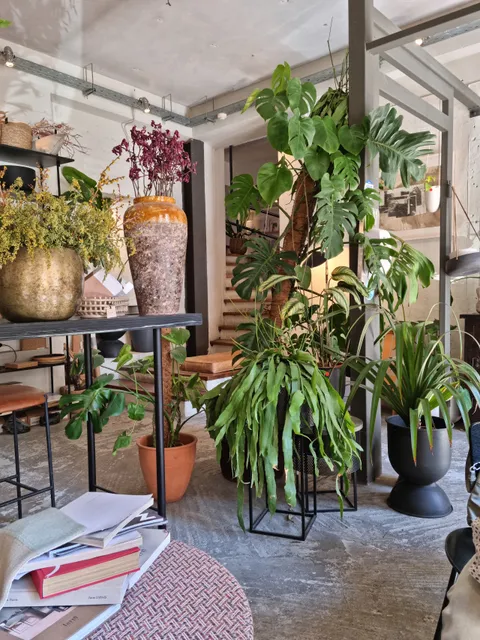
Minu
4.4
(997)
Open until 10:00 PM
Click for details
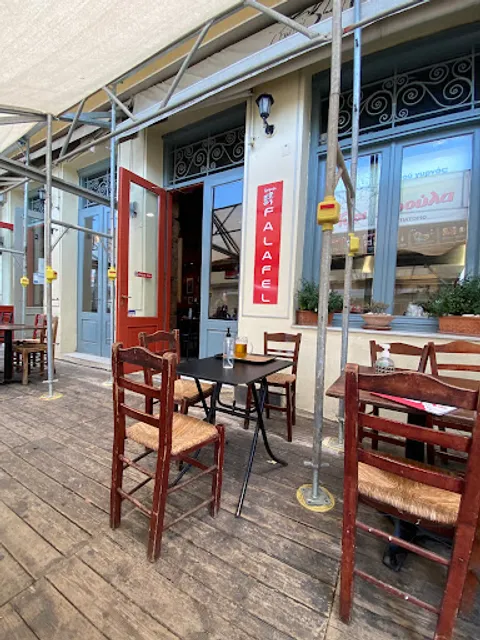
Γυριστρούλα-Gyristroula
4.4
(1.7K)
Closed
Click for details
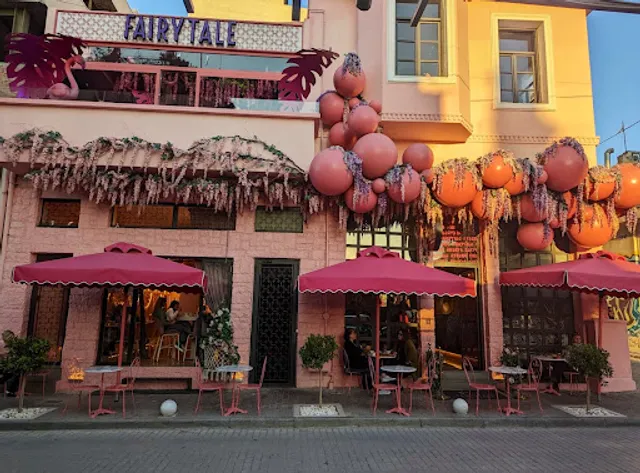
Fairytale Athens Café & Suites
4.3
(1.3K)
Click for details
Nearby local services of Dipylon
Hammam Baths Athens | Spa, Massage, Wellness
EscapeRooms.Gr
Athens Wine Tasting
Sento - Head to Toe Urban Spa | Japanese Head Massage
Holy Church of the Holy Trinity at Kerameikos
MOMus - Museum Alex Mylona
Pagotomania
Keramikou 101
The Residence Christokopidou Hotel & Spa
Taki 5

Hammam Baths Athens | Spa, Massage, Wellness
4.6
(604)
Click for details

EscapeRooms.Gr
4.9
(236)
Click for details
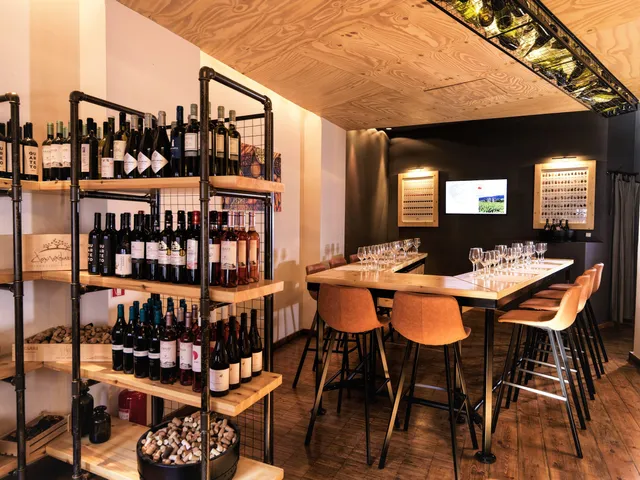
Athens Wine Tasting
4.9
(115)
Click for details
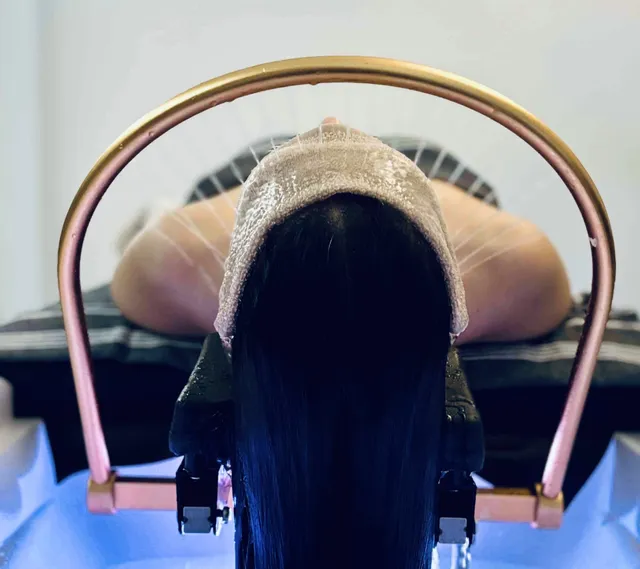
Sento - Head to Toe Urban Spa | Japanese Head Massage
4.7
(70)
Click for details