HTML SitemapExplore
logo
Find Things to DoFind The Best Restaurants

Roman Forum of Athens (Roman Agora) — Attraction in Athens

Name
Roman Forum of Athens (Roman Agora)
Description
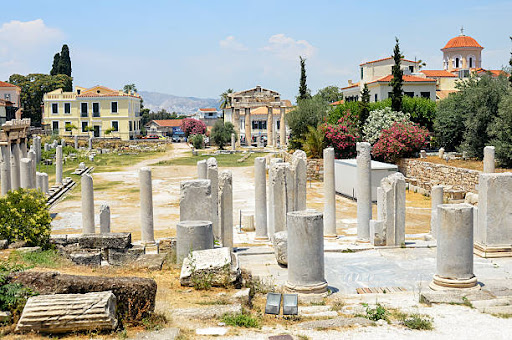
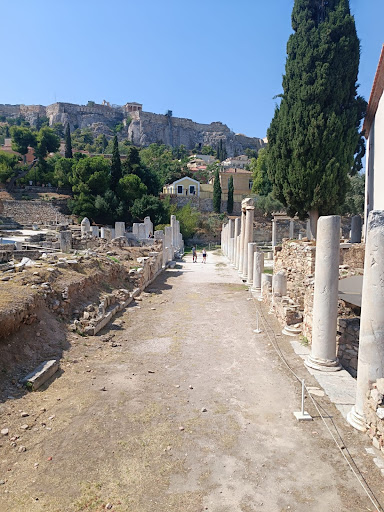
The Roman Agora at Athens is located to the north of the Acropolis and to the east of the Ancient Agora.
Nearby attractions
Acropolis of Athens
Athens 105 58, Greece
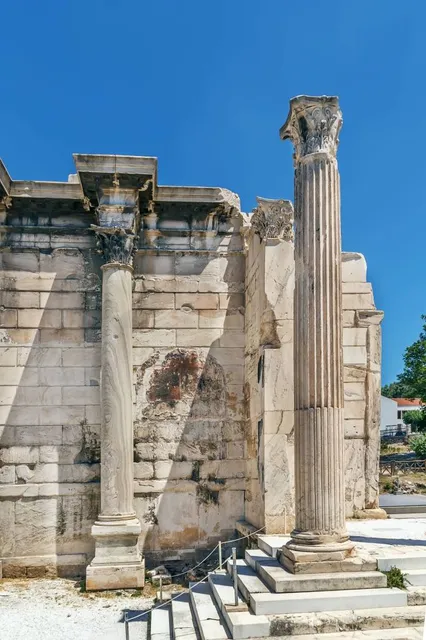
Hadrian's Library
Κ, Areos 3, Τ, Athina 105 55, Greece
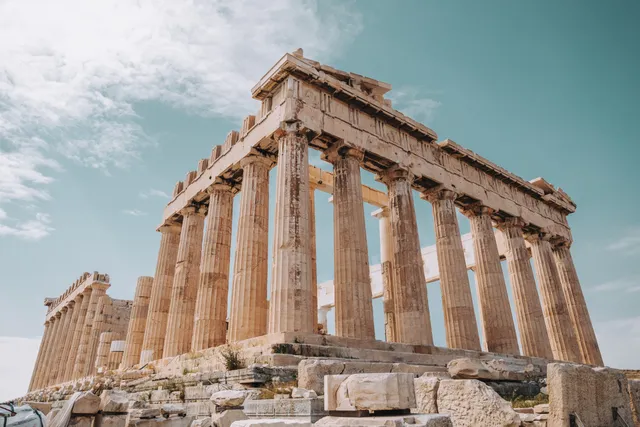
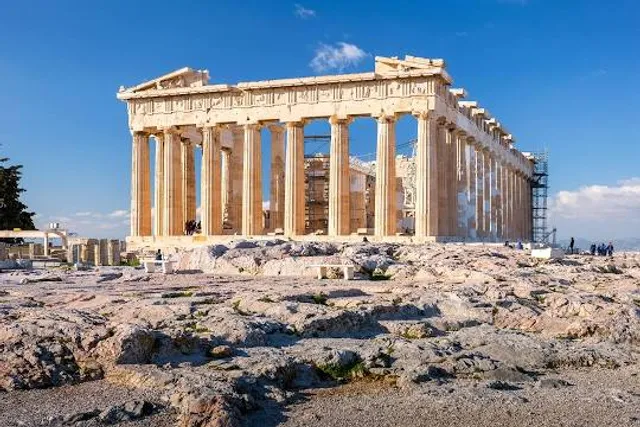
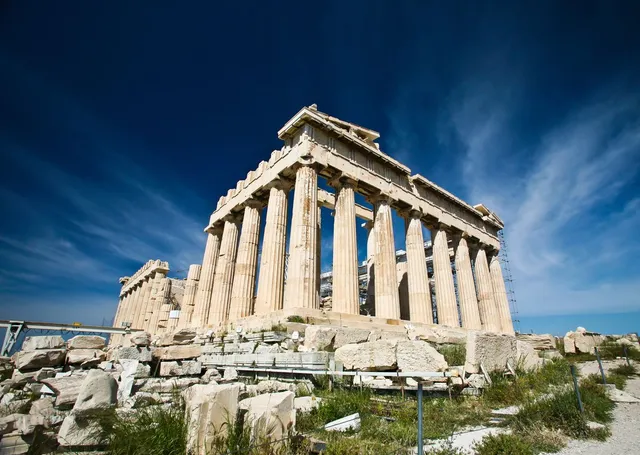
Parthenon
Athens 105 58, Greece
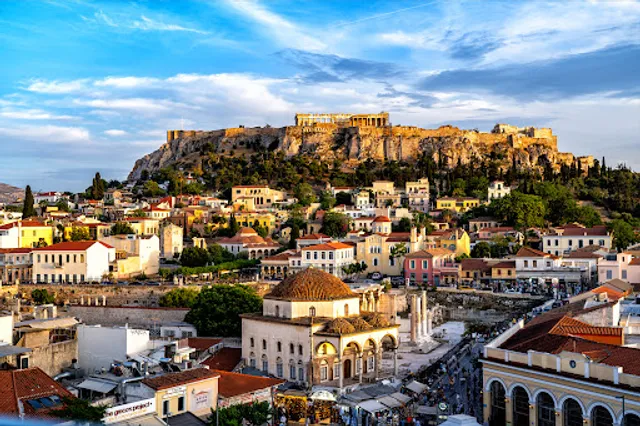
Monastiraki Square
Apollonos 21, Athina 105 57, Greece
Horologion of Andronikos Cyrrhestes
Aiolou, Athina 105 55, Greece
Flea Market
Ifestou, Athina 105 55, Greece
Stoa of Attalos - Museum of the Ancient Agora
Adrianou 24, Athina 105 55, Greece
Ancient Agora of Athens
Athens 105 55, Greece
Fethiye Mosque Museum
Panos, Athina 105 55, Greece
Gate of Athena Archegetis
Διοσκούρων, Epaminonda &, Athina 105 55, Greece
Nearby restaurants
Klepsydra
Klepsidras, Athina 105 56, Greece
Maiandros Restaurant
Adrianou 47, Athina 105 55, Greece
L' Amiral Athens
Panos 6, Athina 105 55, Greece
Dioskouroi
Dioskouron 13, Athina 105 55, Greece
Efcharis restaurant
Adrianou 49Α, Athina 105 55, Greece
Thanasis
Mitropoleos 69, Athina 105 55, Greece
Taverna Akropoli
Epaminonda 2, Athina 105 55, Greece
Ydria Cafe - Restaurant
Adrianou 68, Athina 105 56, Greece
Bairaktaris Central
Μητροπόλεως 71-88 71-88, Mitropoleos St, Athina 105 55, Greece
360 Cocktail Bar
Ifestou 2, Athina 105 55, Greece
Related posts
Keywords
Roman Forum of Athens (Roman Agora) tourism.Roman Forum of Athens (Roman Agora) hotels.Roman Forum of Athens (Roman Agora) bed and breakfast. flights to Roman Forum of Athens (Roman Agora).Roman Forum of Athens (Roman Agora) attractions.Roman Forum of Athens (Roman Agora) restaurants.Roman Forum of Athens (Roman Agora) travel.Roman Forum of Athens (Roman Agora) travel guide.Roman Forum of Athens (Roman Agora) travel blog.Roman Forum of Athens (Roman Agora) pictures.Roman Forum of Athens (Roman Agora) photos.Roman Forum of Athens (Roman Agora) travel tips.Roman Forum of Athens (Roman Agora) maps.Roman Forum of Athens (Roman Agora) things to do.
Roman Forum of Athens (Roman Agora) things to do, attractions, restaurants, events info and trip planning
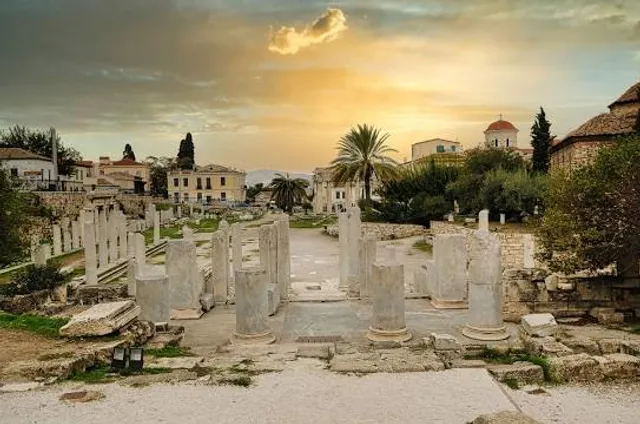
Roman Forum of Athens (Roman Agora)
GreeceAtticaAthensRoman Forum of Athens (Roman Agora)

Basic Info

Roman Forum of Athens (Roman Agora)

Polignotou 3, Athina 105 55, Greece
4.5(5.6K)
Open 24 hours
Save
spot

Ratings & Description

Info

The Roman Agora at Athens is located to the north of the Acropolis and to the east of the Ancient Agora.

Cultural
Outdoor
Family friendly
attractions: Acropolis of Athens, Hadrian's Library, Parthenon, Monastiraki Square, Horologion of Andronikos Cyrrhestes, Flea Market, Stoa of Attalos - Museum of the Ancient Agora, Ancient Agora of Athens, Fethiye Mosque Museum, Gate of Athena Archegetis, restaurants: Klepsydra, Maiandros Restaurant, L' Amiral Athens, Dioskouroi, Efcharis restaurant, Thanasis, Taverna Akropoli, Ydria Cafe - Restaurant, Bairaktaris Central, 360 Cocktail Bar
logoLearn more insights from Wanderboat AI.
Phone
+30 21 0324 5220
Website
odysseus.culture.gr

Plan your stay

hotel
Pet-friendly Hotels in Athens
Find a cozy hotel nearby and make it a full experience.

hotel
Affordable Hotels in Athens
Find a cozy hotel nearby and make it a full experience.

hotel
The Coolest Hotels You Haven't Heard Of (Yet)
Find a cozy hotel nearby and make it a full experience.

hotel
Trending Stays Worth the Hype in Athens
Find a cozy hotel nearby and make it a full experience.

Reviews

Nearby attractions of Roman Forum of Athens (Roman Agora)

Acropolis of Athens

Hadrian's Library

Parthenon

Monastiraki Square

Horologion of Andronikos Cyrrhestes

Flea Market

Stoa of Attalos - Museum of the Ancient Agora

Ancient Agora of Athens

Fethiye Mosque Museum

Gate of Athena Archegetis

Acropolis of Athens

Acropolis of Athens

4.8

(44.2K)

Open 24 hours
Click for details
Hadrian's Library

Hadrian's Library

4.4

(3.2K)

Open 24 hours
Click for details
Parthenon

Parthenon

4.8

(27.3K)

Open 24 hours
Click for details
Monastiraki Square

Monastiraki Square

4.5

(9.1K)

Open 24 hours
Click for details

Things to do nearby

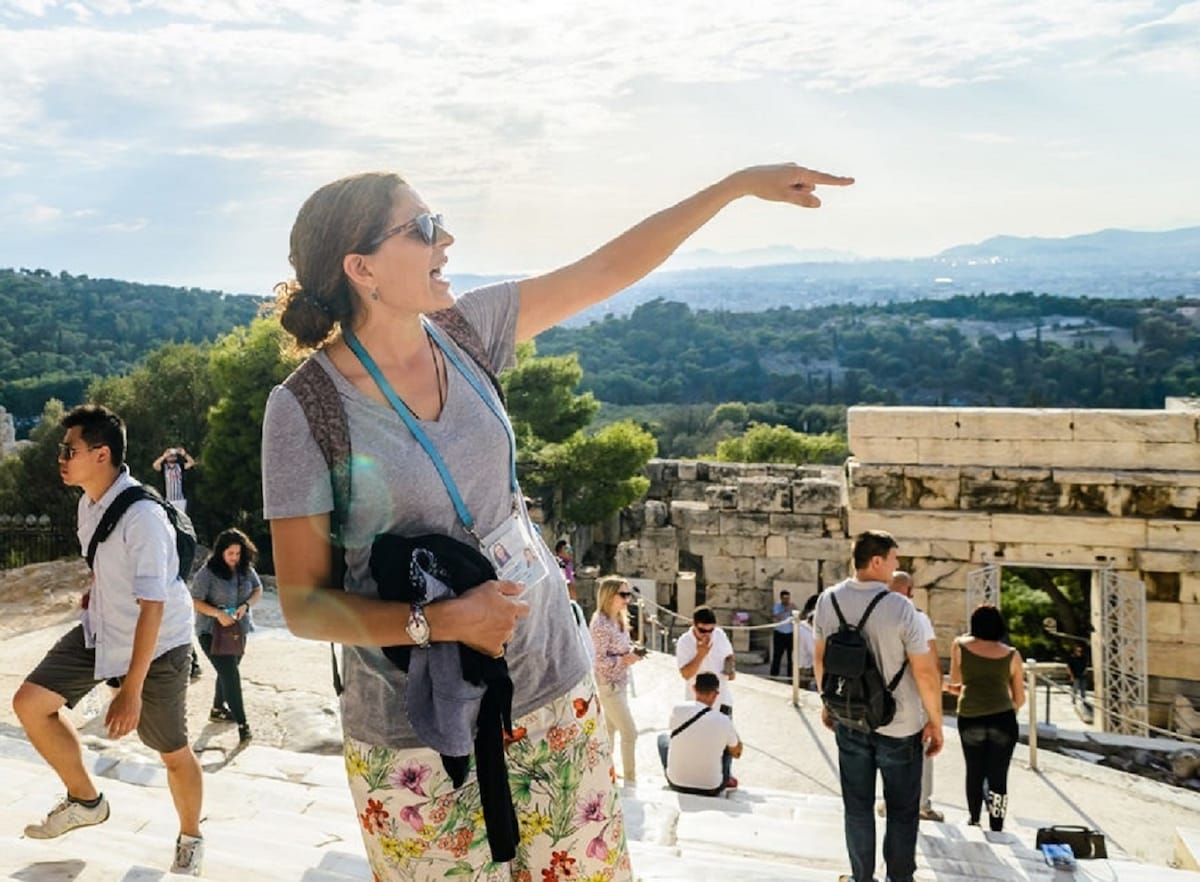
See the Acropolis with a licensed guide
Fri, Dec 5 • 8:00 AM
117 42, Athens, Greece
View details
Explore Sounio Temple of Poseidon &Athens Riviera
Fri, Dec 5 • 8:00 AM
105 58, Athens, Greece
View details
Philosophy and Democracy Tour of Athens
Fri, Dec 5 • 8:30 AM
105 55, Athens, Greece
View details

Nearby restaurants of Roman Forum of Athens (Roman Agora)

Klepsydra

Maiandros Restaurant

L' Amiral Athens

Dioskouroi

Efcharis restaurant

Thanasis

Taverna Akropoli

Ydria Cafe - Restaurant

Bairaktaris Central

360 Cocktail Bar
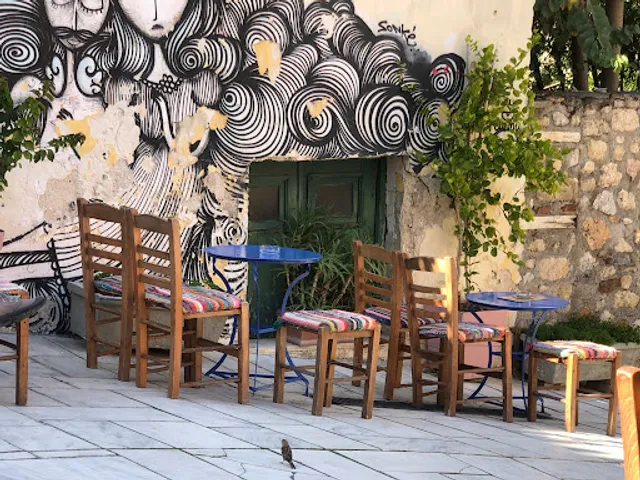
Klepsydra

Klepsydra

4.4

(2K)

Click for details
Maiandros Restaurant

Maiandros Restaurant

4.6

(3.9K)

$

Click for details
L' Amiral Athens

L' Amiral Athens

4.4

(666)

$$

Click for details
Dioskouroi

Dioskouroi

4.2

(1.6K)

$$

Click for details
Get the Appoverlay
Get the AppOne tap to find yournext favorite spots!
Wanderboat LogoWanderboat

Your everyday Al companion for getaway ideas

CompanyAbout Us
InformationAI Trip PlannerSitemap
SocialXInstagramTiktokLinkedin
LegalTerms of ServicePrivacy Policy

Get the app

© 2025 Wanderboat. All rights reserved.
logo

Reviews of Roman Forum of Athens (Roman Agora)

4.5
(5,602)
avatar
5.0
3y

The Roman Agora of Athens is a hidden gem, an archaeological site that offers a captivating glimpse into the Roman influence on the ancient city of Athens. Nestled between the Acropolis and the Ancient Agora, this historical treasure provides a fascinating contrast to the Greek architectural wonders that surround it.

Stepping into the Roman Agora feels like entering a different era. The well-preserved ruins, including the Tower of the Winds, the Gate of Athena Archegetis, and the marble columns of the colonnades, evoke a sense of grandeur and opulence. It's a testament to the Roman civilization's enduring legacy and its impact on the cultural landscape of Athens.

Exploring the site allows visitors to appreciate the intricate details of Roman architecture and design. The Tower of the Winds, an ancient weather vane and timekeeping structure, stands as a remarkable testament to the engineering marvels of the time. Its intricate friezes and the precision of its sundial are a testament to the Roman's ingenuity and attention to detail.

One of the highlights of the Roman Agora is the Gate of Athena Archegetis, a monumental entrance that once served as a symbol of Roman power and authority. The intricate reliefs and the majestic arches create a captivating sight that transports visitors back in time.

The Roman Agora also offers a peaceful respite from the bustling city. The serene green spaces, shaded walkways, and the peaceful atmosphere create an oasis where visitors can wander and reflect on the historical significance of the site. It's a place to pause and imagine the vibrant marketplace that once thrived here.

Visiting the Roman Agora provides a deeper understanding of the layered history of Athens. It's a testament to the city's evolution over time, from its Greek origins to the Roman influence that followed. The juxtaposition of Greek and Roman elements creates a unique cultural tapestry that is both fascinating and thought-provoking.

The Roman Agora is conveniently located near other historical sites, making it easy to incorporate into an Athens itinerary. Its proximity to the Ancient Agora and the Acropolis allows visitors to explore multiple layers of history in one visit.

Whether you're a history enthusiast, an architecture lover, or simply seeking a deeper understanding of Athens' rich cultural heritage, the Roman Agora is a must-visit destination. It offers a window into the Roman world that once flourished in Athens, providing valuable insights into the city's past and its...

   Read more
avatar
5.0
1y

The Roman Agora of Athens is a significant archaeological site located in Athens, Greece, built during the Roman period. It is situated near the Ancient Agora of Athens and holds considerable historical and architectural importance. Key Points about the Roman Agora of Athens. History and Date. The Roman Agora was constructed during the Roman period, around the 1st century AD. It served as a commercial and social center for the city during the Roman Empire. Architectural Layout. The Roman Agora was a large open square surrounded by various buildings, including public structures, colonnades, and temples. Some of the notable structures found within the Agora include the Arch of Hadrian and the Roman Odeon. The Arch of Hadrian, in particular, is an impressive monument with two sides, one facing the Ancient Agora and the other facing the Roman Agora. Function and Significance.The Roman Agora functioned as a commercial and administrative center where citizens gathered for trade and social activities. It was also significant for the governance of the city during the Roman era. Condition and Preservation. Today, the Roman Agora is partially in ruins, but many of its structures have been excavated and preserved. The Arch of Hadrian and the remains of the Roman Odeon are among the most prominent features that have been maintained. Visitor Information. The Roman Agora and its surrounding monuments are open to visitors and are an important destination for those interested in archaeology and the history of Rome and Athens. The Roman Agora of Athens is a key part of the city's ancient heritage and provides valuable insights into the Roman period of...

   Read more
avatar
5.0
18w

The Roman Agora is a fascinating archaeological site nestled in the heart of Athens, just a short walk from Monastiraki Square. Unlike the more famous Ancient Agora nearby, this one was built during the Roman period, around the 1st century BC, under the rule of Julius Caesar and later completed by Emperor Augustus. Highlights include the Gate of Athena Archegetis, an impressive marble entrance that still stands tall, and the Tower of the Winds, an octagonal structure that functioned as a water clock, sundial, and weather vane. It’s considered one of the world’s earliest meteorological stations! The combined Acropolis ticket includes entrance to the Roman Agora, so plan accordingly and explore multiple ancient sites on the same day. Try visiting early in the morning or late afternoon to avoid the summer heat and enjoy better light for photography. There’s minimal shade, so bring water, sunscreen, and a hat. The site is less crowded than the Acropolis, making it ideal for a peaceful stroll among ruins. History buffs will appreciate how this site reflects the transformation of Athens during Roman times. It’s a quieter but equally enriching stop for anyone exploring the city’s deep roots and...

   Read more
Page 1 of 7
Previous
Next

Posts

Your browser does not support the video tag.
flavialatina.travelsflavialatina.travels
Here are the 12 things to do in Athens (my favorites): 1. Admire the view from Philopappos Hill, it will leave you speechless ✨ 2. Visit the Acropolis of Athens, the main attraction of the city. Go early in the morning if you want to have it all for yourself.🌁 3. Have a drink at one of the many rooftops over the Monastiraki square, my favorite is @aforathensbar 🥂 4. Watch an open-air @greeknationalopera performance at the Herodes Atticus amphitheater in the Acropolis. This is a lifetime experience and the tickets start around 25€ 🎭 5. Go to Sounion to see the Temple of Poseidon, it is open every day of the year from 9:30 until sunset with the last entry allowed 20 minutes before the sunset time.🔱 6. Eat traditional food in Plaka, in one of the terraces overlooking the Acropolis. Don’t miss the Moussaka, Gemista and Dolmades.🥘 7. Visit the Temple of Olympian Zeus, at the magic light of sunset.🇬🇷 8. Have an ice-cream in Monastiraki square, where I always eat the best ice cream of my life.🍦 9. Have a walk in the Roman Agora, cause Athens is an open-air museum.🏛️ 10. Pay a visit to the National Library and admire its architecture 📚 11. Climb the Lycabettus hill, there are many stairs, so don’t do it at noon, cause the sun is too hot🔆 12. Walk through the port of Piraeus, one of the largest harbours of the Mediterranean⛵️ 📌Save this post for later, if you want to visit Athens #visitathens #athens #ig_greece #ig_athens #thingstodo #attractions #instalifo #parthenon #acropolis #monastiraki #lycabettus
mpampis antoniadismpampis antoniadis
The Roman Agora of Athens is a significant archaeological site located in Athens, Greece, built during the Roman period. It is situated near the Ancient Agora of Athens and holds considerable historical and architectural importance. Key Points about the Roman Agora of Athens. History and Date. The Roman Agora was constructed during the Roman period, around the 1st century AD. It served as a commercial and social center for the city during the Roman Empire. Architectural Layout. The Roman Agora was a large open square surrounded by various buildings, including public structures, colonnades, and temples. Some of the notable structures found within the Agora include the Arch of Hadrian and the Roman Odeon. The Arch of Hadrian, in particular, is an impressive monument with two sides, one facing the Ancient Agora and the other facing the Roman Agora. Function and Significance.The Roman Agora functioned as a commercial and administrative center where citizens gathered for trade and social activities. It was also significant for the governance of the city during the Roman era. Condition and Preservation. Today, the Roman Agora is partially in ruins, but many of its structures have been excavated and preserved. The Arch of Hadrian and the remains of the Roman Odeon are among the most prominent features that have been maintained. Visitor Information. The Roman Agora and its surrounding monuments are open to visitors and are an important destination for those interested in archaeology and the history of Rome and Athens. The Roman Agora of Athens is a key part of the city's ancient heritage and provides valuable insights into the Roman period of Greek history.
Ufuk YüksekkayaUfuk Yüksekkaya
The Roman Agora is a fascinating archaeological site nestled in the heart of Athens, just a short walk from Monastiraki Square. Unlike the more famous Ancient Agora nearby, this one was built during the Roman period, around the 1st century BC, under the rule of Julius Caesar and later completed by Emperor Augustus. Highlights include the Gate of Athena Archegetis, an impressive marble entrance that still stands tall, and the Tower of the Winds, an octagonal structure that functioned as a water clock, sundial, and weather vane. It’s considered one of the world’s earliest meteorological stations! The combined Acropolis ticket includes entrance to the Roman Agora, so plan accordingly and explore multiple ancient sites on the same day. Try visiting early in the morning or late afternoon to avoid the summer heat and enjoy better light for photography. There’s minimal shade, so bring water, sunscreen, and a hat. The site is less crowded than the Acropolis, making it ideal for a peaceful stroll among ruins. History buffs will appreciate how this site reflects the transformation of Athens during Roman times. It’s a quieter but equally enriching stop for anyone exploring the city’s deep roots and hidden corners.
See more posts
See more posts
hotel
Find your stay

Pet-friendly Hotels in Athens

Find a cozy hotel nearby and make it a full experience.

Here are the 12 things to do in Athens (my favorites): 1. Admire the view from Philopappos Hill, it will leave you speechless ✨ 2. Visit the Acropolis of Athens, the main attraction of the city. Go early in the morning if you want to have it all for yourself.🌁 3. Have a drink at one of the many rooftops over the Monastiraki square, my favorite is @aforathensbar 🥂 4. Watch an open-air @greeknationalopera performance at the Herodes Atticus amphitheater in the Acropolis. This is a lifetime experience and the tickets start around 25€ 🎭 5. Go to Sounion to see the Temple of Poseidon, it is open every day of the year from 9:30 until sunset with the last entry allowed 20 minutes before the sunset time.🔱 6. Eat traditional food in Plaka, in one of the terraces overlooking the Acropolis. Don’t miss the Moussaka, Gemista and Dolmades.🥘 7. Visit the Temple of Olympian Zeus, at the magic light of sunset.🇬🇷 8. Have an ice-cream in Monastiraki square, where I always eat the best ice cream of my life.🍦 9. Have a walk in the Roman Agora, cause Athens is an open-air museum.🏛️ 10. Pay a visit to the National Library and admire its architecture 📚 11. Climb the Lycabettus hill, there are many stairs, so don’t do it at noon, cause the sun is too hot🔆 12. Walk through the port of Piraeus, one of the largest harbours of the Mediterranean⛵️ 📌Save this post for later, if you want to visit Athens #visitathens #athens #ig_greece #ig_athens #thingstodo #attractions #instalifo #parthenon #acropolis #monastiraki #lycabettus
flavialatina.travels

flavialatina.travels

hotel
Find your stay

Affordable Hotels in Athens

Find a cozy hotel nearby and make it a full experience.

Get the Appoverlay
Get the AppOne tap to find yournext favorite spots!
The Roman Agora of Athens is a significant archaeological site located in Athens, Greece, built during the Roman period. It is situated near the Ancient Agora of Athens and holds considerable historical and architectural importance. Key Points about the Roman Agora of Athens. History and Date. The Roman Agora was constructed during the Roman period, around the 1st century AD. It served as a commercial and social center for the city during the Roman Empire. Architectural Layout. The Roman Agora was a large open square surrounded by various buildings, including public structures, colonnades, and temples. Some of the notable structures found within the Agora include the Arch of Hadrian and the Roman Odeon. The Arch of Hadrian, in particular, is an impressive monument with two sides, one facing the Ancient Agora and the other facing the Roman Agora. Function and Significance.The Roman Agora functioned as a commercial and administrative center where citizens gathered for trade and social activities. It was also significant for the governance of the city during the Roman era. Condition and Preservation. Today, the Roman Agora is partially in ruins, but many of its structures have been excavated and preserved. The Arch of Hadrian and the remains of the Roman Odeon are among the most prominent features that have been maintained. Visitor Information. The Roman Agora and its surrounding monuments are open to visitors and are an important destination for those interested in archaeology and the history of Rome and Athens. The Roman Agora of Athens is a key part of the city's ancient heritage and provides valuable insights into the Roman period of Greek history.
mpampis antoniadis

mpampis antoniadis

hotel
Find your stay

The Coolest Hotels You Haven't Heard Of (Yet)

Find a cozy hotel nearby and make it a full experience.

hotel
Find your stay

Trending Stays Worth the Hype in Athens

Find a cozy hotel nearby and make it a full experience.

The Roman Agora is a fascinating archaeological site nestled in the heart of Athens, just a short walk from Monastiraki Square. Unlike the more famous Ancient Agora nearby, this one was built during the Roman period, around the 1st century BC, under the rule of Julius Caesar and later completed by Emperor Augustus. Highlights include the Gate of Athena Archegetis, an impressive marble entrance that still stands tall, and the Tower of the Winds, an octagonal structure that functioned as a water clock, sundial, and weather vane. It’s considered one of the world’s earliest meteorological stations! The combined Acropolis ticket includes entrance to the Roman Agora, so plan accordingly and explore multiple ancient sites on the same day. Try visiting early in the morning or late afternoon to avoid the summer heat and enjoy better light for photography. There’s minimal shade, so bring water, sunscreen, and a hat. The site is less crowded than the Acropolis, making it ideal for a peaceful stroll among ruins. History buffs will appreciate how this site reflects the transformation of Athens during Roman times. It’s a quieter but equally enriching stop for anyone exploring the city’s deep roots and hidden corners.
Ufuk Yüksekkaya

Ufuk Yüksekkaya

See more posts
See more posts