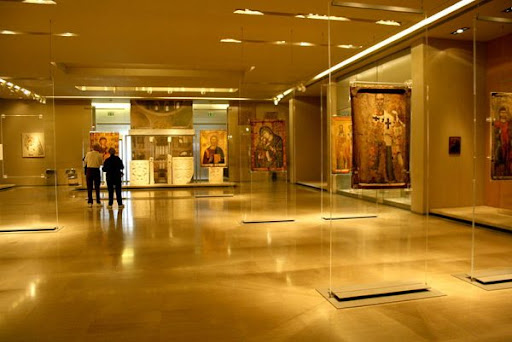
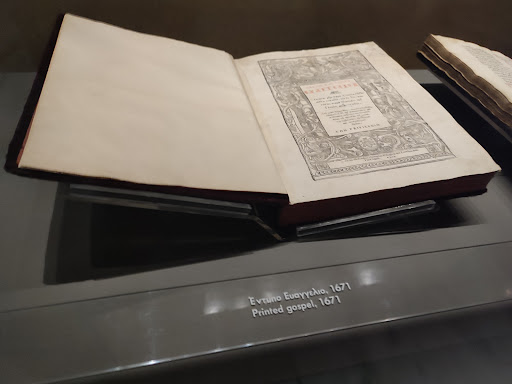
Museum of Byzantine Civilization things to do, attractions, restaurants, events info and trip planning
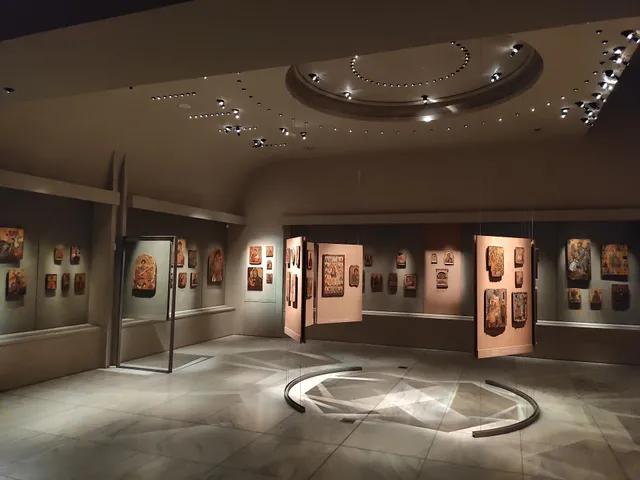
Basic Info
Museum of Byzantine Civilization
2, Leof. Stratou Avenue, 54640, Thessaloniki, Greece
4.6(2K)
Open until 12:00 AM


tickets
Save
spot
spot
Ratings & Description
Info
Cultural
Family friendly
Accessibility
attractions: Archaeological Museum of Thessaloniki, Alexander the Great Garden, OTE Tower, War Museum of Thessaloniki, Alexander the Great Statue, White Tower Museum, White Tower of Thessaloniki, MOMus-Macedonian Museum of Contemporary Art, YMCA Basket Museum, Arch of Galerius, restaurants: SKYLINE - OTE Tower, Pans and Grills, yellow bike, Raki Ouzeri, Today's Delicious Stores, Mikel, Dentro sto Bar, Kati Ap' Ola, Dos Margaritas, Cube* Coffee & more, local businesses: Museum of Byzantine Culture, University of Macedonia, White Tower Museum, Doukas Bougatsa, Molto Bene, Kritiko Pervoli, Greek natural, Egnatia 123, Holy Church of Panagia Dexia, Beer School Thessaloniki
 Learn more insights from Wanderboat AI.
Website
mbp.gr
Open hoursSee all hours
TueClosedOpen
Plan your stay

Pet-friendly Hotels in Municipality of Thessaloniki
Find a cozy hotel nearby and make it a full experience.

Affordable Hotels in Municipality of Thessaloniki
Find a cozy hotel nearby and make it a full experience.

The Coolest Hotels You Haven't Heard Of (Yet)
Find a cozy hotel nearby and make it a full experience.

Trending Stays Worth the Hype in Municipality of Thessaloniki
Find a cozy hotel nearby and make it a full experience.
Reviews
Live events
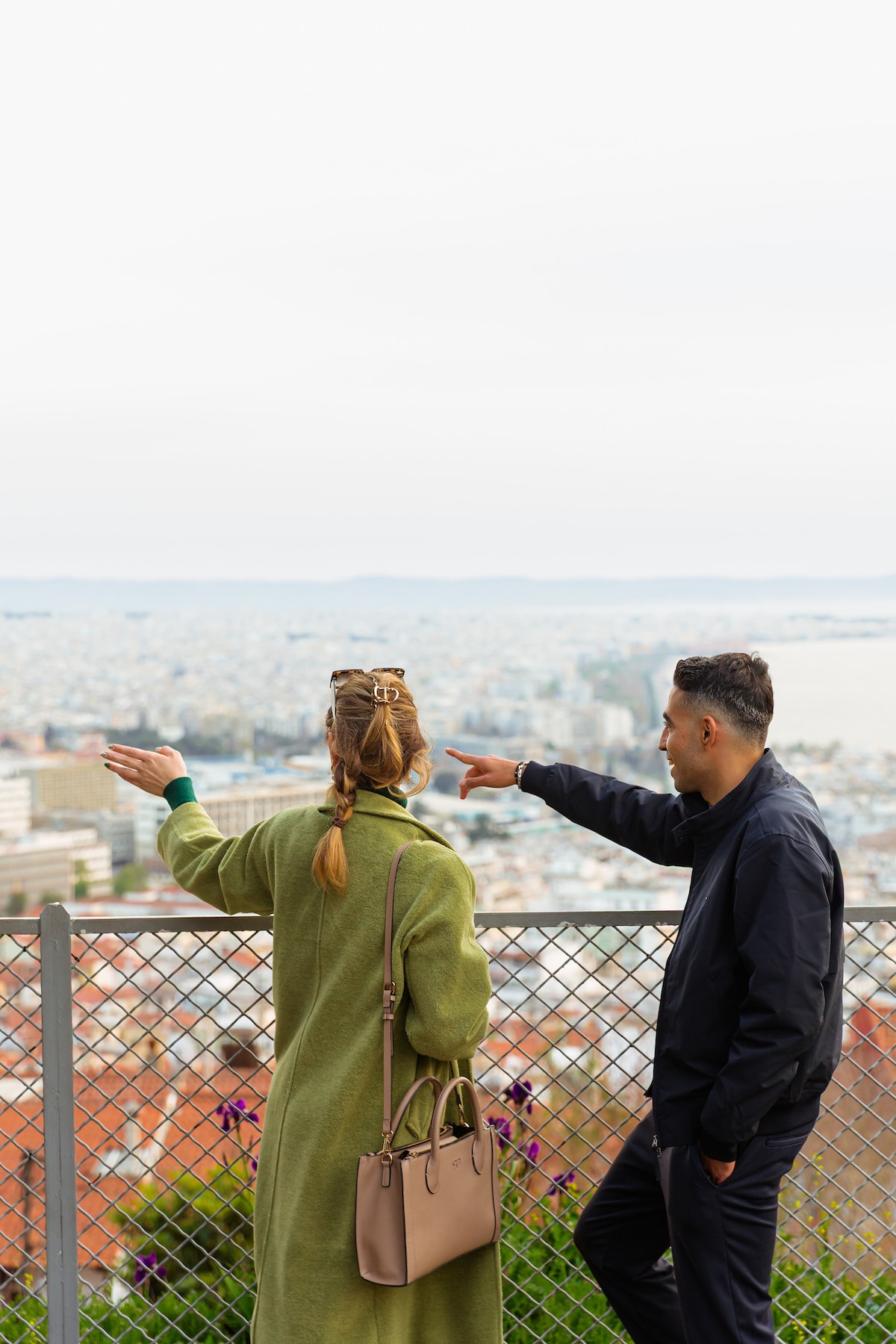
Thessaloniki walking tour-Greek language&Culture
Tue, Jan 27 • 10:30 AM
542 48, Thessaloniki, Greece
View details
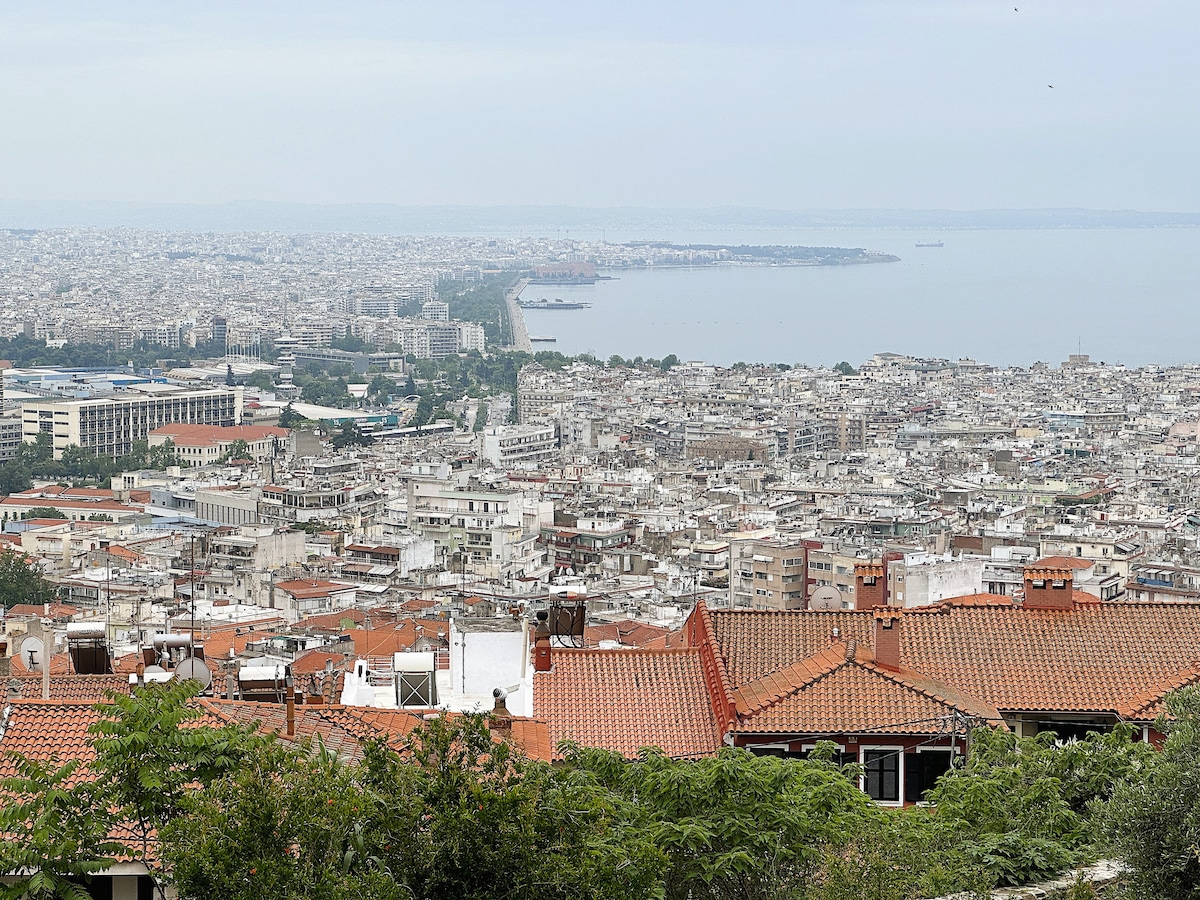
Old Town Tour: Culture-History-Myths-Nature
Tue, Jan 27 • 8:30 AM
546 34, Thessaloniki, Greece
View details
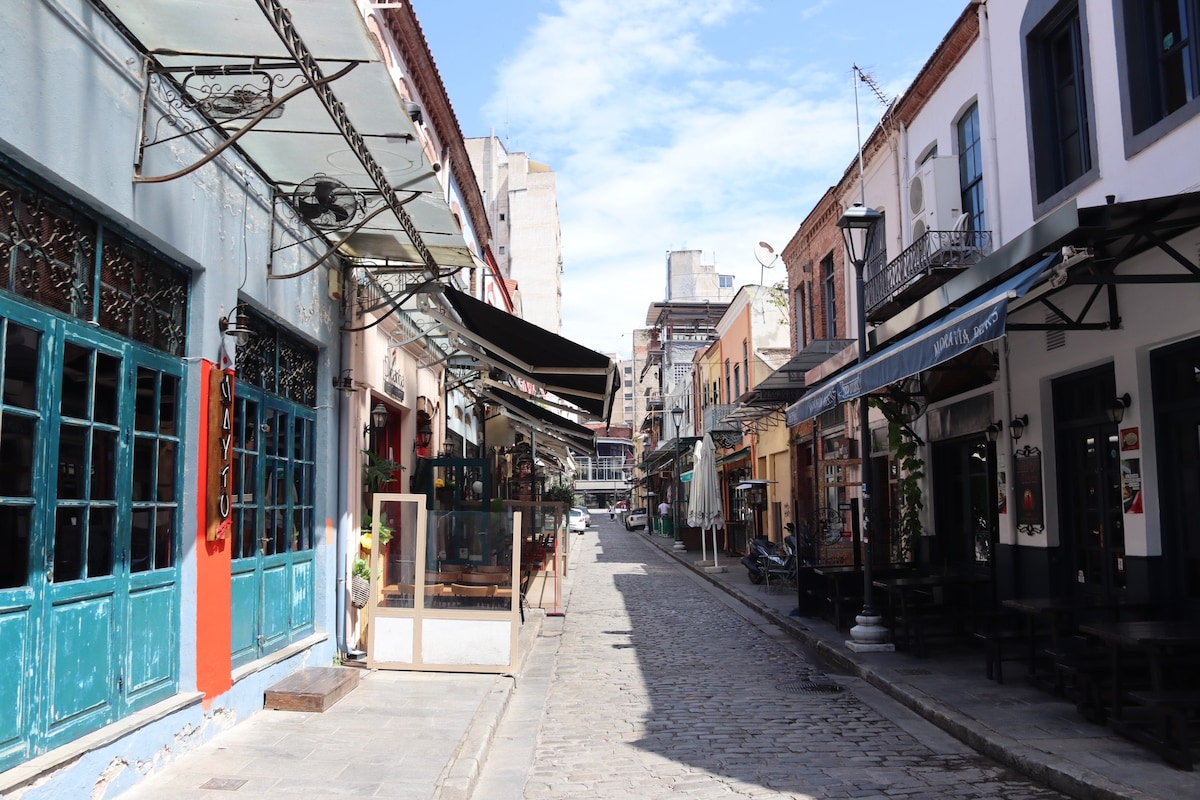
Explore Thessaloniki
Tue, Jan 27 • 12:30 PM
546 24, Thessaloniki, Greece
View details
Nearby attractions of Museum of Byzantine Civilization
Archaeological Museum of Thessaloniki
Alexander the Great Garden
OTE Tower
War Museum of Thessaloniki
Alexander the Great Statue
White Tower Museum
White Tower of Thessaloniki
MOMus-Macedonian Museum of Contemporary Art
YMCA Basket Museum
Arch of Galerius
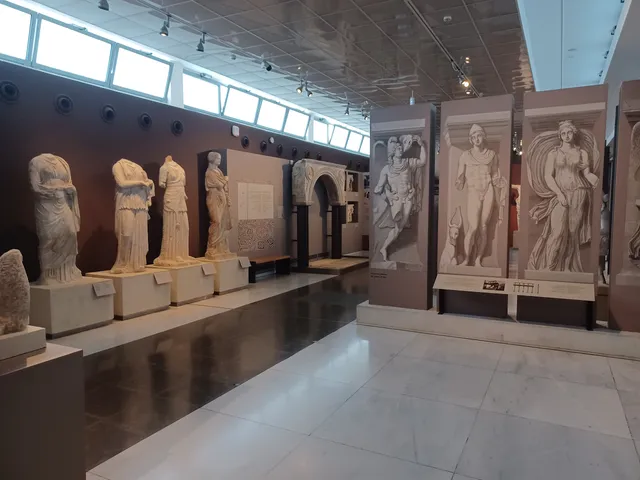
Archaeological Museum of Thessaloniki
4.7
(3.7K)
Open until 12:00 AM
Click for details
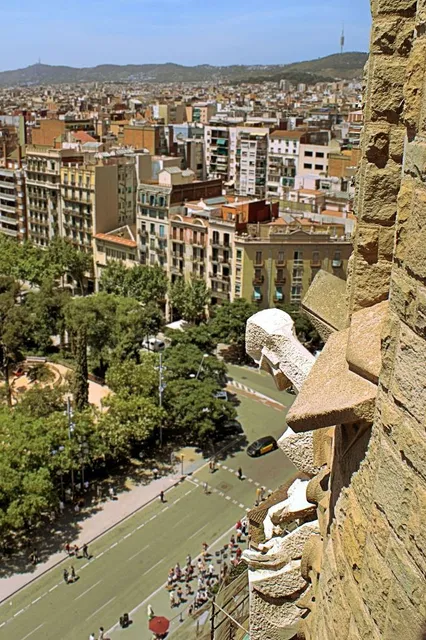
Alexander the Great Garden
4.7
(4.5K)
Open until 12:00 AM
Click for details
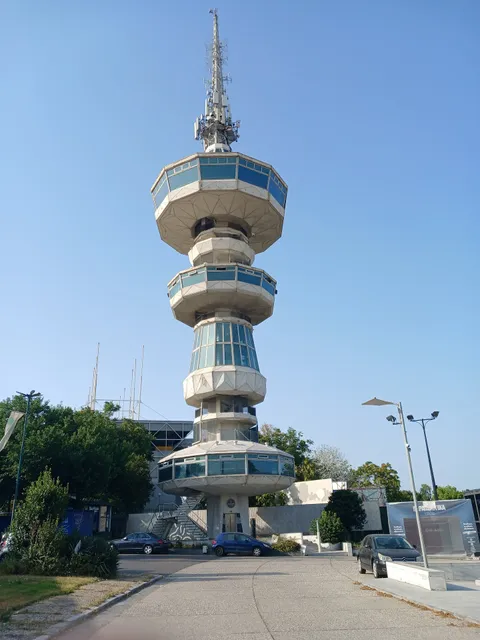
OTE Tower
4.6
(313)
Closed
Click for details
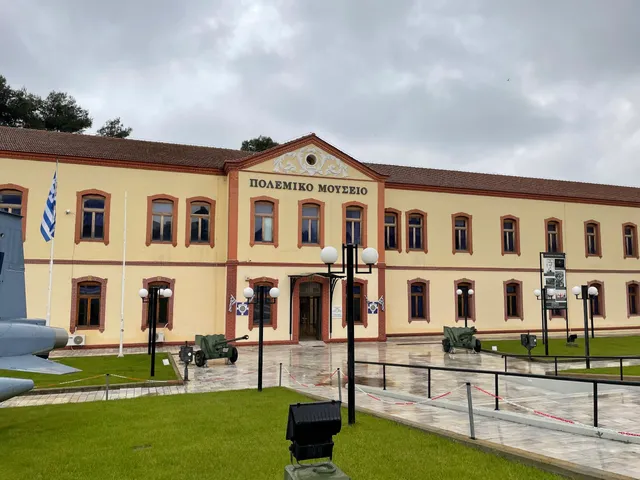
War Museum of Thessaloniki
4.7
(943)
Closed
Click for details
Nearby restaurants of Museum of Byzantine Civilization
SKYLINE - OTE Tower
Pans and Grills
yellow bike
Raki Ouzeri
Today's Delicious Stores
Mikel
Dentro sto Bar
Kati Ap' Ola
Dos Margaritas
Cube* Coffee & more
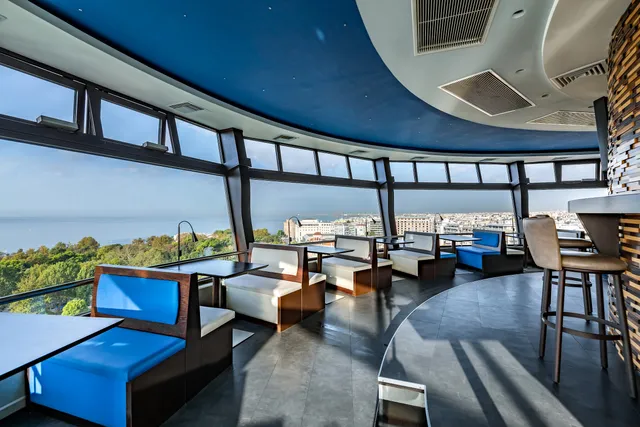
SKYLINE - OTE Tower
4.6
(2.1K)
Closed
Click for details
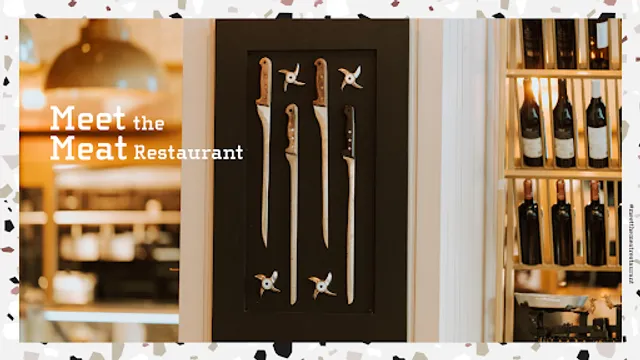
Pans and Grills
4.3
(1.1K)
Closed
Click for details
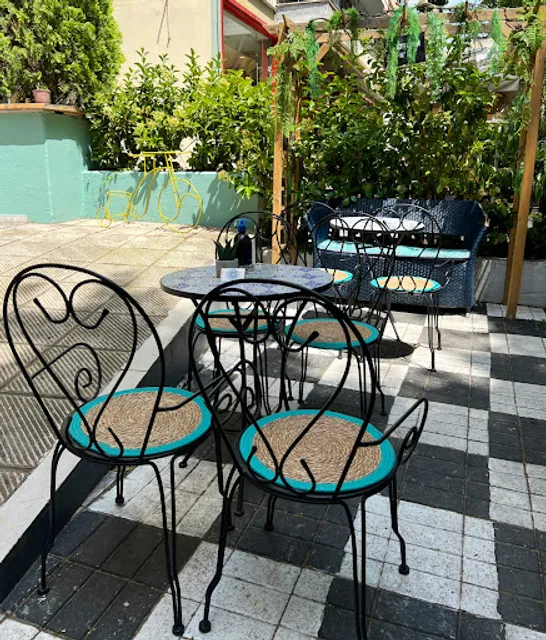
yellow bike
4.5
(1.3K)
Closed
Click for details
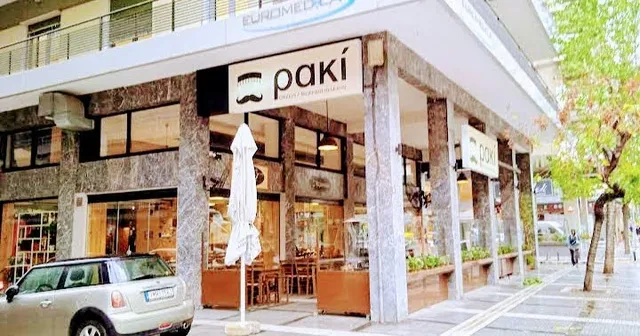
Raki Ouzeri
4.6
(1.2K)
Closed
Click for details
Nearby local services of Museum of Byzantine Civilization
Museum of Byzantine Culture
University of Macedonia
White Tower Museum
Doukas Bougatsa
Molto Bene
Kritiko Pervoli
Greek natural
Egnatia 123
Holy Church of Panagia Dexia
Beer School Thessaloniki
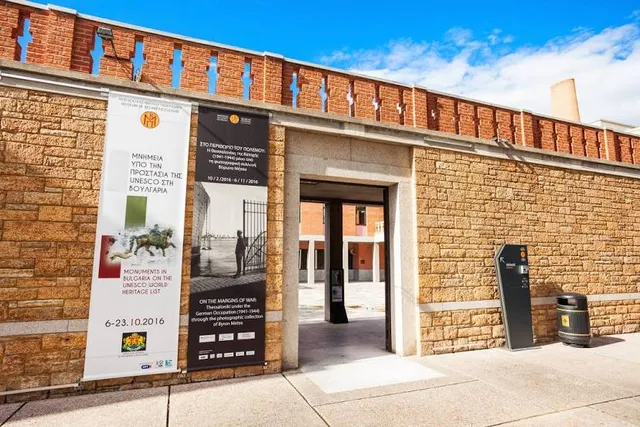
Museum of Byzantine Culture
4.7
(1.4K)
Click for details
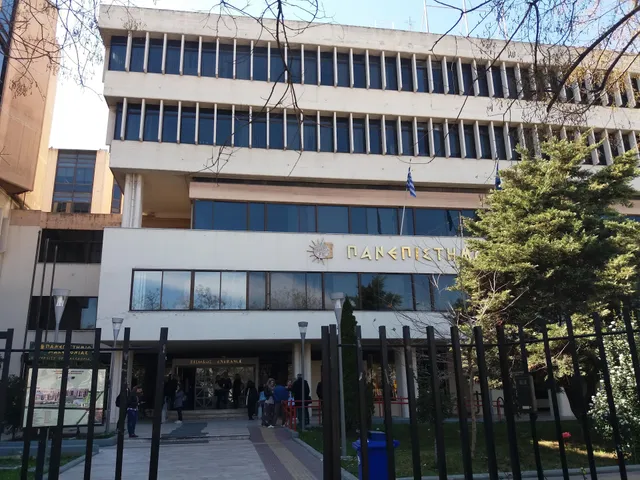
University of Macedonia
4.4
(259)
Click for details
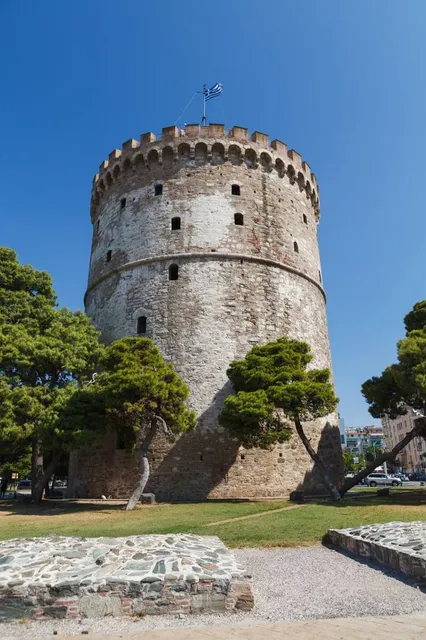
White Tower Museum
4.6
(872)
Click for details
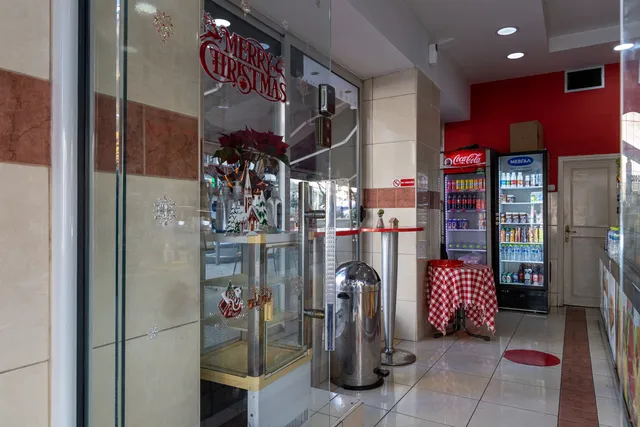
Doukas Bougatsa
4.7
(104)
Click for details