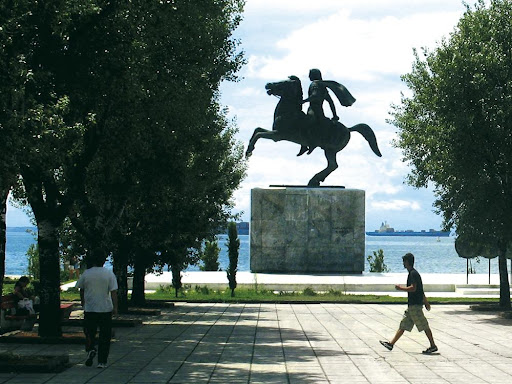
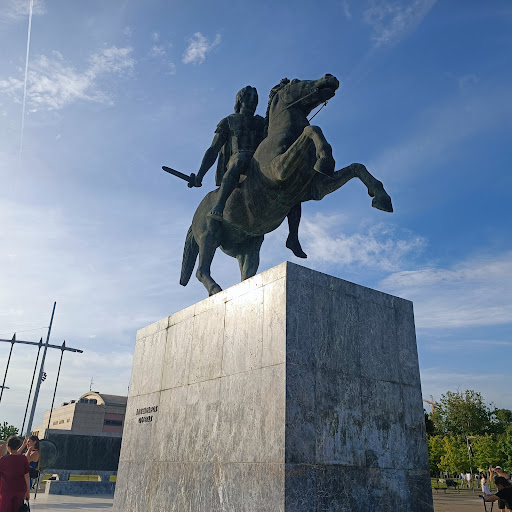
Alexander the Great Statue things to do, attractions, restaurants, events info and trip planning
Basic Info
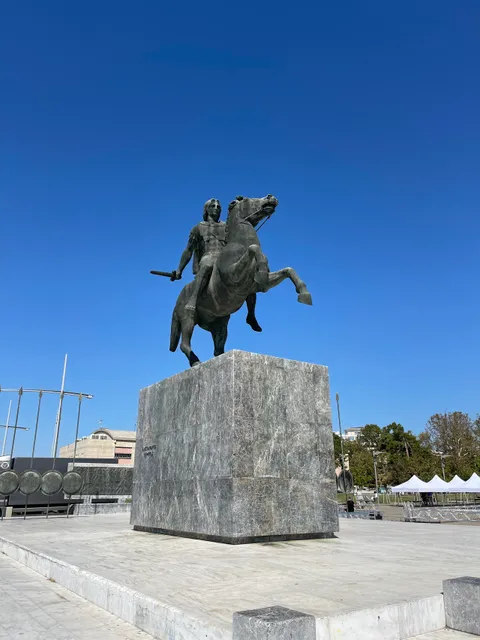
Alexander the Great Statue
Μέγας Αλέξανδρος, Thessaloniki 546 21, Greece
4.8(1.0K)
Open 24 hours
Save
spot
spot
Ratings & Description
Info
Cultural
Scenic
Family friendly
Accessibility
attractions: Alexander the Great Garden, White Tower of Thessaloniki, Archaeological Museum of Thessaloniki, White Tower Museum, Museum of Byzantine Civilization, YMCA Basket Museum, OTE Tower, MOMus-Macedonian Museum of Contemporary Art, Thessaloniki History Center, Palace of Galerius, restaurants: Théatro Café, Ovál, Bougatsa Giannis, Padrino, Youkali, EFHMERIDA SKG, SKYLINE - OTE Tower, Thermaikos Garden, Today's, PSISOU barbecue, local businesses: White Tower Museum, Museum of Byzantine Culture, Leof. Stratou 3, Doukas Bougatsa, Kritiko Pervoli, Beer School Thessaloniki, Trigona Elenidis (Κέντρο), Galyfianakis, Greek natural, Holy Metropolitan Church of Saint Gregory Palamas
 Learn more insights from Wanderboat AI.
Plan your stay

Pet-friendly Hotels in Municipality of Thessaloniki
Find a cozy hotel nearby and make it a full experience.

Affordable Hotels in Municipality of Thessaloniki
Find a cozy hotel nearby and make it a full experience.

The Coolest Hotels You Haven't Heard Of (Yet)
Find a cozy hotel nearby and make it a full experience.

Trending Stays Worth the Hype in Municipality of Thessaloniki
Find a cozy hotel nearby and make it a full experience.
Reviews
Live events

Your Personal Photographer in Thessaloniki
Thu, Feb 26 • 8:30 AM
546 35, Thessaloniki, Greece
View details
Old Town Tour: Culture-History-Myths-Nature
Fri, Feb 27 • 8:30 AM
546 34, Thessaloniki, Greece
View details
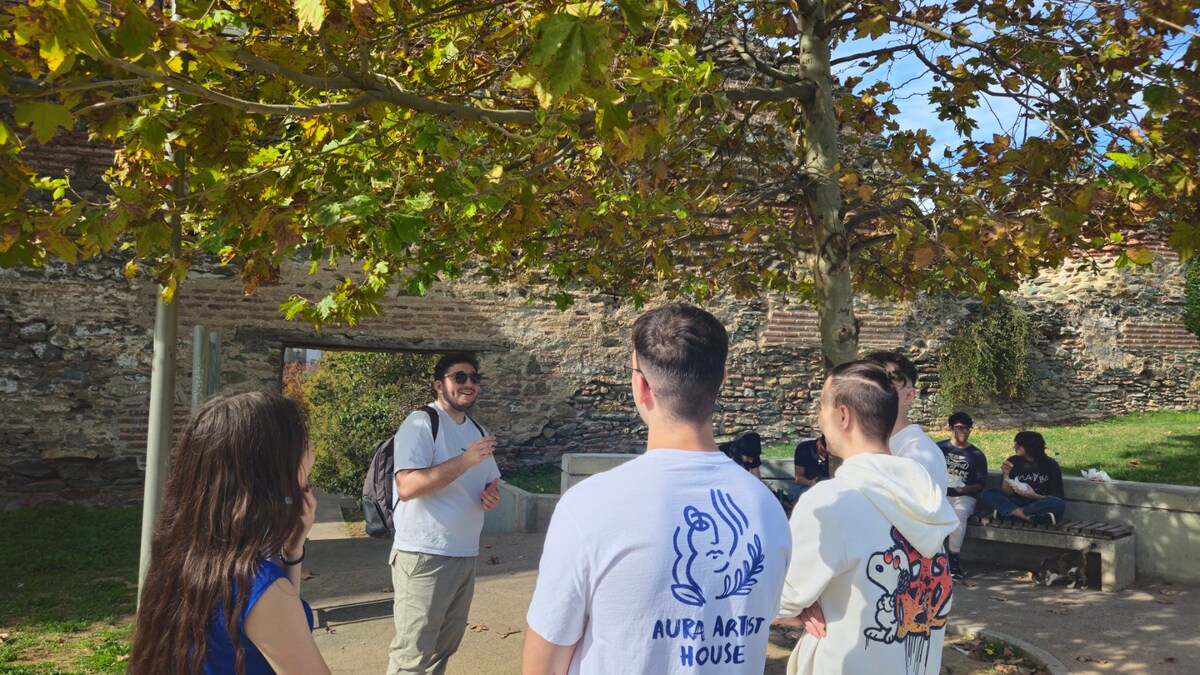
Walk with me and Uncover the city’s Long History
Thu, Feb 26 • 12:30 PM
546 22, Thessaloniki, Greece
View details
Nearby attractions of Alexander the Great Statue
Alexander the Great Garden
White Tower of Thessaloniki
Archaeological Museum of Thessaloniki
White Tower Museum
Museum of Byzantine Civilization
YMCA Basket Museum
OTE Tower
MOMus-Macedonian Museum of Contemporary Art
Thessaloniki History Center
Palace of Galerius
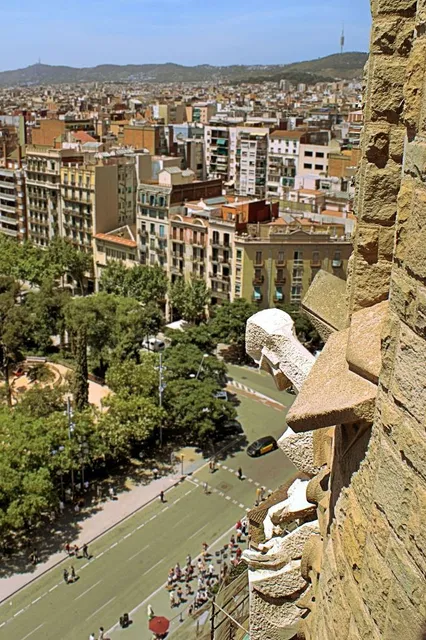
Alexander the Great Garden
4.7
(4.8K)
Open until 12:00 AM
Click for details
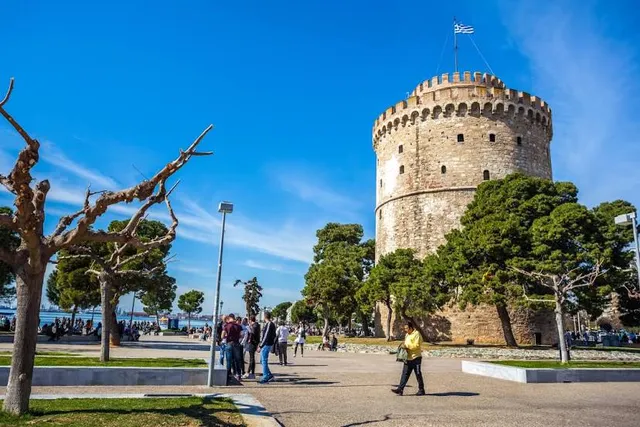
White Tower of Thessaloniki
4.7
(21.6K)
Closed
Click for details
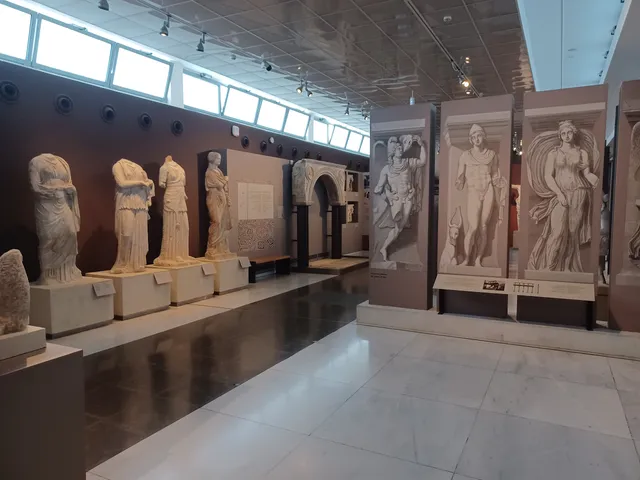
Archaeological Museum of Thessaloniki
4.7
(3.6K)
Open until 12:00 AM
Click for details
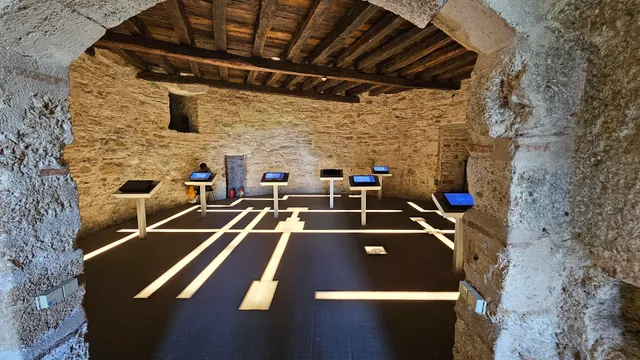
White Tower Museum
4.6
(964)
Closed
Click for details
Nearby restaurants of Alexander the Great Statue
Théatro Café
Ovál
Bougatsa Giannis
Padrino
Youkali
EFHMERIDA SKG
SKYLINE - OTE Tower
Thermaikos Garden
Today's
PSISOU barbecue
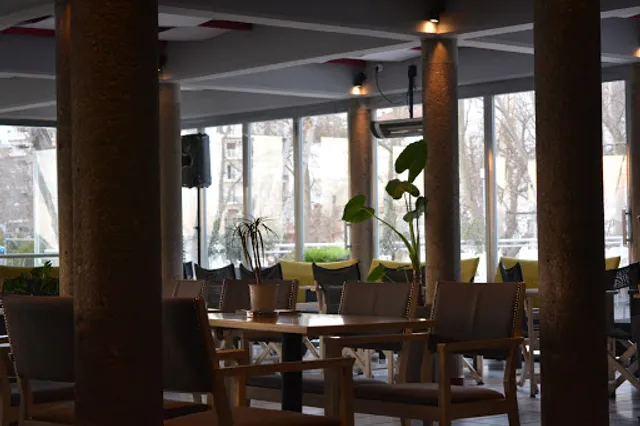
Théatro Café
4.1
(272)
Open until 2:00 AM
Click for details
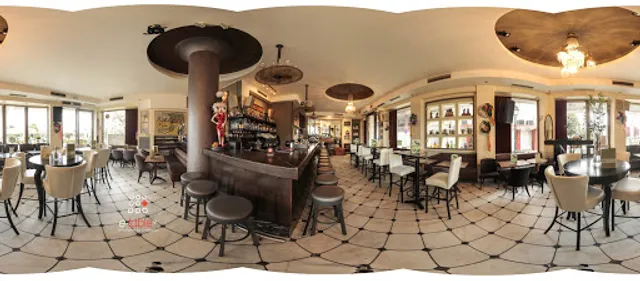
Ovál
4.3
(1.1K)
$$
Open until 2:00 AM
Click for details
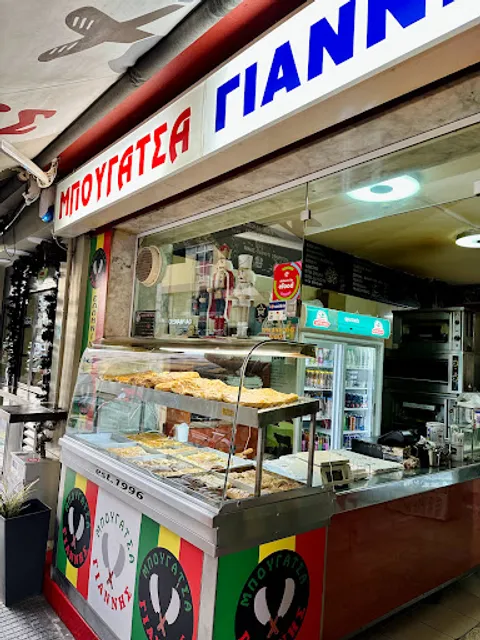
Bougatsa Giannis
4.6
(2.2K)
Open until 3:00 PM
Click for details

Padrino
4.3
(1.4K)
Open until 1:30 AM
Click for details
Nearby local services of Alexander the Great Statue
White Tower Museum
Museum of Byzantine Culture
Leof. Stratou 3
Doukas Bougatsa
Kritiko Pervoli
Beer School Thessaloniki
Trigona Elenidis (Κέντρο)
Galyfianakis
Greek natural
Holy Metropolitan Church of Saint Gregory Palamas
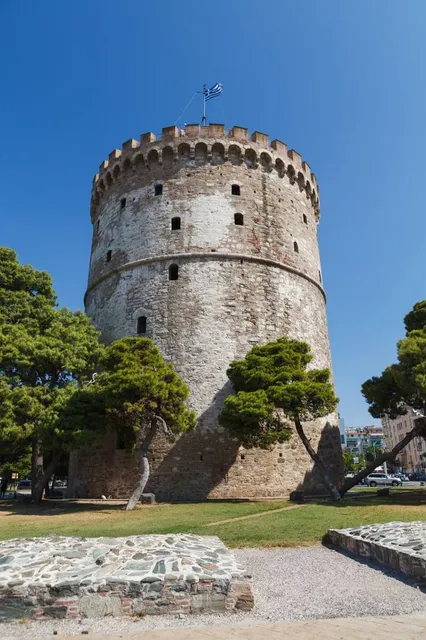
White Tower Museum
4.6
(905)
Click for details
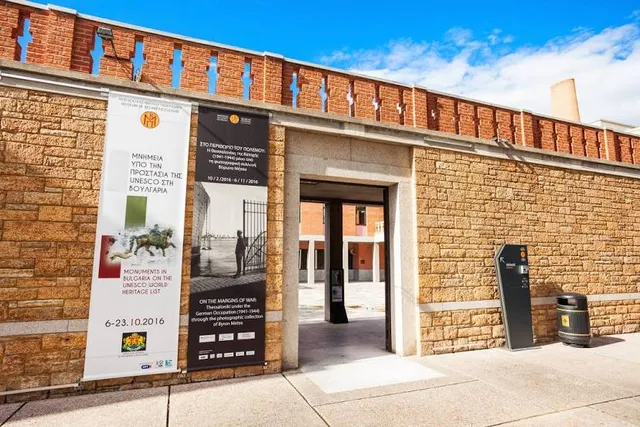
Museum of Byzantine Culture
4.7
(1.5K)
Click for details
Leof. Stratou 3
4.1
(221)
Click for details
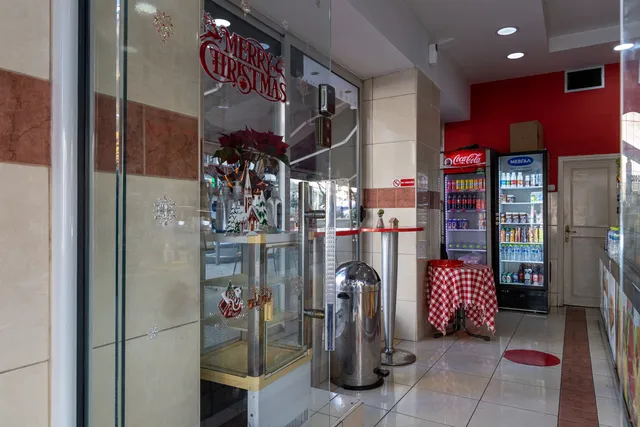
Doukas Bougatsa
4.7
(101)
Click for details