Cubbon Park, located in the heart of Bangalore, Karnataka, is one of the city’s most beloved green spaces. Spanning approximately 300 acres, it is a verdant oasis offering a blend of natural beauty, historical significance, and recreational facilities. Here’s a detailed review of Cubbon Park:
Location and Accessibility Cubbon Park is centrally located in Bangalore, making it easily accessible from various parts of the city. It is bounded by prominent roads such as Kasturba Road, Hudson Circle, and MG Road, and is well-connected by public transport, including the Bangalore Metro with the Cubbon Park station nearby.
Historical Significance Established in 1870 by Sir John Meade, the acting Commissioner of Mysore, and initially named Meade's Park, it was later renamed in honor of Sir Mark Cubbon, the longest-serving commissioner of Mysore. The park reflects the rich colonial history and has been an integral part of Bangalore’s cultural and social life.
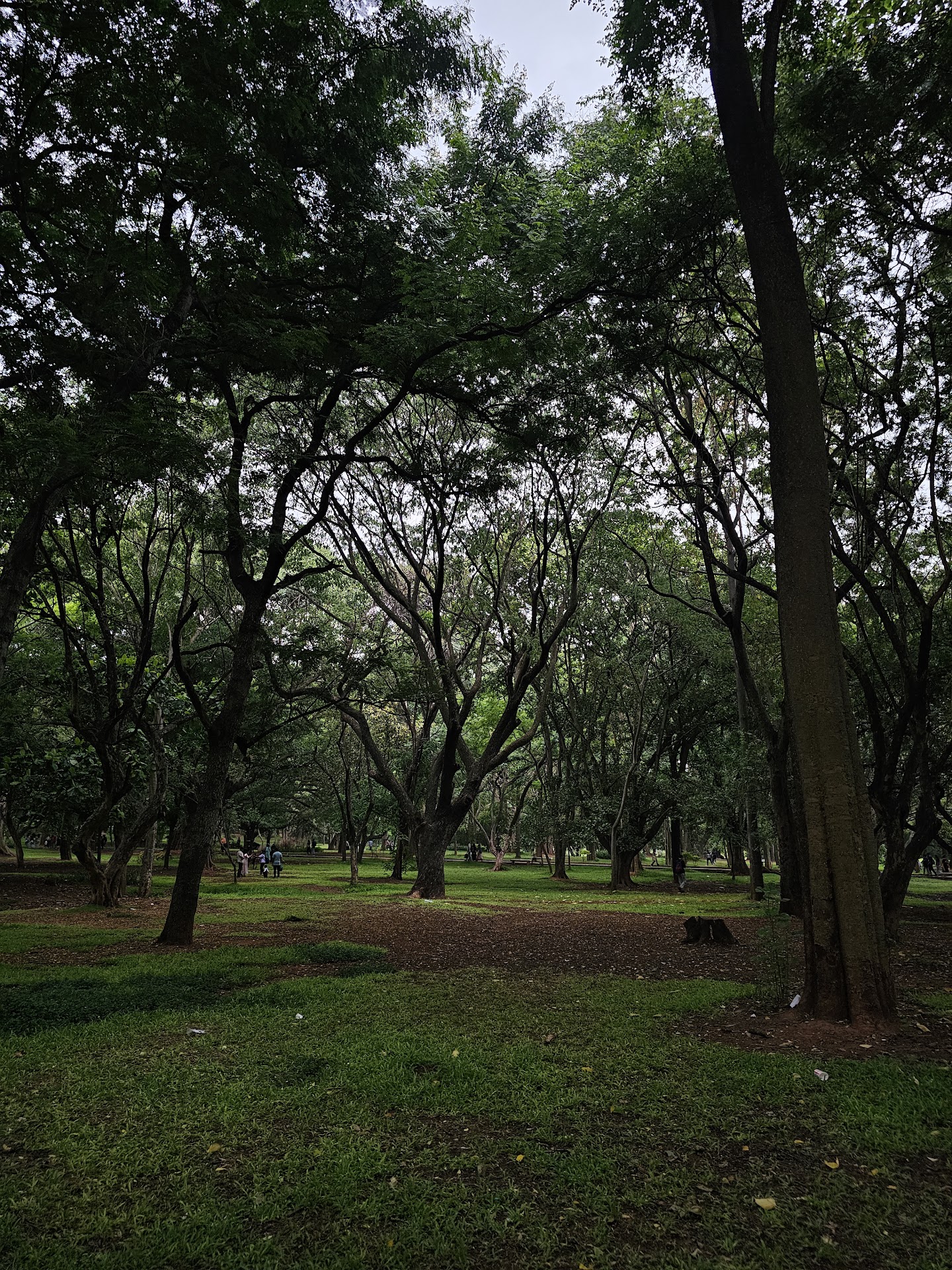
Landscape and Flora Cubbon Park is characterized by its sprawling lawns, groves of trees, and ornamental flowerbeds. The park boasts a diverse range of flora, including over 6,000 species of plants and trees. Notable species include the majestic Gulmohar, the graceful Silver Oak, and various indigenous and exotic plants that provide a lush canopy and colorful displays throughout the year.
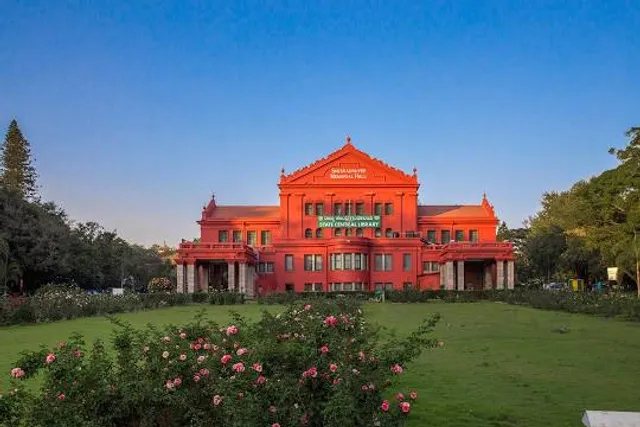
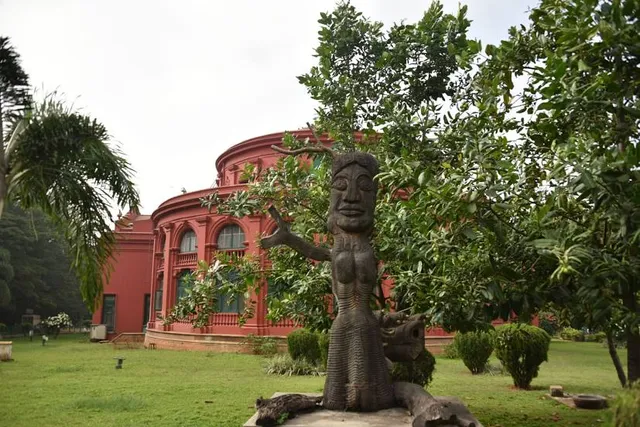
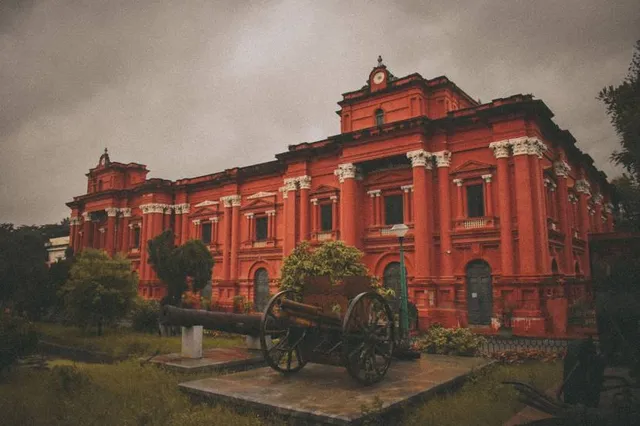
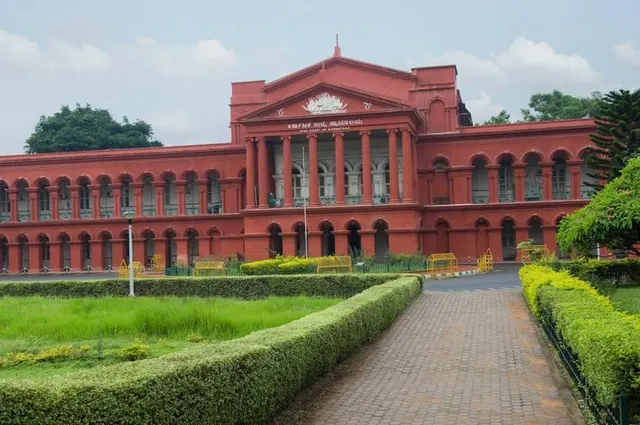
Architectural Highlights The park is home to several iconic buildings and statues, blending natural beauty with architectural splendor: Attara Kacheri: This red Gothic-style building houses the Karnataka High Court and is one of the park’s architectural landmarks. State Central Library: With its striking red facade and classic architecture, the library is a prominent feature within the park. Statues and Memorials: The park features statues of notable figures such as Queen Victoria, King Edward VII, and Sir Mark Cubbon, adding historical value to the landscape.
Activities and Attractions Cubbon Park offers a variety of activities and attractions for visitors of all ages: Walking and Jogging: The park’s extensive pathways are ideal for morning jogs, leisurely walks, and cycling. Boating: The small but scenic lake offers boating facilities, adding to the park’s charm. Children’s Play Area: A dedicated play area with swings, slides, and other equipment ensures that young visitors have plenty of entertainment. Dog Park: A designated area for dog owners to let their pets play and socialize. Bandstand: An iconic spot for cultural events and concerts, often hosting music performances and public gatherings. Bangalore Aquarium: Located within the park, this is India’s second-largest aquarium, featuring a variety of freshwater fish.
Visitor Experience Cubbon Park is open to the public from early morning until late evening, with no entry fee, making it a popular spot for daily visitors and tourists alike. The park is well-maintained, with clean pathways and ample seating areas. Food vendors and small kiosks provide refreshments, and the park’s serene environment offers a respite from the bustling city.
Conservation and Environmental Importance Cubbon Park plays a crucial role in Bangalore’s urban ecosystem, providing a green lung in the city’s center. It helps in reducing air pollution, maintaining biodiversity, and offering a habitat for various bird species and small wildlife. The park’s management and conservation efforts focus on preserving its natural beauty and historical significance.
Conclusion Cubbon Park is more than just a public park; it is a historical and cultural landmark that offers a peaceful retreat amidst the urban sprawl of Bangalore. Its lush greenery, historical monuments, and recreational facilities make it a must-visit destination for locals and tourists. Whether for a morning jog, a family picnic, or a leisurely stroll, Cubbon Park provides a serene and enriching experience for...
Read moreI went to Cubbon Park because I wished to breathe deliberately, to gaze upon trees rather than towers, and to see if I could not learn what Nature had still to teach in the midst of a growing metropolis. It is a curious thing—to find such stillness surrounded by so much motion. Here in the heart of Bangalore, hemmed in by the rhythm of engines and the heavy tread of hurried feet, lies a plot of earth that whispers to the quieter parts of the soul.
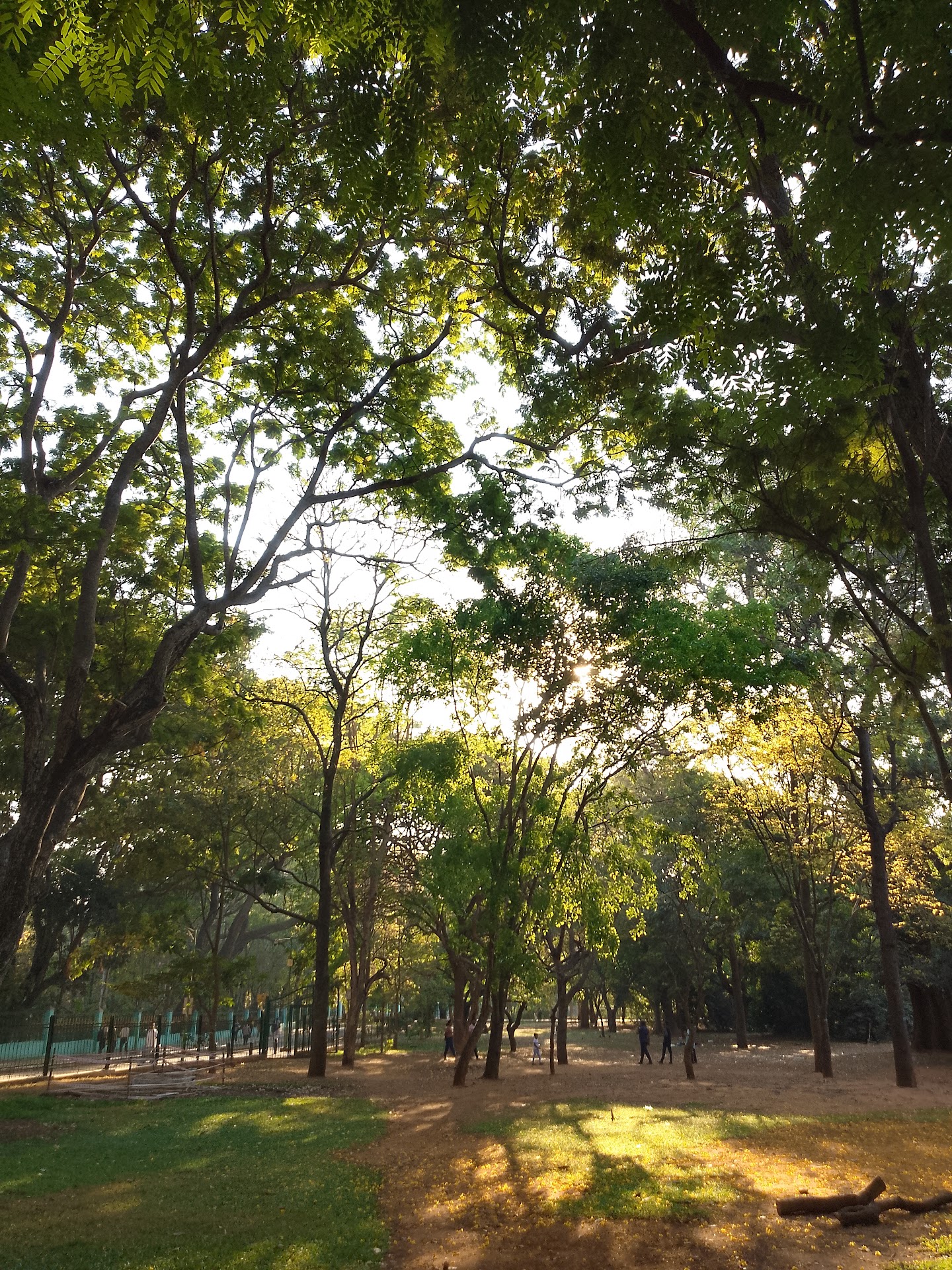
The moment my feet met the gravel of its paths, I felt the din of the world withdraw from my shoulders like a garment too heavily worn. Towering trees stood in noble silence, their limbs arching over the walkways like cathedral vaults, filtering the sunlight into a mosaic of green and gold. There was an honesty to the air there—an integrity absent from the avenues of commerce and distraction.
I found it pleasing, this society of trees. They spoke not in the language of man, but in a dialect of leaves and rustling branches. Each one bore the wisdom of a different age: the Banyan with its grand, rooted presence; the Jacaranda scattering blue blossoms like fallen thoughts; the Gulmohar aflame in contemplation. These were not mere ornaments of a city’s planning, but living histories, older and more enduring than the walls and wires that encircled them.
There is biodiversity here, yes—but more than that, there is diversity of mood. Squirrels dart through the underbrush like fleeting ideas. Birds converse without demand, parakeets and bulbuls and mynas alike offering melodies not composed for applause, but because the morning calls for them. Nature, when unhurried, reveals itself not as spectacle but as scripture.
The park, especially in the aftermath of rain, becomes a hymn. The scent of wet earth, the sheen upon the leaves, the quiet drip of water gathering in the crooks of bark—these are not incidental occurrences, but moments of revelation. In those times, the world seems to exhale, and if you listen closely, so might you.
The paths are gentle and giving, inviting not only footsteps but reflection. I watched others as they passed: the jogger pacing with rhythmic resolve, the child trailing behind an unseen game, the elder pausing upon a bench as if in conference with the trees. Each seemed less burdened here, as though this place allowed them to forget themselves just enough to remember something deeper.
There is, in a shaded corner, an enclave of old trees I call the Old Bangalore Grove. Their trunks are wide and weathered, roots like frozen rivers running through the soil. To stand among them is to feel the city not as it is, but as it once was, and perhaps as it might yet be again if we are gentle enough.
It is not only the natural beauty that recommends Cubbon Park, but the care with which it is kept. Litter is rare, paths are swept, and flowers tended. It is not a wilderness, nor is it meant to be. It is a pact between nature and man, upheld with dignity.
And though it sits in the middle of the city, it feels apart from it, as though time slows its gait upon entering. I would advise the morning or the evening for one’s visit—when the light is kind and the mind is most open.
Cubbon Park is not a destination; it is a reminder. That we belong still to the earth, that beauty remains available to those who will look, and that even in the crush of urban life, the soul may...
Read moreCubbon Park in Bangalore is a sprawling green oasis in the heart of the city. It offers a serene escape with its well-maintained lawns, diverse flora, and walking paths. The park's historical monuments, like the State Central Library and Attara Kacheri, add cultural significance. However, occasional crowding can affect the tranquility. Overall, it's a refreshing retreat for nature lovers and those seeking a break from urban hustle.
Cubbon Park, located in the heart of Bangalore, is a prominent and historic urban park that has long been a favorite among locals and tourists alike. Spread over 300 acres, the park is a green haven amidst the bustling cityscape. Here's a detailed review:
Lush Greenery: The park boasts lush greenery with a variety of trees, plants, and vibrant flowers. The well-maintained lawns provide a perfect setting for picnics, casual strolls, or simply unwinding amidst nature. The expansive green cover makes it a refreshing escape from the city's concrete jungle.
Botanical Variety: Cubbon Park is home to a diverse range of plant species, including exotic and indigenous varieties. Tree-lined avenues, such as the famous bamboo grove, offer a scenic backdrop for visitors. The park's botanical wealth makes it a treat for nature enthusiasts and those interested in horticulture.
Historical Monuments: The park houses several historical monuments and structures. The iconic State Central Library and Attara Kacheri (High Court) stand as reminders of Bangalore's colonial past. Exploring these architectural gems adds a cultural and historical dimension to the park visit.
Walking and Jogging Tracks: For fitness enthusiasts, Cubbon Park provides well-laid-out walking and jogging tracks. These paths wind through the park, providing a serene environment for morning or evening workouts. The shaded trails offer respite from the sun, making it an ideal spot for outdoor exercise.
Children's Play Areas: Families with children can make use of the dedicated play areas within the park. These spaces feature playground equipment, creating a safe and enjoyable environment for kids to play and have fun.
Occasional Events: Cubbon Park serves as a venue for various cultural events, exhibitions, and festivals. The open spaces become lively hubs during such occasions, attracting diverse crowds. Checking the park's event calendar can lead to unique and engaging experiences.
Crowd Dynamics: While Cubbon Park is known for its tranquility, it can get crowded, especially during weekends and public holidays. The popularity of the park means that visitors might encounter varying levels of noise and activity, impacting those seeking a quieter experience.
Maintenance: The park is generally well-maintained, but occasional issues with litter and cleanliness may arise, especially during peak visitor times. The authorities' efforts to address these concerns contribute to the overall upkeep...
Read more