Museum of Art & Photography (MAP) things to do, attractions, restaurants, events info and trip planning
Basic Info
Museum of Art & Photography (MAP)
XHFW+RP8, 22, Kasturba Rd, Shanthala Nagar, Ashok Nagar, Bengaluru, Karnataka 560001, India
4.5(1.1K)
Open until 12:00 AM

tickets
Save
spot
spot
Ratings & Description
Info
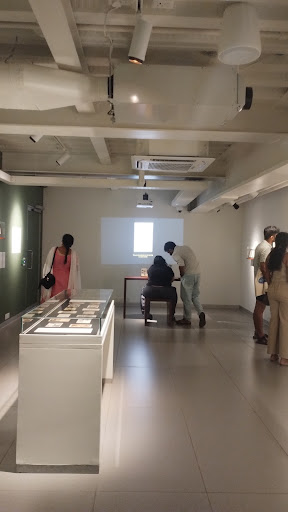
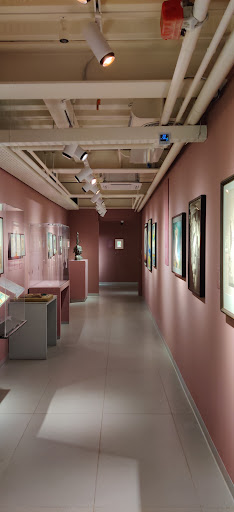
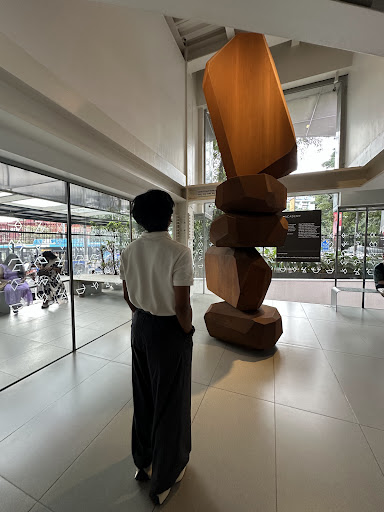
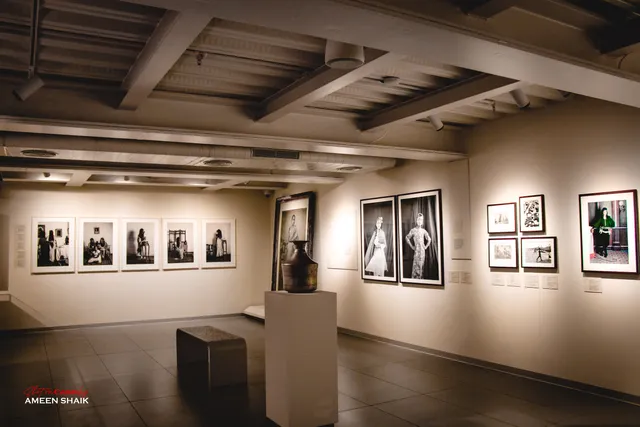
The Museum of Art and Photography is a private art museum based in Bangalore, India that is a custodian to a collection of Indian art, textiles, photography, craft, and design objects spanning from the twelfth century to the present. MAP opened its doors to the public on 18th February, 2023 as a private art museum.
Cultural
Entertainment
Relaxation
Family friendly
Accessibility
Luxury
attractions: Visvesvaraya Industrial & Technological Museum, Government Museum, Cubbon Park, Department of Archaeology and Museums, Government Aquarium, Gallery G, C.S.I St. Mark's Cathedral, Shri Chamarajendra park playground, Queen Victoria Statue, Mahatma Gandhi Park, restaurants: Sozo Skyline, Botany Brew and Kitchen, The Rice Bowl- Lavelle road, Shiro Bengaluru, ZEST by Southern Star Bengaluru, JW Kitchen, Sanchez, Öz by Kebapçi, The Biere Club | Lavelle Road, Smoke House Deli Lavelle Road, local businesses: UB City, Venkatappa Art Gallery Bengaluru, Prestige Kingfisher Towers, Tasveer, Hamleys- The finest toy shop in the world, Forest Essentials, High Court of Karnataka, Fitness, Vidhana Soudha, Amoeba - HM Leisure
 Learn more insights from Wanderboat AI.
Phone
+91 80 6933 4100
Website
map-india.org
Open hoursSee all hours
MonClosedOpen
Plan your stay

Pet-friendly Hotels in Bengaluru
Find a cozy hotel nearby and make it a full experience.

Affordable Hotels in Bengaluru
Find a cozy hotel nearby and make it a full experience.

The Coolest Hotels You Haven't Heard Of (Yet)
Find a cozy hotel nearby and make it a full experience.

Trending Stays Worth the Hype in Bengaluru
Find a cozy hotel nearby and make it a full experience.
Reviews
Live events
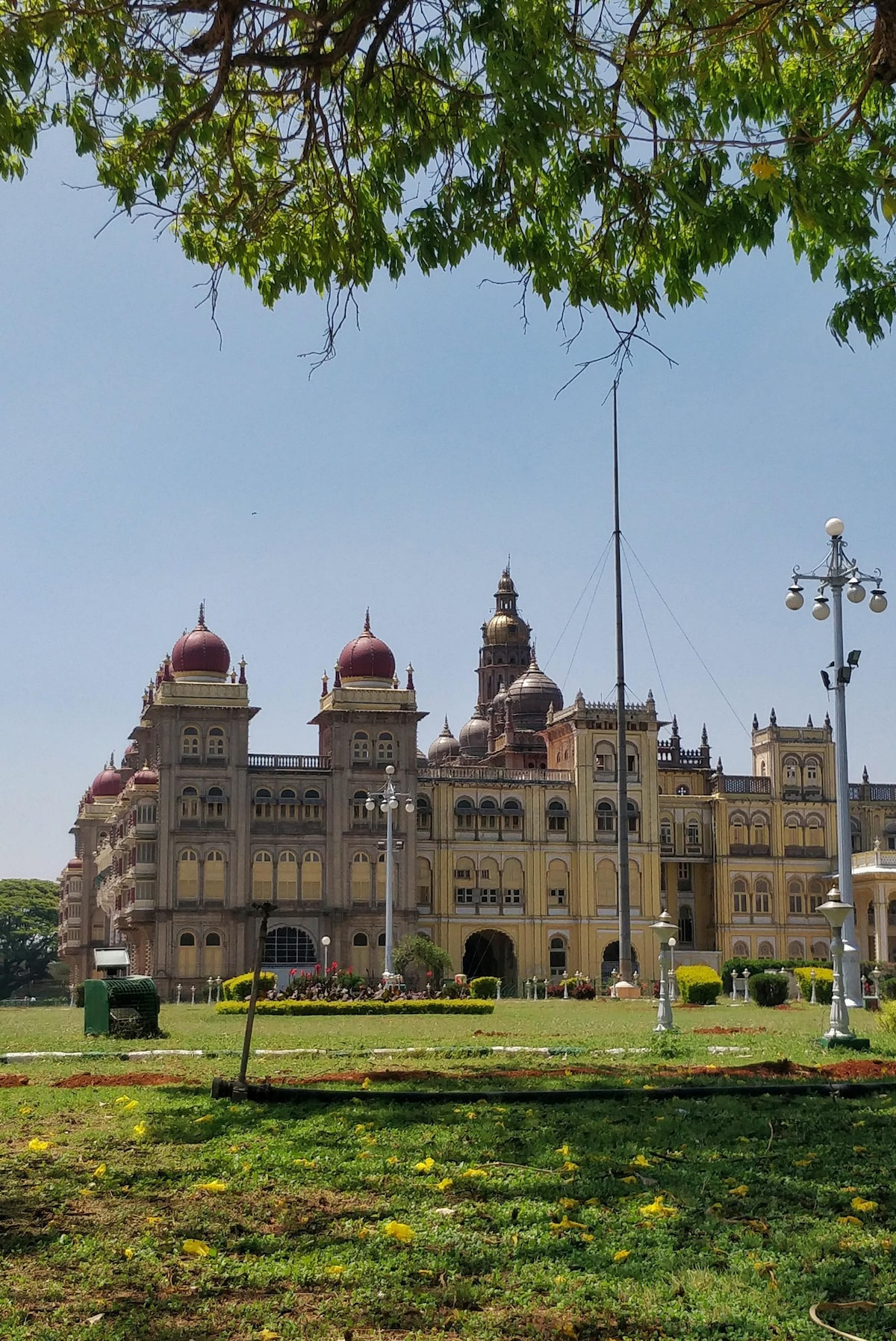
Day tour: Mysore from Bangalore with Lunch
Wed, Jan 28 • 8:00 AM
Bengaluru, Karnataka, 560001, India
View details
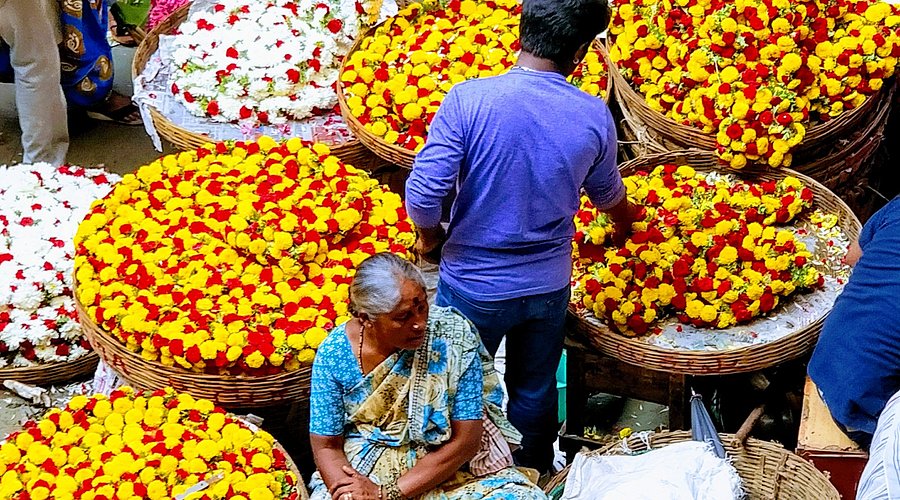
Explore Halasurus cultural sites
Mon, Jan 26 • 8:45 AM
Bengaluru, Karnataka, 560008, India
View details
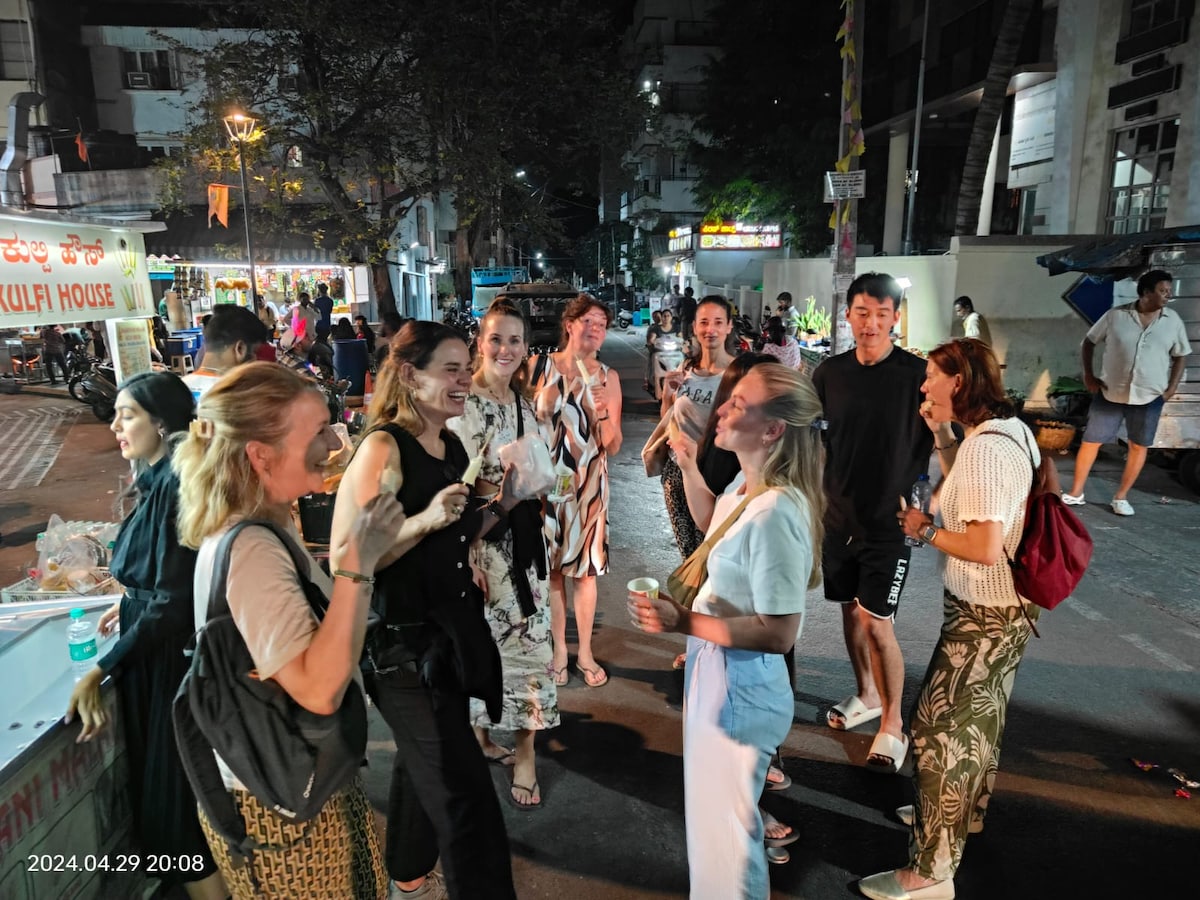
Street Food Tour near a Local Market in Bangalore
Mon, Jan 26 • 7:00 PM
Bengaluru, Karnataka, 560040, India
View details
Nearby attractions of Museum of Art & Photography (MAP)
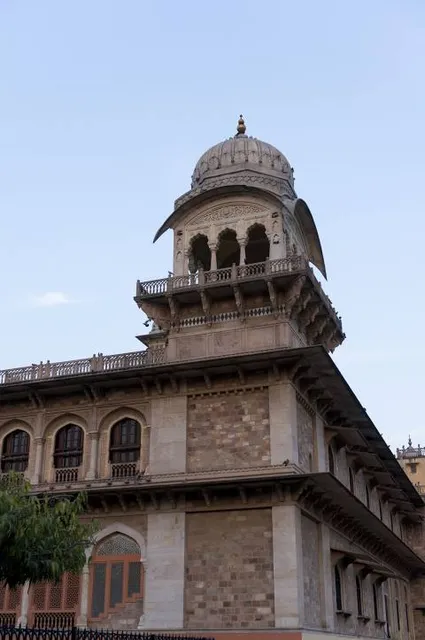
Visvesvaraya Industrial & Technological Museum
Government Museum
Cubbon Park
Department of Archaeology and Museums
Government Aquarium
Gallery G
C.S.I St. Mark's Cathedral
Shri Chamarajendra park playground
Queen Victoria Statue
Mahatma Gandhi Park
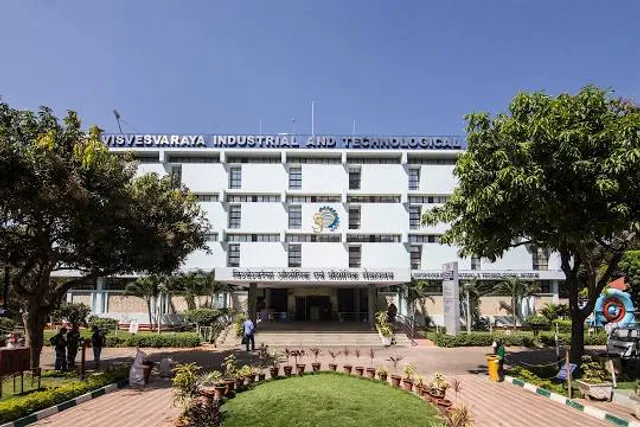
Visvesvaraya Industrial & Technological Museum
4.6
(6.5K)
Closed
Click for details
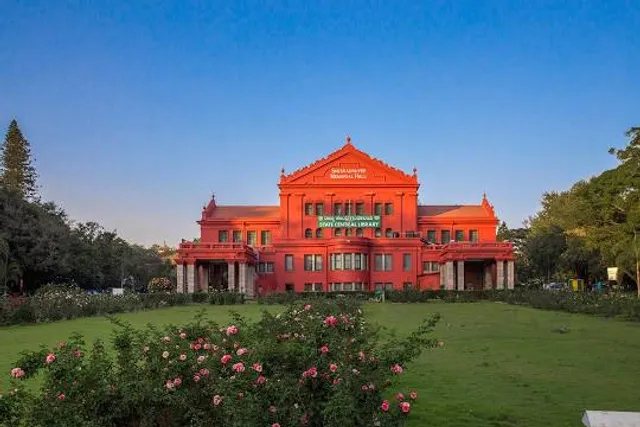
Government Museum
4.2
(622)
Open 24 hours
Click for details
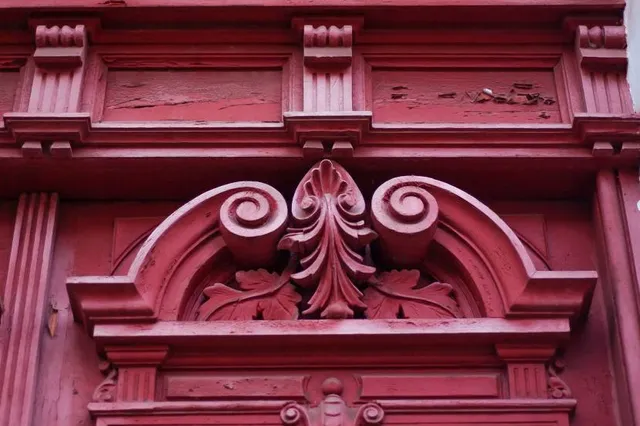
Cubbon Park
4.4
(46.8K)
Open until 12:00 AM
Click for details
Department of Archaeology and Museums
4.3
(426)
Open until 12:00 AM
Click for details
Nearby restaurants of Museum of Art & Photography (MAP)
Sozo Skyline
Botany Brew and Kitchen
The Rice Bowl- Lavelle road
Shiro Bengaluru
ZEST by Southern Star Bengaluru
JW Kitchen
Sanchez
Öz by Kebapçi
The Biere Club | Lavelle Road
Smoke House Deli Lavelle Road
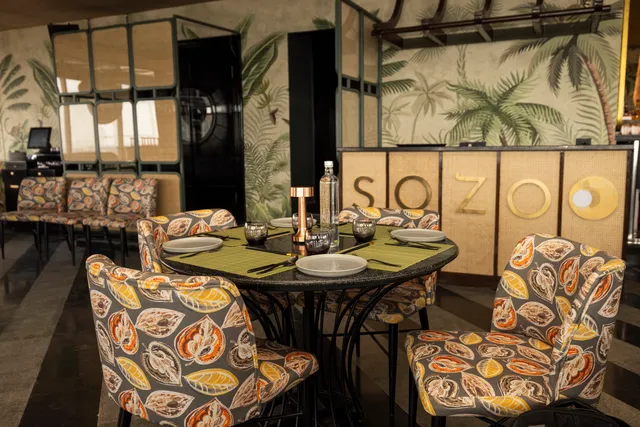
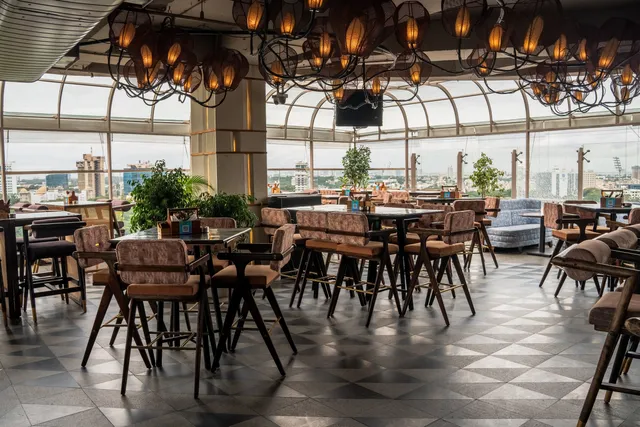
Sozo Skyline
4.3
(337)
Closed
Click for details
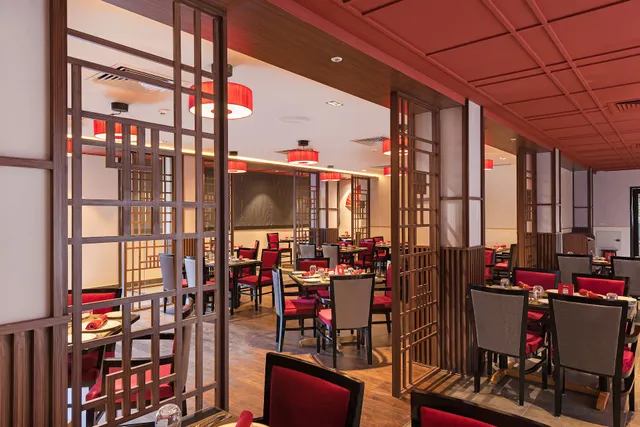
Botany Brew and Kitchen
4.1
(324)
Closed
Click for details
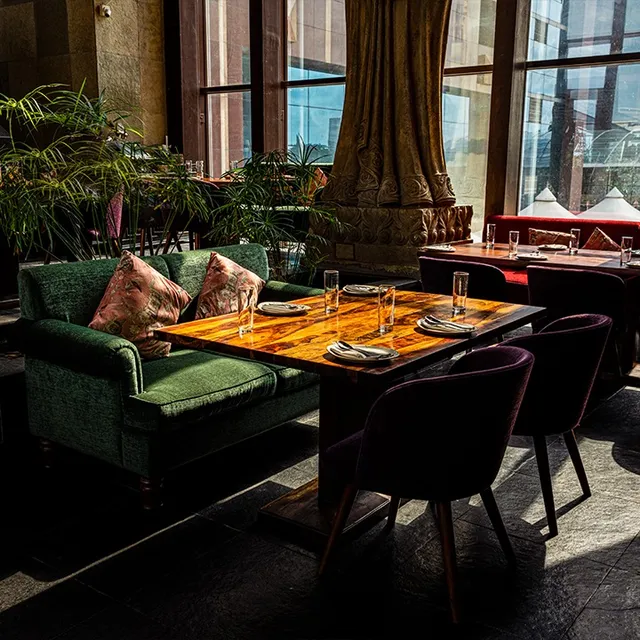
The Rice Bowl- Lavelle road
4.2
(1.3K)
$$$
Closed
Click for details
Shiro Bengaluru
4.4
(2.5K)
Closed
Click for details
Nearby local services of Museum of Art & Photography (MAP)
UB City
Venkatappa Art Gallery Bengaluru
Prestige Kingfisher Towers
Tasveer
Hamleys- The finest toy shop in the world
Forest Essentials
High Court of Karnataka
Fitness
Vidhana Soudha
Amoeba - HM Leisure
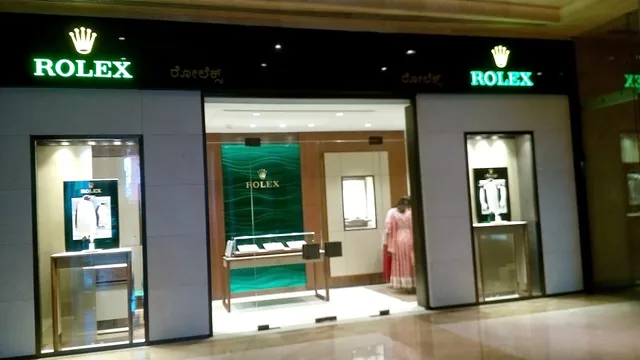
UB City
4.5
(23.8K)
Click for details
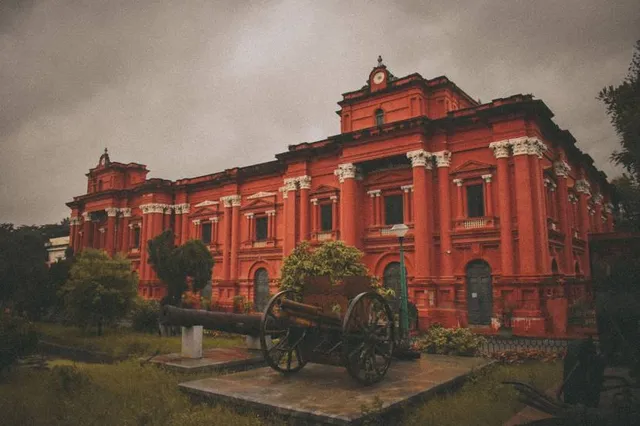
Venkatappa Art Gallery Bengaluru
4.2
(578)
Click for details
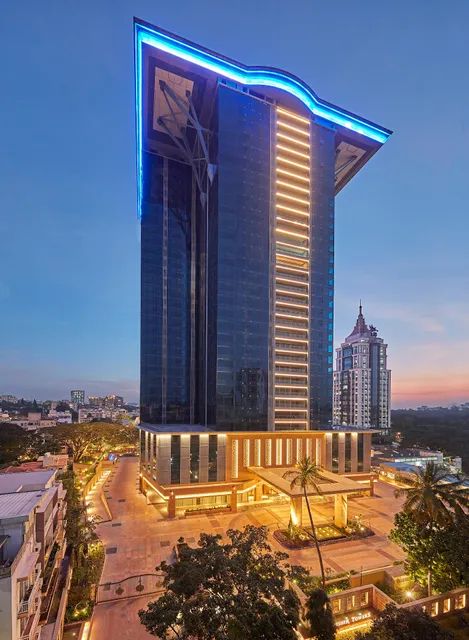
Prestige Kingfisher Towers
4.6
(302)
Click for details
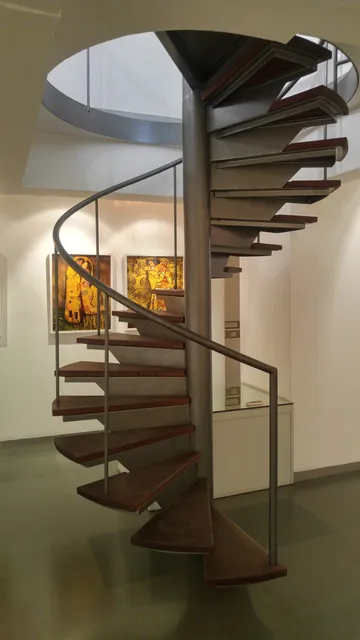
Tasveer
4.4
(19)
Click for details