Reading all the positive reviews i feel like why can't we be more ambitious!! This is just one issue in india. I asked ChatGPT, what india can learn from japan with regard to historic someshwara temple in the heart of bangalore with similar historic temples in kyoto japan. Here is the answer. India, especially cities like Bangalore, can learn a lot from Japanās approach to preserving, integrating, and celebrating historic templesāparticularly by looking at how cities like Kyoto have handled their ancient heritage amidst modern urban growth.
Urban Integration of Heritage Sites Kyoto (Japan): Kyotoās ancient temples are carefully woven into the urban landscape. Urban planning ensures buffer zones around heritage sites to maintain serenity and visibility. Roads, buildings, and signage are designed to complement temple aesthetics.
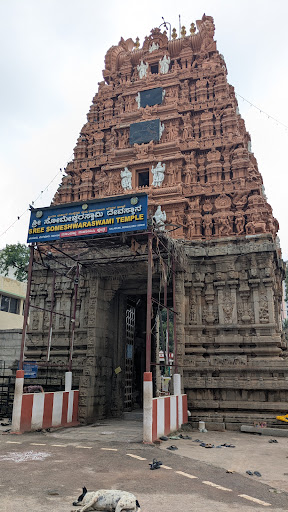
Someshwara Temple (Bangalore): Located in a dense urban jungle, hemmed in by chaotic traffic, shops, and unplanned growth. No clear buffer zone or heritage corridor. The templeās cultural ambience is lost amid noise, pollution, and commercial activity.
ā Lesson for India: Create heritage precincts and regulated zones around temples to preserve their sanctity and enhance tourism. Implement context-sensitive urban planning.
ā»ļø 2. Cleanliness and Maintenance Kyoto: Temples and surroundings are meticulously clean, even in tourist-heavy areas. Volunteers, monks, and local communities actively participate in upkeep. Littering is socially unacceptable and heavily discouraged.
Someshwara Temple: Often surrounded by dirty streets, open drains, vendors, and traffic congestion. Temple interiors may be well-kept, but exteriors and approach roads are neglected.
ā Lesson for India: Foster a community-based temple cleaning initiative. Implement strict anti-littering enforcement and provide proper waste bins and restrooms.
š§ 3. Spiritual Tourism and Global Branding Kyoto: Historic temples are global icons of Japanese culture and attract millions of international tourists. Cultural practices (tea ceremonies, Zen meditation, calligraphy) are packaged with the temple experience. Night-time illuminations, guided tours, and interactive cultural education attract all age groups.
Someshwara Temple: Despite its age and architecture, it is hardly known even to most Bangaloreans. No structured tourism promotion, no signage, no cultural programming. Infrastructure for visitors (guides, info boards, rest areas) is lacking.
ā Lesson for India: Promote temples like Someshwara as living cultural heritage. Use light-and-sound shows, local storytelling, and traditional arts to enhance engagement. Collaborate with travel and tourism boards to build circuits like "Bangalore Heritage Trail".
š 4. Heritage Laws and Community Involvement Japan: Heritage laws are strictly enforced, and temples are often run in collaboration between religious institutions, local citizens, and government. There is pride and collective responsibility in preserving cultural assets.
India: Even if temples are ASI-protected, enforcement is weak or inconsistent. Encroachments, noise pollution, and unregulated urbanization continue around temples. Local citizens often feel disconnected from preservation efforts.
ā Lesson for India: Involve resident welfare associations, temple trusts, and youth groups in protection plans. Decentralize heritage management to include community...
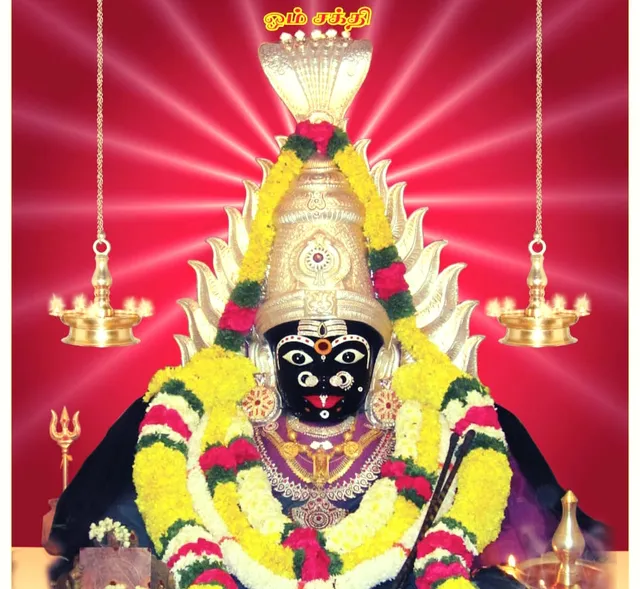
Ā Ā Ā Read moreNestled in the heart of Halasuru, Bengaluru Sri Someshwara Swamy Temple is a revered Shiva temple believed to be over 1500 years old, with its present structure attributed to the 13th-century Chola rulers. Though inscriptions or historical documents are absent, strong oral traditions preserve its sanctity and history.
According to legend, Sri Jayappa Gowda, the King of Yelahanka, once rested here during a hunting expedition. In a dream, Lord Someshwara revealed his presence within an anthill and recounted how he was once worshipped by the sage Mandavya Muni. Distressed by the decline in devotion, unity, and dharma, the Lord urged the king to build a temple at the site. He obliged, and the idol of Sri Someshwara Swamy was installed and consecrated.
The deity is known to bless devotees with marital harmony, progeny, and relief from afflictions like Apamrityu Dosha and Janma-Mrityu Dosha. Rituals such as Mahabhisheka, Rudrabhisheka, and Panchamruthabhisheka are integral to the templeās spiritual calendar.
Regular Mahabhisheka and Mahamangalarathi are conducted every Monday. Festivals such as Pradosha, Maha Shivaratri, Karthika Masa Puja, Shiva Deepotsava, Brahmotsava, and Pallaki Utsava draw large gatherings. Particularly during Karthika Masa and Magha Masa, devotees seek blessings through Deeparadhane, believed to bring auspicious outcomes.
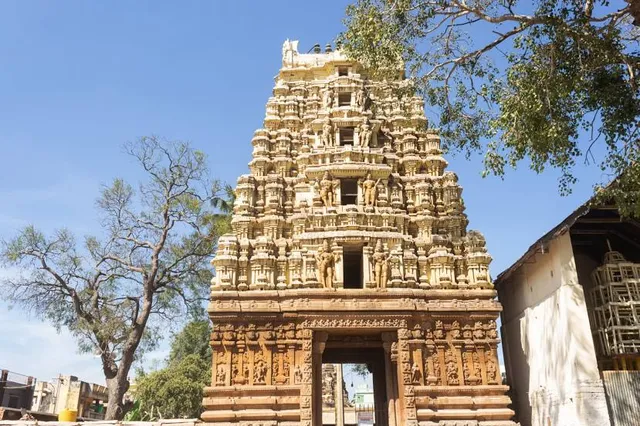
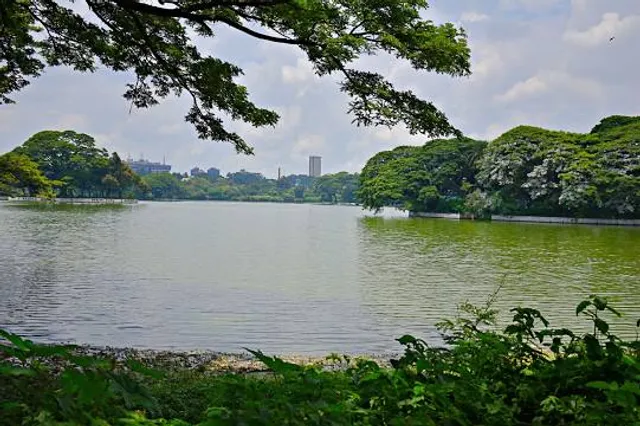
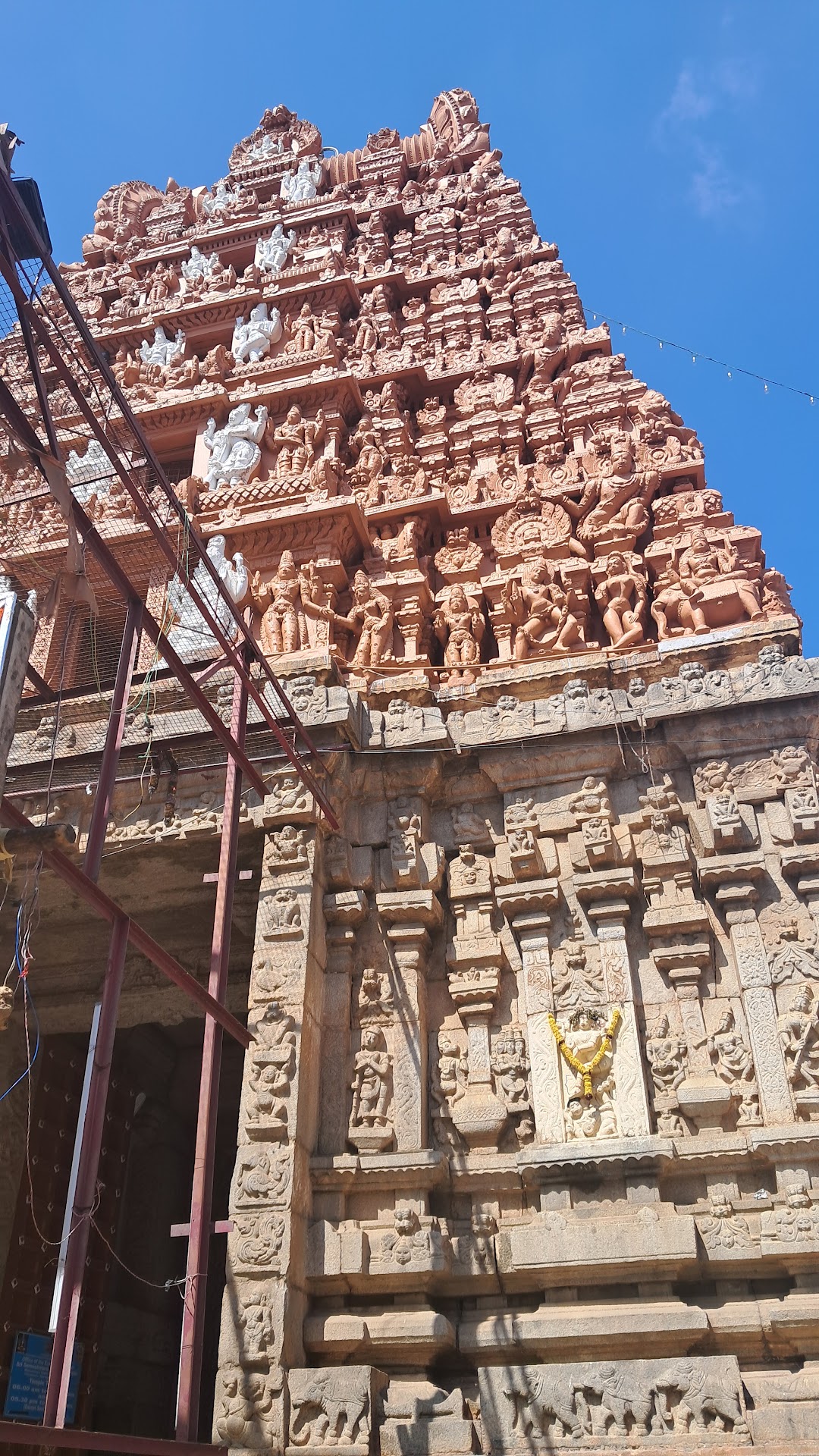
The temple architecture features stone pillars with intricate carvings of deities like Ganesha, Vishnu, and Shiva. While a sacred pond exists within the corridor, devotees are not permitted to use it. Offerings of lemon and coconut placed near the Lord are later distributed as prasadam.
Despite the lack of renovation records by kings or Palegars, the temple continues to be a beacon of unwavering faith, spiritual legacy, and community devotion.
The temple is managed by the Hindu Religious and Charitable Endowments (HRCE), Govt. of Karnataka, and it is well maintained. There's a designated counter for booking poojas and archana tickets, which is convenient for devotees looking for a more involved ritual experience.
The temple complex is home to multiple shrines of Lord Someshwara (Shiva) ā the presiding deity, Maa Kaamakshi, Lord Ganesha, Subrahmanya (Kartikeya), Navagrahas, Kaalbhairav, Hanuman, Omkareshwar, Arunachaleshwar, Dakshinamurthy, Lord Vishnu, Brahma, Chandikeshwara and several others.
The mantapam (pillared hall) is a special spaceādonāt forget to sit and meditate here. The silence, energy, and timeless ambience make it a truly surreal experience, offering rare mental stillness in a bustling city.
Things to note:
Parking is tight and difficult due to the templeās location in a densely packed urban area. Best to use public transport or park near Halasuru metro station and walk down.
A free footwear stand is available near the entrance.
Mornings are generally quieter and more conducive for darshan and meditation.
Cleanliness and overall administration are...
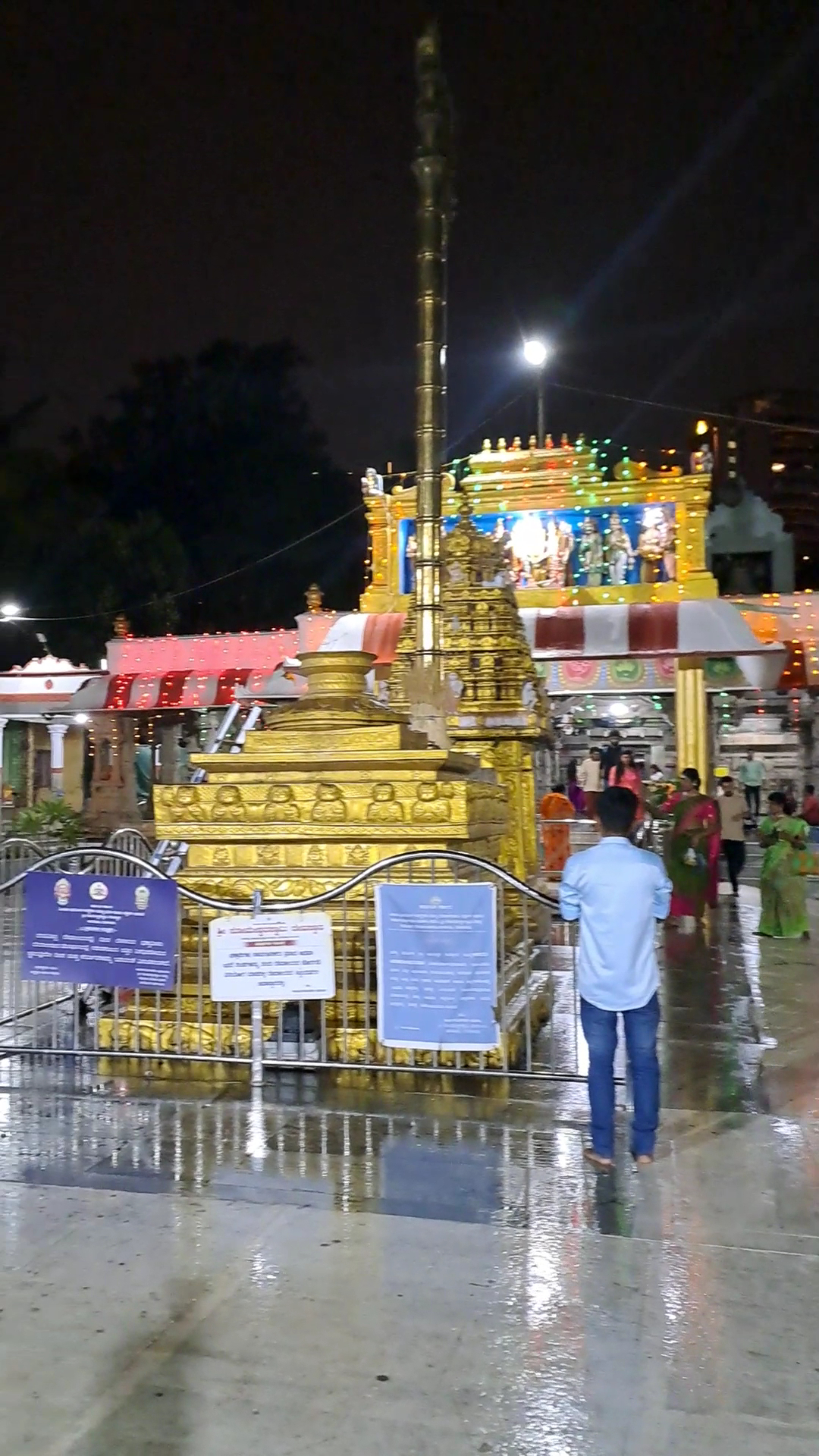
Ā Ā Ā Read moreNestled in the heart of Halasuru (Ulsoor), the Someshwara Swamy Temple stands as one of Bangaloreās most revered and historically significant temples. Dedicated to Lord Shiva, this architectural marvel dates back to the Chola dynasty, showcasing intricate carvings, towering gopurams, and a tranquil spiritual atmosphere. A visit to this temple is not just a religious experience but also a journey into Karnatakaās rich cultural and architectural heritage.
Architecture and Ambience
The templeās Dravidian-style architecture immediately captures the eye, with its magnificent gopuram adorned with elaborate carvings of deities, celestial beings, and mythological scenes. The entrance itself is grand, inviting visitors into a world of serenity amidst the bustling city. Inside, the temple complex boasts beautifully sculpted pillars, each telling a story from Hindu mythology. The inner sanctum, where the presiding deity Lord Someshwara (a form of Shiva) resides, radiates an aura of divine peace, enhanced by the rhythmic chanting of mantras and the soft glow of oil lamps.
Spiritual Experience
For devotees and spiritual seekers alike, the temple offers a deeply fulfilling experience. The daily rituals, including the morning abhishekam (sacred bath of the deity), the evening aarti, and the special poojas during Mondays and Shivaratri, create an atmosphere of devotion and reverence. The temple priests perform rituals with great dedication, and visitors often speak of the positive energy that envelops them as they step inside the sanctum.
Historical Significance
The templeās origins trace back to the Vijayanagara era, with significant contributions from the Chola rulers. Legends suggest that King Kempegowda, the founder of Bangalore, played a role in its restoration, further solidifying its importance in the city's history. The templeās intricate sculptures depict stories from the Ramayana, Mahabharata, and Shiva Purana, making it a treasure trove for history enthusiasts.
Best Time to Visit
Early mornings and evenings are the best times to visit, as the temple is less crowded, allowing for a more peaceful experience. The temple is especially lively during Maha Shivaratri, when thousands of devotees gather to offer prayers and participate in the festivities.
Final Thoughts
Someshwara Swamy Temple in Halasuru is a must-visit for anyone interested in spirituality, history, or architecture. It offers a rare blend of divine sanctity, artistic brilliance, and historical depth, making it one of Bangaloreās hidden gems. Whether you seek blessings, cultural enrichment, or a moment of peace, this temple promises an experience that lingers long...
Ā Ā Ā Read more